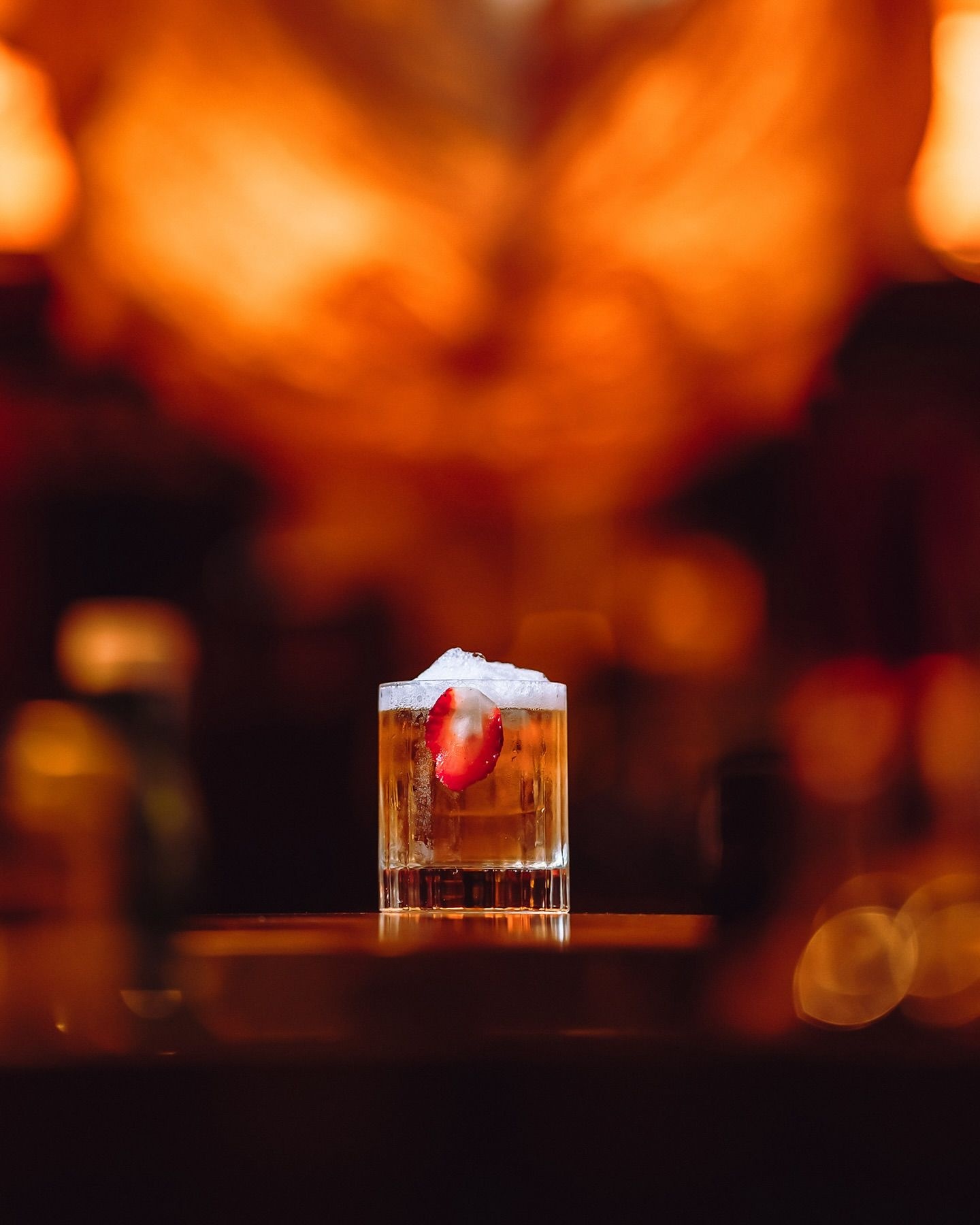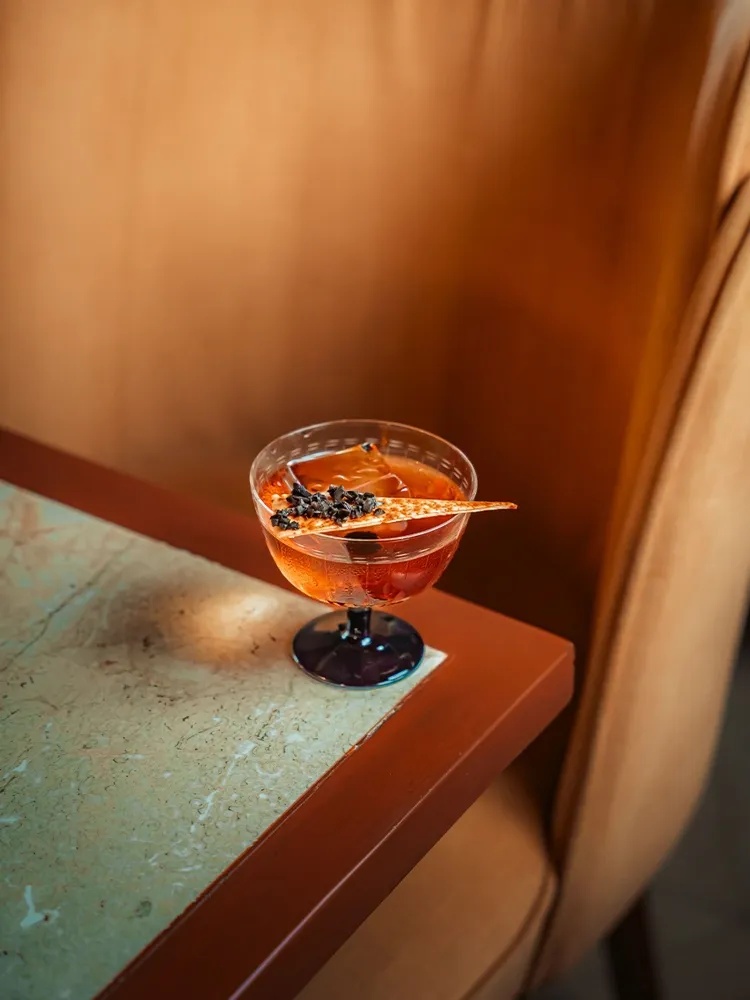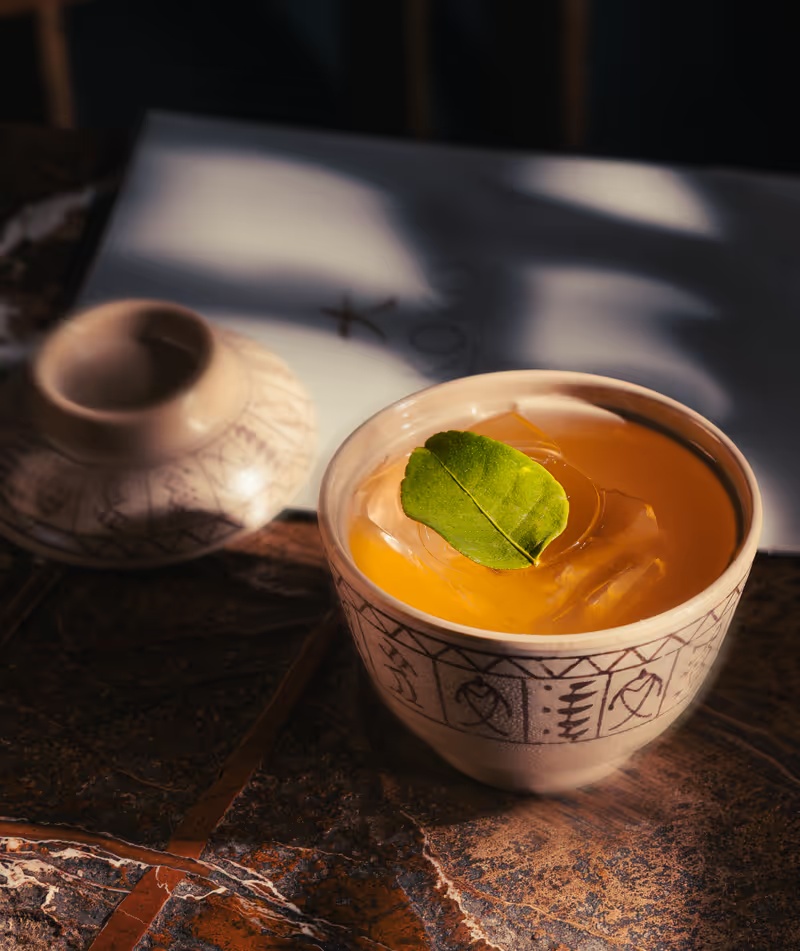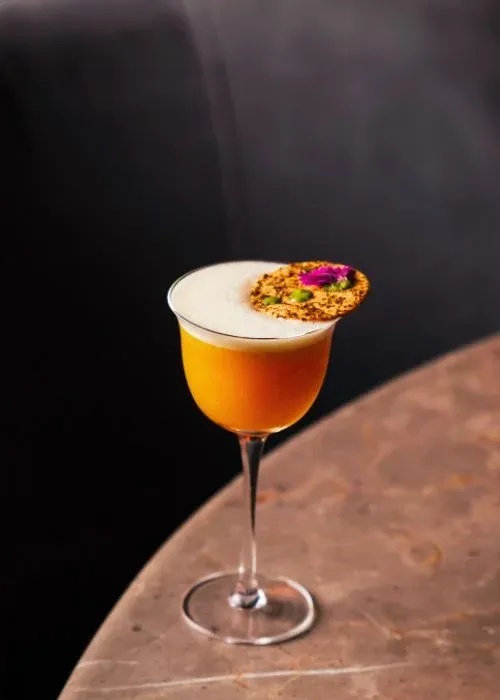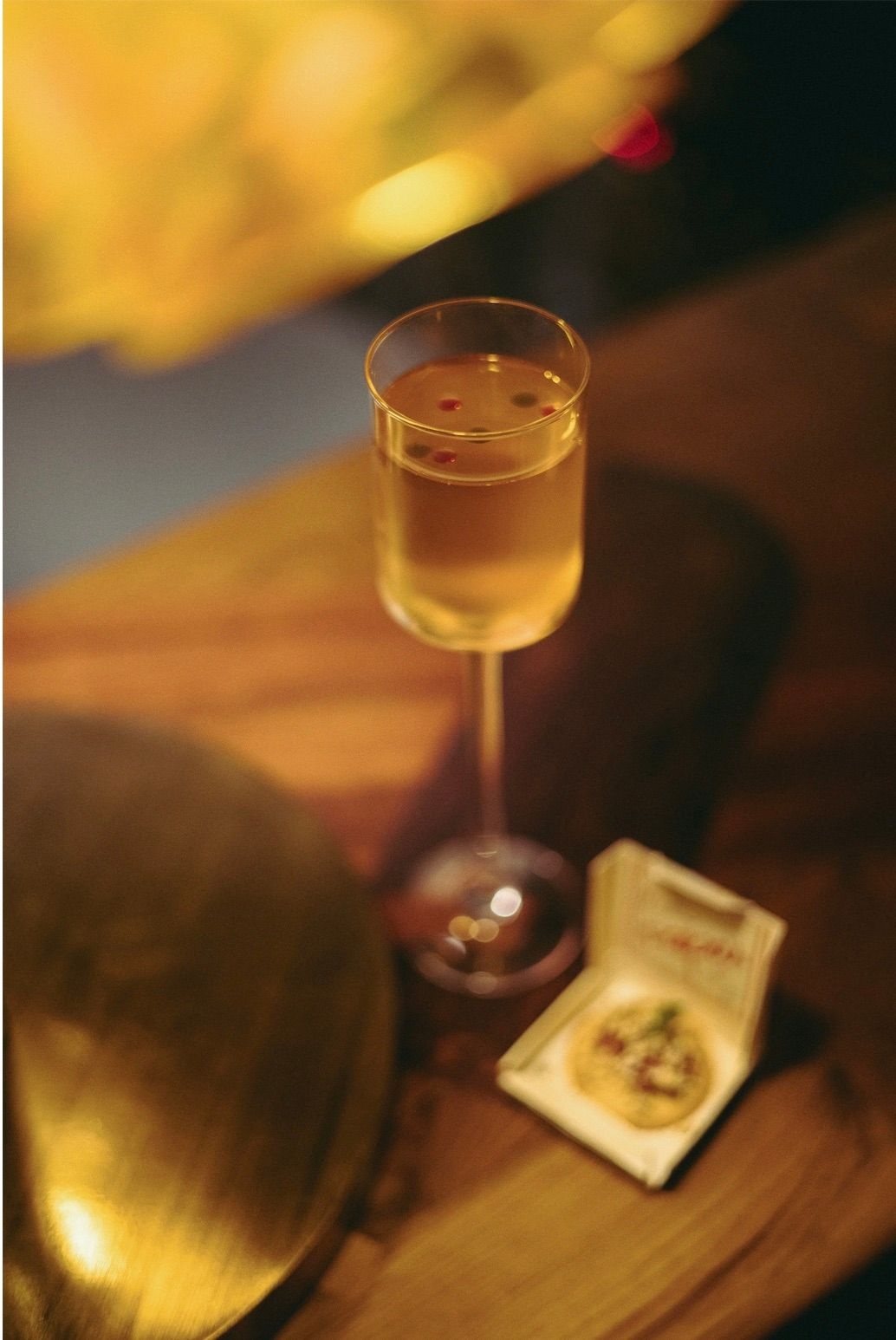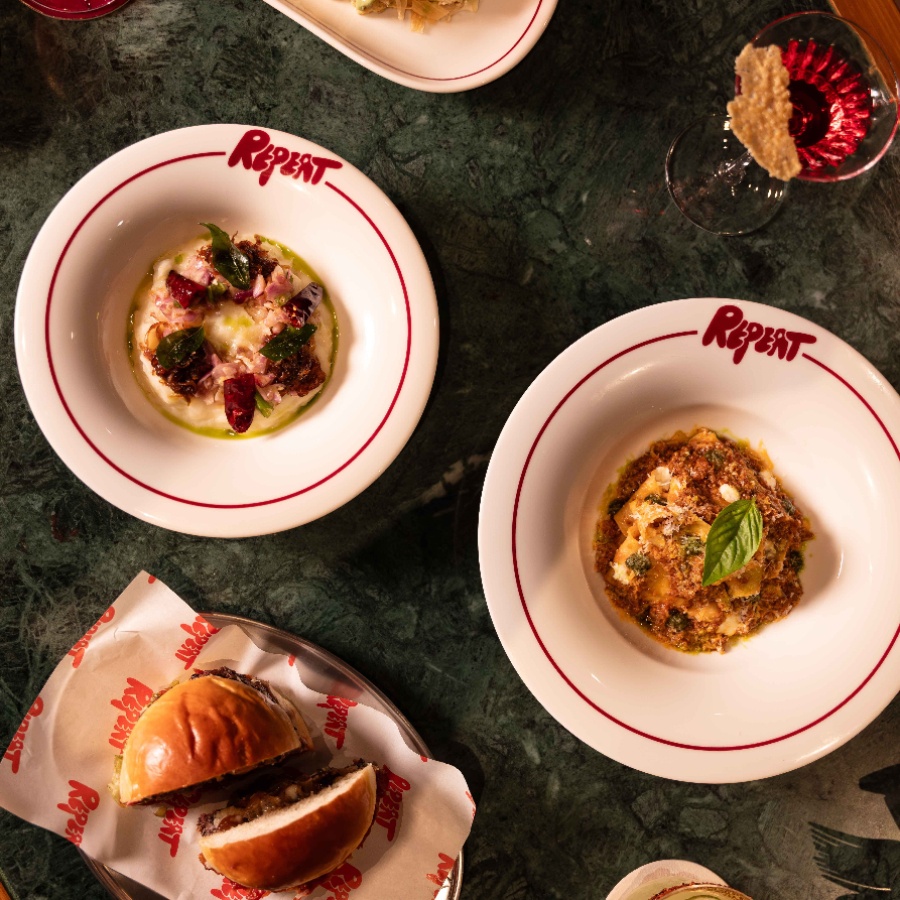





A year ago, on the frenzied floor of Bar Wars, an all-India cocktail competition held in Goa, the standout drink came from a bar in Pune. It was inspired by a steak. This was a cocktail that championed the global trend of savoury cocktails: smoky and meaty with sweet notes that hinted at a barbeque sauce. A year later, the same competition featured a Parsi dhansak drink that made us feel very strongly that the time had come to say goodbye to this trend. 2025 was the year we got bombarded by cocktails that tasted like food: from biryanis to butter chicken, palak paneer to pizza, rasam to ramen, and Maggi to Mysore pak.
“Internationally, this trend has existed for two or three years, but in India it’s only caught on more recently. So, I feel it’s going to stay for some time,” says Pankaj Balachandran, co-founder of Countertop India and the man behind bars like Boilermaker and Quinta Cantina in Goa. “Personally, I’m not a big fan. It just seems like we’re emulating what the West does without any context,” says the mixologist about the story of how we crossed the thin line between ‘wow that’s so creative’ to ‘wow this makes no sense, please stop’ and why we need to do something before it’s too late.
There was a time not too long ago when making cocktails was simple. Two parts booze, one part sugar, one part lime. Whiskey sour? Bourbon + lime + sugar. Switch the bourbon out for tequila and you had the foundations of a margarita. Use white rum or gin, and you were sipping on a daiquiri or a gimlet. The more premium the base spirit, the less sugar and lime you needed. This formula worked wonderfully for decades, only breaking form for briny martinis, fruity tikis and tall summer drinks.
Then creativity walked into the bar. And the cocktails we grew up with got prefixed with ‘Classic’ and were relegated to page two of the drinks menu. These were exciting times— bartenders had started experimenting with flavours, and simple swaps came first. Tamarind instead of lemon as the sour element. Jaggery for sugar. At these bars, you’d find at least one cocktail served in a brass mug, and one in a tall bamboo cup with tribal art etched on it. This, incidentally, was also the time we started seeing the words “lavender” and “elderflower” a lot on cocktail menus.
Soon, every bar was serving cocktails with lavender and elderflower. This triggered a gradual ratcheting up of complexity—we were now bang in the middle of the era of infusions and house syrups. Pandan vodka. Bacon bourbon. Curry-leaf gin.