




As a child, I learnt very early that some things at restaurants were allowed to leave with you. Cocktail umbrellas, for instance. The colourful paper things with wooden spokes that always came with a Piña Colada on your beach holiday. They were already damp and halfway to being trash, which somehow made them fair game. We took them without asking; no one stopped us. The adults drank more cocktails and the waiters watched and smiled.
I thought of this recently while standing in a bar I had helped build. For almost two months, I had been hunting for cocktail picks that felt right for the space: gold, elegant, and attractive. The restaurant was new, run by first-time restaurateur Anuradha Medhora and her partner Shravan Juvvadi. At The Silver Train, the bar had barely opened when its first swipe occurred. Two days into service, nine of the 12 picks were missing.
For some, making off with a spoon or nabbing a chopstick holder from a fancy restaurant is the sign of a thrilling, drunken night out. For them, it’s not a crime but just a souvenir to take home and a story to tell. But also on the rise are more accomplished restaurant thieves, known for unapologetically filching. As Medhora found out a few days into her launch, many of the tiny silver bowls and bone china condiment saucers from her restaurant had simply vanished from the inventory.
Finders keepers? More like entitled behaviour.
The view from behind the pass
This is not a new phenomenon. In fact, it’s one of the requisites of running a restaurant, says Vikram Arora, who runs and consults for restaurants such as The Johri and The Sarvato in Jaipur and Tamak and Nksha, amongst others, in Mumbai. “The biggest thing that leaves without anyone really noticing is small cutlery,” he shares, “Teaspoons, dessert spoons, tiny katoris.” People take them home quite often consciously, and sometimes instinctively.
For Arora, the logic is almost practical. Good cutlery is hard to buy in small quantities for home use, and when diners encounter a well-made spoon at a restaurant, it feels like a small luxury worth pocketing. Most restaurants today order twice or thrice the usual order of small spoons since they are the first to disappear, much like umbrellas or pens for most people.
But if it’s so common, why aren’t they caught, you ask? Well, honestly, no one wants to play detective over a teaspoon.
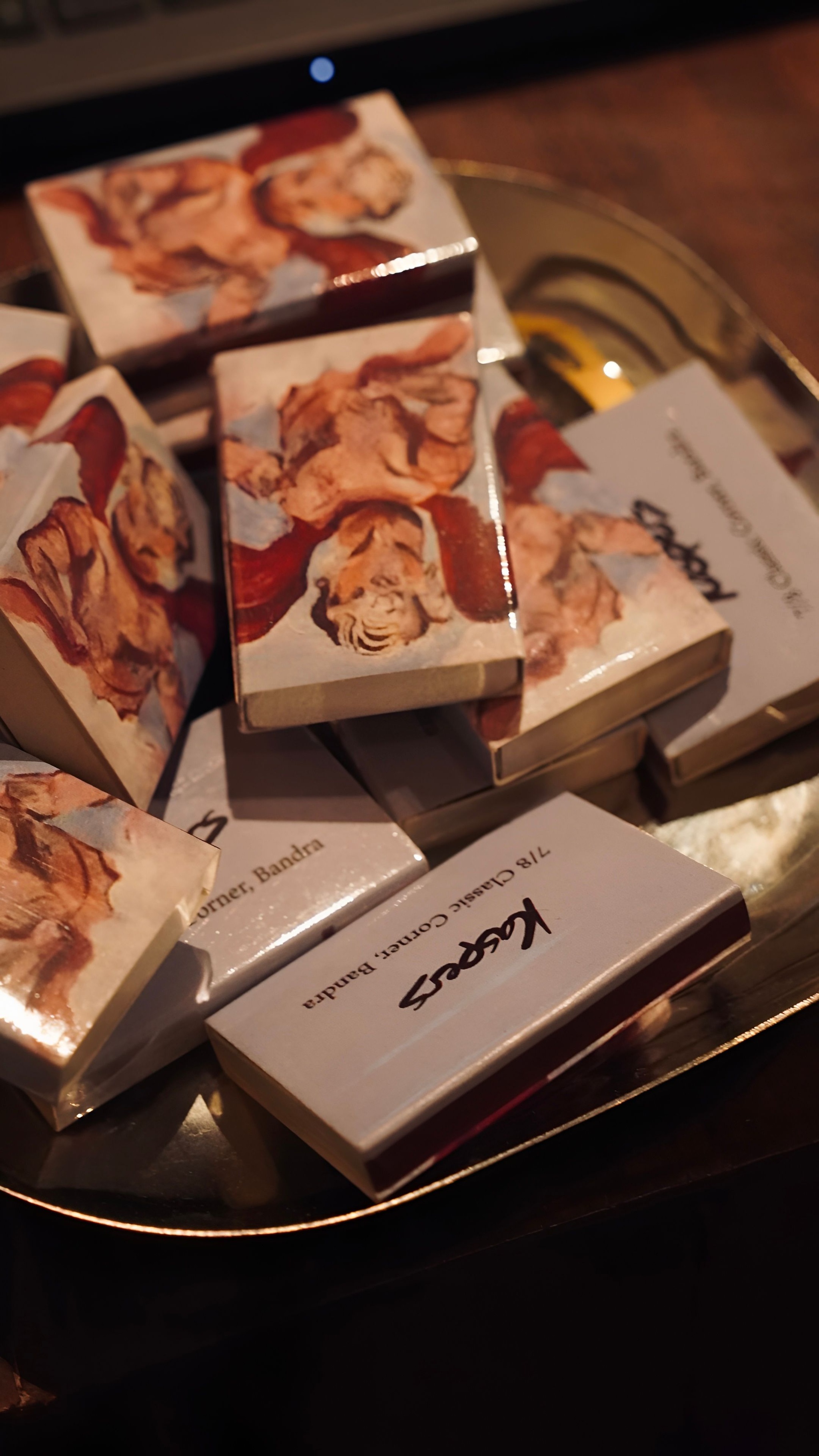
But the plot gets weirder with the more unexpected swipes from the dinner table. Recently, at Kaspers, Gauri Devidayal caught a guest red-handed—not during stock-taking but on a grainy CCTV grab. A steak knife slipped into a fancy handbag. It wasn’t the only one to go missing.
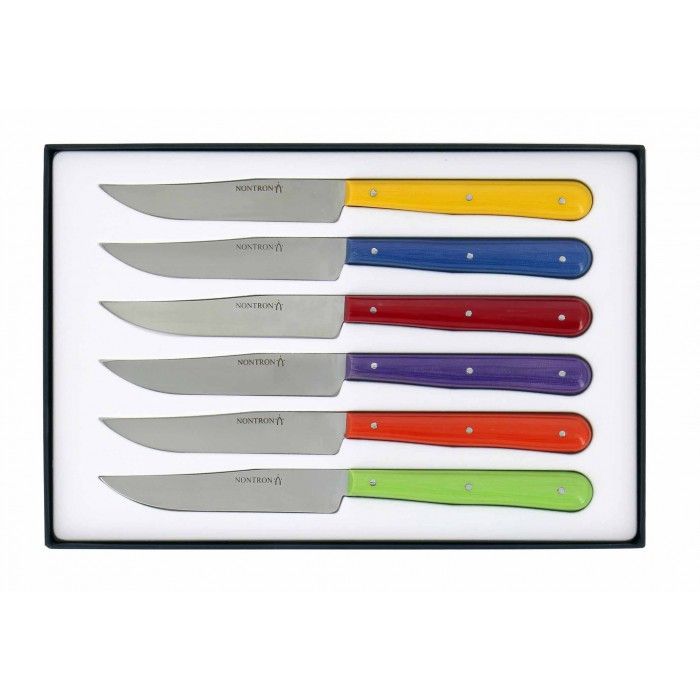
Devidayal had hesitated before posting about the pilferage publicly, not to let this slide but because it felt almost absurd to have to spell this out: that not everything on the table is for keeps. (The box of crayons on your table? Yes, go ahead.) For the restaurateur, the knife itself had been chosen carefully—sourced from the US to match Kaspers’s mosaic floors—and carried back to Mumbai by friends and family. In a matter of days, three were gone.
The reaction to making these incidents public has been a familiar one across the industry: relief. Not at the theft itself, but that someone had finally said it out loud. The point, as many were quick to stress, is never to shame a guest, only to draw a line.
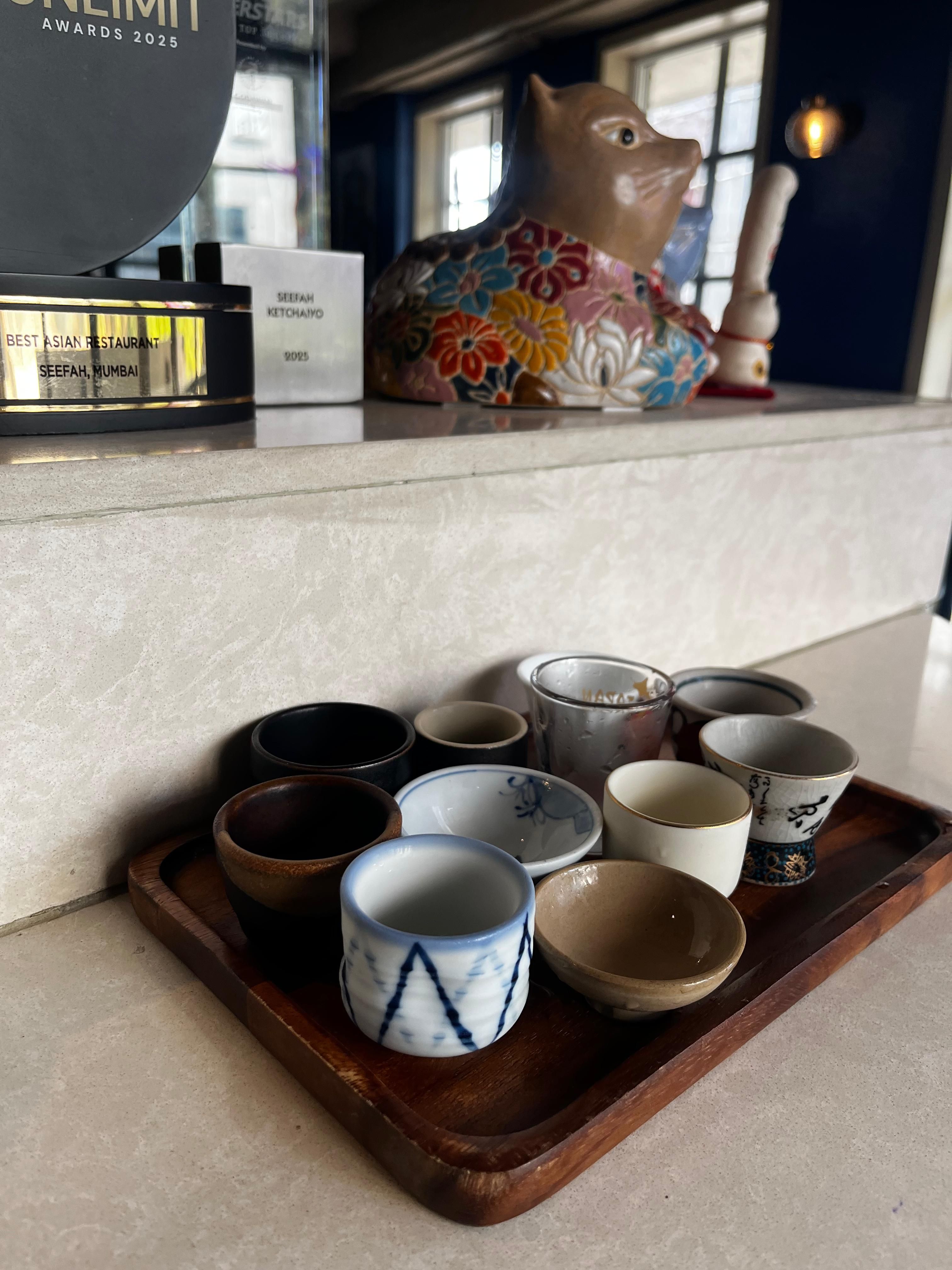
That line was drawn differently by Seefah Ketchaiyo, who runs her namesake Thai restaurant Seefah in Mumbai. When a small piece of tableware went missing last year, she chose not to post about it. Instead, she messaged the guest directly. The guest apologised and returned the item. Since then, her approach has remained consistent. If something is noticed later, a polite note goes out asking for it to be returned—as with the sake cup that eventually made its way back.
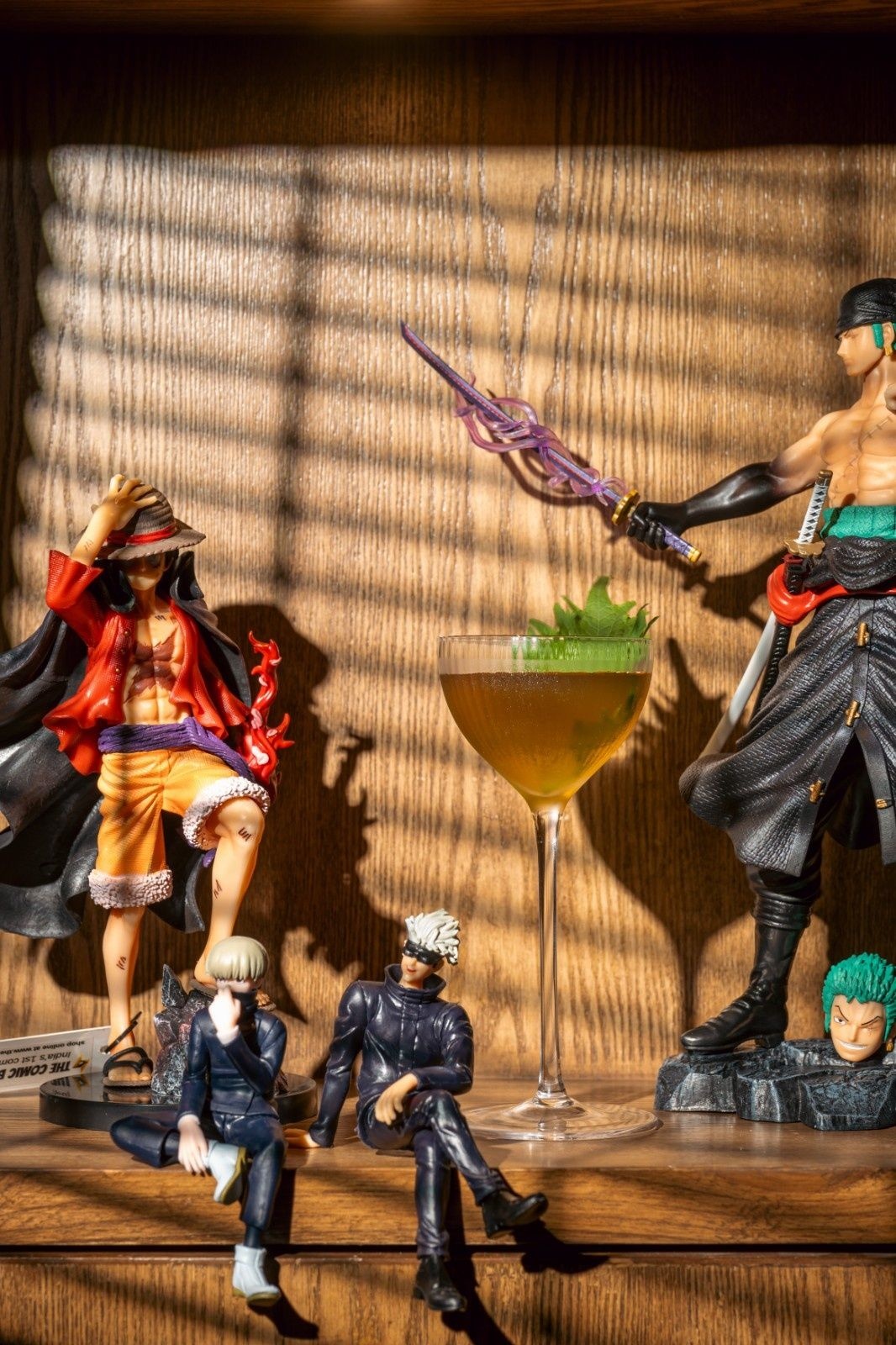
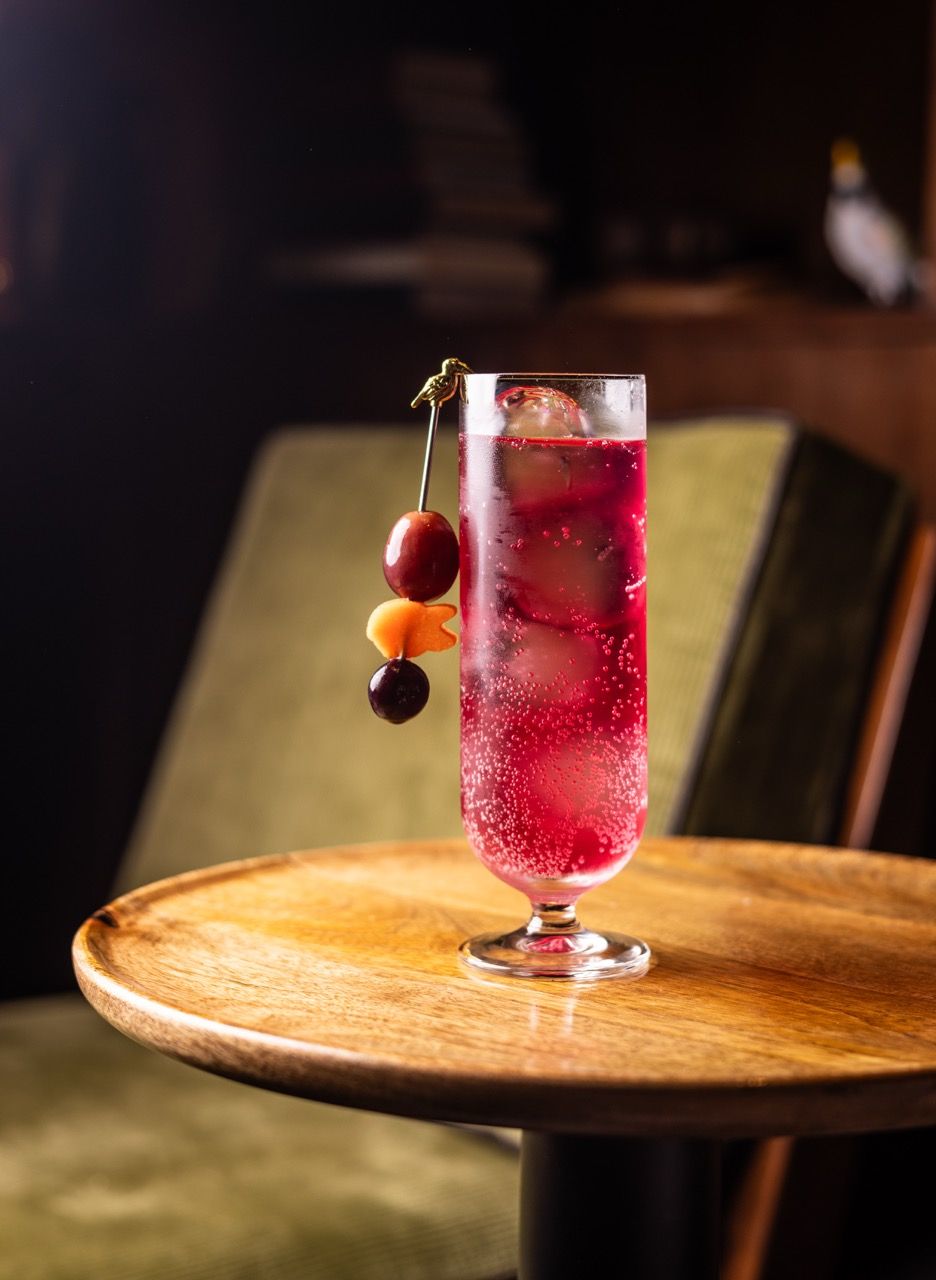
Beyond the flatware, across bars and restaurants, the list of what goes missing grows increasingly obscure. At Barbet & Pals in Delhi, it’s their bird-shaped garnish picks and metal beak stirrers that founder Jeet Rana has seen often pocketed with a sheepish smile and the insistence that they’re the best possible souvenir. Elsewhere, the range widens into the absurd: frames from bathrooms (and this one needs a deep dive into the where and how!), beer glass, ashtrays, seasoning shakers, even—briefly—a credit card machine from Woodside Inn in Mumbai, which was returned the next day, without explanation, to general bewilderment and relief. At PCO Delhi, Rakshay Dhariwal recalls antique books from the cigar room, volumes belonging to his grandfather, disappearing suddenly one day, their value impossible to ascertain because of the sentiment attached.
The thrill of taking something home
For a long time, the ramifications of taking what wasn’t yours were quietly swept aside. A spoon here, a coaster there—small losses absorbed as part of running a restaurant. But over time, those small numbers begin to add up. One missing spoon becomes a hundred, then a line item folded into rising costs, quietly nudging prices upward. Still, the arithmetic only explains so much. What’s harder to account for is the moment itself.
A bon vivant I spoke to—someone who makes a point of eating and drinking at the most talked-about places wherever she travels (let’s call her Natasha)—remembers a particular night in Hong Kong. At The Iron Fairies, thousands of tiny iron fairy figurines were scattered across the space. One of them stood out. Natasha watched it for most of the evening. She noticed the sign warning guests about fines and bad karma. “I was so mesmerised by it,” she told me, “It felt like it was calling to me.” None of it mattered. The fairy had already crossed over and slipped into her bag. It sits on a shelf at home now. Natasha says loves it and doesn’t regret it.
What’s striking isn’t the act itself but how easily it’s justified. In these moments, stealing isn’t really about ownership at all but about carrying home a piece of a place.
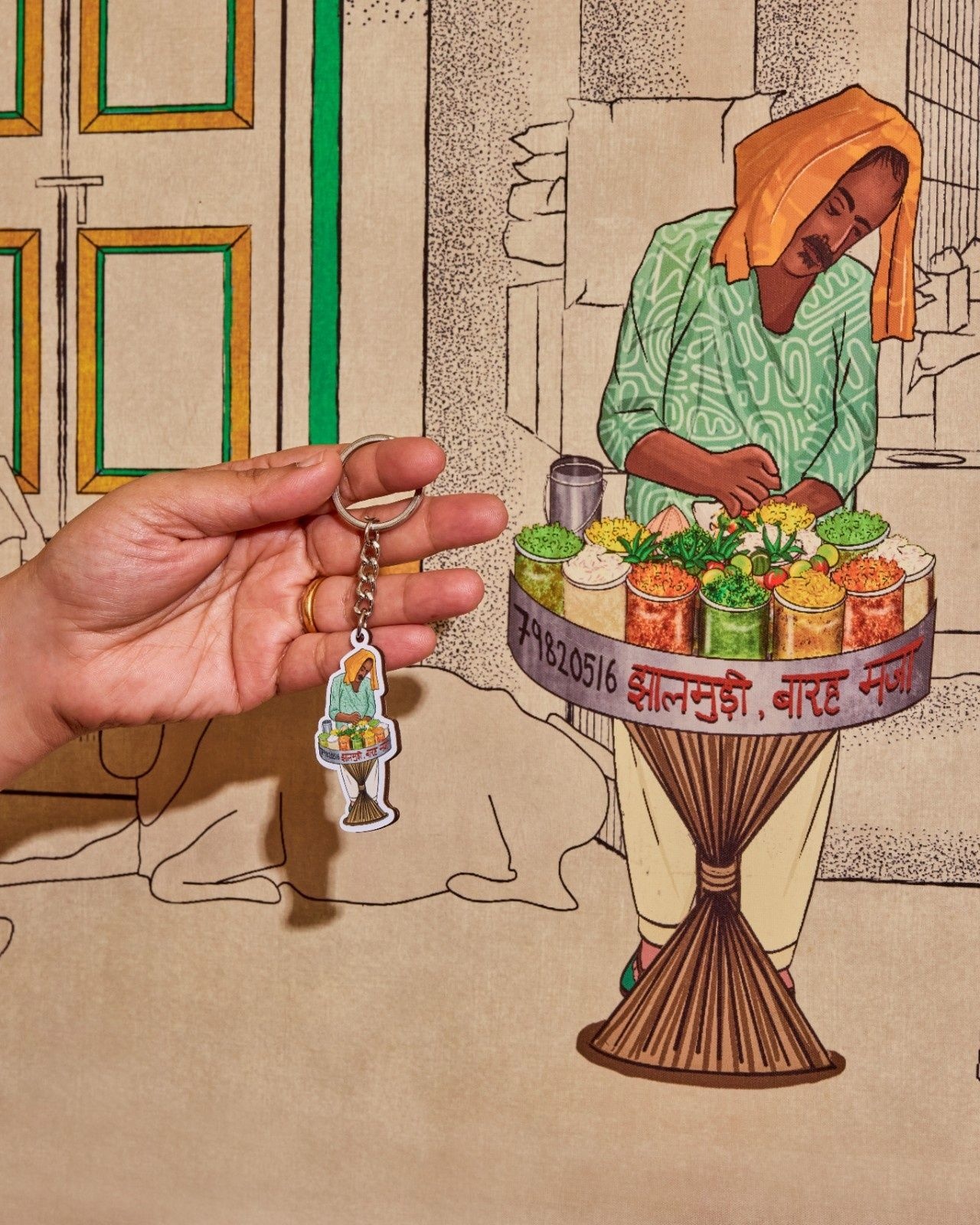
There is, of course, another category altogether: the things people are meant to take or, at least, are allowed to. Menus and coasters sit closest to that line. Prantik Haldar of The Bombay Canteen has a system honed over years of drinking his way through bars in Goa, Mumbai, and beyond. If a menu feels low-investment, he asks for a worn-out copy. If it’s fancy, he trades—often swapping it for one of The Bombay Canteen’s own menus.
Unlike true-crime perps, some people simply like bringing home a memento from an epic meal. Papa’s colouring book is designed to that end. Sayesha Kaur Gupta, a Bengaluru-based PR and marketing executive, has been collecting menus for a while. For her, they are like a conscious archive. “I’ve always asked before taking one,” she says. “They feel like souvenirs—something that instantly takes me back to a place as it once was.” Over time, they’ve become conversation starters. There was a birthday lunch at Naar, a surprise dinner at Oxalis, meals across cities and continents—Osteria Francescana, Disfrutar, Tim Raue, Locavore.
Neha Khilnani, a culture and brand strategist, brings back coasters picked up selectively from bars across Mumbai, Singapore, and Barcelona, namechecking places like Jigger & Pony and Paradiso, which she’s been to and whose keepsakes she wants to keep as a reminder of the good times.