



Food19 Jan 20264 MIN

This Hyderabad restaurant trades biryani for regional flavours

With a menu designed in collaboration with home chefs and culinary experts from over 10 Indian states, Orlo serves mess-style lunch and à la carte dinner

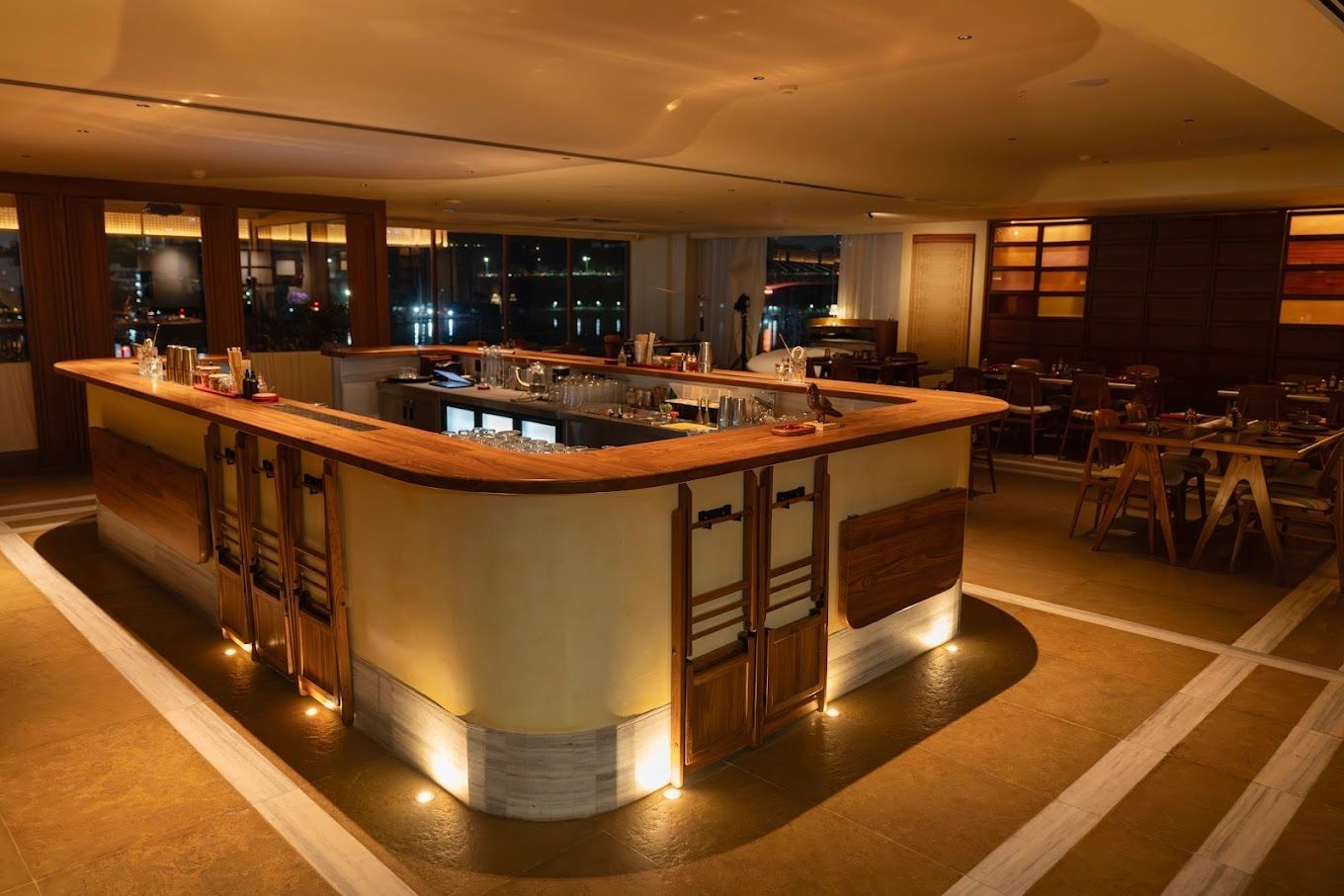
Orlo ambience

When Vickas Passary, a serial food entrepreneur from Hyderabad (he’s the mind behind long-standing gems such as Little Italy and So), landed in Udupi last year as part of culinary research for a new restaurant, an accident took him to the no-frills south Indian mess, Akka Makka. “It was just two women running a place that serves 20 people. It took me back to my childhood and the meals we used to eat: simple, wholesome, and without any fuss.”

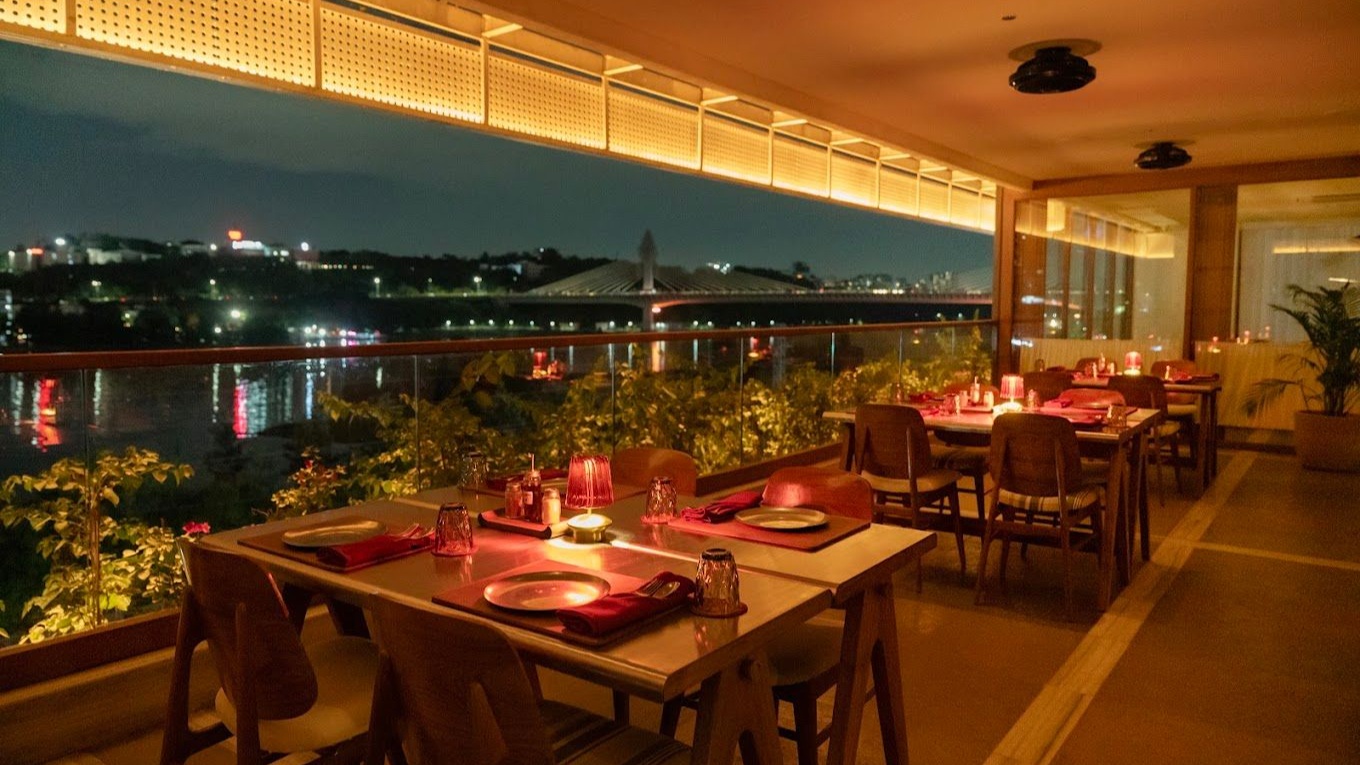
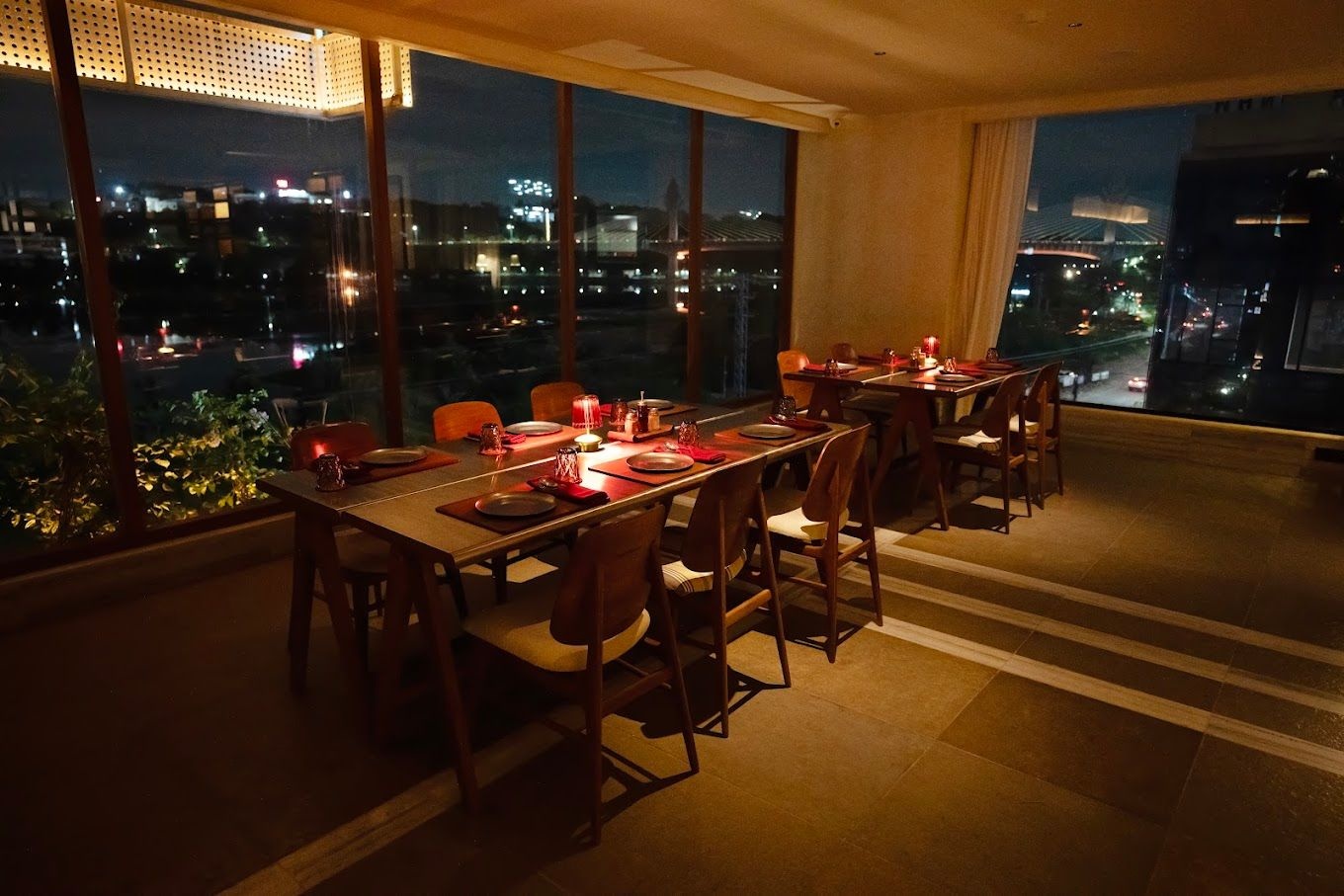
Born out of that moment is Orlo, a 3,000 sq ft restaurant named after a spin on the phrase that every guest has heard a million times at the Indian family dining table: Aur thoda lo (eat some more). The 85-seater, perched by the Durgam Cheruvu lake, gets the fundamentals right: from its location near the IT corridor to its focus on regional Indian cuisine.

Hyderabad’s dining scene currently swings between reimagined Telugu food and generic cafe fare. Orlo sidesteps the binary, serving deeply satisfying Indian meals—from across the country—on a rotating menu that goes well beyond butter chicken and ker sangri.

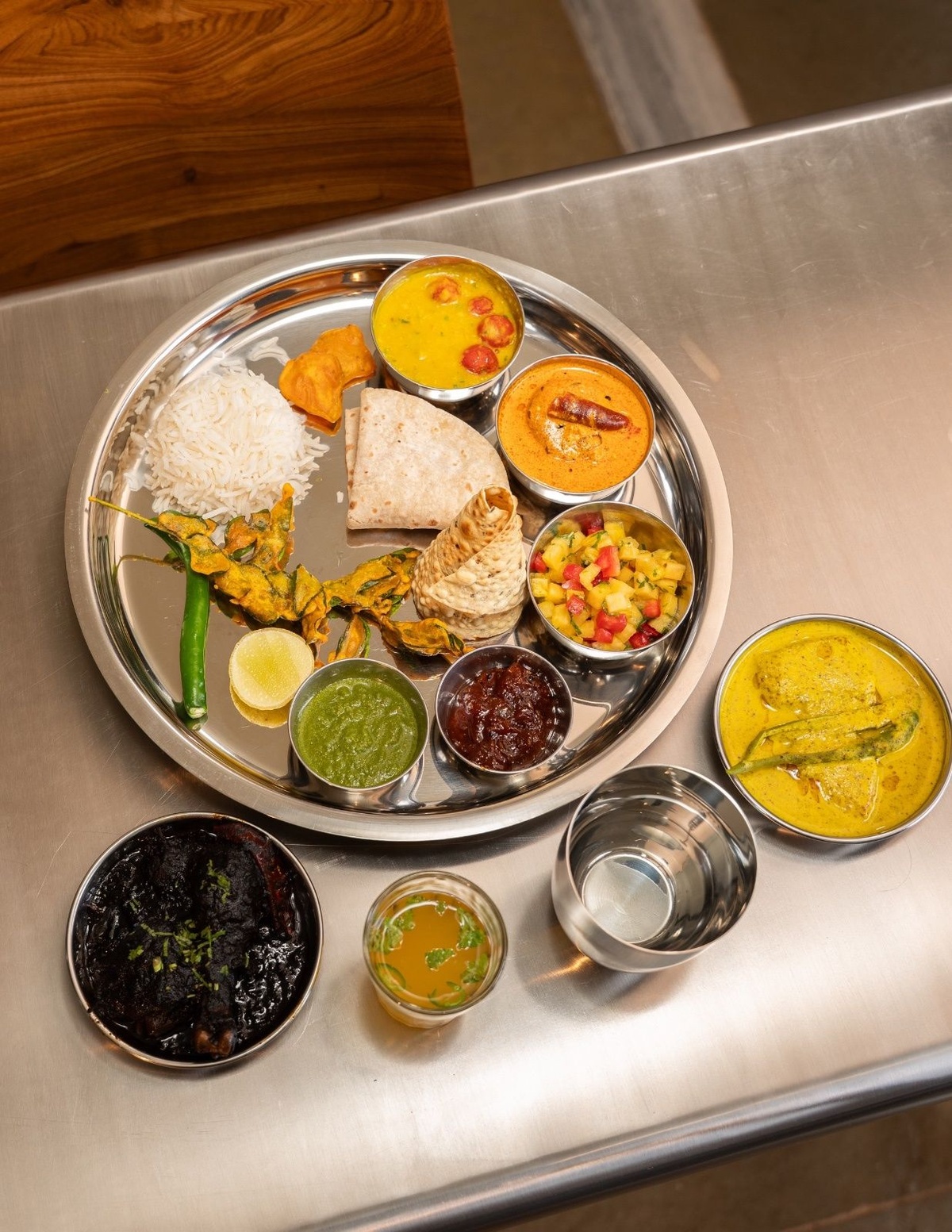
Lunch here follows a mess-style format, while dinner shifts to à la carte. Passary says, “We used to walk into people’s places at lunch, while dinner took more effort and was more elaborate.” The restaurant mirrors this rhythm: traditional sit-down meals by day and cosy tables and longer conversations by night.

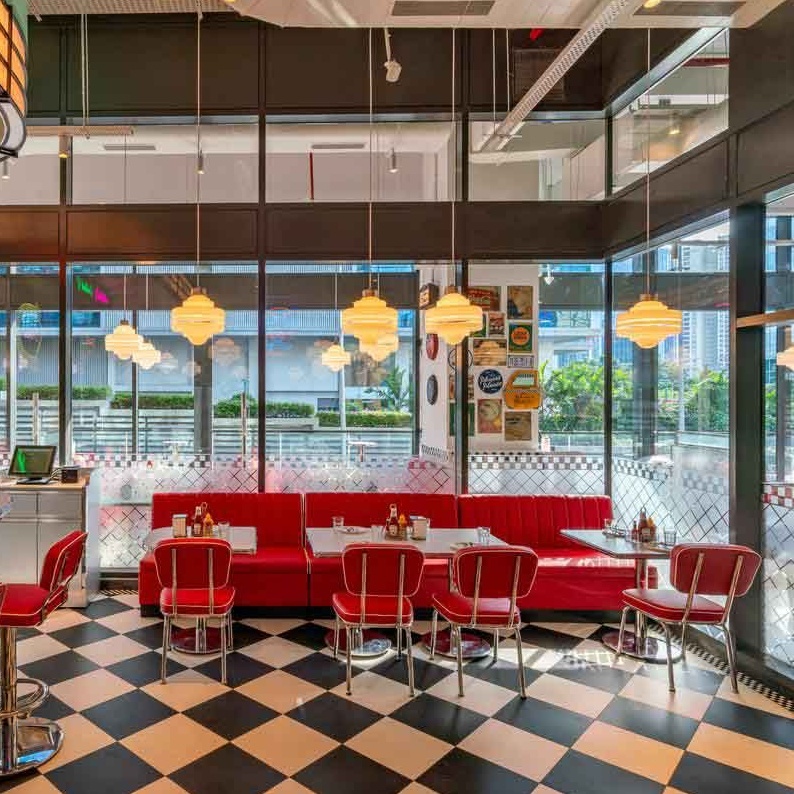
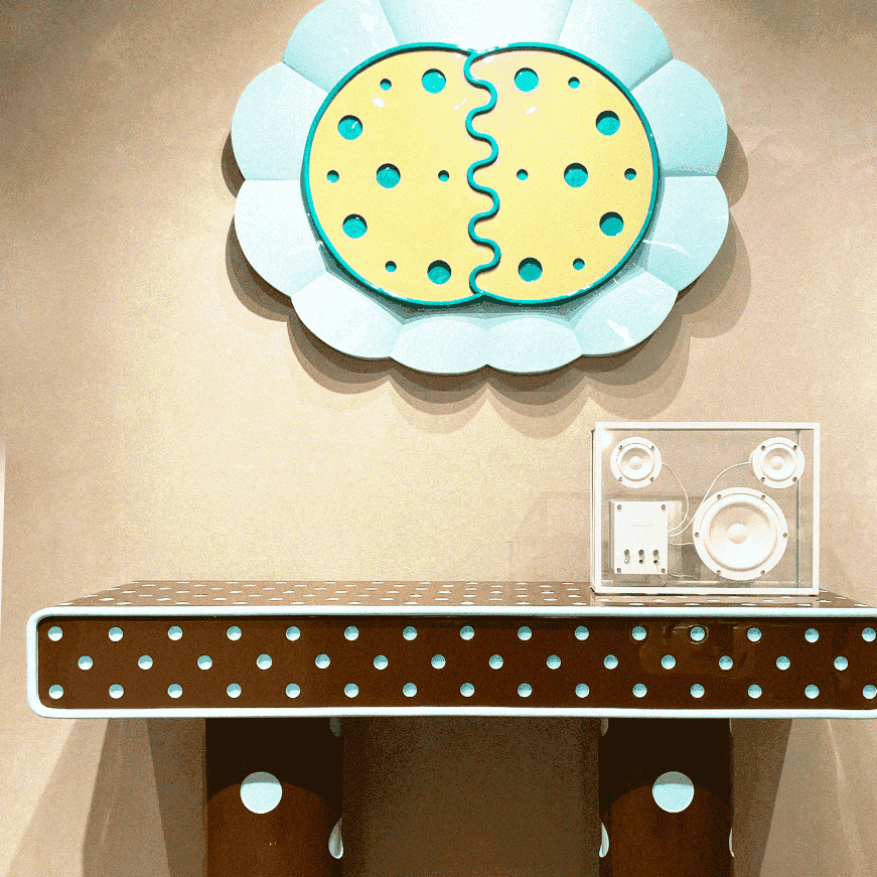
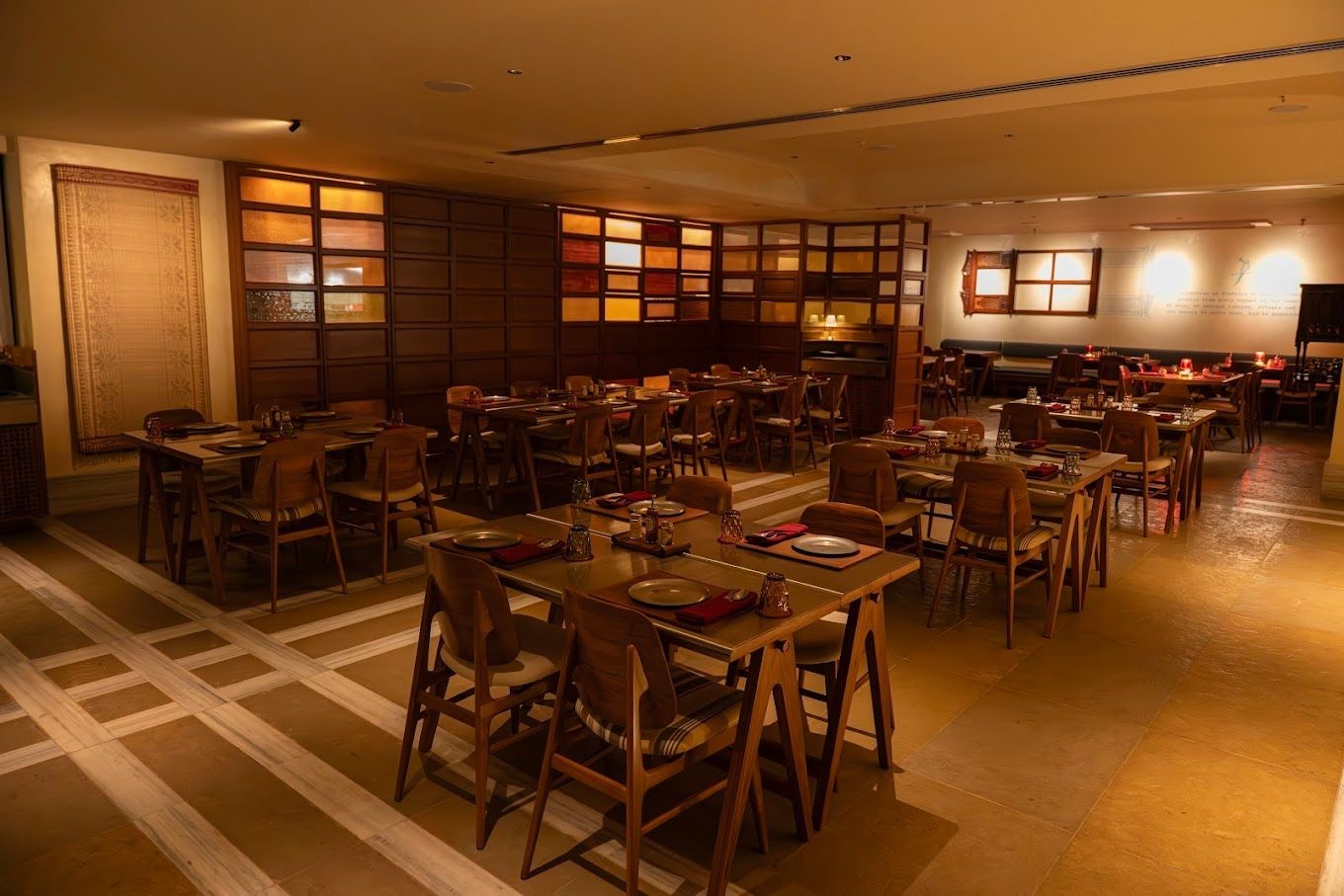
The interiors reflect this rootedness. Durable tandur stone for flooring, warm wooden interiors, hardy steel tables, and textiles used as art: all individually modest, but together they create a space that feels effortlessly chic. Done up by interior designer Sona Reddy, it gives the feeling of being in somebody’s aesthetic drawing room.
My first stop was the Rajasthani meal, arguably the best I’ve had in the land of biryani. Starting with the baajre ki raab (fermented millet in buttermilk) to the annakoot ki sabji (a medley of seasonal vegetables) and the junglee maas (tender slow-cooked meat with ghee and red chillies), everything is spiced to perfection and elevates humble, everyday vegetables into something artistic.

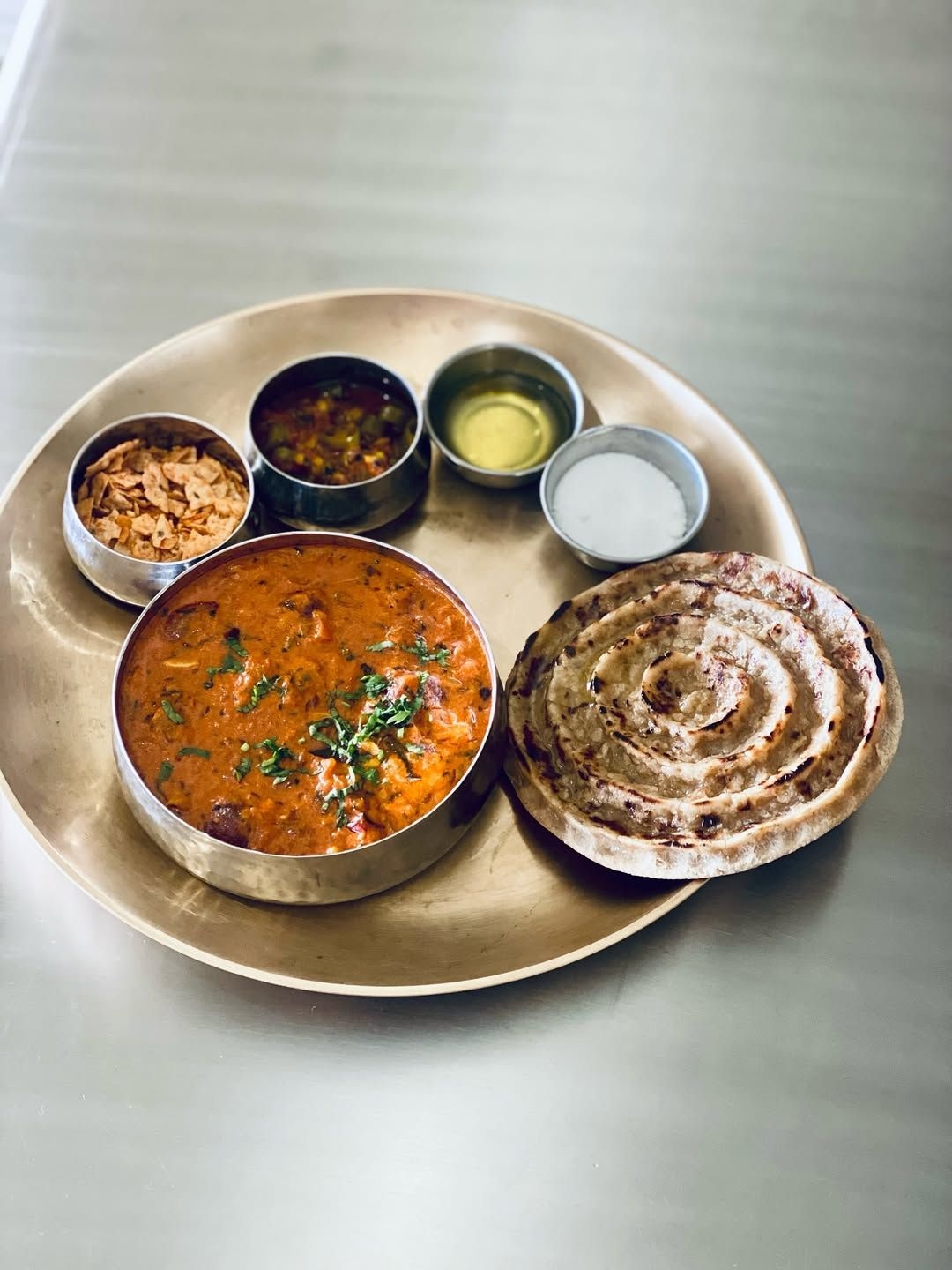
What stole my heart was a dish straight out of Passary’s grandmother’s kitchen—the malai pyaaz ki sabzi (originally from the dairy-rich Ganganagar in Rajasthan). Tiny onions, swaddled in cream and treated with the kind of reverence ladies who lunch reserve for their Birkins—it melts beautifully when paired with khoba roti. I asked for seconds. Then thirds.

The menu is made up of 58 dishes from over 10 states, ranging from Uttarakhand to Tamil Nadu. And each regional menu is helmed by a specialist: Farah Naaz (of Master Chef India fame) was consulted to bring the north-east menu alive, Deepali Khandelwal (founder of The Kindness Meal) for the Rajasthani fare, and Zahir Khan (head of the buzzy New York Indian restaurant GupShup) for the Punjabi food, all under the watchful eye of in-house chef Saleem Khan, who brings alive the flavours of Ramgarh.

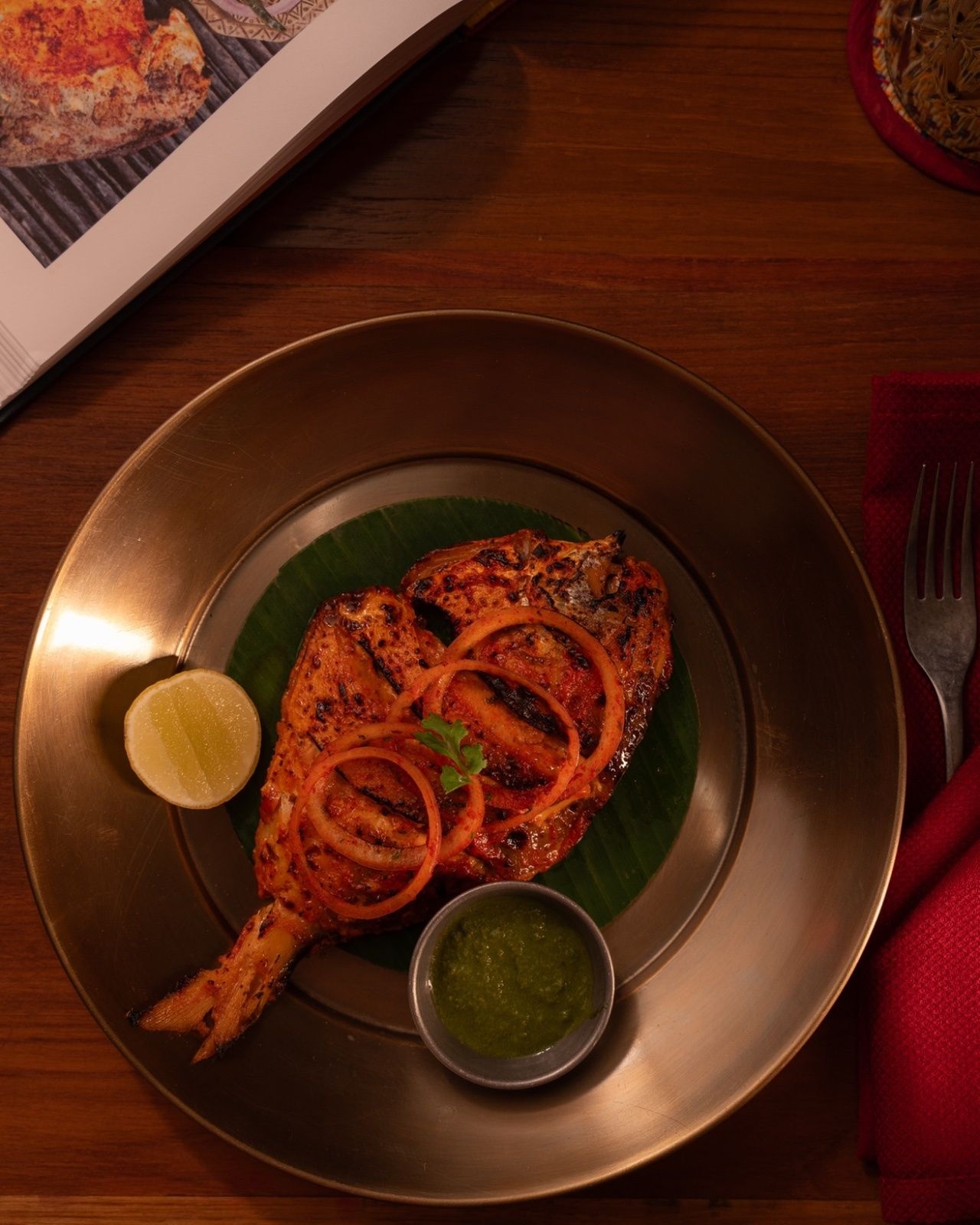
I couldn’t leave without sampling dishes from their à la carte menu, which features thoughtfully put-together preparations from across India, several making their debut in Hyderabad. One such dish is Rampuri white qorma (available in both chicken and mutton), made from a unique white gravy of makhana, cashews, poppy seeds, and onions. Once reserved for royal tables, the rich dish neither uses cream nor butters. With its tender mutton and subtle flavours, it proves that restraint, when done right, can be deeply luxurious. As they say, some dishes never travel far from the kitchens they were born in, and Rampur’s qorma is one of them.

Other treats here include ema datshi (Bhutan’s national dish of pepper chillies, melted cheese, and seasonal vegetables) and joha pulao from Assam, the closest thing to a biryani at this restaurant.

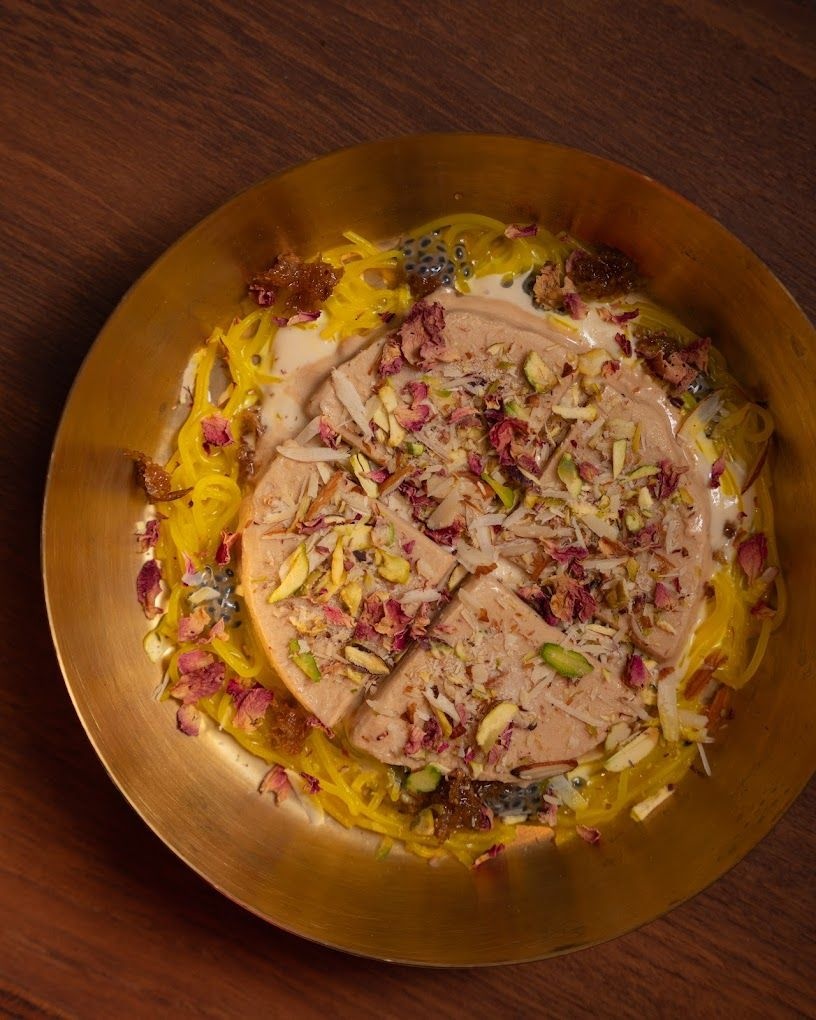
Last came the kulfi falooda, which, as Passary points out, represents how global influences impacted Sindhi food. The rose and pistachios point to the centuries-old Persian rule, the glass noodles spill tales of business with Hong Kong and the East, while saffron, cardamom, and nuts hark back to the goods we traded on the Silk Route.

Condiments, too, hit the high note here: be it the meetha aam ka achar or the Marwari-style papad churi. But for the Telugu in me, raised on fiery avakais, the real discovery was the gathri pickle. Made from grated mango, whole garlic cloves, peppercorns, and subtle spices, tied into neat, travel-friendly parcels and steeped in a vinegar-water bath, it was both foreign and familiar in taste. “The gathri, or potli, is sheer genius in portion control and hygiene and reminds us of our pasts as business travellers,” shares Passary.

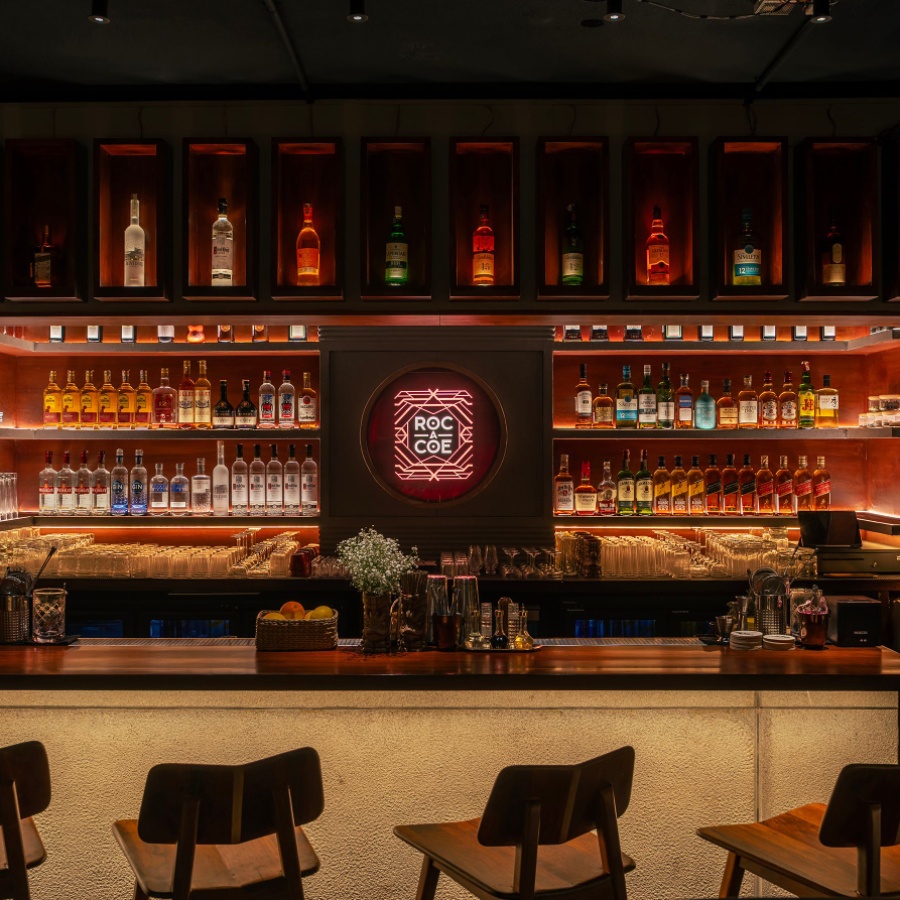
Drinks here are simple: five house sodas (kacchi kairi, jamun, kokum, and a Madurai rasam-inspired fizz); pick a spirit and mix your own. I chose kokum—tangy, crisp, satisfying.

Small details seal the experience at Orlo: soups in thermos flasks, a printed menu (no QR codes, thankfully) with photos, notes and dishes that inspired the place, and irresistible and Instagrammable golden-hour views from the terrace.

At Orlo, the food doesn’t try to impress. It simply insists you take one more bite.

Meal for two: Lunch: ₹500 onwards (walk-ins welcome). Dinner: ₹2,000 per person (by reservation only)

Address: Orlo, 3rd Floor, R Quad, Near Inorbit Mall, Hitech City, Hyderabad

Timings: 12 pm – 3 pm; 7 pm to 11 pm

Reservations: Call +91 9063169910

The Nod Newsletter

We're making your inbox interesting. Enter your email to get our best reads and exclusive insights from our editors delivered directly to you.