




“You went to Singapore for 10 days?!”
“Yes, and it wasn’t enough.”
“What?!”
“Really. Each time I go, I discover more and come back with an even longer list.”
That’s the typical exchange I have with friends every time I return from Singapore.
I’ve been visiting Singapore for over 20 years. Each time, I leave home with a long, ever-growing list of food places, hoping to cross off as much as I can, but I always return with an even longer one. For many, Singapore is a long-weekend destination with the usual suspects: Marina Bay Sands, a hawker centre, some shopping, a cool bar or two at Clarke Quay. What surprises my friends is how much time I spend there.
But thinking of Singapore that way flattens it.
On my early visits, I was dazzled by the predictable things: spotless sidewalks, vast breakfast menus in hotels, efficiency, enormous malls, and the feeling that everything runs smoothly. As a mom, the list then also included all the child-friendly options the destination has to offer, which saved me the trouble of taking a long-haul flight to Europe. For Indian visitors like me, it feels easy and reassuring. But there are layers to Singapore that aren’t always tidy.
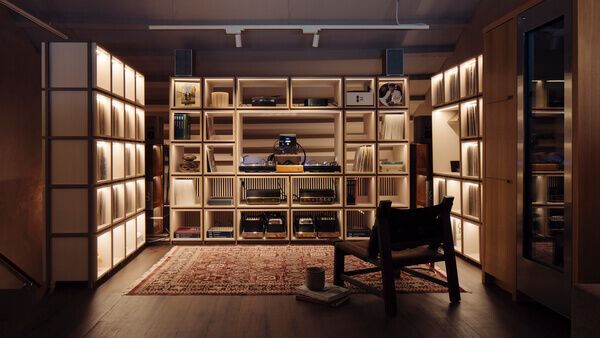
Even now, I find new alleyways and doorways in neighbourhoods I thought I knew well. Some foods with serious splatter—bak kut teh and bak chor mee—that I first tried over a decade ago are non-negotiable. At the same time, I’m always chasing something new: a vinyl listening room, a durian I haven’t tasted, a coffee shop inside an old hardware store.
Every time I’m there, I see it—and taste it—differently.
My Google Maps list for the Lion City runs into the hundreds. I track Singapore by its food. I mentally tag versions of the city to people in my life: friends’ kids, girlfriends, parents’ friends, friends on bachelor parties, babymoons, or friends seeking hawker food or a good cocktail bar (or five). The thing is, everyone has to eat every day. Below, some notes that illustrate what I mean.
The comfort of what endures
Singapore has many places that aren’t polished for tourists. They’re homegrown, historic, very much alive.
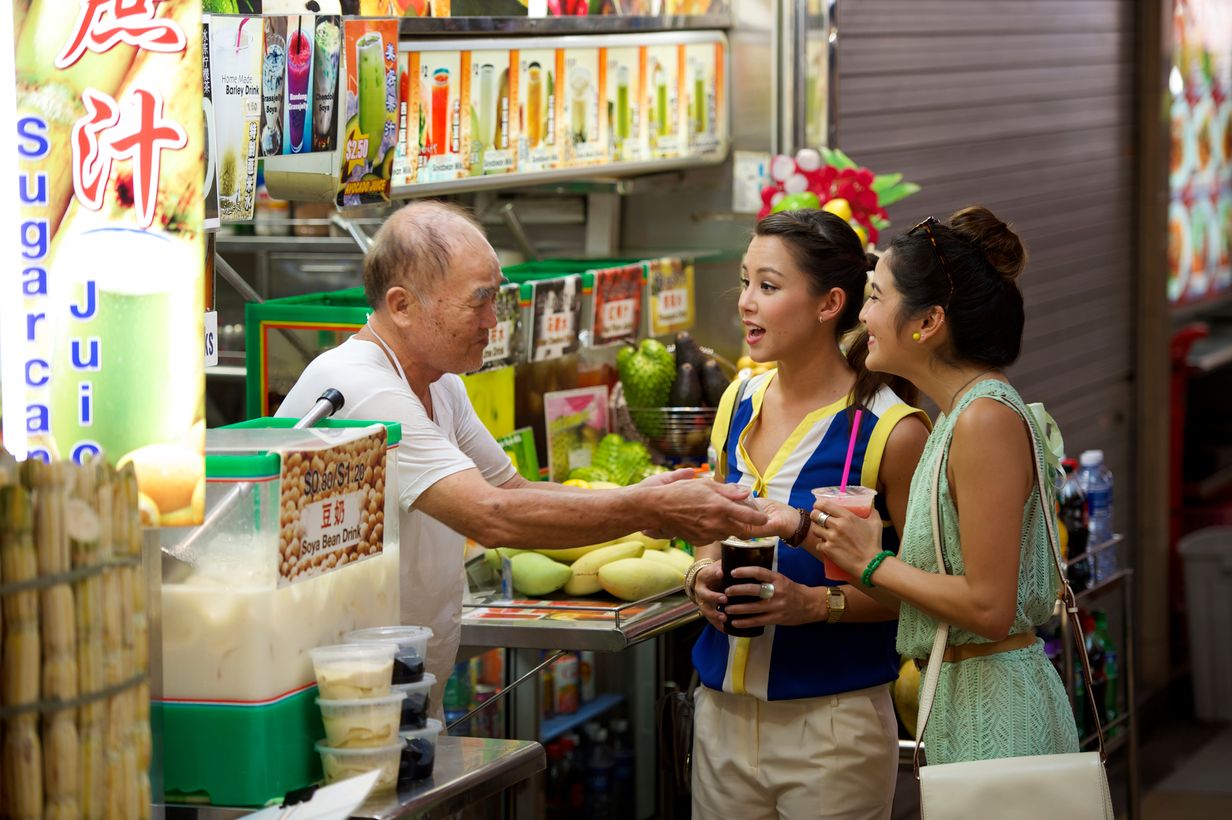
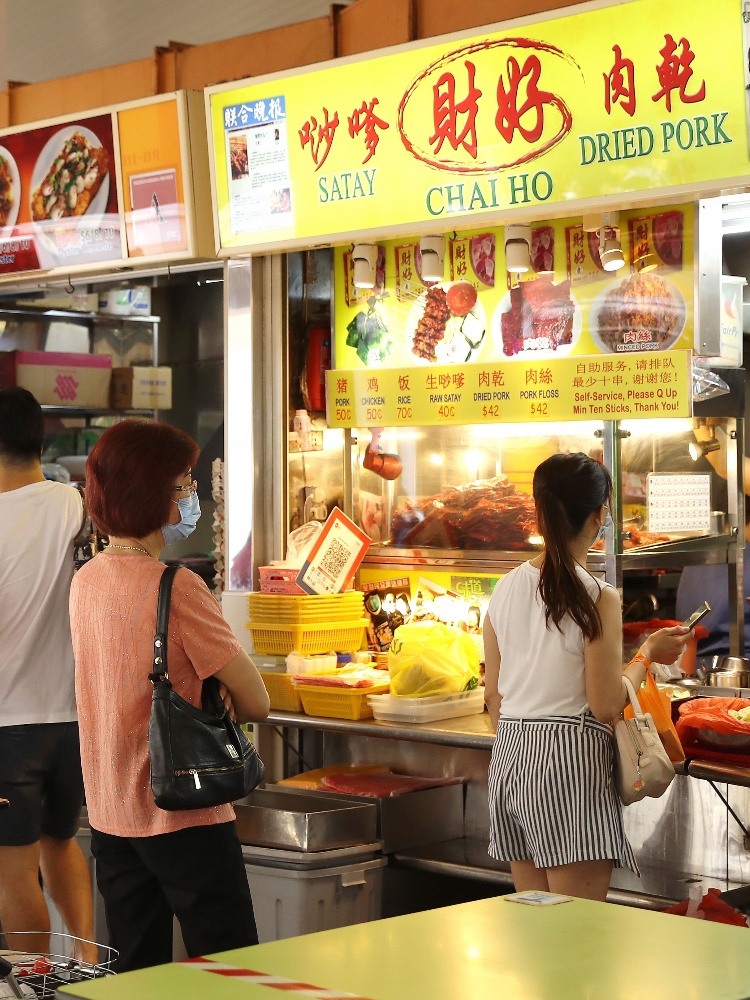
Take Adam Road Food Centre, which has been around since the mid-1970s. I only found it last year. If you’ve been to the massive Maxwell food centre or the fancy Lau Pa Sat, you will know Adam Road feels distinct. It’s small—about 30 stalls—low-rise, partly open-air, and breezy. Set in an Indian-Malay-Chinese neighbourhood, and serving teh tarik, Indian rojak and the famous nasi lemak, it feels relaxed and social. It’s the kind of place where everyone seems to know each other.
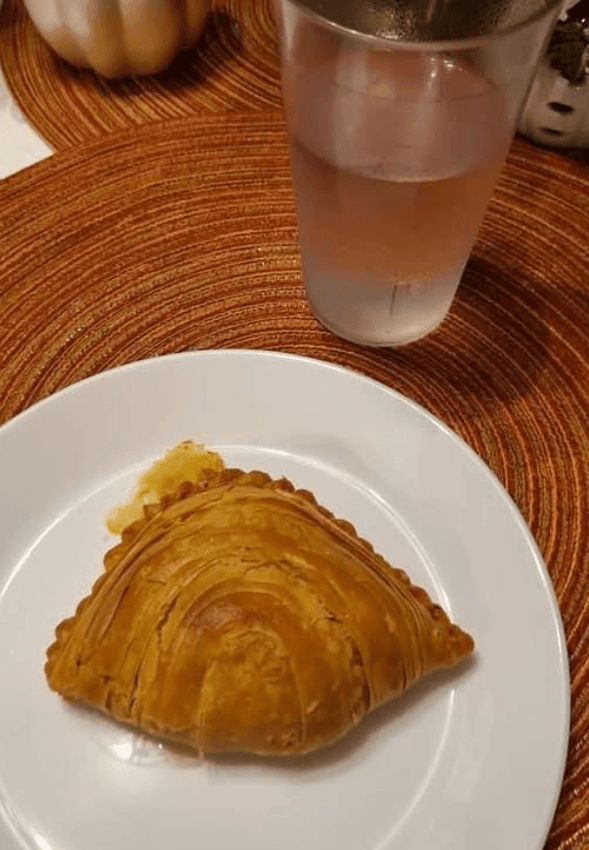
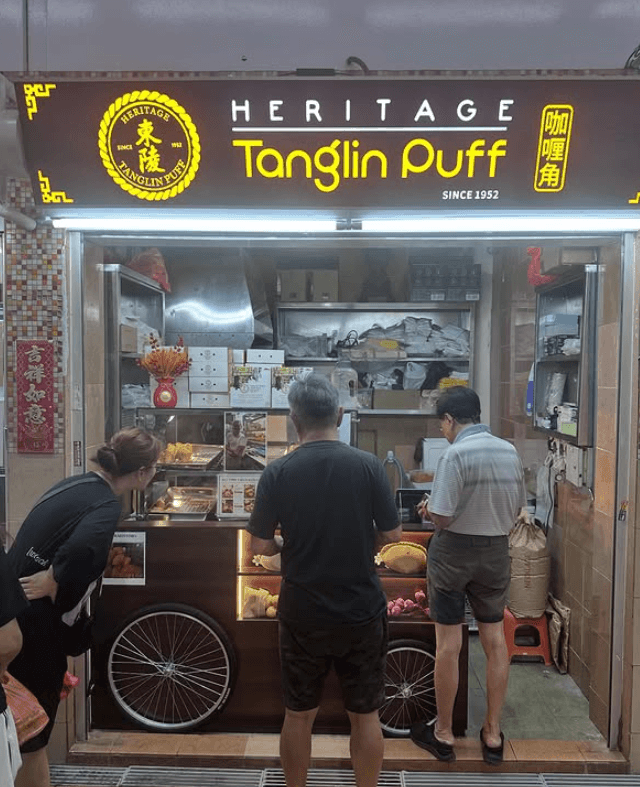
I find this rootedness even at the Hong Lim Hawker Centre and its most famous stall. Tanglin Crispy Curry Puff Original began in 1952. The curry puff was a practical snack for workers—portable, filling, affordable—and remains so. I love the potato-chicken-egg filling. But here’s the flip. I recently found that it pairs surprisingly well with a less-sweet, fruit-forward tea or even a hojicha latte from White Bar, one of Hong Lim’s newer tenants, mere months old. Iterations of this mix of traditional and modern are everywhere now, like vegan salad bars in historic food centres that were once devoted entirely to meat and carbs.