



Food28 Jan 20265 MIN

Bring back snacks, not fridge magnets

Miniature porcelain clogs from Amsterdam are fine, but will they beat a tall, sticky stack of stroopwafels?

Image

Three decades ago, travel was nothing like what it is today. It was a time when ‘hidden gems’ were not Instagram Reels, foreign trips were mostly an annual affair, and souvenirs from NRI cousins meant packs of assorted Lindors, XXL Toblerones, and maybe a CD for your Walkman, all picked out especially for you, from...ummm...the duty-free.

Well...

Thank god, we are past this one-assorted-minis-packet-fits-all idea. Over the years, we had gotten used to bringing back (or receiving) boomerangs from Australia, matryoshka dolls from Russia, or at least a magnet in the shape of a pretzel or clog from our holidays in Germany or Amsterdam. For many, magnets are easy-to-pack, sentimental markers of places we visit, but even before Conde Nast Traveler deemed ‘grocery shop tourism’ a 2026 buzzword and relegated magnets to tacky touristy buys, I had made pantry purchases an important part of my travel itinerary.

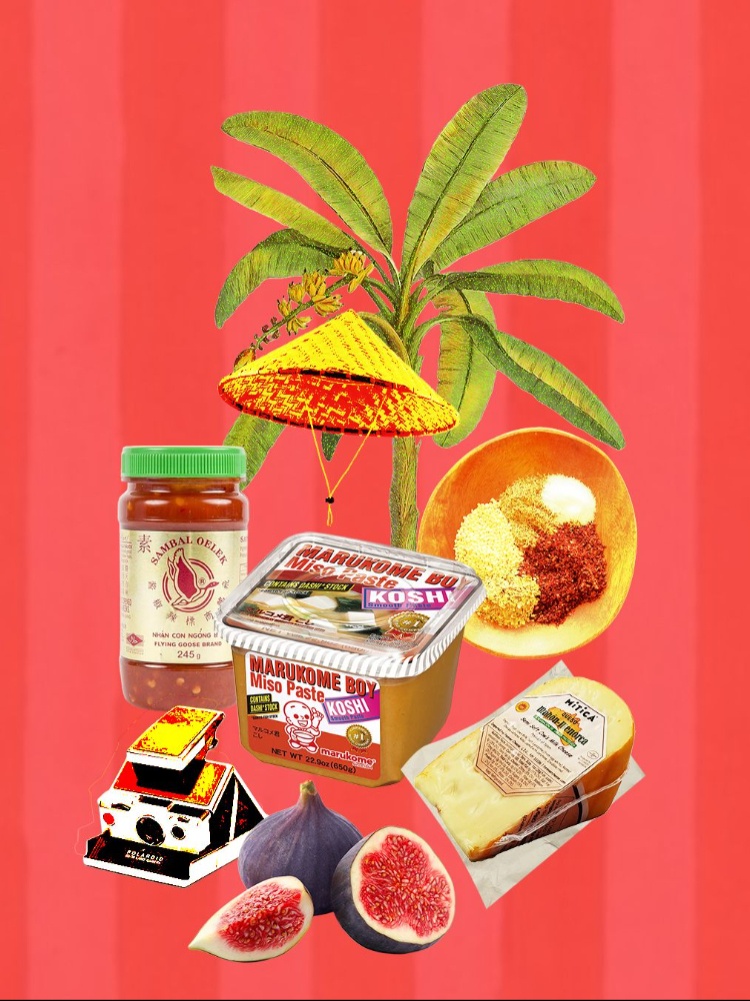
Biryani from Hyderabad, tomato thokku from Bengaluru, sandesh from Kolkata, and choriz chilli from that one particular place in Goa my friend swears by were last-day buys at the end of every trip. On global jaunts, a day at the local supermarket has always been rewarding. My kitchen experiments with Spain’s paprika-rubbed mahón cheese, Indonesia’s sambal, the Amalfi lemon…are all proof of this food fearlessness. Packed well in my check-in bag are snacks, fruits, and spices—from Scotland’s shortbread cookies and Japanese togarashi to the snakeskin fruit and kaffir-lime-flavoured peanuts from Bali.

In media offices like The Nod, someone is always in transit—on assignment, at a festival, or chasing a story across cities. And I can affirm nothing makes your colleagues happier than a delicious foreign treat. Small-batch maple syrups and oils, fancy biscuits, and weird chips are the kind of things that truly gather everyone around a desk. NGL, updates and stories are best received over shared snacks and treats. The point is, food souvenirs make for the most precious and thoughtful gifts. And they were a thing even before Taylor Swift’s sourdough bread moment went viral.
The desire to bring back a flavour of the destination has guided restaurateur Aditi Dugar, co-founder and director, Urban Gourmet India, for years. “Food souvenirs became a thing when people started travelling more and discovering local food cultures. Now, people want to bring back something that reflects where they’ve been. And food does that beautifully. Every time someone uses or eats that souvenir, it brings back memories of the place, the moment, and the person who brought it,” says Dugar.

Dugar has brought back things like a smoked paprika paste from a small town in Spain, dried limes and sumac blends, like Za’atar, from the Middle East, and sour plum candies and pickled fruit from East Asia. A homemade pickle made by her friend’s mother tops her list of the most meaningful food souvenirs. “Any gift that’s made or chosen specifically for you, because someone knows your taste so well, always stays with you,” she adds.

Food, like fragrance, shapes our memories and triggers nostalgia. Chef Suvir Saran, culinary director at Avãs Wellness, says his earliest understanding of food as memory came when he was a teenager. “I was 14 when I first met Rohit Bal. We travelled together to Kashmir for two weeks and brought back with us strings of anjeer—dried figs threaded like garlands—that were dark, chewy, fragrant with sun and time. Years later, I made what I called a fig flan using those figs—not a flan in any classical sense but something born of instinct. I served it to Gudda and to people whose names carried weight in Manhattan and beyond.” Almost a decade later, I have a few of those figs left. I don’t eat them. They are no longer food. They are memory—of Kashmir, of youth, of Gudda.”

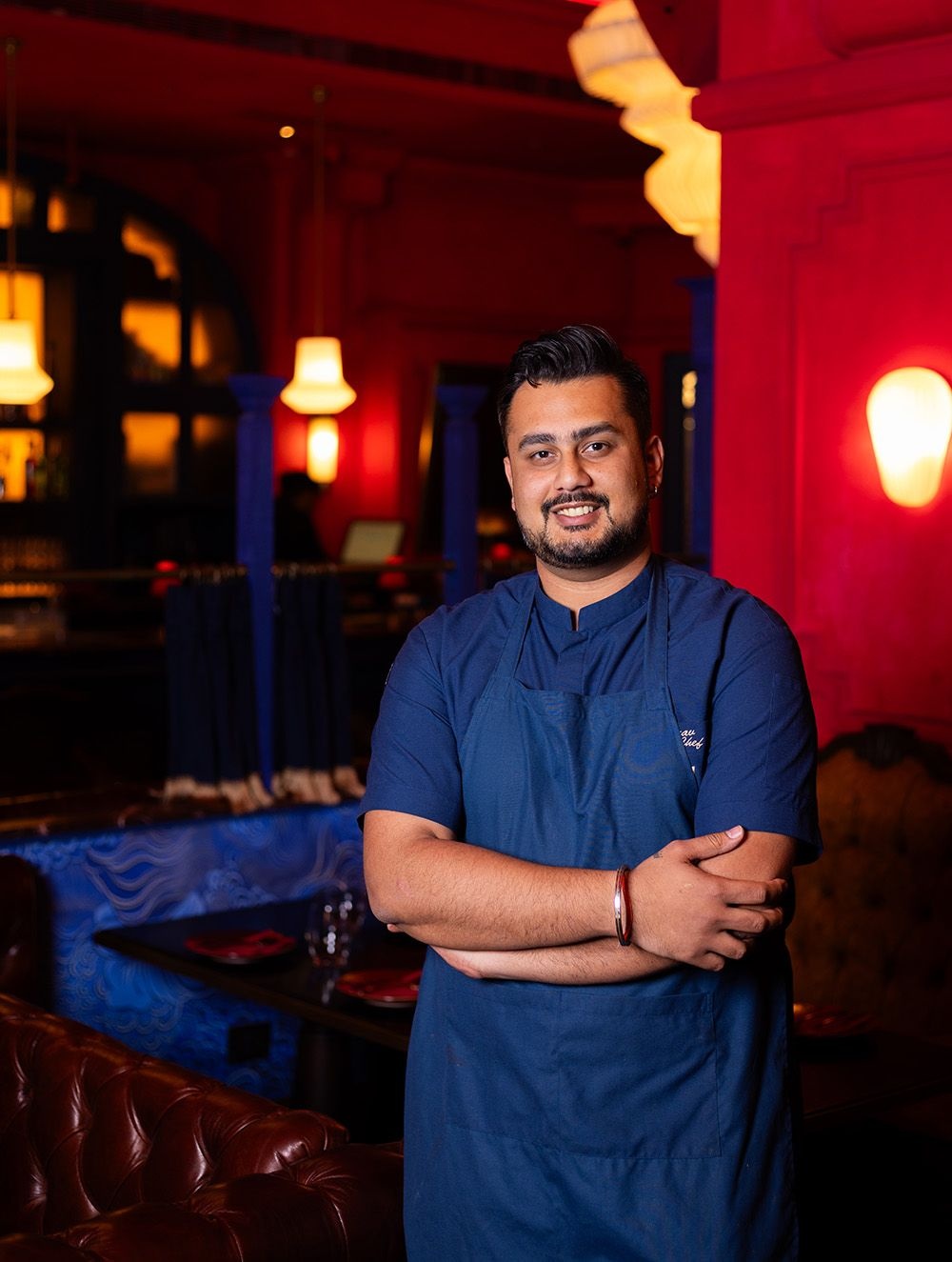
Food has a kind of permanence and temporariness that it lends to the experience of savouring it. On the one hand, you may want to devour it immediately, but most of the time, you eat it sparingly to make memories last a tad longer. As Manav Khanna, head chef and head of the culinary team at Banng, puts it, “The beauty of a food souvenir is that when you start missing it, it makes you want to take the trip again.”

Every time Khanna travels, he brings back at least one ingredient or packaged food for which the location is known. From Thai snacks like crispy chicken skin and sauces to fermented sausages (like the spicy and sour sai oua), oyster sauce, and locally produced Thai curry paste, everything finds a place in his suitcase.

“Food is incredibly intimate. When you gift someone something to eat, you’re basically saying, I saw this, tasted it, and thought of you. That’s very different from picking up a generic gift-shop souvenir,” says Dugar, who tends to bring back a lot of spices and sour snacks. “Food souvenirs communicate care, attention, and memory in a way few other things do. And when they’re received in the same spirit, they become something shared rather than just an object,” adds Dugar, who has on many occasions paid extra for luggage to bring back some food.

“I learned of the lingering taste of Oman’s loomi (sun-dried limes) from my friend Najah Alrawi of Mustache Pizza, an Iraqi restaurant tucked in the heart of Greenwich Village. I brought them back with me and used them indifferent ways. I soaked them overnight, boiled them gently, and let them rest. The next day, they bloomed into something both medicinal and indulgent. A little sugar, a torn basil leaf, perhaps a squeeze of lime, later, you are drinking heat and wind and memory. Sometimes I drop one into a curry and let it dissolve slowly, releasing a perfume that is not quite hing, not quite garlic, but something deeper and darker. That is what food becomes when it travels. It isn’t just memory. It’s connection. It’s people. It’s places. It’s the invisible thread between kitchens and lives,” reminisces Saran.

Khanna’s menu at Banng is all the richer with his go-to Thai purchases. “I made a special off-menu dish using sai oua from Thailand, which was served with a chilli relish made of roasted chillies, roasted garlic, and roasted shallots, along with toasted brioche. It comes together beautifully, with a lot of fresh salad on the side, which people really love.”

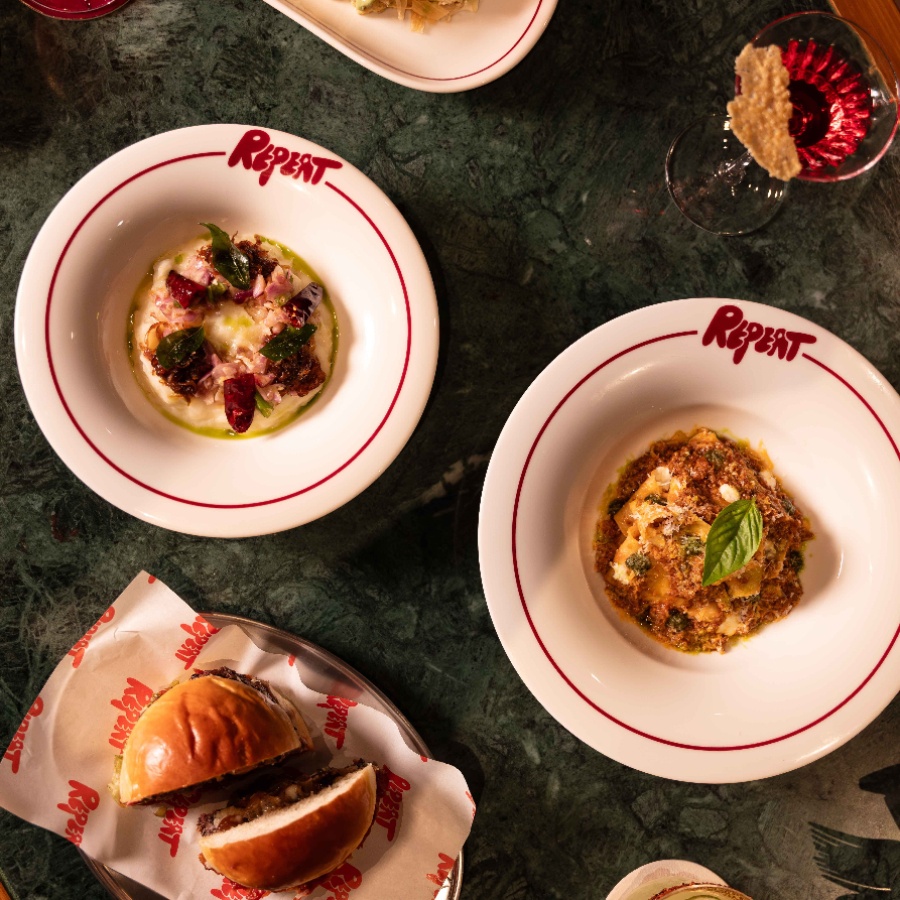
For Dugar, edible gifts allow her to start experimenting in her kitchen before a dish makes it to her menu. “Japan has been a big source of inspiration for me—things like miso, yuzu, and different fermented elements. I’ll start by using them very simply, in salads, broths, or something ramen-adjacent, just to understand how they behave and how they sit with other flavours. Some of these experiments stay personal, and some naturally find their way into the kitchen conversations at work. Not everything needs to make it to the menu, but the process of working with an ingredient, understanding its depth, its restraint, and its versatility always influences how we think about food.”

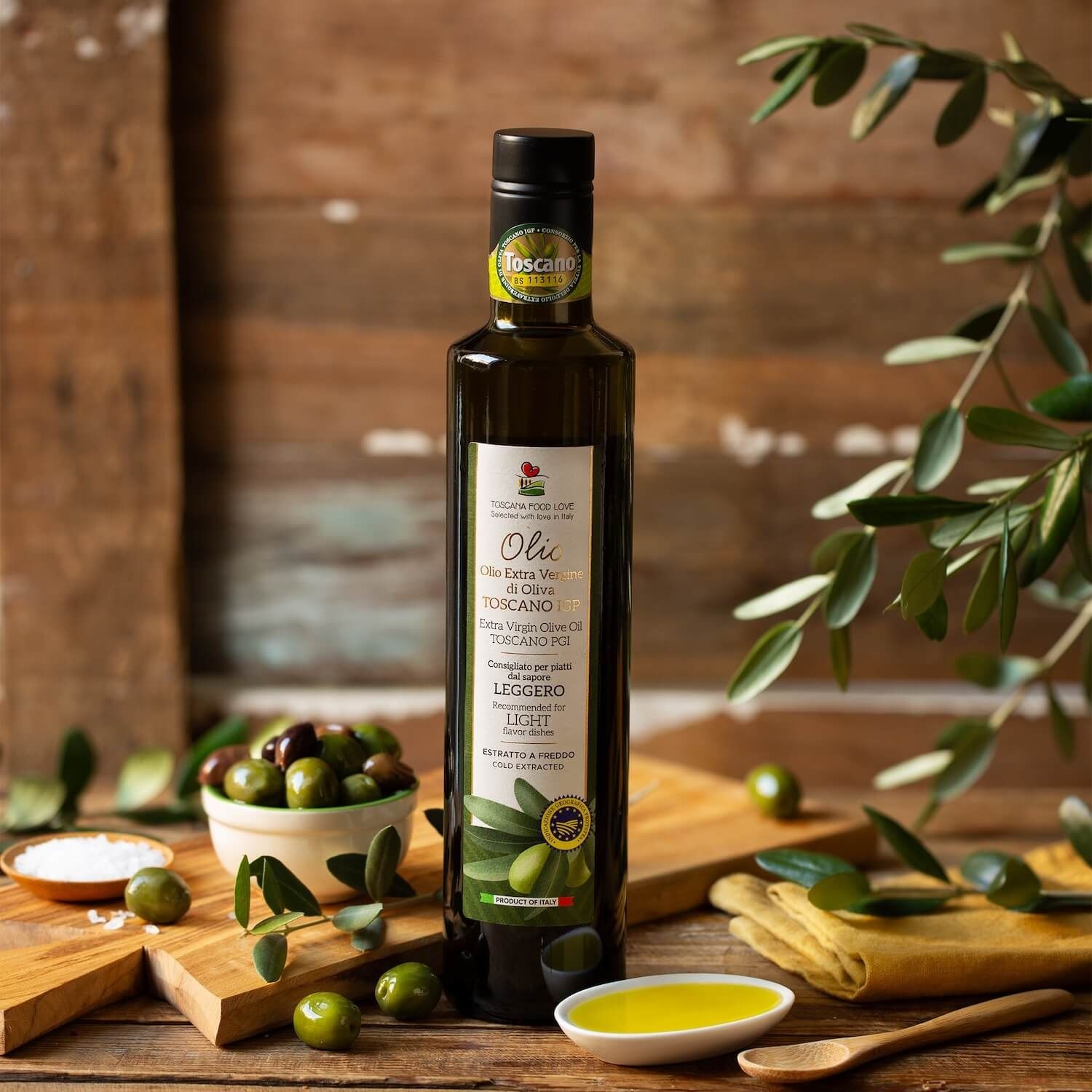
Her top picks? Yuzu from Japan in any form, whether as fresh, bottled juice or even its dried peel. The aroma, she says, is so distinctive and clean that it lifts everything it touches. Also, Za’atar from the Middle East, ideally from a local market or small producer, and olive oil, especially from smaller producers. “It’s one thing I always bring back because the quality and character are very different, and once you start cooking and finishing with good olive oil, it’s hard to go back.”

Around the world in 12 food gifts 

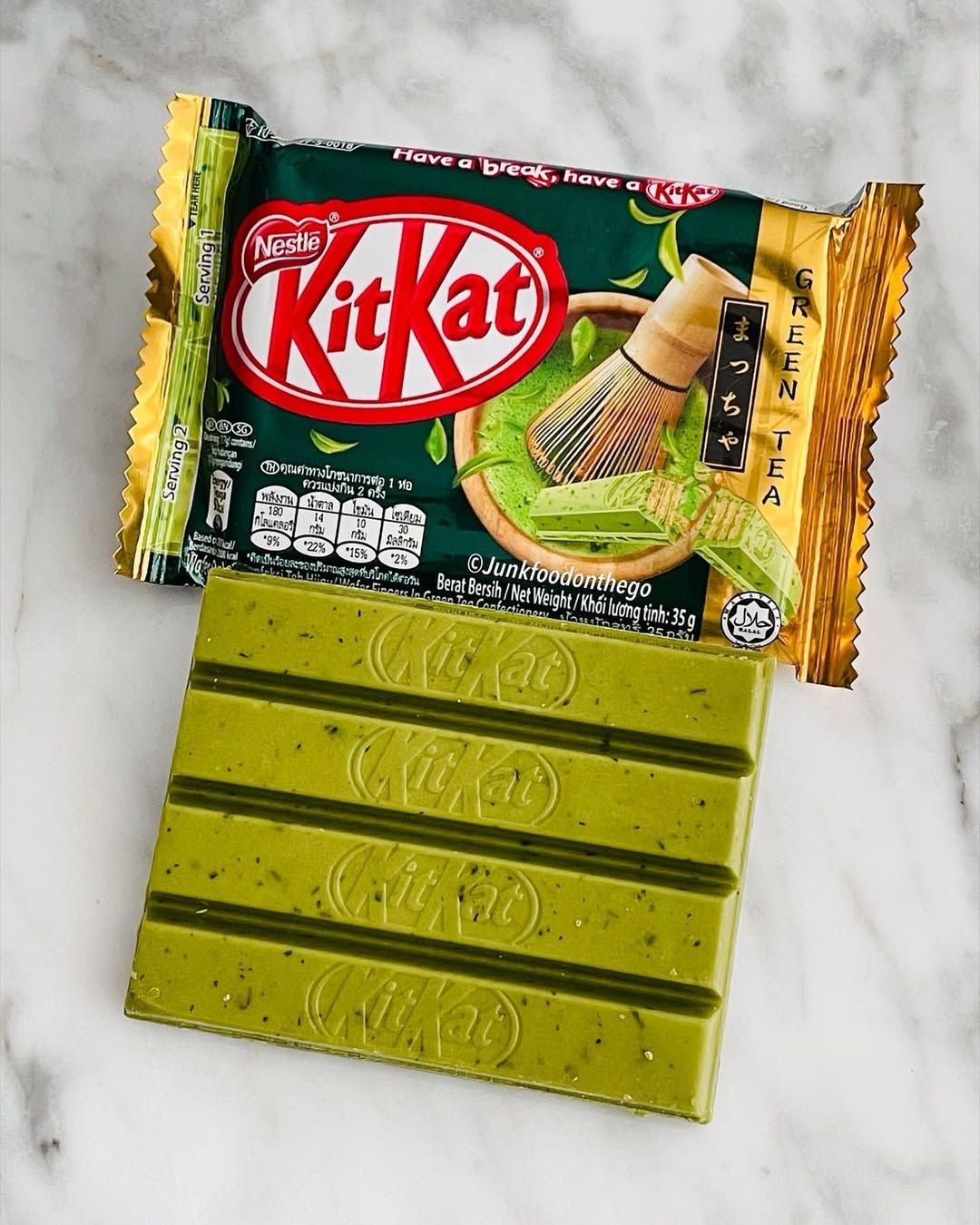
Japan: Tokyo Banana, Matcha KitKat and Tokyo Milk Cheese Factory cookies

Thailand: Durian fruit pack, Mama Tom Yum instant noodles and Toom Tam corn puffs

Vietnam: Trung Nguyen coffee, Marou chocolate and Chin-Su chili sauce

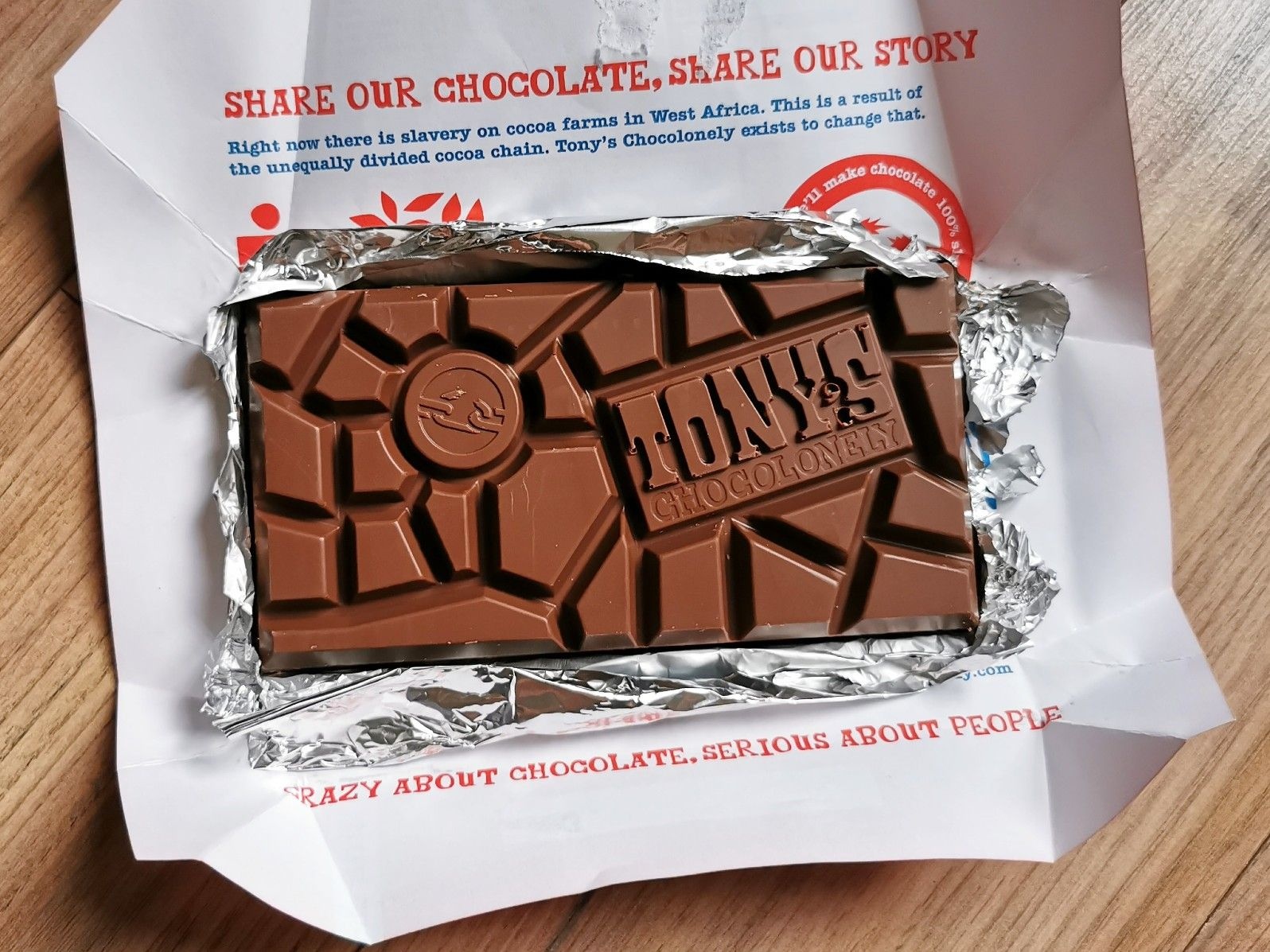
Amsterdam: Stroopwafel and Tony’s Chocolonely bars

Singapore: Kaya and TWG tea

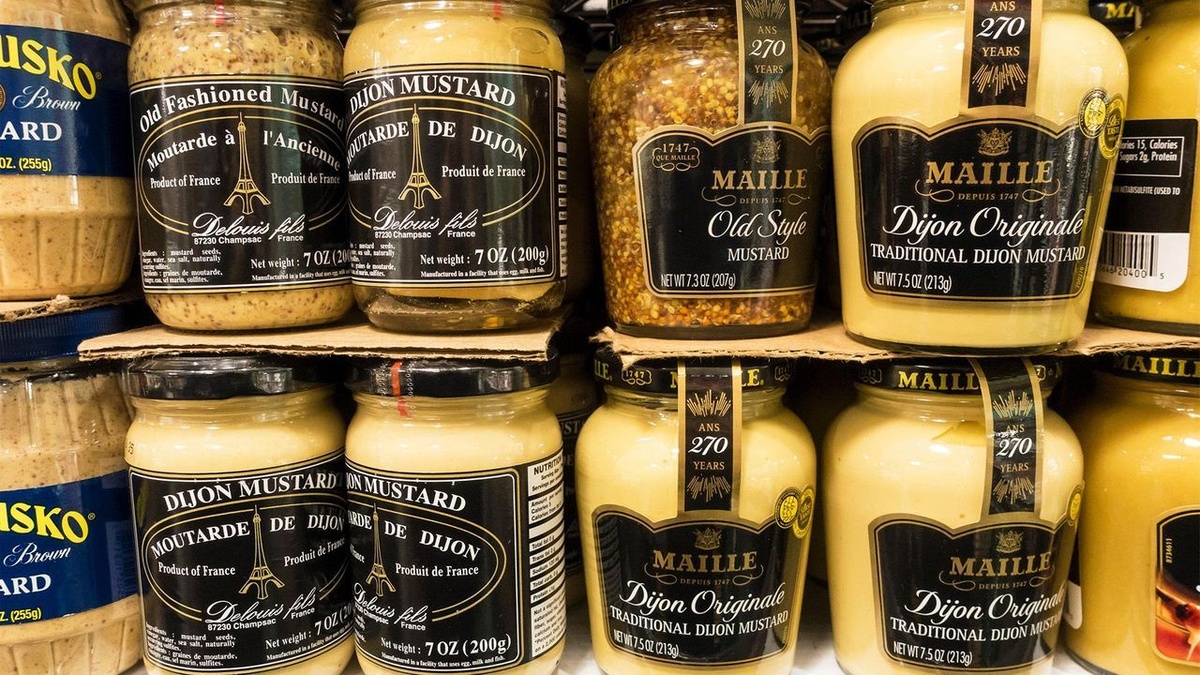
France: Dijon mustard, Creme de marron, Poilâne biscuits and Prince de Paris ham

UK: Fortnum & Mason cookies and Marmite

Morocco: Argan oil and Chebakiya cookies

Ireland: Keogh’s crisps and Cashel Blue blue cheese

Australia: Manuka honey

Italy: Limoncello and olive oil

Germany: Lebkuchen and sausages

The Nod Newsletter

We're making your inbox interesting. Enter your email to get our best reads and exclusive insights from our editors delivered directly to you.