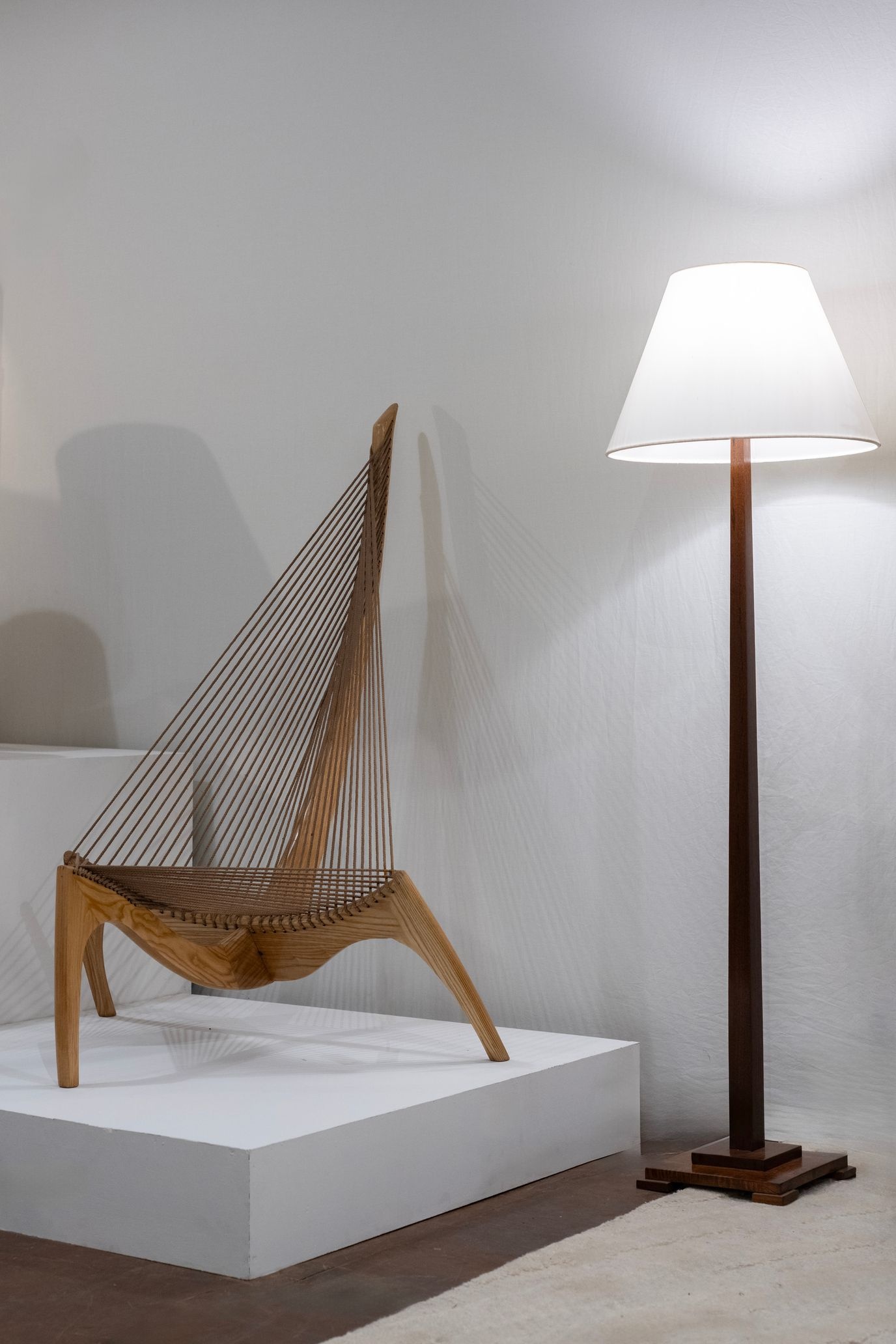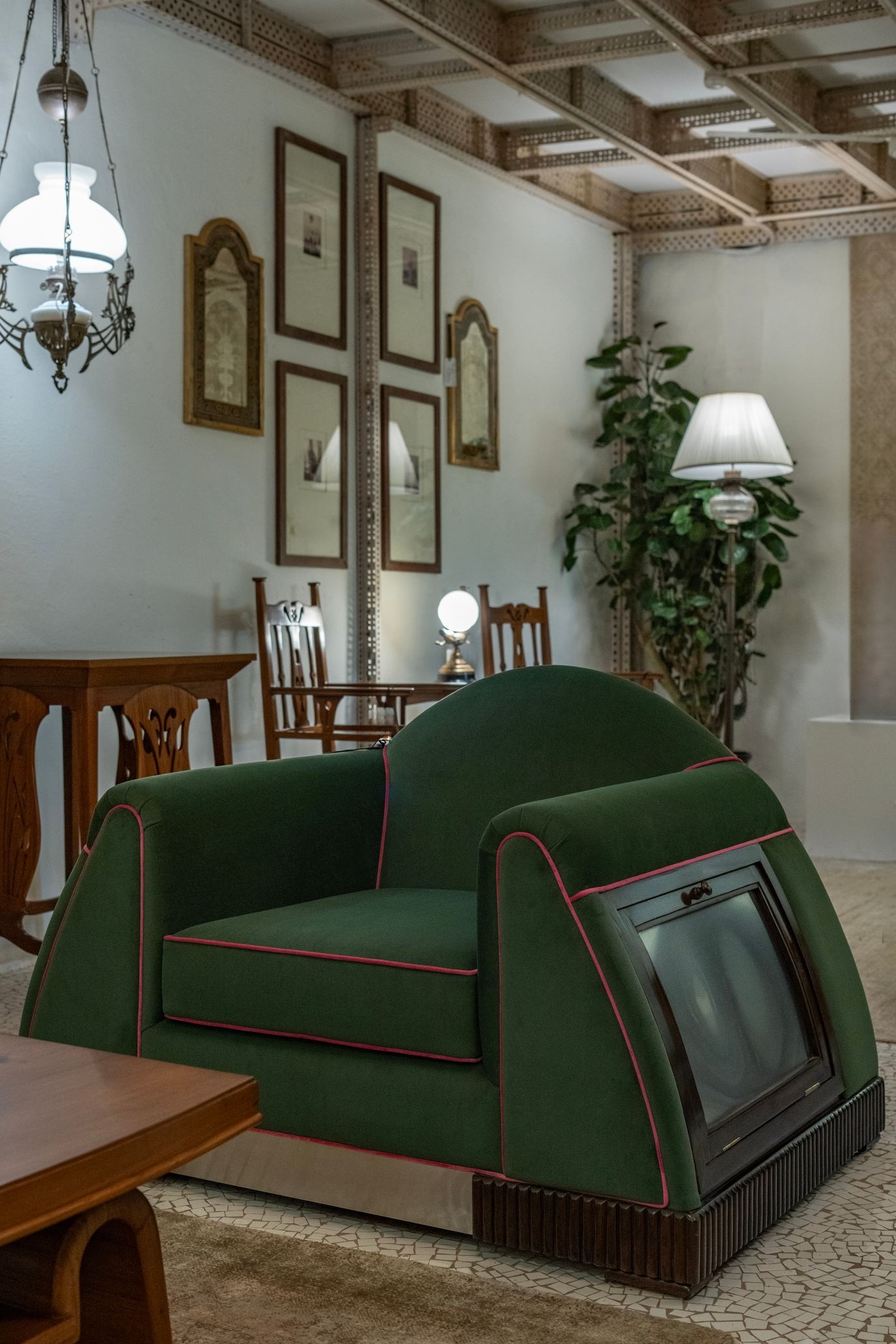





“It’s an illness! But I hope it continues to persist,” says Chiki Doshi about his obsession with collecting. It’s a hereditary compulsion he and cousin Anand Gandhi picked up from their late uncle Mahendra Doshi, who founded the eponymous and iconic antique house in 1974 in Mumbai. “He was a voracious collector and a living encyclopaedia when it came to beautifully made pieces,” Chiki recalls. “He knew so much despite travelling so little—he didn’t even have a passport. But we learnt everything from him.”
In the 1990s, when Chiki was still learning the ropes, he would trail his mentor through Mumbai’s bazaars—from Chor Bazaar to Jogeshwari—watching him ask questions, inspect joinery, assess wood, spot provenance in a detail most people would miss. “I would scour markets and meet dealers with him, awestruck by his incredible knowledge—and the things he collected with it.”
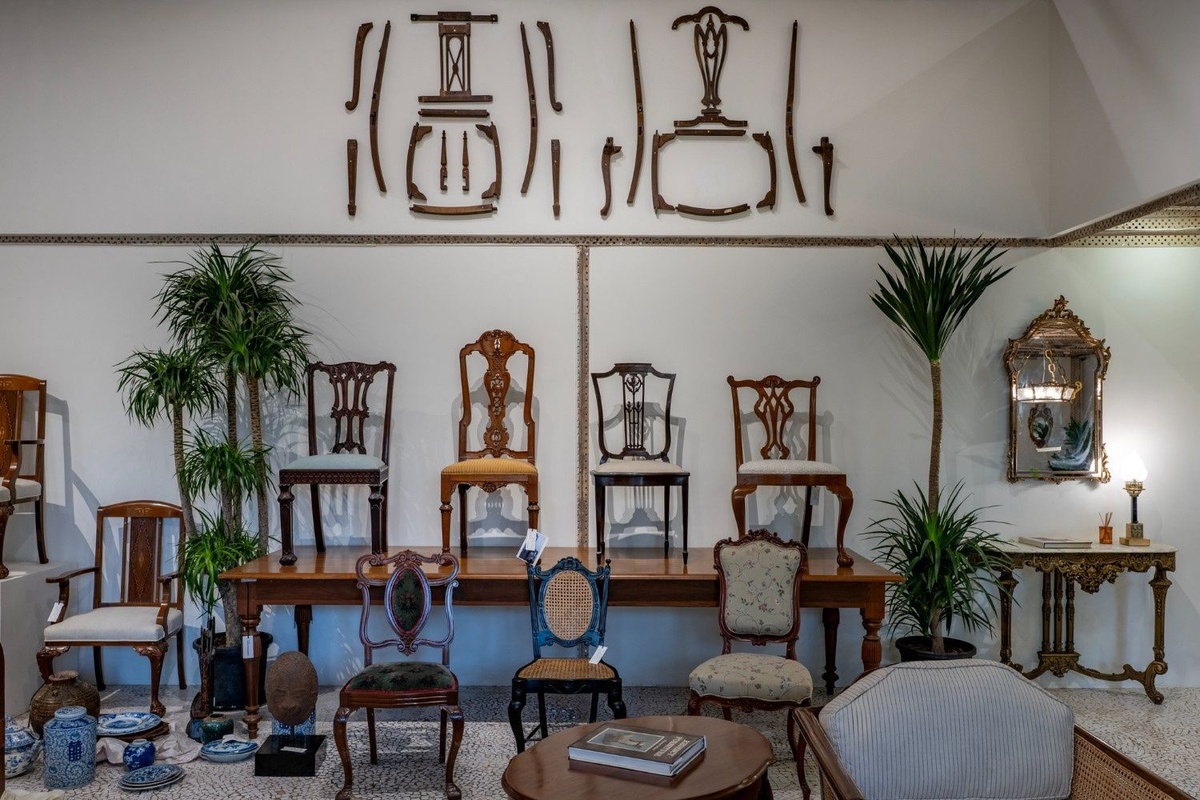
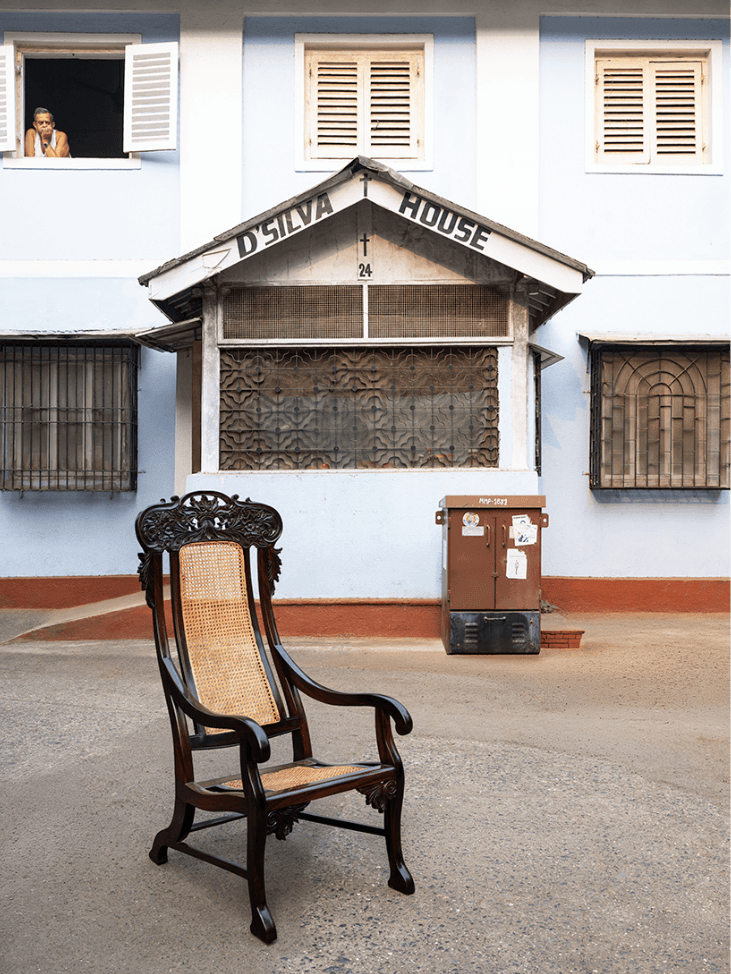
By 2020, their seafront space at Malabar Hill was overflowing with furniture. “We needed more storage and a workshop,” he recalls as we walk into his warehouse in Wadala, where the ongoing show, A History of India Through Chairs, is being exhibited. “This idea has been lingering in my mind for years, and it seemed like a simple one. Even before formal furniture came into our country with colonial rule, every corner of India had its own cuisine, character, clothes…even furniture. In this case, it’s chairs.”
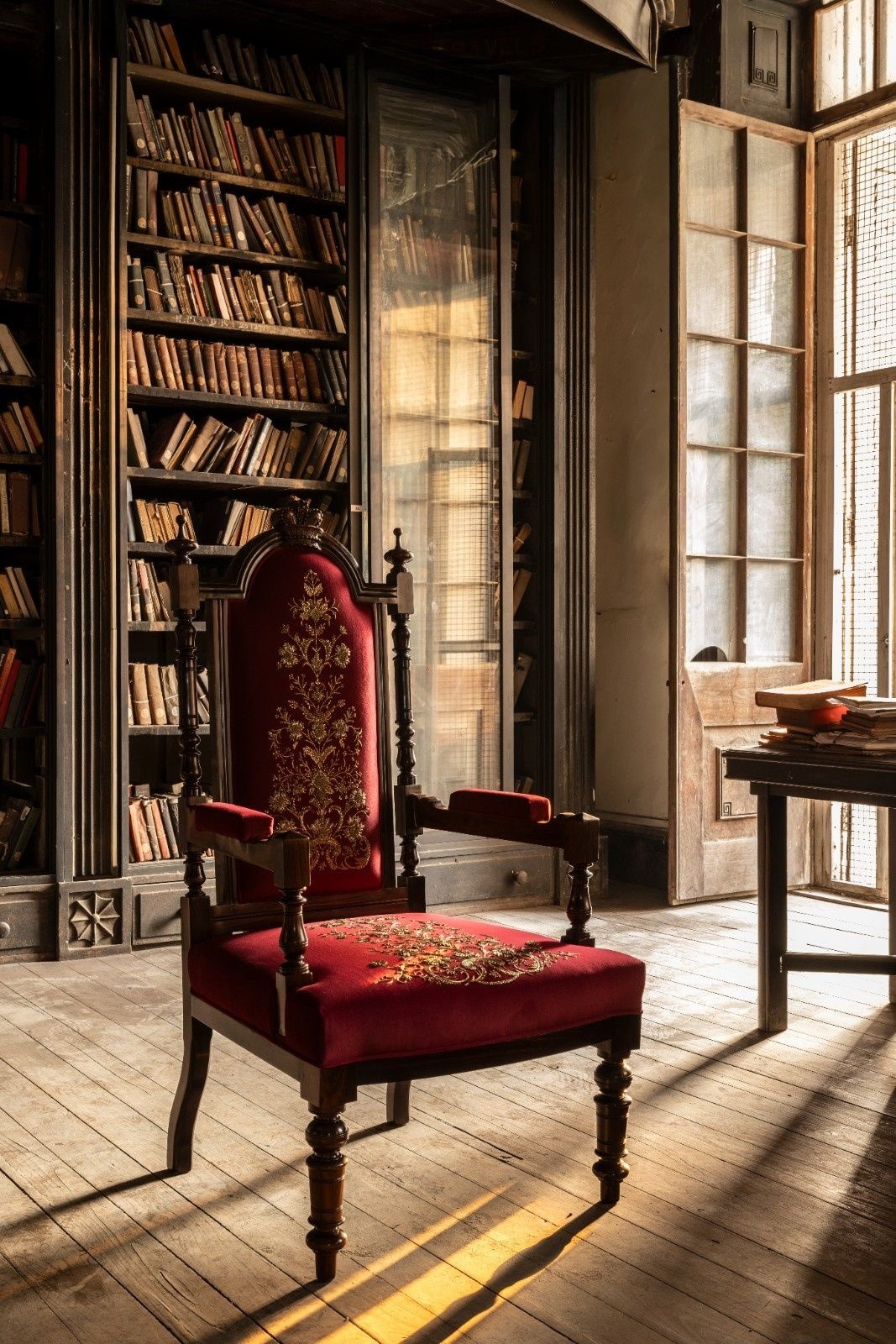
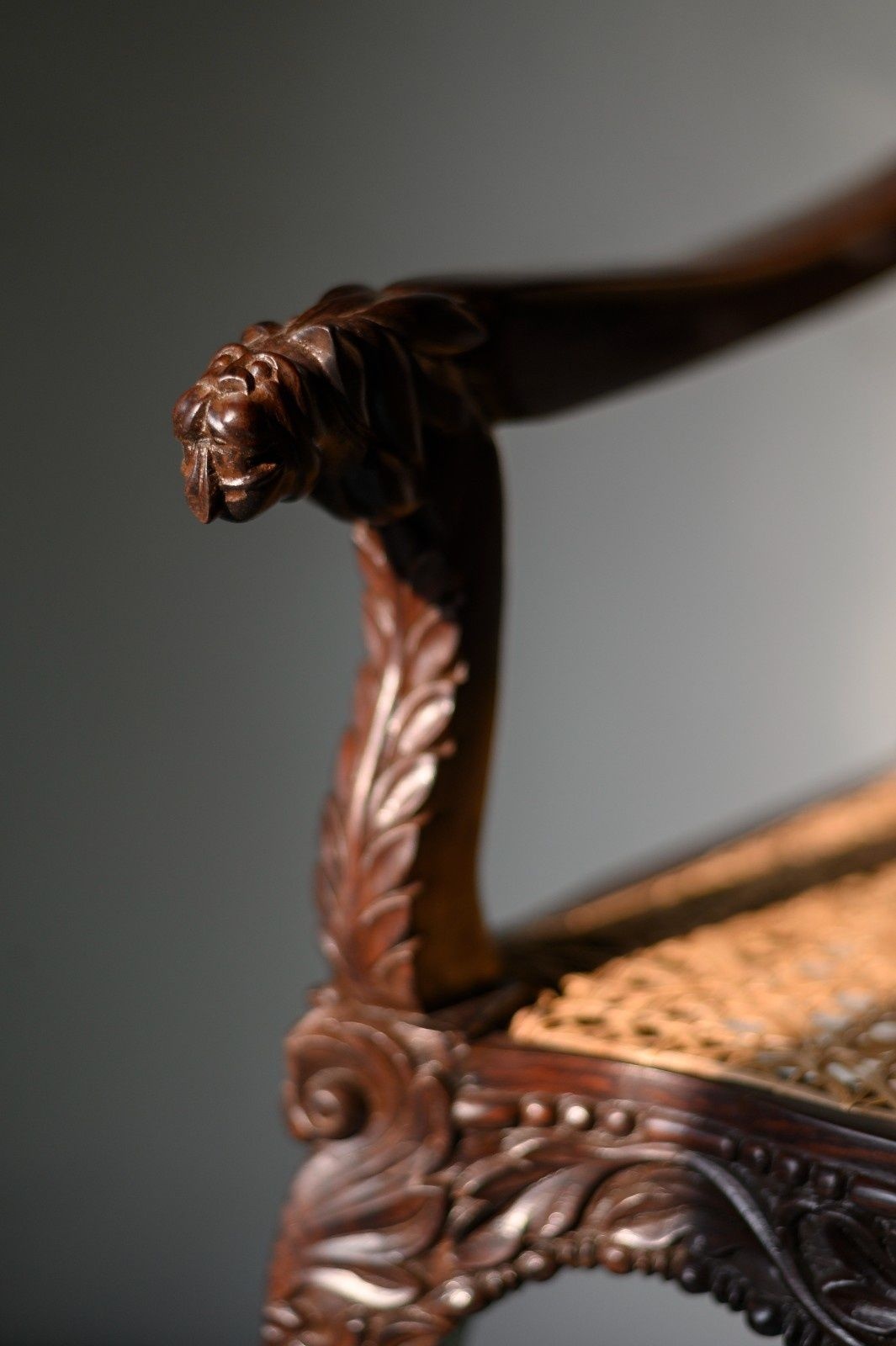
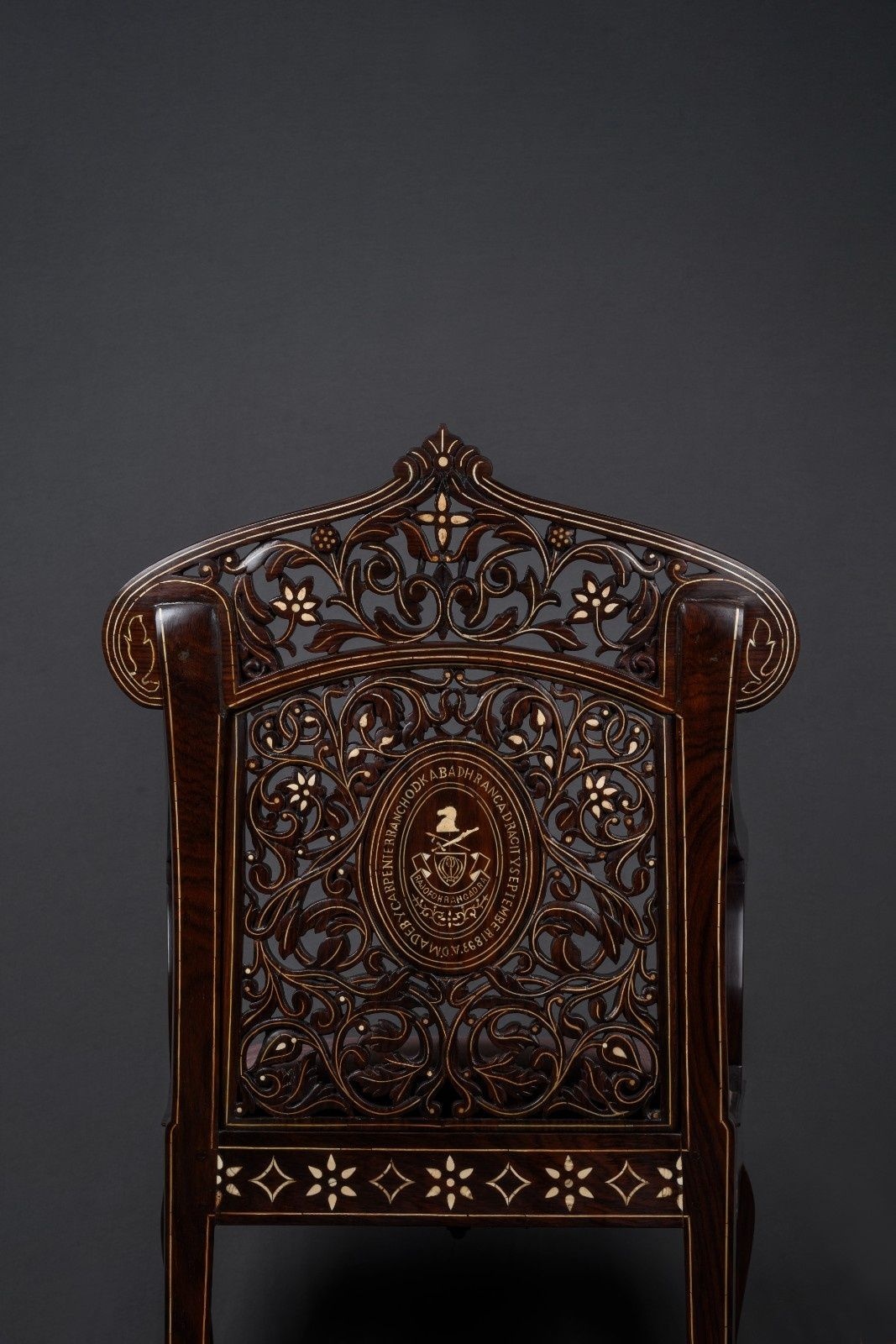
He highlights Kashmir’s fine inlay in walnut wood, Gujarat’s carved ornate furniture, the Chettinad pillars from Tamil Nadu, the Bhatkal chests from the backwaters of Karnataka. “The British, Portuguese, and Dutch brought with them more formal ways of making. But while the designs were theirs, it was the Indian artisans’ skill and the superior quality of wood that made each piece so remarkable and last till today,” Chiki explains.
A museum of chairs
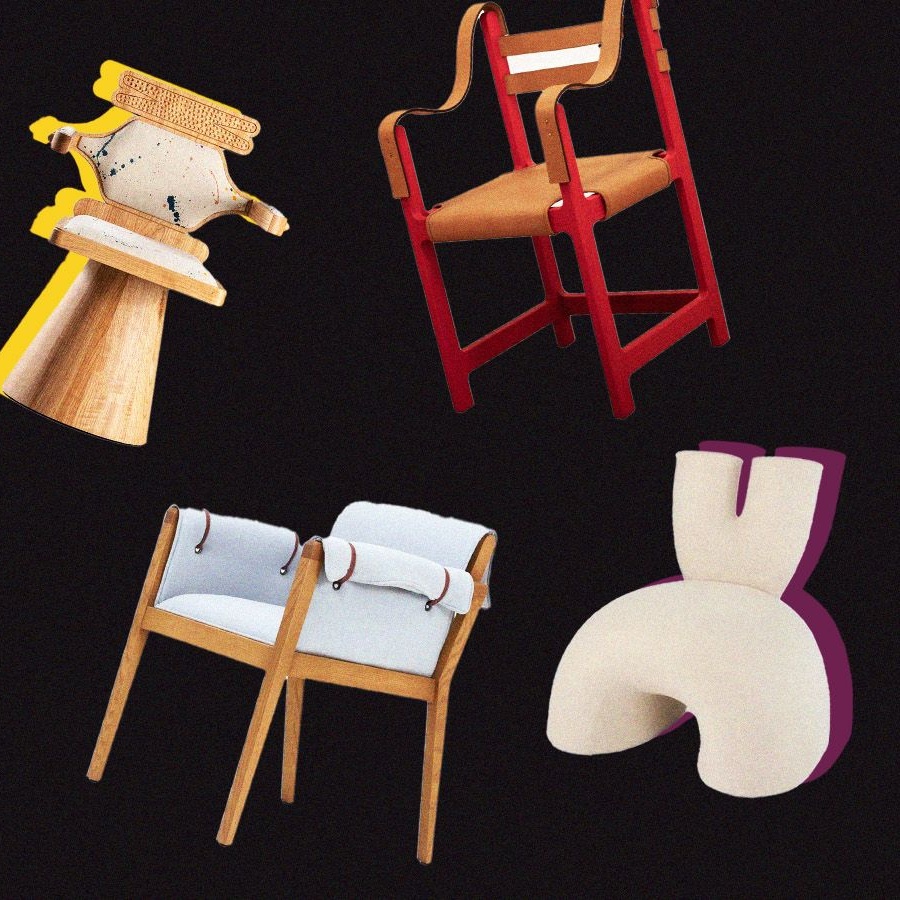
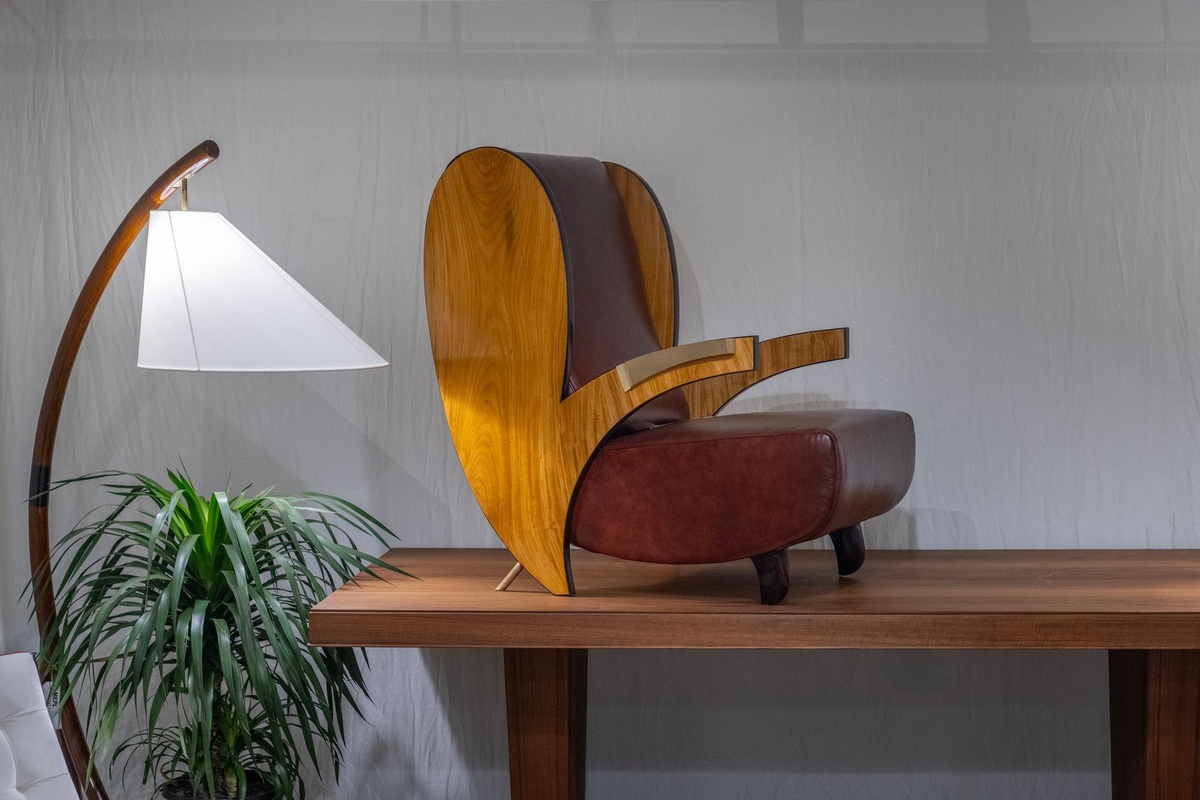
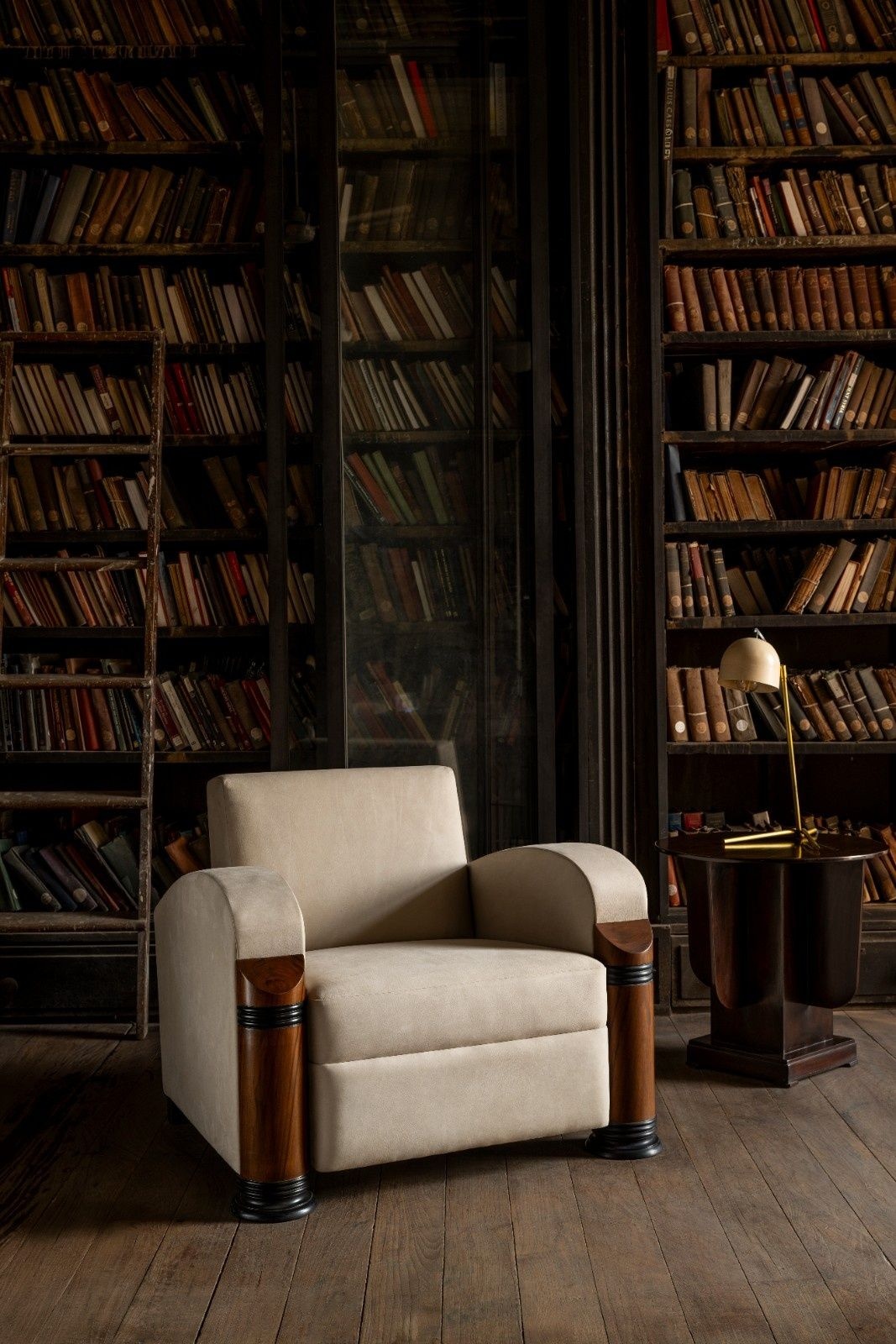
Meticulous restoration and familial passion lies at the heart of the ongoing exhibition, which is designed by Supriya Gandhi of The Workshop Architects, with art direction by Vivek Gandhi (they are the children of Anand Gandhi). “Curated to showcase ‘every era across every area of India’, you’ll find the country’s history preserved and echoing through these pieces here,” Chiki points out.