




Around 9 pm on a chilly February night, I stood in a queue outside Banninriki ramen shop in Taitō City, about 30 minutes from Tokyo’s city centre. The regulars ahead of me seemed unfazed by the cold, waiting patiently to get their ramen before heading home. Fifteen minutes later, we were called in.
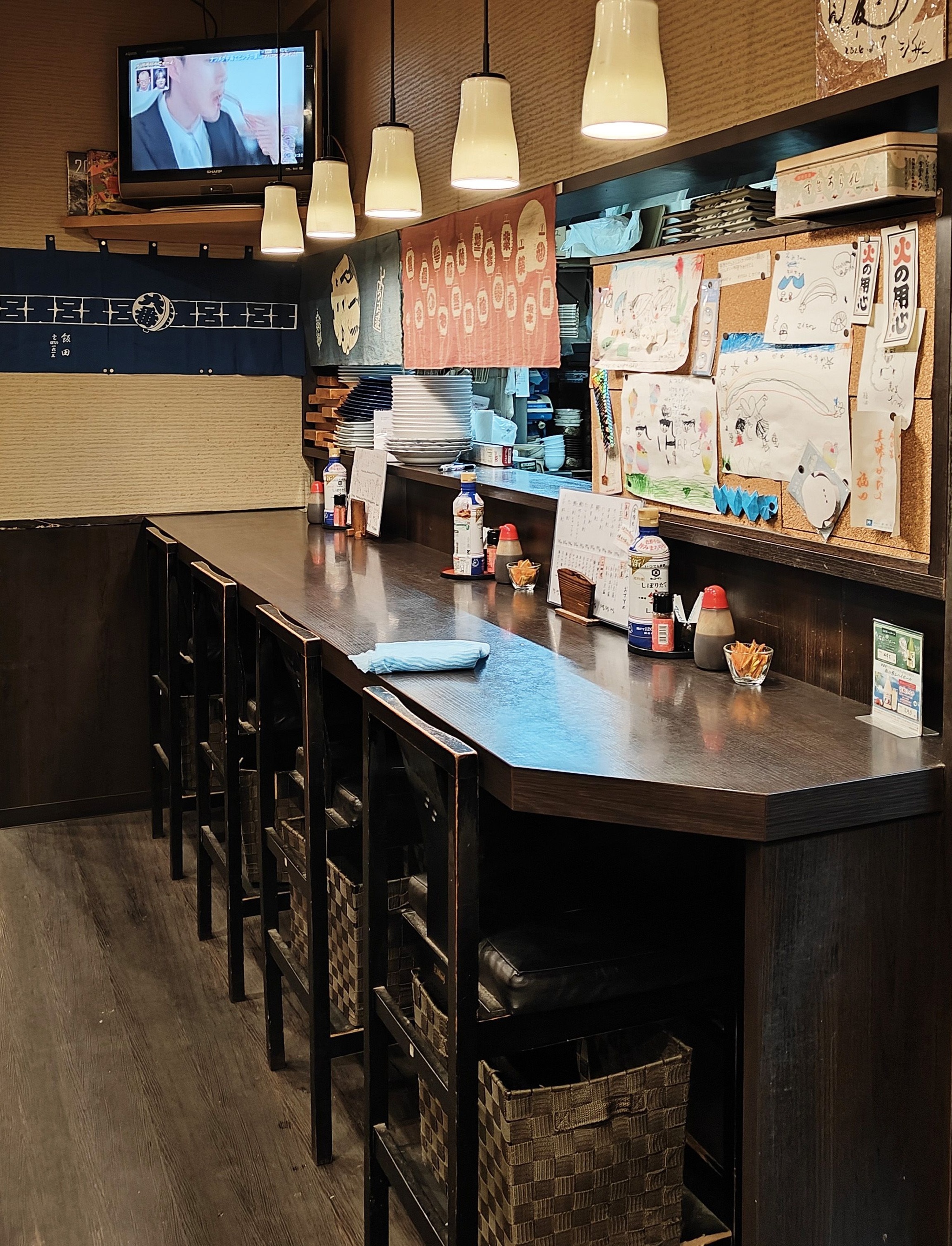
Banninriki is a 12-seater, with an open kitchen at the centre, a rectangular table around it, and a shokken (a ticket vending machine) near the entrance for your orders—the menu here is only in Japanese and payment, only in cash. There is an uncanny similarity with eatery you may have seen in the Netflix series, Midnight Diner.
Within a few minutes of handing our ticket to the chef, we were served our abura soba (broth-less oil ramen)—the dish Banninriki is known for. The thick bouncy noodles are tossed in chilli oil and served with pork, and served with a soft-boiled egg, fried garlic, and green onion.
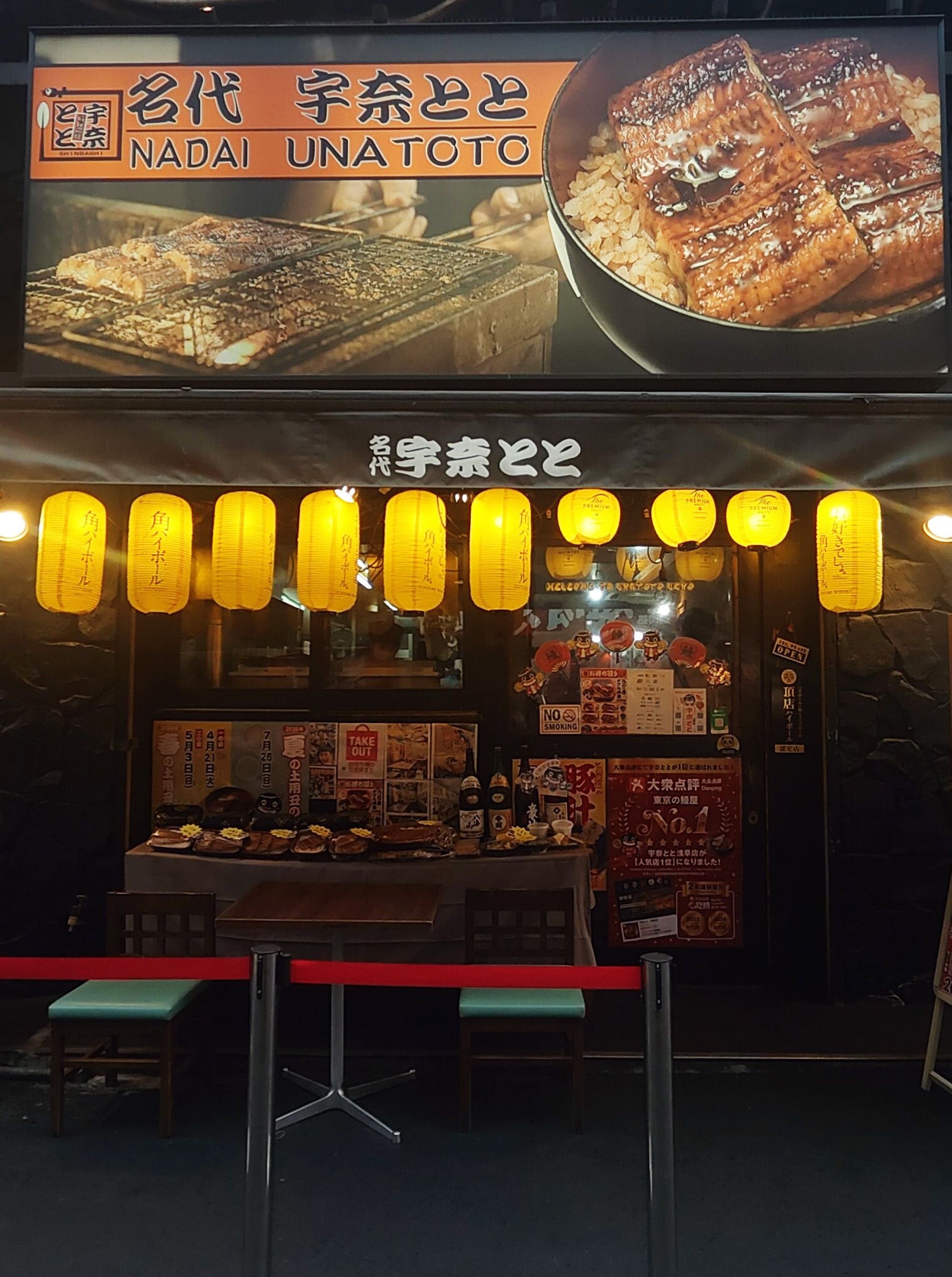
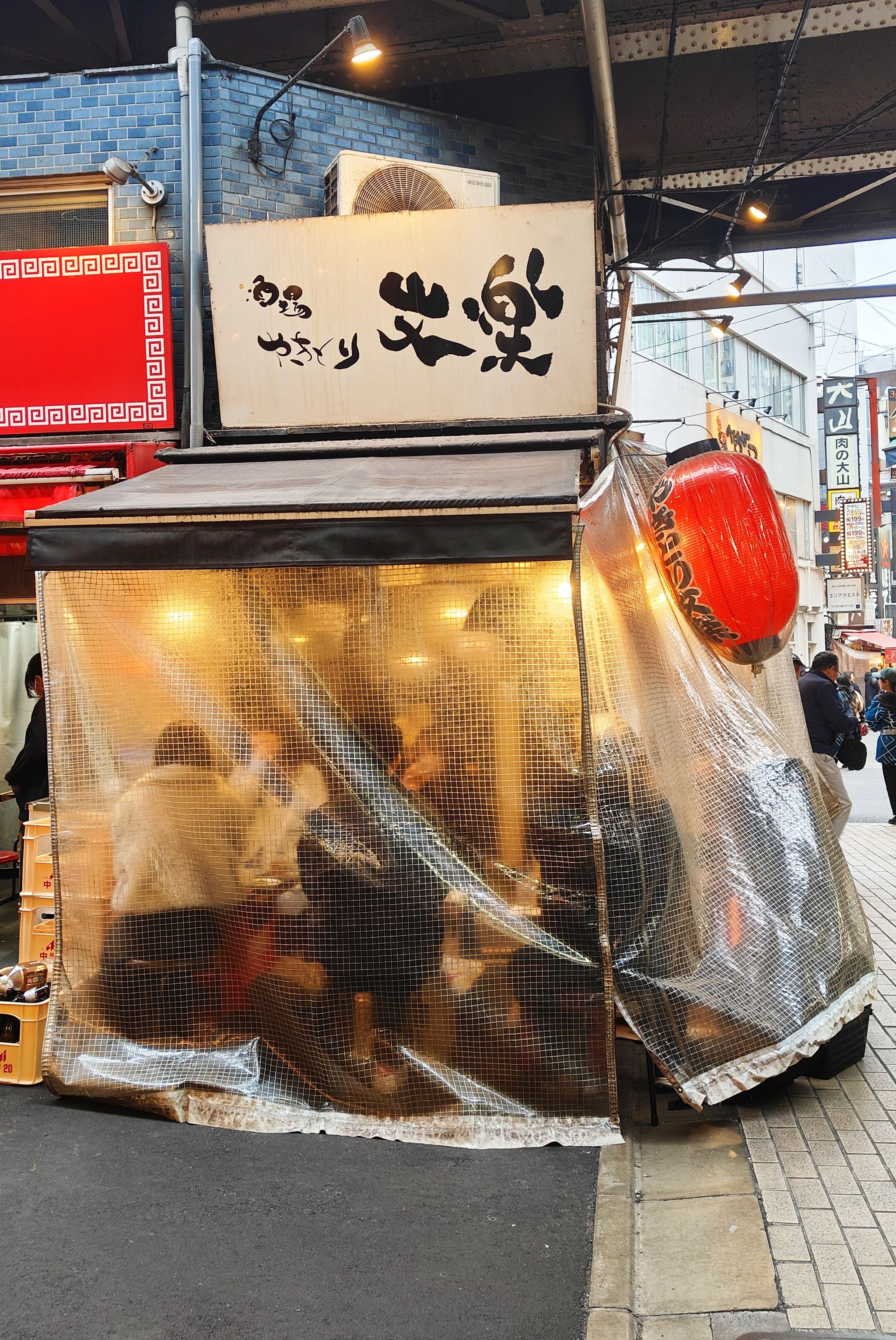
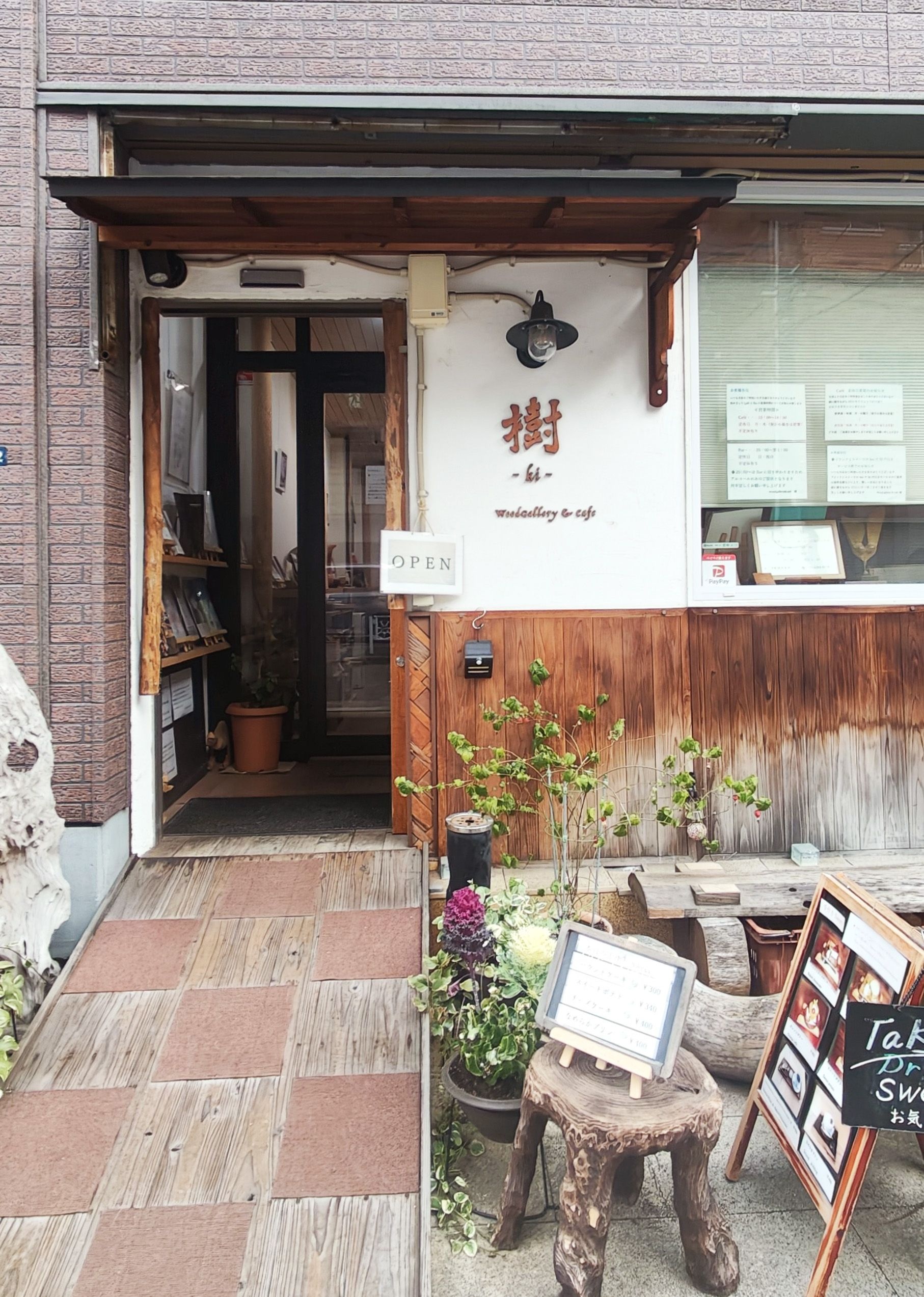
Banninriki is not a one-off. Tokyo is peppered with such mom-and-pop spots. And it’s easy to spot them: a noren (the traditional curtain) at the entrance, a queue of locals outside, and a menu that’s entirely in Japanese.
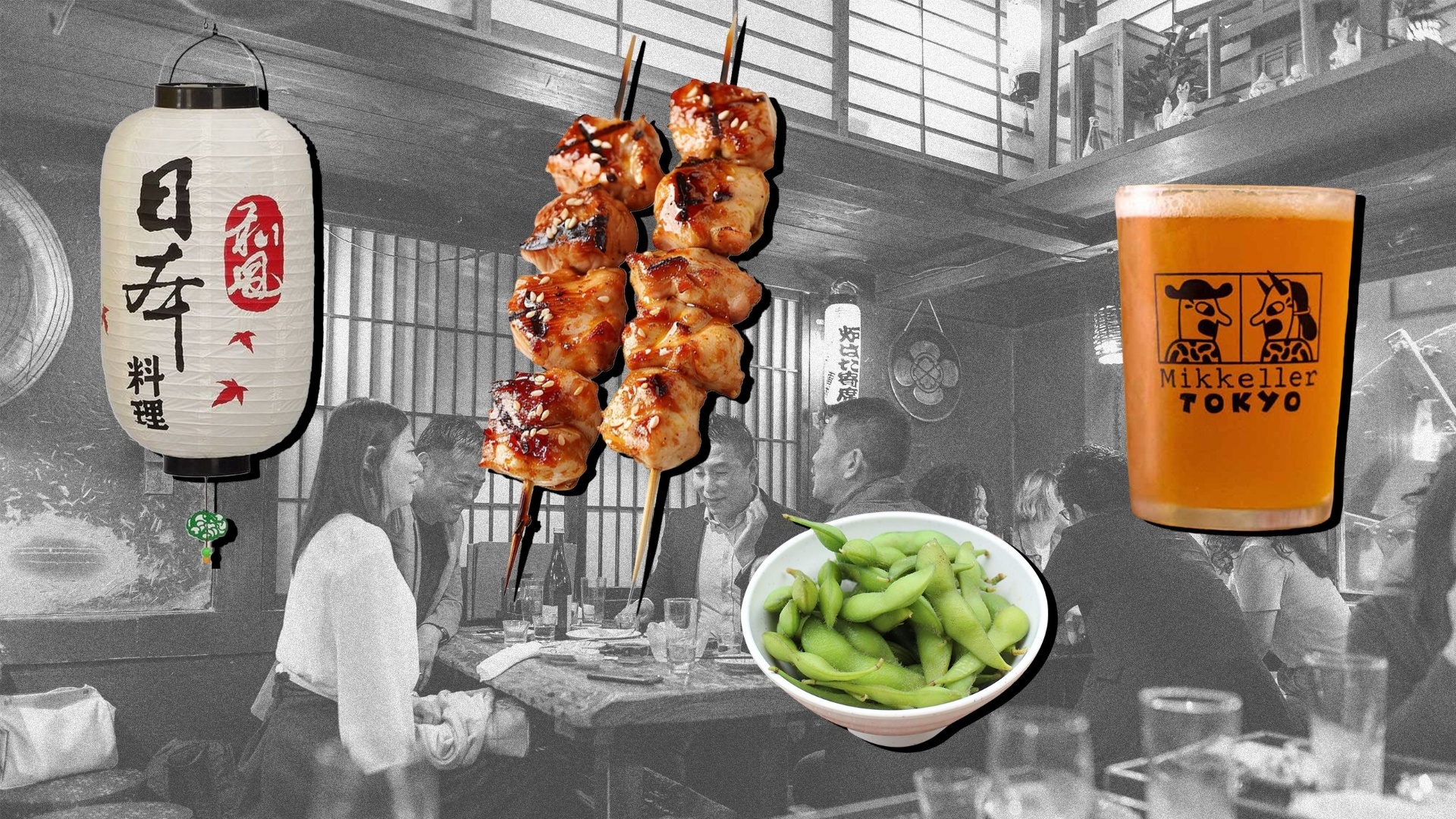
They exist right alongside the city’s many Michelin-starred heavyweights (160 at last count, which is the highest in the world). Sure, you must add Kagurazaka Ishikawa, Ginza Koju, and Sushi Masuda to your itinerary, but these humble, traditional eateries are like an authentic tasting menu of Tokyo.
In the last 10 years since my first trip to Tokyo, much has changed–there are more menus in English, the number of cosy cafes and tiny eateries have skyrocketed and each neighbourhood is more densely packed with 7 Elevens and Family Marts than ever before. What hasn’t changed is that is that the hyperlocal Japanese restaurants continue to be packed with the locals or tourists from neighbouring countries. And once in a while there is a curious tourist like me, guided by my Japanophile partner, Google Maps, and a hunger to explore the cuisine.
Tokyo’s train stations are culinary hotbeds