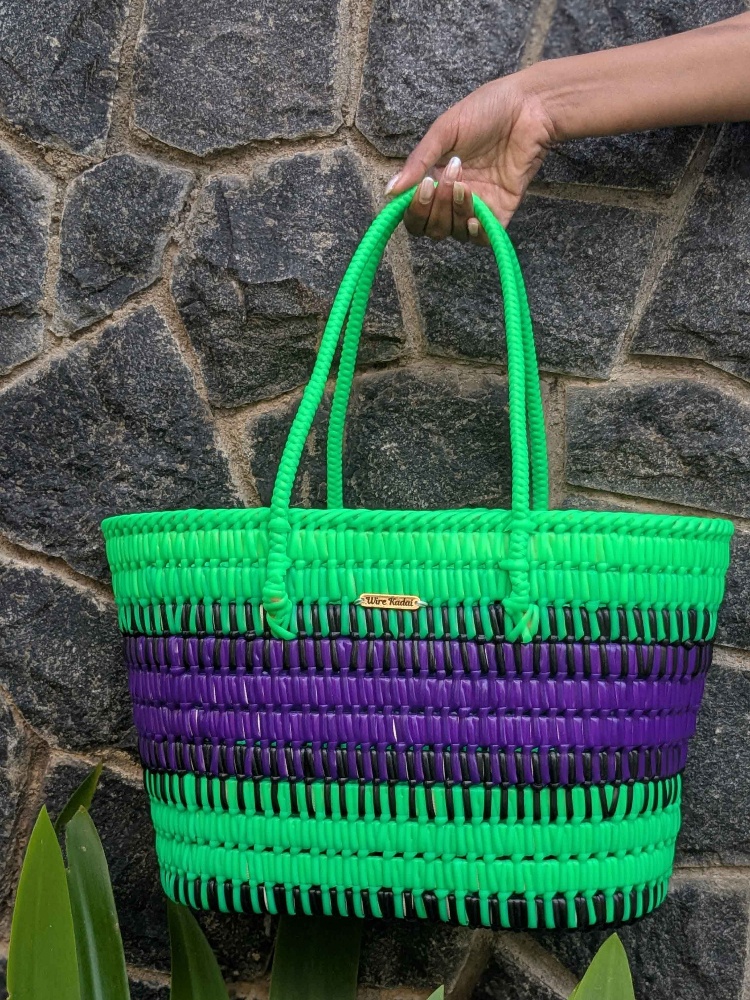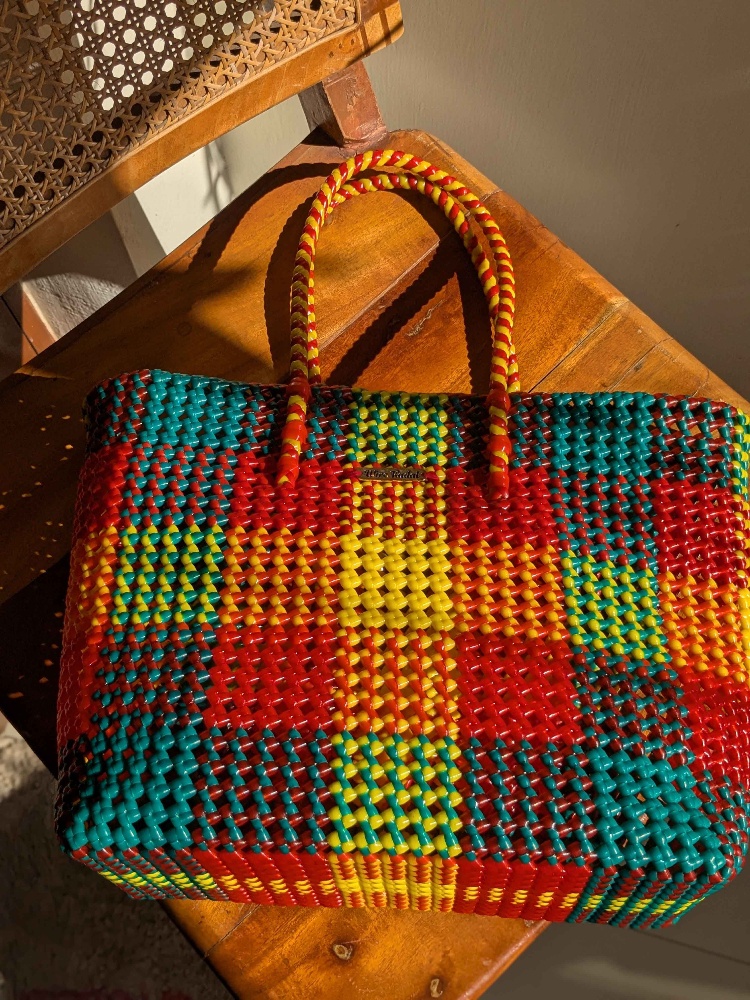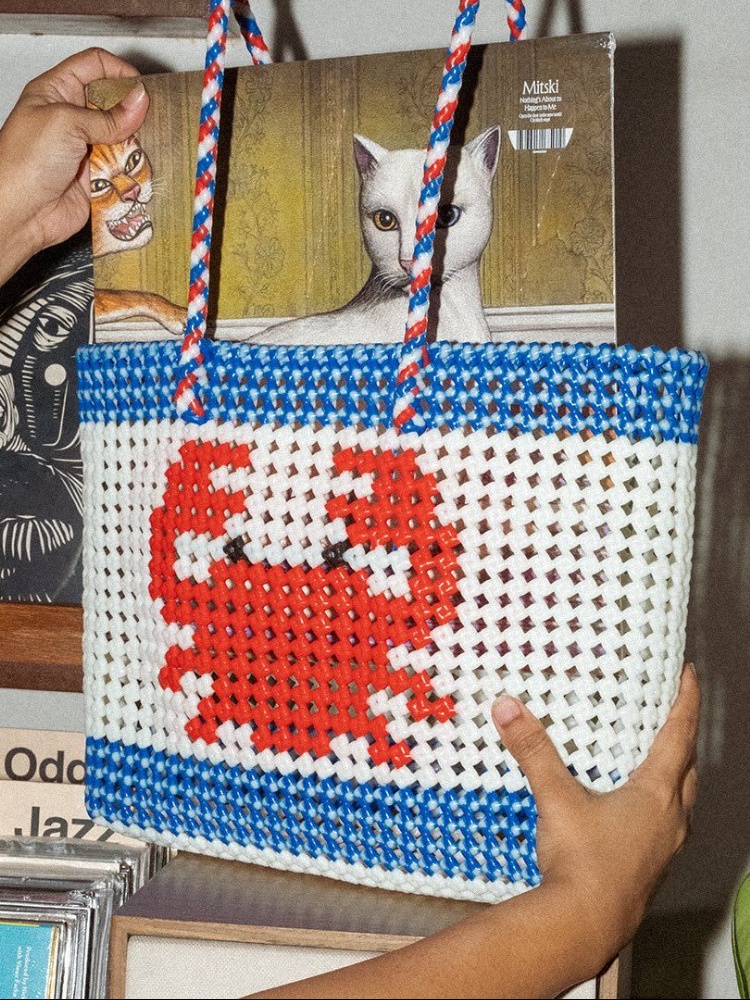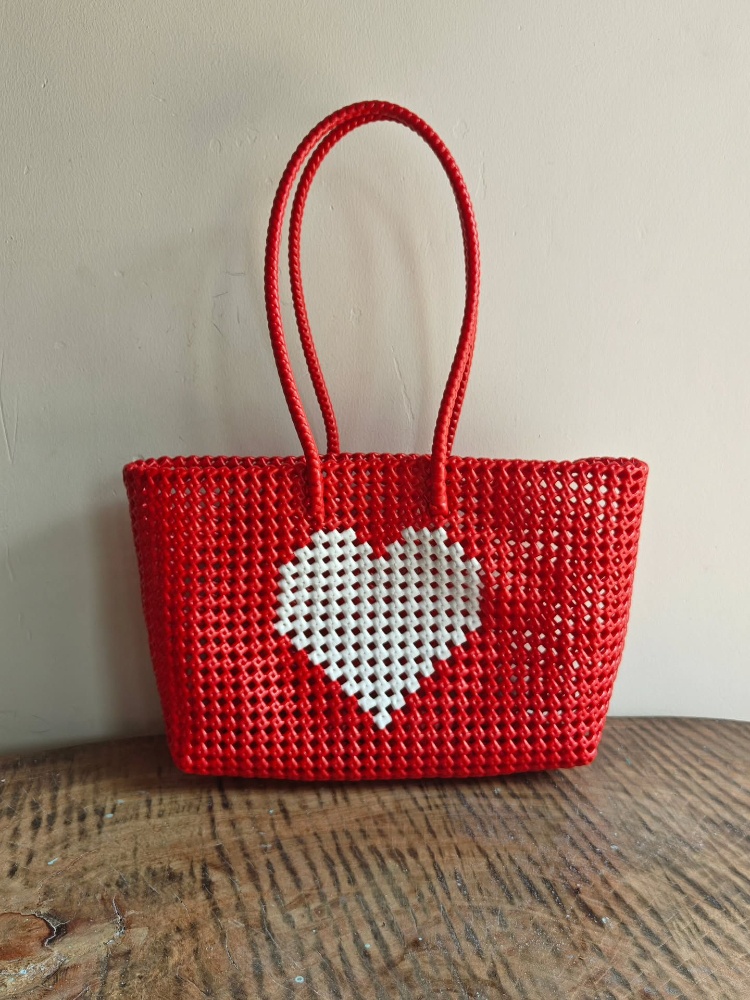




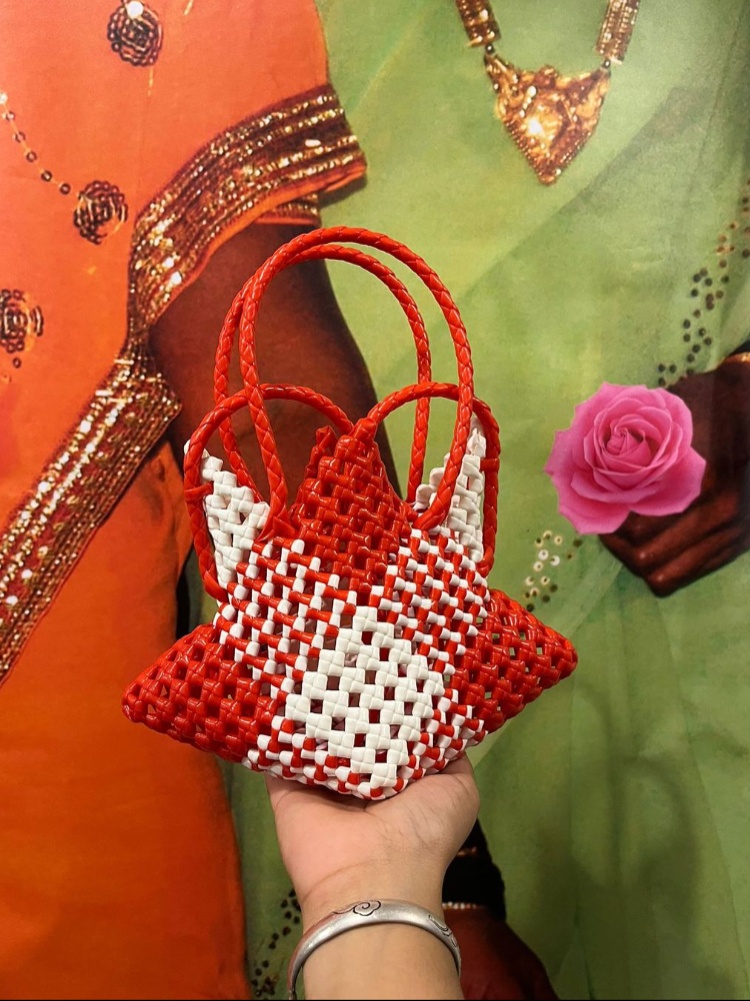

Growing up in a railway town in West Bengal with a rather substantial Telugu population, there was one object that I’d spot everywhere—in the hands of women arguing about onion prices in the badly stocked shop near home; jammed in front of Bajaj Chetak scooters like squat, sturdy children; sitting next to steel S-type chairs in the administrative block of the South Eastern Railway offices where my mother worked. In my grandma’s strange home on a dusty clearing on the other end of a firefly-lined lane (not making this up), a work-in-progress specimen would sit on the edge of the Rexine couch, the stiff plastic wires at the edges standing up like startled weasels. There was no grand name for it. It was simply ‘wire butta’, or ‘wire basket’. (Ammama’s finished product would cradle her wool bundles that would slowly unspool when summoned by the steel knitting machine whining metallically above them.)
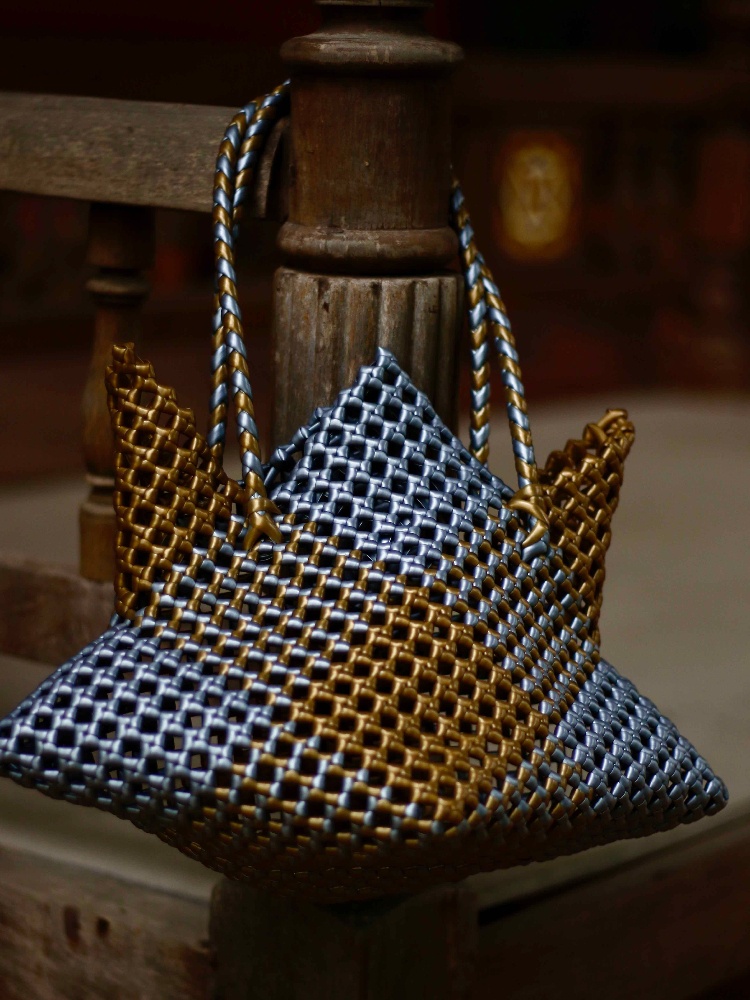
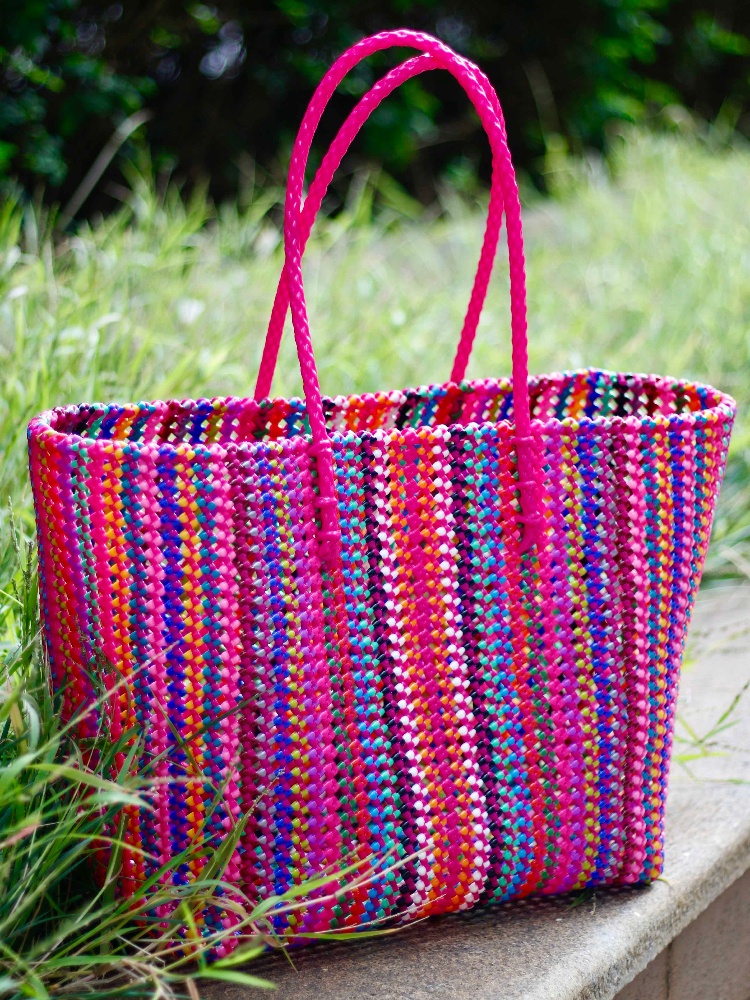
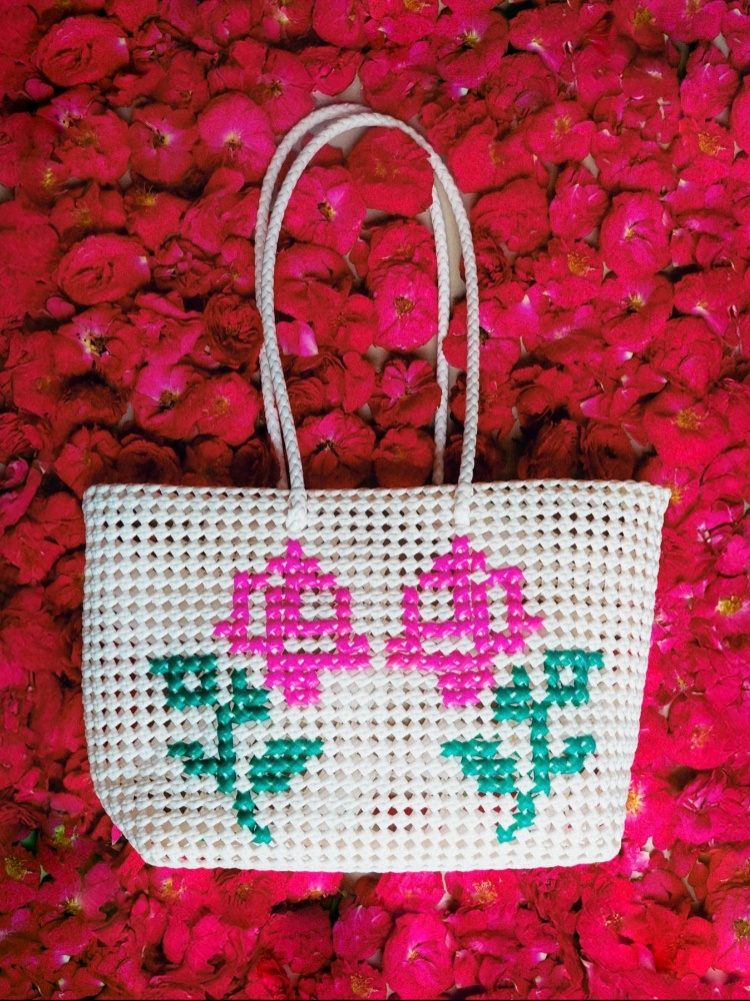
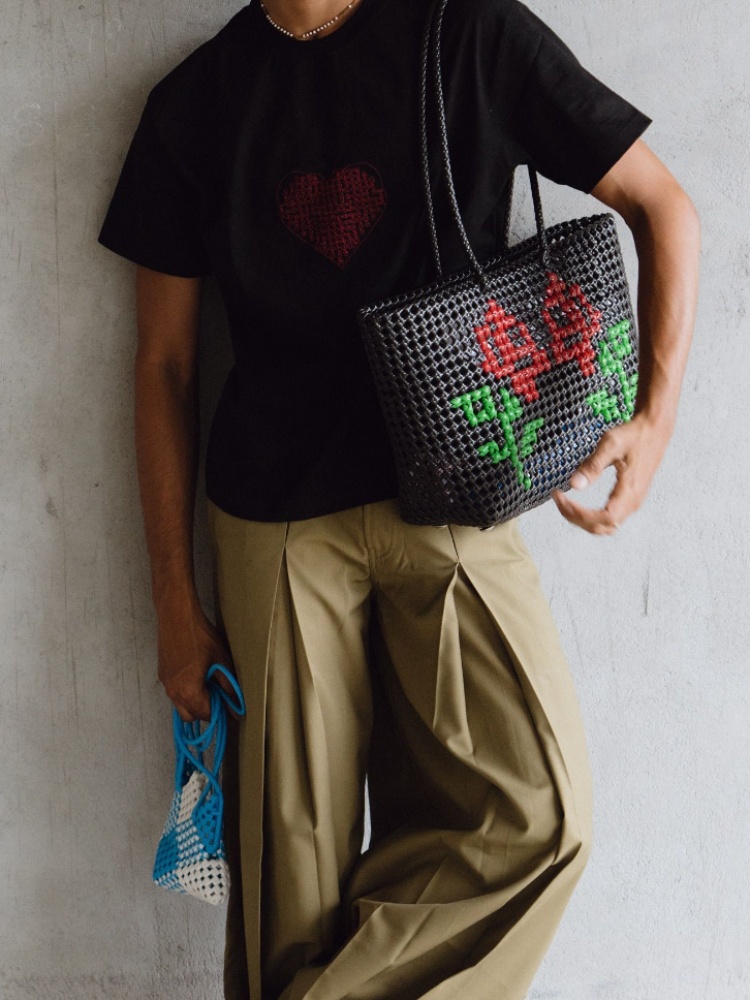
The aforementioned basket woven out of flat plastic wire is what we now recognise as the koodai, the name by which it is known in Tamil Nadu. And it’s now everywhere. Look around the office and there’s a chance a coworker is carrying their lunch in one. (There are a dozen in The Nod offices alone.) An indispensable part of the lives of women in all the states of southern India, it’s surprising that their pan-India presence took this long—they’re structured, water-resistant, sturdy, colourful, come in a multitude of patterns, from Madras checks to cross-stich-like roses (even with hearts, dolphins and charms), and they’ll outlive you.
For homegrown brands specialising in the koodai, the entry point hasn’t so much been a business decision as a way to create opportunities in the immediate community, express pride in—and revive—a regional art form, and give concrete shape to nostalgia.
Chennai-based Mirnalini Venkatraman, founder of Wire Kadai, is surprised by the recent craze for a utilitarian object that’s been around for decades. “I genuinely don’t understand all this,” she says. “When I started it in 2023, it was in memory of my mother whom I lost that year. We always used to have baskets at home made by this lady named Pushpa. After my mother passed away, Pushpa akka came home with a bunch of baskets asking if I could help. And that’s when we were like, how many baskets can I buy or gift?” Like you and I, Venkatraman too was shopping on Instagram, so it seemed like a viable platform to sell Pushpa akka’s designs.