




You can recognise Kerala even before you have been there. The stillness of water broken only by the oar of a canoe. Temple bells cutting through humid air. Mist folding itself around tea estates at dawn. The place arrives preloaded in the imagination, shaped by years of successful tourism campaigns and family albums. It feels familiar even from a distance. What happens, then, when that familiarity is handed over to 10 photographers and asked to stretch a little further? That question sits at the heart of Lenscape Kerala, conceived by Kerala Tourism, curated by historian, author, and art curator Uma Nair, and directed by photographer Balan Madhavan. The premise is deceptively simple. Ten photographers from across India, chosen for the distinct depth of their practice—ranging from internationally acclaimed wildlife work and panoramic architectural documentation to photojournalism—are assigned different districts across the state and given five days to respond.
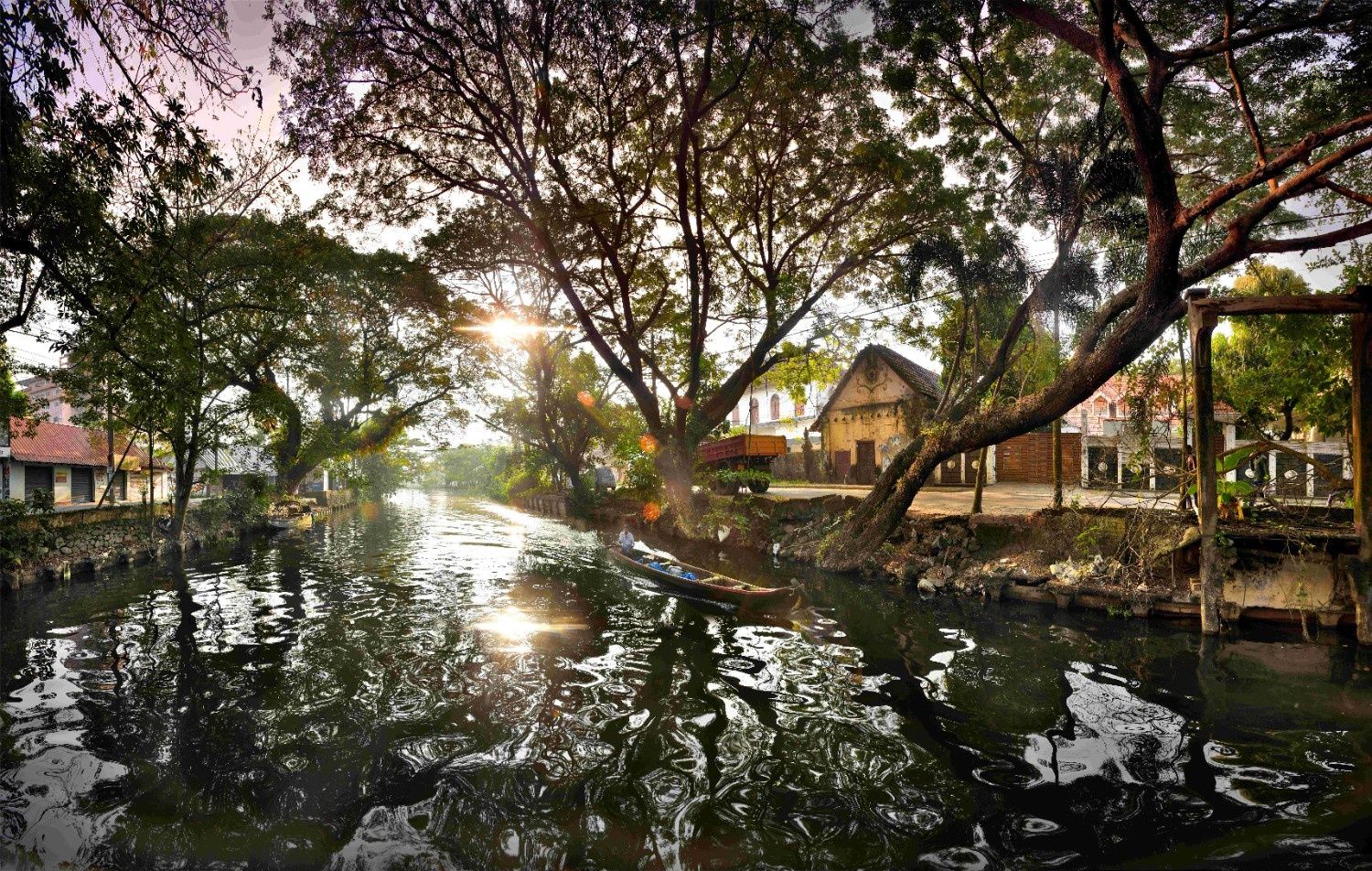
Photograph by Amit Pasricha
“Kerala is more than luxury massages and superficial Ayurveda oils and paraphernalia,” Nair says. “It is a land of great depth, ancient traditions, and a secular fabric woven into lifestyle.” For her, the challenge was to hold together 10 distinct visual languages without flattening them into a single mood. “Each photographer’s salient quality was protected,” she explains. “Vast geographies as well as everyday realities and living traditions were all important.”
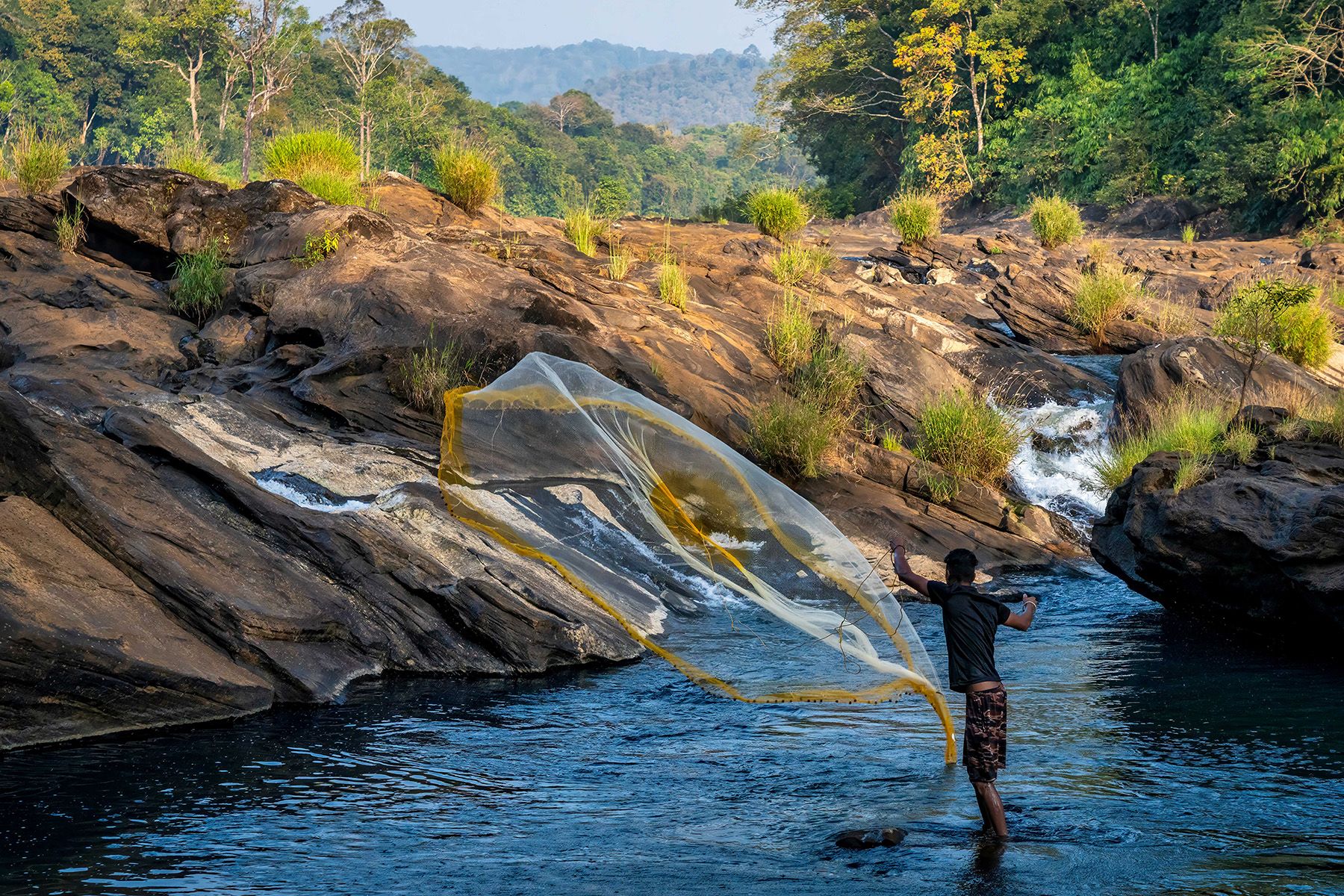
Photograph by Umesh Gogna
Among the most striking contributions is that of Navi Mumbai-based Aishwarya Sridhar, who is also India’s only BBC wildlife awardee. Assigned forested and high-altitude regions, Sridhar found herself thinking less about dramatic wildlife portraiture and more about proximity. “We found wild dogs near vegetable farms. We saw elephants very close to the road in tea estates,” she says, “It made me realise how beautifully people and wildlife coexist in Kerala.” Instead of isolating animals against blurred backgrounds, she widened her frames. “When you show the animal with its habitat, you give a sense of place.” Her images of the Nilgiri tahr emerging from mist feel less like spectacle and more like shared terrain. The compressed five-day timeline shaped that urgency. “It pushed me,” she admits. Early treks, long drives, even a night without network coverage forced decisions to be instinctive rather than leisurely.
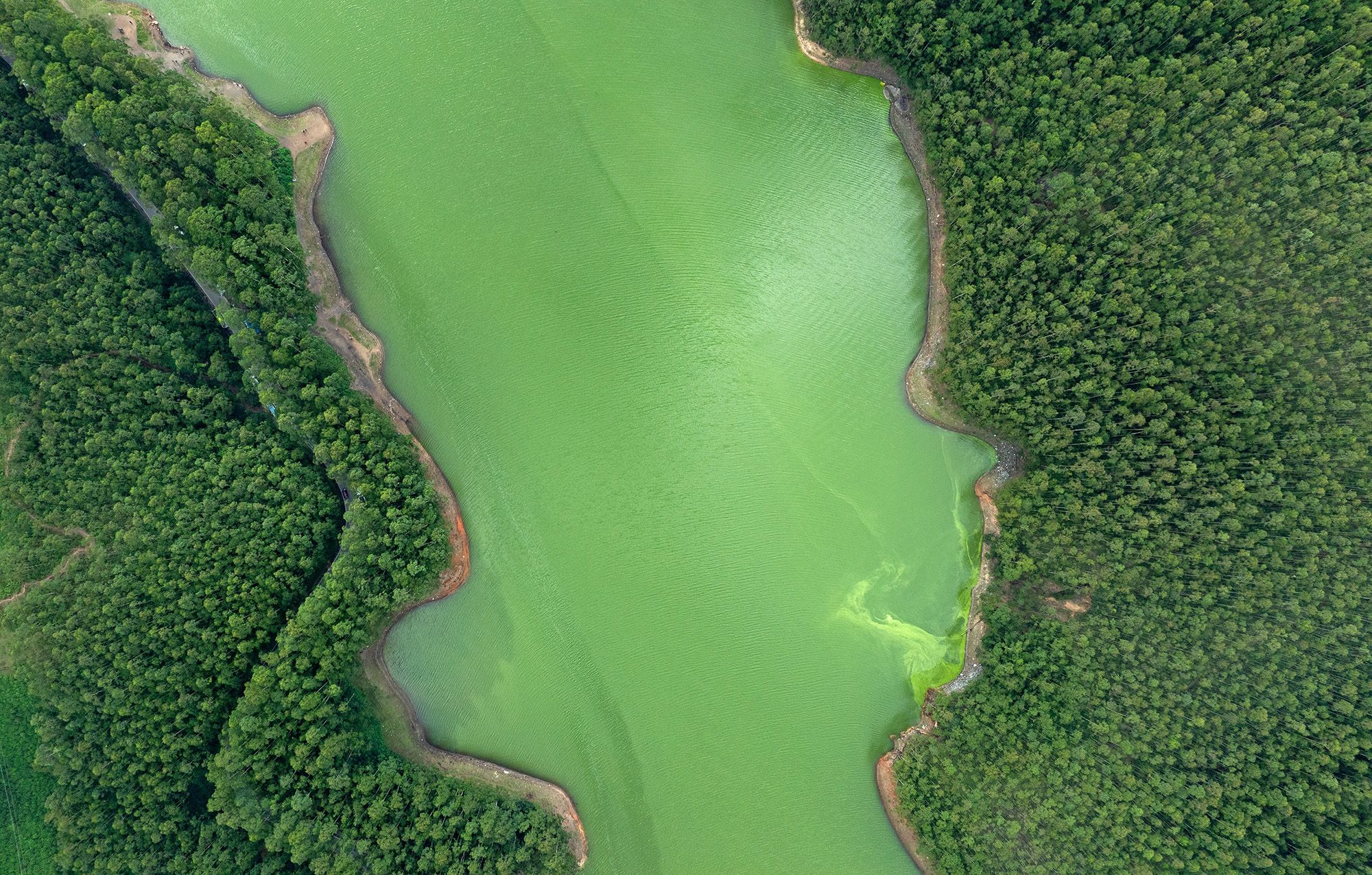
Photograph by Aishwarya Sridhar
If Sridhar expanded outward into ecology, Mumbai-based Natasha Hemrajani turned inward. “I was not interested in documenting Kerala as a physical place,” she shares, “It was my love letter.” Instead of mapping geography, she traced recurrence. Red became her connective thread. “Even though we think of Kerala as a green state, I think Kerala is actually red in spirit.” In her photographs, vermilion markings, temple cloth, political banners, and rusted surfaces echo one another. The colour becomes both aesthetic and ideological reference, quietly acknowledging Kerala’s long engagement with Leftist politics and labour movements. “I wanted my work to be layered and complex and be sort of like an illustrated storybook of images where people can see themselves in those images and find this magical place.” Her Kerala is not only scenic, it’s also charged.
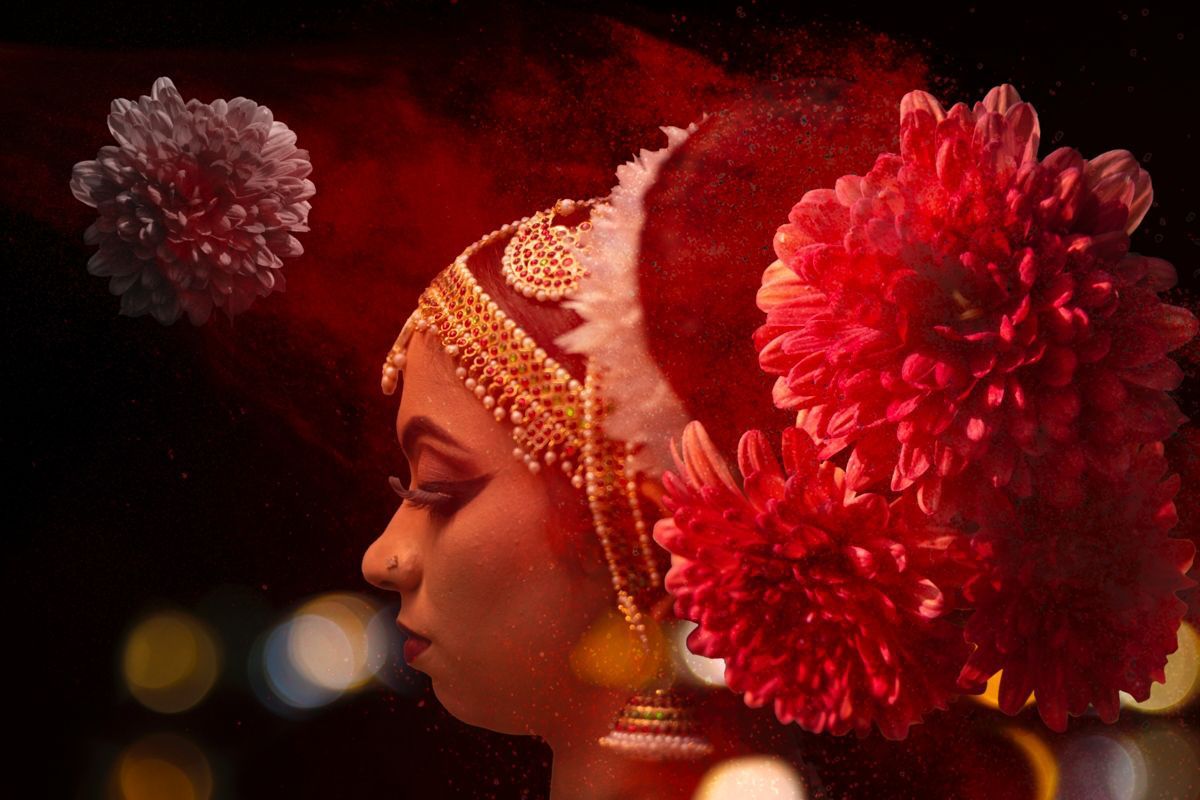
Photograph by Natasha Kartar Hemrajani
On the other hand, Delhi’s Manoj Arora approached the state through built form and devotion. Known for documenting heritage sites, Arora focused on temples and monumental structures, including the towering Jatayu sculpture in Chadayamangalam. “My sole motive was to present the heritage of India to Gen Z in a relatable manner,” he shares. In one image, a lone devotee bows before a temple even though the shrine is closed. In another, a temple corridor stretches in perfect symmetry, and a weathered stone church holds centuries in its cracks. Through his photo, Arora’s framed Kerala in line, shadow, and structure.
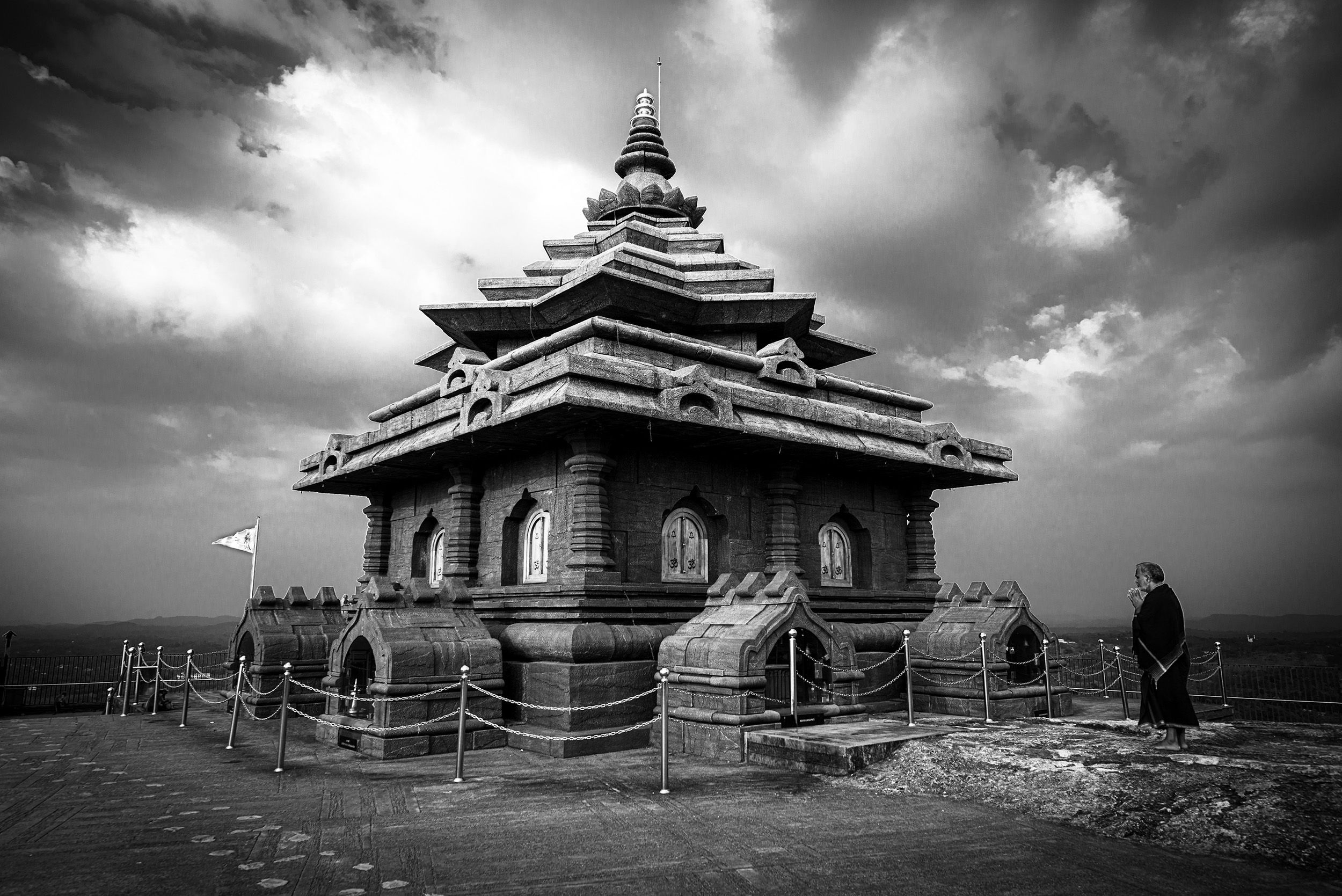
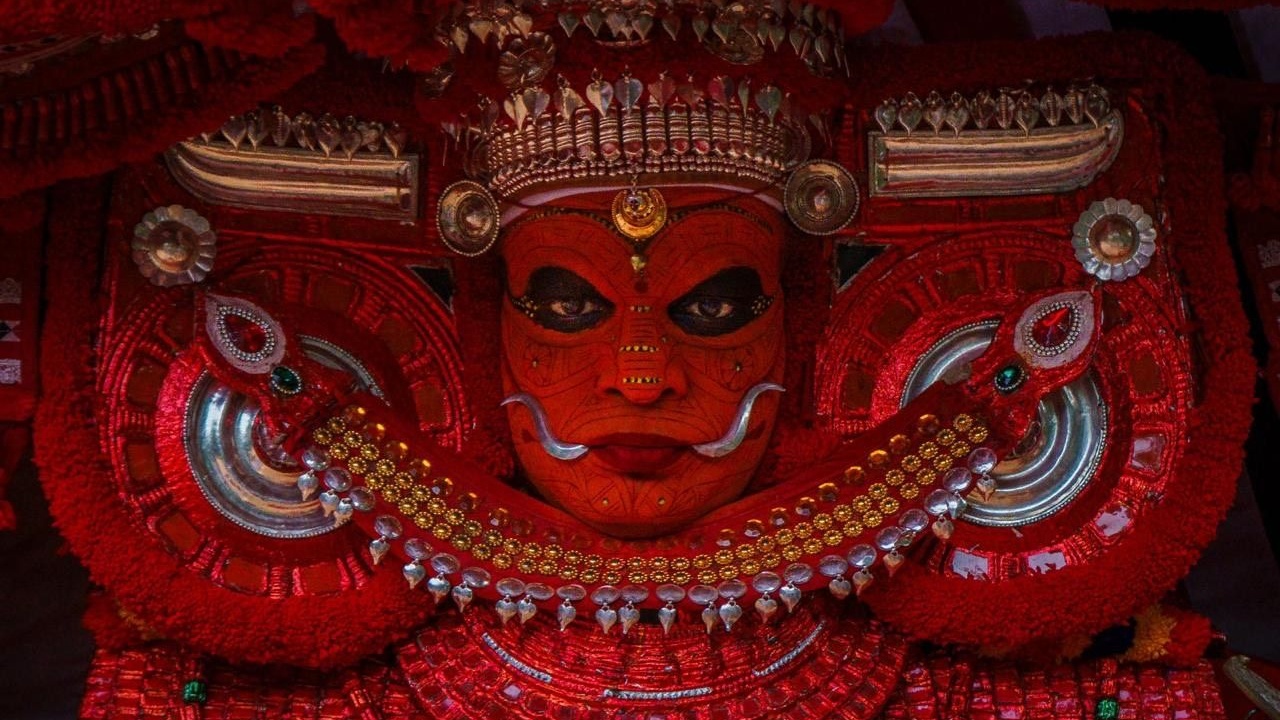
The broader roster deepens the exhibition’s texture. Delhi-based Shivang Mehta brings a conservation-driven lens, foregrounding ecological fragility within Kerala’s forests. Amit Pasricha, who is also from the capital, stretches temple corridors and built heritage into immersive panoramas, emphasising scale and subtle tonal shifts. Kolkata-based Saibal Das lingers on everyday Kerala, where plantain bunches against a cracked mural-covered wall or three men sharing tea outside a shop quietly reveal the rhythms of ordinary life. Also from Kolkata, Kounteya Sinha captures Theyyam not only in performance but in preparation, including a moment where a child instinctively mirrors a performer’s stance, suggesting how tradition passes between generations. Jaipur-based Umesh Gogna’s instinctive eye moves between environment and human presence, adding another layer of visual nuance, while H Satish and Noida’s Saurabh Anand Chatterjee shift between portraiture, landscape and environmental detail, filling in the spaces between spectacle and stillness.
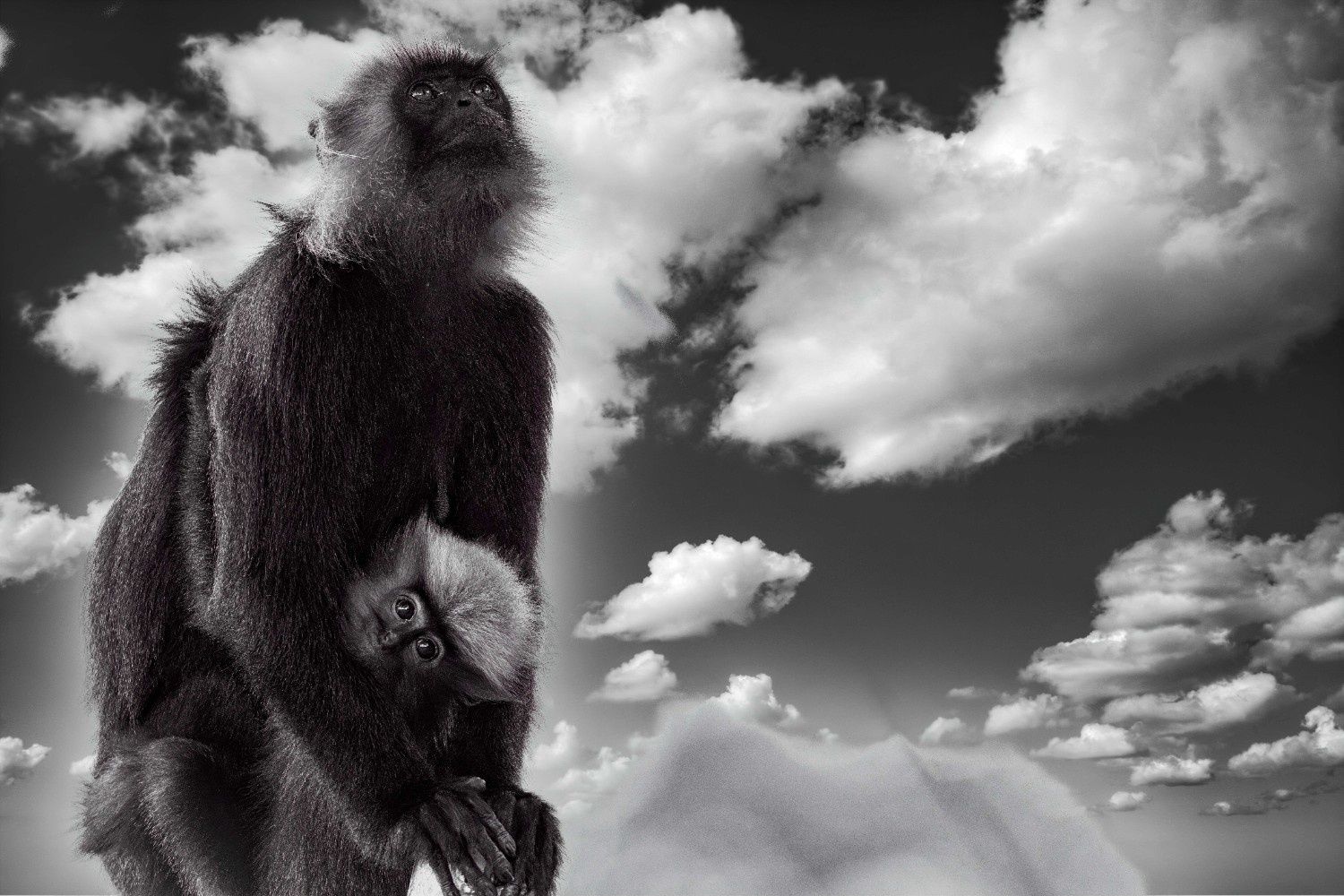
Editing 100 images from 10 photographers required discipline. “The choice of images was created according to impact of thematic flow as well as diversity in range and emotive elegance,” Nair explains. The sequencing allowed wildlife to sit beside ritual and architecture beside everyday gesture, without collapsing into sameness.
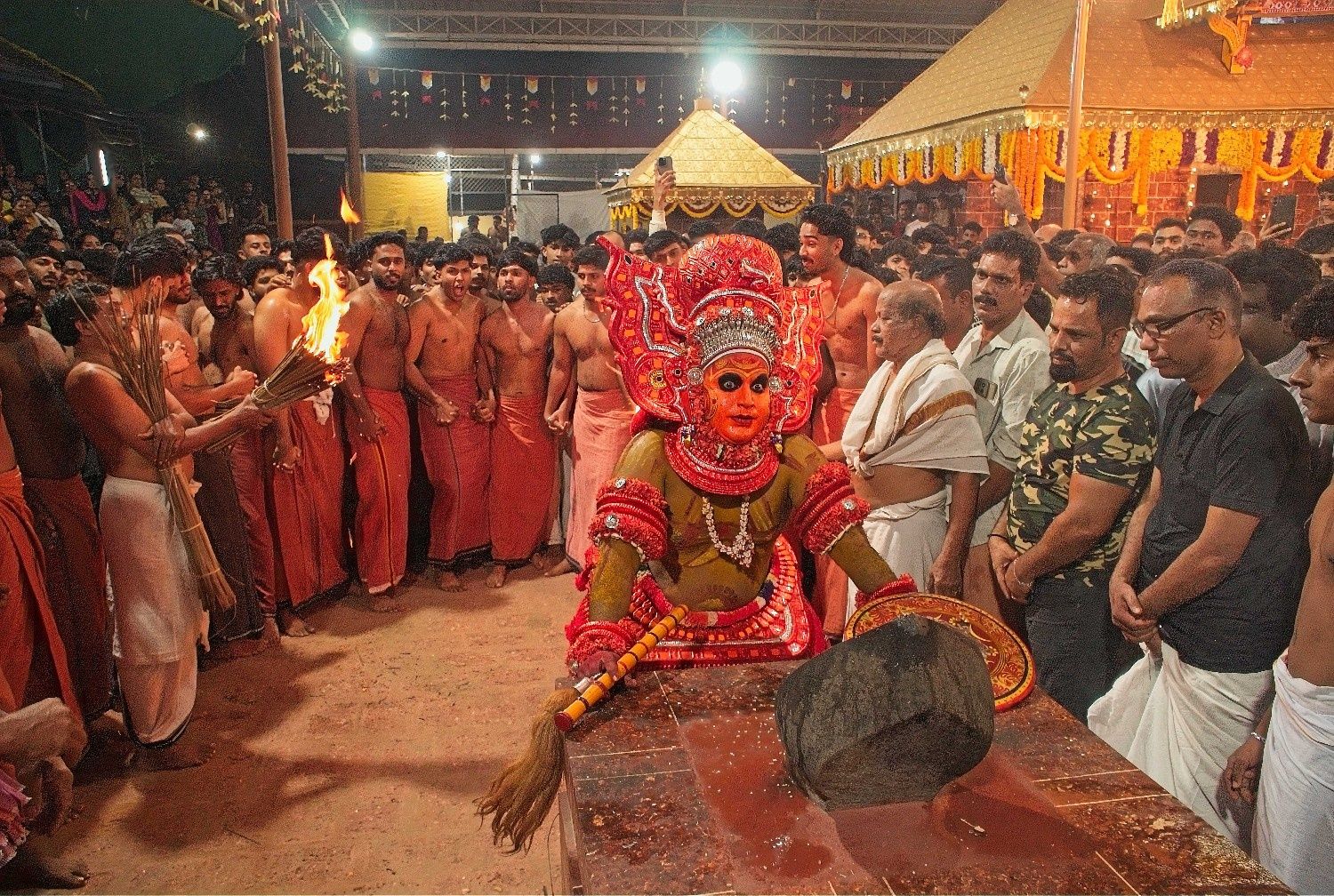
Having completed its runs in Delhi, Mumbai and Pune, the exhibition now travels to Bengaluru before moving on to Hyderabad, Kolkata, and finally, Surat. The idea is compelling. Instead of asking audiences to travel first and understand later, the exhibition reverses the order. Kerala arrives in fragments, through 10 different sensibilities, before the itinerary is even considered.
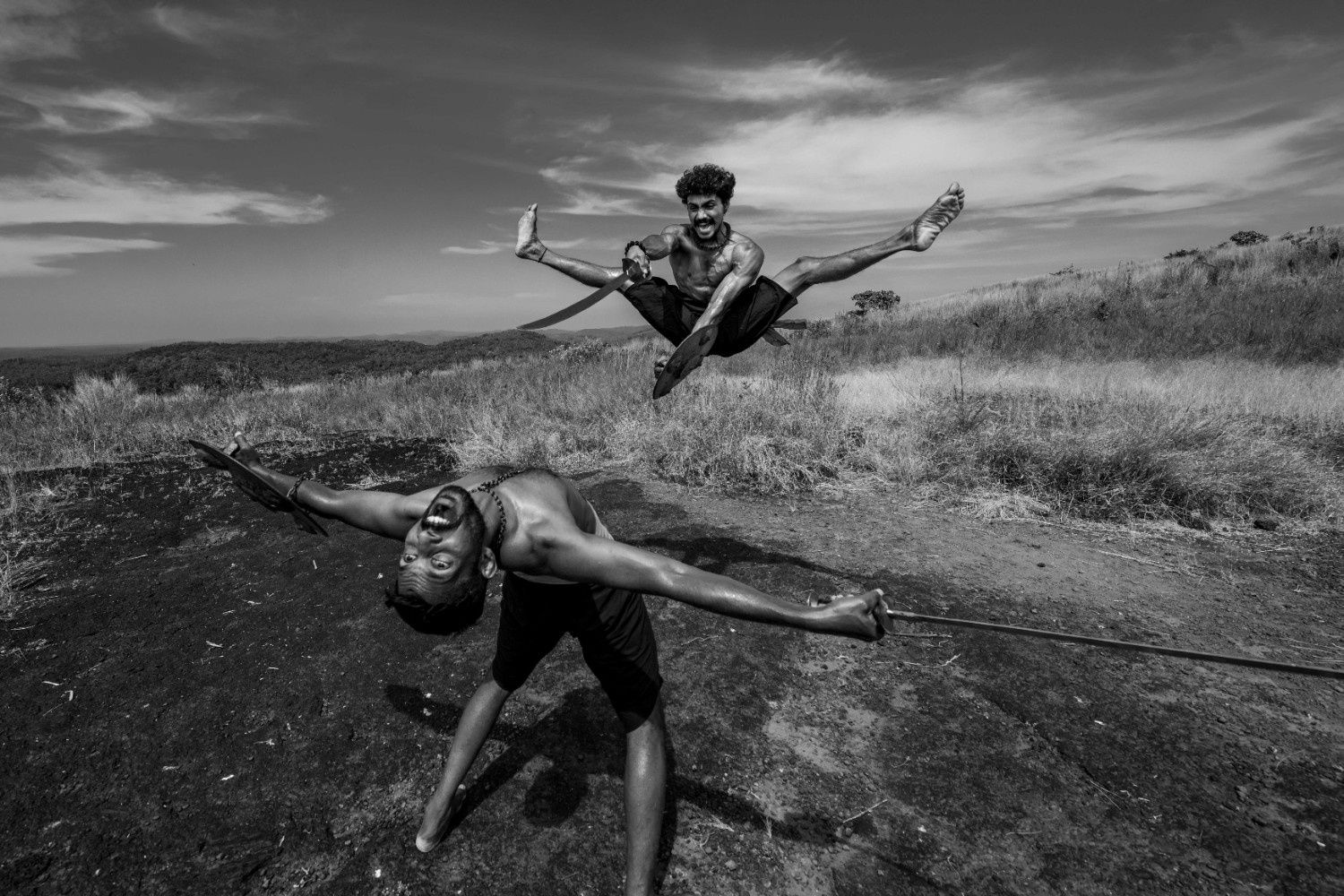
Lenscape Kerala will be on view at the National Gallery of Modern Art, Bengaluru from February 27 to March 1, followed by Chennai from March 4 to 7, Hyderabad from March 12 to 14, Kolkata from March 22 to 24, and Surat from March 29 to 31.