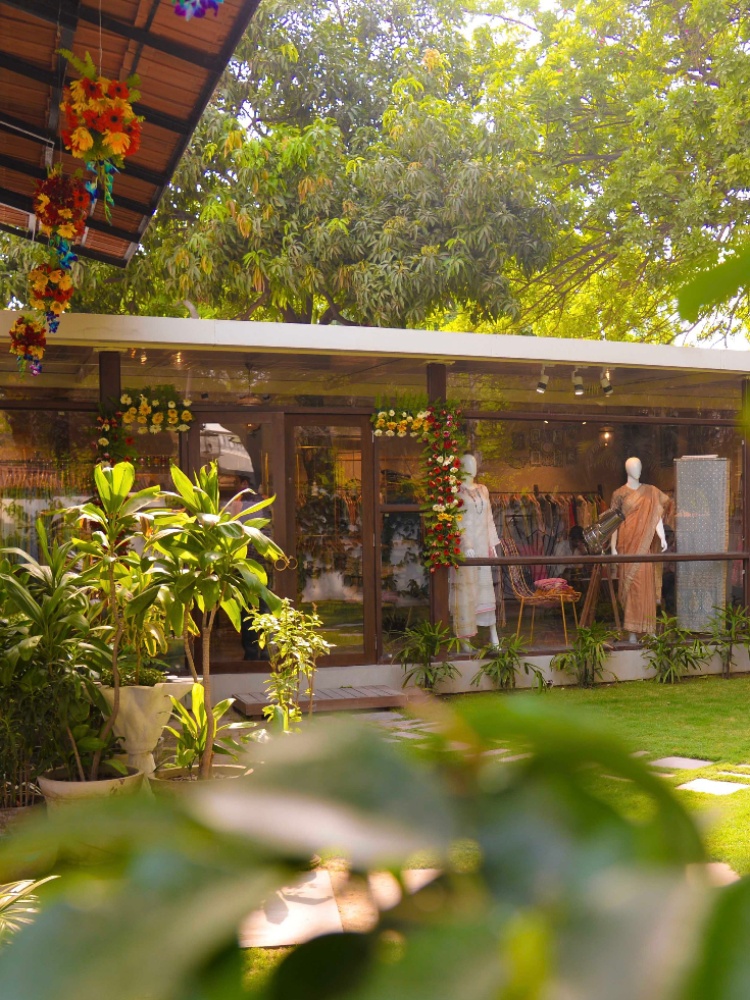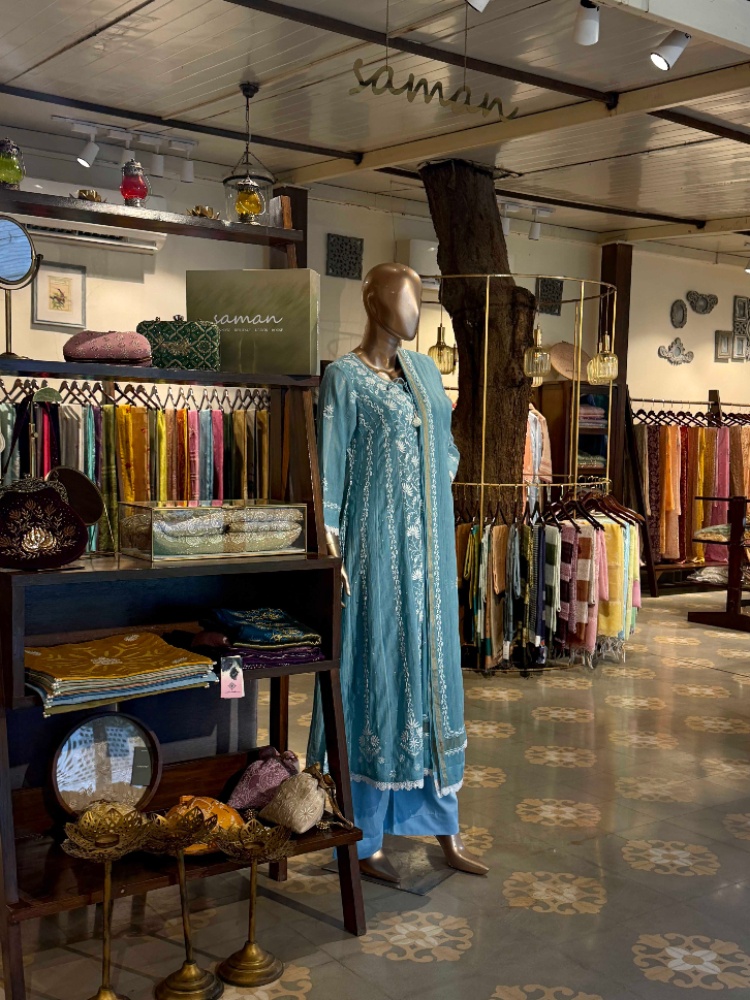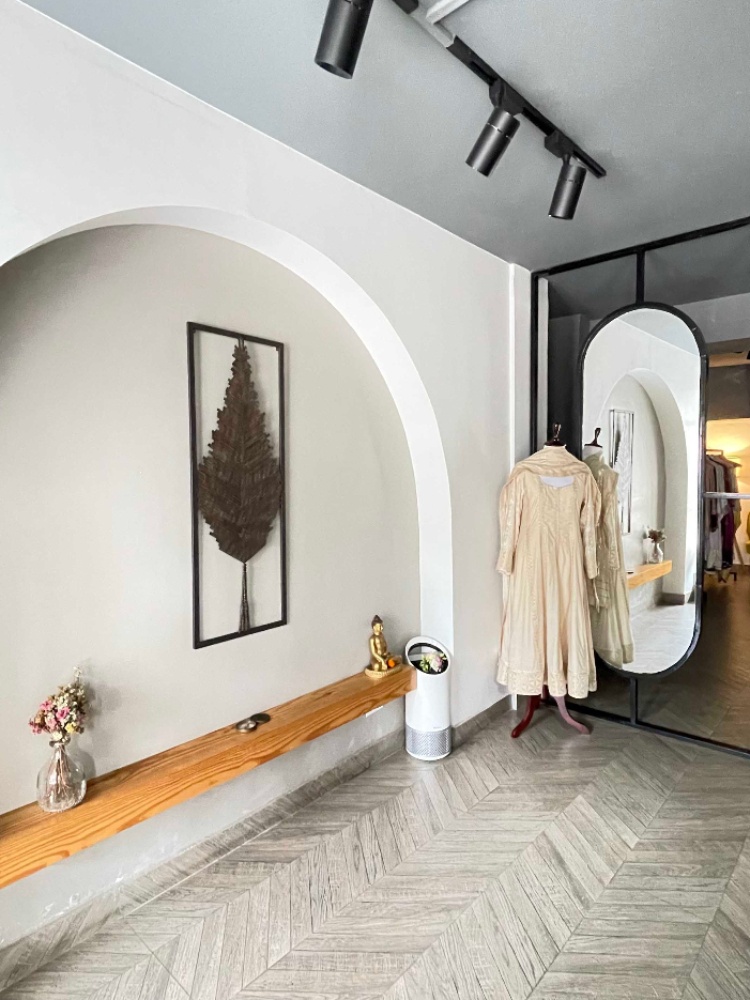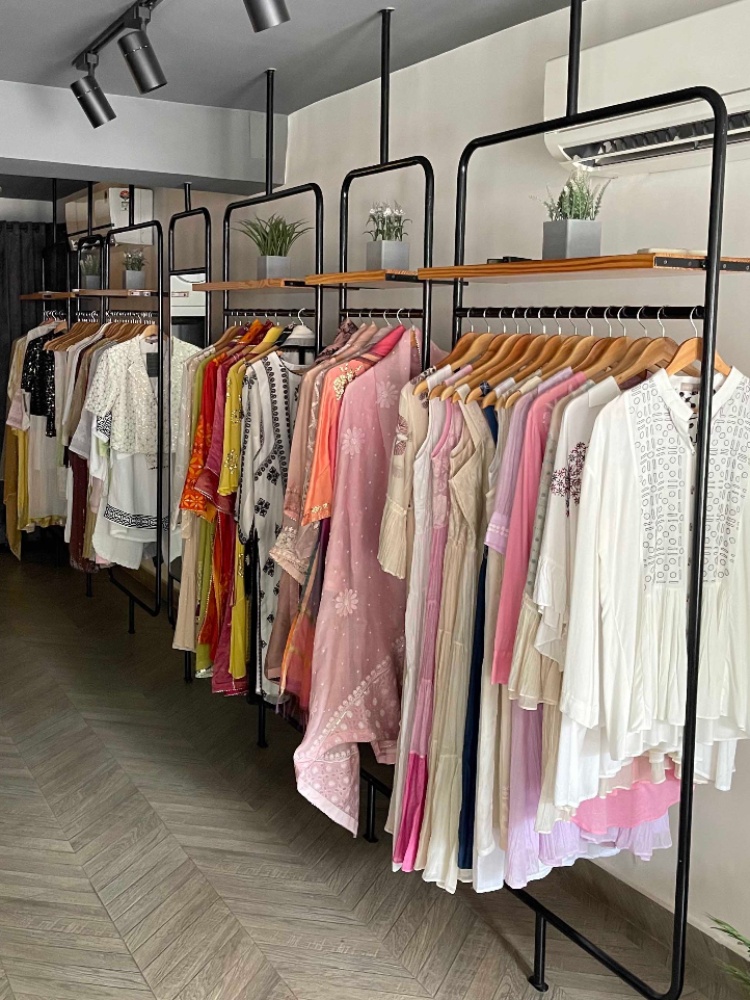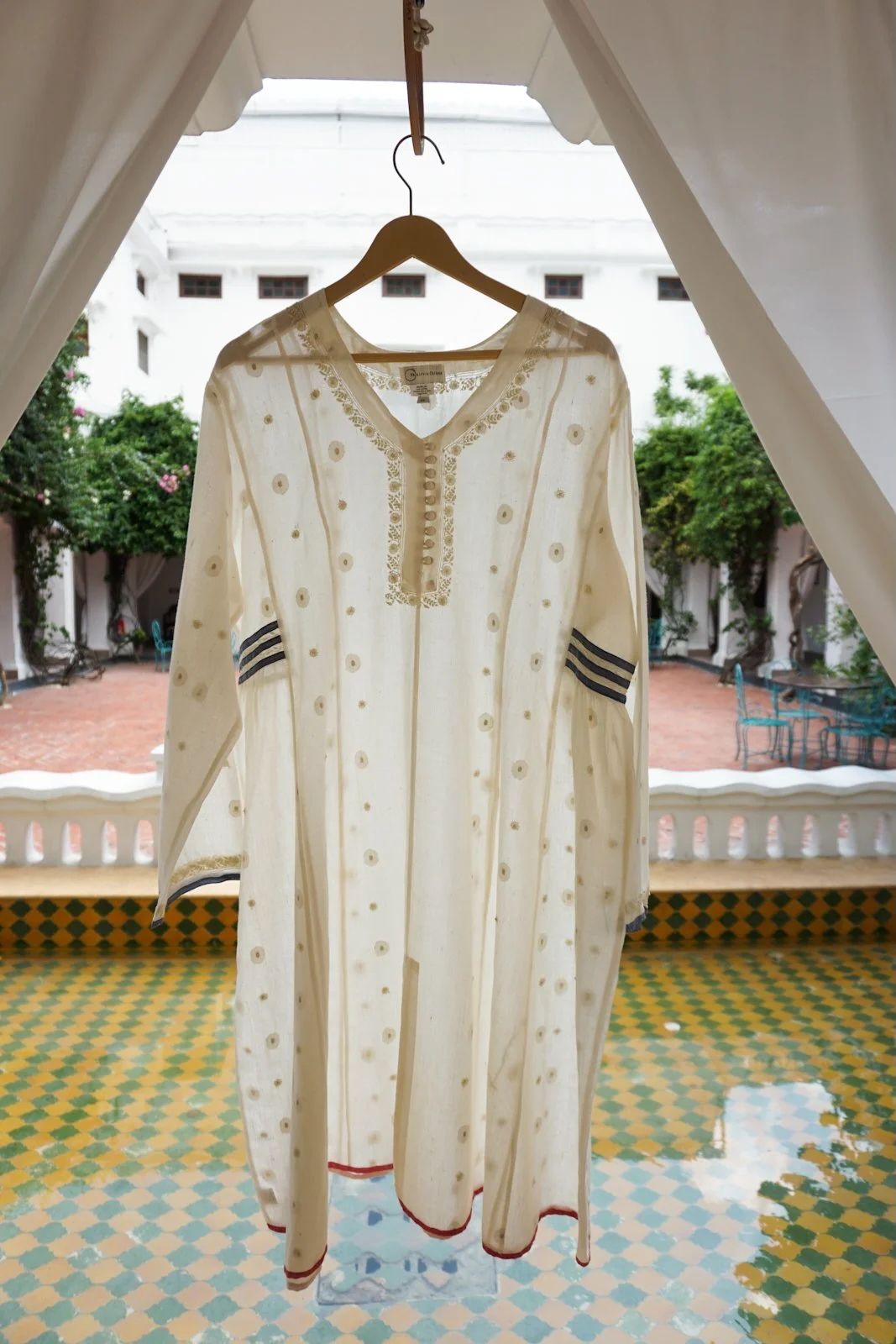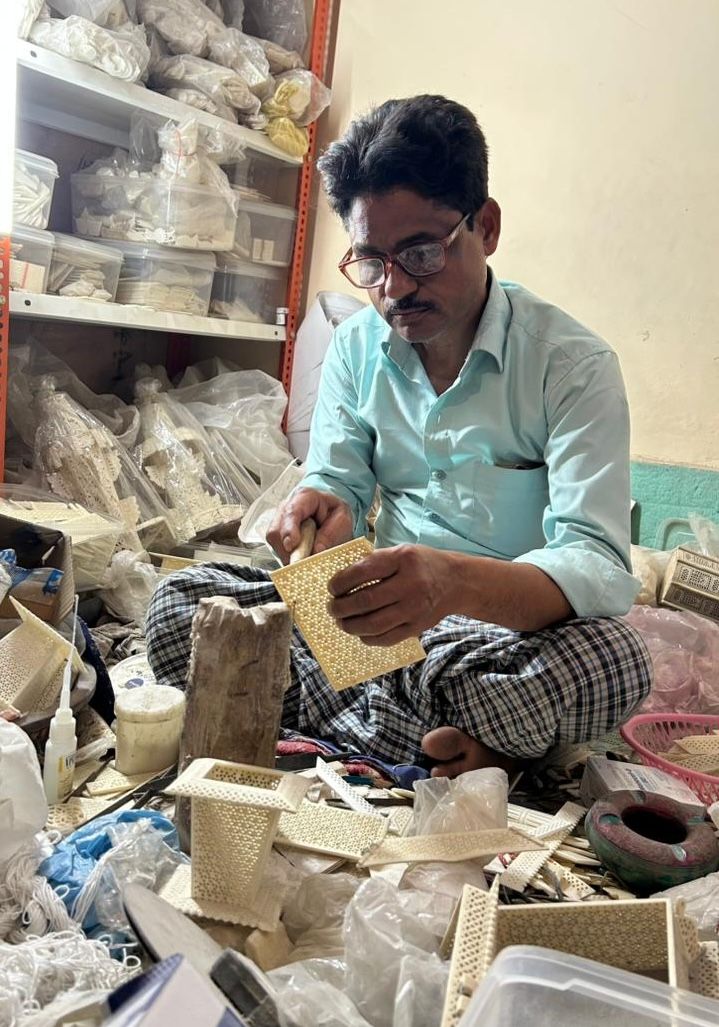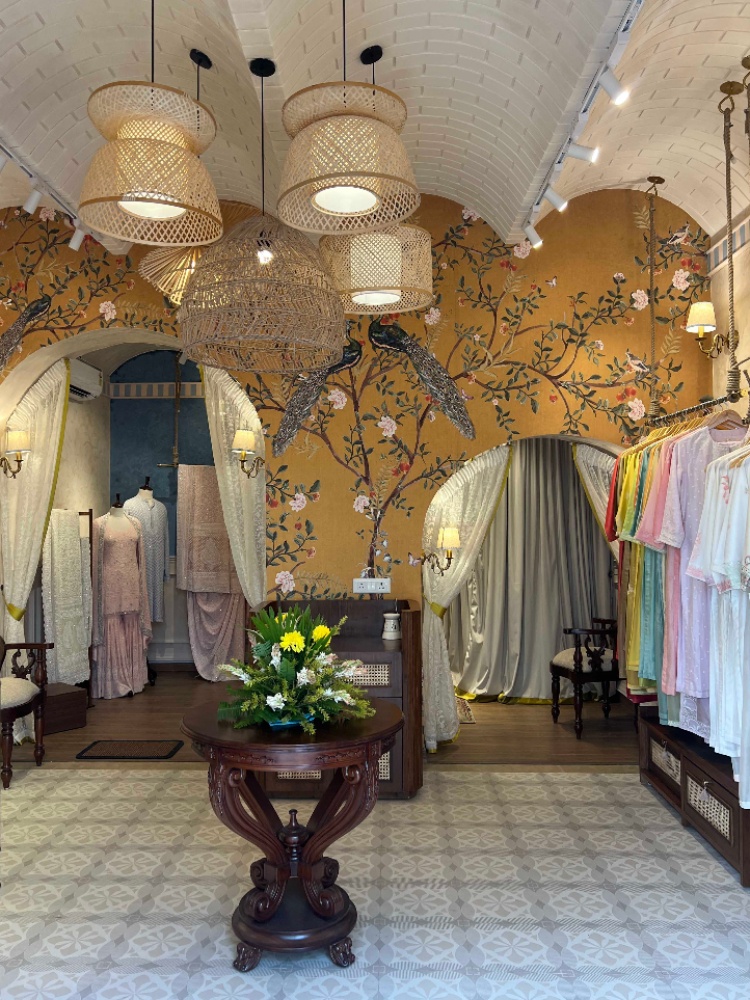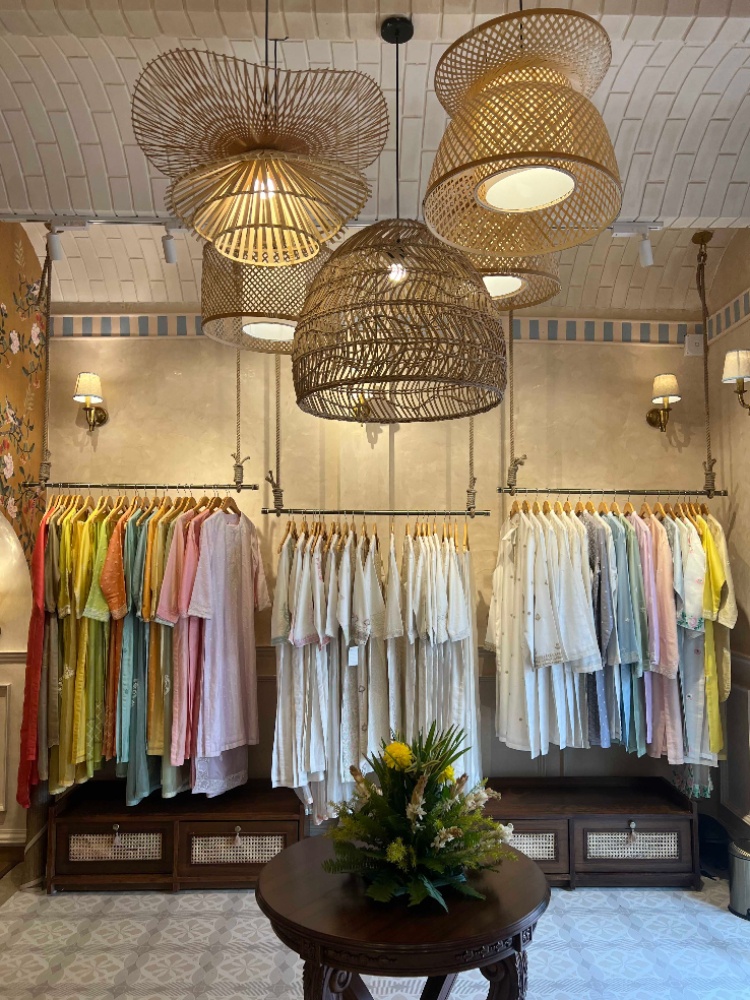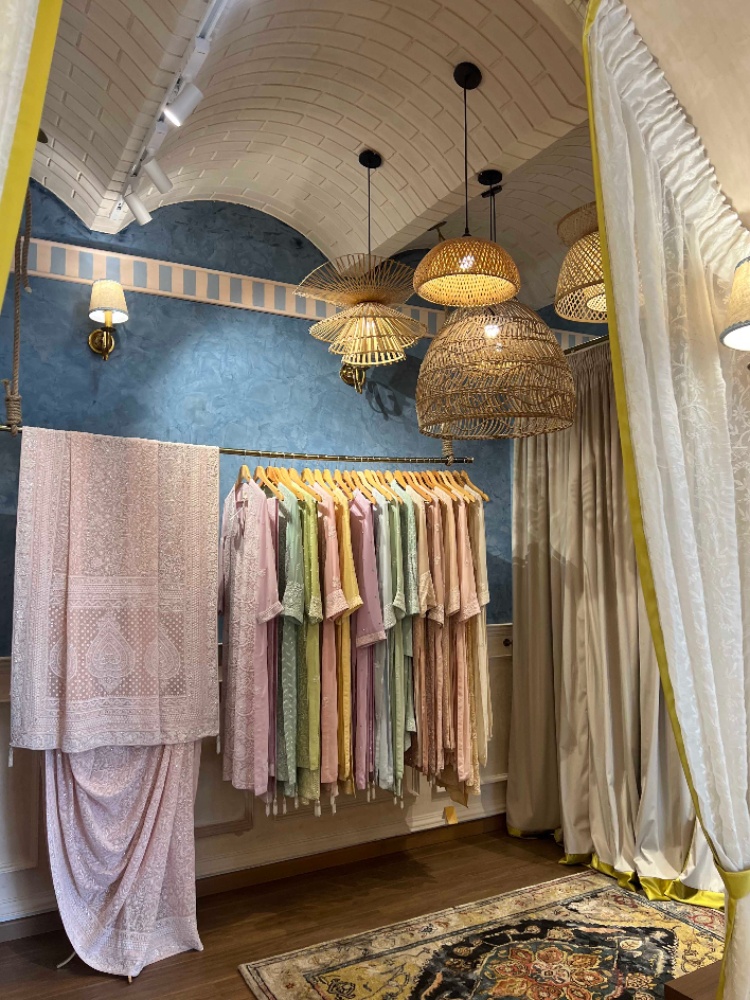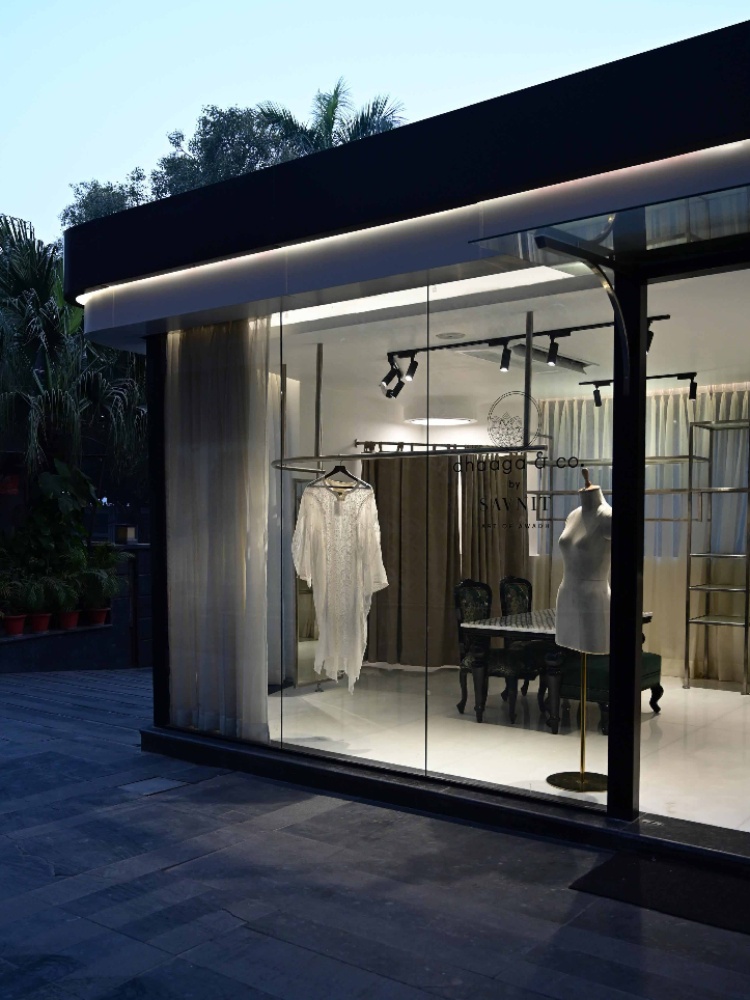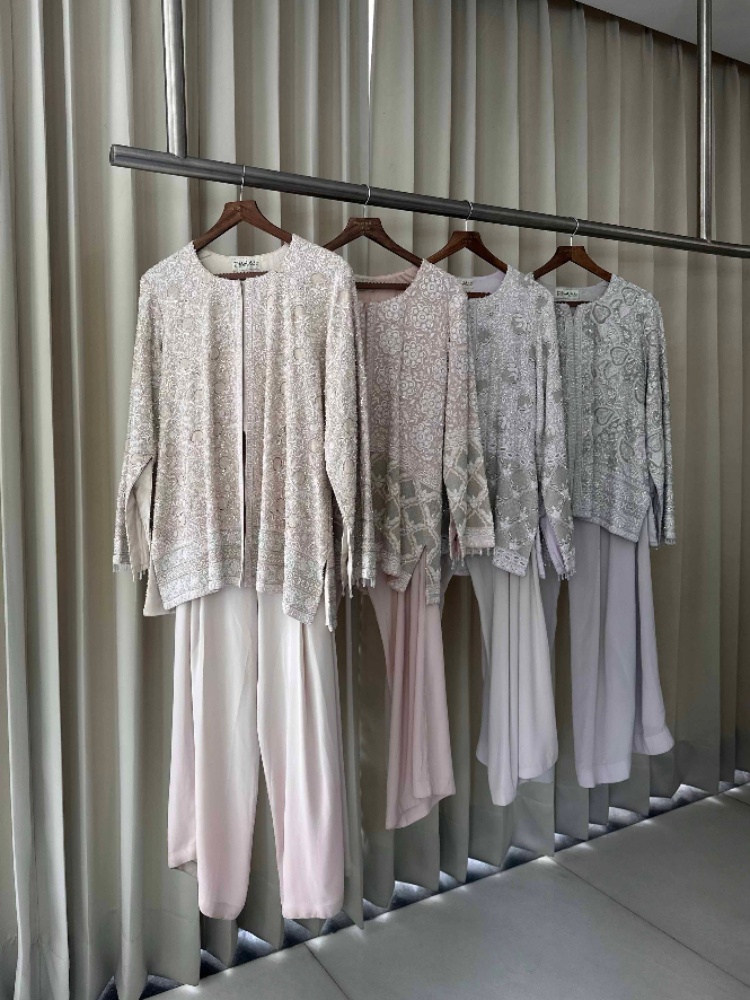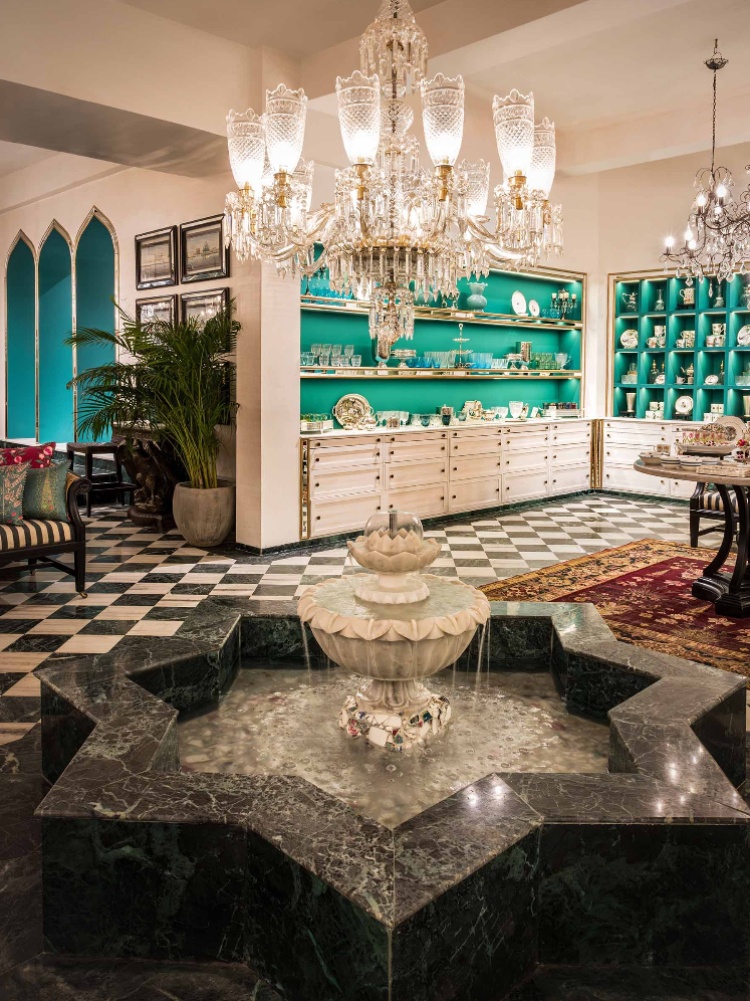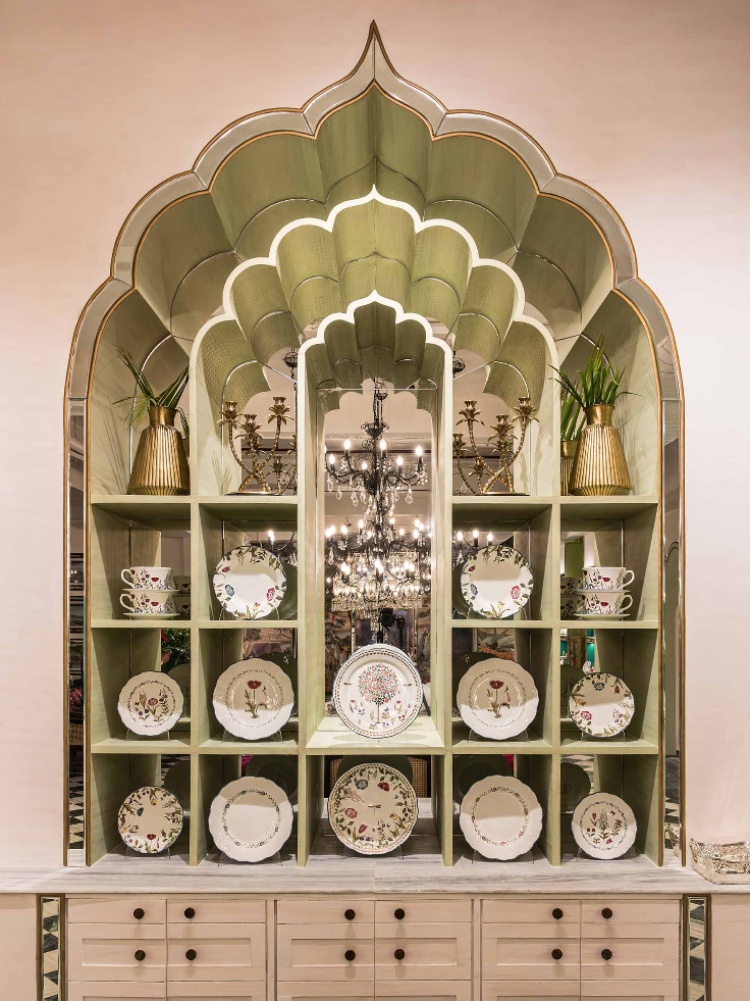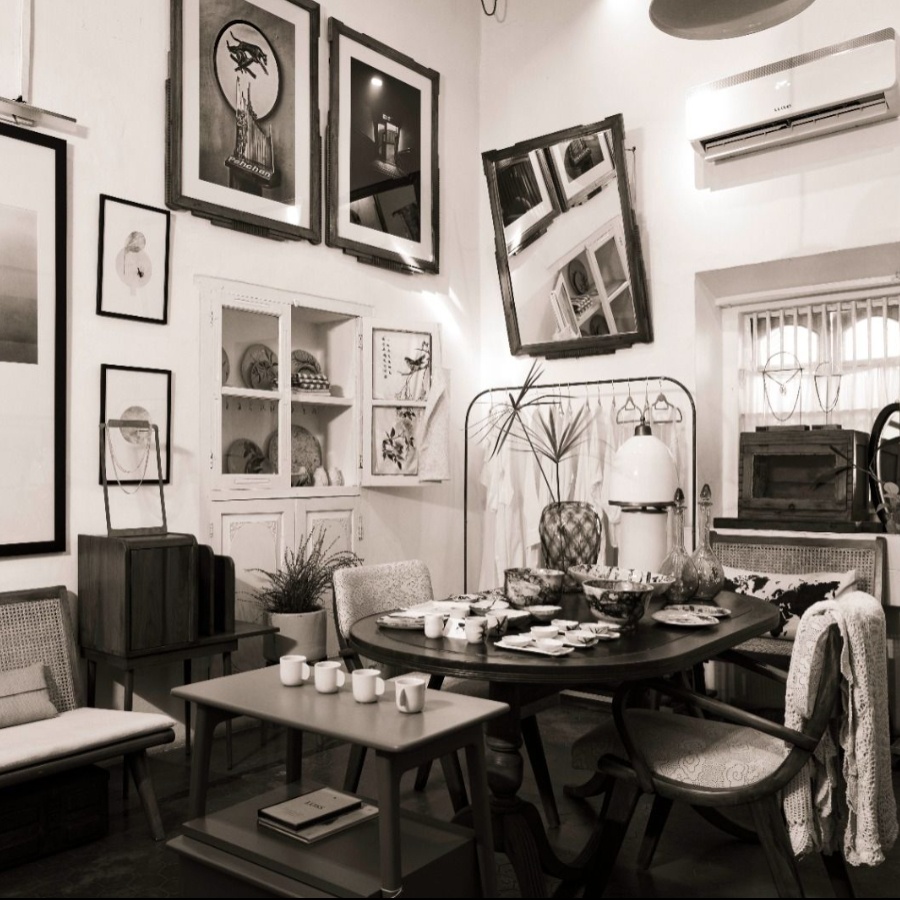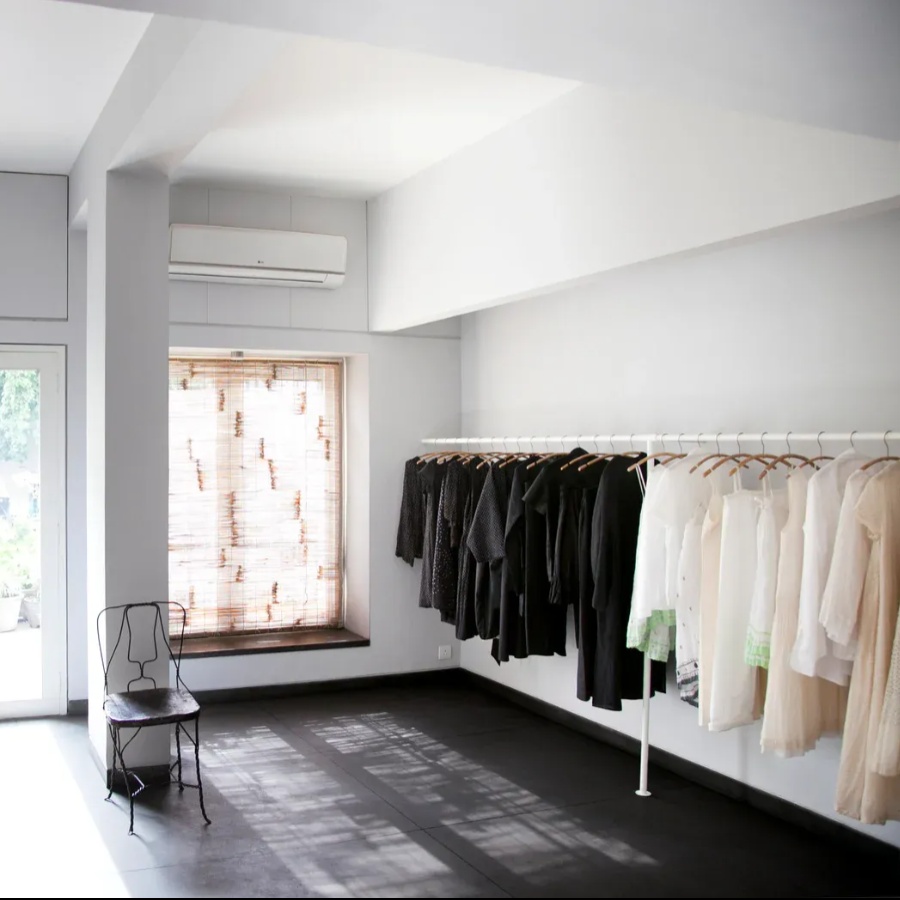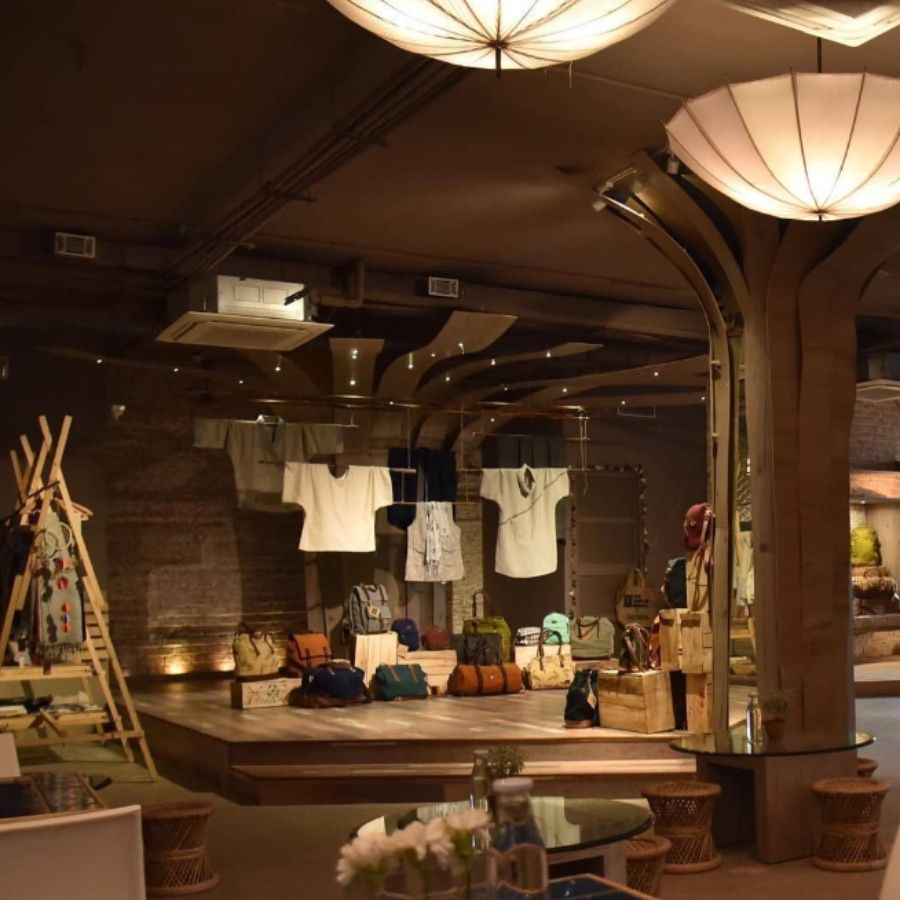




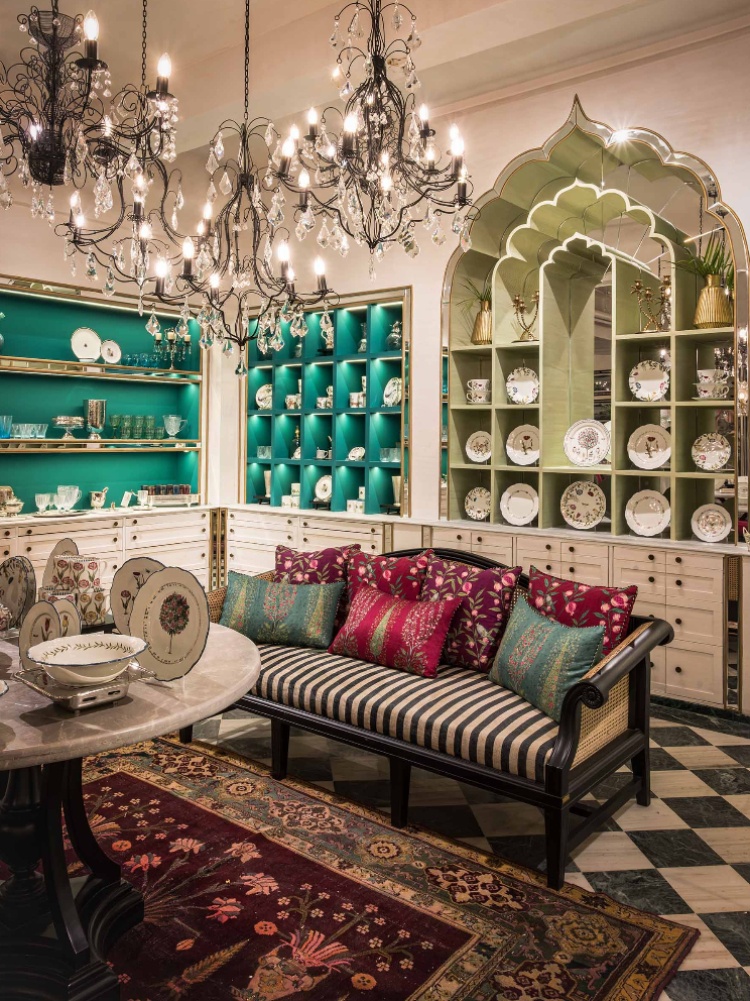

The first time I walked into Saman’s flagship store in Lucknow, I was greeted with an adab, non-ironically, instead of the usual smile and a nod you get in a metro-city store. Here, you can walk into one of the million tiny stores with gadda seating in the old Chowk area and see embroideries that look straight out of Paola Manfredi’s Chikankari: A Lucknawi Tradition, the seminal book on white-on-white embroidery. Like an archive of their own, new textiles sit alongside framed old ones, precious artefacts acquired from old Lucknow families by brands trying to preserve and advance this work. Meanwhile social enterprises like SEWA (Self-Employed Women’s Association) continue to uphold classic designs at completely affordable prices. For all the talk of craft going extinct, Lucknow cannot complain of people losing interest in its most famous export: chikankari.
In a culture-steeped city like Lucknow, even famous locals, like the chief patty maker at Sharma’s Chaat Corner (one of its most famous spots for chaat), wear minimally embroidered chikan kurtas to work and encourage you to wear yours every day. Here, accessible historical sites, food, and clothing still carry the imprint of its Mughal past, so a day of shopping can feel like your brain is straddling two centuries at once. In the same day you might pick up a classic ek taar or do taar embroidered kurta or a more contemporary tunic or a fit-and-flare dress but one of the several brands that are translating these historic, delicately hand-embroidered stitches onto modern silhouettes. It can be confusing, but consider this guide your starting point to navigate the city of tehzeeb. If you can pull yourself away from the kebabs and sheermal to shop, focus on chikankari, mukaish (beaten metal work), daraz (decorative seamwork), and chatapatti (also known as tukdi ka kaam) as crafts that you can add to your wardrobe.