



When India (hopefully) beats the Black Caps, Simran Lal and Raul Rai will be watching

As Nicobar celebrates a decade, the founders talk about an exciting new collaboration, downtime, and whether you can drink champagne in their kulhars (the answer is yes)

Image

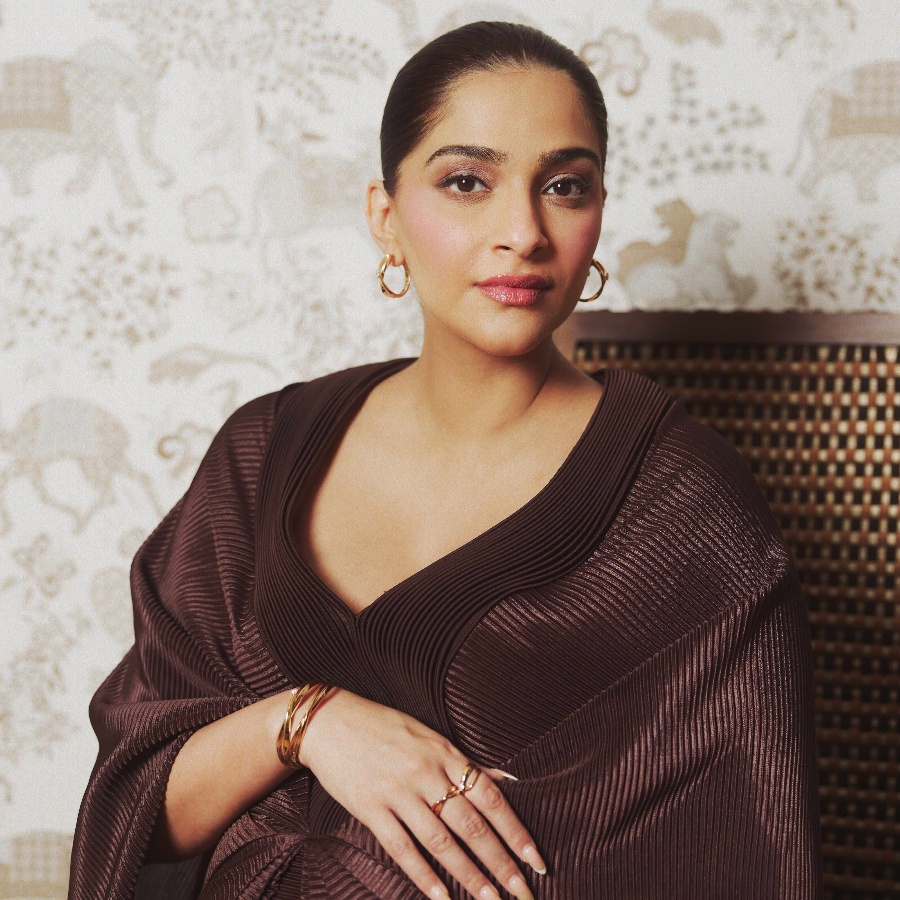
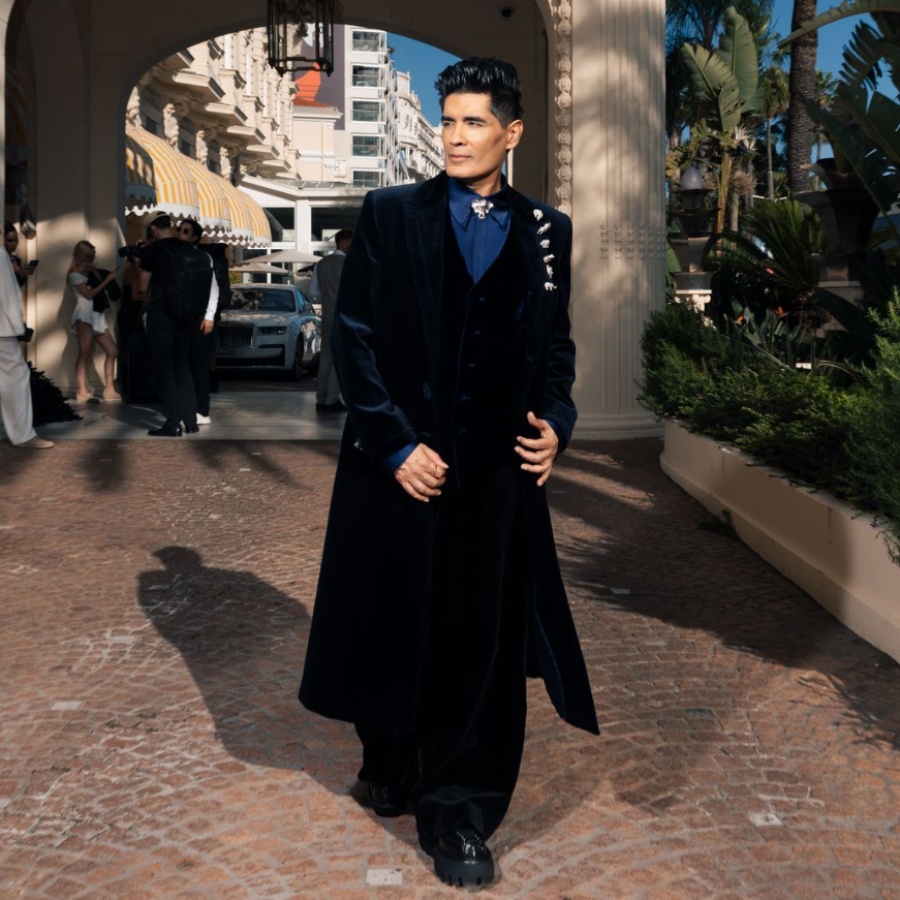
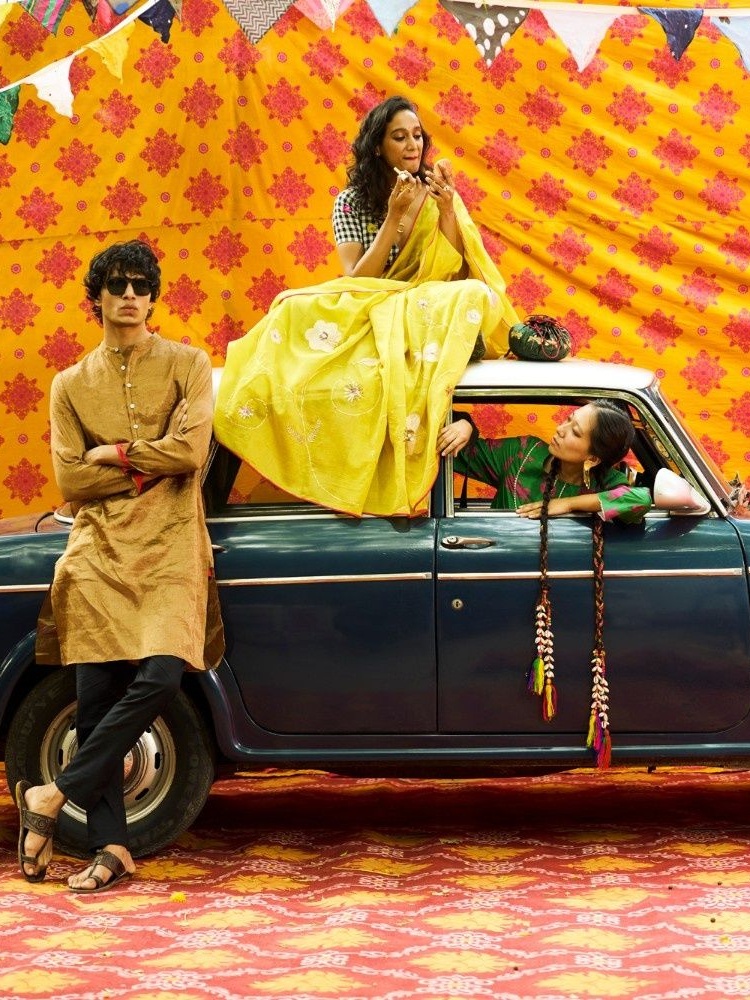
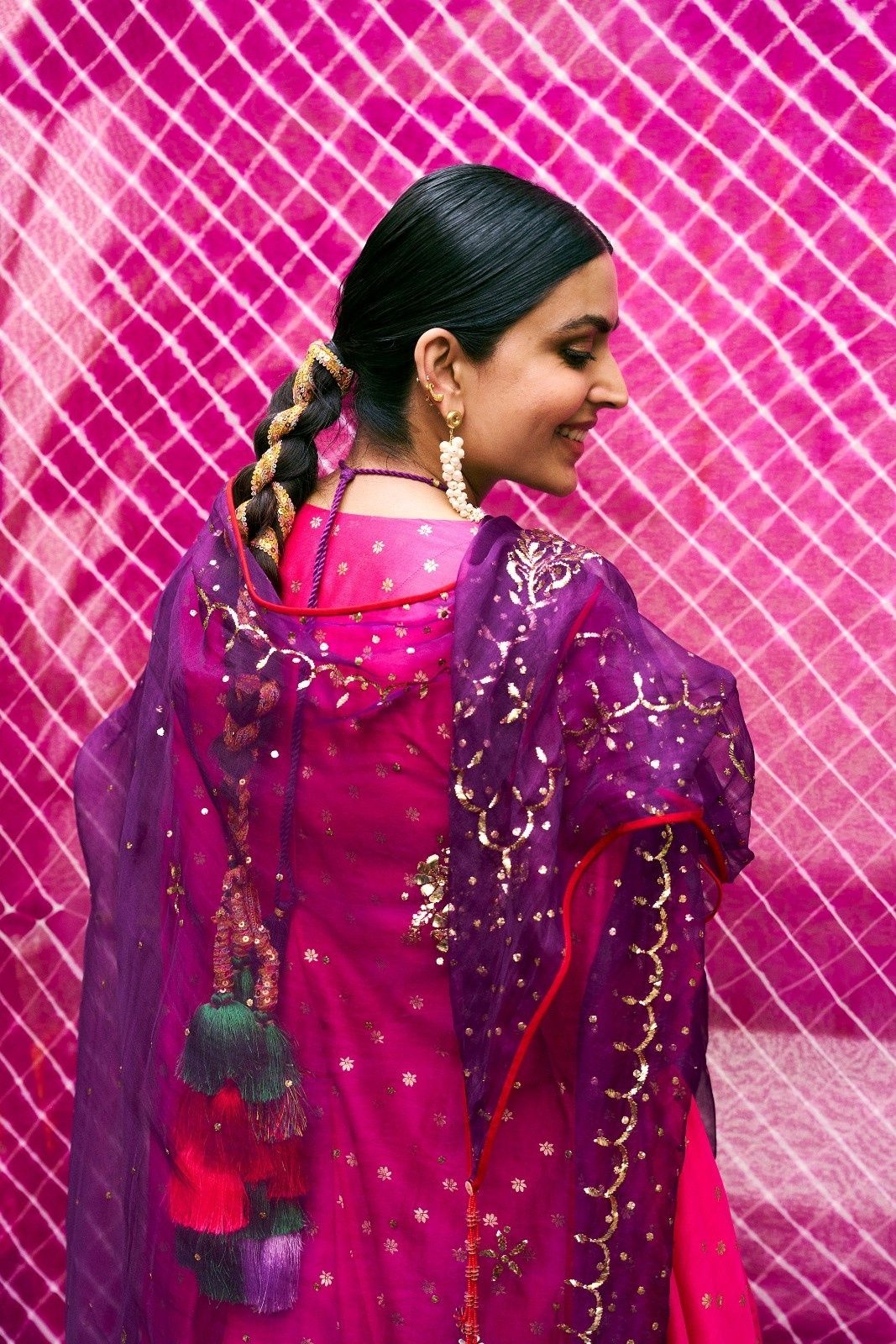
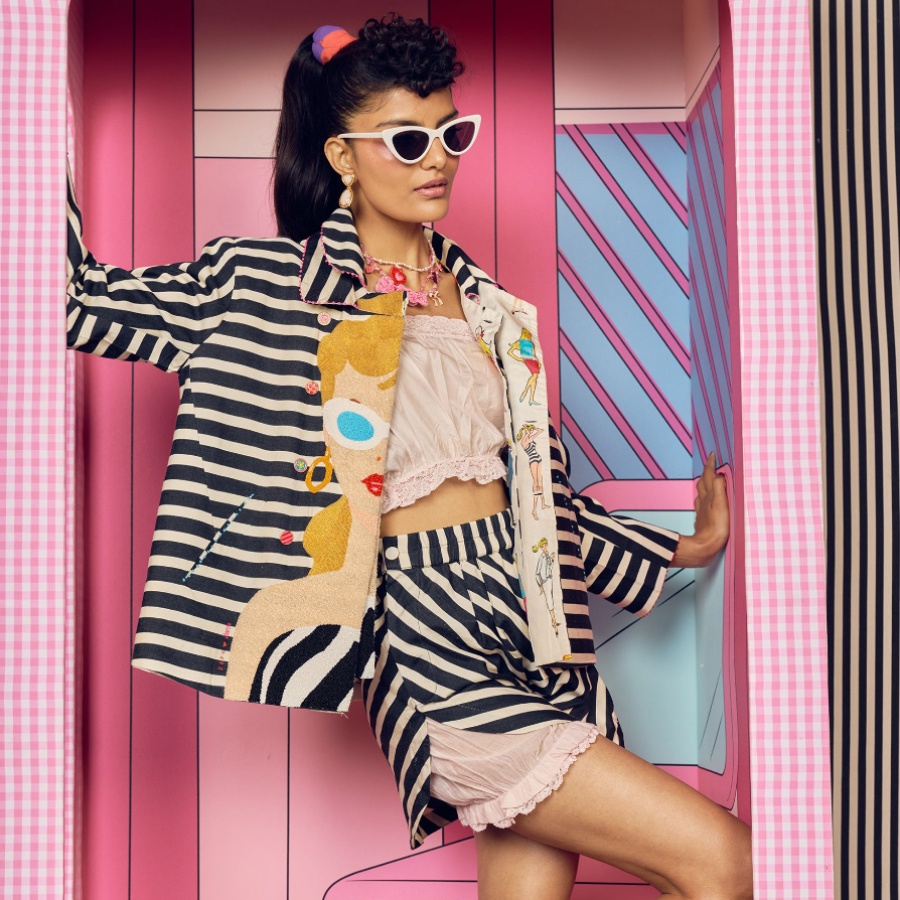
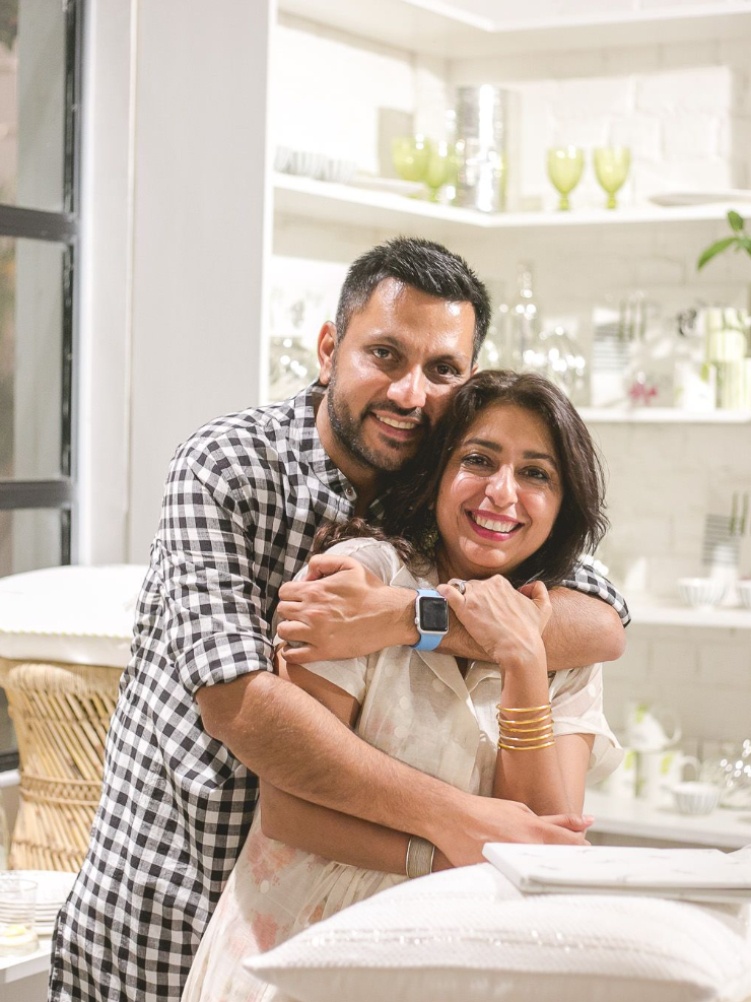
A decade ago, Nicobar arrived on the Indian fashion scene with a radical idea. Launched in 2016 by Simran Lal (then CEO of the craft-led luxury label Good Earth founded by her mother, Anita Lal) and husband Raul Rai, a former investment banker and private equity partner, the brand proposed an alternative to the fitted, occasion-heavy wardrobe that dominated at the time. Instead, it offered ease. Breezy cotton dresses, relaxed kurtas, striped shirts, playful heart motifs, and thoughtful homeware such as lotus-leaf thalis and their now-iconic kulhars. Over the years Nicobar has grown from a clothing label into a lifestyle universe spanning apparel, jewellery, dinnerware, and furniture, with close to 30 stores across India and a loyal following that embraces its relaxed tropical aesthetic.

Much of that energy comes from the contrast between its founders. Lal brings an instinct for design and storytelling shaped by years at Good Earth, along with a deep curiosity about craft, culture, and how people live with the objects they buy. Rai, meanwhile, brings the strategic lens of someone who has spent years in global finance but is equally animated by ideas around culture and brand-building. Together, the pair have shaped Nicobar into what Rai once described as a “culture-first company”.

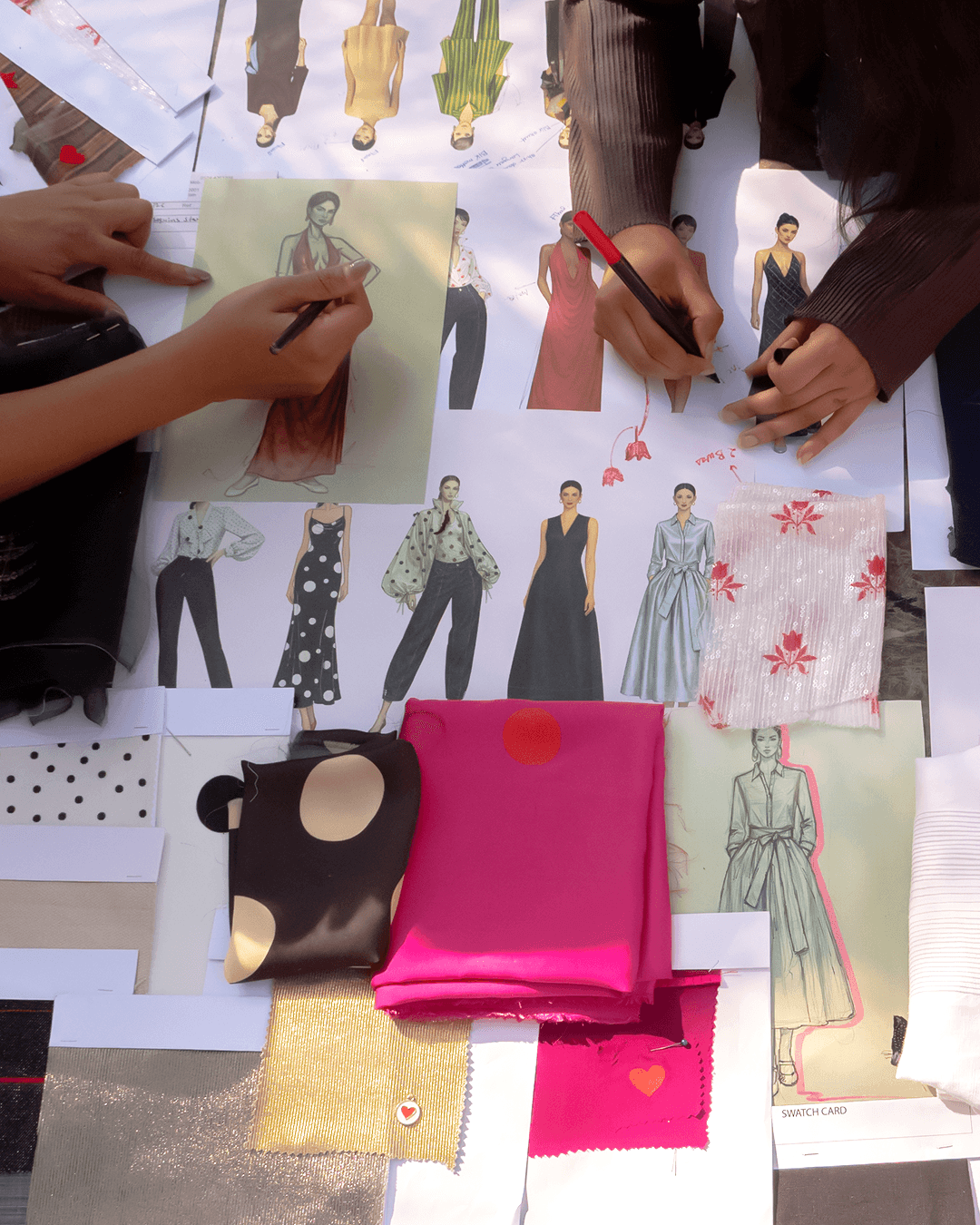
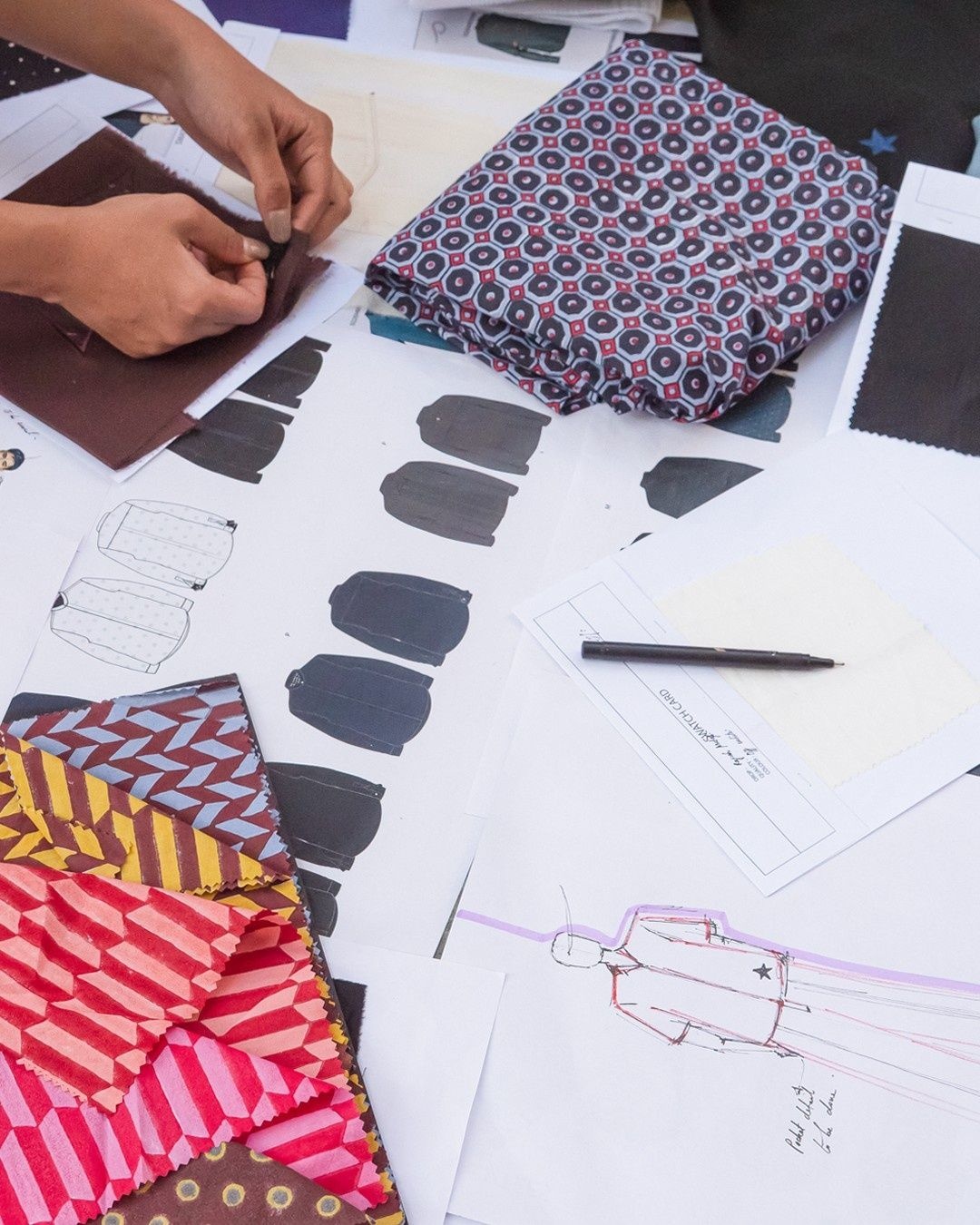
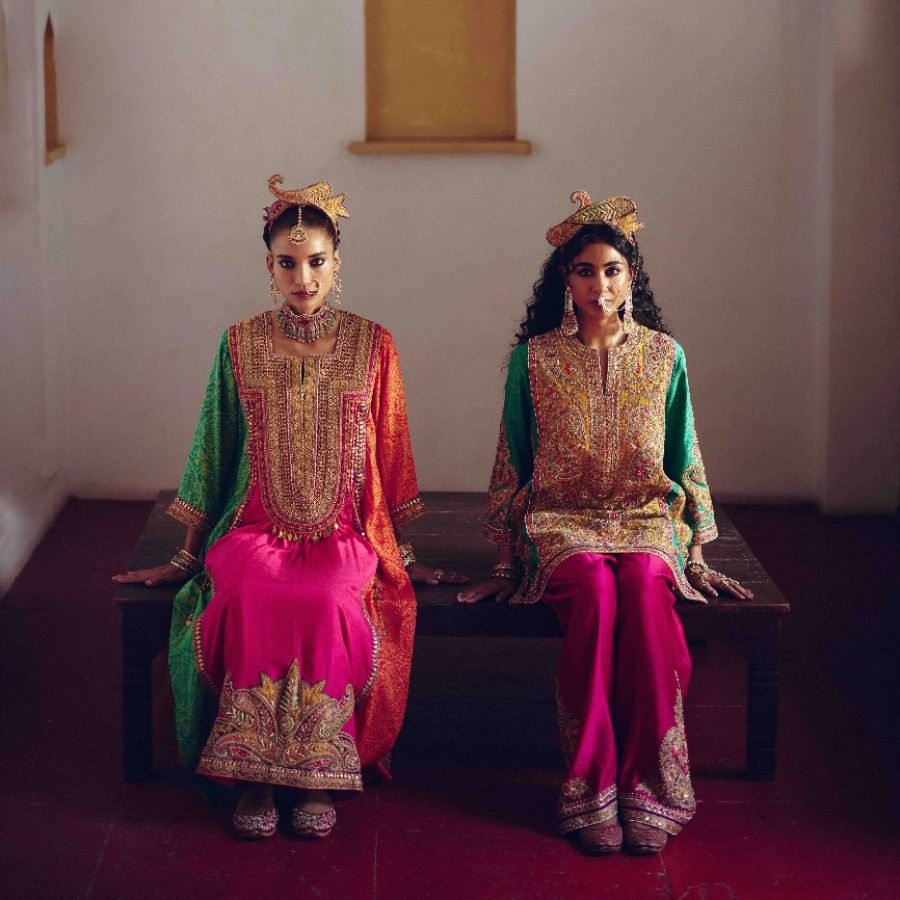
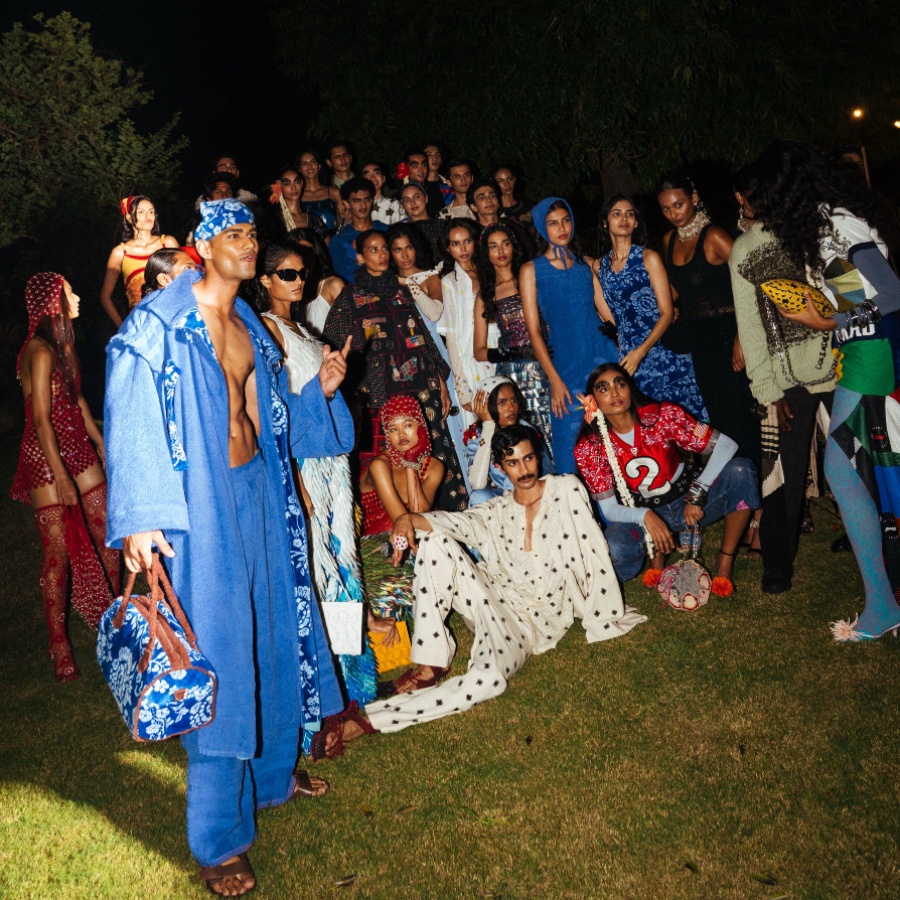
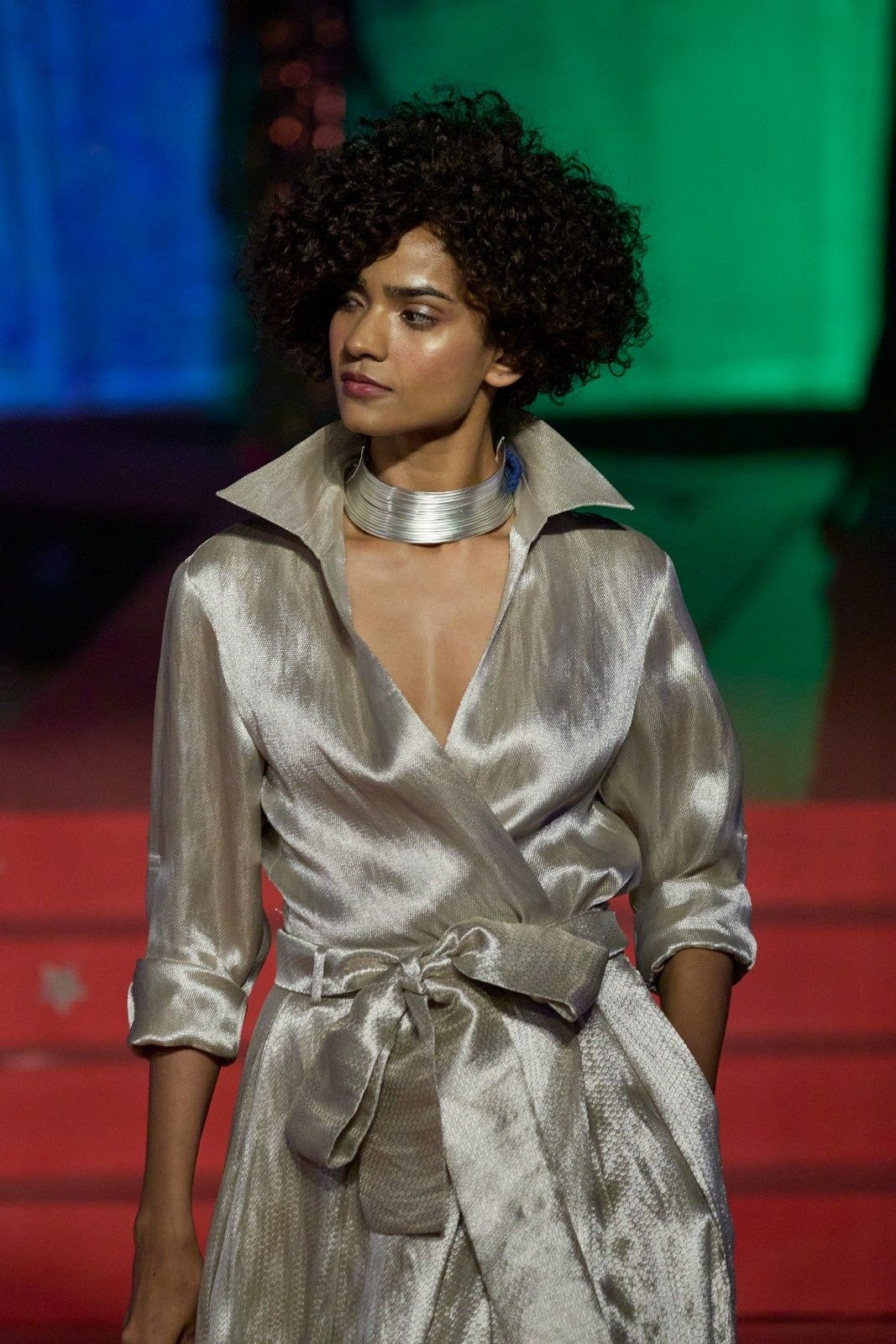
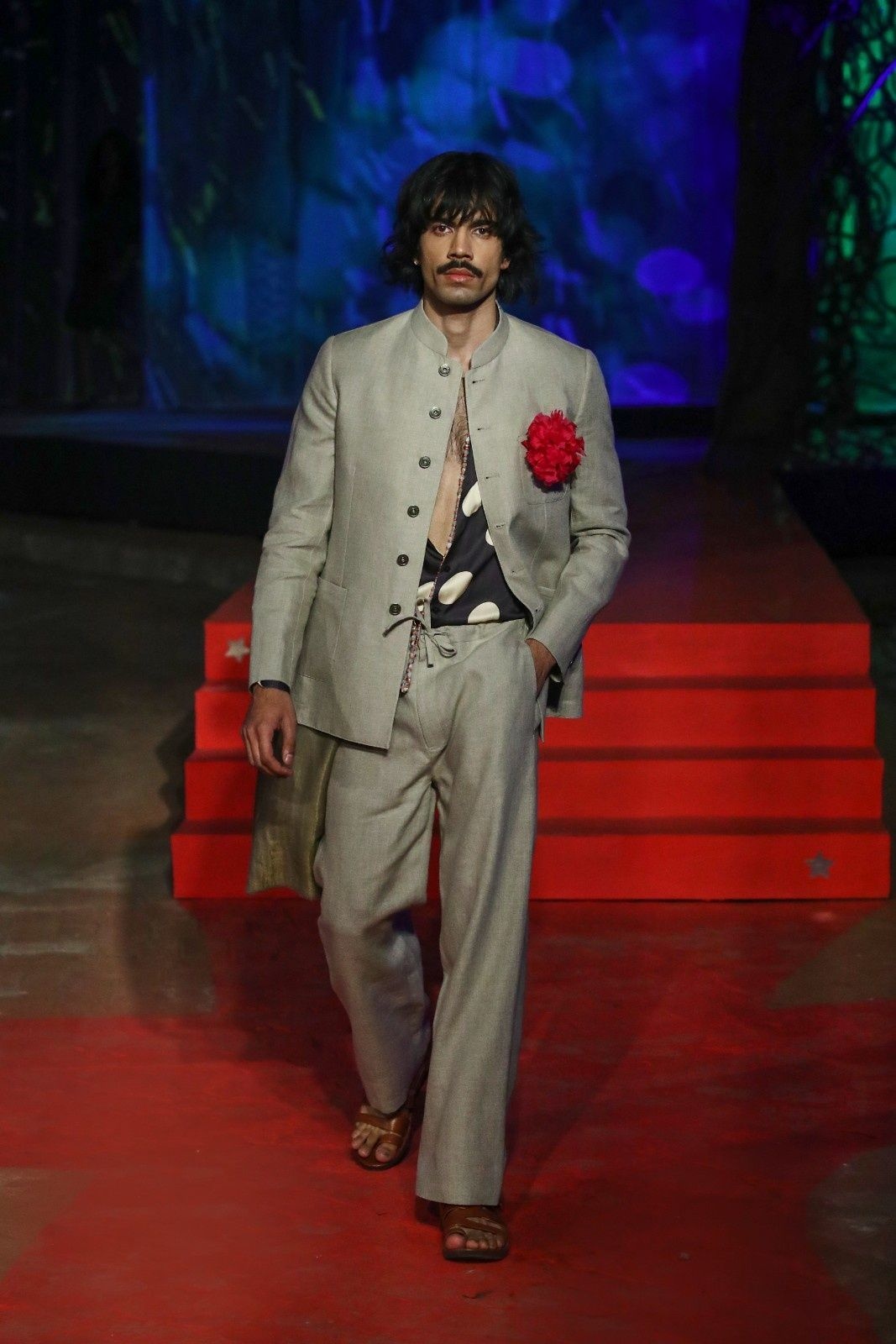
Nicobar marks its 10th anniversary this week at Tulsi Farms in Delhi with a slew of launches—their first eveningwear collection; a curated showcase of NicoBaraat, its debut wedding line; and most excitingly, a new menswear collaboration with designer Rajesh Pratap Singh.

Just before the celebrations, we caught up with Lal and Rai over Zoom to talk about everything from meditation routines and reading lists to weddings and the philosophy behind the brand they built together.

What did yesterday look like for you?

Raul Rai: I woke up at 5:30 am, which is my usual routine. I start with a 21-minute meditation—something I’ve been doing every day since 2009—followed by strength training and a short run. My perfect morning is meditation, physical exercise, and deep work in the first few hours. Yesterday that deep work was actually about Nicobar: thinking about compensation and rewards and how we attract what I call “missionaries rather than mercenaries”.

Simran Lal: Yesterday was mostly about being with the Nicobar team. There was a lot of excitement, nervous energy, giggling, laughter...all the emotions that come when you’re about to celebrate something meaningful. Some of our early team members had flown in from abroad, so it felt like a reunion as well. My mornings are usually very peaceful. I’ve consciously designed them that way. I start with meditation, a bit of prayer, some self-study, and exercise. I also spend a little time on the terrace checking on the birds, the flowers, the bees, the sun. That quiet time really centres me before the day begins.
How do you usually switch off the night before a big event?

SL: Honestly, I wish I could say I switch off well, but I rarely sleep before big events. Even when I do sleep, I’m dreaming about things that still need to be done.

RR: For me it’s usually spending time with the kids. Last night I came home just as the cricket match had started, so we all watched it together, including that unbelievable catch at the boundary. India made it exciting until the very end, as usual. Two nights ago, I had a slightly funny panic: what if we don’t have enough alcohol for the party? So, my 16-year-old son and I ended up calculating it together. We spent half an hour doing the math. It was great fun.

What are you currently reading, watching or turning to for inspiration?

RR: My morning usually starts with reading something on The Athletic. I love great sports journalism. I recently read a piece about how the big milestones in life—winning an Olympic medal, for instance—don’t actually sustain happiness. It’s the frequency of small happy moments that does. I read a lot of classics as well. These days I’ve also been experimenting with my new boyfriend, Claude! It’s surprisingly helpful when you’re thinking through strategy.

SL: I don’t watch too much television because I feel it takes up a lot of time and then you want to keep watching more. I prefer reading. Right now, I’m reading Indica by Pranay Lal and The Elegant Universe by Brian Greene. I am also reading Vandana Shiva’s Slow Living.

What did your morning look like today?

RR: I started with meditation again and then ran on the treadmill. I’m currently training for a 10k. After that Simran and I spent about two hours with one of our advisors discussing the next 10 years of Nicobar—what we need to reinvent and how we evolve. Now I’m meeting a few consumer brands before heading to the venue for rehearsals and fittings.

SL: My usual breakfast is fruits and nuts with tea. But today our advisor joined us for breakfast, so we had idli and dosa, which felt like a treat.

NicoBaraat marks a new chapter for the brand. What does a Nicobar wedding look like in your imagination?

SL: It’s joyful, relaxed, and full of personality. Nobody feels weighed down by heavy clothing or expectations. The bride is moving freely, enjoying herself, not just sitting there looking beautiful.

How did the collaboration with Rajesh Pratap Singh come about?

RR: We’ve been thinking about deepening our menswear, and Rajesh felt like the obvious collaborator. I’ve admired his craft for years—I’ve actually been wearing his bandhgalas since the early 2000s and many of those pieces are still in my wardrobe, which says a lot about his design philosophy. The collaboration really began when he visited one of our stores with his daughter and later sent me a message saying how much he loved the products and the experience in the store. I suggested doing something together and he said yes.

If you had to create the perfect Nicobar gift hamper for someone visiting India for the first time, what would go inside?

SL: Definitely the Nicobar kulhar. When we first launched them, we celebrated with champagne in them and then coffee, tea, everything else. They’re so versatile!

RR: I’d add the lotus-leaf thali set. When someone uses it back home, every meal becomes a reminder of their time in India. And perhaps some Nicobar jewellery or pouches.

What does the day after the anniversary celebration look like for you?

SL: I’ll probably sleep in a little and take it easy. Although, I’ve agreed to speak at a forum on wellbeing and yoga, so it won’t be entirely quiet.

RR: I’ll be taking my son for golf coaching at 9 am. Then Simran and I will probably spend some time gossiping about the night: who came, who didn’t, what happened. We love that little debrief after a big party. In the evening the whole family will sit down to watch India hopefully beat New Zealand.

What’s one dream project you’d love Nicobar to explore someday?

RR: I’d love to design sustainable athletic clothing. Sportswear is so dominated by synthetic fabrics today, and it would be amazing to find natural alternatives that perform just as well.

If you could learn a completely new skill tomorrow, unrelated to fashion or business, what would it be?

RR: I’d love to be a rock star and perform a sold-out concert one day.

SL: I would study linguistics and philology and try to decipher the Indus Valley script.

The Nod Newsletter

We're making your inbox interesting. Enter your email to get our best reads and exclusive insights from our editors delivered directly to you.