



Food14 Jan 20266 MIN

In 2024, Manish Mehrotra left Indian Accent. Now he’s back with a new restaurant

At Nisaba in Delhi’s Sunder Nursery, the celebrated chef trains the spotlight on lesser-known dishes from India’s street vendors and dhabas

Image

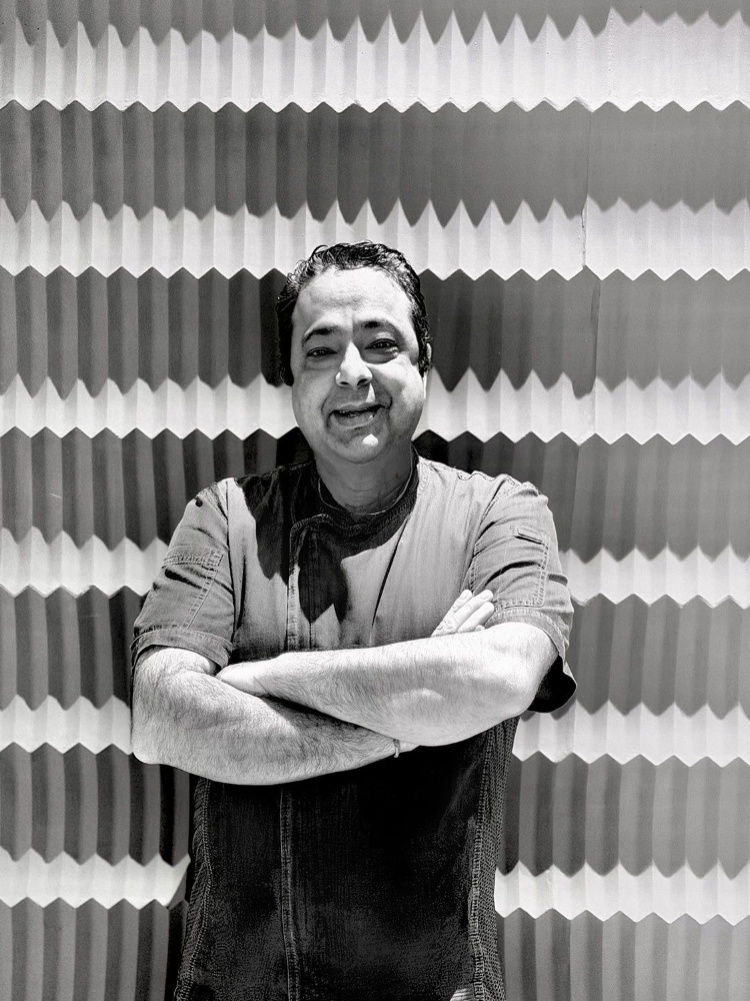
Last month, I bumped into chef Manish Mehrotra—wearing his chef’s apron—at a cafe inside Delhi’s newest cultural address, the Humayun’s Tomb World Heritage Site Museum. It was the kind of accidental encounter that immediately raises a pertinent question: What are you doing here? The answer, it turns out, was one level above us. A journalist’s job is to pry, so I was hardly being inquisitive when I asked what cuisine he would be cooking: “It won’t be an Indian Accent. But it will be more elevated than Comorin,” he smiled simply.

With Nisaba, his first independent concept under the Manish Mehrotra Culinary Arts (MMCA) banner with founding partners Amit Khanna and Binny Bansal, he wanted to create a beautiful spot without the frills and gimmickry you see in restaurants today. Back in a professional kitchen after a while, with the exception of a few pop-ups, Mehrotra admits to feeling “happily nervous”, echoing the anticipation he felt when he first began his culinary journey in 1996.

The celebrated chef’s identity has been closely intertwined with Indian Accent in Delhi, Mumbai, and New York, and Comorin in Gurgaon, through his over-two-decade-long association with EHV International. While there are echoes of the familiar, Nisaba consciously steps away from labels such as ‘progressive’ or ‘modern Indian’. There is no tasting menu; instead, the food is deliberately grounded, drawing its stories from across India, particularly from street vendors and dhabas.

“We are calling it the food of today’s India. The menu isn’t only about butter chicken, idli-dosa, Bengali mithai or Goan seafood. This is global Indian food. It’s new, looks cool, but it’s soul-satisfying food,” says Mehrotra, who wants to make Nisaba a place where people come to enjoy his dishes in a relaxed setting.
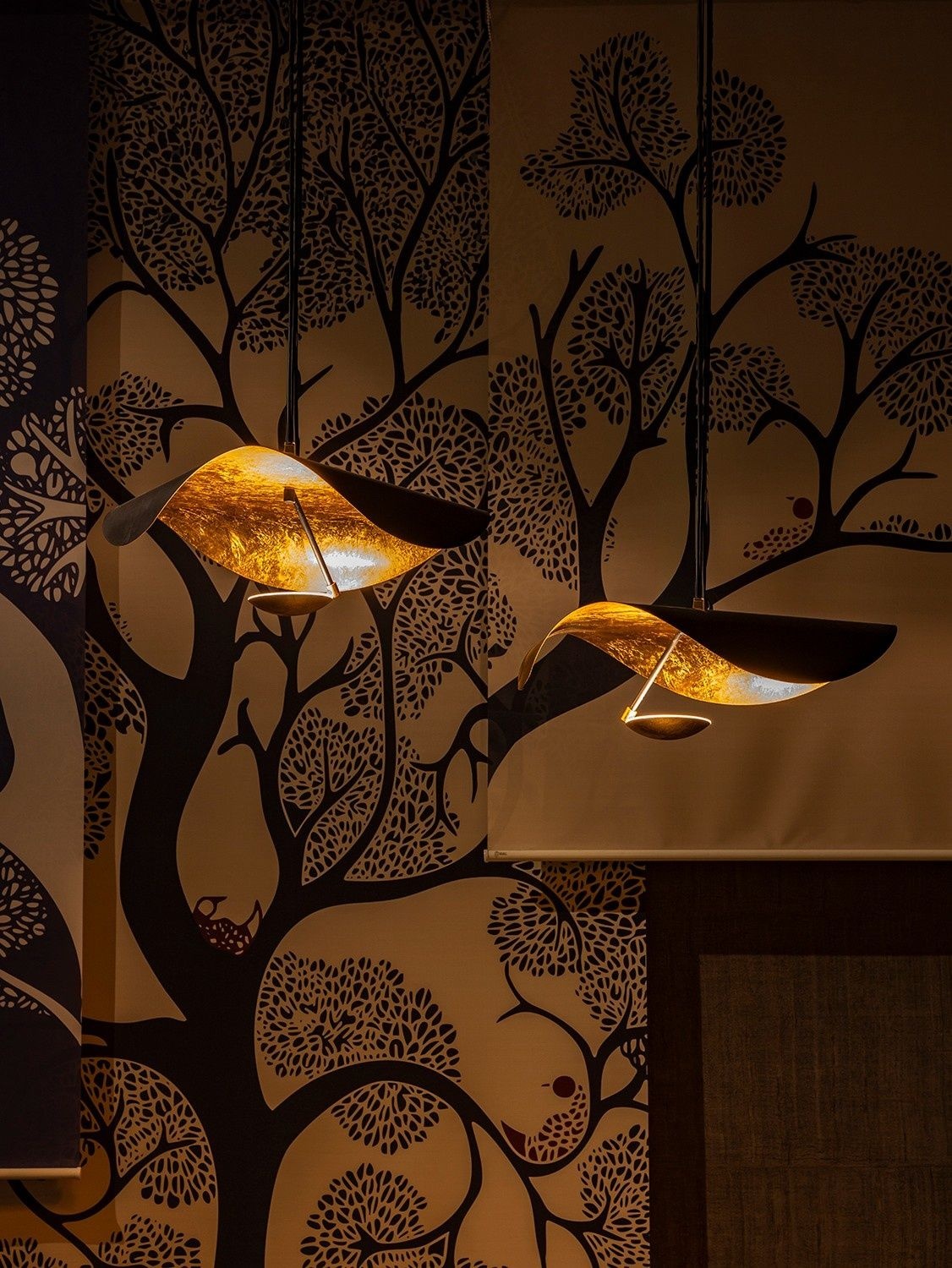
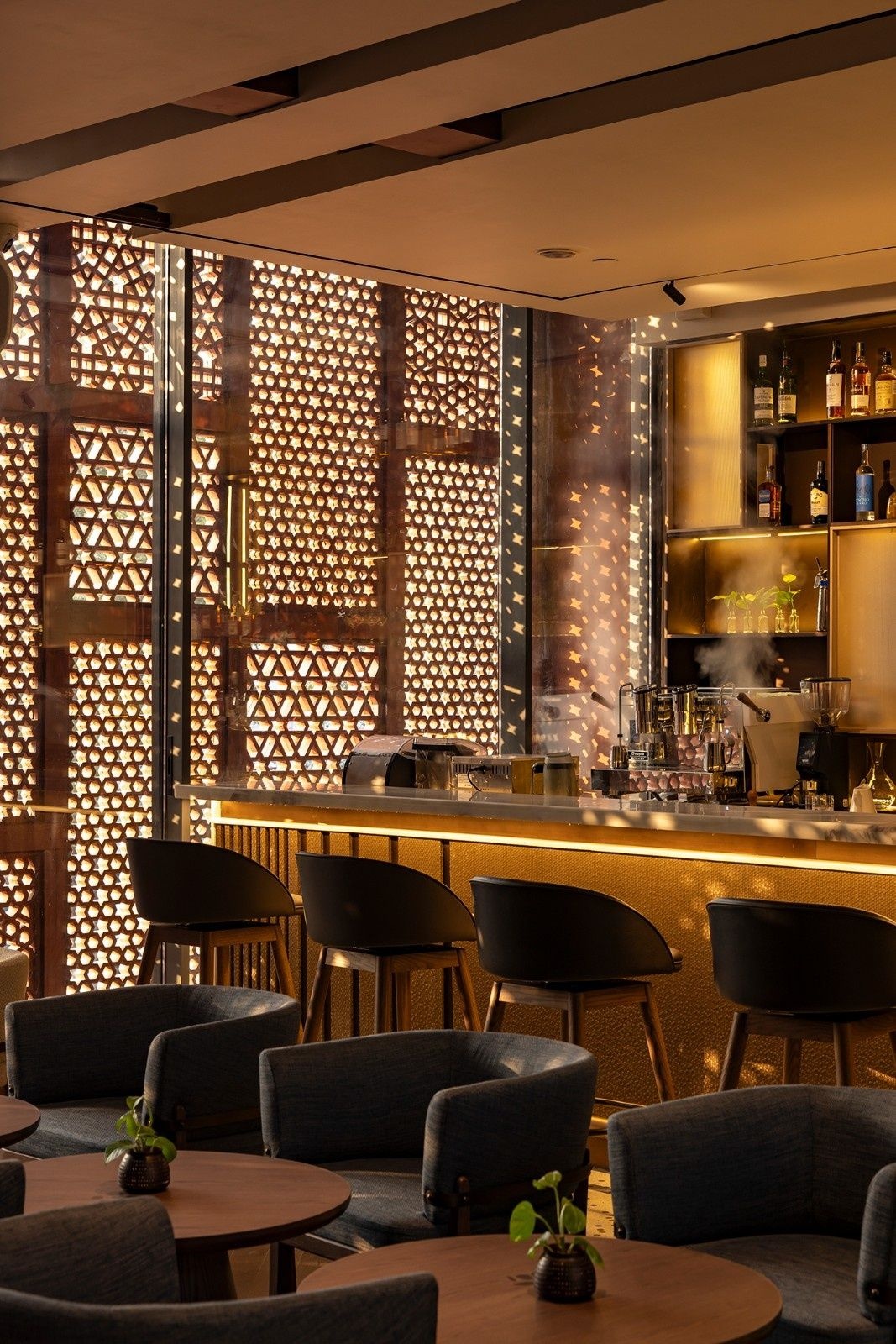
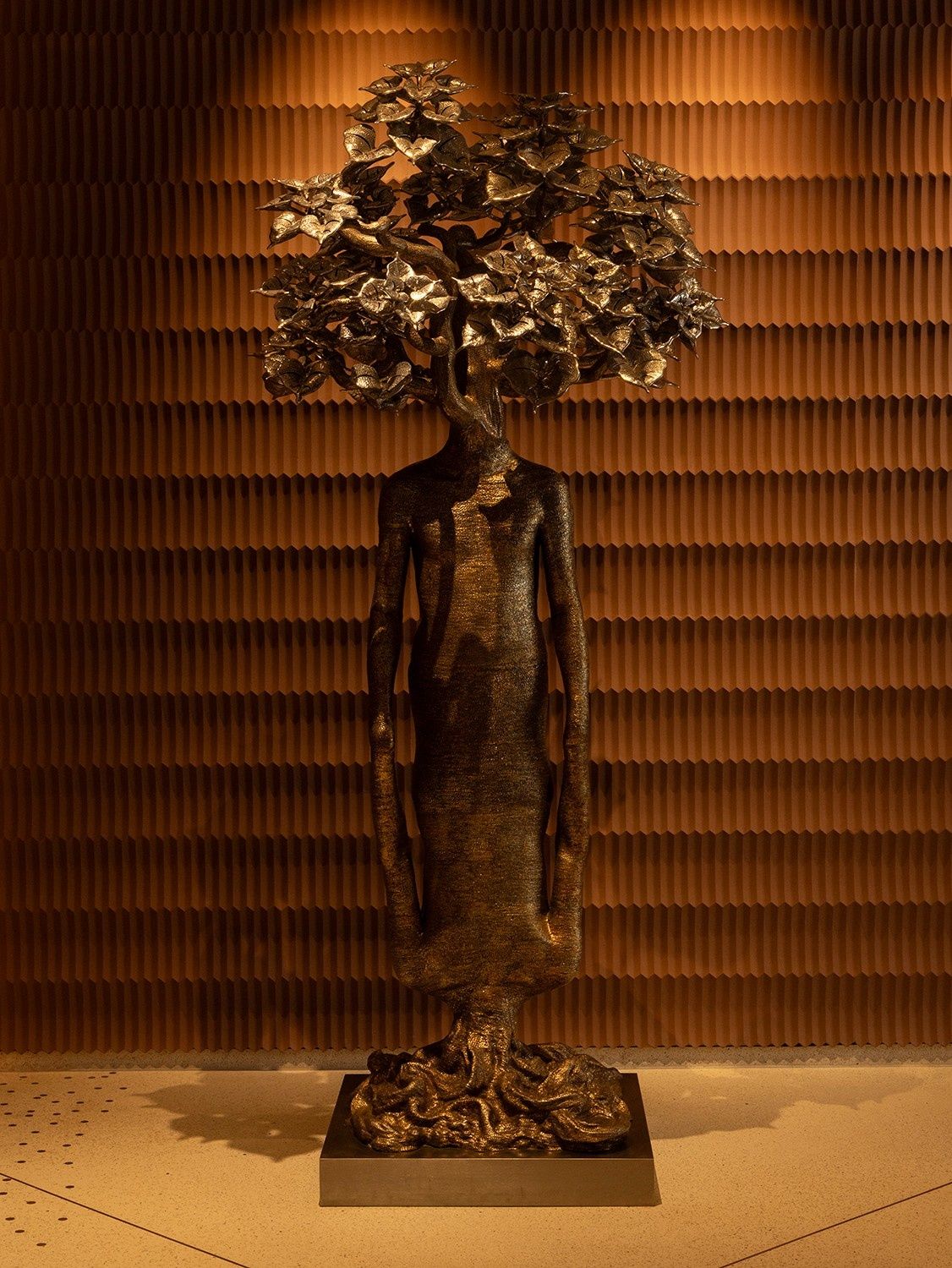
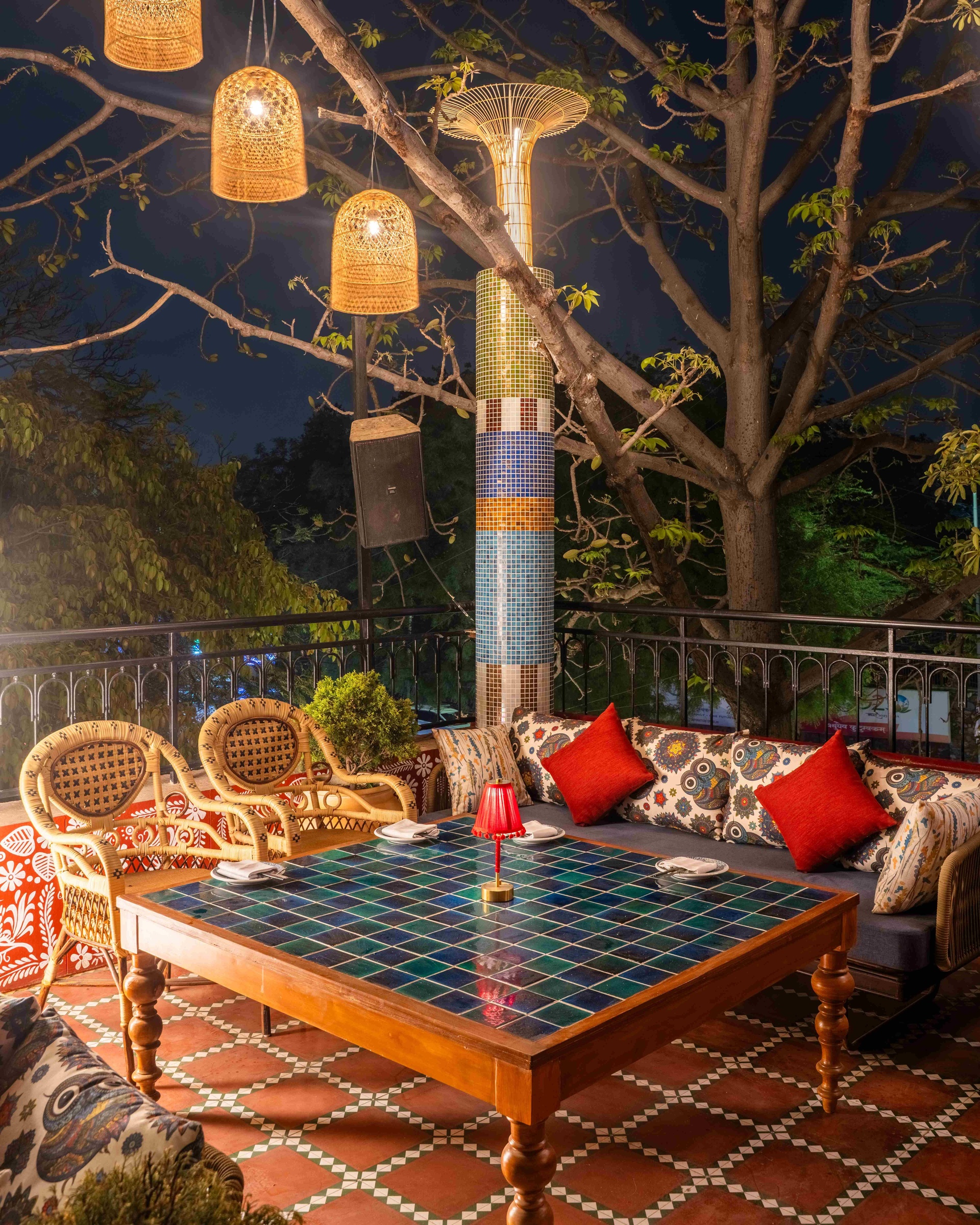
The interiors by Via Design also reflect a restraint. As you enter, the bar greets you upfront with counter seating as well as comfortable couches and chairs in the lounge. A few steps ahead stands ‘Life Cycle’, a sculptural installation by Dhananjay Singh. Its accompanying note speaks of the artist’s childhood fascination with watching a seed sprout—an unseen-to-seen transformation. At Nisaba, the work becomes a metaphor for cycles of earth, ancestry, and growth, mirroring the continual evolution that defines both the restaurant and Mehrotra’s food.

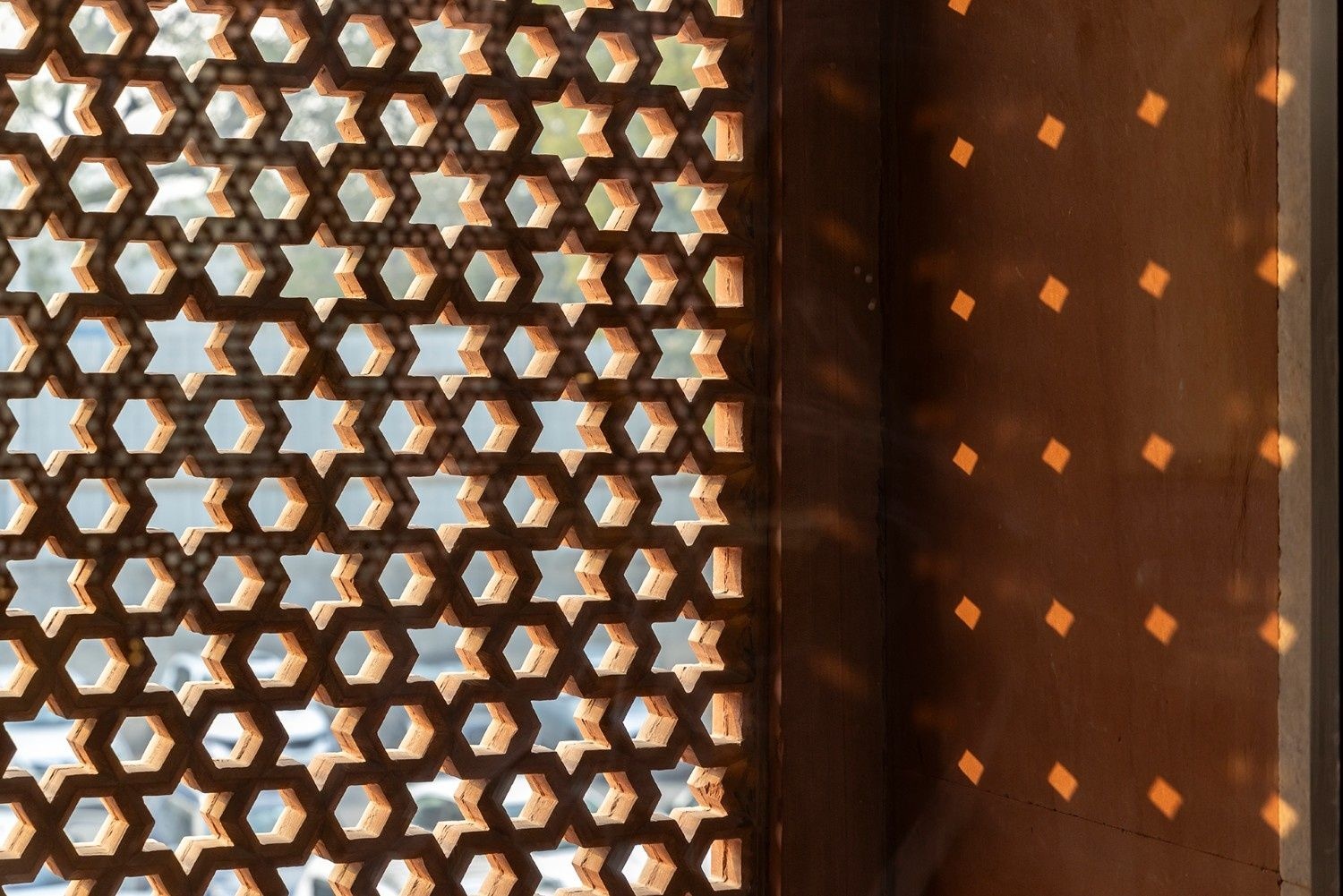
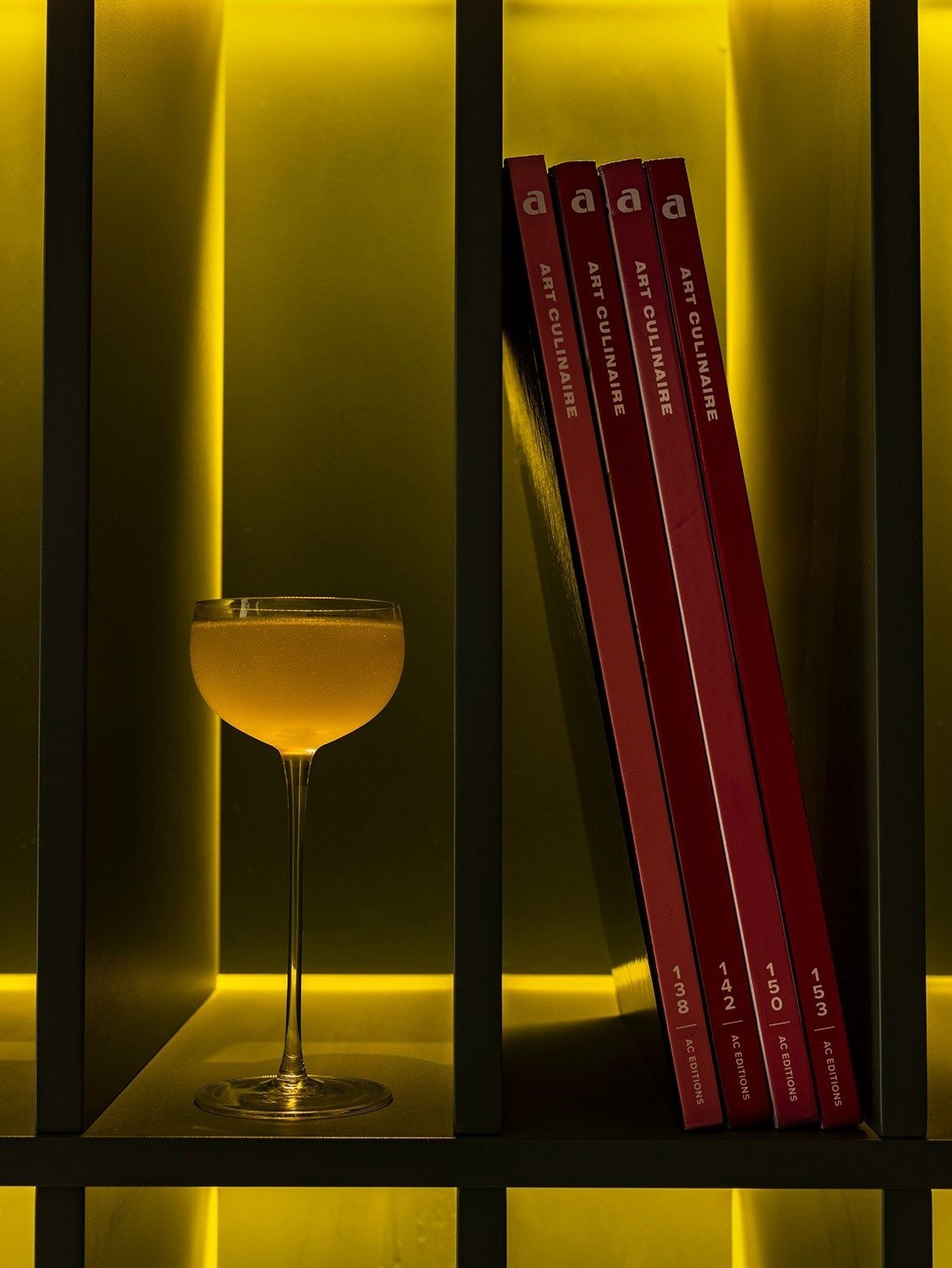
Turning right from the sculpture leads you to the main dining area, dressed in soft greens and beiges that sit comfortably within the site’s historic surroundings. Artefacts and a bookshelf stocked with titles such as Rogan: The Cookbook and The Moosewood Restaurant Table from Mehrotra’s personal collection add a lived-in warmth. There’s also a private dining room that can accommodate up to 14 people. By day, the 130-cover space is bright with natural light; by night, candlelight reshapes the mood. “We didn’t want the decor to overshadow the food. There’s nothing over the top,” says Mehrotra.

Nisaba Life Cycle sculpture By Dhananjay Singh

The Life Cycle sculpture By Dhananjay Singh

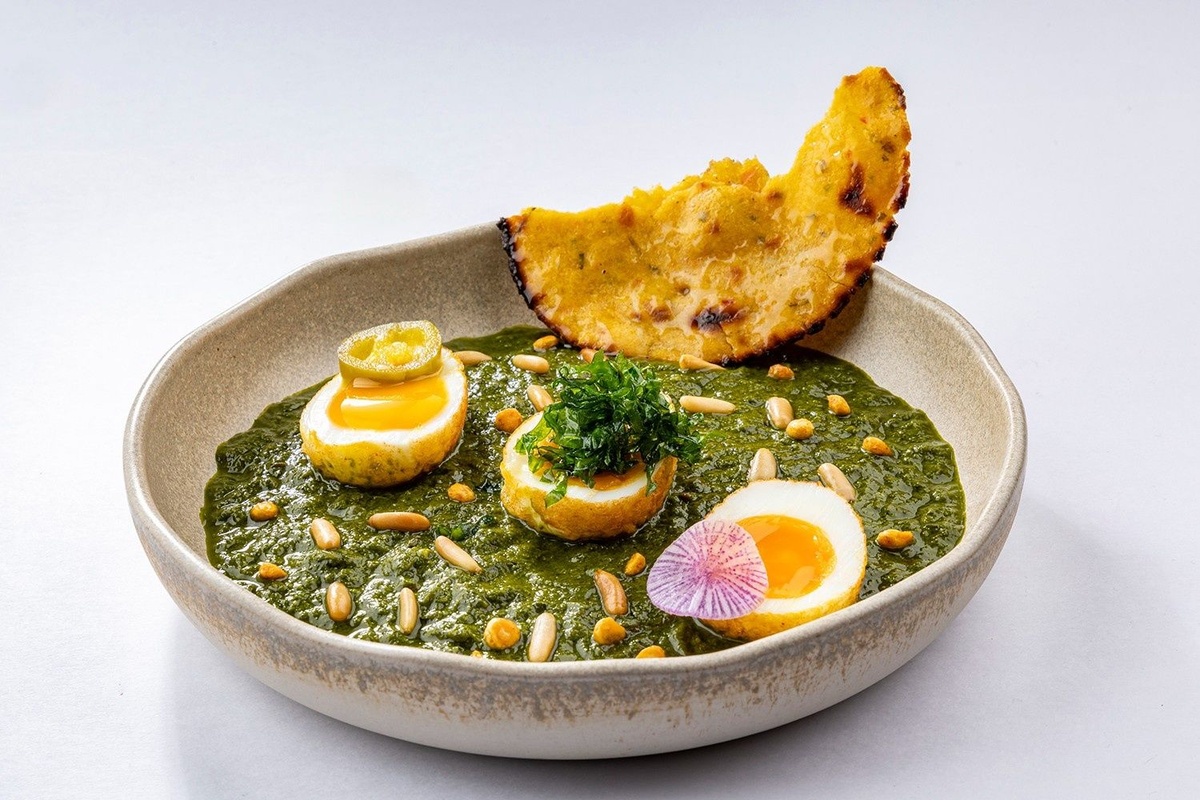
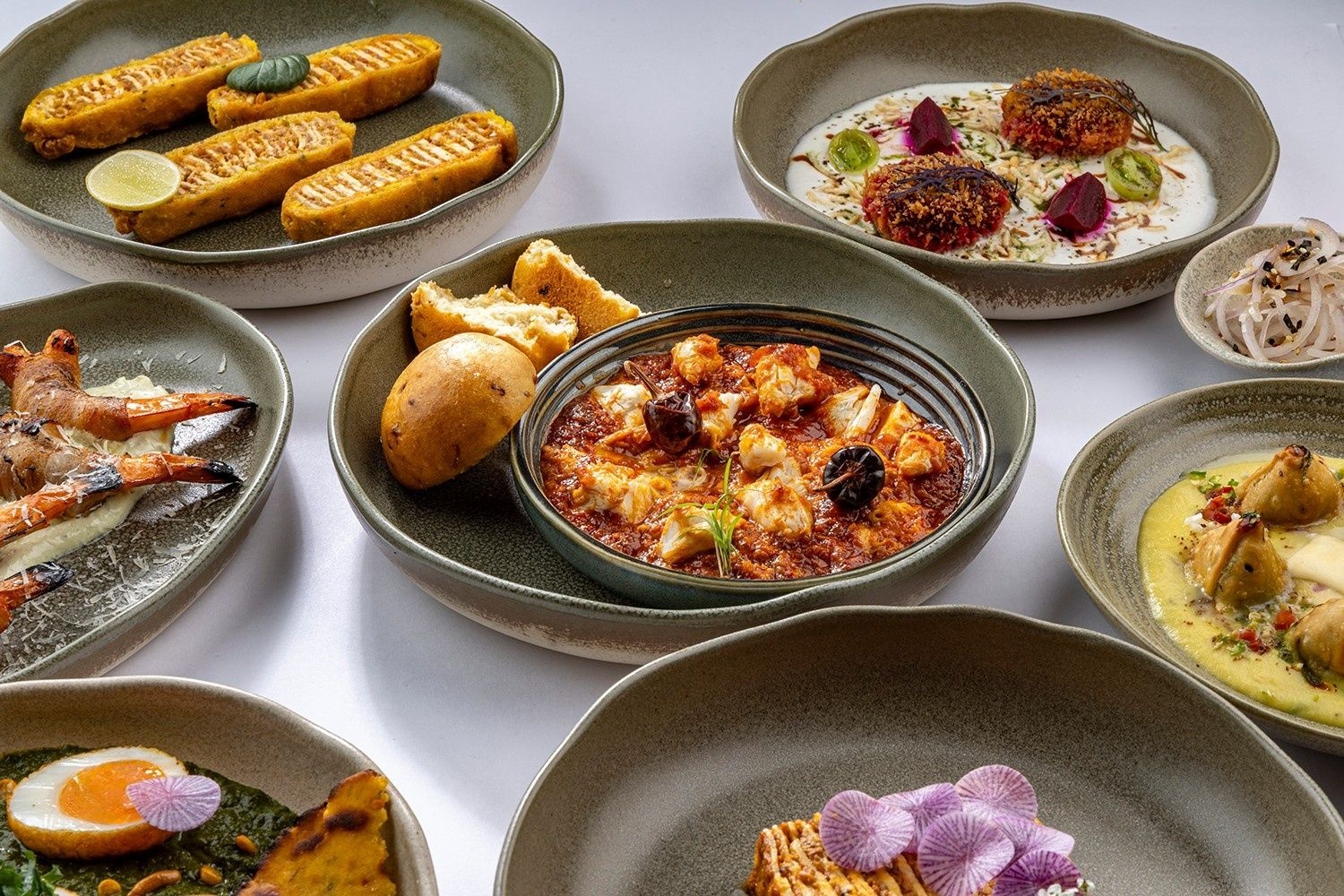
And truly, it’s the food that takes centre stage. The restaurant has been nine months in the making, Mehrotra tells me, with the current menu featuring 45 dishes selected from nearly 125 that went through rigorous trials. There’s a thoughtful mix of vegetarian and non-vegetarian small and large plates, including Lucknow white matar tikki, beetroot and goat cheese dahi vada, Belgian pork ribs with mango chunda and sour fennel, and tawa chicken dirty rice with palak-sesame raita.

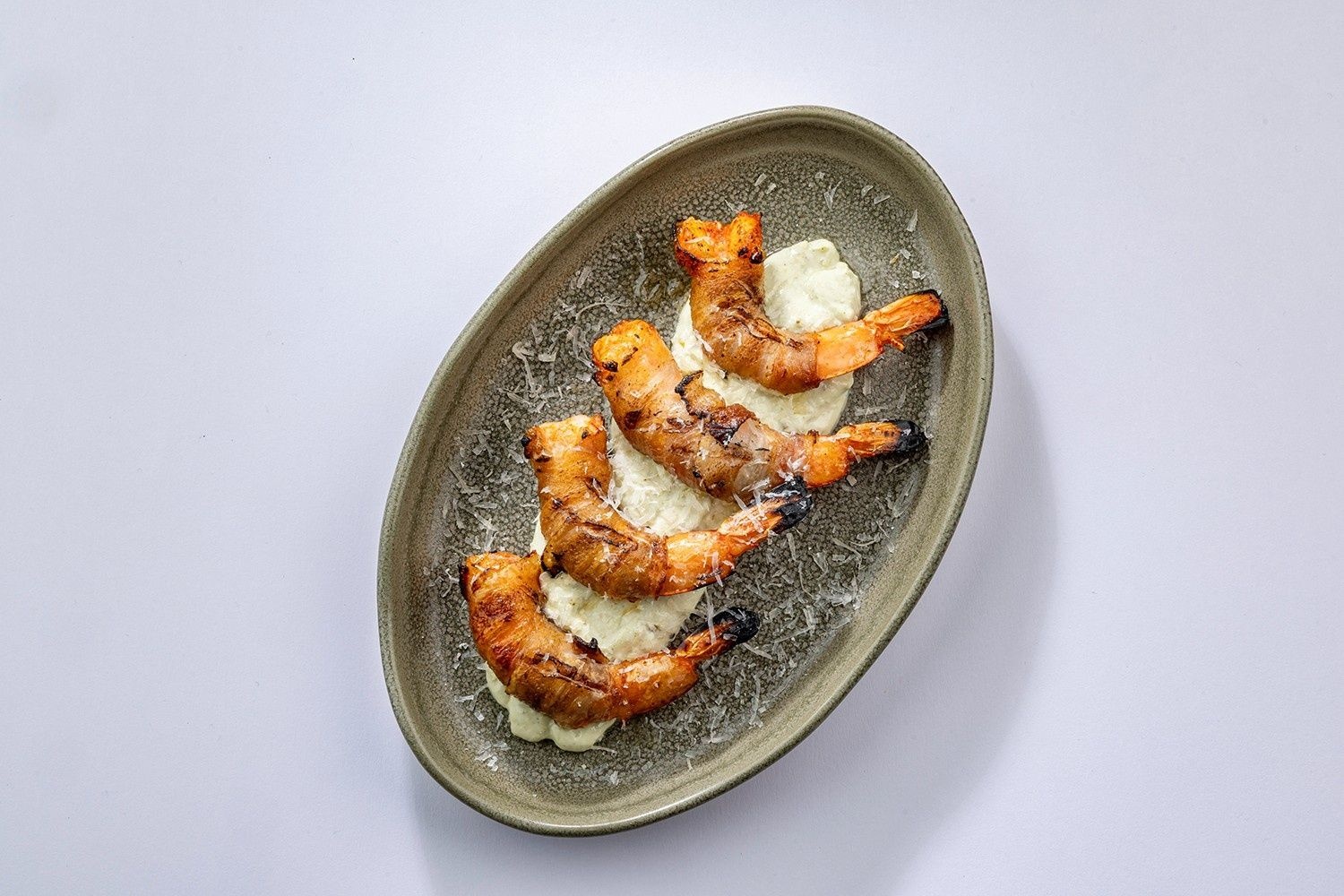
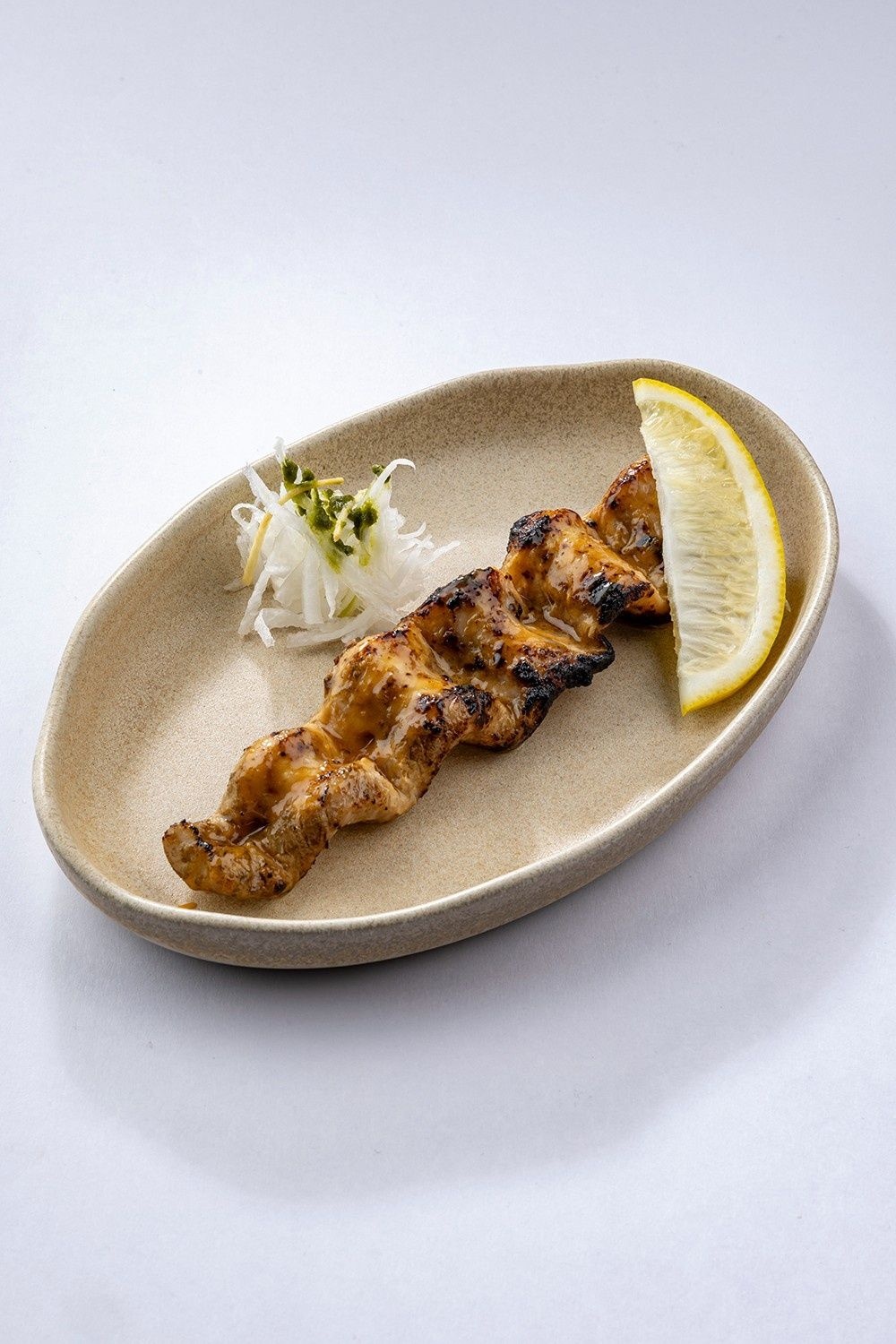
The first dish to arrive was a mutton seekh kebab bathed in blue cheese and butter and served with a baked naan that resembles a sheermal. Moist and juicy, the kebab is an ideal way to whet the appetite. A steady stream of starters followed. The curry leaf chicken with pickled drumstick and appalam struck a careful balance, delivering just enough heat without overpowering the dish. The tandoori bacon prawns, served with green thecha yoghurt and parmesan floss, taste like a refined take on a tikka; the bacon notes are subtle, something Mehrotra says he plans to tweak based on feedback from early preview diners.

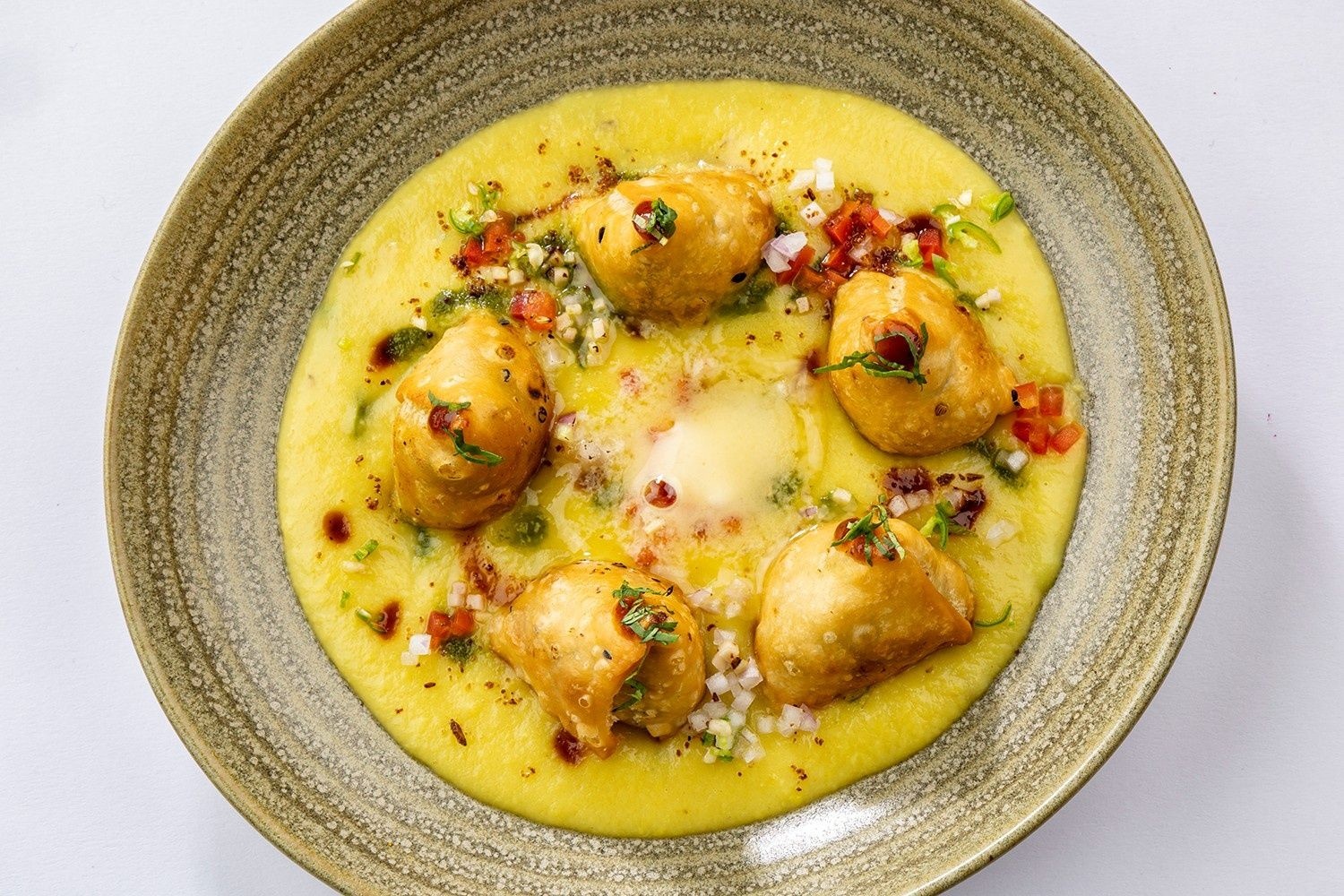
Among the small plates, a standout is the samosa with Moradabadi dal. The samosa remains crisp even after resting on the table for 20 minutes and goes well with the yellow moong dal. “When you go to street vendors in Moradabad, you’ll find the option of having this dal with samosa or jalebi, much like fafda-jalebi in Gujarat or sev-boondi in Bihar. It’s comforting,” says Mehrotra, who spent a few months travelling and sampling food from across India during his creative gap year.

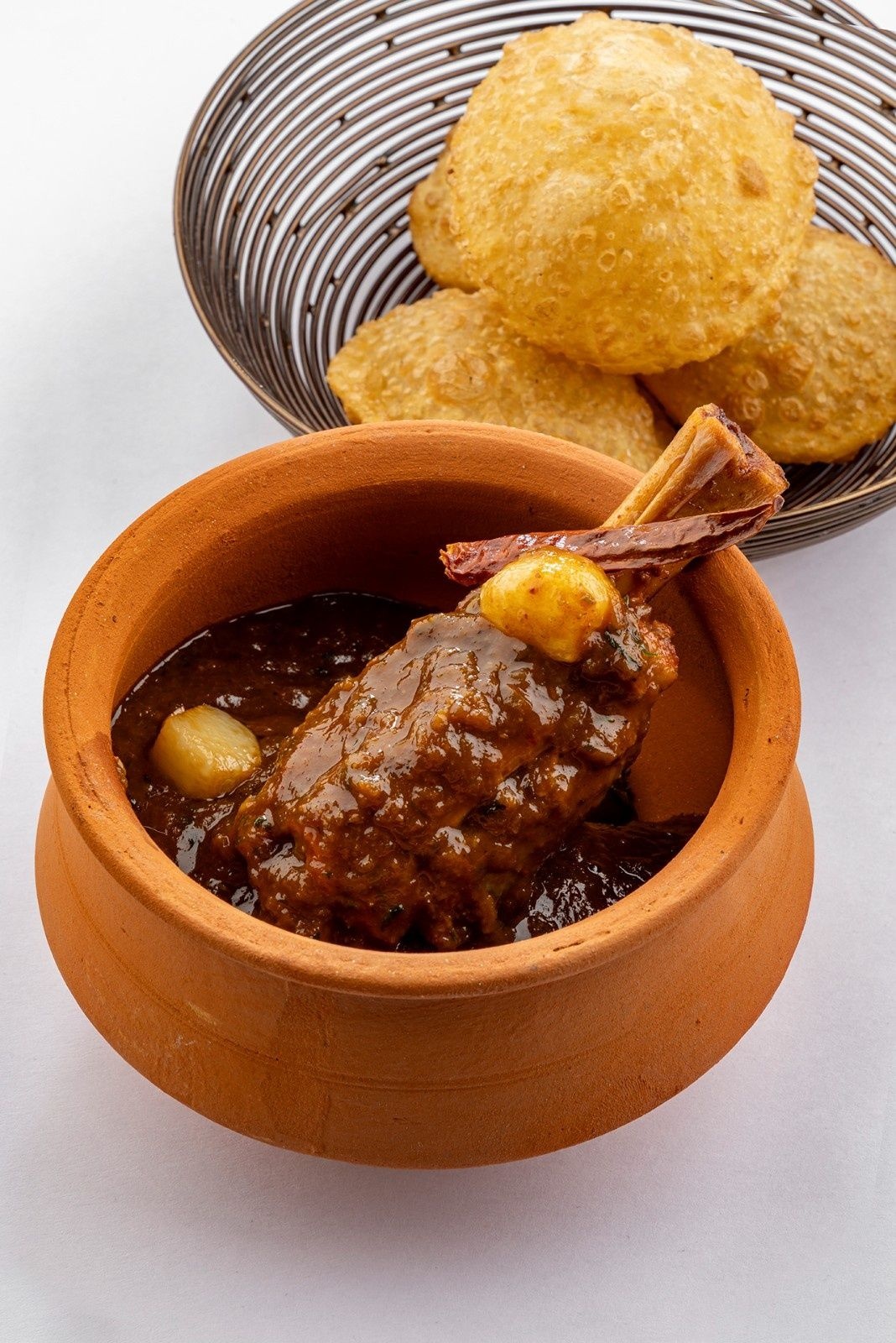
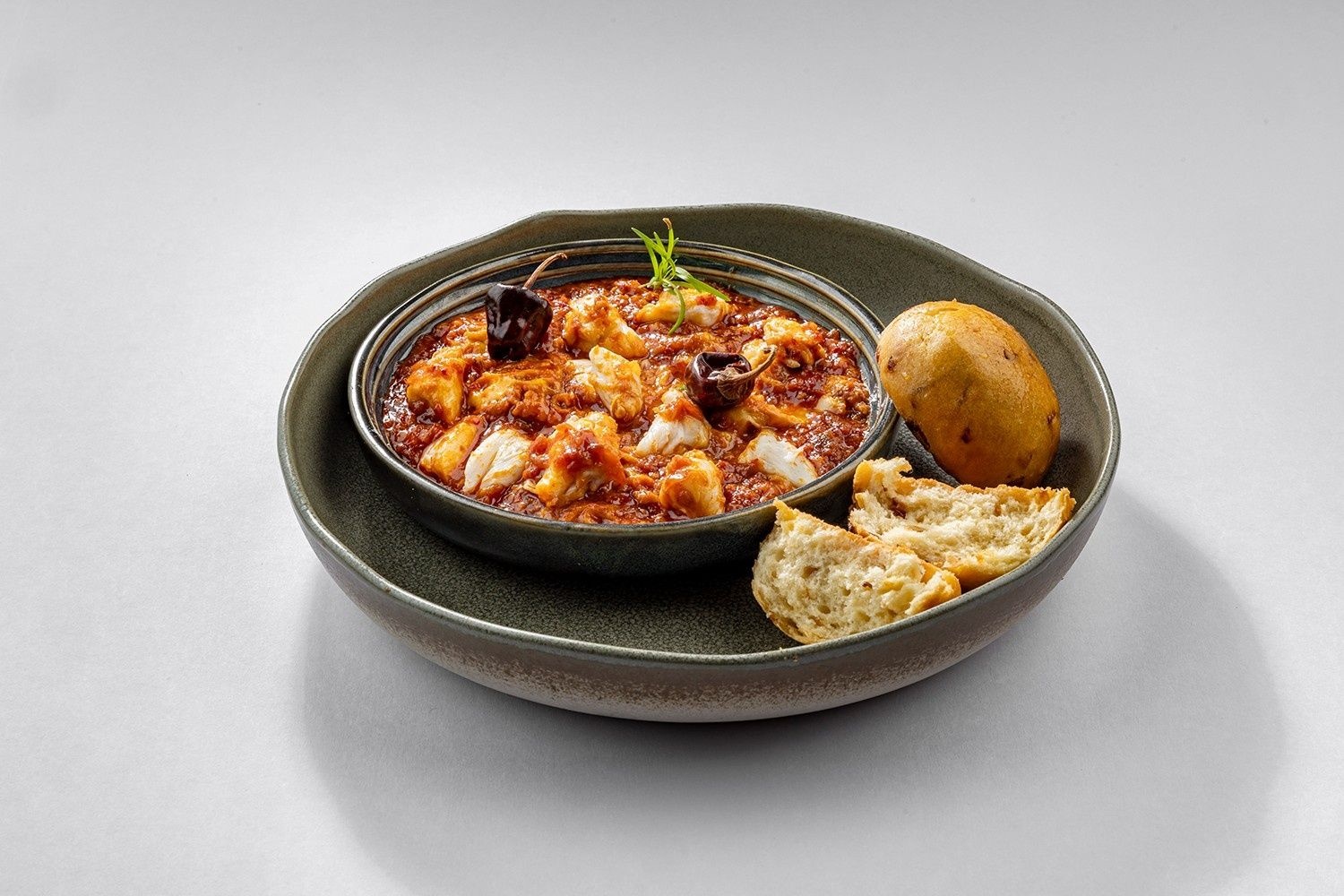
The mains are equally nuanced and satisfying. The Motihari mutton curry arrives in a clay pot, accompanied by piping-hot, airy sattu-hing kachoris—a dish rooted in Mehrotra’s home state, Bihar. Unlike the dense kachoris one often expects, these are closer in texture to a Bengali luchi. The chilli tomato crab ghotala, served with impossibly soft butter buns, is finely minced and layered with spices, winning with a gentle sweet-tang kick that lingers rather than overwhelms. The black dal, one of his signatures at Indian Accent, makes an appearance on this menu, paired with preserved garlic naan.

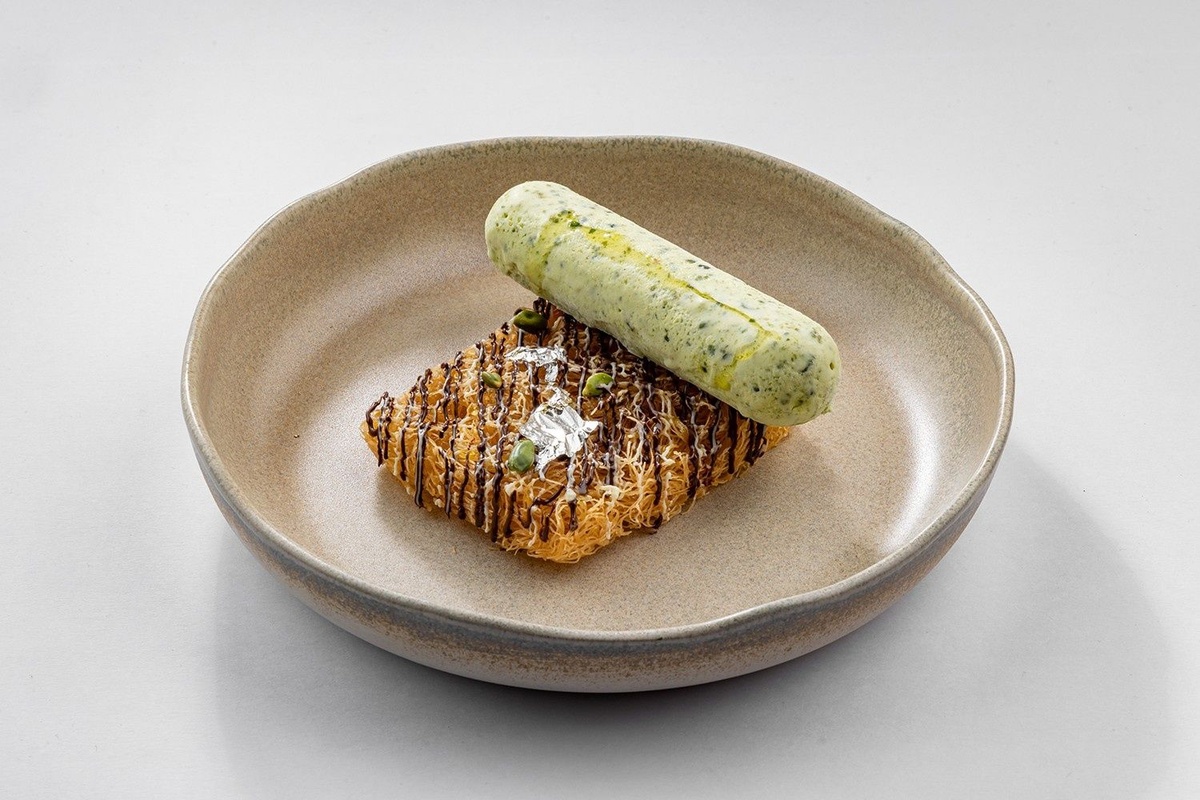
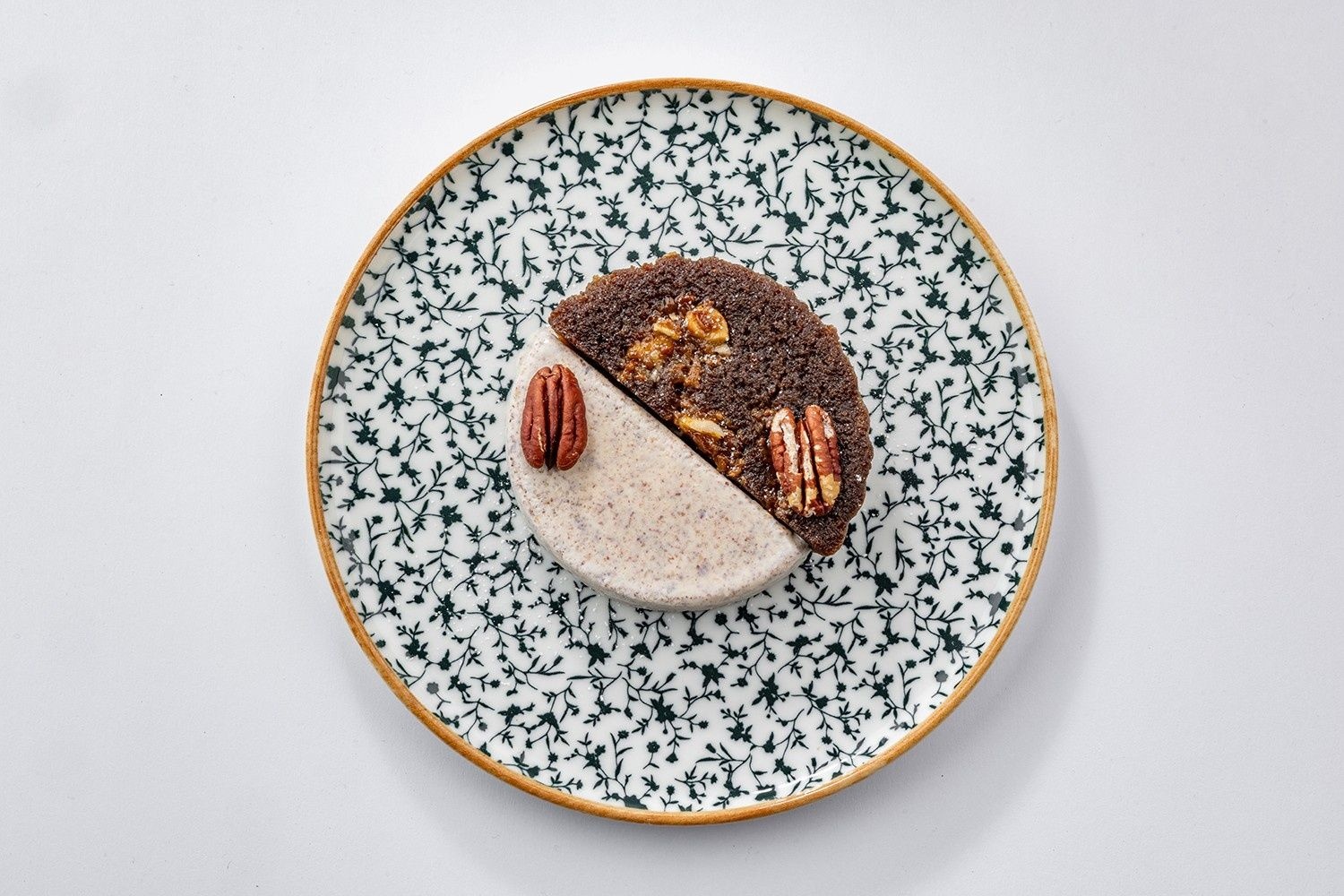
The dessert and drinks menu may be compact, but it’s no less assured. We tried the treacle tart with Gurgaon doda barfi (a warm, fudgy dessert lifted by the contrast of pecan ice cream) and the baked rasmalai with fried chironji and nolen gur makhana, a combination Mehrotra admits is his weakness.

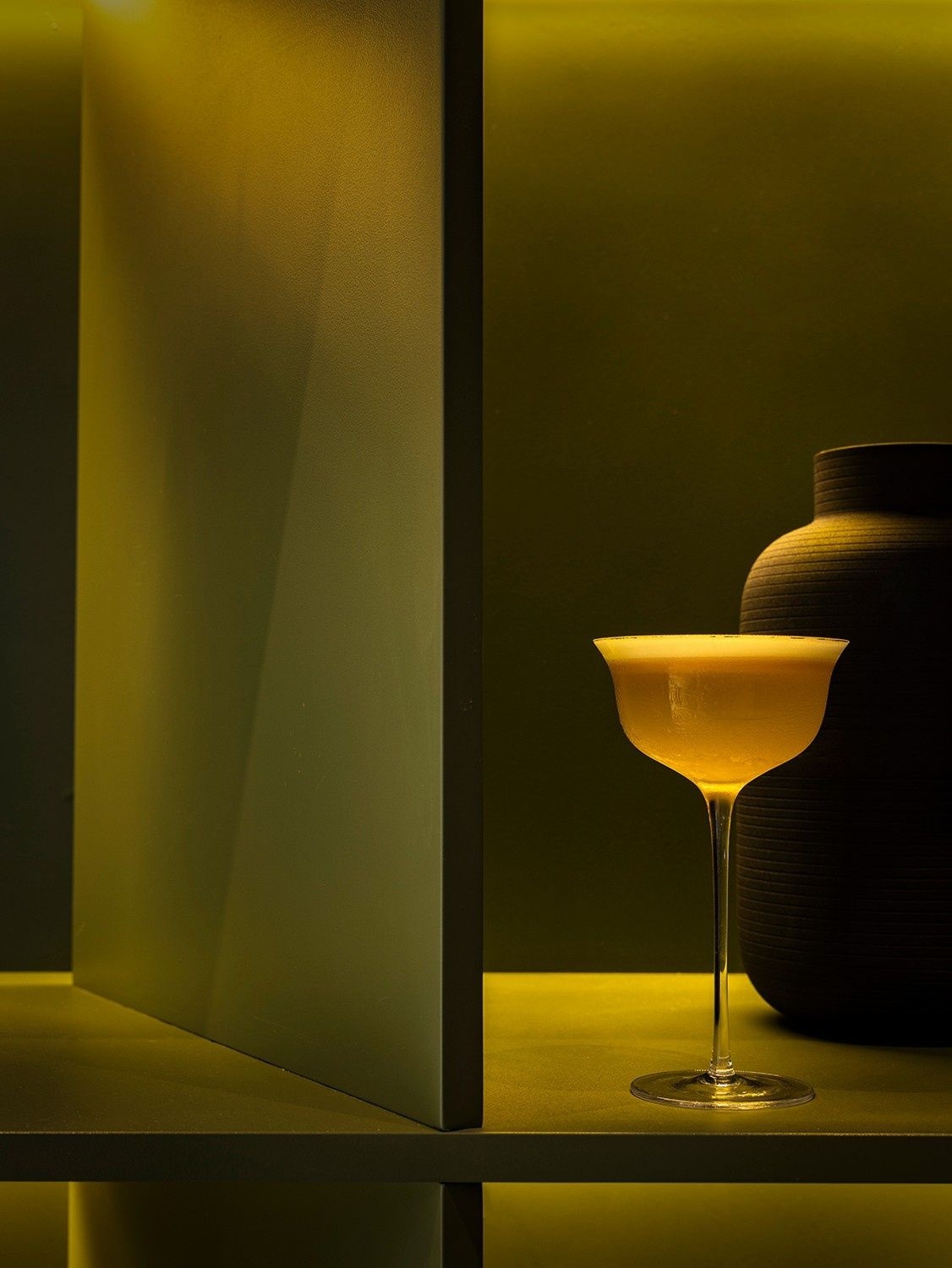
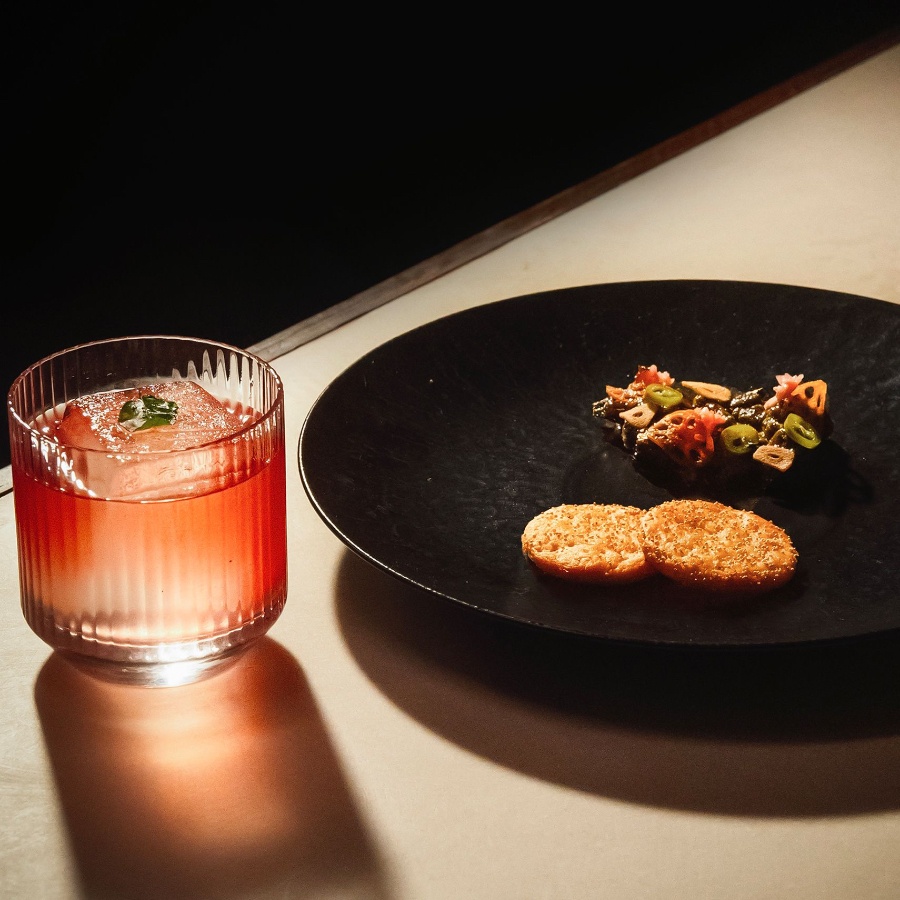
The drinks place a strong emphasis on tea and fermentation. The tequila-based Pickled Pear, with lime, chamoy, agave, and pickled pear purée, is bright and refreshing, while Tea Fermentation—made with mezcal, strawberry, Assam tea kombucha, and a hint of lemon—finishes with a pleasing smoky note. Among the non-alcoholic options, Thyme Paani is a revelation, blending fennel-thyme tea, lemongrass, tonic water, and lemon. Bolivian Milk, with quinoa milk, lemon balm, citrus cilantro, green chilli, and grapes, is more experimental and perhaps best approached with an open mind. In the coming months, the restaurant plans to host special collaborations and introduce a high-tea menu.

The restaurant opens to the public on January 17, 2026

Address: Nisaba, first floor, Humayun’s Tomb World Heritage Site Museum, Humayun’s Tomb, Sunder Nursery, Nizamuddin, New Delhi
Timings: noon to midnight
Reservations: +91 98109 06091
Price for two (minus alcohol): ₹4,000 + taxes + service charge

The Nod Newsletter

We're making your inbox interesting. Enter your email to get our best reads and exclusive insights from our editors delivered directly to you.