



Fashion25 Jun 20264 MIN

They’re hot, sweaty and working out in natural fibres

A certain section of the internet is ditching polyester activewear and choosing materials like cotton and wool instead

Image

Courtesy Praali

“I only sweat in merino wool now” declares an influencer, announcing her switch from polyester leggings to those made of the natural fibre. “I don’t want to exercise in plastic,” declares another fashion Substack. As we scrutinise ingredient lists on skincare and protein powders, buy organic fruit and pay extra for consciously farmed coffee, it should come as no surprise that we’re finally paying attention to what sits against our skin when we sweat.

Increasingly, wellness enthusiasts and fitness creators are documenting their shift from activewear made of synthetic materials to those made of natural fibres. With the conversation gaining traction online, one might wonder: is activewear actually causing harm to our bodies?

Synthetic activewear made of polyester, nylon, and spandex is often treated with performance finishes for moisture management, odour control, or stain resistance, some of which have raised concerns about chemical exposure. A study published in Environmental Science & Technology suggests that sweat and skin oils can help certain chemical additives leach out of microplastics and sit on the skin’s surface. It’s not concrete proof that wearing a pair of leggings can cause harm, but it does complicate the idea that activewear is chemically inert.

For others, making the switch is about a larger decision to ditch fossil-fuel based materials and build a more sustainable wardrobe. Polyester makes up 59 per cent of total global fibre output which means it has a huge carbon footprint and is one of biggest sources of greenhouse gas emissions.

Beyond the polyester set

When New York-based Pranjal Jain began thinking about what would eventually become Praali Yoga, her frustration wasn’t with the materials but with the entire category itself. For something built around movement, activewear had spent a long time standing still. “The activewear industry is the only industry in fashion that has so little innovation,” she says, pointing to polyester leggings and sports bra sets that have dominated over the last decade.

“Why are there no mainstream Indian or South Asian-owned yoga clothing brands?” she recalls asking her mentor at eLab, Cornell’s entrepreneurship accelerator programme. “How weird is it that these random white men are designing clothes for women’s bodies?”

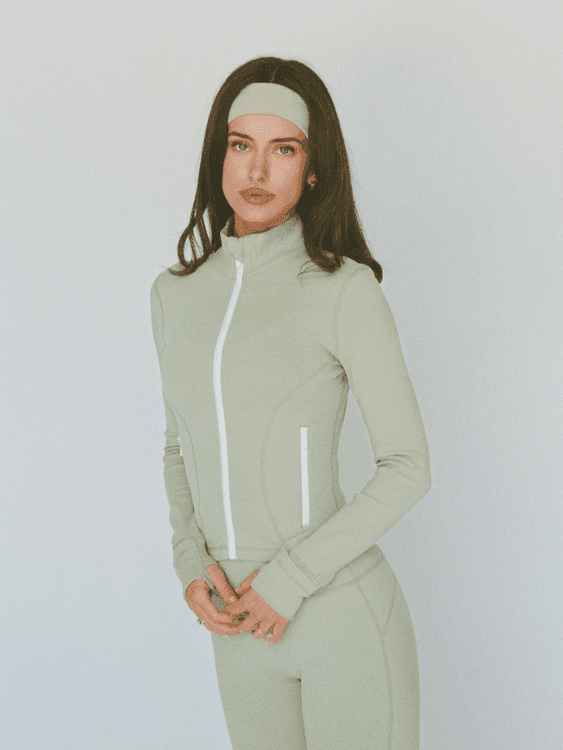
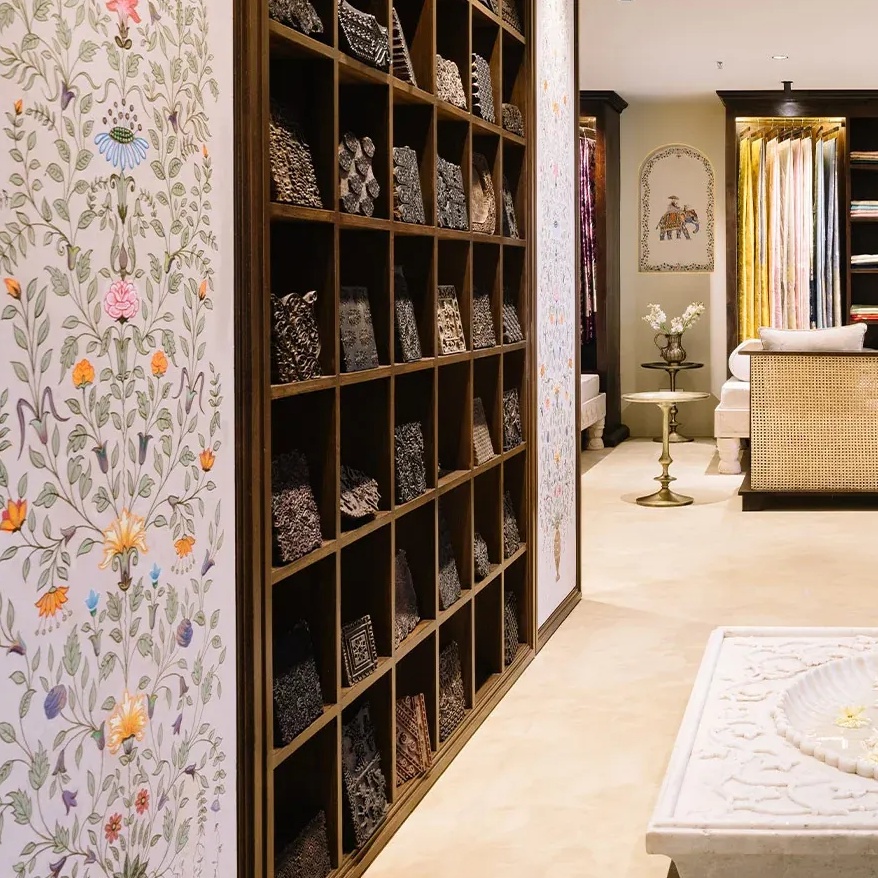
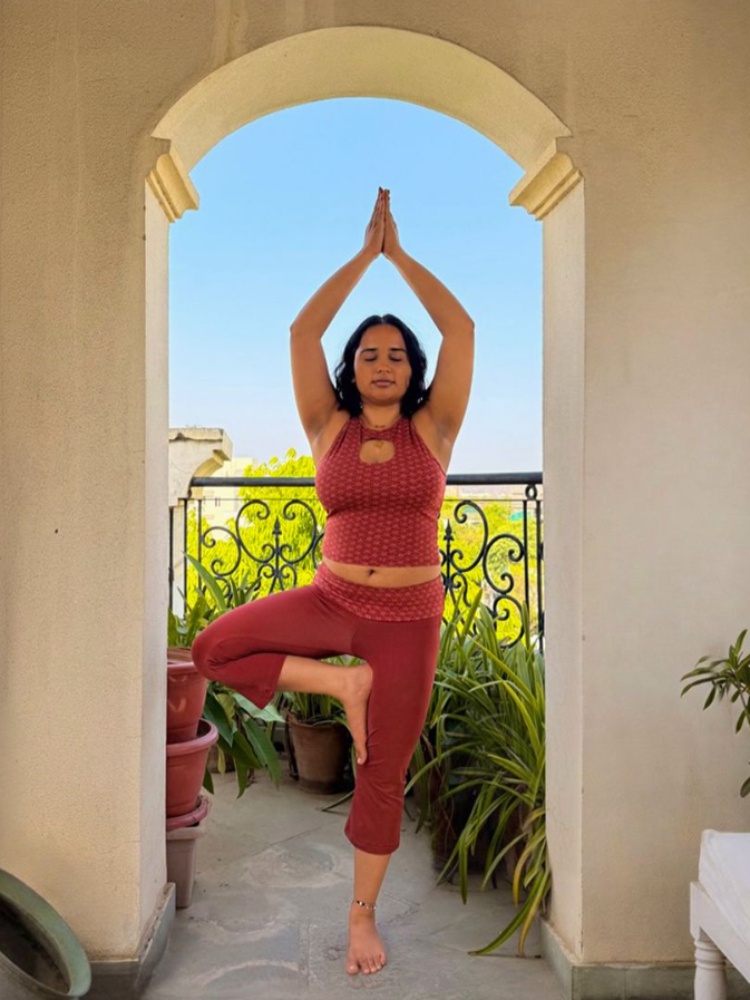
After teaching barre, completing her yoga certification, and working in fashion media, Jain launched Praali as an alternative. The label pairs organic cotton fabrics with block-print-inspired motifs, Kashida embroidery, and Bandhej references. Though Jain is based in New York, Praali Yoga is made in India, bringing craft traditions into a category long dominated by technical fabrics and minimalist basics.
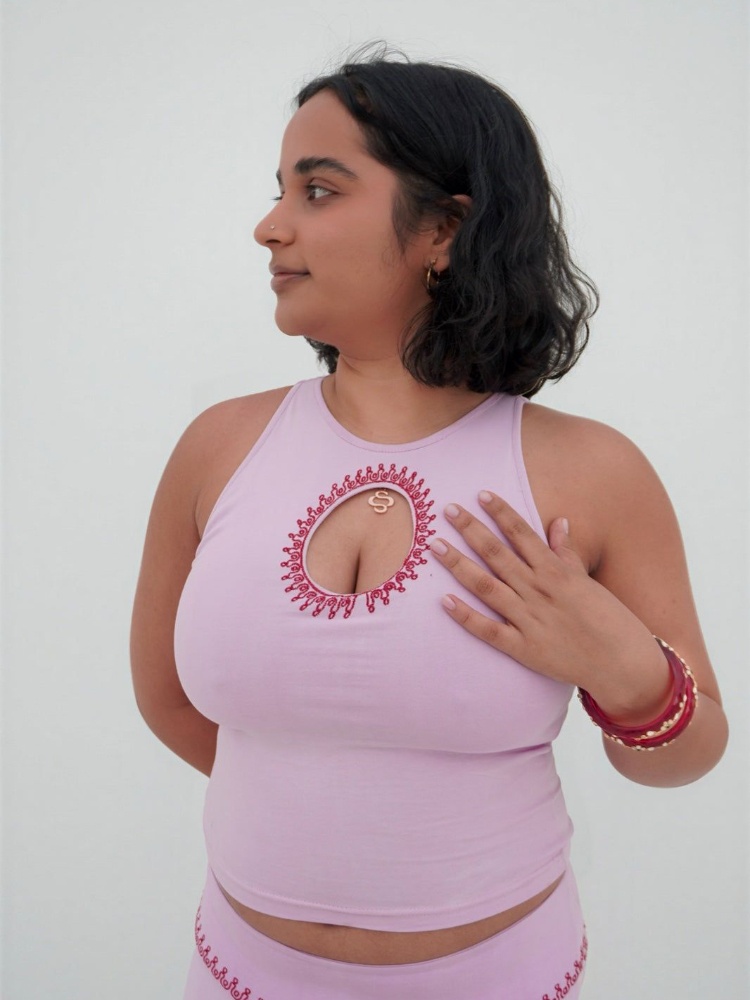
The appeal, she says, isn’t purely wellness-driven. Jain says customers are responding as much to the designs as the fabric story, with details like hand embroidery and interchangeable charms emerging as early favourites. Days after launching, SZA even reposted one of the brand’s reels discussing the reality of sweating through polyester yoga clothes.

Read your clothing labels

Delhi-based Siya Gautam, a former national-level gymnast and non-toxic lifestyle advocate, spent more than a decade training in synthetic activewear because there was little else available. “During my teens, I did notice a lot of body acne and skin irritation and redness, especially in areas where the clothes sat tight against my skin,” she says. That experience eventually led her to question why consumers scrutinise skincare and food labels but rarely ask what their clothes are made of. Today, Gautam gravitates towards brands such as Mate the Label and Layere, and is developing her own low-tox activewear label, Wear Breth. Since switching, she says she’s experienced fewer rashes, less redness, and better odour control.

Women’s health coach Malika Fernandes came to a similar conclusion. Born with eczema and later diagnosed with PMOS, she grew up being encouraged to wear natural fibres. “Forget activewear; there weren’t really that many natural-fibre clothes readily available. Now, it’s about finding brands that are moving in the right direction rather than expecting perfection,” she says. Today, she gravitates towards brands such as Yama Yoga, Pact, Mate the Label, and Kshm. Fernandes says the difference is immediately noticeable. “I notice less of that kind of plastic-bag suffocating feeling that can happen after a sweaty workout or after being in my activewear all day, and I find that natural fibres stay fresher for longer.”

So, what actually makes low-toxic activewear?

If there’s one thing Gautam and Fernandes agree on, it’s that low-tox starts with reading the label. Both point to certifications such as GOTS as useful benchmarks for organic cotton, but neither is interested in purity tests. What they’re looking for is transparency. “If a brand is using terms like ‘proprietary fabric’, ‘buttery-soft feel’ or ‘cloud-like comfort’ without telling you what that fabric actually is, that’s a red flag,” says Gautam.

Fernandes shares a similar frustration. “A lot of brands have these blend names, but they don’t tell you what’s actually in them.” In practice, what you’re looking for is brands that use organic cotton, merino wool, Tencel and modal. Even then, few brands are purists. Praali Yoga and Layere, for example, use a 95 per cent cotton and 5 per cent elastane blend, acknowledging that stretch still matters. Mate the Label’s Organic Stretch range has sports bras, bike shorts, and leggings made from 92 percent organic cotton and 8 per cent Spandex (another name for elastane), while Yama Yoga’s fabrics are a mix of plant-derived modal, recycled polyester, and Spandex. More than natural fibres, the people driving this conversation are asking brands to be clearer about what they’re selling.

Polyester is not the enemy

Despite the growing interest in natural fibres, the people driving the conversation online aren’t advocating for a full synthetic purge. Nobody I spoke to argued that polyester should disappear. “I think it’s important to be realistic. I don’t think synthetic fabrics are inherently bad,” says Gautam, who has completed gym sessions, yoga classes and even a marathon in natural-fibre activewear without feeling she compromised on performance. “They exist for a reason, and there are situations where they genuinely perform better.” Fernandes agrees. “For very intense or endurance sessions, I can see that you need technical synthetics to perform better. That’s why so many elite athletes use them.”

The consensus is simple: use the right fabric for the right activity. You can absolutely be a Material Girl. The question is: what is that material made of?

The Nod Newsletter

We're making your inbox interesting. Enter your email to get our best reads and exclusive insights from our editors delivered directly to you.