



Accessories03 Aug 20265 MIN

Meera Mahadevia is more than just Bollywood’s go-to bag designer

The designer harnessing Indian craft to make collectible handbags has a simple premise—perhaps your heirloom brocades need an heirloom-worthy accessory

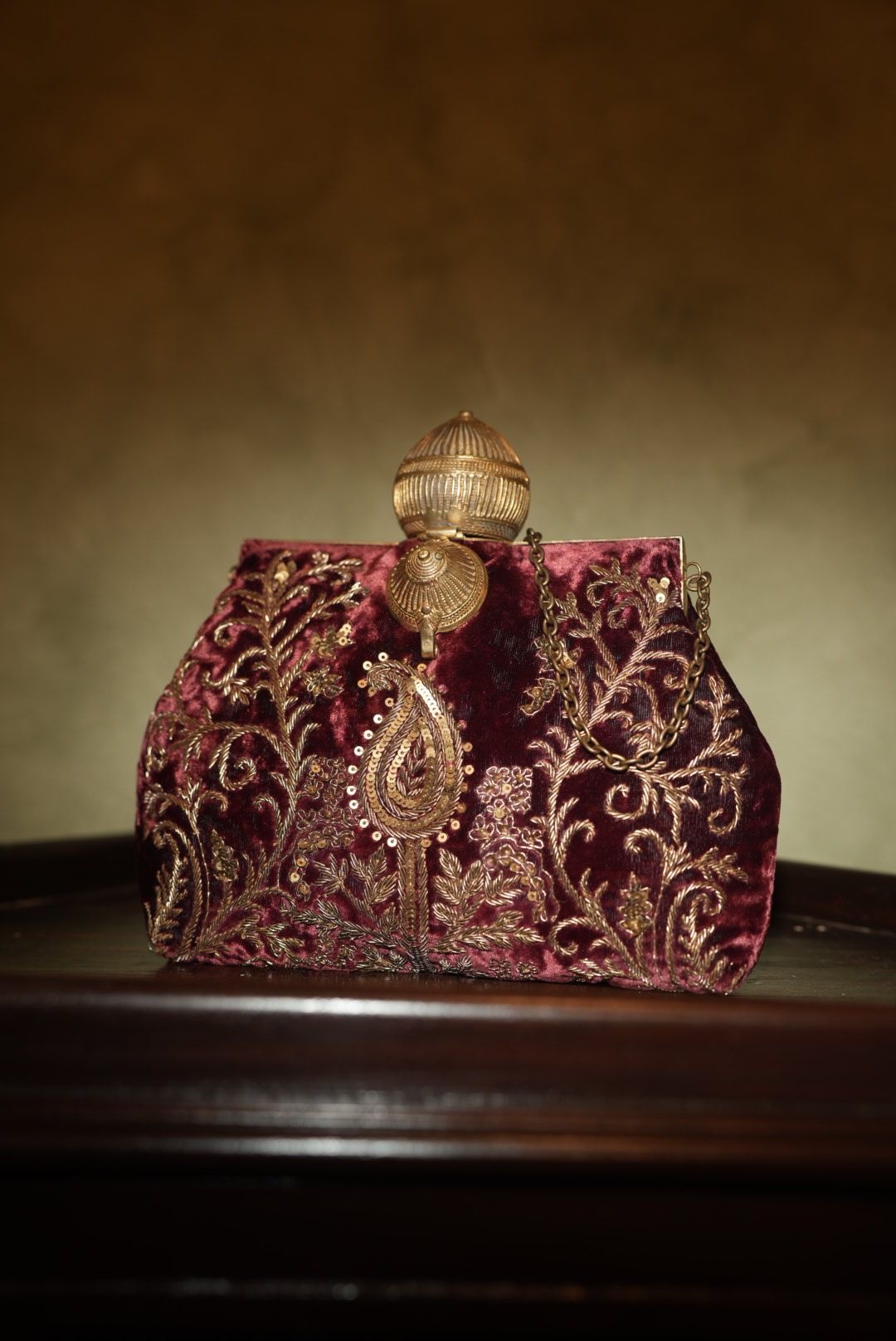
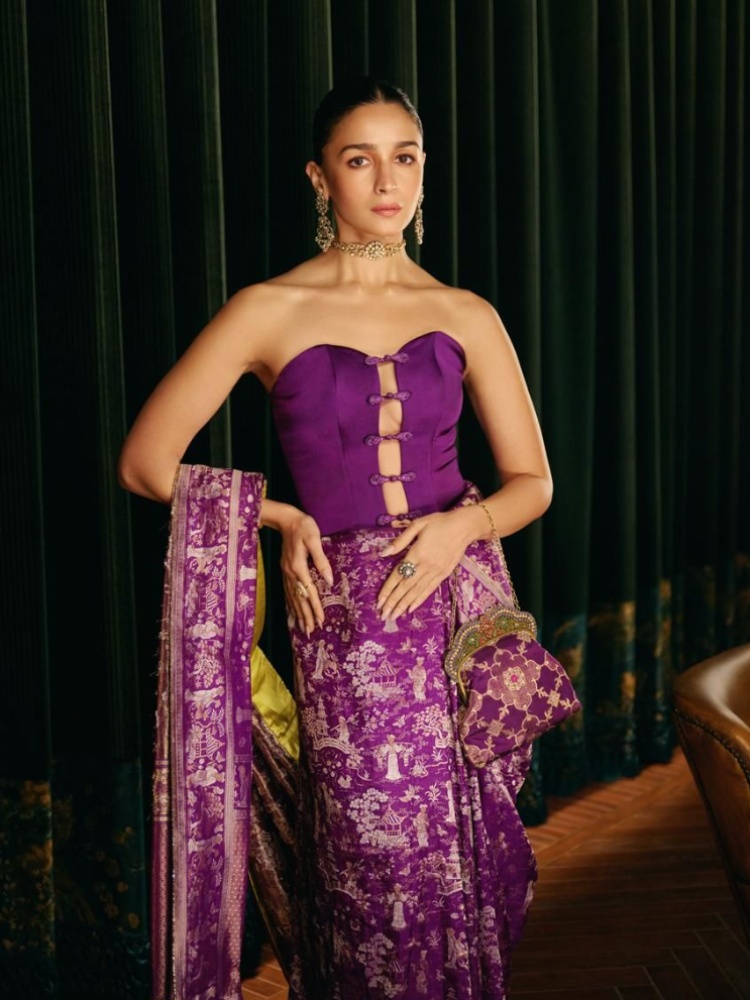
Alia Bhatt with the Indraneel bag by Meera Mahadevia

Alia Bhatt with the Indraneel bag featuring antique kinkhab and a vintage filigree frame encrusted with semi-precious stones

Courtesy Meera Mahadevia

There’s a familiar sight that returns every wedding season: guests dressed in India’s finest couture—zardozi jackets, sculptural metallic saris, lavish brocades—accessorised with a logo-emblazoned bag from a Western luxury house. To me, this pairing has always felt visually dissonant. Why does a handcrafted outfit so often end with an accessory that speaks an entirely different design language? It’s a question Meera Mahadevia has been asking for nearly four decades.

We’re seated in the accessory designer’s home on Peddar Road, Mumbai, and like a caring Gujarati host she has plied me with a generous serving of nashto. I marvel at her living room decorated with hand-picked curios: an ornate temple panel integrated into the ceiling that still carries the faded red imprint of kumkum; a carved hichko (swing) that anchors the room; and Pichwai paintings that line the walls.

Raised in Mumbai, Mahadevia, the daughter of renowned economist, poet, and freedom fighter Vadilal Dagli, recalls a childhood home frequented by writers, artists, and industrialists who came seeking his counsel. Her father introduced her to Japanese haiku, often turning it into a game. “He would speak the first line in haiku, sometimes in Gujarati, and I had to create the second line,” she recalls. Growing up, her routine included weekly visits to Kala Ghoda’s art galleries followed by afternoons browsing the shelves at Strand Book Stall. At home, her mother draped herself in bandhani, patola, and jamawar, quietly nurturing an appreciation for textiles. “I think I absorbed not memories but sensibilities.”

Chasing craft, one at a time

A skilled artist, Mahadevia studied Fine Arts at Sophia Polytechnic, before pursuing her Master’s in Indian Aesthetics. In 1985, the homegrown luxury handbag industry was virtually non-existent. “There weren’t many fancy restaurants or major outings. The only handbags available then were these nondescript structured leather bags; utility outdid style,” she recalls. Spotting a gap in the market, Mahadevia set out to build an artisanal accessories label. She travelled the breadth of the country—from Bhuj to Jaipur—often alone and long before the internet made such journeys easier, and sought out master craftsmen, frequently staying in their homes and breaking bread with their families.
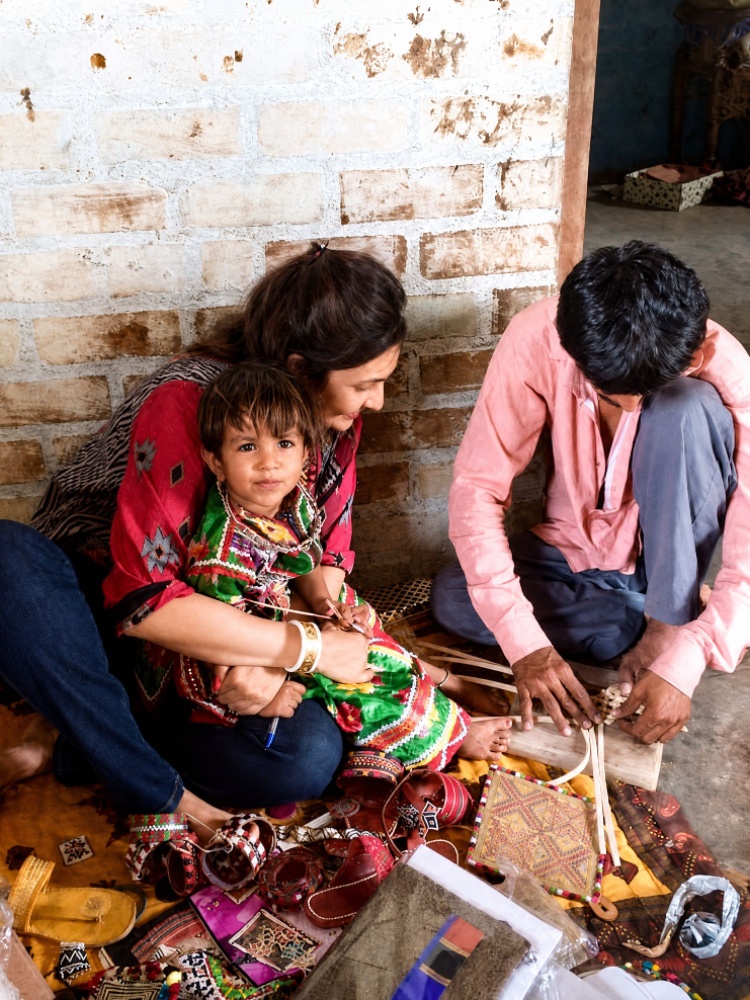
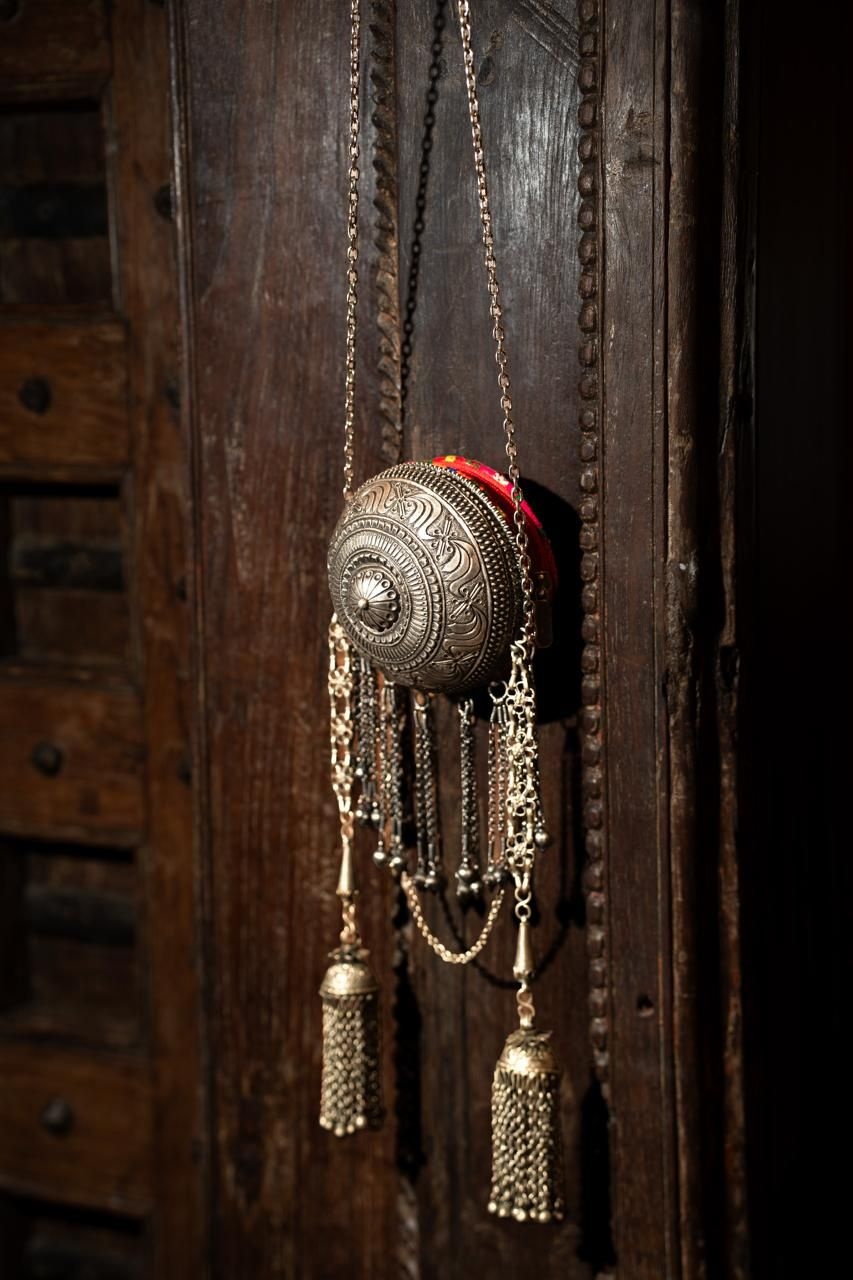
Her curiosity has shaped the vocabulary of the Meera Mahadevia label. While filigree has become its signature, her collections draw from a remarkably wide spectrum of Indian craft traditions: the enamel work of Fatehpur, Agra’s marble inlay, south Indian wood carving, halkari kaam (gold wash), gold leaf work, and even lesser known crafts such as dokra, the ancient lost-wax metal casting tradition practised across Chhattisgarh, where tribal figurines were also reimagined as decorative elements on clothing rather than just standalone objects.

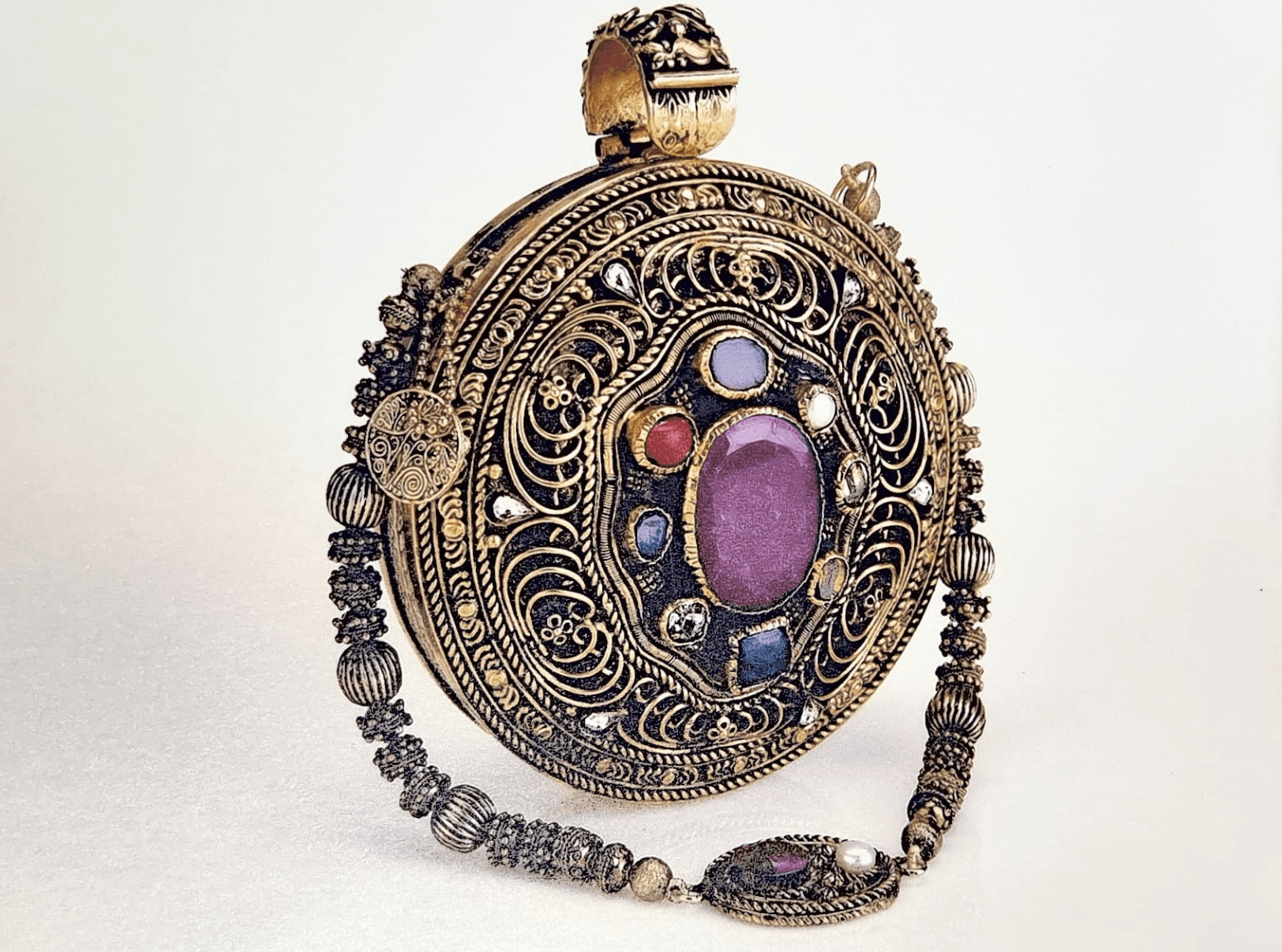
Her first handbag design was rooted in symbolism. The Mandala bag, inspired by the Buddhist prayer vessel, became the foundation of her label. She interpreted the sacred geometric form through multiple craft traditions, rendering it in filigree and antique embroidery and embellished with navratna stones representing the nine celestial bodies. It was this collection, first showcased at the Mélange store in Mumbai in the early 1990s, that unexpectedly caught the attention of the BBC. “When I first received the call from the journalist, I thought an old friend was playing a prank on me. The idea emerged from a very special trip to Dharamshala, largely in the pursuit of spirituality. Since then, there’s been a running joke in my house. My daughter says, ‘Mom can transform the most whimsical objects into bags,’” she laughs.

One of Mahadevia's earliest creations: the Navagraha bag with semi-precious stones and filigree work
One of Mahadevia’s earliest creations: the Navagraha bag with semi-precious stones and filigree work

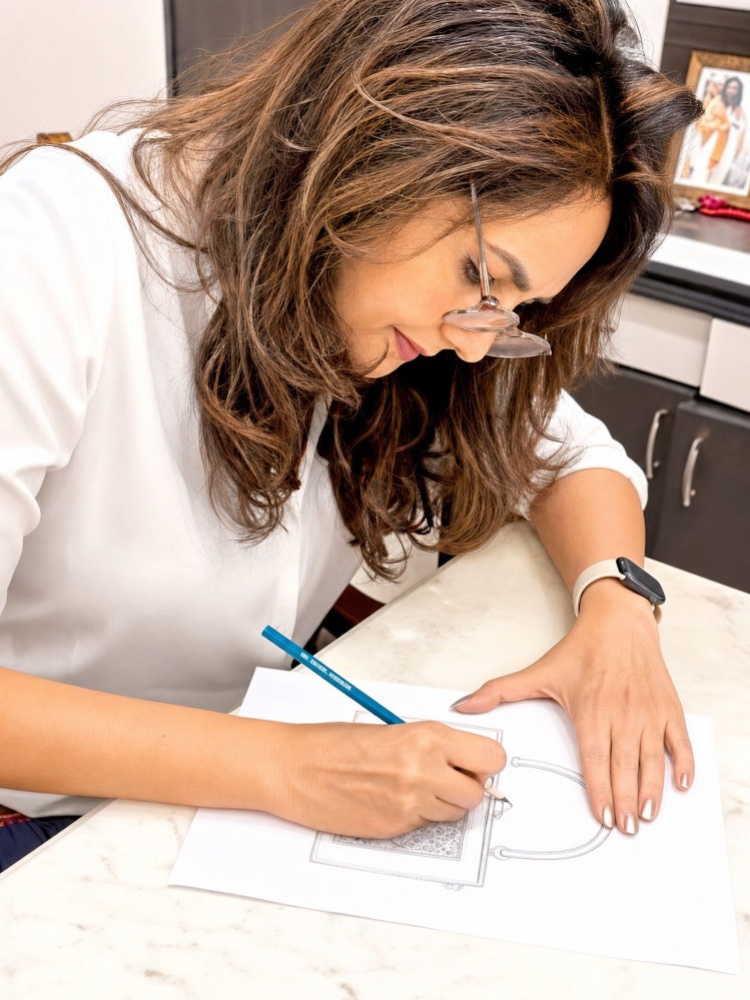
Before operating out of her atelier in Cumballa Hill, the label began modestly—with a single artisan working from the balcony of her home. In a pre-WhatsApp era, commissioning a bag was an intimate, collaborative process. Clients arrived carrying their saris and occasionwear, spending hours discussing silhouettes, craft techniques, and colour palettes while Mahadevia sketched each design by hand. Her early clientele included entrepreneur Kiran Mazumdar-Shaw, former Sri Lankan prime minister Sirimavo Bandaranaike, and businesswoman Simone Tata. Years later, Tata wrote to Mahadevia after rediscovering one of her handbags while clearing out her wardrobe. “It is as beautiful as it was when I got it,” the letter read. Mahadevia still smiles at the memory. For her, it is the ultimate definition of luxury. “Handcrafted things don’t age. They become timeless,” she says. “For me, true luxury is the devotion of an artisan, the time invested, and the lineage behind every detail.”

The shape of what’s next

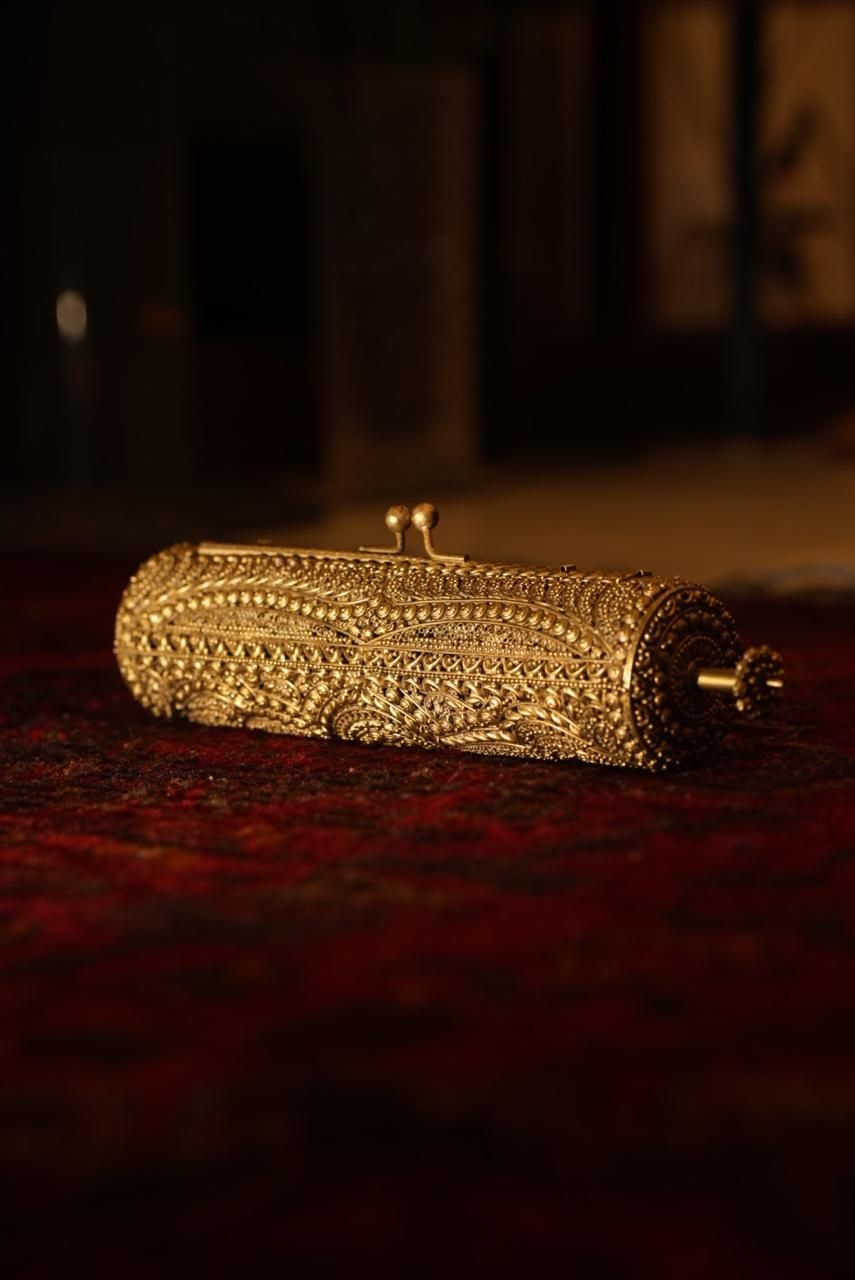
Forty years later, her eye for craft interventions remains keen. She is constantly pushing boundaries, identifying how totems of culture can be transformed into wearable art. One of her most technically ambitious creations, Prem Patra, draws inspiration from ancient love letters—a tubular metal bag wrapped in delicate filigree, its pouch unfurling like a scroll. The mechanism took months of trial and error to perfect. For an upcoming collaboration with a sitar artist, she has reimagined the chauk, a traditional silver dome-shaped hair ornament from Himachal Pradesh, as a sculptural crossbody bag finished with Kullu patti embroidery.

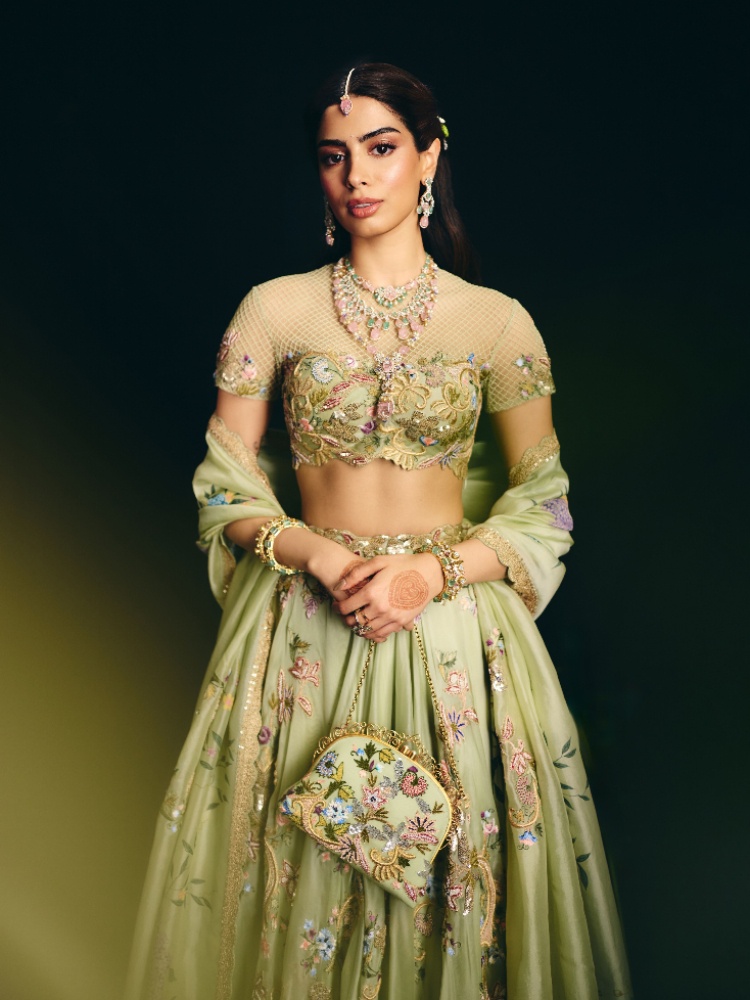
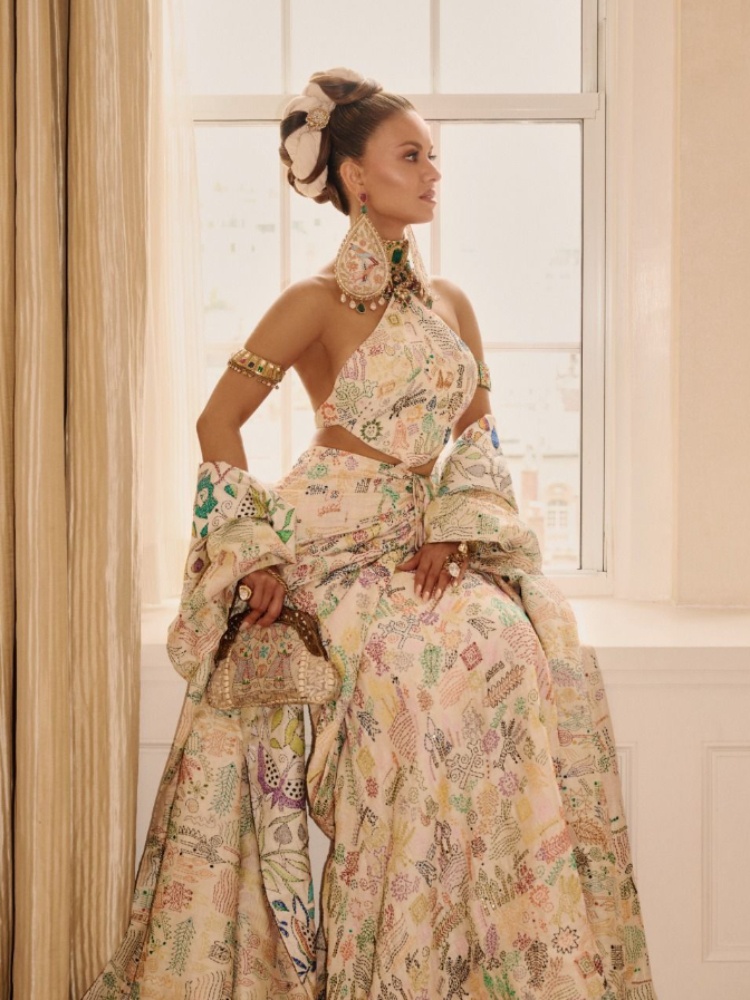
Increasingly, Mahadevia has also become Bollywood’s go-to accessories designer, creating bags that don’t merely complement an outfit but often become its focal point. Antique kimkhwab fabric and real gold tissue are transformed into one-of-a-kind minaudières carried by actors such as Alia Bhatt, Khushi Kapoor, and Bhumi Pednekar. For Natasha Poonawalla’s recent King’s Trust Global Gala appearance in New York, she created the Kantha Viraasat bag, pairing a decades-old embroidered textile with an antique English frame dating back nearly a century.

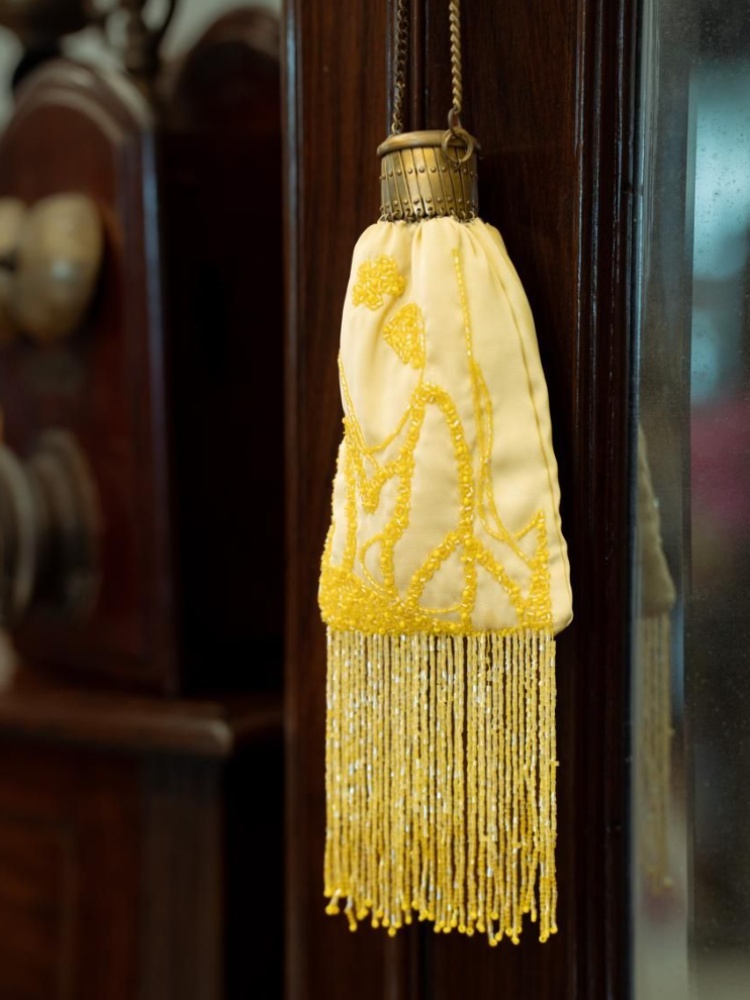
Working with celebrity stylists is rarely straightforward. Turnaround times for one-off commissions are often under 48 hours. To accompany Janhvi Kapoor’s archival Roberto Cavalli cheongsam-inspired minidress last year, Mahadevia stepped outside her usual design language, creating a hand-embroidered satin coin purse with cascading tassels that echoed the dress’s aesthetic. The request arrived while she was holidaying in the Andamans, so her hotel room transformed into a makeshift design studio. She spent hours on video calls with her karigars, sketching ideas, cutting paper templates by hand and holding them up to the camera to demonstrate proportions, but she’s unfettered by a sprint: “I enjoy it. I love challenges.”

The rise of the personality bag

Before handbags became her medium, Mahadevia was fascinated by the expressive potential of the hand. A trained Bharatanatyam dancer, she speaks of mudras with the same reverence she reserves for craftsmanship. Classical dance gestures have found their way onto her handbags in the form of sculpted mudras and Yakshini motifs, while Indian temple sculptures continue to inform her visual vocabulary. “My husband and I take weekly ballroom dancing classes. We’re learning the cha-cha, merengue, and jive under instructor Salome Roy Kapur, who’s teaching at 75! After dancing, I feel very creative,” she says.

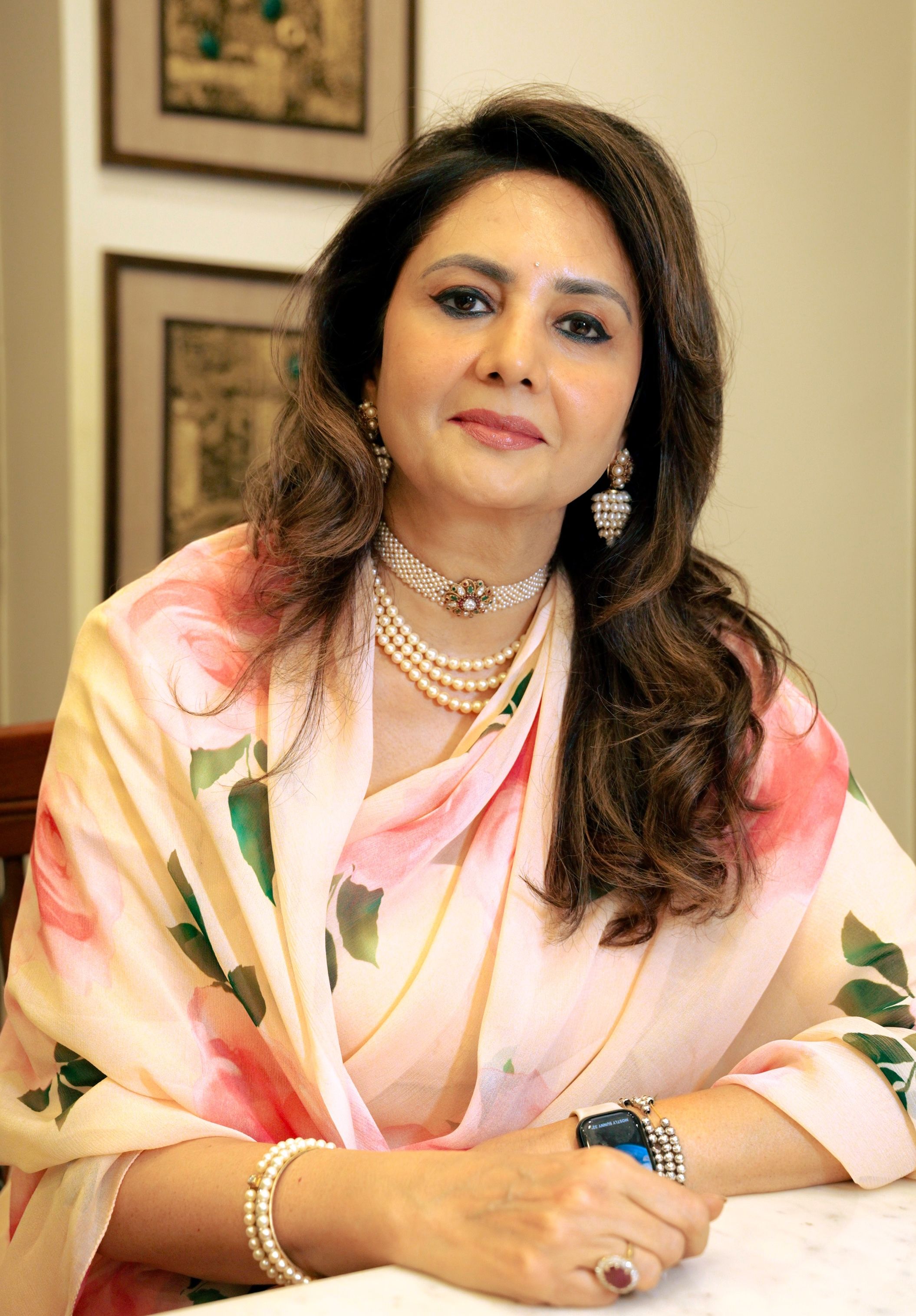
Bag designer Meera Mahadevia
Meera Mahadevia

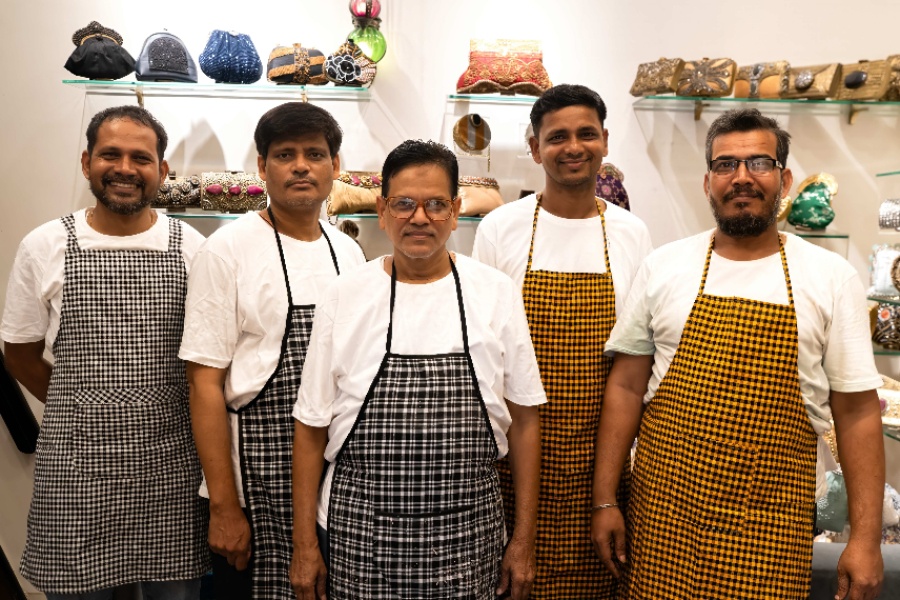
Where clients once sought a handbag to match a sari, today’s commissions begin with personality. A bride who wanted to pay homage to her spiritual journey carried an ornate peacock-shaped bag with motifs a shankh (shell) and a lotus. For a client who is also a classical dancer she created a special Nataraja bag replete with ghungroos. Mahadevia spends hours understanding not just the garment but the person carrying it, making trips to fabric markets in Pydhonie herself to source the exact trims and materials. Every visitor is introduced to the artisans who make the bags, while younger clients linger for hours, curious to understand provenance and technique before making a purchase.

It’s a shift she welcomes. “Earlier, the handbag was primarily for occasions. Today, it’s an expression of individuality.”

The Nod Newsletter

We're making your inbox interesting. Enter your email to get our best reads and exclusive insights from our editors delivered directly to you.