Jewellery & Watches05 Nov 20265 MIN

The jewellery brand making everyone (and their mom) get a nose piercing

For Mookuthi founder Sarath Selvanathan, a tiny canvas has only meant a bigger obsession

Image

Courtesy Mookuthi

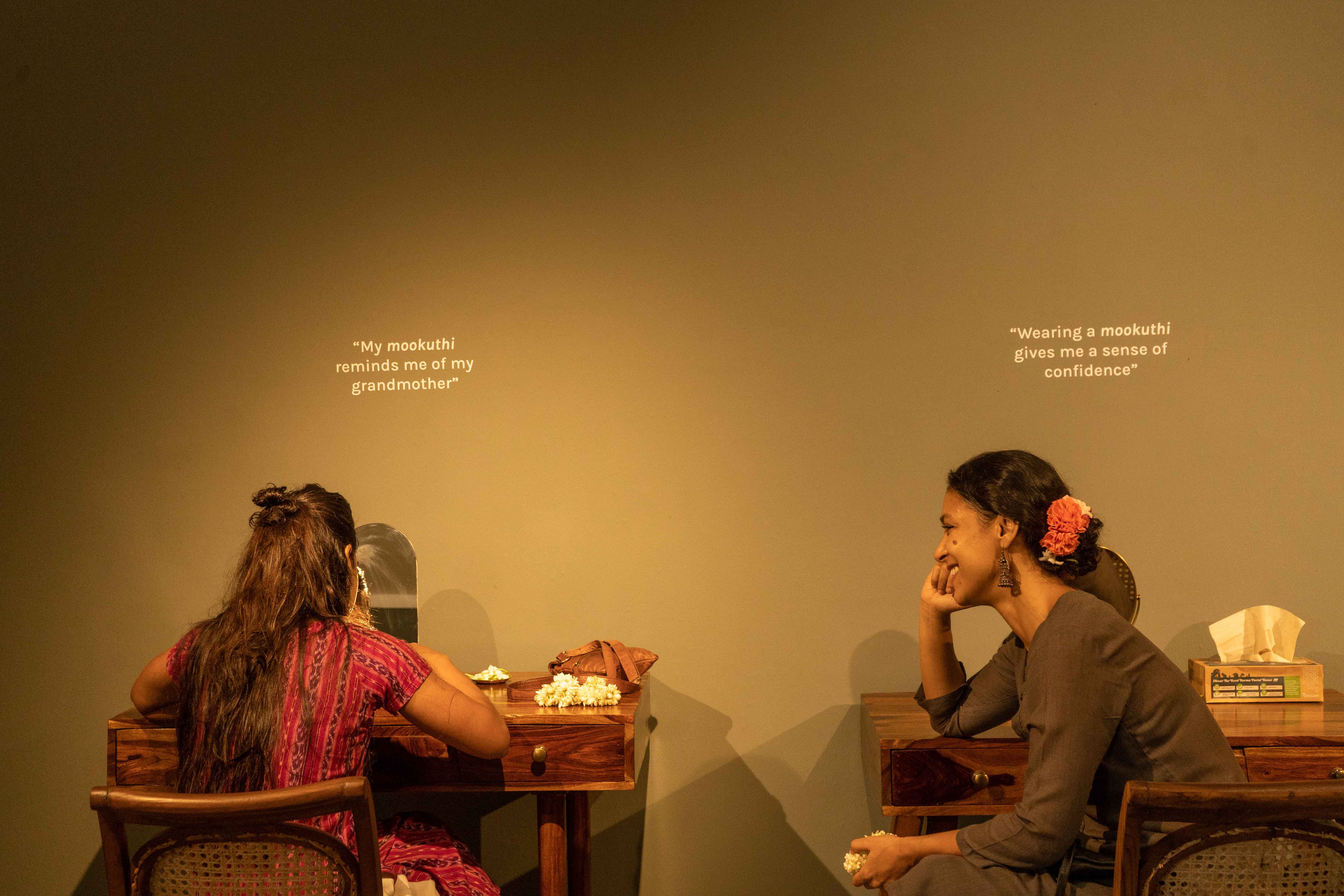
When I arrive at Floor One in Juhu, where the Mookuthi show is taking place, a bell rings and the entire room erupts into applause. A customer has just had their nose pierced. There’s cheers, claps, and an infectious sense of excitement. I find myself smiling too. Over the next hour, the bell rings four more times, each followed by another round of a little celebration. The nose, it turns out, is having quite the party.

On a long table, Mookuthi’s collections are arranged in miniature wooden-and-glass display cases. Each is like a mini museum exhibit, with illustrations that offer clues to the collections’ inspiration. For ‘Kondai’, the collection inspired by traditional hair buns adorned with flowers, there’s a sketch of women adorning their hair. ‘Besari’, a line of diamond nosepins inspired by Carnatic singer MS Subbulakshmi, features outlines of a radio and a sitar.  ‘Vadiviya’, which takes its cues from simple geometric forms encountered in everyday life, features the courtyard of a traditional south Indian home.
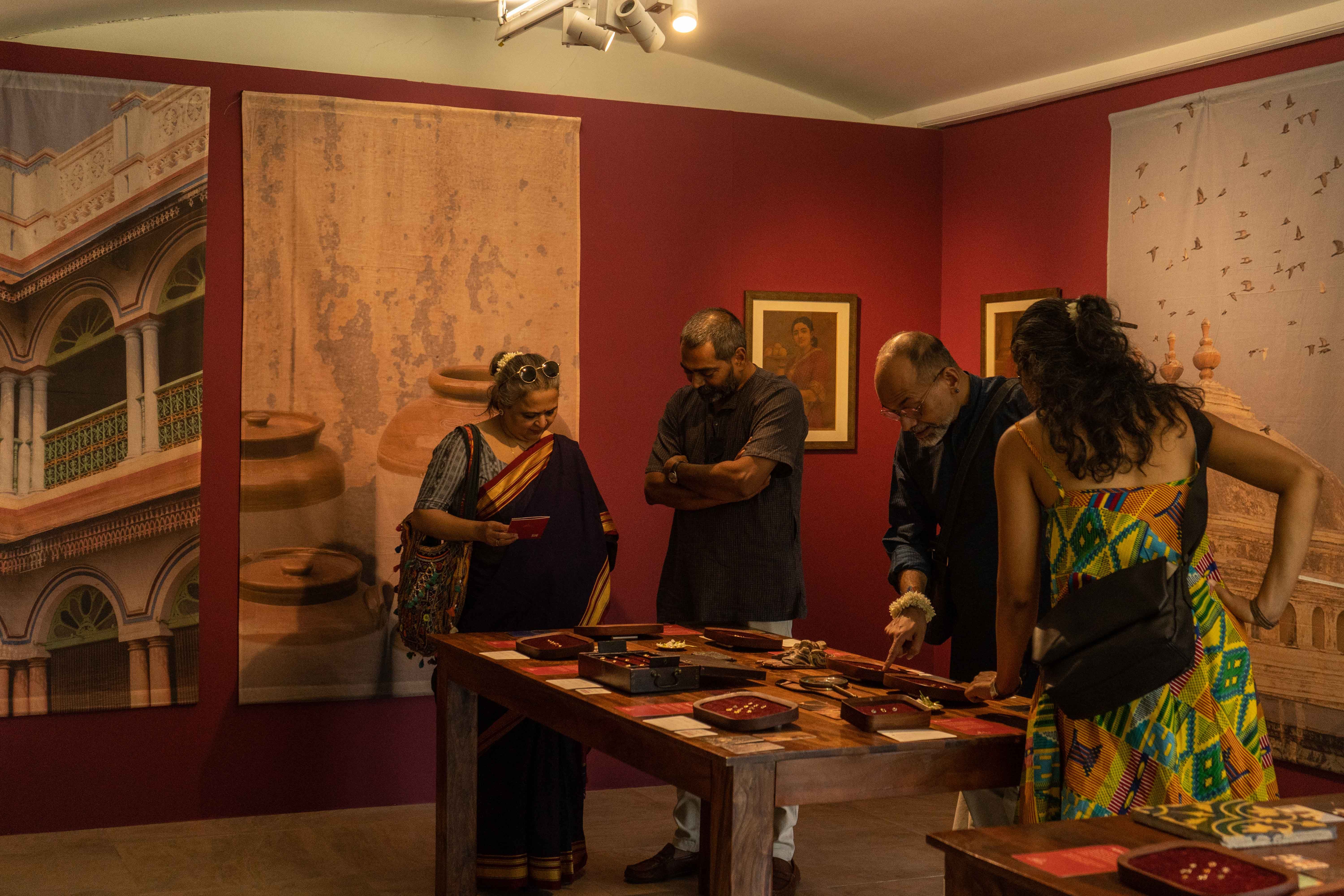
The Mookuthi show guests_The Nod.jpg
Customers peering over collections at a Mookuthi show

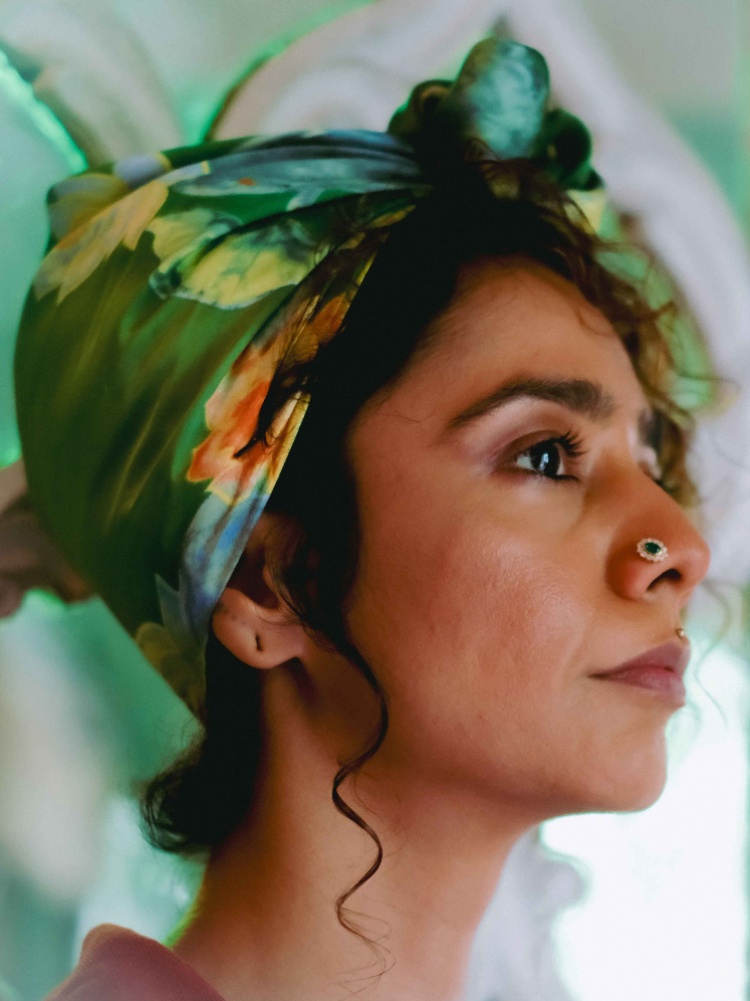
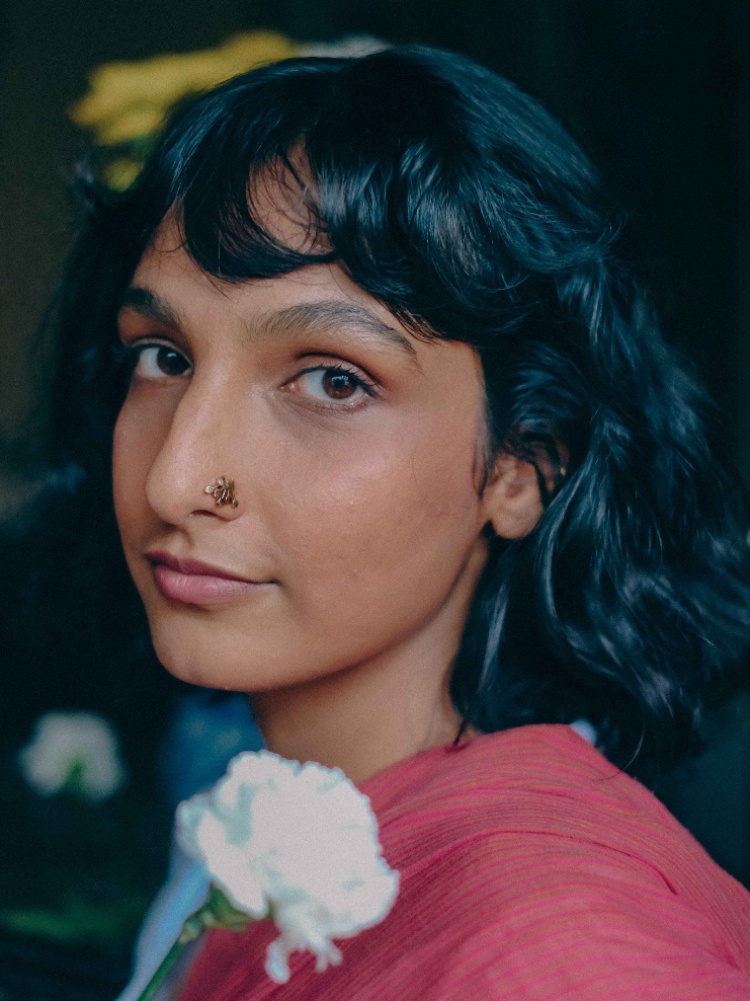
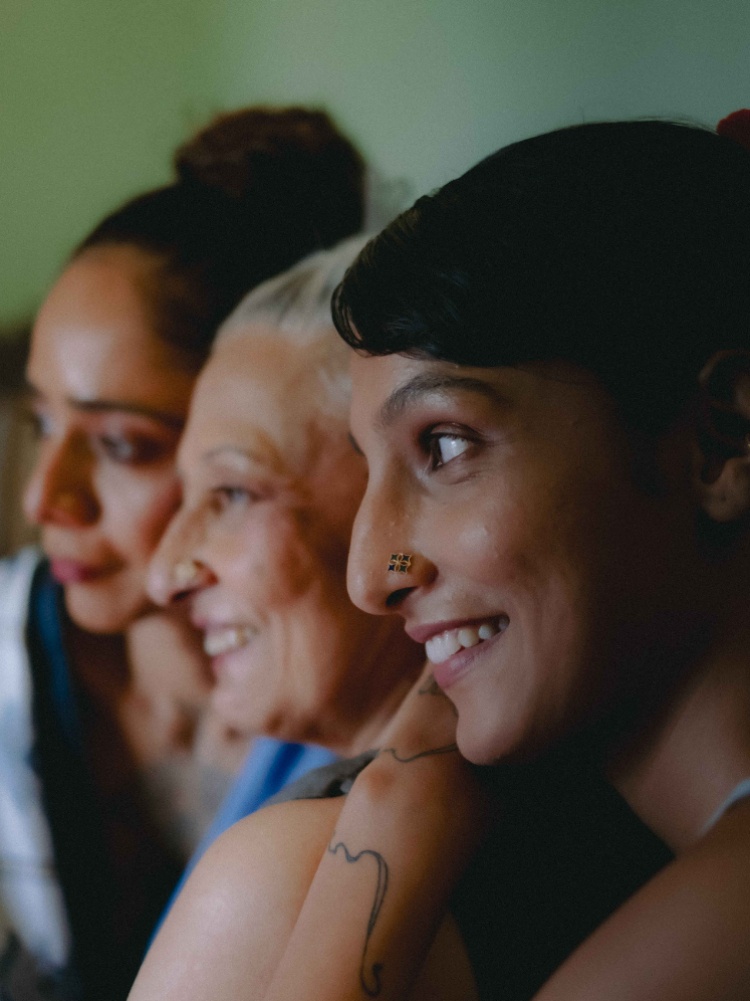
Founded in 2018 by Sarath Selvanathan, a former engineer, the Chennai-based jewellery label has spent the last eight years doing just one thing: making nose ornaments. And it seems to have found its people, becoming the go-to for anyone with an appetite to dress their nose. “It’s like how somebody who loves shoes or watches will seek out a shoemaker or a watchmaker,” Selvanathan explains. “We have people who fly down to Chennai just to buy a nose ornament from us. At our store and shows, our customers look like kids in a candy store.”

But does working on such a small canvas feel limiting as a designer? “I used to have that fear very early on, not going to lie,” he admits. He would also worry about someone else stealing his concept and designs. But today, neither seems to bother him too much. “I don’t think anybody could do more in terms of the design and the technique of how it sits on the nose than us,” he says. Besides, with almost 17 collections in the pipeline, he hardly seems to be running out of ideas.

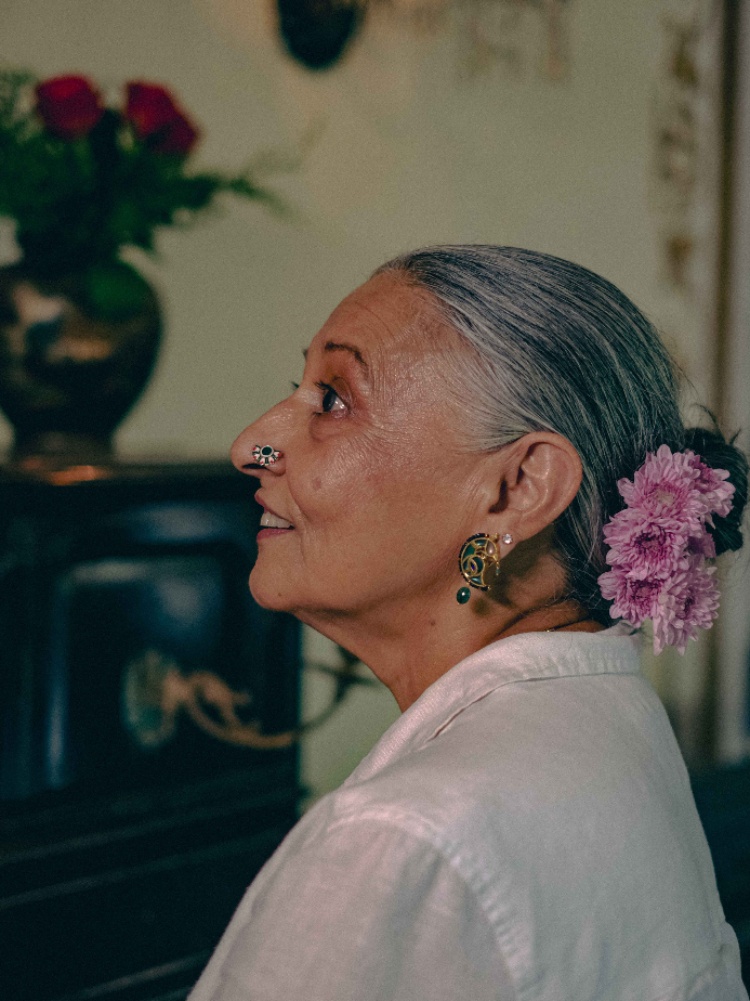
For Selvanathan, the restriction imposed by an ornament that’s a fraction of a centimetre has become something of an obsession. “The minute you have understood your canvas, the only thing you’re thinking of is how many more explorations you could do within your canvas. The dopamine largely came from this game I play in my head: how do I bring this large influence into this small canvas? How many stories can I tell through it?”

Despite his engineering background where systems and processes are essential, Selvanathan doesn’t have a fixed design process. Instead, he likens it to how a music director would compose music: constantly building a library of melodies and ideas to draw from for when the right project comes along. “The process is largely about constantly experiencing everything that is going on around me, and, not to sound philosophical, hope that at one point it’s just going to come together.”

Sometimes, that coming together takes years. Mookuthi hasn’t released an entirely new collection in almost two years, although older collections are constantly refreshed with tweaks and improvements. Customer feedback is taken seriously, whether it’s to do with how a piece sits on the nose, an issue with colour or a technique that needs refining.

We walk over to the display case that holds ‘Araichi’ (which translates to ‘research’ in Tamil), a selection of work-in-progress pieces that give customers a glimpse into Mookuthi’s experiments. Currently, the case houses two different explorations of a flower, a parrot, and historical ear ornaments women in Madurai once wore. Before a design can graduate from ‘Araichi’, the design must prove itself technically and the team must be able to source raw material and stones of consistent quality. The ‘Sthapathi’ collection, inspired by the architecture of ancient Chola temples of southern India, is next in line for an update. Selvanathan has been visiting and studying these temples since December 2020, but a part of the process remains unresolved. “We’ve made multiple trips and keep designing pieces around it, but we haven’t found the textures for each of them,” he says.

All the Mookuthi pieces are made in Chennai, barring the ‘Athangudi’ collection, whose enamel work is done by a meenakari artist in Jaipur. Inspired by the playful patterns and motifs seen in Athangudi tiles, these colourful pieces happen to be Selvanathan’s personal favourites.

Customers, of course, have their own preferences. The bestsellers are from ‘Oviyam’, the collection inspired by the rich colours and moods seen in Raja Ravi Varma’s paintings, alongside the diamond-studded besaris. “I didn’t think that this would actually take off at all, because this is a very traditional piece,” he says.

The Mookuthi Show_The Nod.jpg
Customers trying on pieces at a Mookuthi show

While there’s no release date fixed for a new collection, Mookuthi has been taking its pieces on the road, staging almost two shows a week across the country. In the past year alone, the brand has visited 25 cities, with Pune, Hyderabad, Ahmedabad, and Gurugram next on the itinerary. At a showcase in Madurai in 2019, a gentleman picked up an ‘Athangudi’ nosepin, for his two year old daughter. Then there was a nine-year-old in Hyderabad who spotted Mookuthi on her mother’s Instagram and dragged her parents to a show to get her nose pierced. “She came back the next day. I was like, what happened? Is everything okay? She was like, no, my mom wants to get it. And subsequently, her friends from school started coming.” Another customer at the Chennai store, unable to get her nose pierced due to a skin condition, bought an ornament simply to display in her showcase. Some brides, he says, have even planned their wedding looks backwards, choosing their nose ornament first and the sari later.

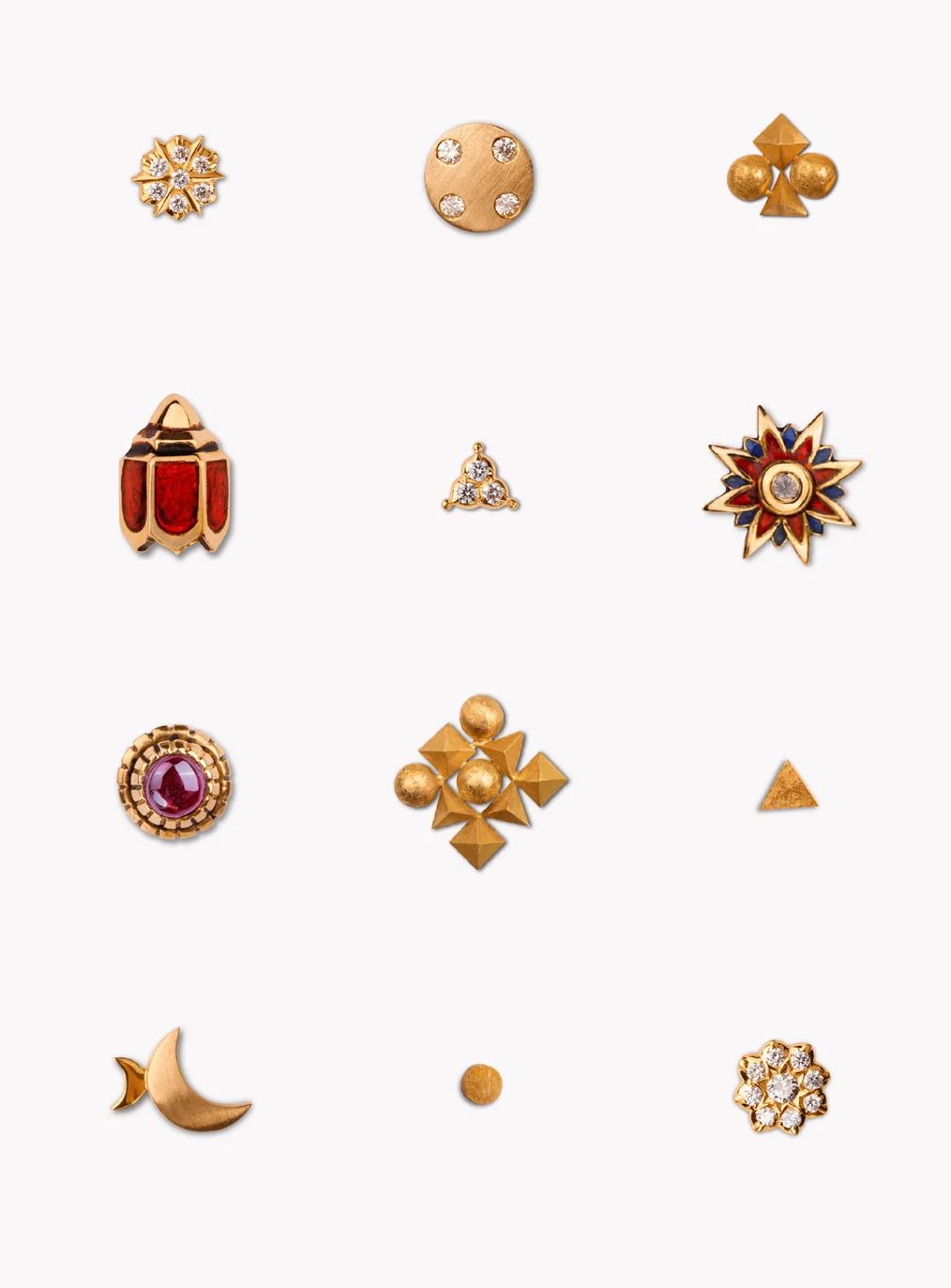
An assortment of Mookuthi naths

Despite the growing customer base, Mookuthi has resisted the temptation to branch into other categories of jewellery or making more accessible plated pieces. It continues to work with 18- and 22-carat gold and natural diamonds. Selvanathan doesn’t really think of other jewellers as competition. “I don’t feel like we’ve lost many customers to another jeweller. We might have lost consumers to Apple or Dyson,” he smiles. “If a customer has 50,000 rupees, where is she spending it? What does she want for her birthday? What marks a milestone in her life?”

It’s an interesting way to think about a nose pin—not just as another accessory but as a little indulgence, a marker of achievement, or even just as an object of desire.

“At the end of the day, I don’t think we’re selling jewellery. I don’t know how to put it into words, but there’s a lot of joy, celebration, and shringar associated with this,” he says. Having watched a room full of strangers celebrate five separate times for five freshly pierced noses, I’m inclined to agree.

The Nod Newsletter

We're making your inbox interesting. Enter your email to get our best reads and exclusive insights from our editors delivered directly to you.