



Brief Encounters31 Mar 20265 MIN

On Rohit Mane’s mood board: 2000s remixes and Bipasha Basu

The self-taught structuralist on his lockdown-hanger DNA and why south Asian craft hits hardest through a Y2K lens

Rohit Mane Brief Encounters interview

Instagram.com/rohit_mane

Name: Rohit Mane

Age: 28

From: Satara and now the UK (since 2022)

Profession: Fashion designer, founder of Rohmane

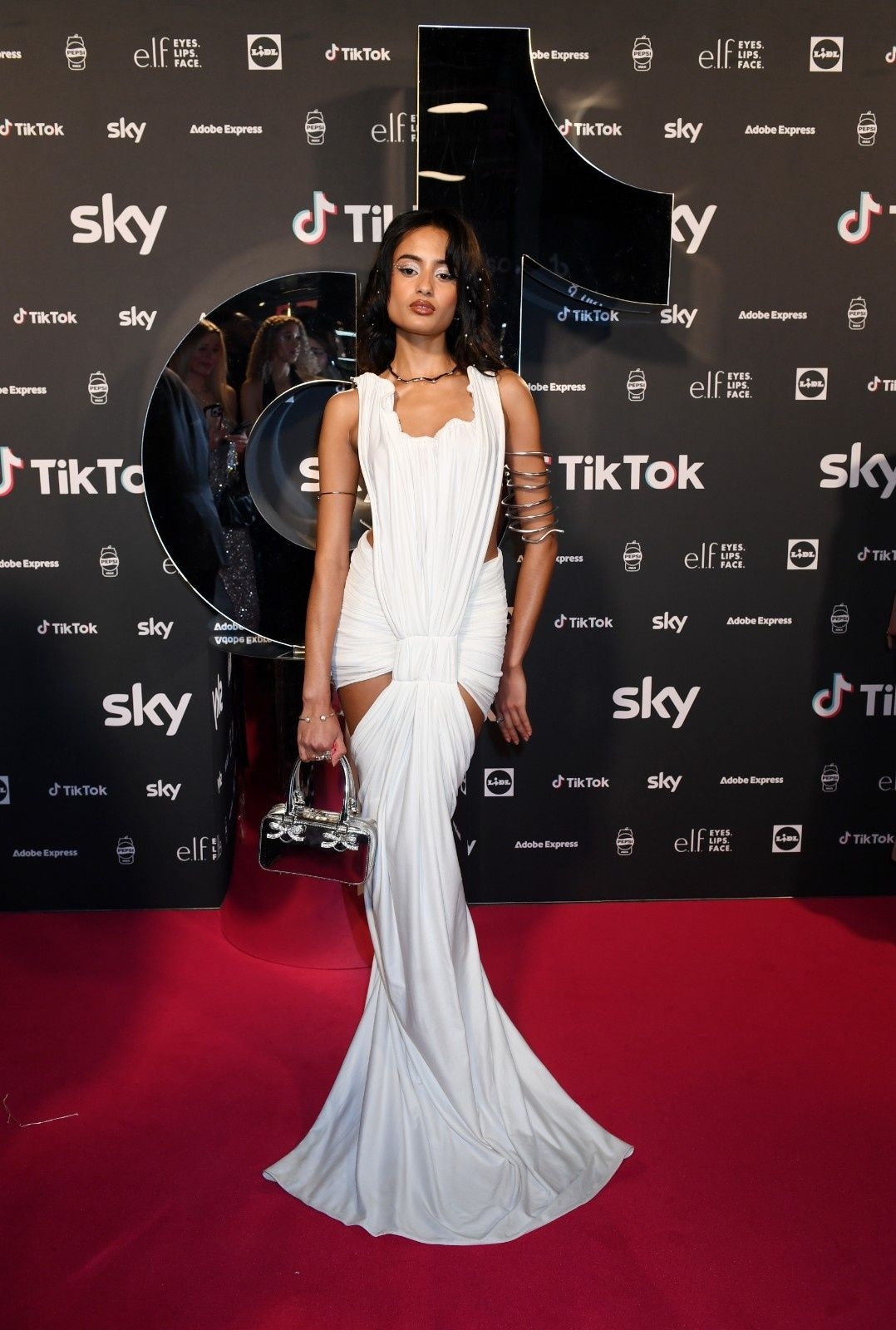
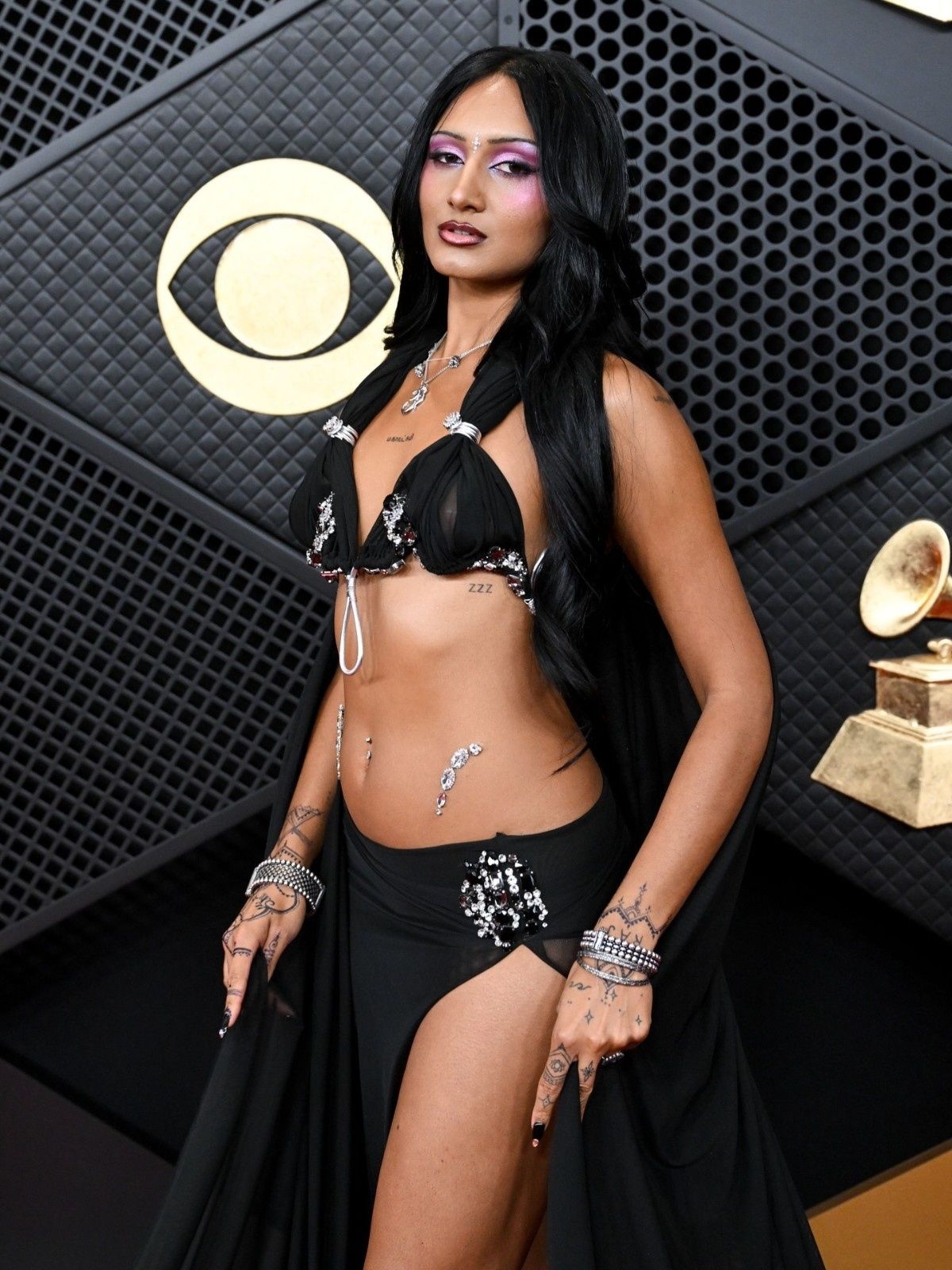
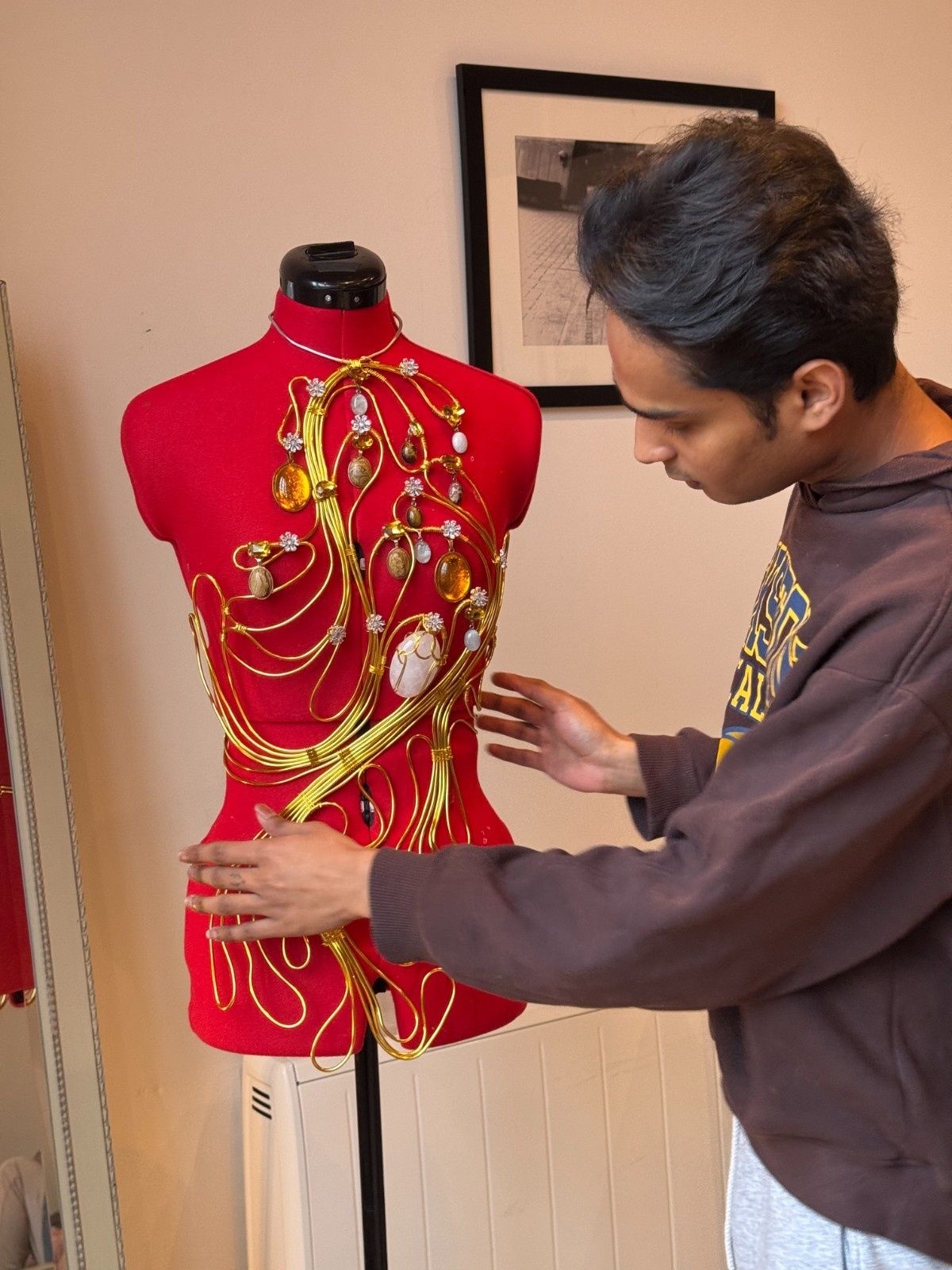
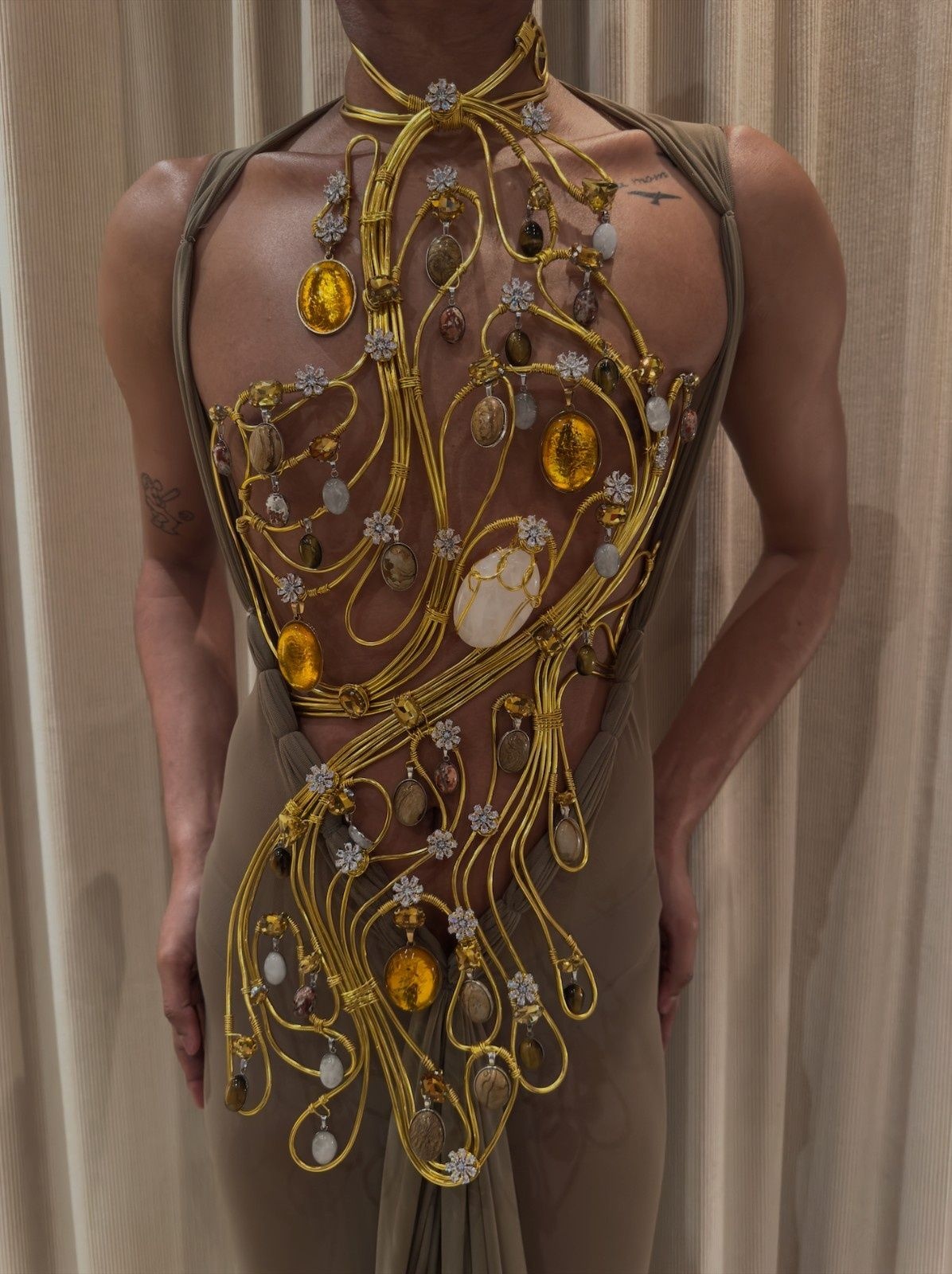
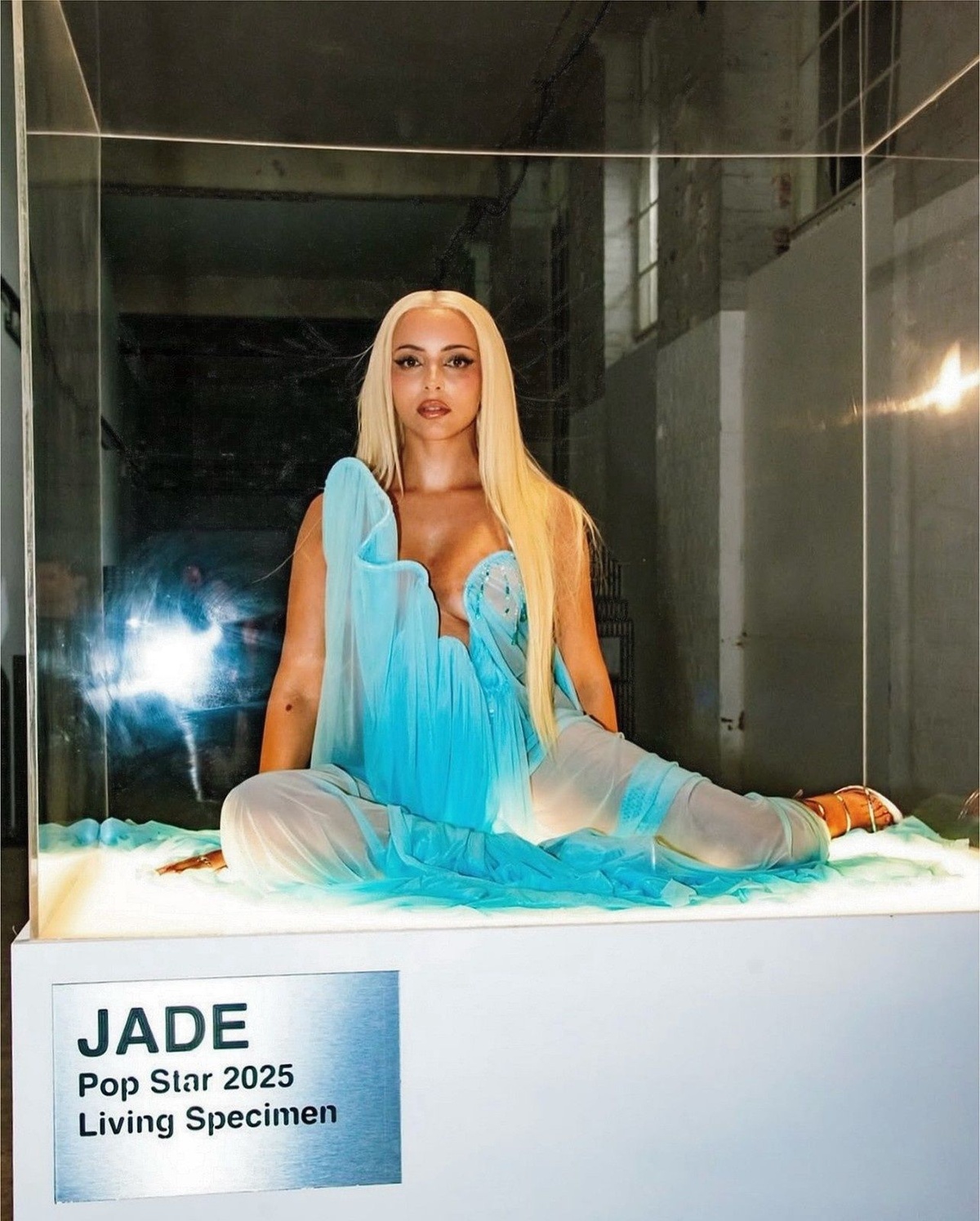
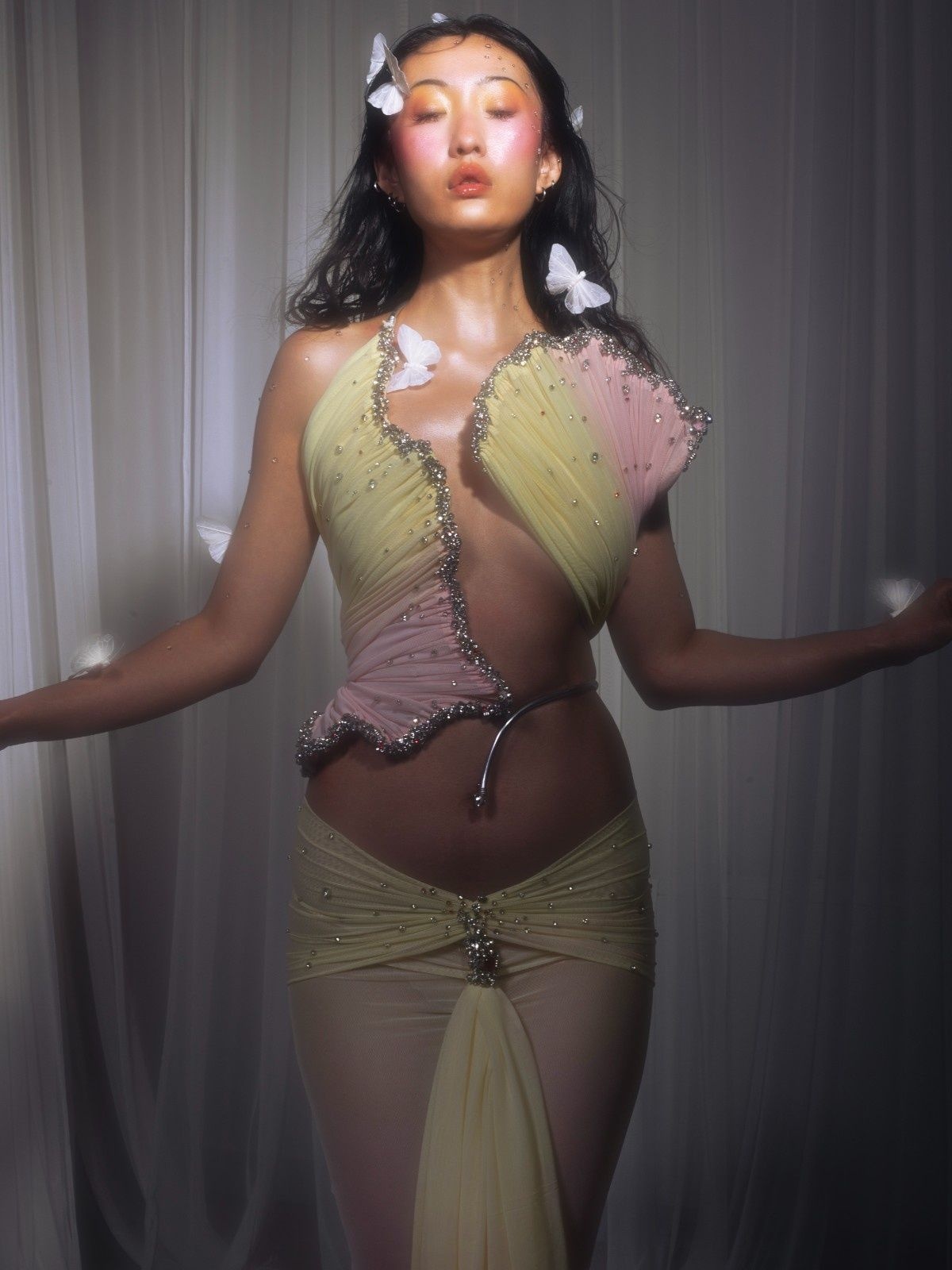
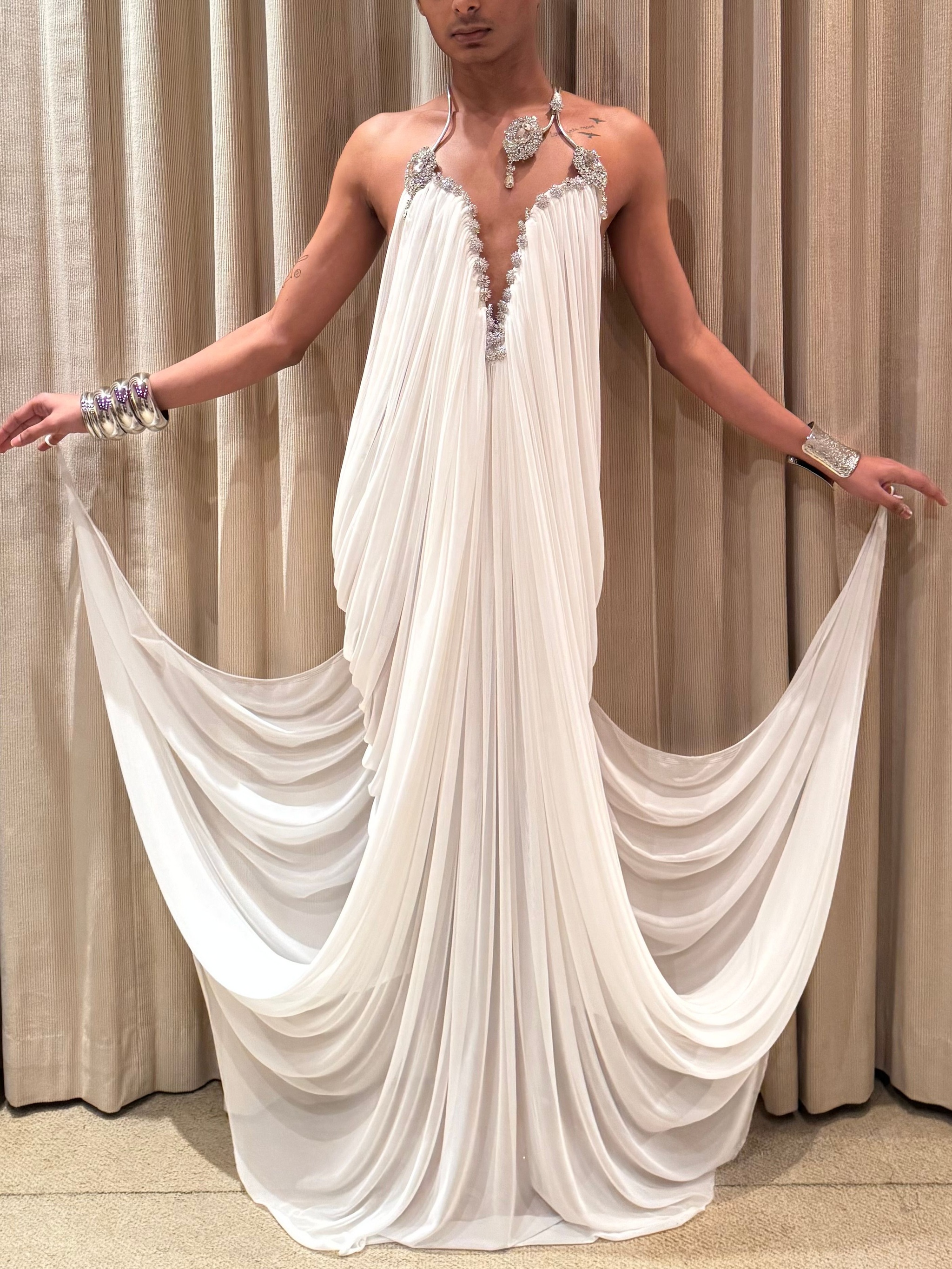
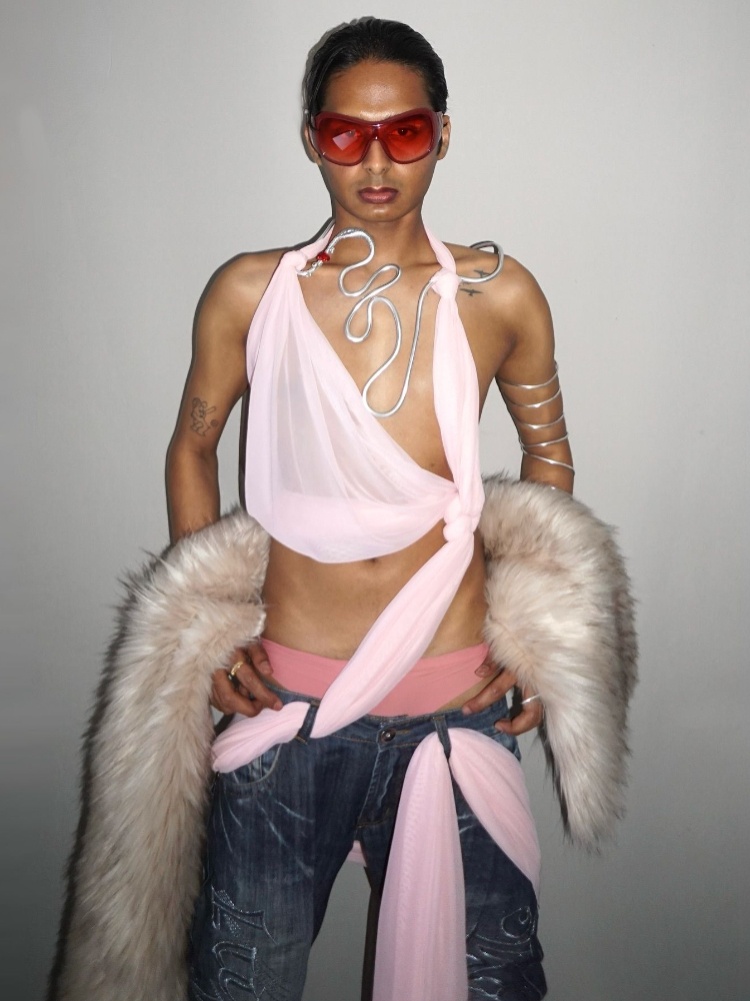
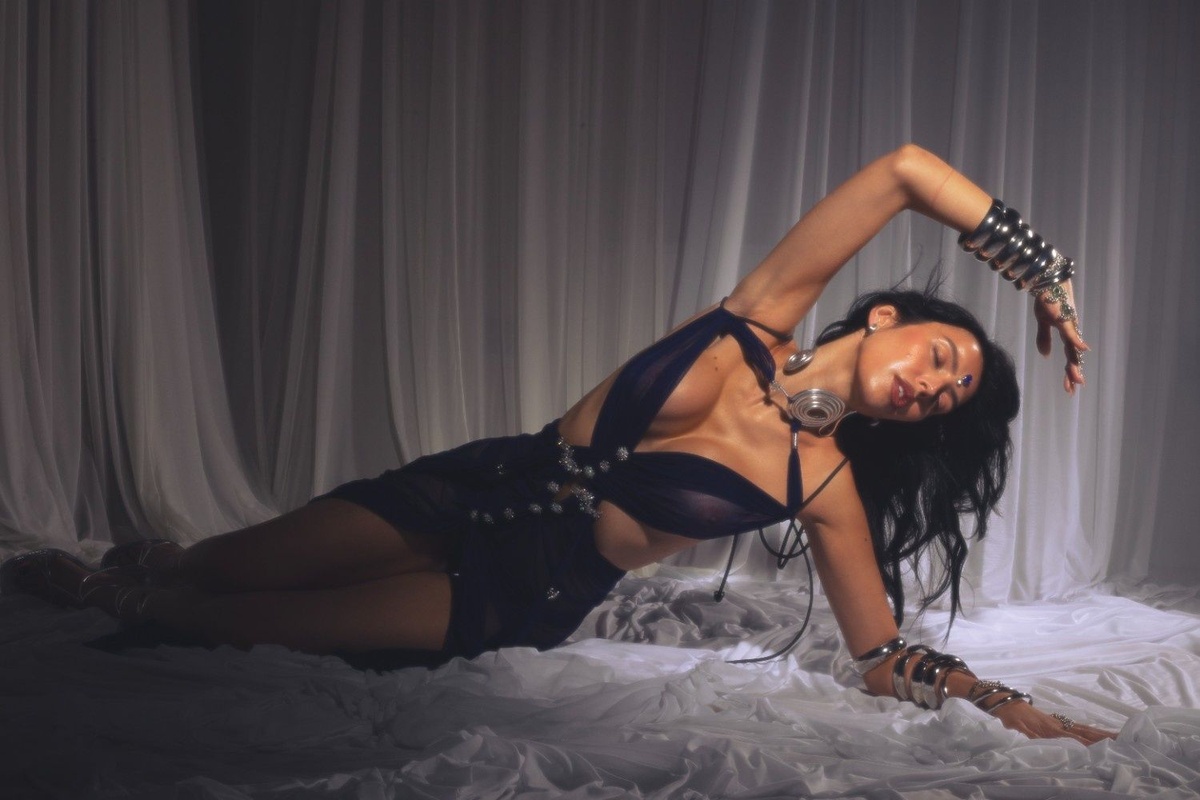
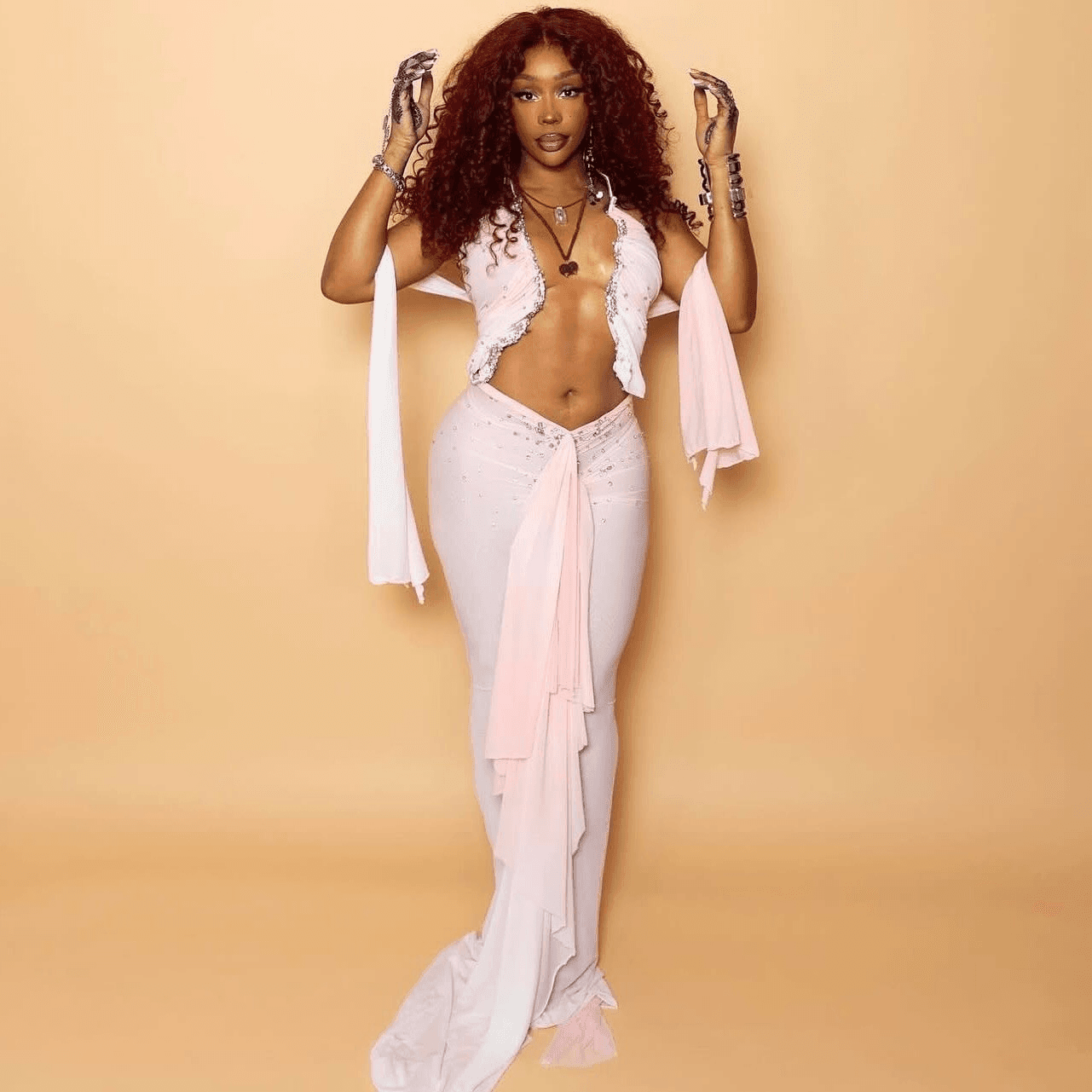
Why you should know him: If you caught the 2024 Grammys, you’ve already seen the sculptural results of Rohit Mane’s wire technique on SZA and Katseye’s Lara Raj. But the Rohmane story isn’t just about red-carpet placements; it’s about a very specific kind of technical resourcefulness. A self-taught structuralist, Mane spent his early twenties navigating medicine and engineering while secretly drafting fashion blogs and vlogs in the margins of his textbooks. The transition to design was less a pivot than an inevitability.

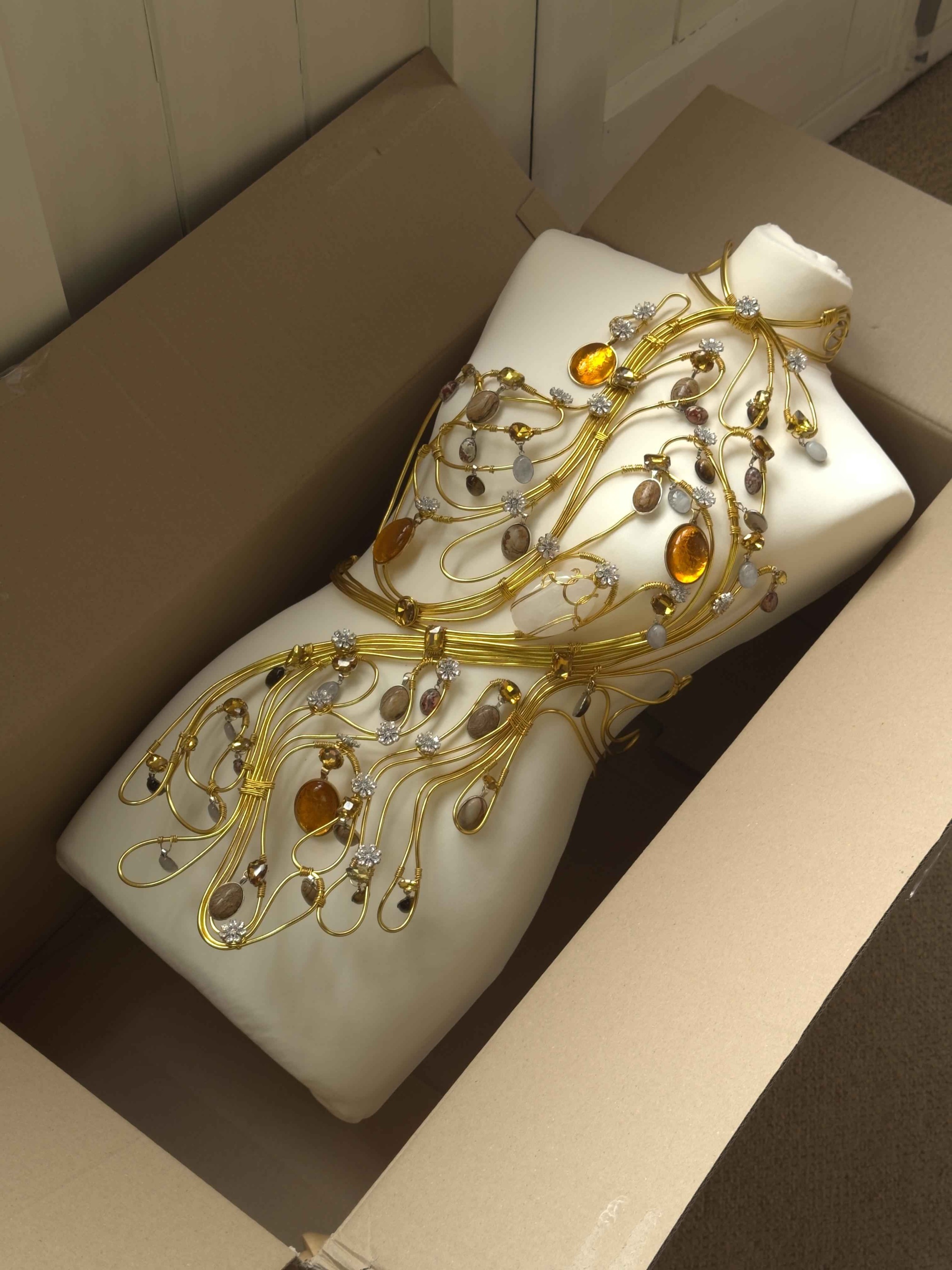
His brand DNA was literally built from the scraps of lockdown. In 2019, deprived of pattern-cutting labs and traditional fabrics due to online classes, Mane began experimenting with household objects, famously using a clothes hanger to skeletonise a yellow gown that would eventually define his aesthetic. Today, he sits at a high-speed intersection of London avant-garde and Y2K Mumbai kitsch. Whether he’s upcycling his mother’s vintage zardozi saris or clapping back at the industry for “Scandi-washing” Indian heritage, Mane is quietly recentring the dusky It-girl in a fashion landscape that has long relegated her to the background.
Fashion was always his calling: “I always knew I wanted to do something in fashion since I was very young. I used to draw and make sketches. I loved shopping with my mum. I just loved fashion. I had to tell my father, ‘You have to give me this chance; you cannot take it away from me.’ It took a lot of convincing, but I always knew that’s what I wanted.”

He locked in during lockdown: “My uni happened during lockdown, so I didn’t get to go to college. I learnt the theory, but I feel that’s the reason you see me using these unconventional materials, because they don’t teach you that in uni. I thought, you know what, I’ll do this garment secretly at my house. I won’t let them know what I’m doing or how I’m making it. So, I made that yellow gown I did, the first one. That’s how my brand DNA or aesthetic started, because the first time I did it was with a clothing hanger. It’s just something that came to me, and that became my thing.”

His biggest inspo is music: “I love to put the fabrics on myself and play some music that I like—usually Bollywood music. Then I love to play around with my body and see what kind of vibe I want the outfit to have. The process starts, and I know the product is done when I feel ‘Oh my God, yeah, it’s done now’. Without music, I don’t know if I can do what I do.”

The one sari he won't touch (yet): “I used to make my mum buy saris, even when I was a child, and she still brings so many different saris for me to make dresses from. You’ll see it in my upcoming collection: there are one or two dresses made from my mum’s saris. There’s still one ombré zardozi sari from my mum’s cupboard I haven’t cut into yet because I want to make sure I create something truly special.”

A dress inspired by ‘Lucky Boy’: “My upcoming collection is inspired by those 2000s remixes—like ‘Kaanta Laga’ and ‘Tu, Tu Hai Wahi’. Back then, it was so good to be a sexy dark-brown-skinned girl. I grew up watching Priyanka Chopra and Bipasha Basu; they were the ultimate blueprints for the It-girl energy I’m trying to bring back. Bipasha was the OG. I remember watching her songs like ‘Lucky Boy’—that specific sexiness is what I wanted to capture. The placement with Lara Raj at the Grammys was the most special one for me. That design was directly inspired by the sexiness I saw in those Bipasha songs growing up.”

He never really learnt patternmaking: “I don’t follow traditional methods of garment-making. I rarely start with patterns or fixed plans—I prefer to drape and let the piece evolve based on instinct and feeling. In five years, I hope people instantly recognise my take on mermaid silhouettes and the way they sculpt and elongate the body. If I had an unlimited budget, I’d experiment with real diamonds.”

How does he recharge? “I watch Studio Ghibli films.”

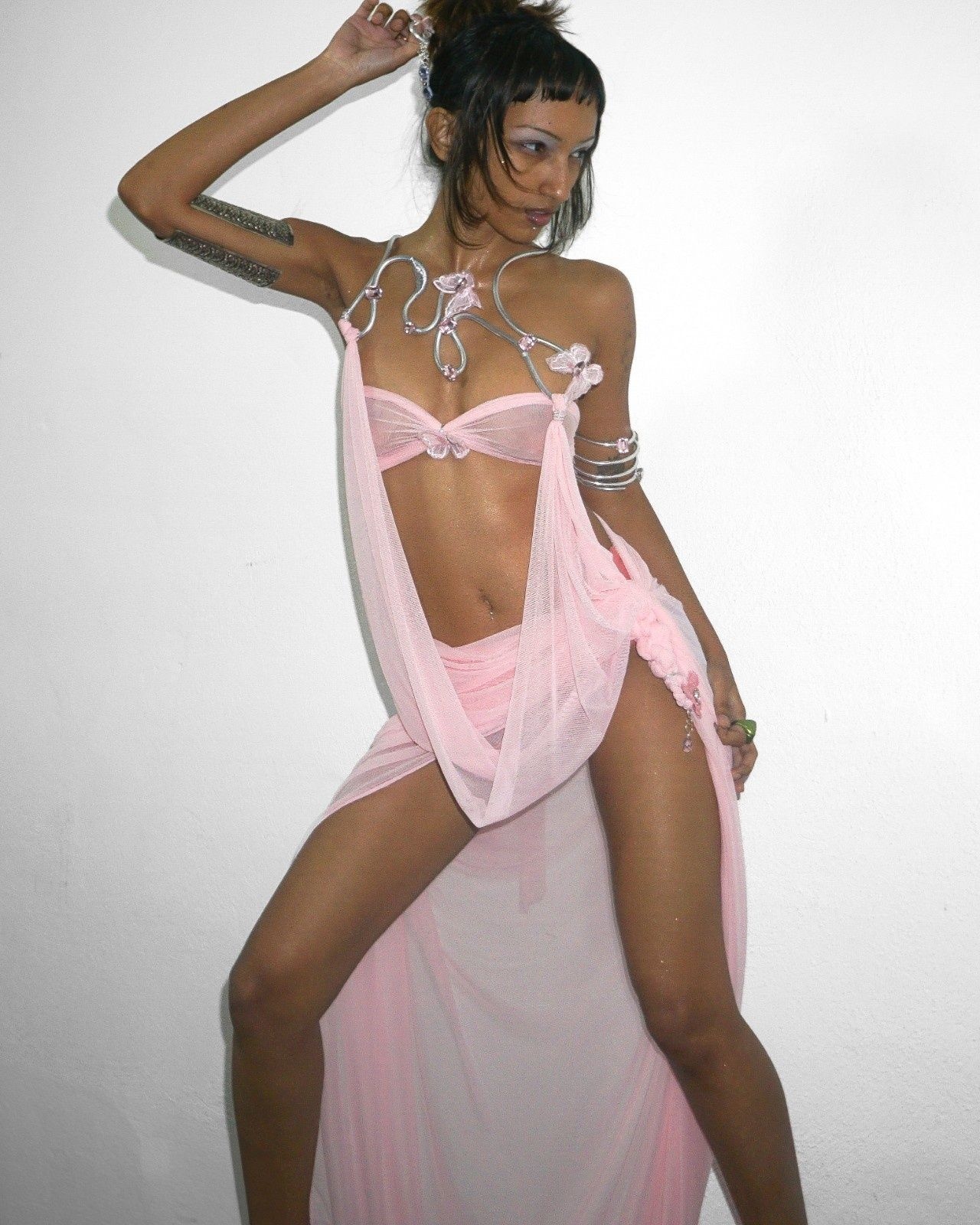
The McQueen, Mugler, and Manish matrix: “I like Alexander McQueen, but I feel very connected to Thierry Mugler. I can see the resemblances, not because I try to take from his work but because I can see what he stood for and how bold his designs were. I also like Manish Malhotra because we grew up watching all these amazing designs in Bollywood done by him. Y2K Bollywood is basically Manish. I love how he plays with colours… In the fishtail skirts that I make, you’ll see there’s this sense of a lehenga because I always give an odhani with the dress, even if it’s small.”

What’s in his closet? “I’m such a hoarder. I hesitate to give things away because sometimes fashion comes back. I like to recycle clothes. I even have a Bratz doll. I still wear my low-waist jeans—skinny low-waist jeans. If it’s low-waist, it’s cunty. And the naked dress? I love making them.”

What’s next? “My next collection is inspired by 2000s Bollywood remixes and the girls in the music videos. You’ll see references to those music videos in the dresses and in the shoot we’re planning. And hopefully, what’s next for me is a fashion show. I’m focusing on my work, but I know how hard it is. If you ask me which new-gen designers should get more recognition? Me. Why not? I’m here for that question right up front."

The Nod Newsletter

We're making your inbox interesting. Enter your email to get our best reads and exclusive insights from our editors delivered directly to you.