




Like most people visiting Cappadocia, I had spent the better part of my trip chasing the classics: wandering through ancient cave dwellings, marvelling at the fairy chimneys, and setting alarms for an ungodly hour in the hope of catching the region’s famous hot-air balloons. Except, on my second-last day, the weather had other plans. The balloon ride I’d been looking forward to was cancelled, and after an early wake-up call for nothing, I was tired, a little disappointed, and ready to head back.
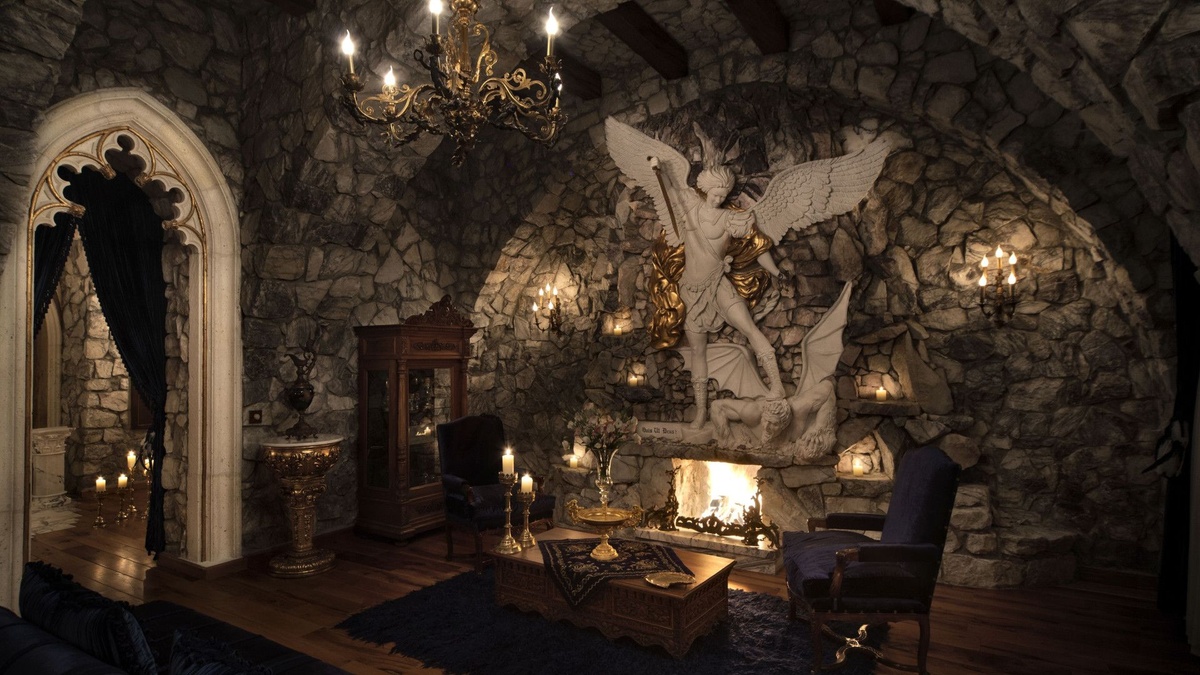
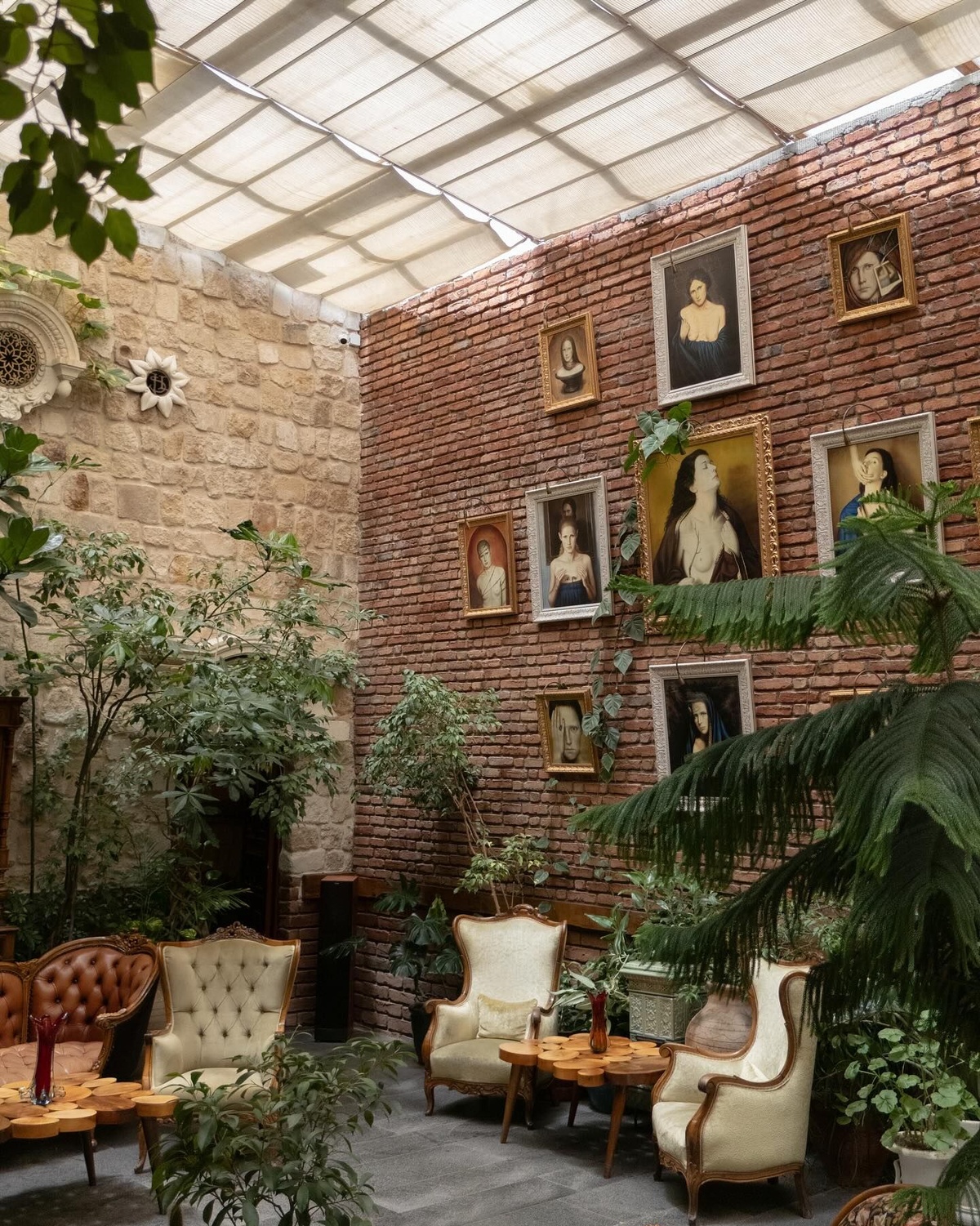
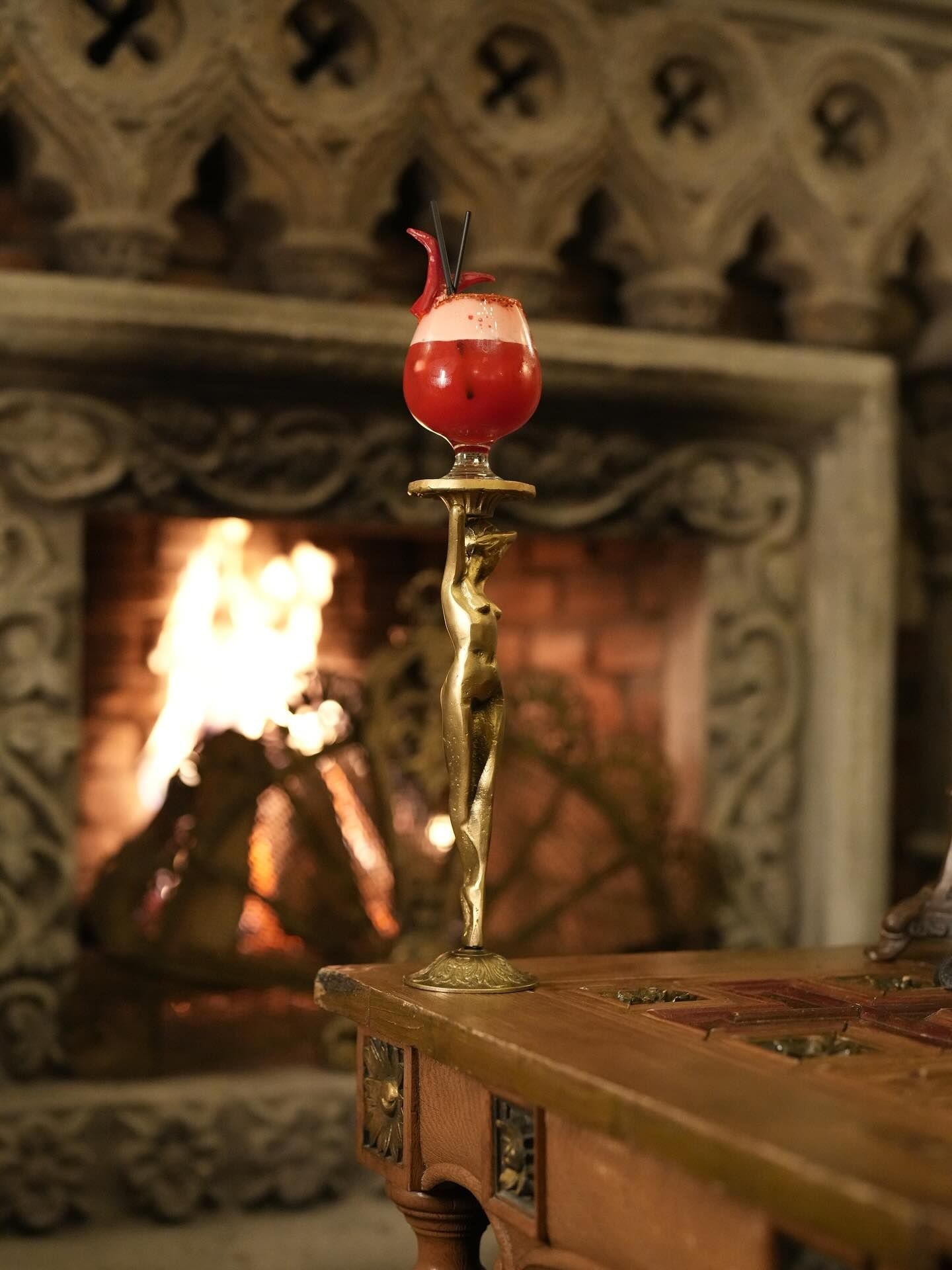
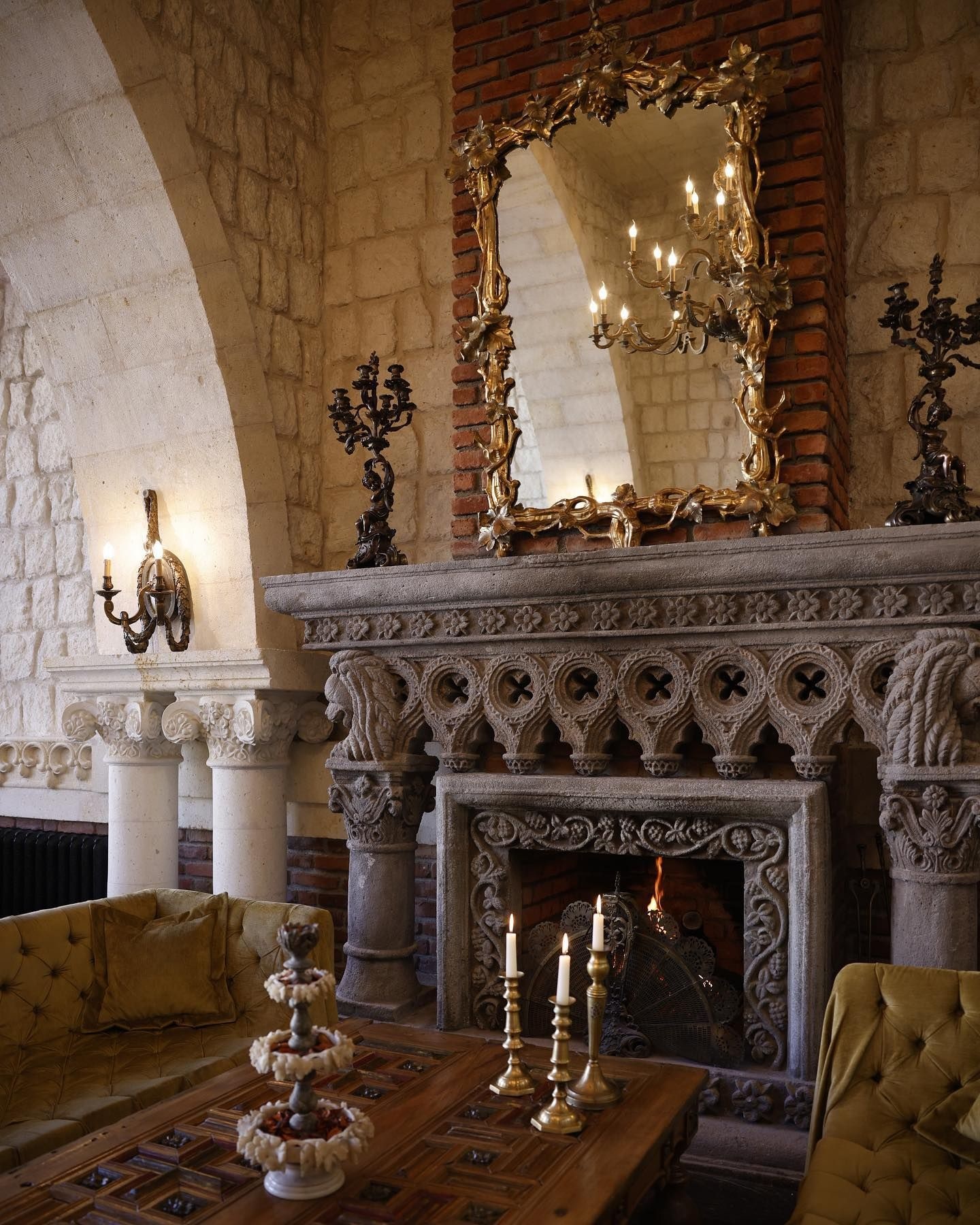
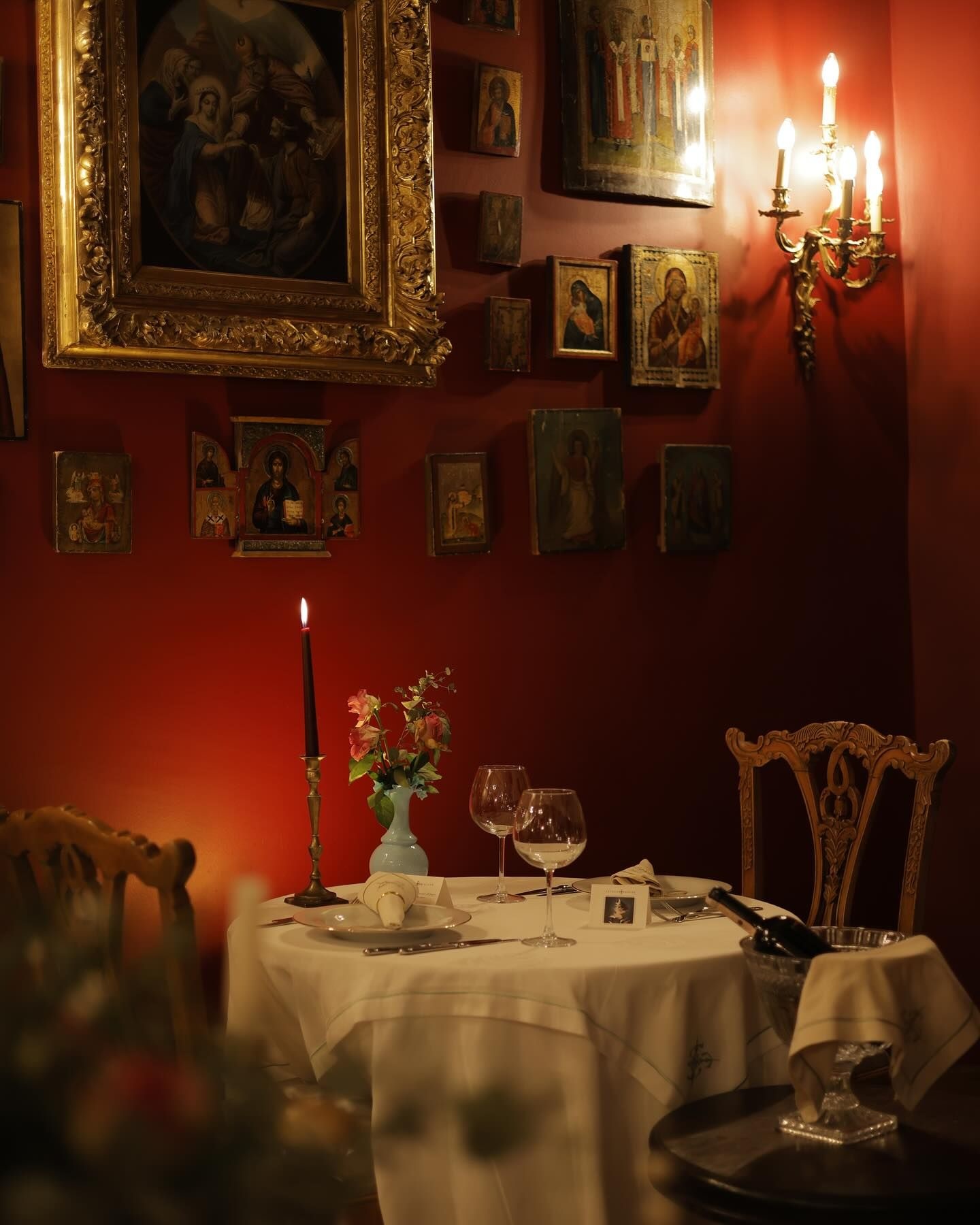
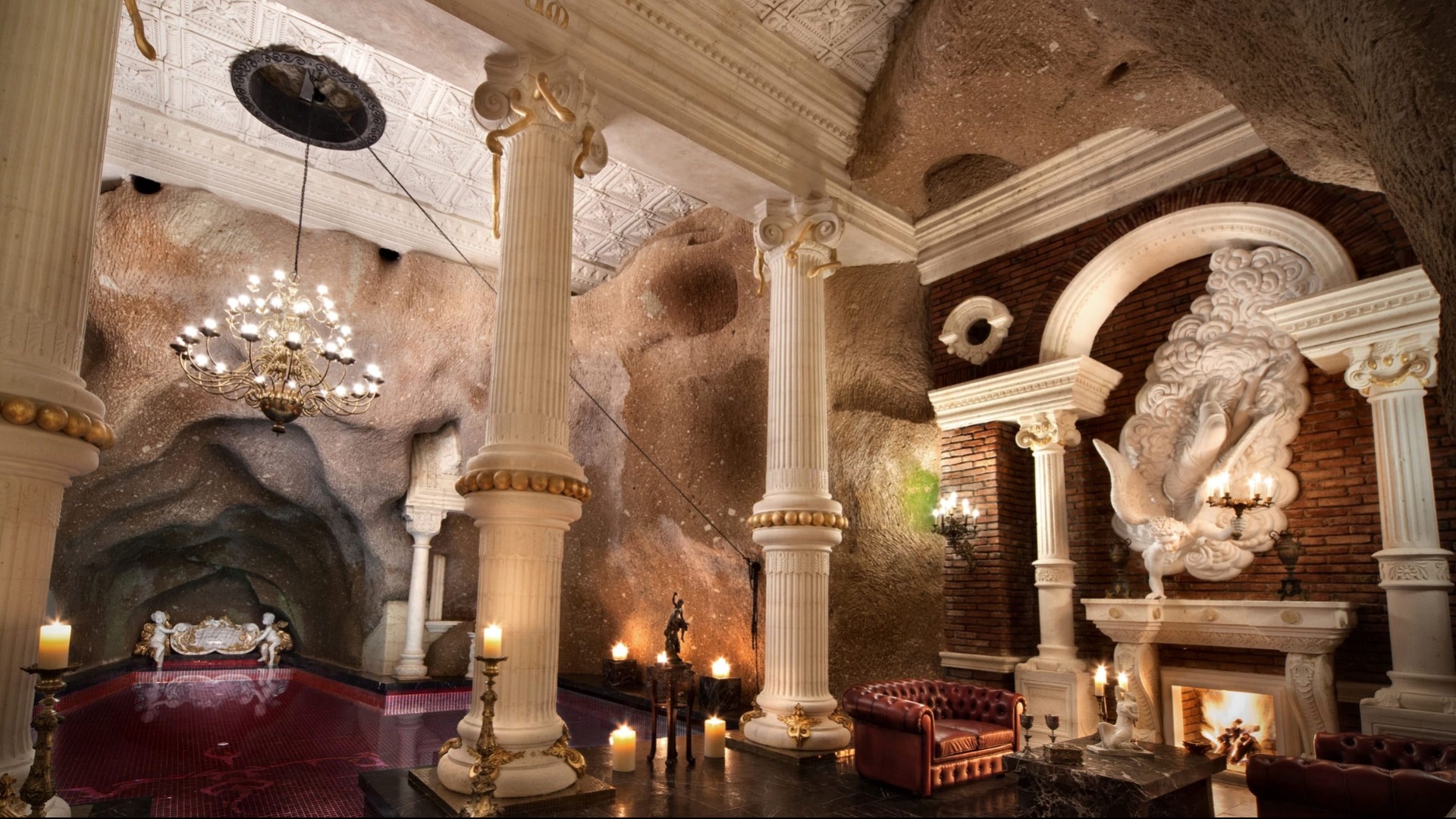
Perhaps our tour guide sensed the mood because, instead of calling it a day, he made one final stop for dinner at a boutique hotel tucked away on a narrow lane in Ürgüp. Like much of Cappadocia, the town is known for its cave dwellings, fairy chimneys, and sprawling vineyards, so I thought I had a fairly good idea of what to expect. From the outside, Sacred House looked like a charming old stone building, giving almost nothing away about what was waiting on the other side of its doors. I pushed open the heavy wooden doors and was met by candlelight, a towering marble statue staring back at me, and enough antiques and flickering fireplaces to make me instinctively look around for Count Dracula. After spending the day surrounded by Cappadocia’s warm, honey-coloured landscape, this felt like someone had smuggled a Gothic mansion into the middle of fairy chimney country. Inspired by Dante Alighieri’s Divine Comedy, particularly ‘Inferno’, Sacred House builds its identity around the idea of Heaven and Hell.
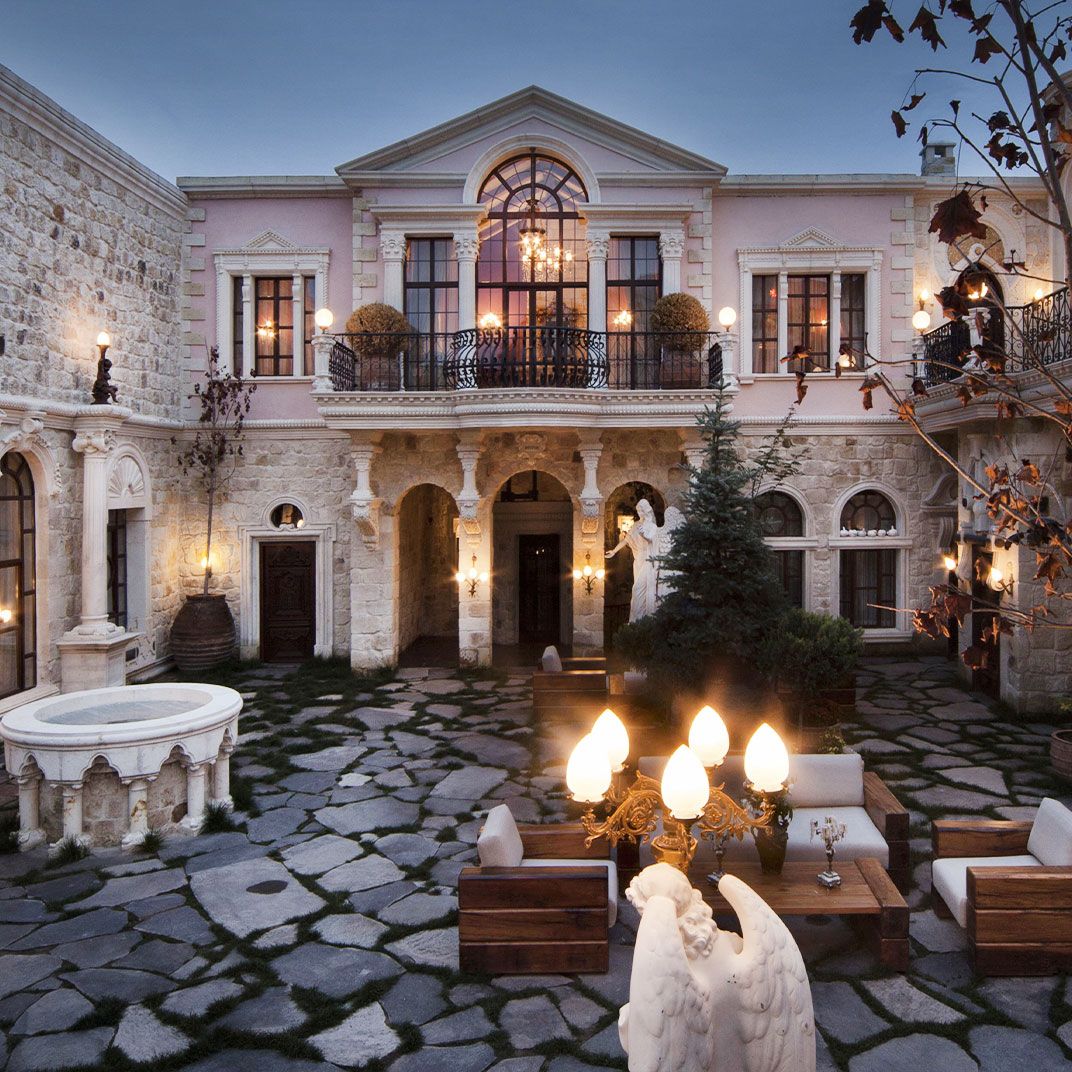
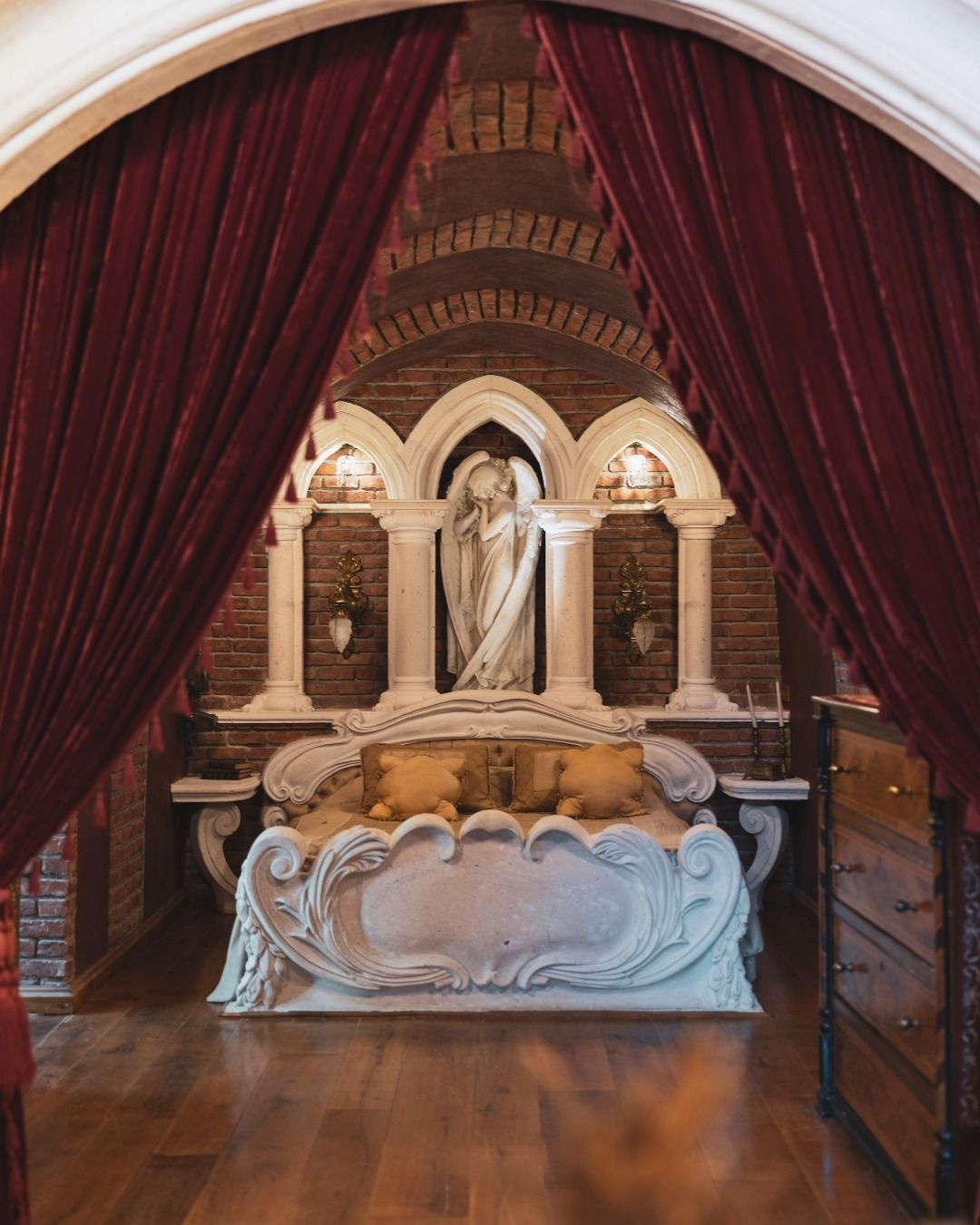
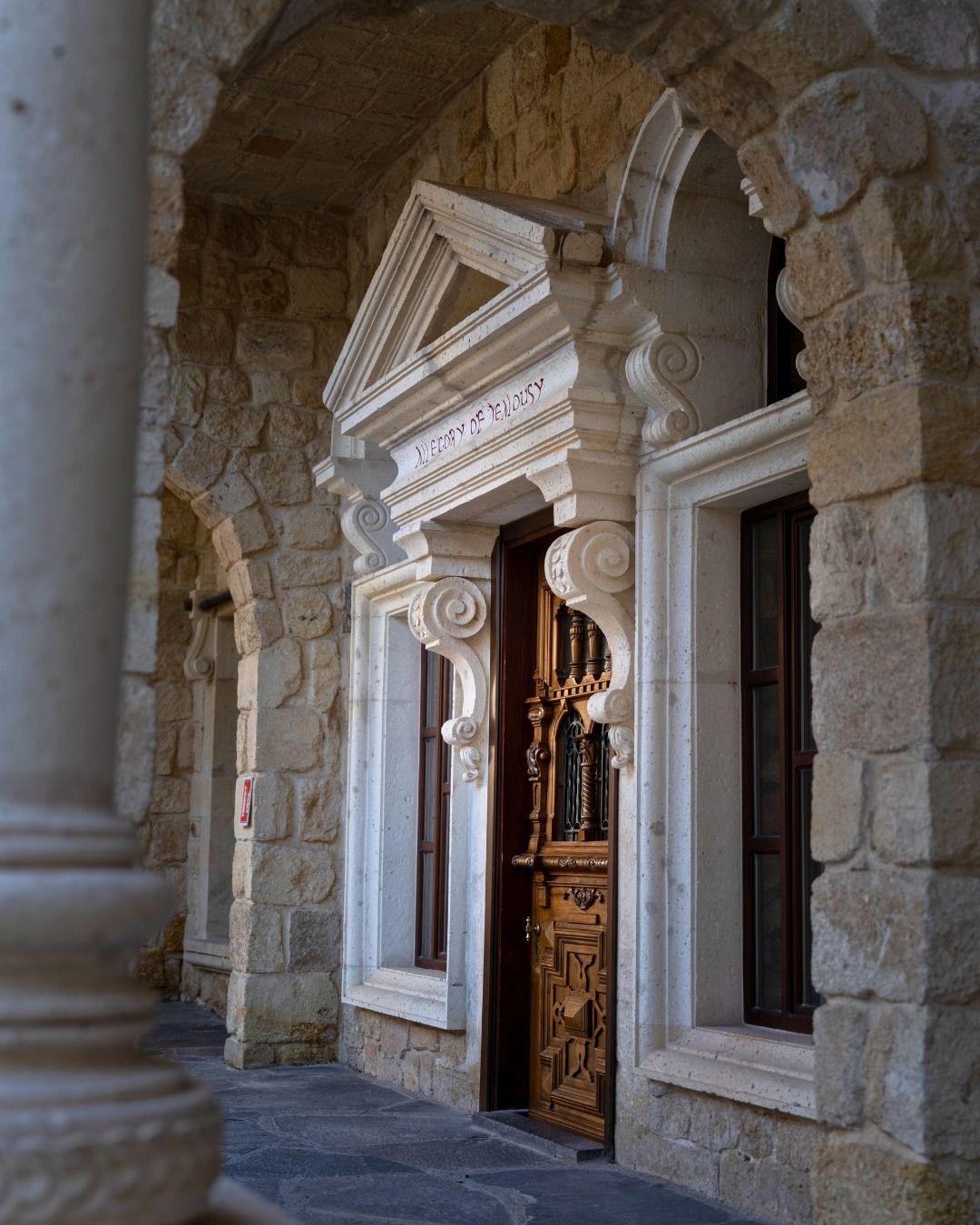
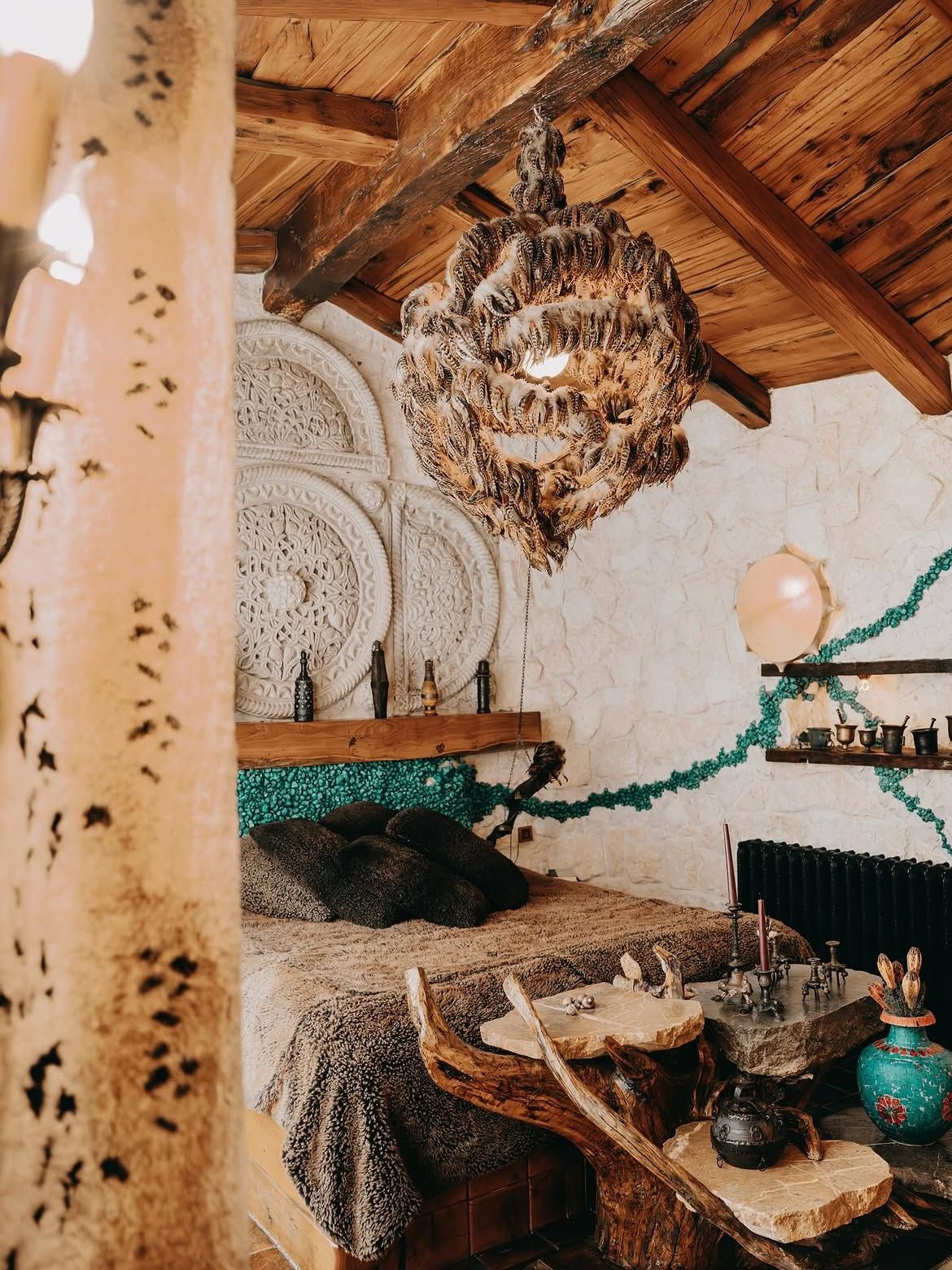
Sacred House, which has also been featured in the Michelin guide, is a 23-room boutique hotel housed inside a restored 250-year-old Greek mansion. But calling it a hotel almost feels reductive. Reimagined by owner and architect Turan Gülcüoğlu, every room is conceived as its own little universe, drawing on the eternal push and pull between heaven and hell, light and darkness. The suites range from Archangel, where winged sculptures and cathedral-like stone arches evoke a celestial sanctuary, to Bacchus Hideout, named after the Roman god of wine, with its crimson drapes, carved wooden bed, roaring fireplace and Gothic touches that wouldn’t look out of place in a vampire’s private chamber. Elsewhere, there’s the opulent Opium suite, the richly decorated Sultan suite, and the mystical Allegory of Jealousy and Byzantium Treasury suites. No two rooms look alike, but they’re all united by the same cinematic quality.