


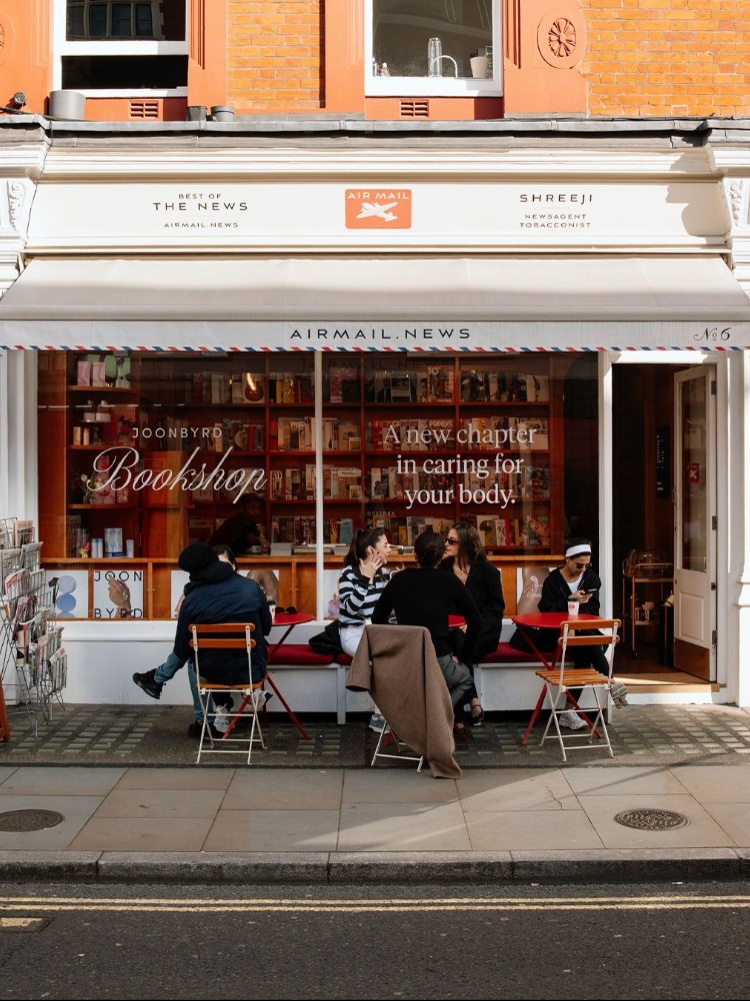

The bougiest corner shop in London has an India connection

How Shreeji News and Magazines became the city’s coolest rabbit hole for fashion people, book nerds, beauty brands, and anyone trying to cultivate better taste

Image

@shreejinews/Instagram

There is currently an entire corner of the internet dedicated to cultivating better taste. Substack essays about the “thought daughter era” keep circulating online, TikTok is full of people sharing their “media diets” instead of skincare routines, and everyone suddenly seems to be posting carousels titled ‘Things I consumed this week to fix my doomscrolling’ only to add to my endless scroll. Good taste now lives in everything around people too: the books on their coffee tables, the magazines tucked under their arms, the films they recommend, and the places they keep returning to.

And because everyone already has access to everything now, what people are really looking for is curation: somebody with enough taste, specificity, and point of view to tell them what is actually worth paying attention to. Few places capture that shift better than Shreeji News & Magazines.

The newsagent itself has stood on London’s Chiltern Street since the 1950s, but its current chapter began in 1982 when the current owner, Sandeep Garg, took over the business. Over the last few years, it has evolved into one of those rare places that people in fashion, beauty, publishing, and design keep returning to because it feels thoughtfully edited rather than endlessly stocked. Somebody has clearly considered why something deserves to be there before putting it on a shelf.

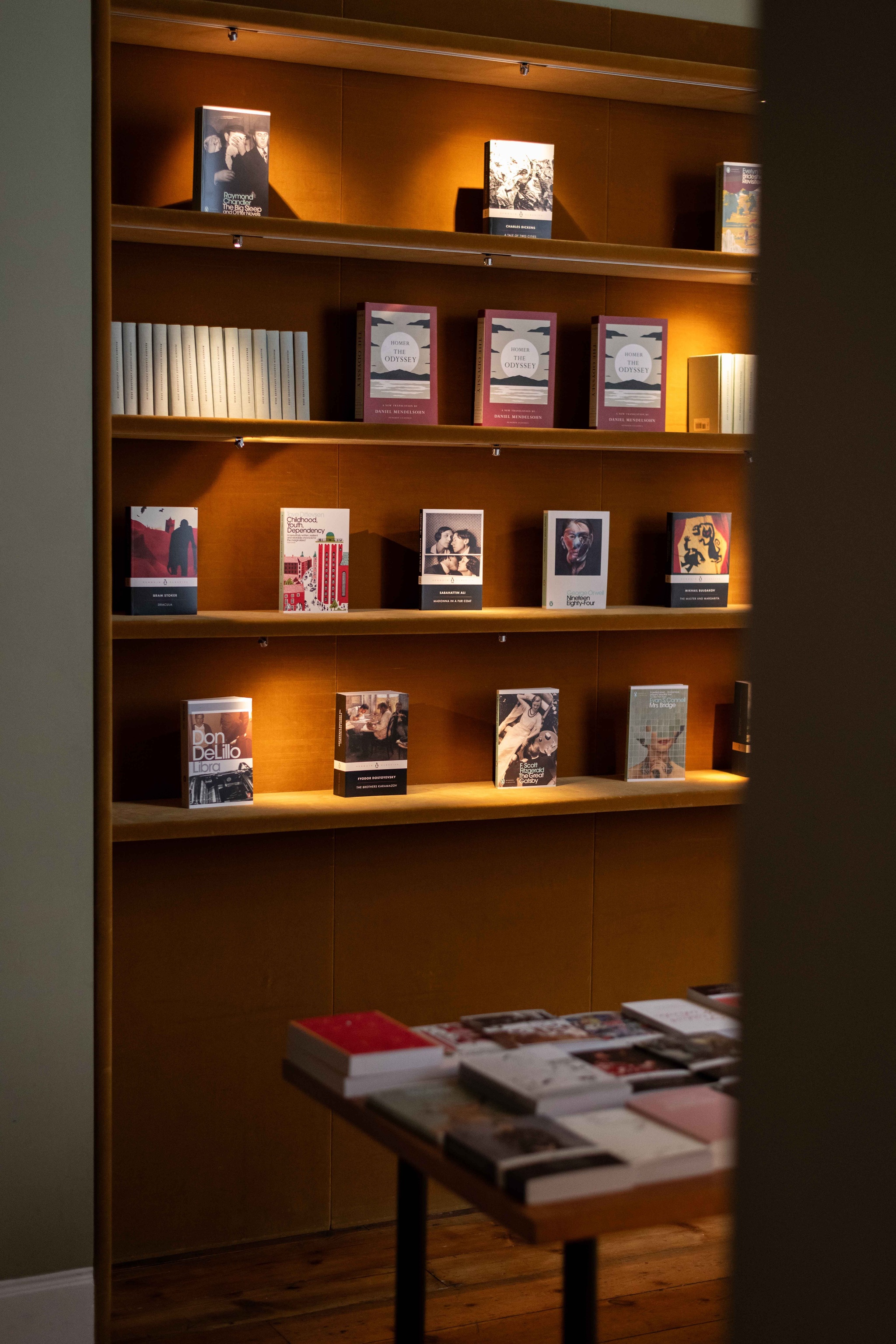
Garg first started helping at the store when he was 17. His family had moved to London because of his father’s diplomatic work, and what started as a part-time gig during school holidays slowly turned into something much bigger. “And then we ended up buying the business,” he says. Over time, he began expanding the store’s range of international publications, bringing in niche advertising, media, fashion, and culture titles that were difficult to find elsewhere in London. That instinct for curation still shapes the store now. “We just haven’t opened a space and put things on a shelf where we have no understanding. The selection is there because of its contents and presentation,” says the knowledgeable Garg.

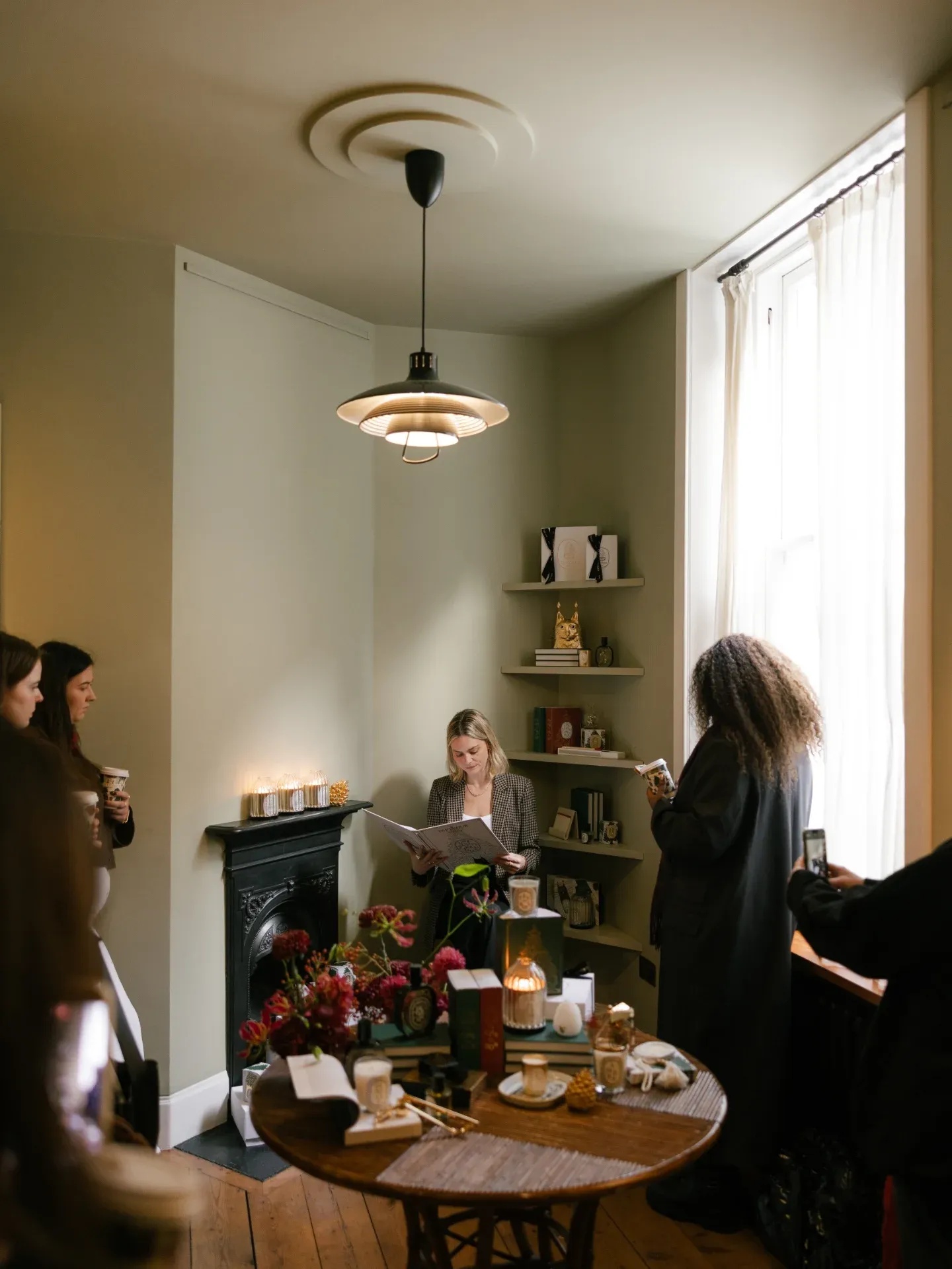
A big shift came during the Covid-19 pandemic, when Garg partnered with husband-wife duo Gabriel Chipperfield (also the son of architect David Chipperfield) and Laura de Gunzburg to redesign the space. The 2020 revamp added coffee service, a pastry bar, a reading room, and space for events, turning the shop into the coffee-and-conversation spot it is now known as today. Since then, they have hosted events by the biggest media companies and the fanciest luxury brands at what is now the chicest magazine spot.
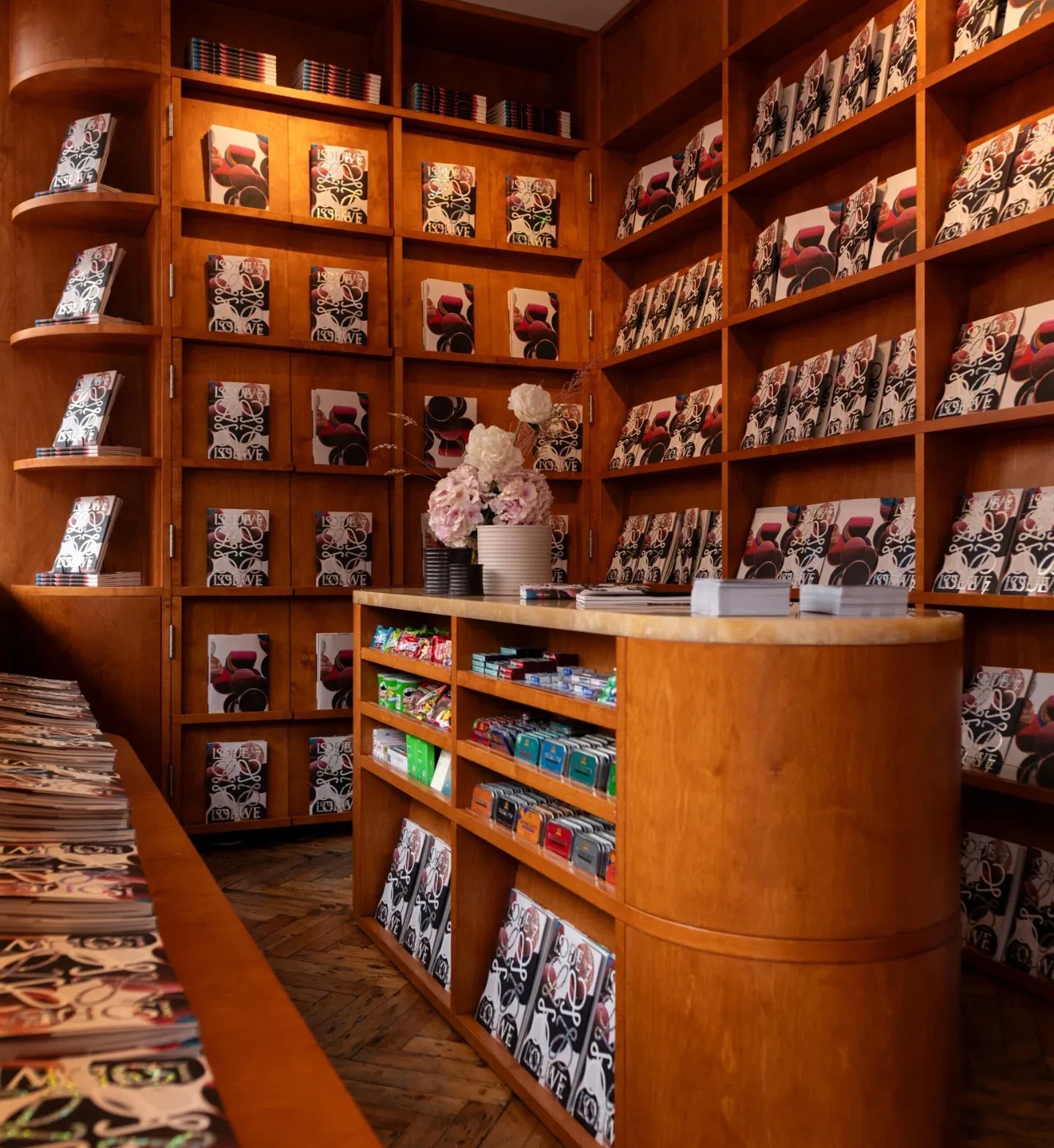
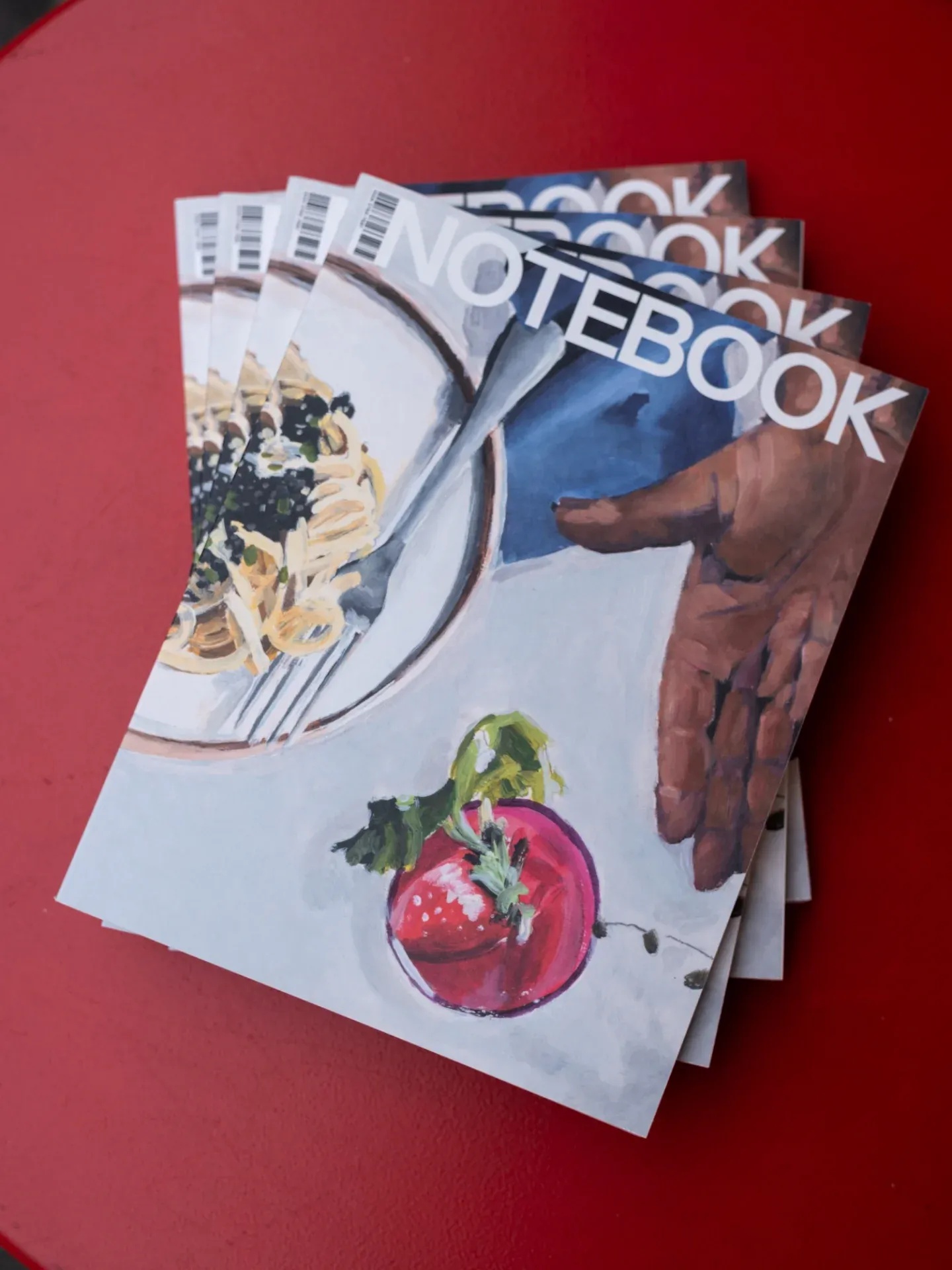
More culture concept store, less magazine stand, you could easily spend half an hour at Shreeji just picking up increasingly specific publications you did not know existed five minutes earlier. There are Assouline books dedicated to iconic hotels, Mubi Notebook exploring the relationship between food and cinema, and translated Japanese magazines like Casa Brutus diving deep into 40 years of Super Mario Bros lore with the seriousness of a fashion archive. The fun of the place is that nothing feels random. Every title feels like it has been chosen by somebody eager to send you down a very specific rabbit hole.

Ask Garg what excites him currently and the answers immediately reveal why fashion and beauty brands are drawn to this space in the first place. There is Japanese magazine Popeye, famous for its hyper-specific approach to clothes, interiors, travel, and everyday routines; Apartamento, which turned ordinary people’s homes into design obsession material long before the internet became fixated on aesthetics; and fashion industry favourites like System and Acne Paper, publications that people collect as much as they read. Garg says one of the turning points for the store came when they hosted a System magazine event, which opened the door to a completely different kind of audience and eventually helped shape the collaborations and takeovers Shreeji is now known for.

“I don’t necessarily stock things because I know there will be a demand for it,” Garg says. “I do it because I feel people need to be guided and educated about publications they are not aware of and it supports emerging titles.”

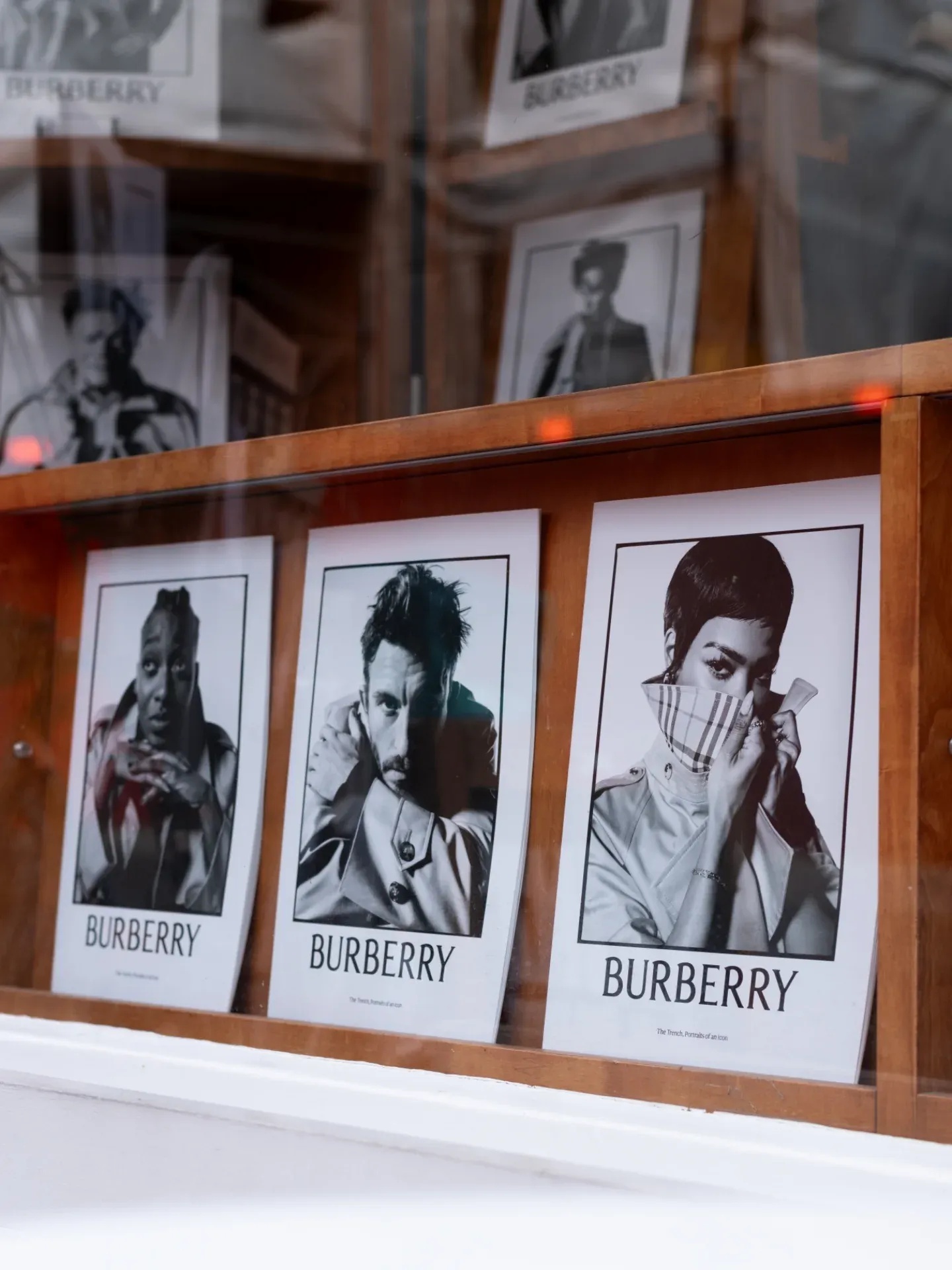
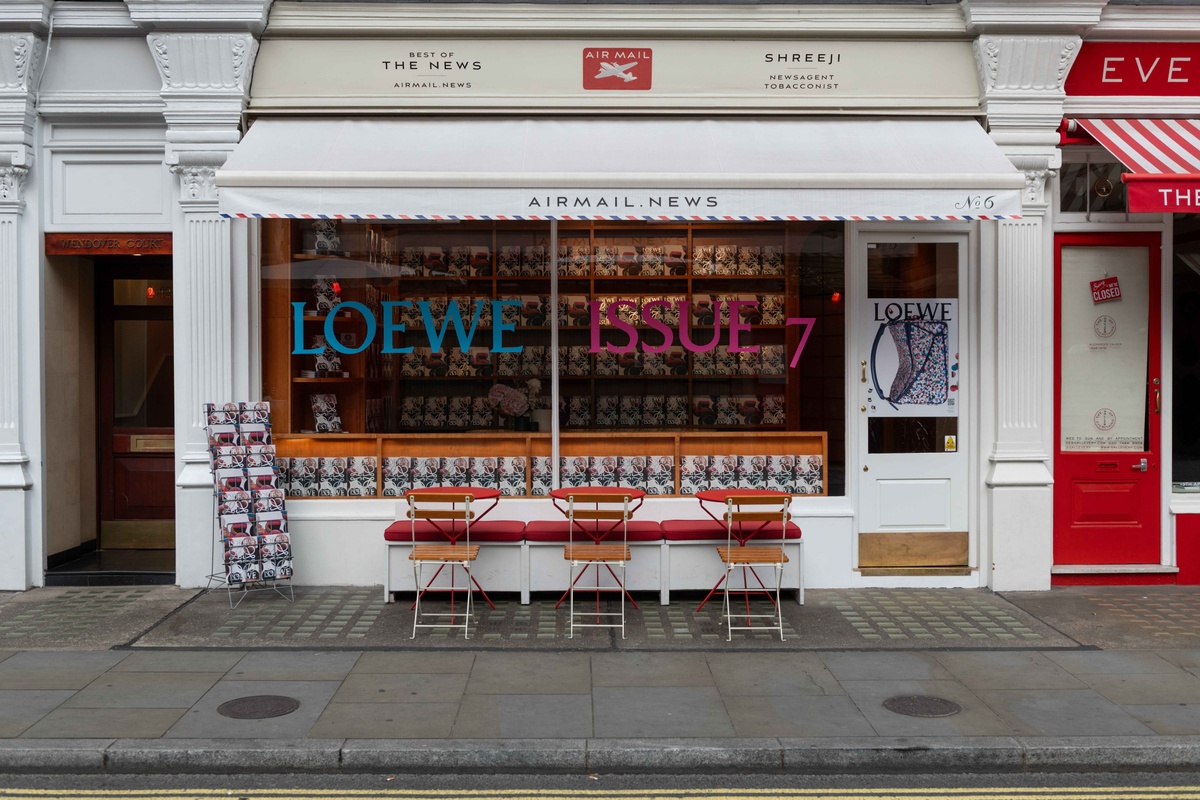
That curatorial credibility is also why brands increasingly want to be associated with the store. Jimmy Choo partnered with Air Mail on exclusive London and Paris city guides at the store (you can even read Graydon Carter’s online magazine here for free at one of the many iPads around the space), while a recent Bottega Veneta takeover saw complimentary fanzines disappear within four hours. Earlier this year, Burberry celebrated 170 years of the trench coat with exclusive copies of The Trench, Portraits of an Icon, alongside a takeover of the store’s awning. Elsewhere, brands like Diptyque, Le Labo, and L’Occitane have all hosted fragrance launches, print drops, and pop-ups within the space. This month, there are also more London Fashion Week collaborations currently under wraps.

Part of the fun is that the store never quite looks the same twice. The awning changes constantly; the windows are reworked every few weeks, and the displays shift depending on what is happening inside. Over time, the storefront itself has quietly become one of the most photographed spots on Chiltern Street.

London-based fashion writer Navaz Batliwalla says the appeal lies in how naturally the space allows brands to express personality. “They’ve had a Polo Ralph Lauren zine event, with complimentary zines and branded coffee that aligns with the Ralph Lauren lifestyle ethos but in a different space,” he explains. “And the niche knitwear brand & Daughter held a really fun pop-up that could express their personality in a physical space, which is so important for an online business that doesn’t have their own stores.”

Batliwalla says that selectiveness is exactly what originally made the store stand out. “At the time, we didn’t really have those sorts of interesting magazine shops,” he says. “You just had bog-standard newsagent’s magazine shops that sold the usual kind of titles. This was smaller but very curated or selective. It really felt like an interesting destination.”

While the world is mourning the death of print, Garg says the biggest shift he has noticed today is that magazines are no longer treated as disposable objects. “People are publishing less often but making sure that they have a really good product when it comes out,” he says. “What magazines represent now is not really a magazine what we used to know 20 years ago, 30 years ago,” he adds. “There’s a lot more research.” The audience has changed too: “I would say between 25 to 35,” Garg says when asked which age group seems most interested in print right now. Part of the appeal is accessibility. While luxury fashion continues to get more expensive, magazines and zines offer younger audiences another way into those worlds. “It’s almost like owning a piece of the brand,” Garg says.

And perhaps that is what makes Shreeji feel so relevant right now. In a digital world overwhelmed by content, recommendations, and algorithms constantly telling people what to consume next, places with a strong point of view suddenly carry far more value. In an age where you’ve seen everything there is to see, Shreeji still reflects a sense of discovery. Or as Garg puts it, “The front of the store never lets you understand what the back could be. So, it’s a bit like Alice in Wonderland. You come through one door, you come into another, and you see something completely different.”

The Nod Newsletter

We're making your inbox interesting. Enter your email to get our best reads and exclusive insights from our editors delivered directly to you.