



Weddings05 Dec 20255 MIN

This designer-entrepreneur couple swapped the sangeet for bhajan clubbing

Also on Shubhika Sharma and Harshil Karia’s event lineup? A paint-and-sip party instead of a reception

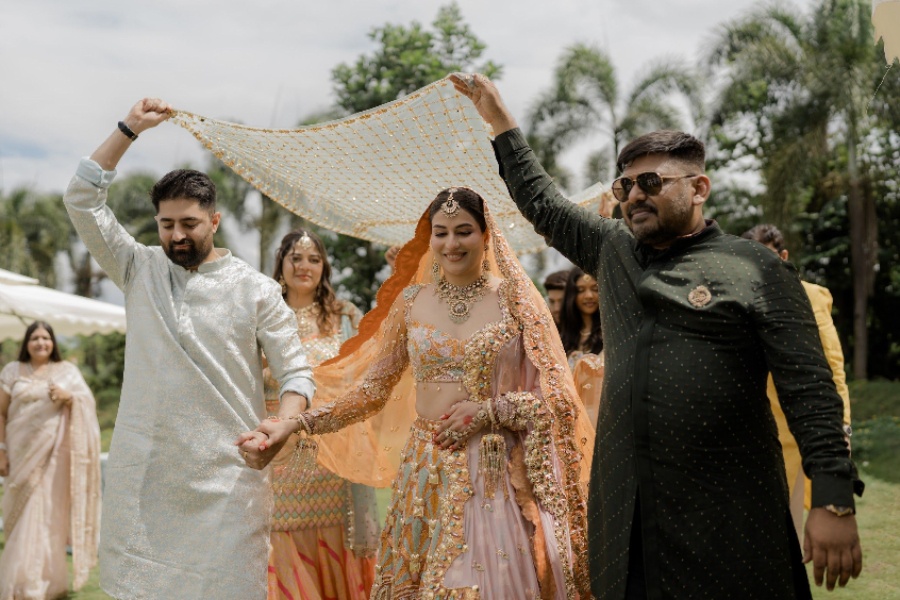
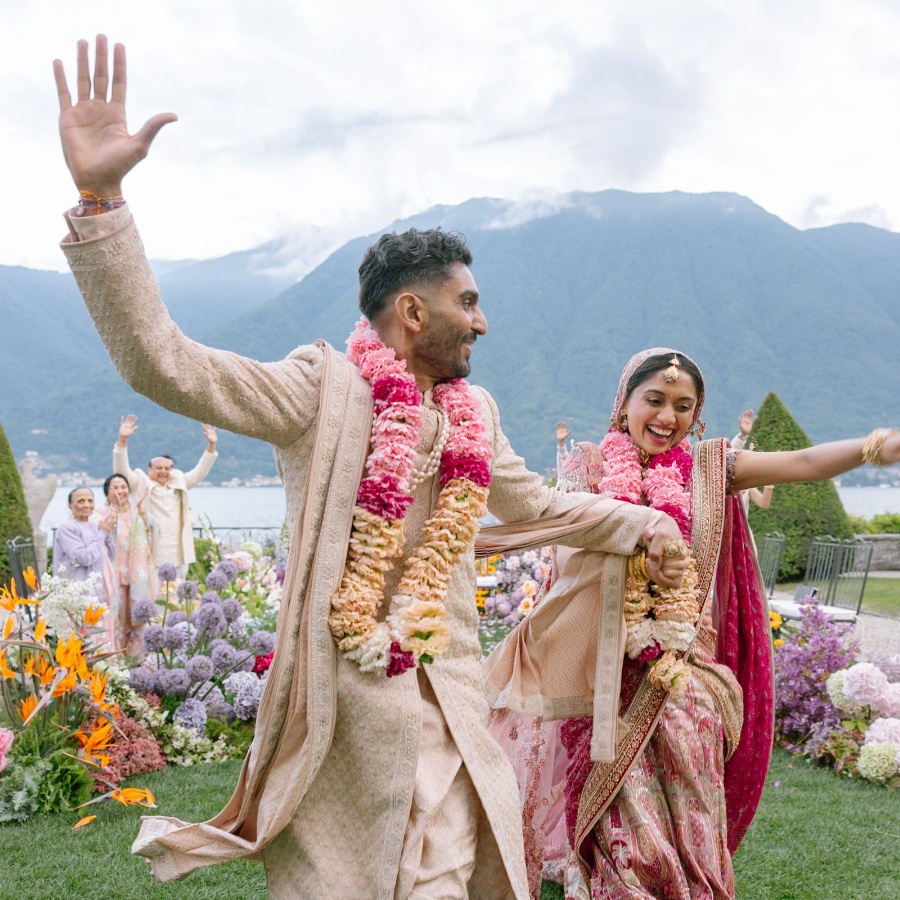
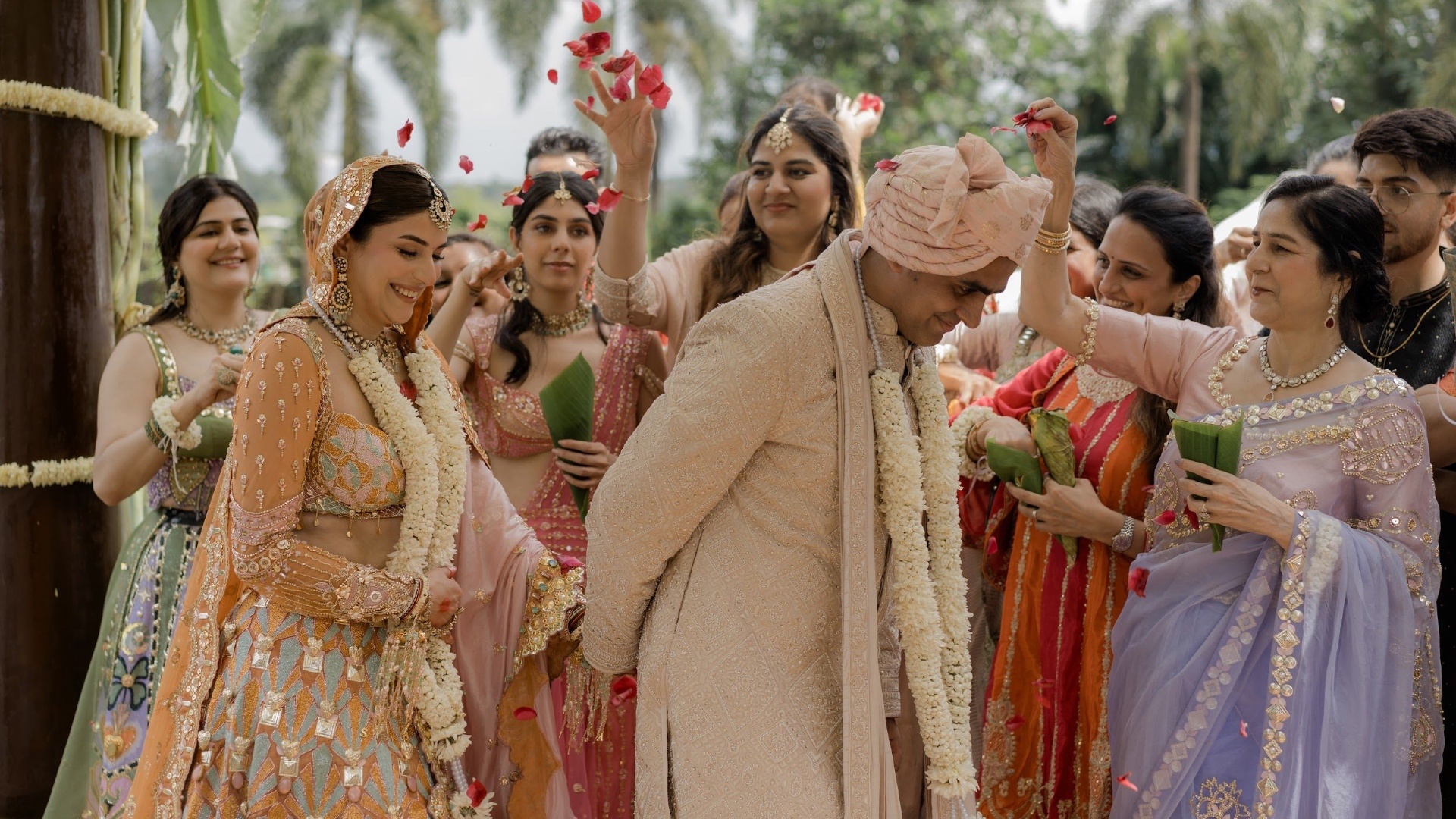
Shubhika Sharma and Harshil Kalra's picture from the pheras

Karma Productions

Over the years, Papa Don’t Preach has built such a distinct visual identity that you can always point it out amidst a sea of sweeping lehengas. The neon-soaked, punk Barbie ensembles with delicate glass beads and sequins have become a staple on bridal moodboards. The brand’s flagships also embody this surrealism with hobbit-hole windows and fairytale facades. So, of course, when you hear that Shubhika Sharma, the founder-designer, is tying the knot, you expect the wedding to be a maximalist explosion complete with themed evenings and high-glam decor to match.

Well, the reality is quite the contrary. When Sharma and creative entrepreneur Harshil Karia set a date for the end of October this year, the couple had less than a month to plan the wedding. The venue—Karjat’s Oleander Farms—was finalised three weeks in advance, the guest list was limited to 75 close friends and family, and the bride designed the invites on Canva(!). Her wardrobe was custom Papa Don’t Preach, naturally, while the groom bought his sherwani ready-made from a high-street store two nights before the event rolled around. “People assume our wedding would look a certain way, but actually we’re both very chill in our personal spaces. We have so much to manage at work, so when it comes to our events, family or time together, we have decided not to complicate it,” Sharma, 38, says.

Walking the same path

This rejection of frills and fancy and a shared quest for calm shapes the couple’s relationship. “When we got together two years ago, we were both seeking spirituality, and that took us on a journey to places like Rishikesh and Auroville, where we found resonance. These experiences brought us closer and finally led to a wedding,” shares Sharma, adding that the pair originally considered getting married at a temple in the mountains.

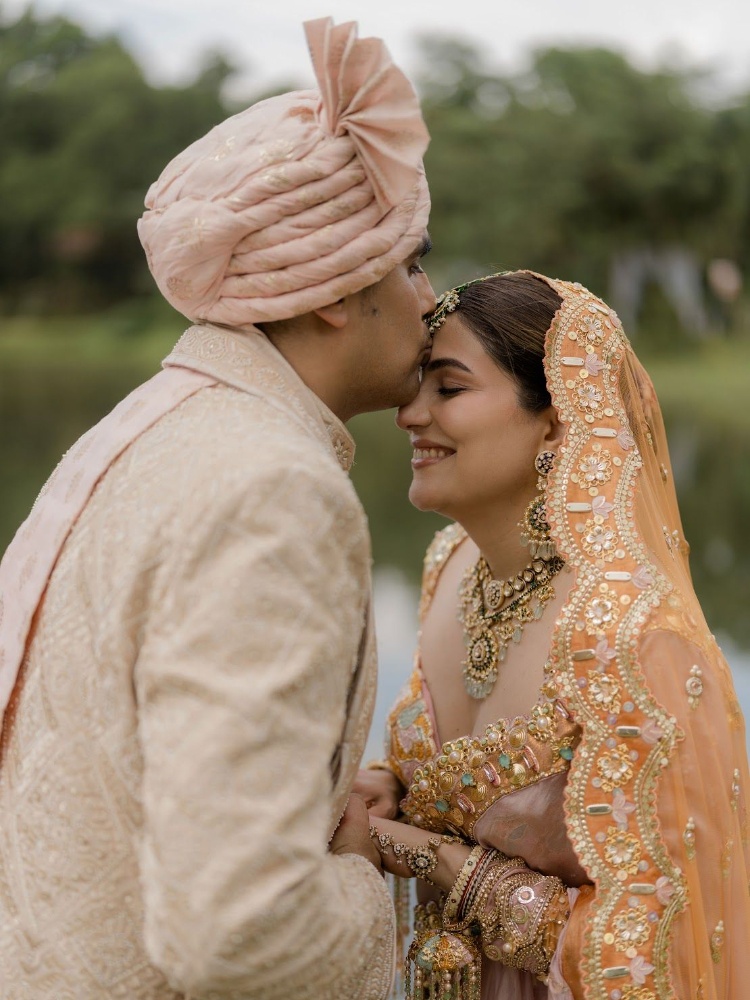
Shubhika Sharma and Harshil Karia at their wedding
The bride and groom at their mandap at Oleander Farms. The wedding design was by Amit Decor and Events, executed by Clinton Lobo and Company

Karia chimes in that they first crossed paths decades ago, in 2007. “We were at Jai Hind College [Mumbai] together. I still remember the first day I saw her—I couldn’t take my eyes off her… I was enamoured, but I didn’t pursue it. Over time we stayed in touch through social media and exchanged pleasantries once in a while. When I heard she was separated, and I was already separated, I decided to take my shot,” shares the 38-year-old founder of tech company Schbang and wellness startup Level SuperMind.

On the (bhajan) dance floor

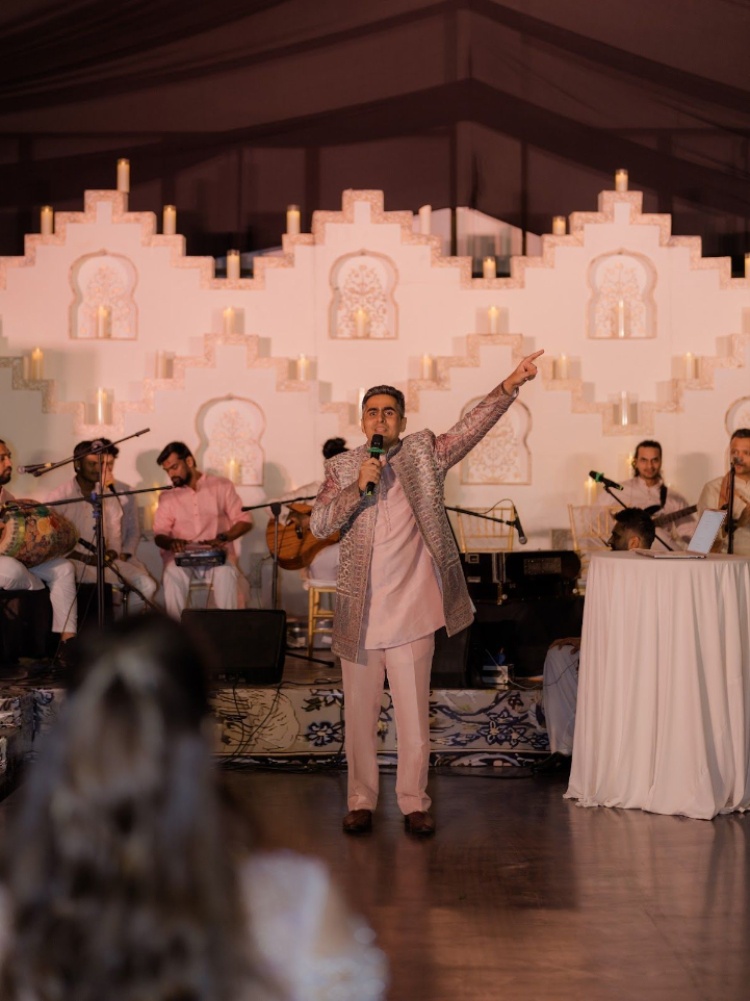
After introducing their families, when the couple finally decided to get married in April, there was no glamorous proposal or celebration in queue—just an announcement to the people closest to them and a sparkling diamond ring, with three solitaires set on a platinum band, for proof. This spirit of good energy over a grand party dictates how Sharma and Karia approached the wedding events too. Instead of a high-octane sangeet or cocktail, as is the norm today, the duo chose bhajan clubbing. No, seriously, it is exactly the trend that Gen Z is presently obsessed with but at a wedding: people gather to jam to spiritual hymns. The groom’s friends Kirtan Mumbai, a well-renowned divinity band that reimagines bhajans for new-age parties, performed live to kick off the festivities.

“Marriage is a celebration of people coming together, and a kirtan makes people chant in unity. So, we really moved in that energetic feeling of people singing their hearts out and vibrating at the same frequency,” Karia explains. To clarify, this is nothing like the old-school kirtans from your grandmother’s era: no women with pallu-covered heads sitting coy and demure in the audience. Picture loud sing-alongs, head banging and live percussion. Anticipating a night of dancing, the bride chose a breezy ivory PDP lehenga with a burst of lilac, pink and yellow work, while the groom wore a peach kurta set with a bandhgala layer.

Typically at a sangeet, you will find the couple in the spotlight seated on designated thrones as the families perform for them, but Sharma and Karia doubled as hosts for the evening, passing the mic around and encouraging people to join in, “It broke the ice and really set the mood for the pheras the next day,” Sharma adds.

A monsoon-edition phera

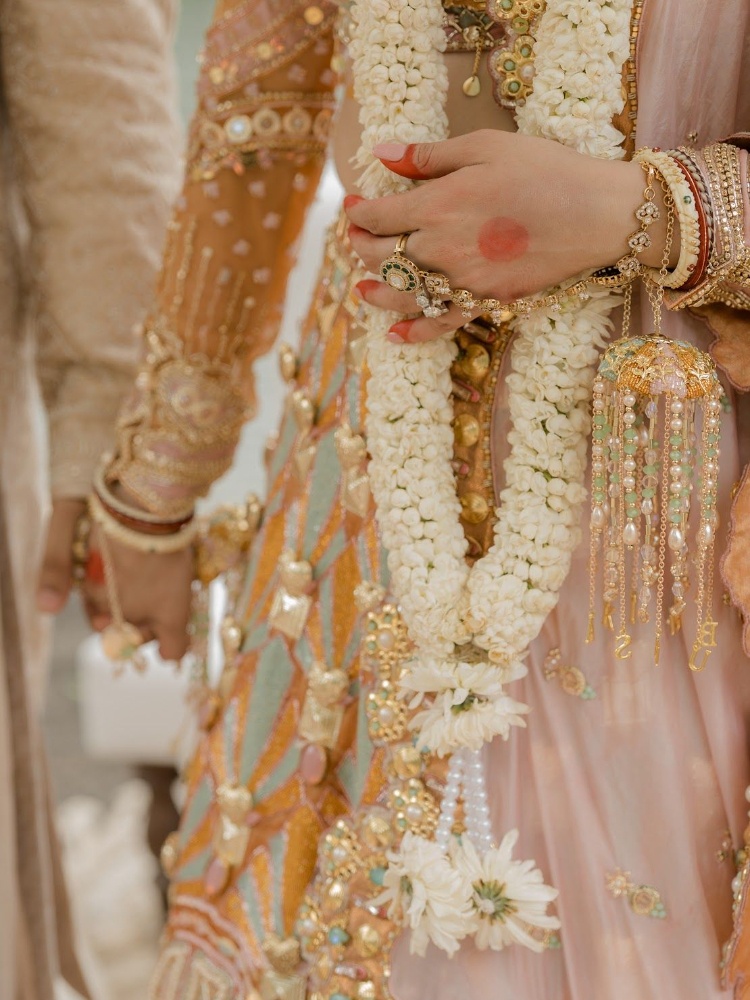
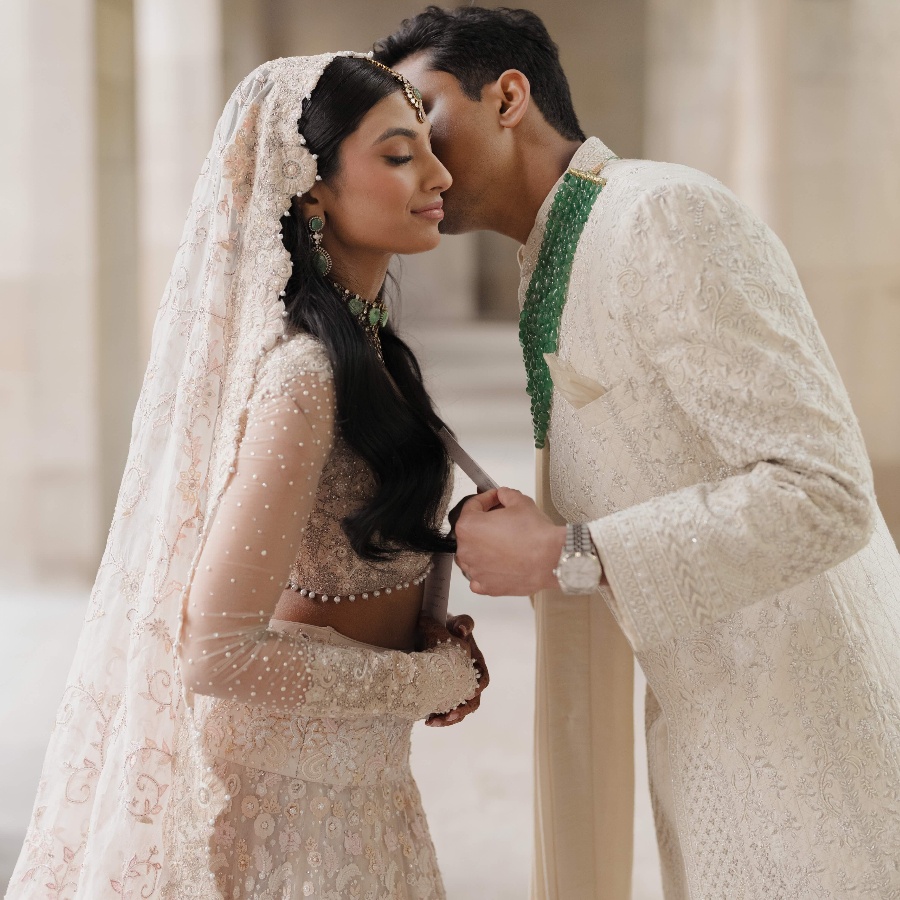
The extended monsoon ended up playing a big role in the decor. The rains forced the planners to shift the sangeet from the garden to the banquet halls, cancel the haldi, and have the pheras in the morning rather than the evening. Now in hindsight, Sharma insists she wouldn’t have it any other way. Clad in a regal sandstone-orange PDP lehenga embellished with glass beads in hues of apricot and sea foam, the bride looked resplendent at her pheras as the moody midday skylight shifted between clouds. Even with his left-to-the-end-minute wedding haul, Karia managed to find a soft pastel-pink sherwani that complemented his partner’s look.

Carrying on the quest for fuss-free decor, the grey stone mandap was mostly barebones, studded with auspicious banana leaves but little else. The priest, Om Dhumatkar, was also handpicked to match the mood of modern spirituality; he crafted personalised briefing documents for the guests that broke down the meaning of every ritual. Karia says, “Om also made it immersive. Before we began, the entire audience meditated for a minute to think of a special moment they shared with both of us. We then entered the pheras with this energy.” After every spin around the fire, the crowd joined in to say “tathastu” (so be it), rang bells, and showered petals from the little bouquets placed on their seats.

post pheras look_Shubhika Sharma_TheNod
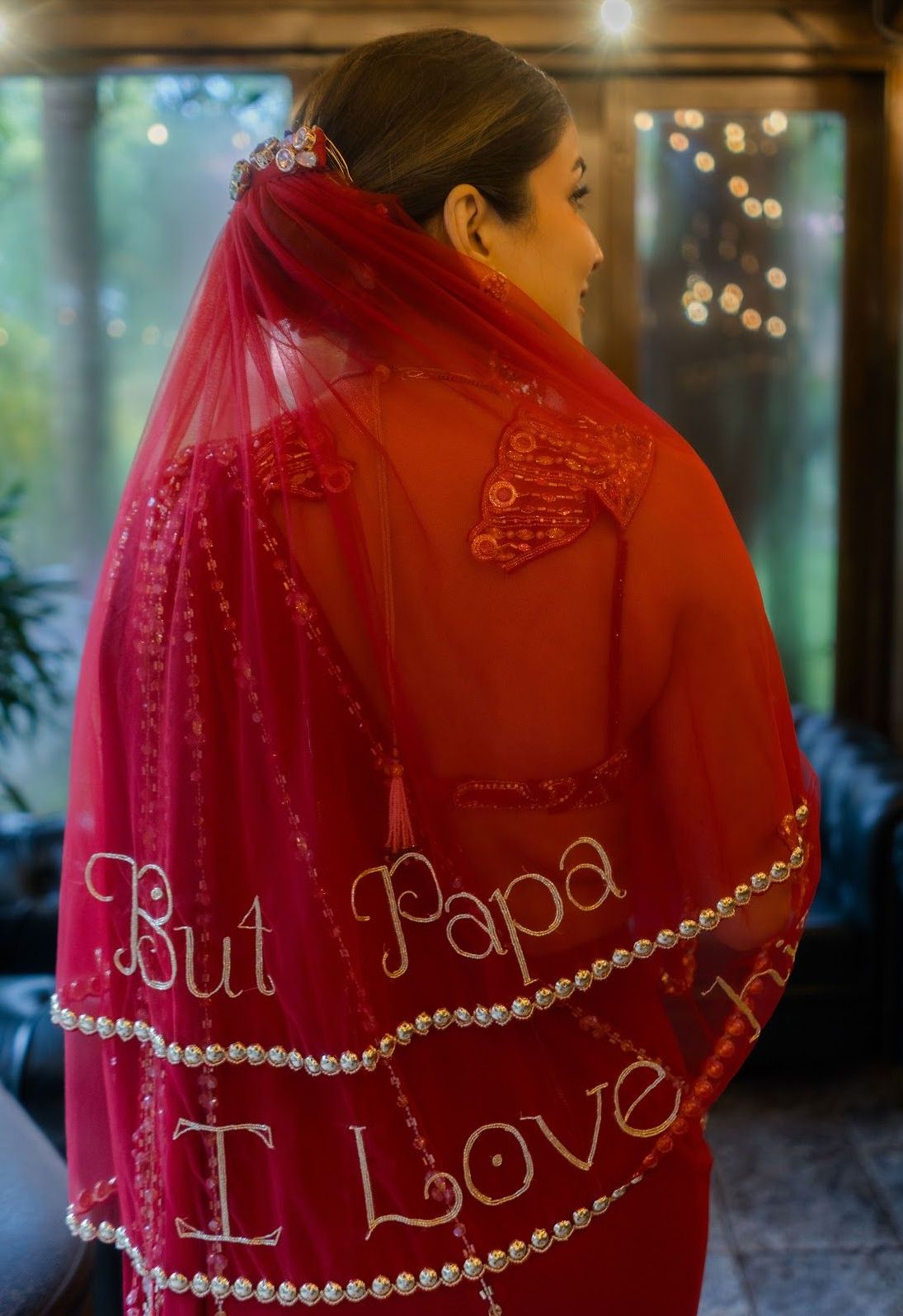
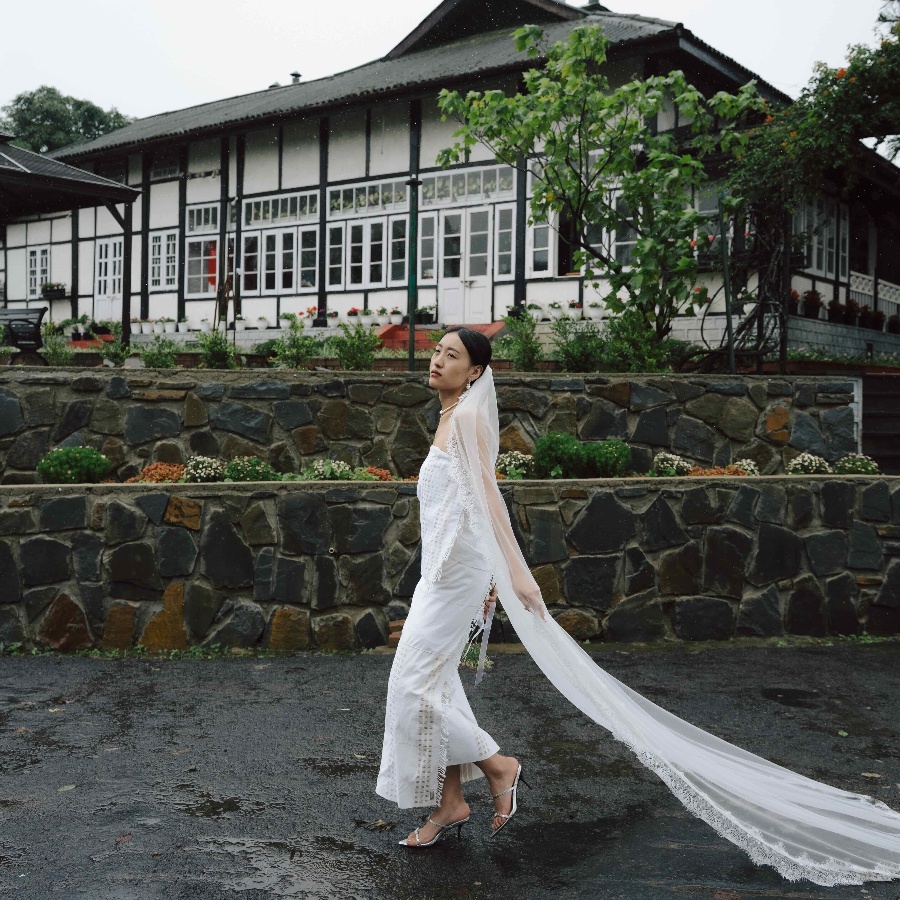
After the pheras, the bride changed into a pre-draped sari with a veil that read: But Papa, I love him

A colourful after-party

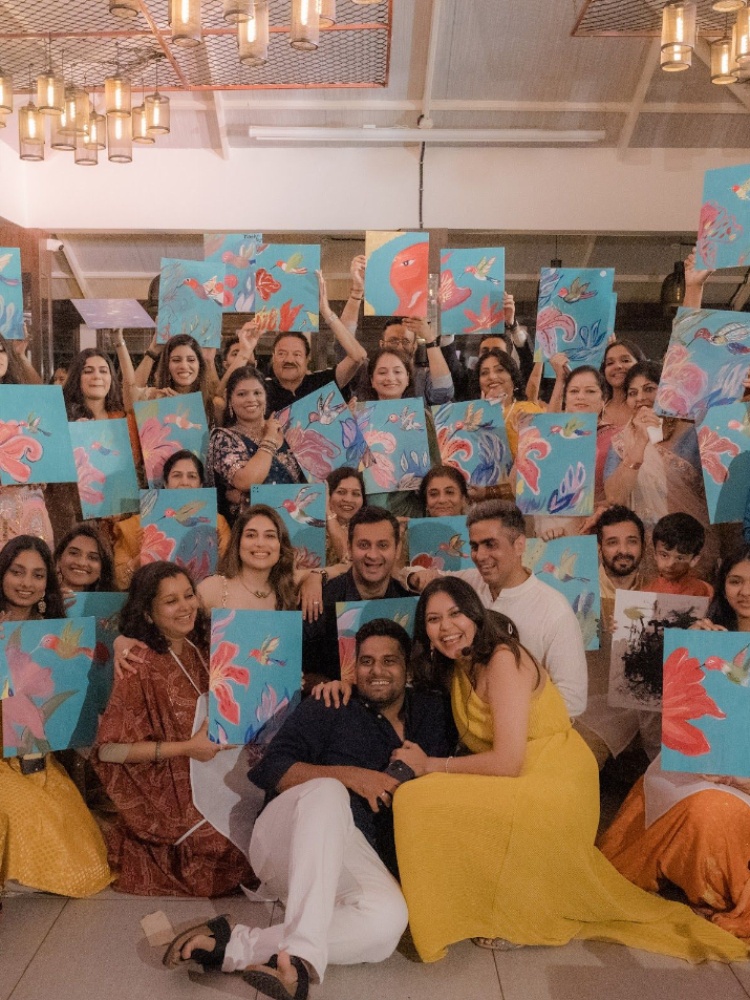
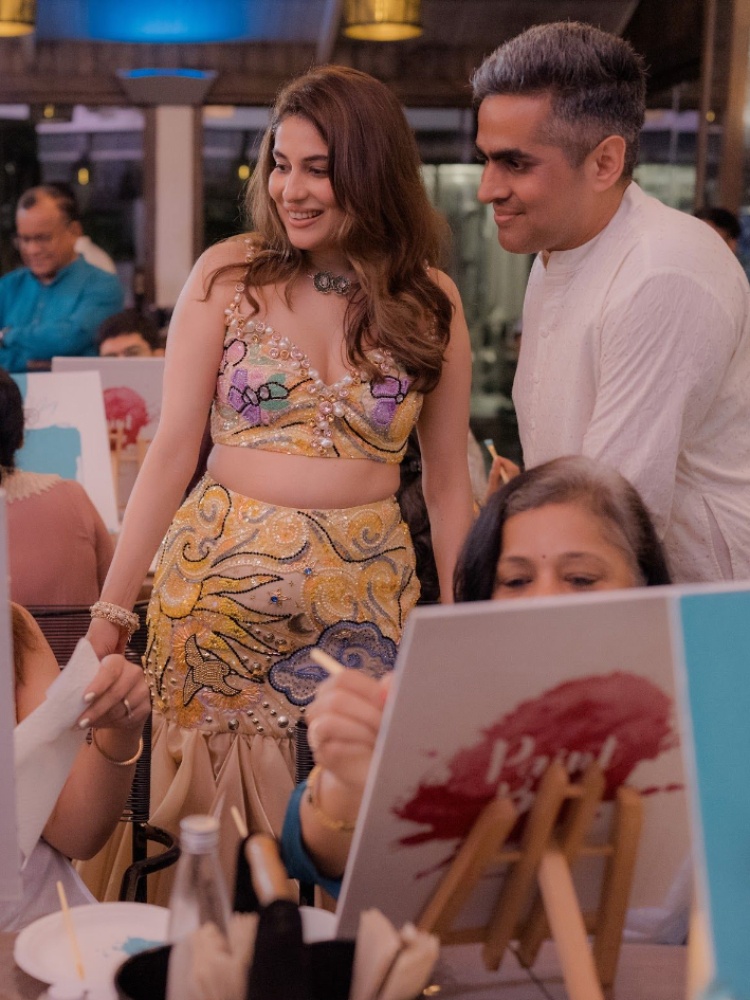
Naturally, the reception didn’t involve the bride and groom standing on a stage getting their photos taken. Instead, as an after-party, they hosted a paint-and-sip. “My sister-in-law Nishka Mehta founded Paint Bar in Mumbai and was planning to host the activity after our haldi,” Sharma says. “Since that didn’t go as planned, we just decided to do it in the evening. And it really worked out. We started the whole wedding with everybody chanting together, and we ended it with everybody painting together, so it was a powerful circle with one energetic start and one energetic end.”

The Nod Newsletter

We're making your inbox interesting. Enter your email to get our best reads and exclusive insights from our editors delivered directly to you.