



Music04 Dec 20256 MIN

In the age of AI-everything, be Rosalía’s ‘LUX’

The Spanish pop star’s avant-garde new album has her singing in 13 languages, with every second of music performed using real strings, real instruments, and real people

Image

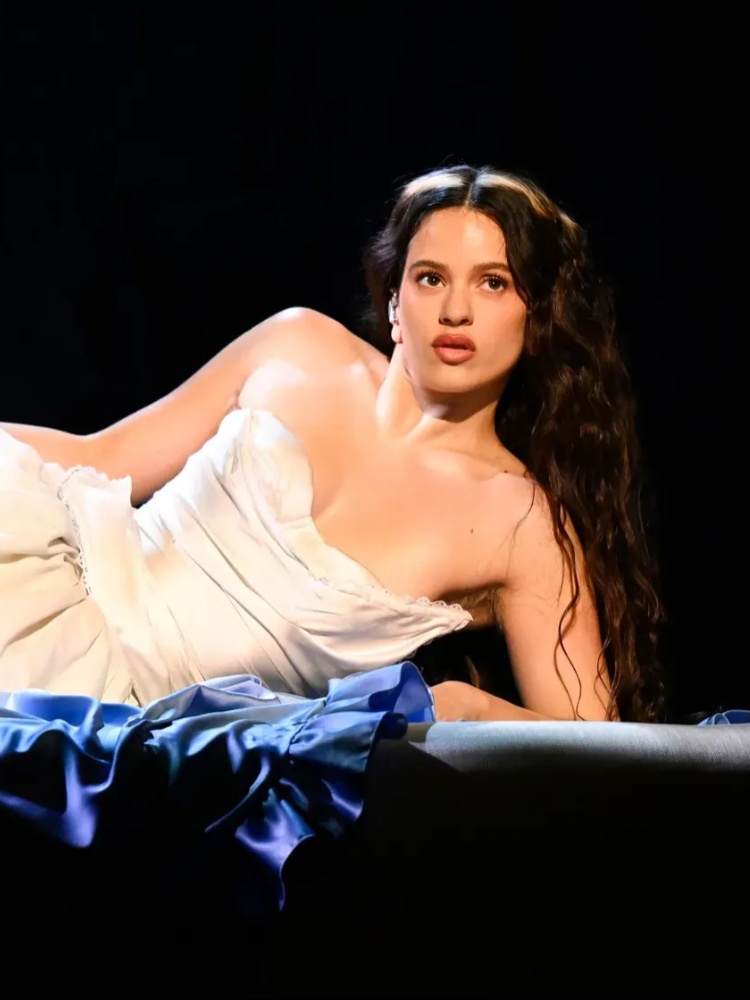
After the asphalt grit and reggaeton of Motomami, nobody expected Rosalía’s next act, LUX (pronounced Luks), to open with a string section, a choir, and the atmosphere of a requiem. Long-time listeners of the Spanish pop star know her eras never repeat, but this pivot—from moto iconography to bleached halos, from synthetic distortion to orchestral rawness—stunned everyone. In a pop landscape that leans towards escalation and familiarity, she stepped sideways into something expansive, ancient, and infinitely more ambitious.

For a listener outside the album’s 13 languages, the first thing that reaches the ear isn’t meaning —it’s intention and craft: the texture of her voice, the devotion in the production, and the way the music itself breathes. This intention feels even sharper when you place LUX against the rules of pop music today.

A rebuttal to algorithm pop

When Doja Cat released ‘Say So’ in 2020, she didn’t just have a hit; she unknowingly codified the blueprint for an entire era. The song’s bright nostalgia, its loopable chorus, its dance-friendly production—all of it became a formula that the industry has been chasing ever since. Pop music today is often designed for virality, for fragments, for predictable nostalgia that never sounds old. It is, essentially, algorithm pop—built to catch the scroll and fuel the loop.

Which is why LUX, with its string sections and devotional hush, doesn’t just feel different; it feels like a rebuttal. Her first single from this album, ‘Berghain’, was expected to be a dance hit, named as it is after Berlin’s iconic club. Instead, it featured a three-minute opera and Björk’s signature howl.

By all commercial logic, an album that ignores “pop formula” should have failed, but LUX pulled in 42 million streams on its first day and became the most streamed album in the world in its first week. That LUX replaced catchy and loopable beats with strings, choral arrangements, and a deep sense of commitment says more about pop music listeners today.
Part of the reason LUX connects now is that listeners are exhausted—spiritually starved and algorithmically bored in a landscape that keeps serving the same emotional template. After years of songs built in the same rhythm and polished, retro-tinged production, the ear starts craving something new. So, when LUX opens with a grand piano and then folds in electric guitar and Rosalía’s clear, fervent vocals, it creates a unique mix of shock, awe, and surprisingly, relief. The soundscape feels sacred—not metaphorically, but literally, like stepping into a quiet cathedral after walking through noise. It signals that this album isn’t music designed to do numbers; it’s music that breathes and transforms.

Craft as resistance

That sense of breath and transformation isn’t accidental—it’s the result of the ridiculous level of intention in the album’s construction.

LUX comes across as a giant fuck-you to AI-assisted music. Indeed, as Rosalía revealed in her interview with Zane Lowe, the entire album contains zero loops, almost unheard of in mainstream pop. Every repeating pattern is played out, over and over, by real musicians. The strings are not copy-pasted; the choir is not stitched together by stacking vocals. Every second of LUX is performed using real strings, real instruments, and real people.

Played on anything—a phone, Bluetooth speakers or high-quality headphones like my Sony WH-1000XM6sLUX reveals one truth: the closer you listen, the more it opens up. It’s an album that warrants good headphones—the slight changes in the beats, the subtle quivers in her voice, the textures come alive in your ears. It firmly anchors the humans behind LUX. In a pop landscape obsessed with clean vocals and spotless, almost sterile production, LUX sounds defiantly handmade. It lets the breaths crack and the human hand show.

In this AI-everything era, [LUX] is a reminder that creativity comes from lived experience, human tension, breath, and body... The album’s superpower is deeply, proudly, and unmistakably human.”

In this AI-everything era, it’s a reminder that creativity comes from lived experience, human tension, breath, and body. No algorithm can recreate the London Symphony Orchestra, and no model can imitate the spiritual charge of a voice that sounds connected to the divine. The album’s superpower is deeply, proudly, and unmistakably human.

Rosalía’s evolving global-pop identity

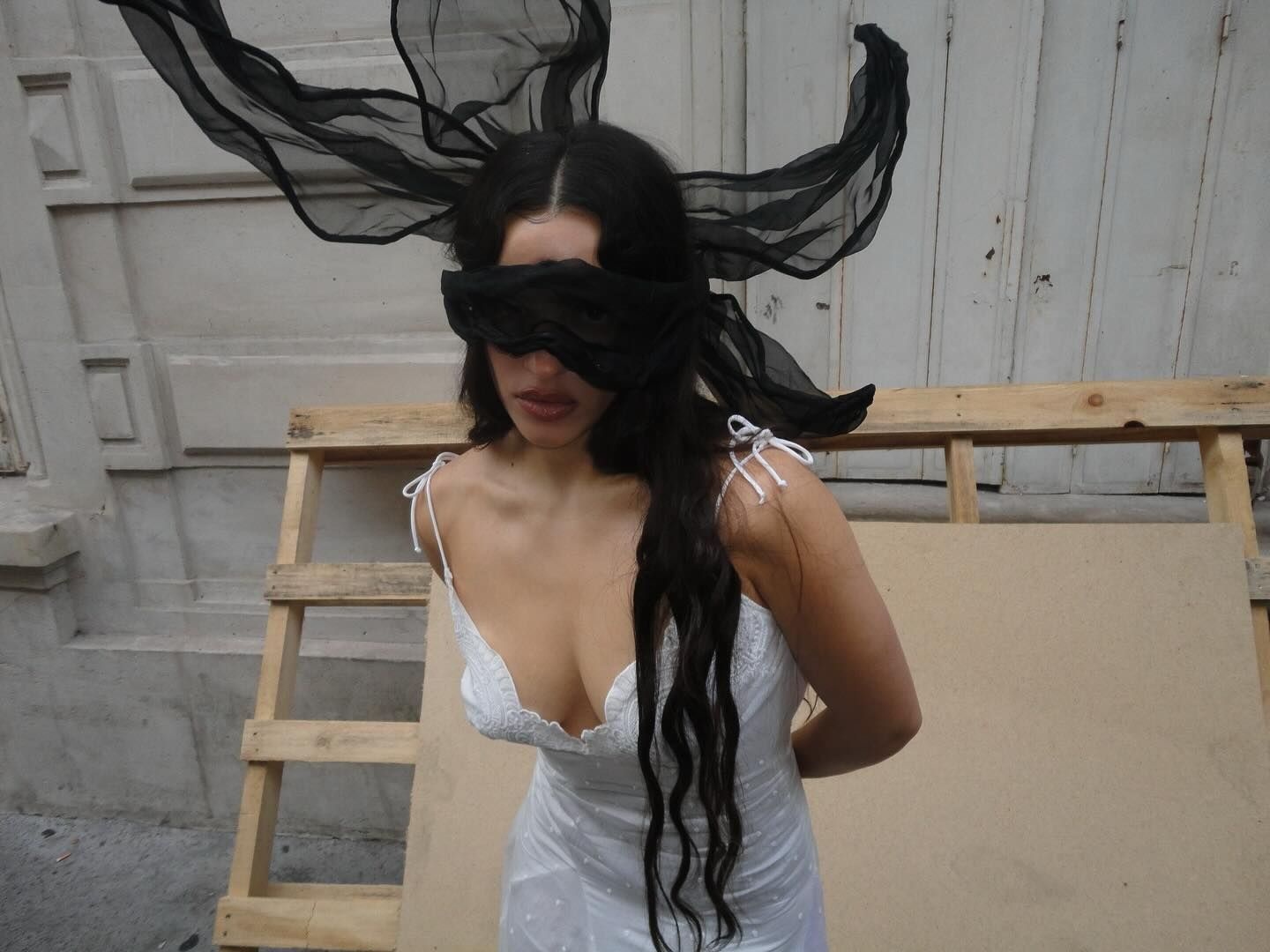
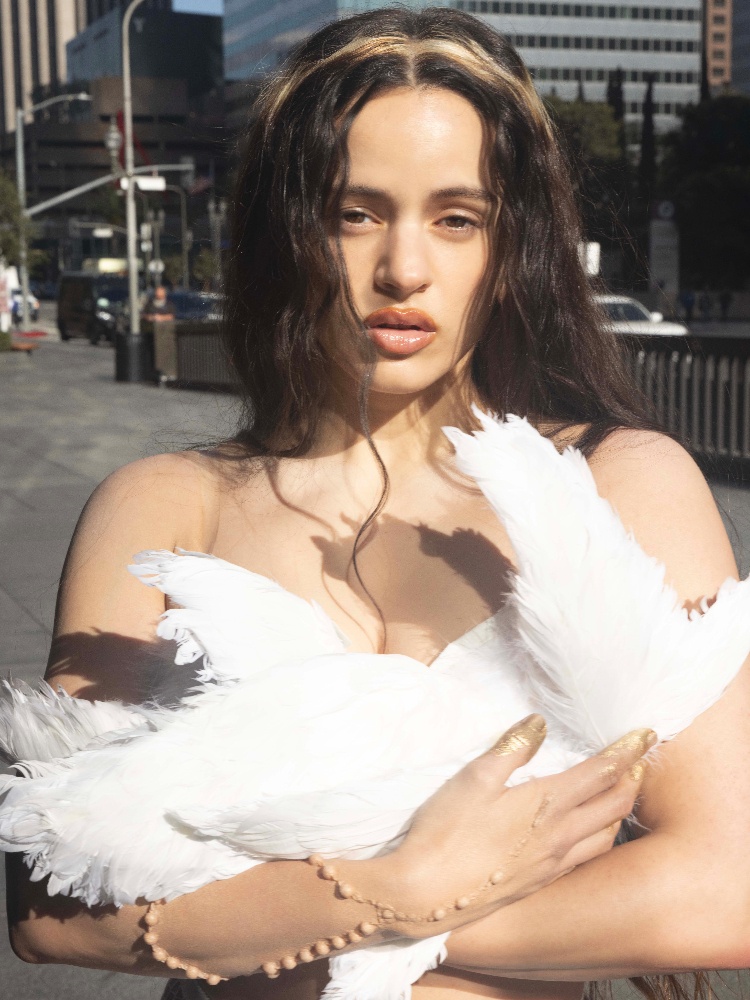
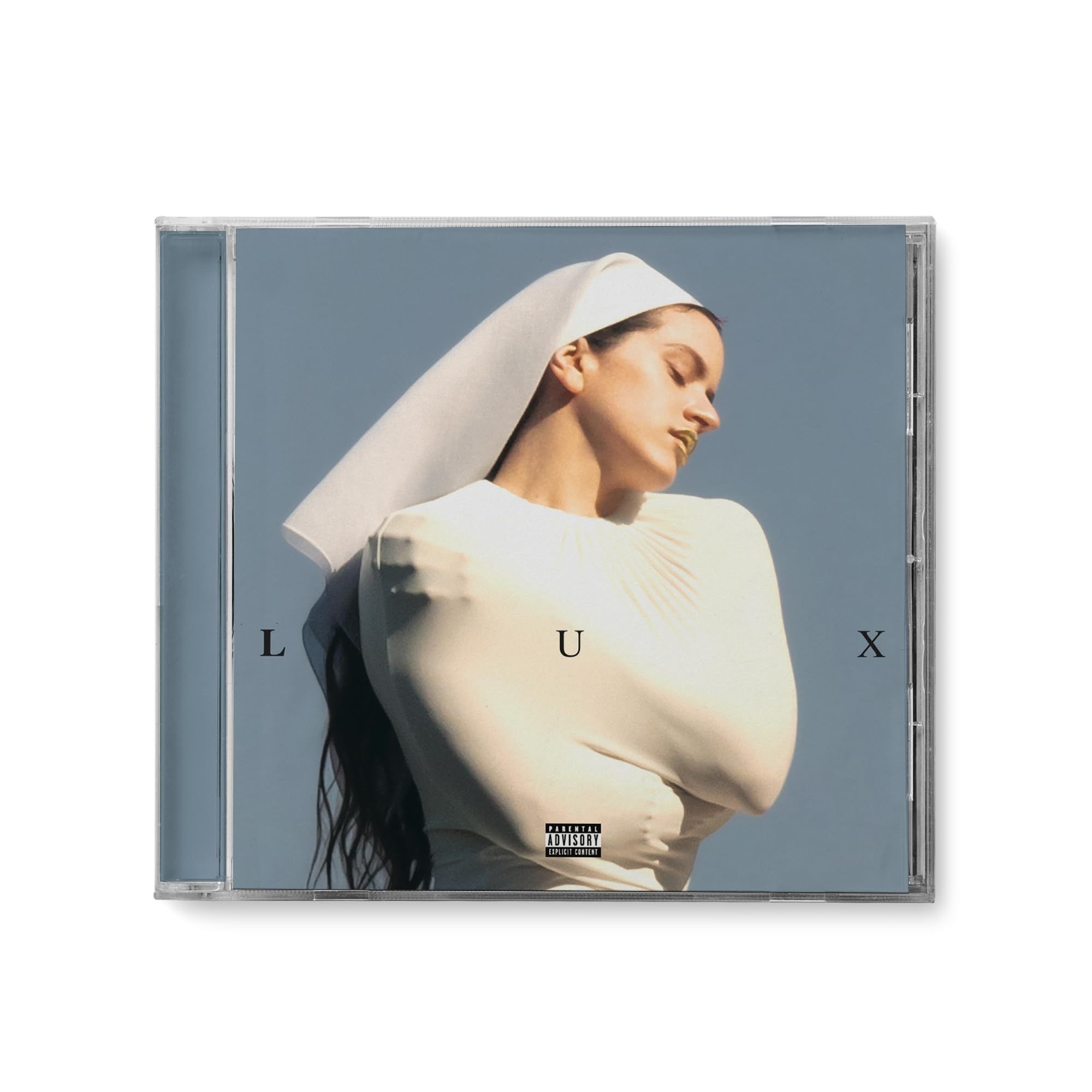
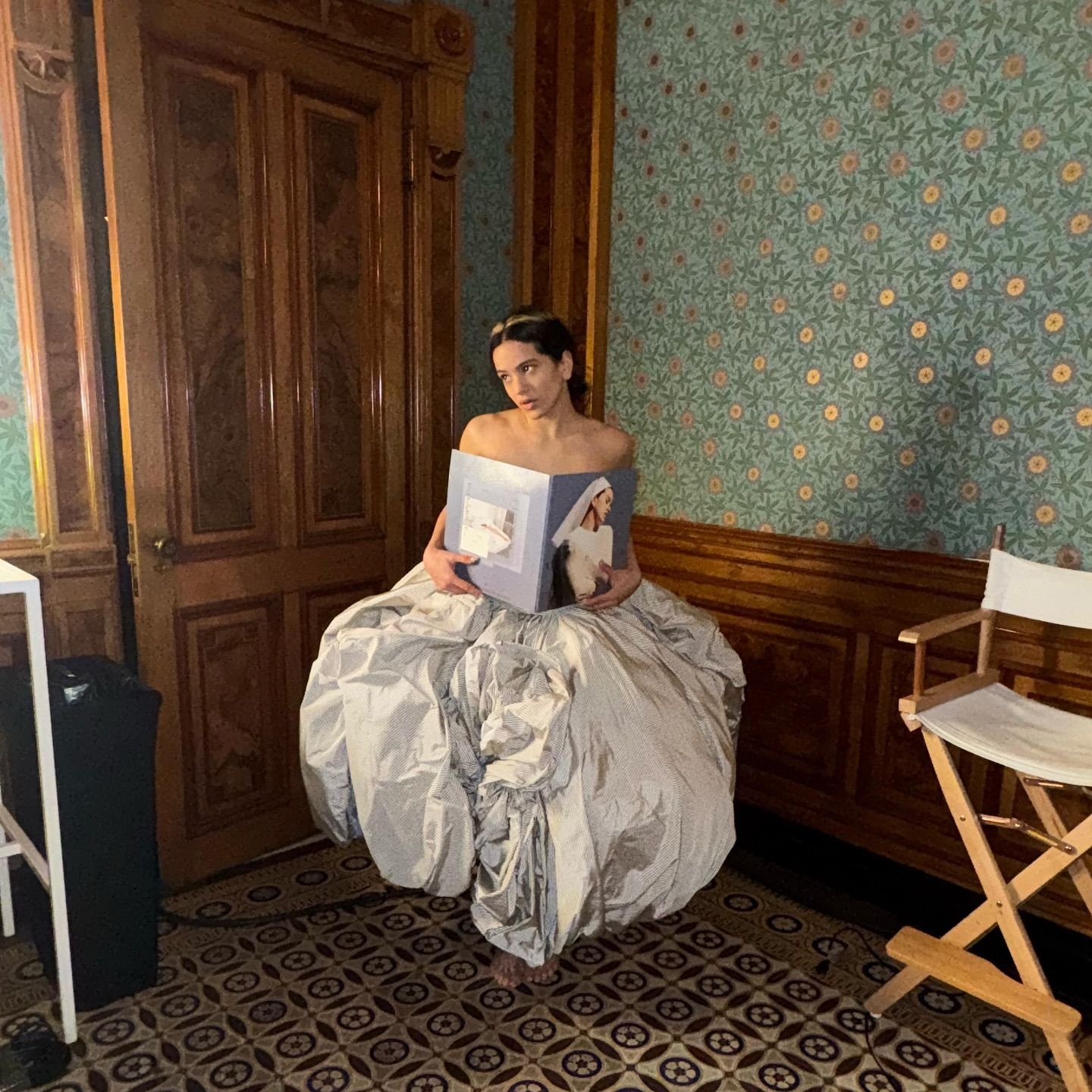
And Rosalía does not just pivot sonically; she transforms and expands her global-pop identity. In songs ‘Porcelana’, she brings in bassy guitars from her past. Her Flamenco roots appear throughout the album in the form of her claps and the passion and intensity of her vocals. Where Motomami was grounded in the profane—leather, bikes, desire—LUX (Latin for “light” or “illumination”) is concerned with the sacred. Her fashion choices too mirror this shift, seeing her trade utilitarian moto gear for sheer white fabrics, veils, and silhouettes that evoke both gothic sainthood and high couture. Even her hair becomes iconography—a halo bleached in her hair gives her a crown she carries everywhere—a detail so striking that fans have also begun following in her step.

This devotional language is not just for the theatrics and performance—it’s threaded directly into the music. Songs like ‘Mio Cristo Piange Diamanti’ (My Christ Cries Diamonds) evoke a baroque grief that feels drenched in sorrow. But rather than delving deep into Catholicism and Christ, she scopes out and follows the sacred feminine—telling stories of female saints, mainly mystics, from across the globe and time.

Rosalía uses language as a way to also deepen the storytelling in LUX. In ‘Porcelana’, which is inspired by Ryōnen Gensō, who disfigured herself to be allowed into a temple to further her zen study, she sings in Japanese. In ‘Jeanne’, which is based on the life of Saint Joan of Arc, a peasant girl who, believing she was acting under divine guidance, led the French army to victories during the Hundred Years’ War, her vocals are in French. LUX is multilingual not for novelty but for purpose, led by Rosalía’s innate curiosity. She regularly mentions having spent months reading hagiographies and working with translators to capture her lyrics into different languages, each effort unlocking a different register of prayer, lament, worship, longing. It’s devotion and the thirst for transcendence as polyphony.

By anchoring her music in something as timeless as an orchestra and as eternal as the pursuit of the divine, Rosalía solidifies herself as a genuine auteur in global pop, a once-in-a-lifetime artist, one who uses genres not as trends to follow but as a language to speak. Deserving every bit of its success, LUX sounds like a Rosalía in communion—with craft, with instinct, with something divine. It’s a reminder that when an artist creates from that kind of connection, the work becomes larger than them: expansive, impossible, and unmistakably human all at once.

The Nod Newsletter

We're making your inbox interesting. Enter your email to get our best reads and exclusive insights from our editors delivered directly to you.