



Everyone's talking about14 May 20263 MIN

Stella McCartney’s Falabella bag made being a vegan cool

Named after the designer’s favourite horse, 16 years later, the bag is still as desirable

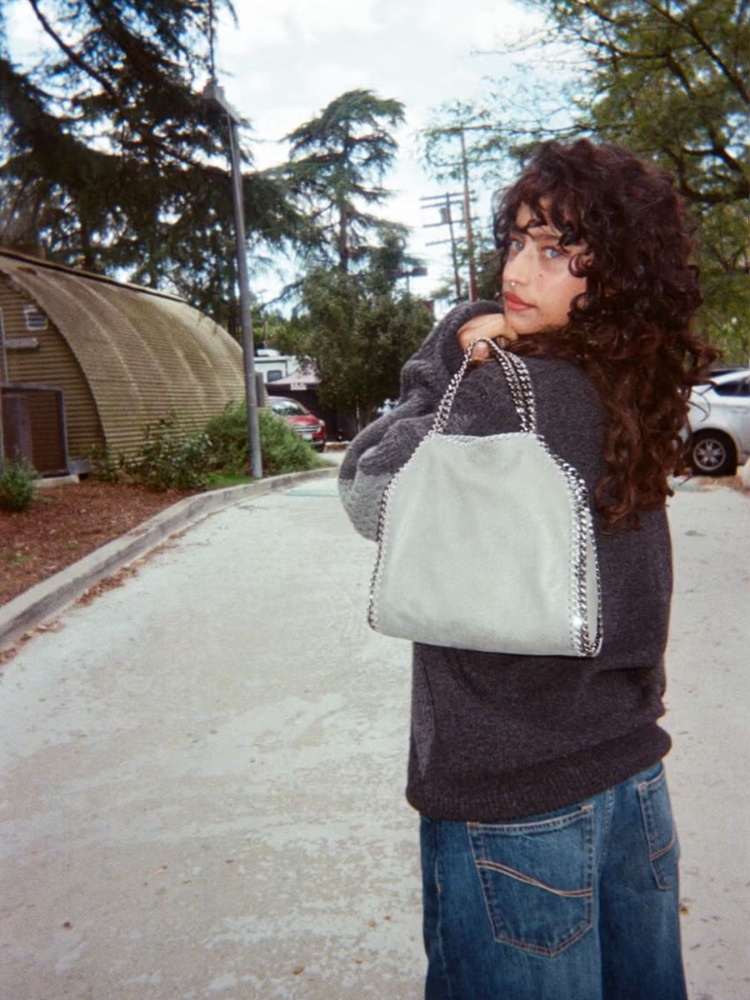
Odessa A’zion in the Generation Falabella campaign

Odessa A’zion in the Generation Falabella campaign

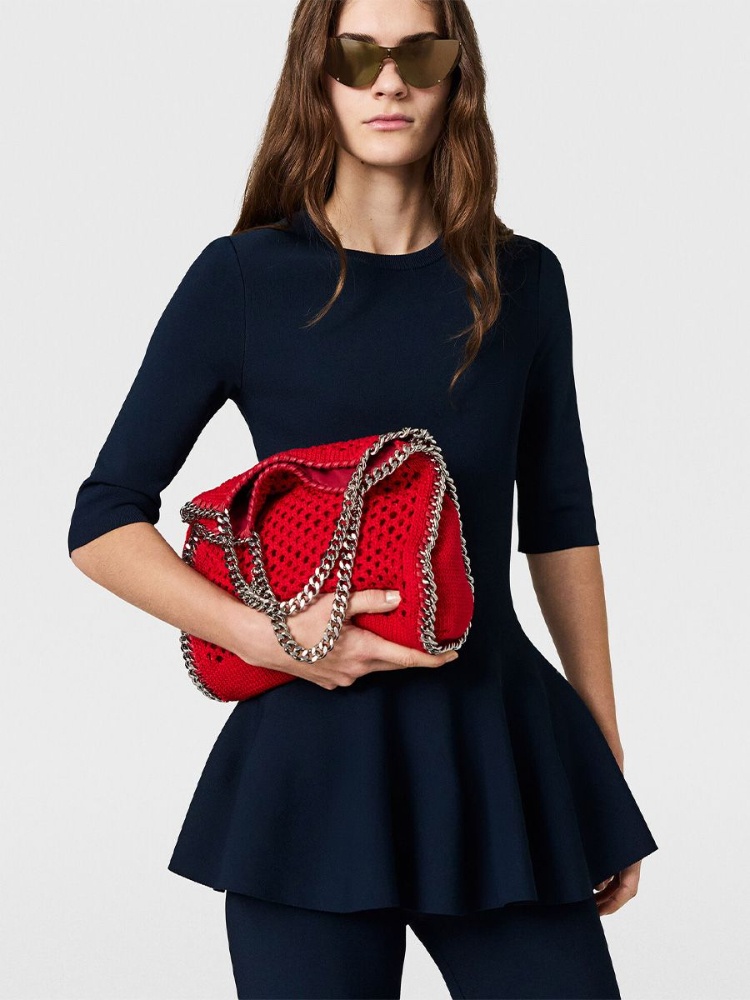
If you’re on the hunt for a bag to carry all your problems, look no further than the XXL Falabella that both Stella McCartney and Jimmy Fallon literally climbed into last week, a life-sized homage to the brand’s 25th anniversary and evidence that the chain-trimmed figure remains the house’s hardest megahit. Another reason why the Falabella is back in the news? McCartney’s recently-launched collection with H&M that came two decades after their 2005 collaboration. Yet again, the scramble was instant. Blink, and you missed it. Yet those who did miss out can find solace in the fact that the designer opted to not to put up a high-street version of her iconic chain-strap holdall as part of the collection, choosing instead to add those same chunky metal straps as a collar on a tank top or sell them separately as jewellery. The bag is still reserved for OG fans with bigger budgets or others like me who keep an eye on the resale market.

Betting on a dark horse

The origins of the Falabella are well known. McCartney had been experimenting with faux leather ever since her spring/summer 2002 debut. By 2005, industry rumours suggested that Kering, then a 50 per cent partner in her business, was close to losing patience with McCartney’s costly experiment in ethical luxury. They needed a cash cow—primarily a good bag that was, secondarily, ethically made.

As McCartney told Business of Fashion, "The majority of luxury brands are driven by accessories. That’s what pays their wages.” Winter 2009: enter the Falabella. Soft, slouchy, and finished with a whipstitched silver chain, it delivered It bag status without using a scrap of leather. Named for McCartney’s favourite horse—a tiny, tough Argentine breed—the bag lives up to its namesake: small, sturdy, and built to last.
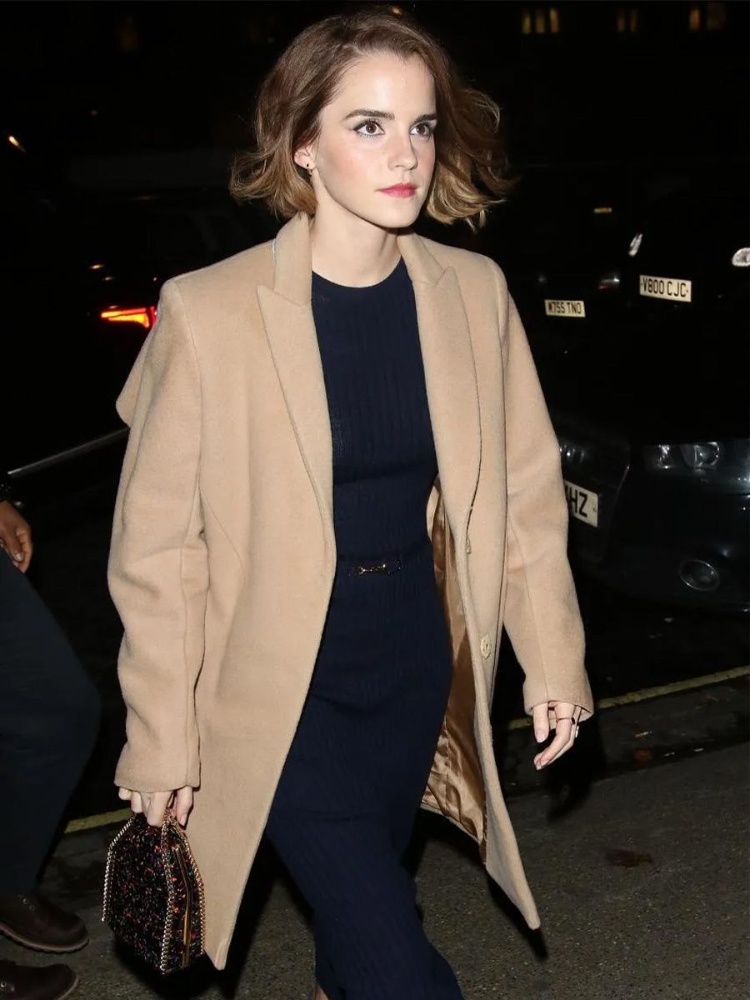
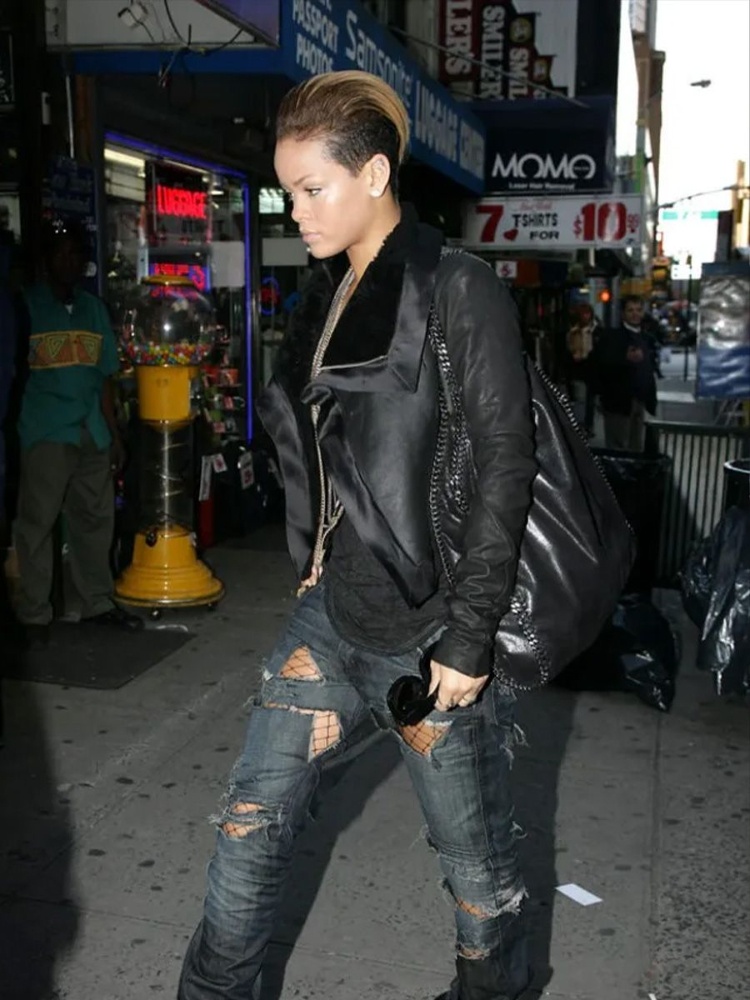
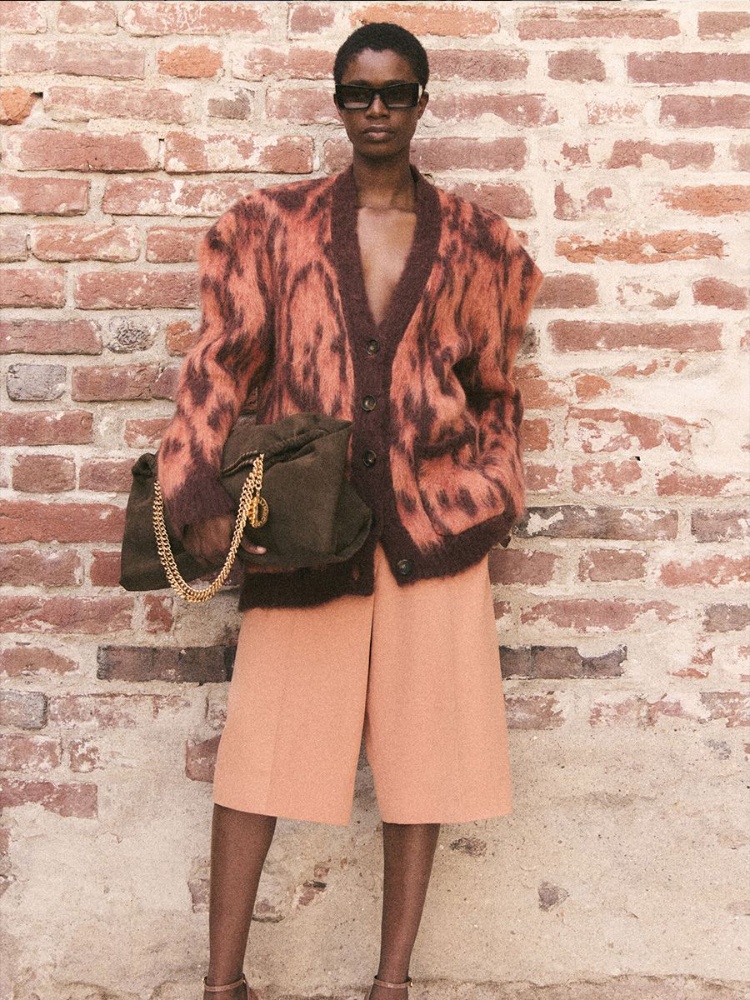
One of the bag’s earliest appearances was on Kim Kardashian in late 2009. Rihanna and Kate Moss soon joined the fan club. Within five years, it was everywhere, from paparazzi shots to Gossip Girl. To reach a younger audience, McCartney launched Gen F (Generation Falabella) in May 2025, a limited capsule fronted by Mean Girls’ Reneé Rapp. For spring/summer 2026, the brand introduced versions in fur, suede, pearls (vegan of course), and even a slouchy new Falabella pouch. Over the years she’s layered it with technological innovations that improve its sustainability quotient. Like Airlite, a coating that purifies the air as you wear it, or by crafting it using Mirum and Vega, other plant-based, plastic-free materials.

It’s still in the saddle

Ever since its launch, interest in the bag has remained constant. McCartney spent two years in the mid-2010s suing retailers over dupes, perhaps the clearest measure of the bag’s success. Google Trends suggests search interest peaked in 2016 and reports another spike now in April 2026. Part of its longevity comes down to construction: the signature diamond-cut chain, made from recycled aluminium or brass, is hand-laced with organic cotton cords and designed to be dismantled and repurposed within a closed-loop system.

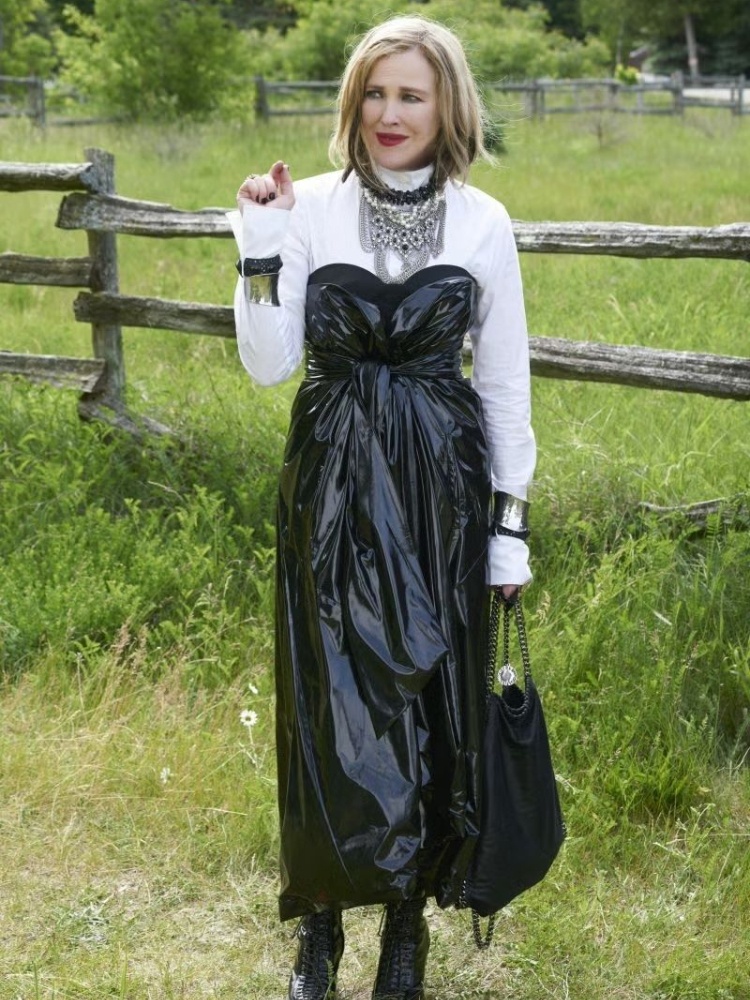
On Reddit’s r/handbags, one user recalled a colleague who “beat it to absolute shit, and it still looked good”. Another shared that her bag had held up beautifully after eight years, with only minor wear to the hardware. Simran Seth, a long-time admirer based in Pune, finally bought a black Eco Shaggy Deer tote as a Christmas gift to herself in 2024 and has carried it steadily ever since. “What keeps it in my rotation is honestly how easy it is to style,” she says. “A lot of luxury bags can feel very occasion-specific. The Falabella never feels ‘too precious’ to carry.” She was sold on the bag’s signature silver chain. “There have been so many bags I’ve considered over the years, but I never fully loved them because they only came with gold hardware. This, on the other hand, has such an iconic silver hardware identity, and it instantly felt more me.”

More broadly, the Falabella broke nearly every Noughties rule: critics said ‘vegan’ leather would never last, feel luxurious or sell desire. Sixteen years on, it has proved them wrong. What began as a gamble on ethical fashion now looks like one of its more prescient bets.

The Nod Newsletter

We're making your inbox interesting. Enter your email to get our best reads and exclusive insights from our editors delivered directly to you.