



The Real Deal11 Aug 20263 MIN

Looking for a unique engagement ring? These are the Indian ring designers to know

With sculptural styles, natural diamonds in unconventional cuts, and novel settings, these designers are rewriting the rules of engagement rings

Image

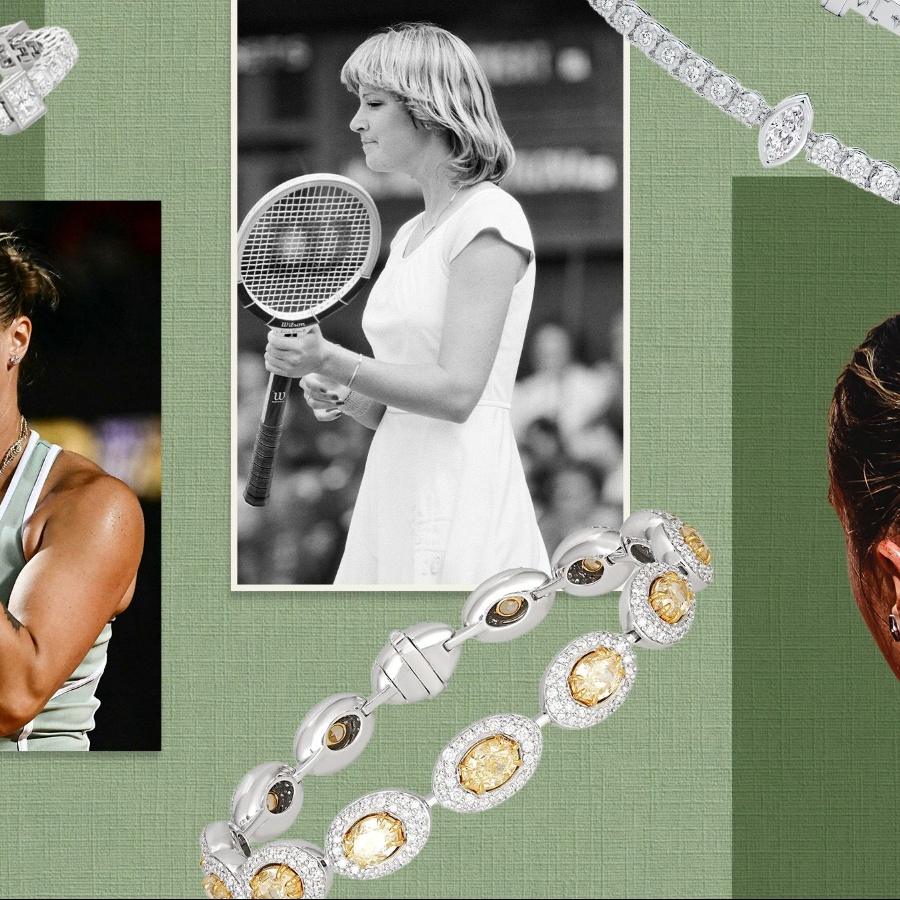
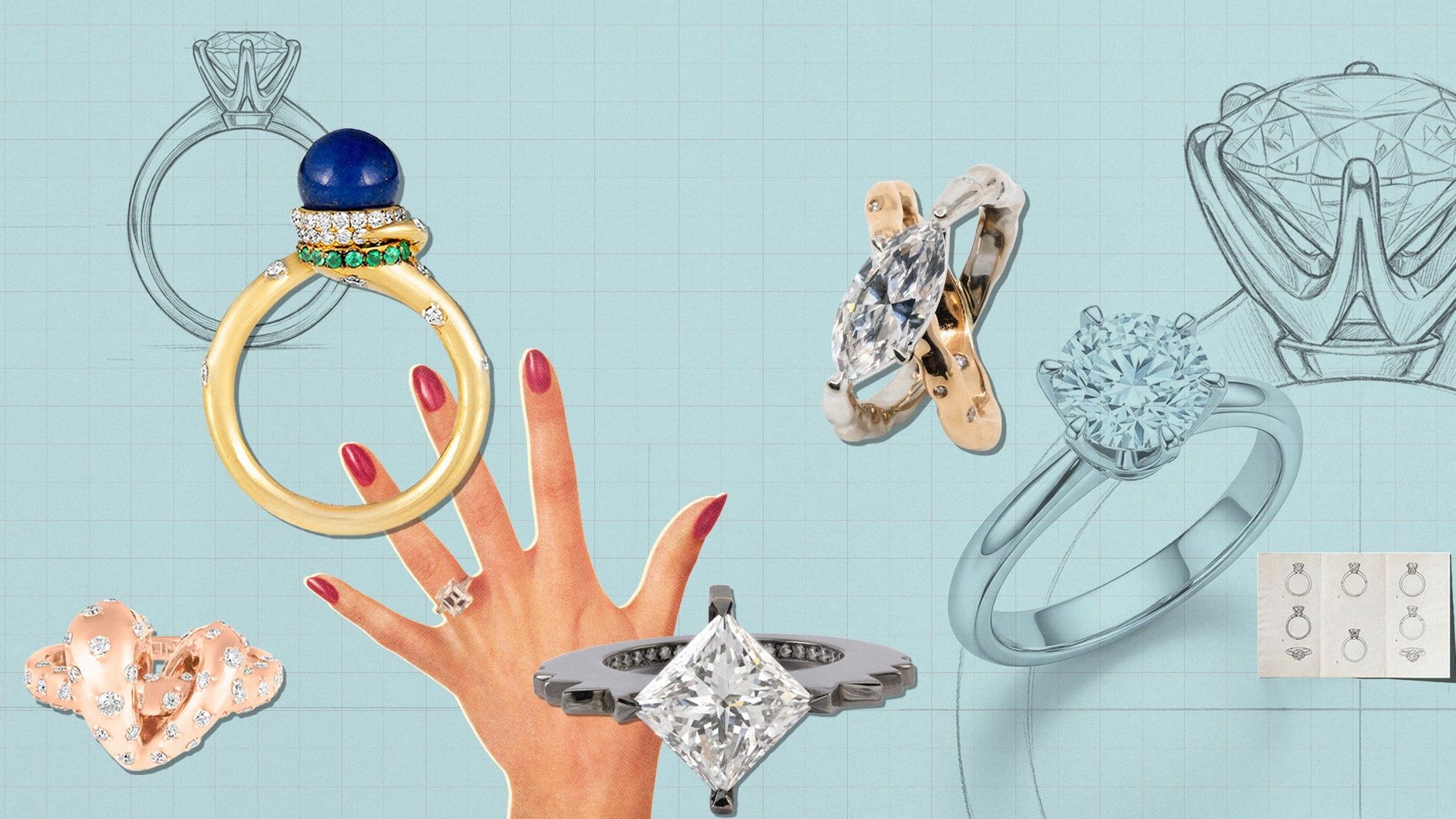
Artwork by The Nod

In 2026, somewhere between finding the one you want to spend the rest of your life with and a teary-eyed “yes!” is a canon event nobody warns you about: the engagement ring hunt. You save a design you like on Pinterest, and before you know it, the algorithm takes you forty rings deep into a spiral you didn’t know you were signing up for.

In that endless blur of carats and bands, individuality seems the most difficult thing to pull off, especially when most ring designs are centered around the expected—a natural diamond solitaire. Yet surprisingly, the gemstone is actually the most versatile part of the piece, if you know what to do with it.

Sometimes that looks like choosing an east-west setting instead of the usual north-south or embedding the diamond into the band rather than keeping it raised on prongs. Other times, it looks like scattering more than one stone across the band rather than sticking to the textbook solitaire.

For a new wave of Indian designers, those details have now become a signature rather than an exception. Below, three names to bookmark who are reimagining what a natural diamond engagement ring can actually look like.

Studio Renn

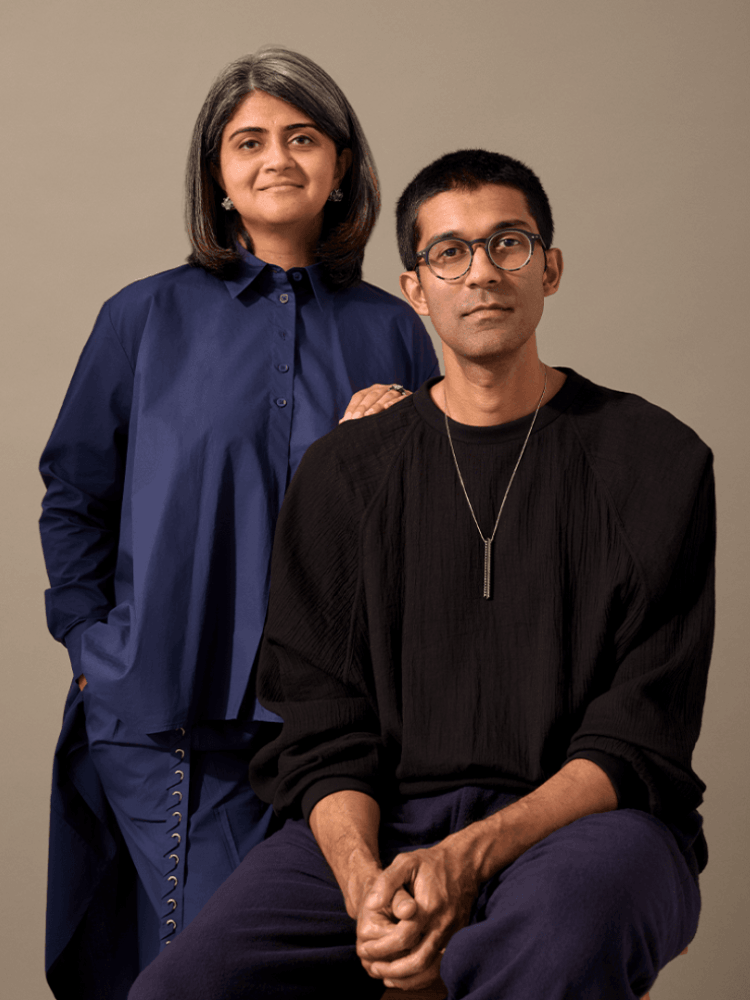
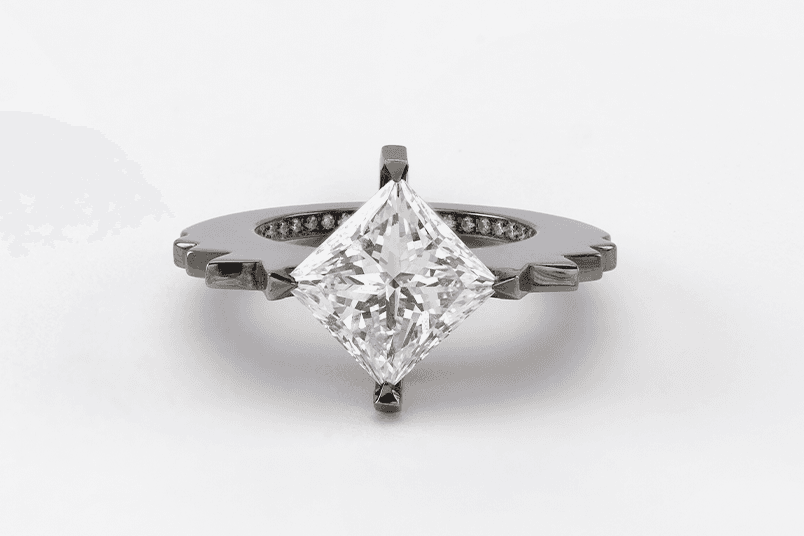
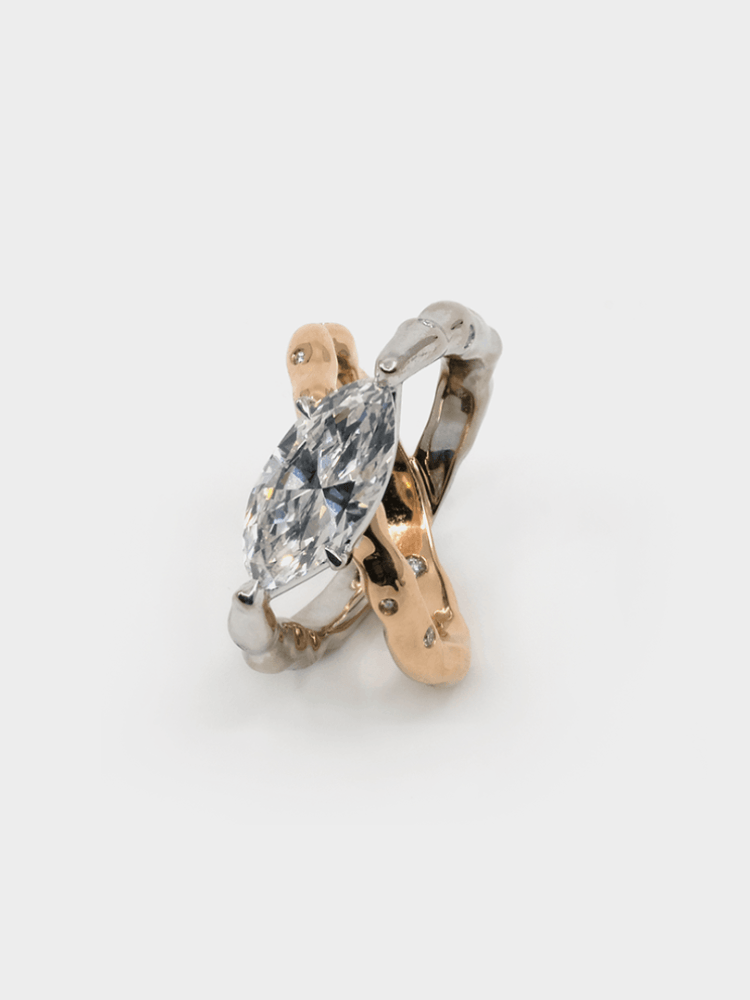
One look at Studio Renn’s creations, and you’ll realise that co-founders Roshni and Rahul Jhaveri’s reference points are more likely to be foraged than inspired by a jewellery archive. Like the Boletus Sp Cross ring, which sets a marquise diamond where two bands cross like stems. Or their edgy Cacti Princess ring, with a kite-set princess-cut diamond held between spiked blackened white-gold prongs, reminiscent of a cactus spine.

Their approach to experimentation is built from years of expertise. Diamonds aren’t new territory—Rahul and his family spent years in the trade before Studio Renn, and he still calls the ‘traditional’ diamond the material he continues to be partial to.
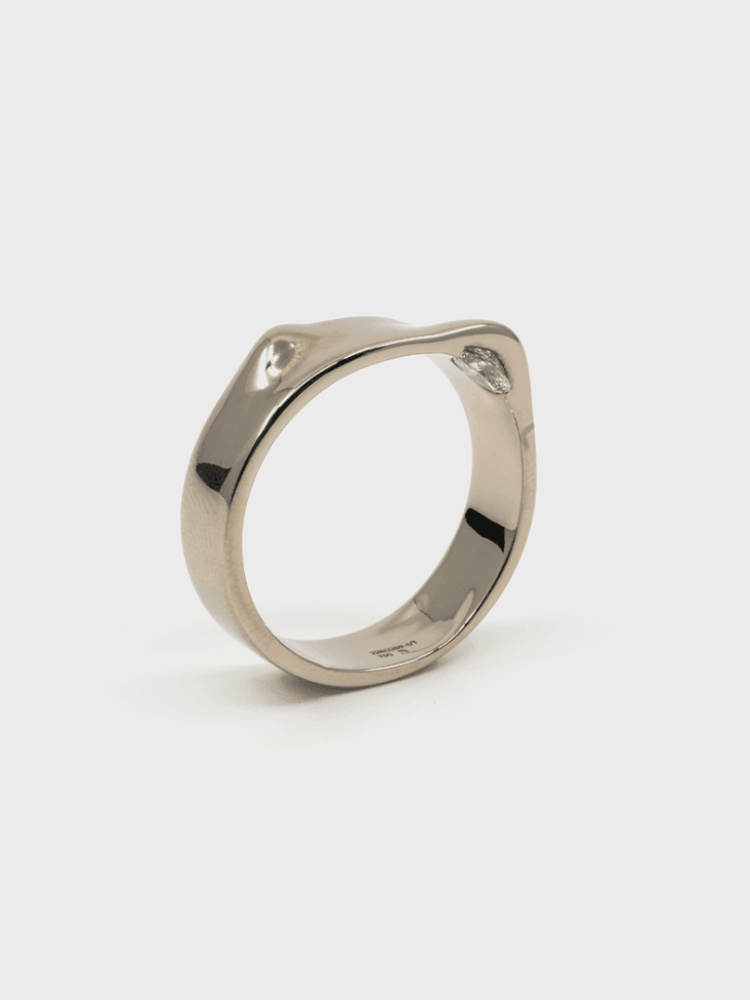
That familiarity also shaped one of their favourite commissions: a groom’s ring built around his fiancée’s grandparents’ one-carat oval diamond. The studio handset it flush into a sculpted 18-carat grey gold band, with only its edge exposed above the metal. “The intention was not to conceal the diamond, but to create a more intimate relationship with it,” Roshni says, noting that it challenged the traditional idea that a diamond needs to command attention to hold significance.

Aneka

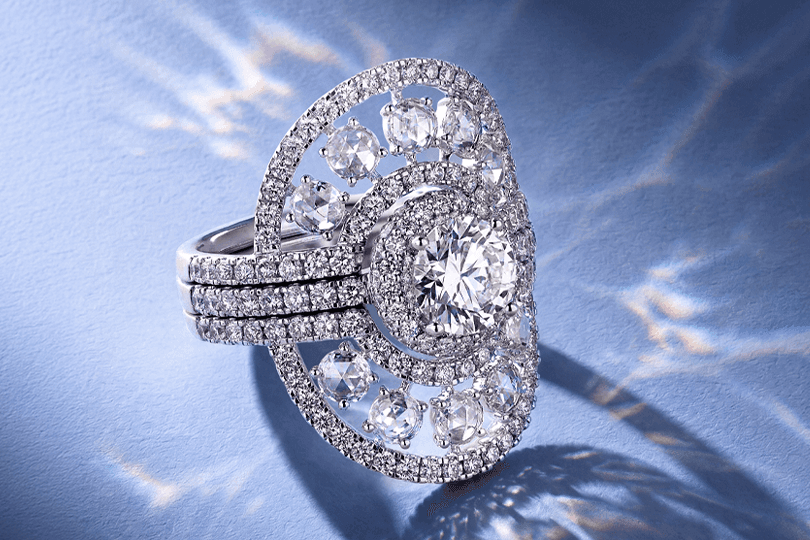
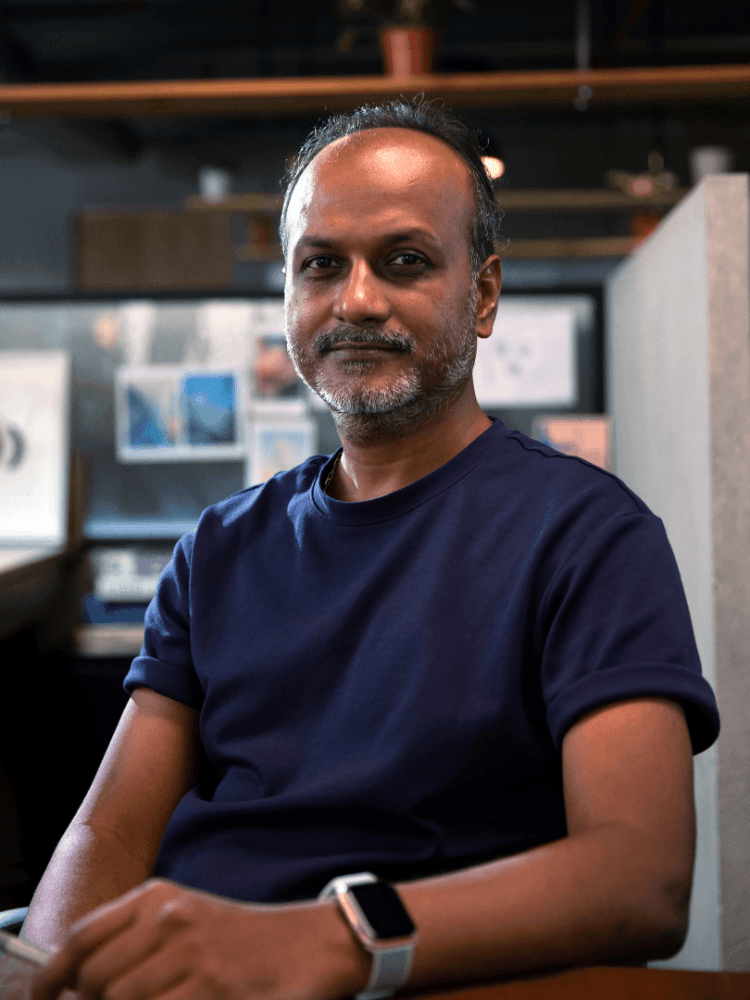
Aneka’s rings hide a story in plain sight. Every creation is inspired by a cultural symbol translated into design. The diamond, though, remains non-negotiable. “Our own cuts and settings ask for natural diamonds with real depth and character. That’s where many of our designs start,” says design head Vikram Singh.

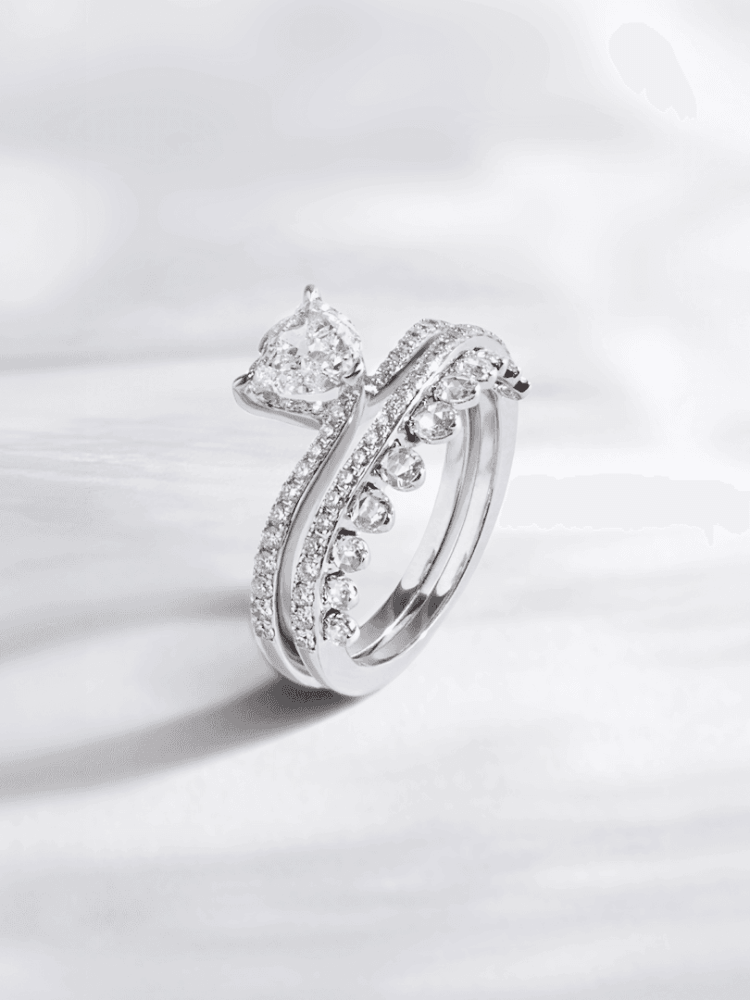
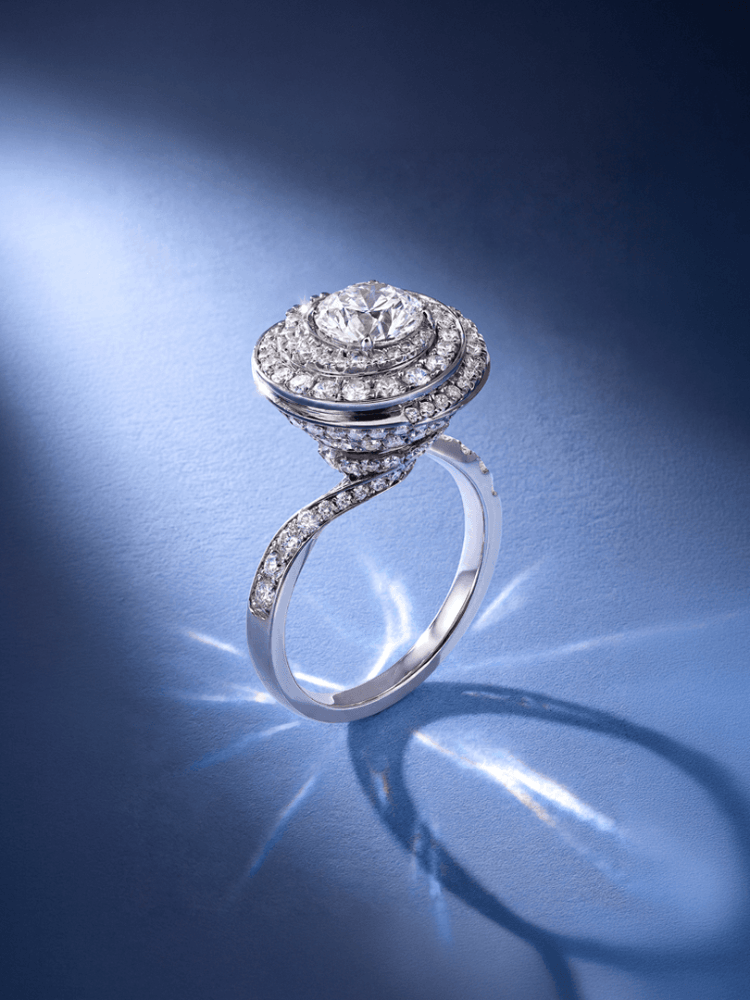
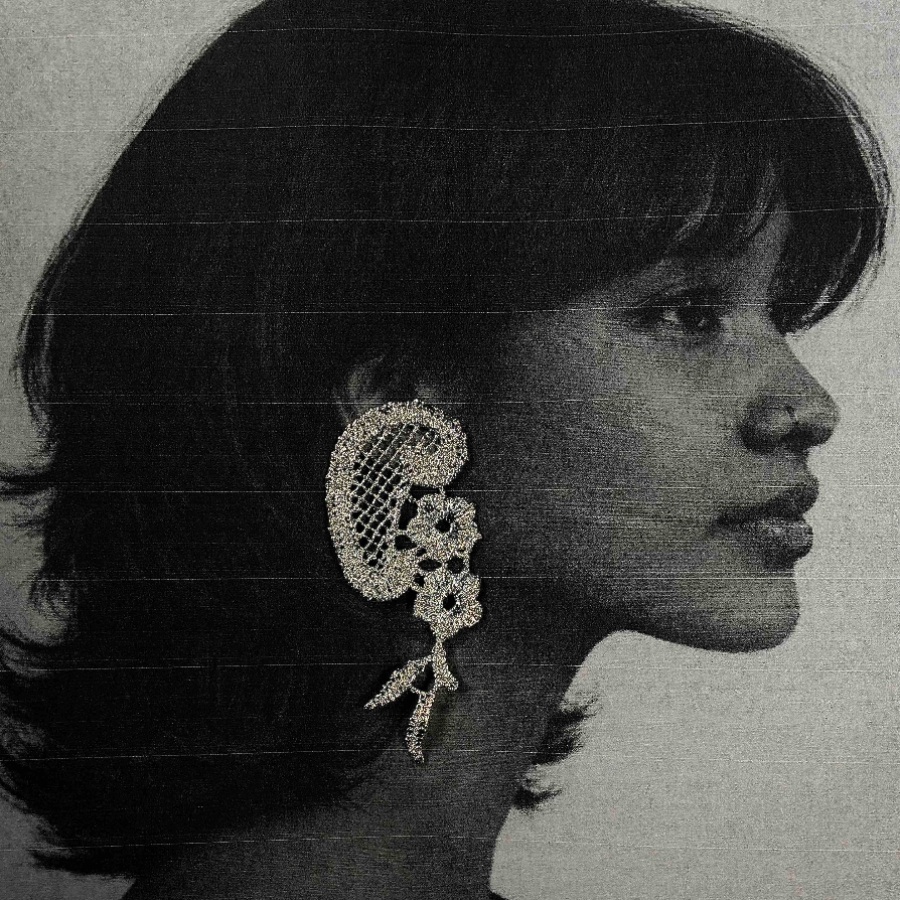
Take the C’est L’Amour collection, inspired by delicate Chantilly lace and centered on a tulip diamond cut. Helix, meanwhile, plays with pavé diamonds coiled into a spiral, pointing to the process of evolution. Sero draws on chikankari embroidery and the idea of harmony, delivering both function and form. Like the Sero Solitaire Embrace ring, which splits into three stackable bands that can be restyled across occasions for decades to come.

Contemporary design doesn’t usually carry continuity like this, but, interestingly, Singh sees heirlooms through the same lens. “A daughter treasures the ring her mother wore all the time because it captured something fundamental about her, making the piece intergenerational,” he explains. It's clear that a design earns that status by being worn into meaning. Luckily, natural diamonds give it something to build on from the very start.

Mèroh

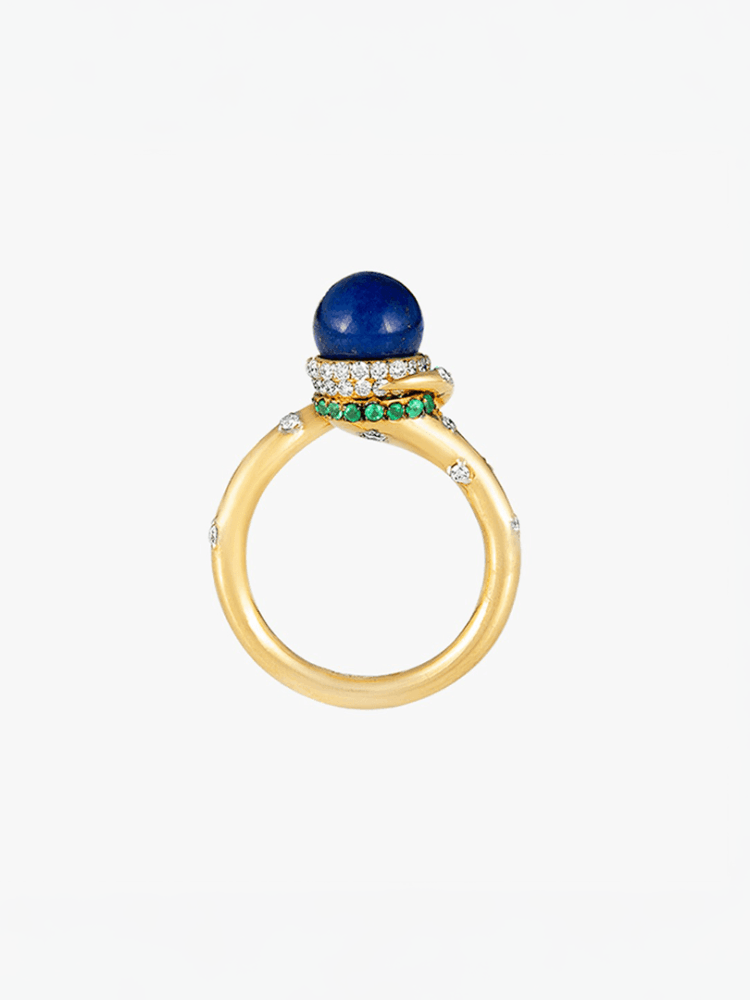
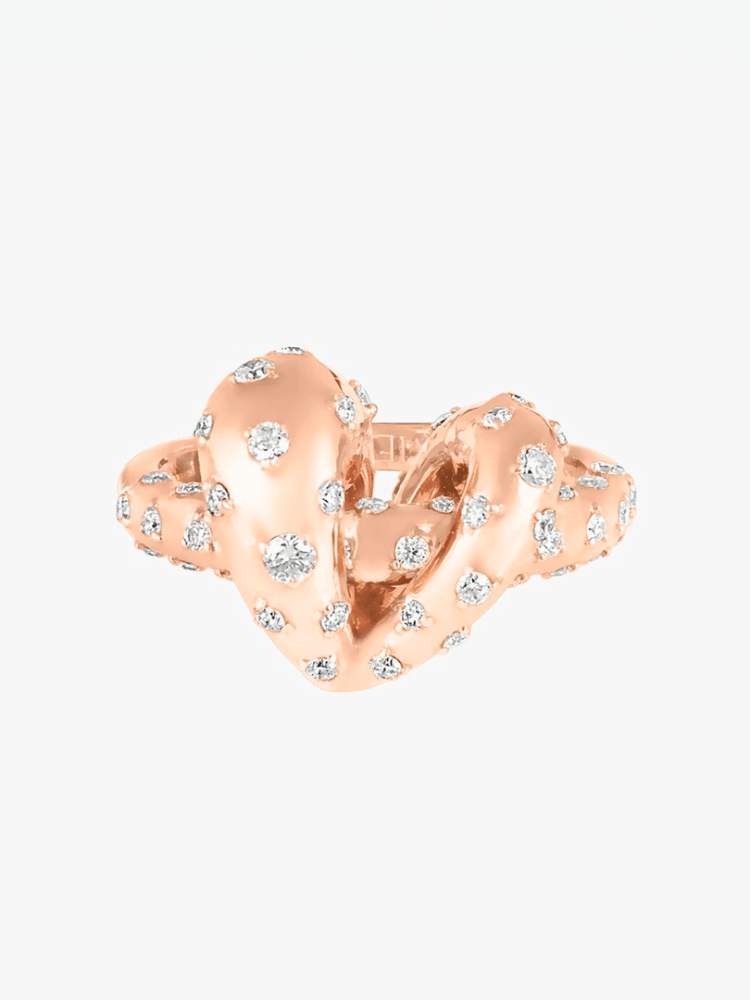
Mèroh’s pieces start at the most unexpected point: form. “The composition, balance of stones, and overall form guide our process,” explains founder and creative director Vinnie Ghatiwala. A house language runs through everything they make, with “thoughtful proportions, sculptural forms, and fluid lines”. Their Trust ring embodies this approach, with two rose gold forms knotted into each other with diamonds scattered throughout. And the Torchlight ring carries it another way, centring a lapis cabochon anchored by diamonds, a thin line of emeralds, and a curved gold claw wrapping the finger, proving that there’s always room to play when it comes to natural diamonds.

Their meaning doesn’t shift, though, even when the placement does. “Each diamond has its own journey before becoming part of someone’s story,” says Ghatiwala, calling an engagement ring “often the first heirloom in a family’s history”. “The [commissions] that stay with us are those where the story naturally informs every design decision, which is what makes the piece feel intimate and enduring,” she says. That’s her new definition of classic, and we’re inclined to agree.

The Nod Newsletter

We're making your inbox interesting. Enter your email to get our best reads and exclusive insights from our editors delivered directly to you.