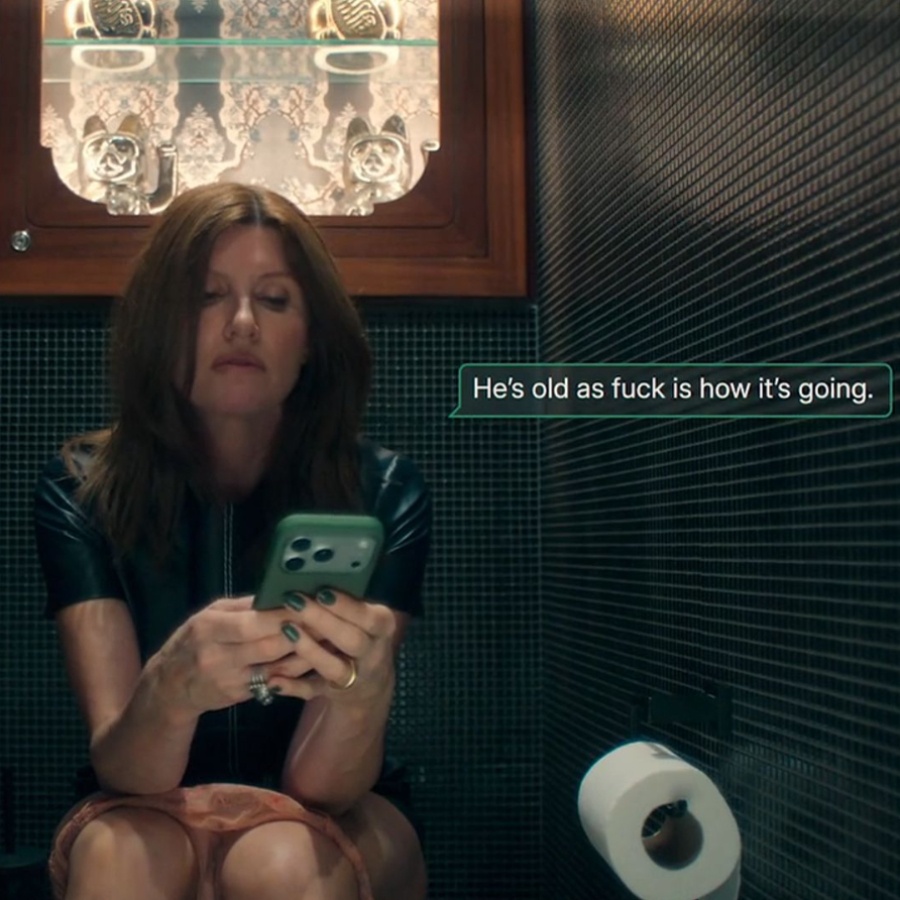






I have a confession to make. I’m a serial voice note sender. My friends and family have made peace with it. If they ask me a simple question, there’s a good chance they’ll get a three-minute rambling voice message about my day, instead of a simple ‘no, I can’t meet you today’ text. It’s quicker, I can actually explain myself, and I don’t have to spend time wondering whether a full-stop makes me sound annoyed or arrogant. Besides, after spending the entire day writing stories, replying to PRs and Teams messages, and answering endless stream of emails, the last thing I want to do when I’m off the clock is...more typing. My thumbs have clocked out.
But voice notes occupy a strange place in office culture. Miss a deadline? Forgivable. Reply-all by accident? We’ve all been there. Send a voice note in the work group? Straight to workplace jail.
The modern workplace has unspoken opinions and unsaid rules around this incredibly popular form of communication. What should be an email, a text, and a voice note? How long is too long? And most importantly, who gets to speak and who gets to listen?
And yet, outside the office, they’re everywhere. The latest available WhatsApp data, from 2024, found that users around the world were sending nearly 150 billion messages every day, around seven billion of them voice notes. If anything, the format only seems to be growing in popularity. Recent reports suggest WhatsApp is testing a widget that would let Android users record and send voice messages directly from their home screen, making the feature even more accessible. Clearly, voice notes aren’t going anywhere. So, to make sure you aren’t flagrantly flouting the rules of today’s most divisive medium of communication that your HR forgot to write, we spoke to a few professionals to discuss the 2026 voice note code for the modern workplace.
Voice notes are for emergencies (mostly)
Pareina Thapar, co-founder of Longform, falls firmly into this camp. “Sometimes I send voice notes to my team because I’m multitasking and I’m in a meeting. I’ll quickly record a voice note,” says the leading PR advisor, whose firm manages fashion labels such as Sabyasachi and Lovebirds. “It’s a situational reason, not a default way of communicating.”
That distinction feels like the closest thing workplace voice note etiquette has to a golden rule. They’re for when typing genuinely isn’t practical, not because it’s mildly inconvenient. Besides, as Thapar points out, work conversations have a habit of resurfacing days later. “Imagine having to refer to something two days later. How are multiple teams going to roll back to a voice note? That’s not possible.”
If you’ll need it next Tuesday, just type it
That’s where a work group starts to differ from your friends’ group chat. Voice notes are great for catching up, but offices run on receipts. Spend five minutes on Reddit and you’ll find that people aren’t complaining about voice notes so much as what gets buried inside them. Deadlines, client feedback, and action points are kind of things that are much easier to Ctrl+F in an email than scrub through in a three-minute recording. As one Reddit user put it, “In a professional environment, forcing someone to listen to your uninterrupted monologue and denying them the opportunity to ask clarifying questions or redirect off-topic rambling is absolutely disrespectful.”
There’s an unwritten job hierarchy at play here too
Anyone who has ever been at the receiving end of a juicy workplace meeting condensed into a hilarious VN by a colleague with comedic flair will agree that voice notes amongst peers are now the digital ground for a watercooler conversation. So, receiving them is not only acceptable, it is also amusing.
But it can be complex and confusing when this hierarchy is offset. Because like everything else, hierarchy has somehow found its way into voice note etiquette too. Ask Additional Commissioner officer Daribha Lyndem how she’d react if a junior sent her one and her answer is immediate: “I would consider it quite forward.”
It’s like an unwritten HR rule that who gets to send the voice note matters almost as much as what’s in it. Voice notes are, after all, self-indulgent monologues that deny any discussion or interjection by the receiver. Apparently, “too busy to type” is a privilege you unlock somewhere around middle management. It also subliminally signals that the sender’s time is more valuable than the receiver’s.
In government offices, Lyndem explains, even regular texts tend to come with a certain degree of ceremony, usually prefaced with a “Good evening” and the appropriate pleasantries. A voice note dropping into that equation could prompt some pearl clutching. The one time Lyndem sent a voice note to someone senior to her, the receiver seemed sheepishly startled enough that she quickly followed it up with an explanation that typing everything out would have taken too long. “The higher up in the chain, the less likely you are to tolerate voice notes,” she explains.
The sweet spot is under two minutes
For every person who rolls their eyes at a voice note, there’s someone like Chaitanya Srivastava, international marketing and publicity manager at Bloomsbury India, who’d happily send even more of them. “If there was an option to pitch journalists using voice notes, I would start doing that in a heartbeat,” he laughs. “When I’m typing a message, I keep going back, reading it again, wondering if it makes sense. With a voice note, you just talk.”
You will find Srivastava trilling observations into his upturned phone on a workday more often than poring over an email. He likes that voice notes capture everything text misses. “You get to hear my tonal inflections. You get to know what kind of emphasis I’m giving on certain words or a certain sentence. You just decipher more out of it much quicker,” he says.
But using unnecessary verbiage and rambling about your personal life in a work task voice note is a strict no-no. Content creator Prachi Popat prefers to keep things strictly on email when it comes to talking with clients and brands. She is, however, perfectly happy exchanging voice notes with her manager when it helps get a point across faster.
But even with colleagues, she has one request: don’t cram your entire stream of consciousness into one recording. “I’d rather get three short voice notes, each sticking to one topic, than one long voice note where you’ve spoken about everything,” she says. “It’s just easier to process.”
Others have a time stamp for it. “For work, I think two minutes is the max,” adds Srivastava. For longer monologues, he believes a little warning goes a long way. “If I am going above two, then I’ll probably supplement it with a text saying, ‘Hey, this is a little long..’”. It’s the voice note equivalent of knocking before walking into someone’s office.
The best voice note isn’t a voice note
For someone who loves voice notes, Raul Rai, co-founder of Nicobar, is surprisingly aware of why everyone else finds them annoying. He loves the format, even if he admits it’s easy to abuse. “Voice notes can be distracting. If you’re in the middle of a meeting, you can quickly look at and respond to a WhatsApp text if it’s urgent. With voice notes, people are not concise either,” he says.
So rather than asking colleagues to listen to him, he lets AI do the translating. Rai uses Wispr Flow, an AI-powered dictation tool that converts what he’s saying into text. He still gets to think out loud, but the person on the other end gets something they can read in seconds. That’s not to say voice notes don’t have their place. “When you’re giving design feedback, it actually works because you’re able to give a lot more context,” he says. “You’re able to explain things much better.”
With transcription becoming more common across apps, the office voice note debate may soon become a lot less dramatic.