




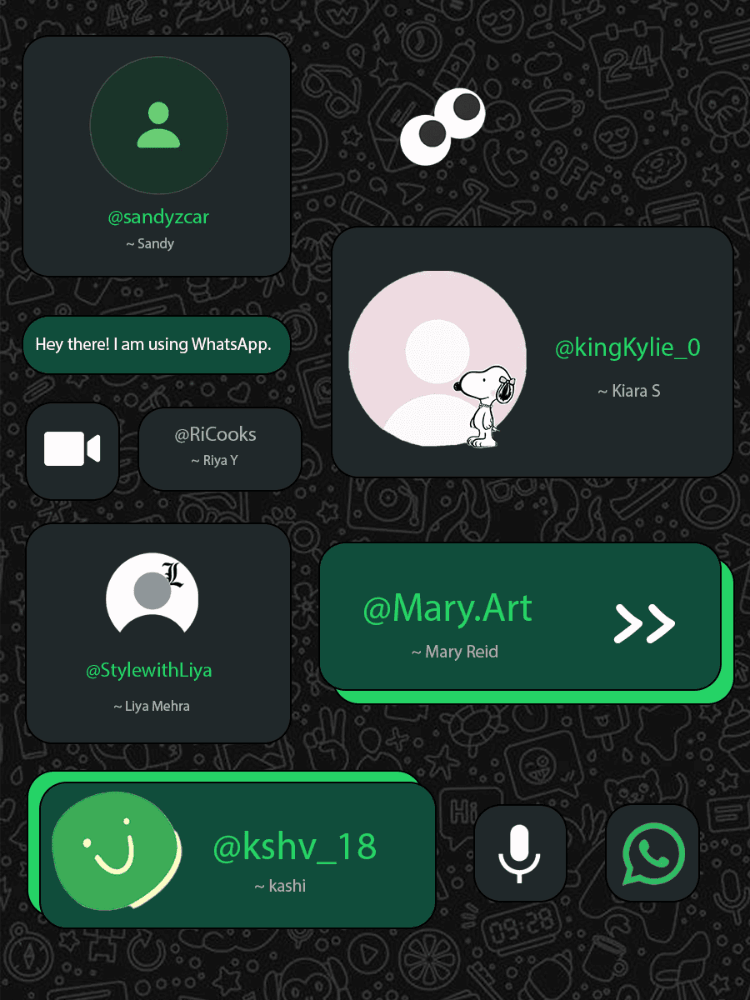

WhatsApp’s upcoming username feature has already sparked a wave of memes, with users joking about the scramble to claim coveted handles before someone else does. But while many treat the rollout as a light-hearted race for usernames, some contemplate the oxymoronic approach of making their phone numbers their username, and others magnanimously share lists of probable usernames with fellow users, India is taking a far more cautious view.
The Indian government has reportedly asked WhatsApp parent company Meta to explain how the feature will work and, for now, has not cleared it for rollout in the country. The move reflects growing concerns that usernames, while designed to improve privacy, could also make it easier for scammers and impersonators to exploit WhatsApp’s massive user base.
So, what exactly is the username feature?
Later this year, WhatsApp plans to let users create unique usernames that can be shared instead of phone numbers—if you’d rather be known as WildCard1234, go for it. Someone who knows your exact username will be able to start a conversation with you without seeing your number, offering an additional layer of privacy when interacting with people outside your contacts.
There are important limitations. Users will not be able to browse usernames or search for random accounts. Existing contacts who already have your phone number will continue to see it, meaning the privacy benefits are largely aimed at new conversations.
WhatsApp is also introducing an optional “Username Key”, which gives users additional control over who can message them using their username. Ahead of the wider rollout, Meta has begun allowing users to reserve their preferred usernames.
Why is India concerned?
The biggest concern is impersonation.
Unlike phone numbers, usernames are easier to imitate. A scammer could create a handle that closely resembles that of a public figure, business, creator or even someone you know, making it easier to deceive unsuspecting users. On a platform as widely used and trusted as WhatsApp, that risk becomes especially significant.
Entrepreneur Ankur Warikoo recently warned that people searching for a celebrity, journalist or business could easily mistake a convincing lookalike username for the genuine account, particularly if they are unfamiliar with verification badges or subtle spelling differences.
Prachir Singh, senior analyst at Counterpoint Research, believes the feature improves privacy but also creates new identity challenges. “Although WhatsApp has introduced safeguards such as the optional Username Key and reserved usernames for public figures, lookalike usernames and impersonation will remain challenges. Going forward, stronger impersonation detection and more visible verified accounts will be essential, especially for banks, businesses, and government agencies. Ultimately, users should never trust a username alone or share OTPs, passwords or financial information without verifying the account,” Singh said.
With scams cutting across generations of late, Prabhu Ram, VP, Industry Research Group at CyberMedia Research (CMR), echoed similar concerns. “Usernames are a welcome step toward strengthening privacy on WhatsApp. However, scammers have consistently demonstrated an ability to adapt quickly to new platform features. Given WhatsApp’s massive scale and the high level of trust it enjoys in India, the risk of impersonation, whether of family members, banks, government agencies or brands, remains significant. For users, the guiding principle should be simple: verify first, then trust. Be especially cautious of messages from familiar-looking usernames that request money, personal information or urgent action, even if they appear legitimate.”
Experts have also cautioned against using the same username across every online platform. If your WhatsApp, Instagram, X, Telegram and other accounts all use the same handle, it becomes much easier for strangers to link different parts of your digital identity. While that may not matter to everyone, privacy experts generally recommend limiting the amount of personal information that can be pieced together across platforms.
Should you be worried?
Probably not, but some precautions wouldn’t hurt.
Username-based systems have existed for years on platforms such as Instagram, Telegram, Discord, and Signal. The risks are not unique to WhatsApp—incidentally, the Government of India has also issued notices to Signal and Telegram over features that allow users to interact without revealing their phone numbers—but the platform’s enormous user base and the trust people place in it mean that any new avenue for impersonation could have a much larger impact.
What can you do?
- Reserve your preferred username early if it is important to you.
- Avoid including sensitive personal information, such as your full name alongside your birth year or phone number.
- Consider using a different username from the one used across other social platforms if privacy is a priority.
- Treat unexpected messages from businesses, celebrities or even familiar-looking usernames with caution.
- Never send money, share OTPs or disclose personal information without independently verifying the sender’s identity.
Public figures, creators, and businesses may also want to publish their official WhatsApp username on their verified websites and social media profiles to help followers distinguish genuine accounts from impersonators.
For now, however, Indian users may have to wait. Until Meta addresses the government’s concerns, the feature’s rollout in India remains uncertain, even as the rest of the internet debates who will win the race for the best usernames.