



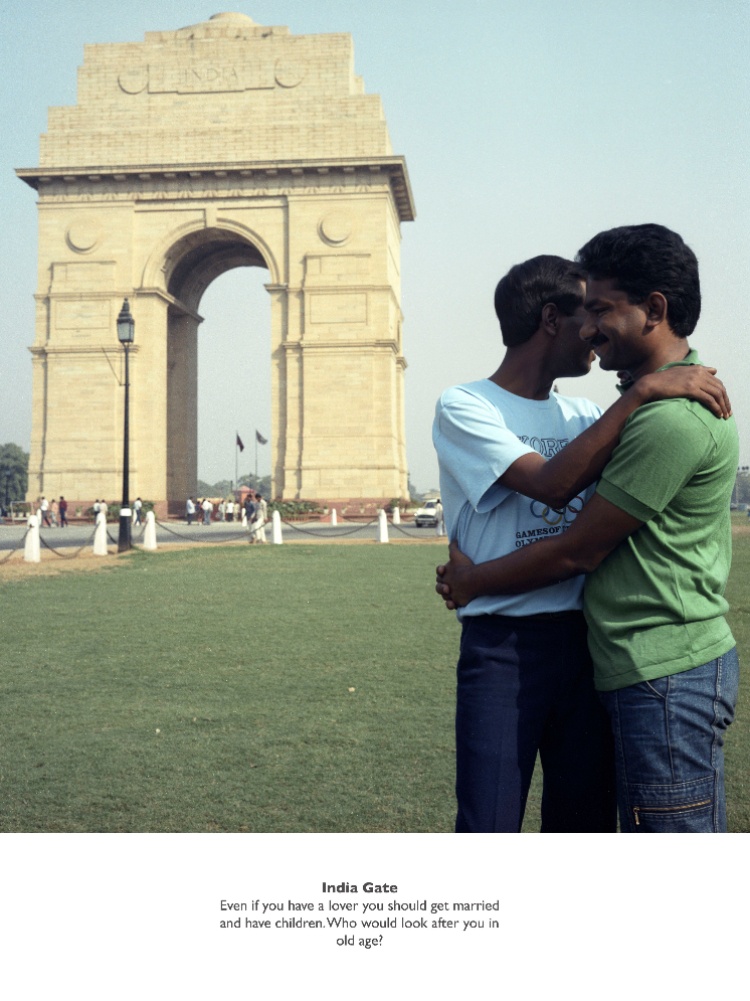

Long before Grindr and Instagram DMs, back in the Delhi of the 1980s, queer men learned to recognise one another through glances. In places like Connaught Place, Lodhi Gardens, and other unofficial cruising spots across the city, a look held for a second too long could mean interest or possibility. Looking back now, at a moment when queer Indians are more visible in public life than the generation before them could have imagined, photographer Sunil Gupta remembers a time when recognising one another depended on pure intuition. “It’s just the way people looked,” he says. “People may or may not glance at you as they go by, generally speaking. But if people are cruising and they found someone that seemed attractive to them, they looked an extra second or two.”
Few people are better placed to describe that language than Gupta. Born in Delhi in 1953, the photographer, curator, and activist moved to Montreal at the age of 15 before eventually studying photography in New York and later completing his Master’s at the Royal College of Art in London. Over the next five decades, he became one of the most important chroniclers of queer life in India and its diaspora, documenting everything from gay liberation movements and HIV to migration, race, and intimacy.
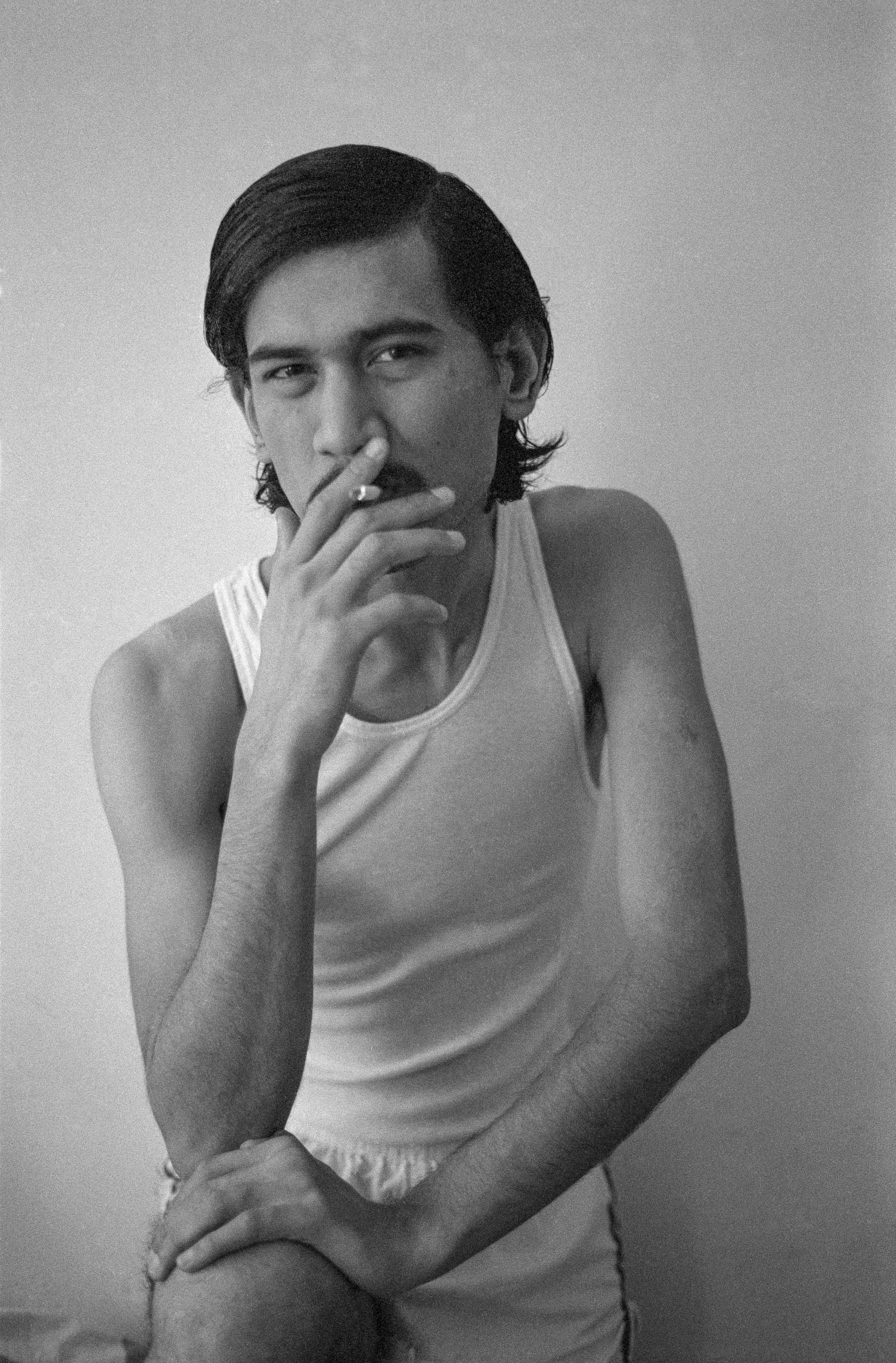
Now 72 and based in London with his husband and collaborator Charan Singh, Gupta has spent much of his career photographing lives that official histories rarely made room for.
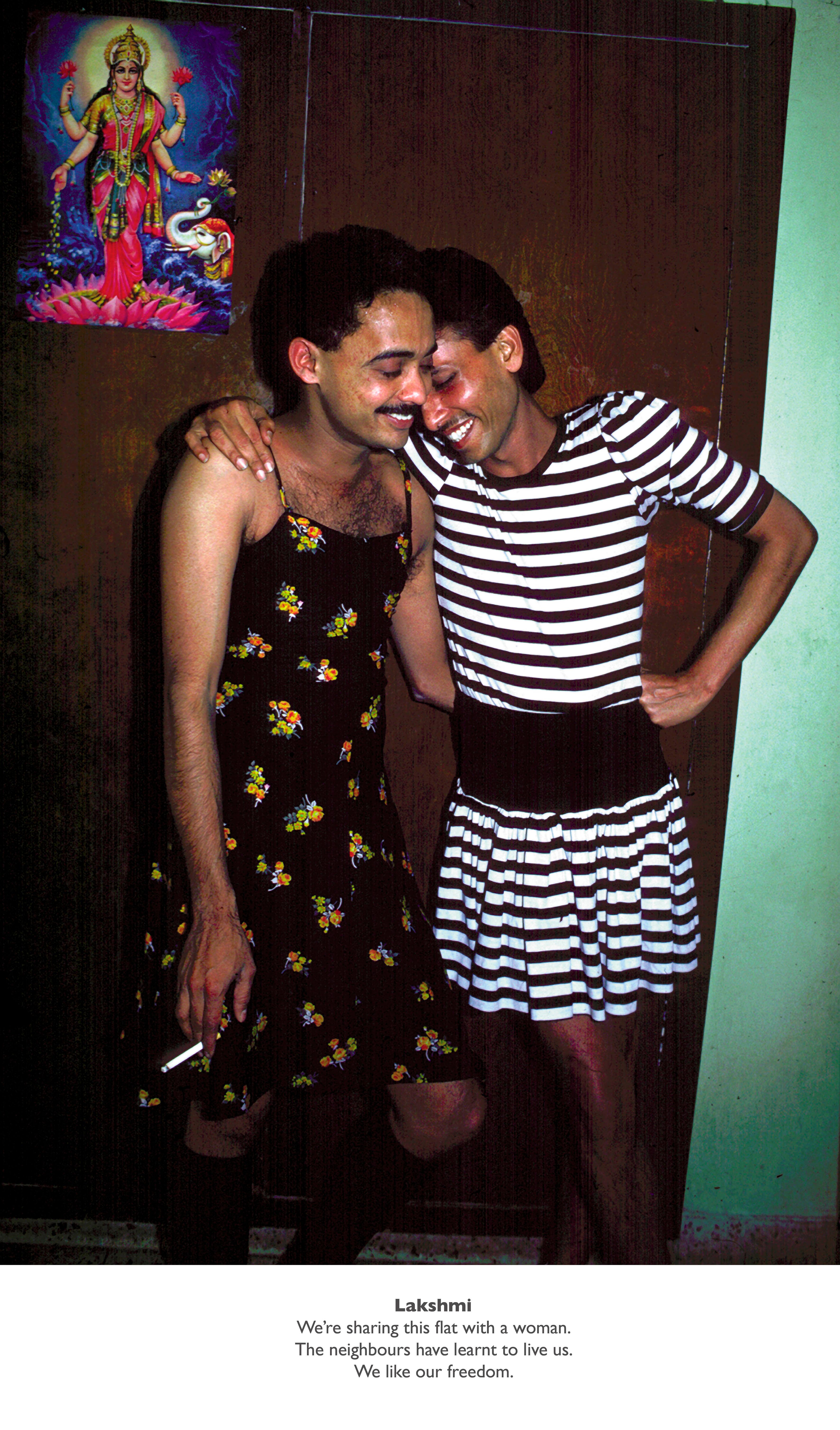
When Gupta returned to India in the 1980s from the US, he jokes that he lost his ability to figure out who was queer and who wasn’t. It was around this time that he created Exiles, commissioned by The Photographers’ Gallery in London and photographed between 1986 and 1987, when queer life functioned through whispers and networks of trust. Homosexuality was criminalised, and “you had to know somebody who knew somebody”. “You may have a telephone that was a landline...usually answered by the parent or the domestic help.”
Weekends unfolded at private parties in homes and borrowed offices. “People drank quite a lot,” he recalls. “Then people would get less inhibited. By the end of it, it was like a free-for-all, basically, because there was nowhere to go.” The part he still laughs about is this: “It’s like being in a nightclub, but it’s an office...getting drunk and having sex in the middle of Godrej cupboards and office chairs. I’ve never been to something like that anywhere else.”
For all the secrecy, he remembers those spaces with affection. Outside them, Delhi remained sharply divided. “Delhi is also very divided by money and by class and caste and all that. But mostly by money,” he says. “There are the guys who’d sit on the sofa and guys who’d stand outside the door and never come in.” Yet, for a few hours at these gatherings, some of those distinctions blurred. “At these parties, everything was possible.”
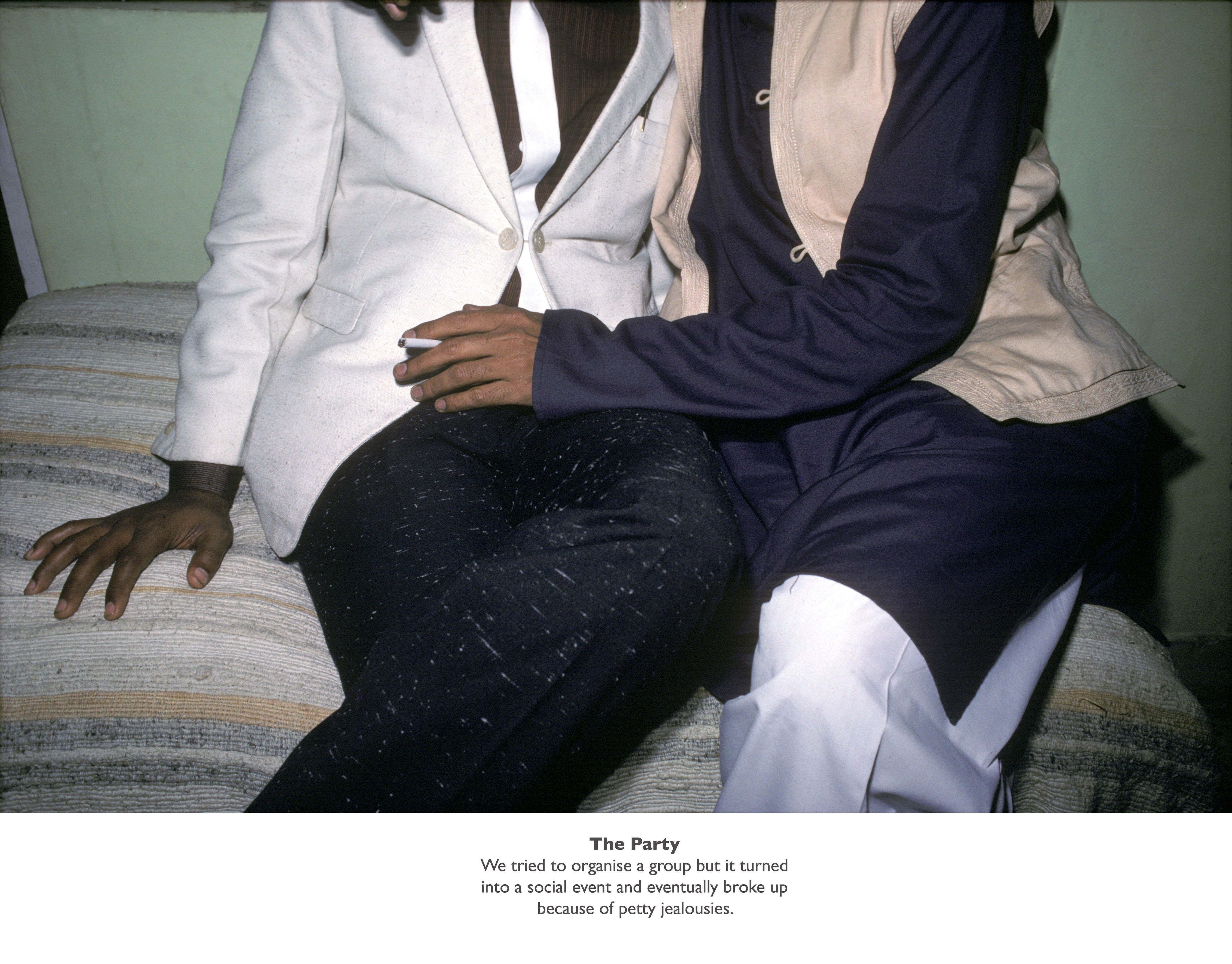
The limitations of that world, however, were impossible to ignore. “I think one reason in the ’80s why you couldn’t do anything was partly because you couldn’t fall out with your family. There was no safety net,” Gupta says. People lived at home. Many worked within family businesses. Losing your family’s support often meant losing your housing, financial security, and community all at once. Being openly queer wasn’t simply a question of bravery. It carried practical consequences. You can see that caution written into Gupta’s early photographs.
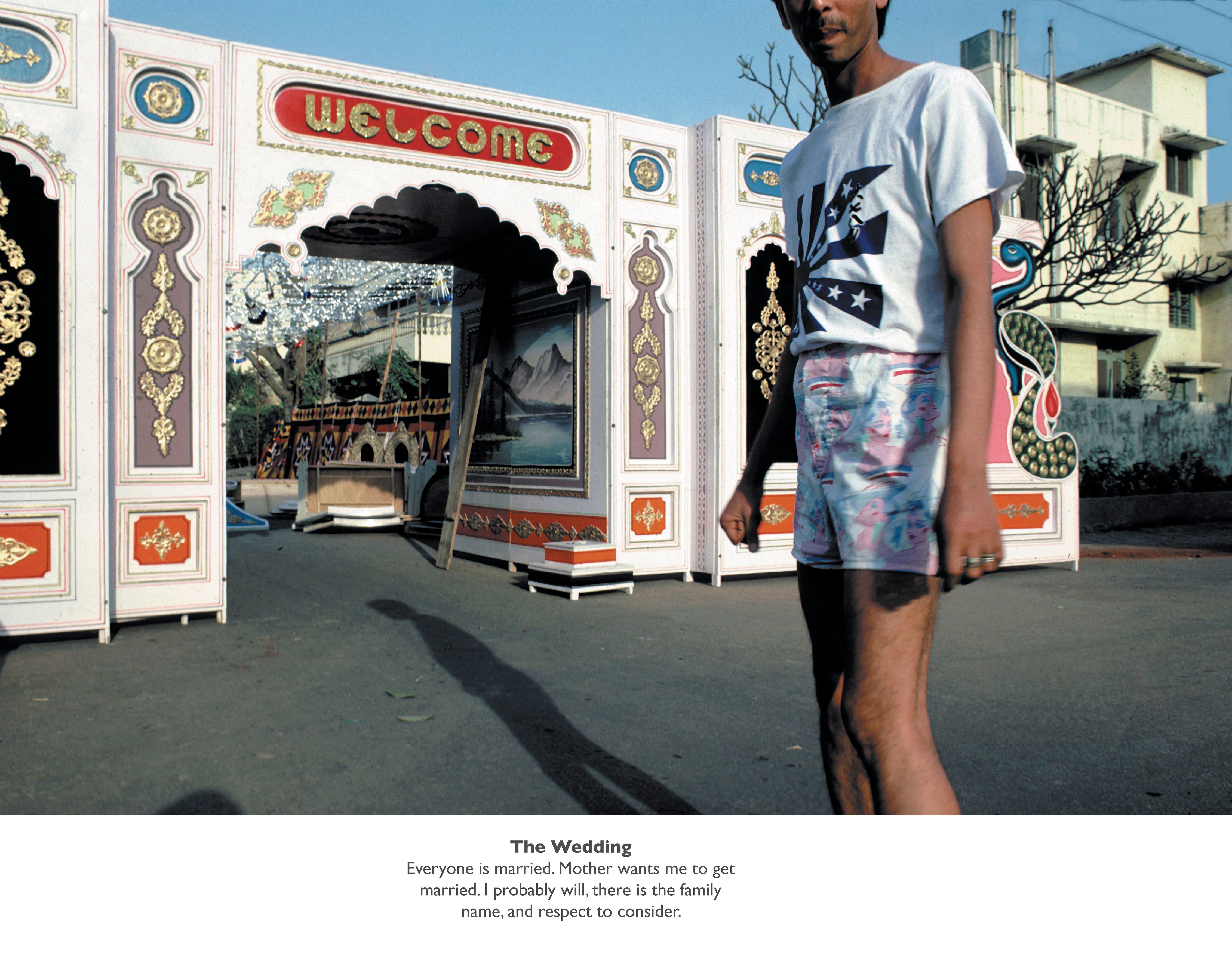
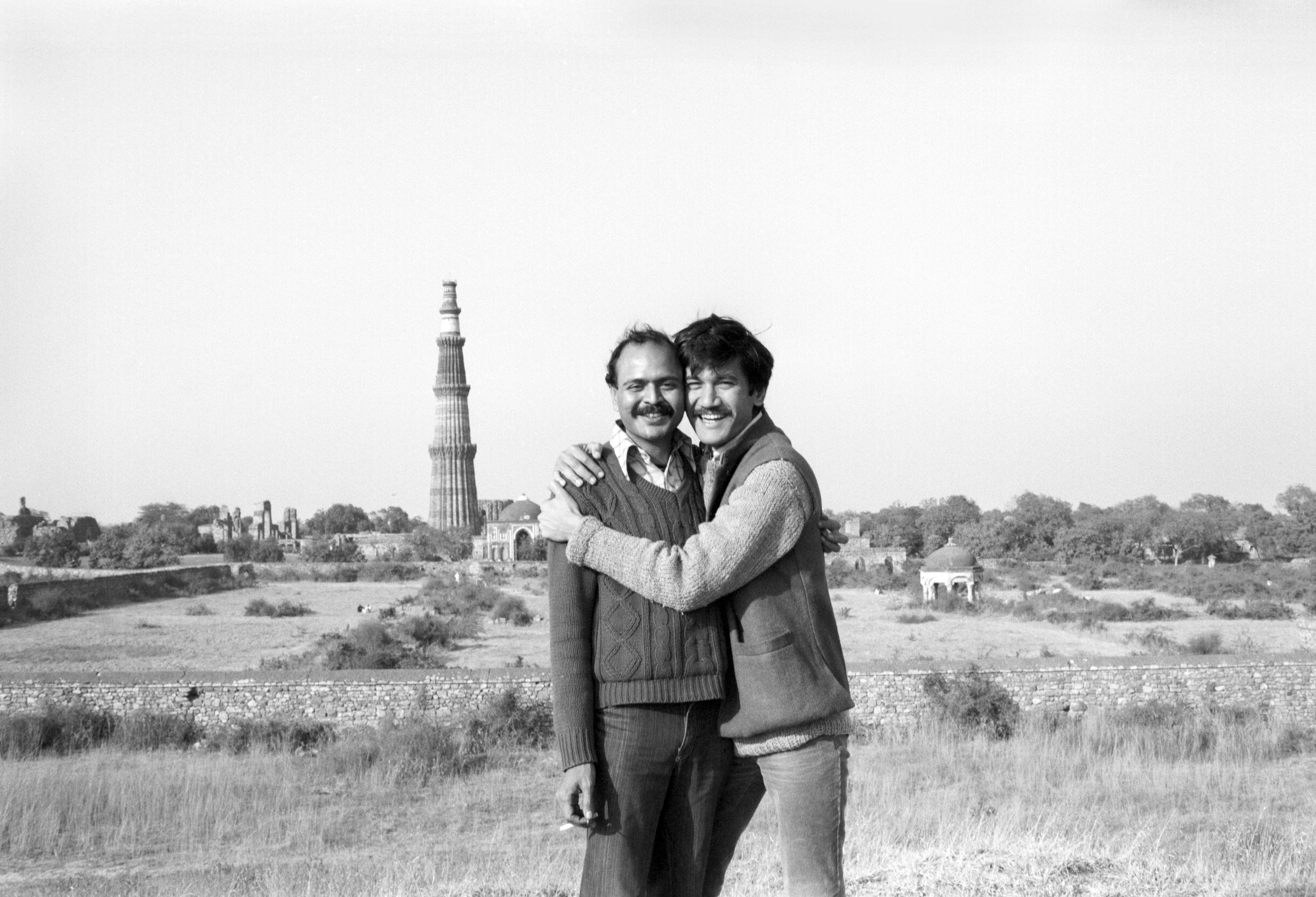
In Exiles, the men occupy cruising sites and historic architectural spaces across Delhi, places where encounters happened in passing and anonymity offered protection. Faces are often turned away, partially obscured or withheld altogether. The images carry the tension of people who had learned to be discreet.
When Gupta returned to Delhi again in 2005 after having left India for over a decade post his 1980s stint, the difference startled him. “My generation, I think, thought that it’s never going to be accepted in India,” he says. “India is so old. We’re always quoting this thing: India is 5,000 years old. Nothing can change. It’s unchangeable. So, we just have to live with it.” But the young people he encountered had little patience for resignation. “By 2005, young people were saying, we want to change and we want to change now. I don’t want to wait. I want it to happen now."
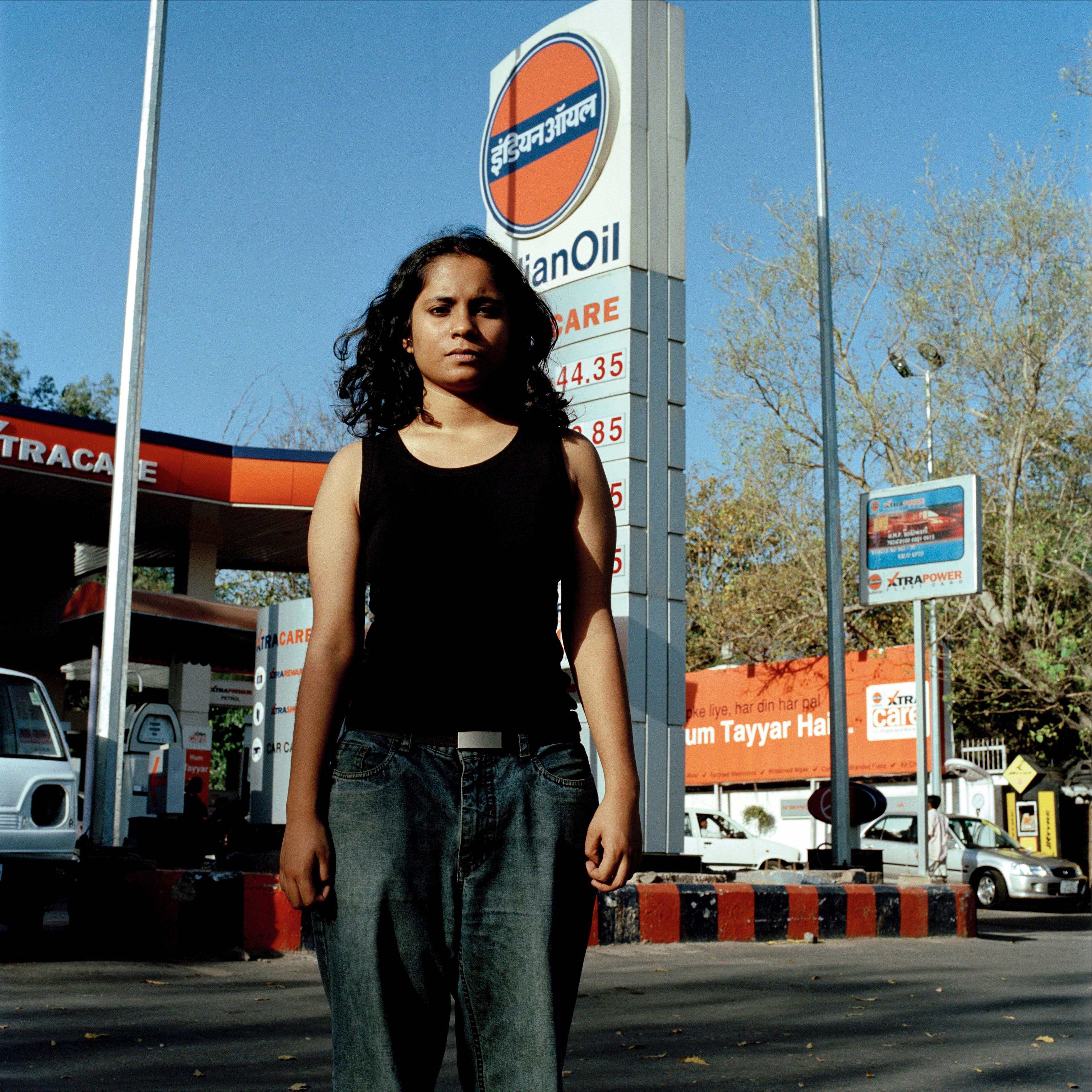
That transformation becomes visible in the photographs too. In Mr Malhotra’s Party, made between 2007 and 2012, the subjects no longer retreat from the camera. They look directly into the lens. Gupta photographs them in the neighbourhoods where they live and work instead of cruising sites. There are women and men, people with androgynous presentations, subjects who appear playful, glamorous, introspective or self-assured. The secrecy that shaped Exiles gives way to, if not complete freedom, a willingness to be seen.
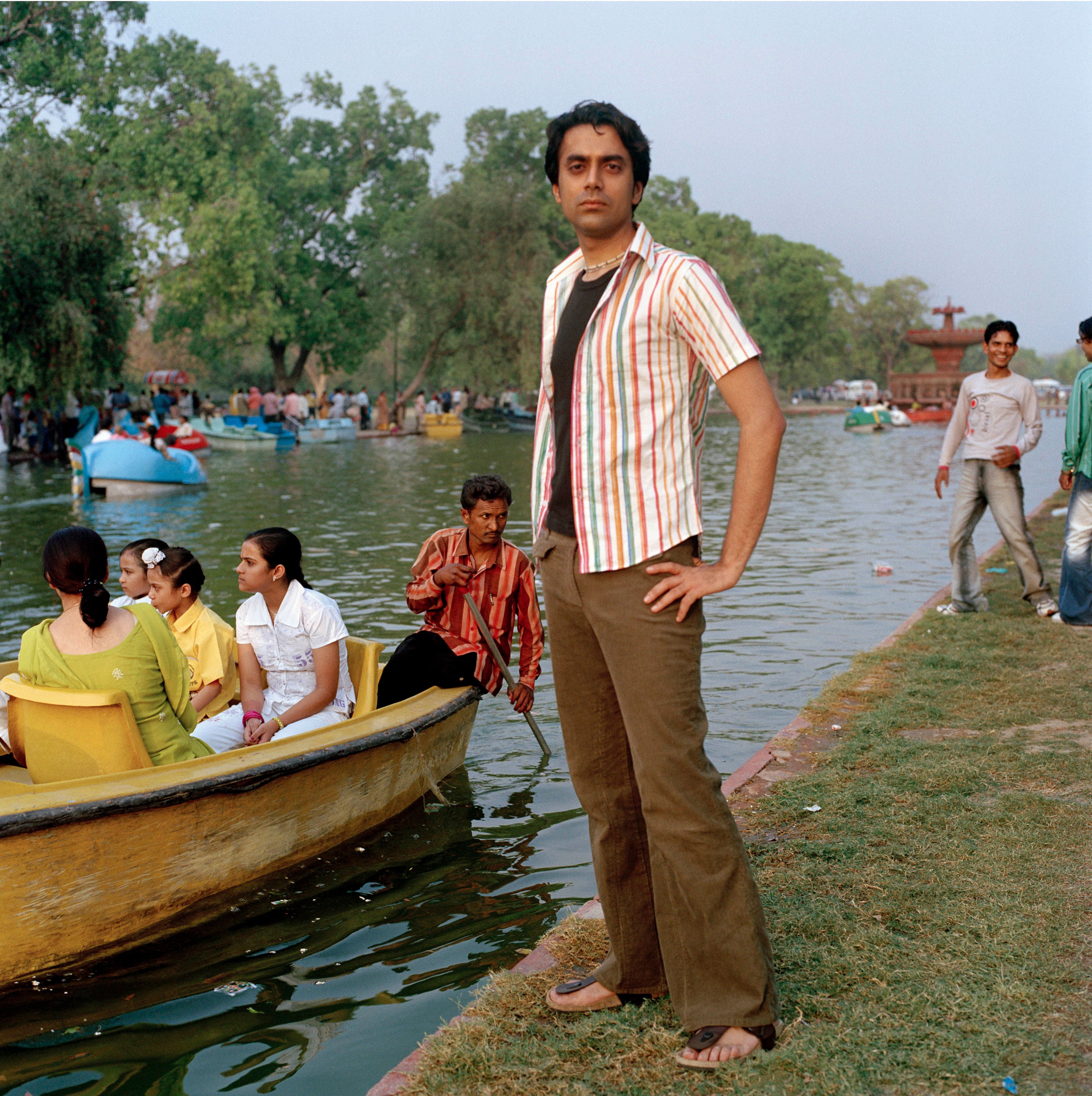
“People often worked within the family also. But now this younger generation seems to have more access to income and jobs and mobility and everything,” he says. “They were much more freer in moving around. They weren’t worried that they were not going to get hired by somebody.”
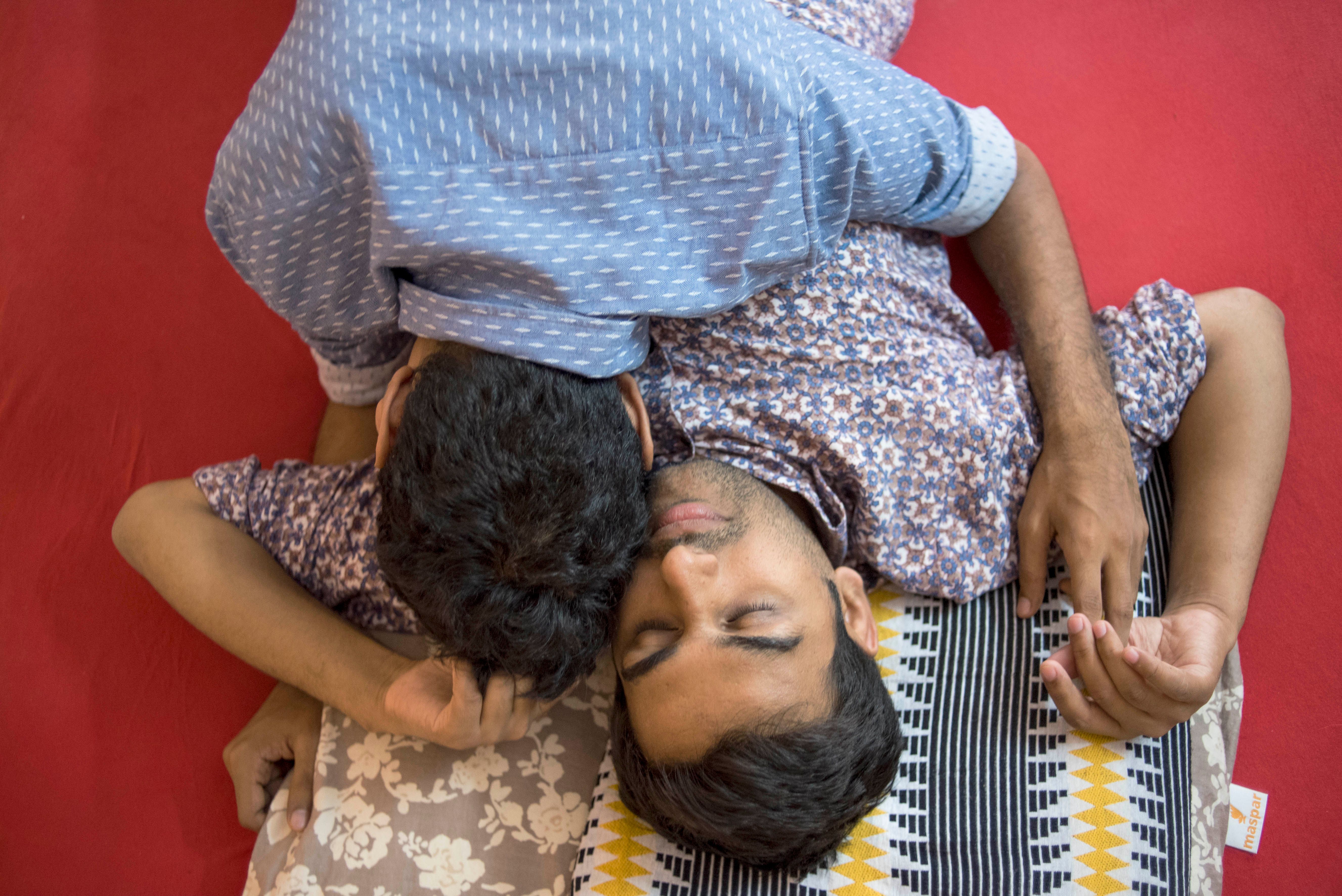
His more recent work captures another kind of change, one that is harder to measure through laws and court rulings. In ‘Sonal and Lover’, Dissent and Desire, photographed in Delhi in 2015 as part of a project created with his husband and artist Charan Singh, one lover sprawls across another. There is no sense of performance or self-consciousness. They look like people who know each other’s habits and moods, people who have spent enough time together to stop worrying about how they appear from the outside.
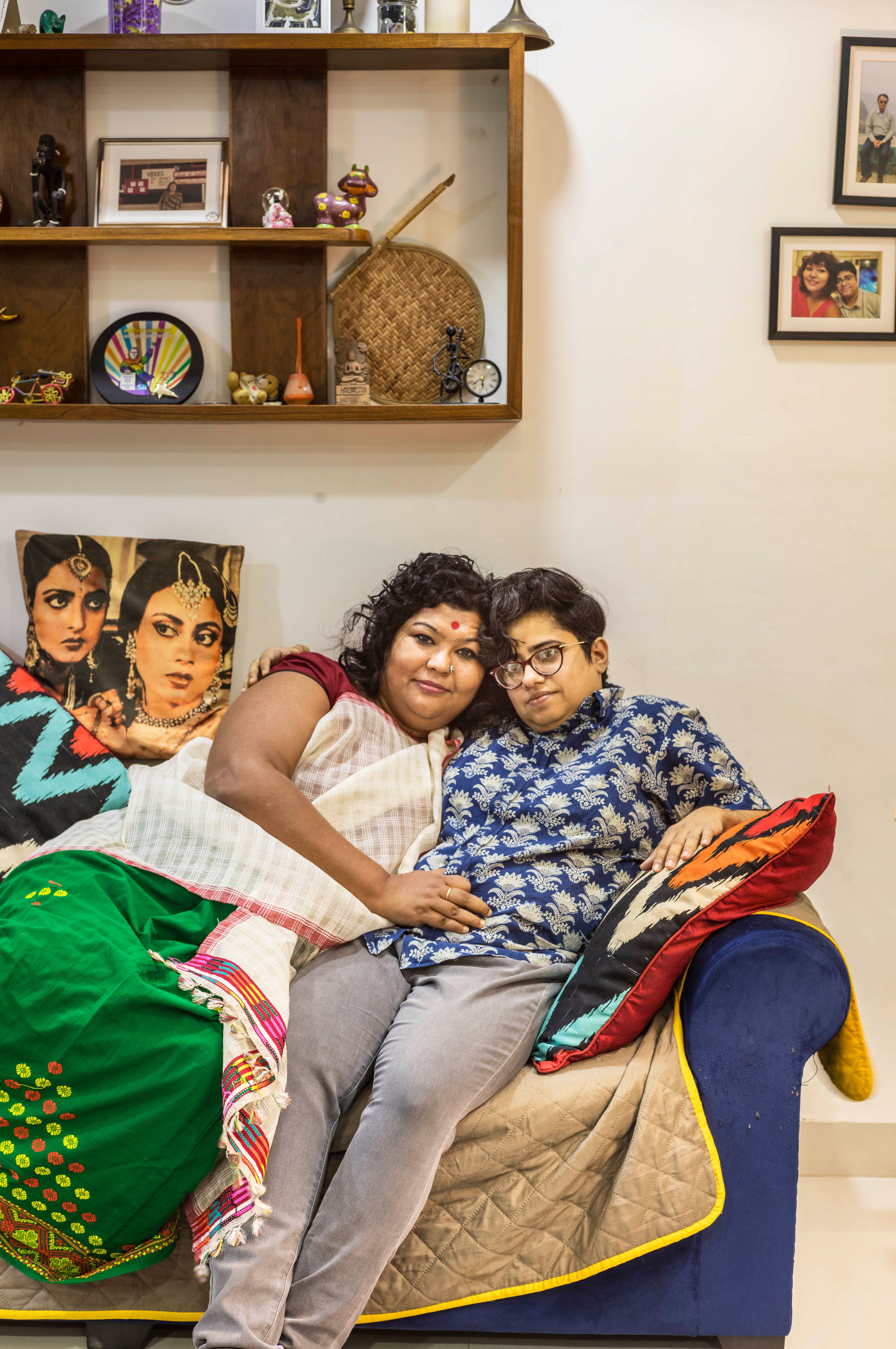
That sense of comfort carries through to ‘Rituparnah and Amrita’ from the 2024 Lovers, Revisited series. The two women sit close together in what appears to be an ordinary living room, embracing one another while looking directly into the camera. The confidence of that gaze feels worlds away from the furtive glances and turned faces that populated Gupta’s earlier work.
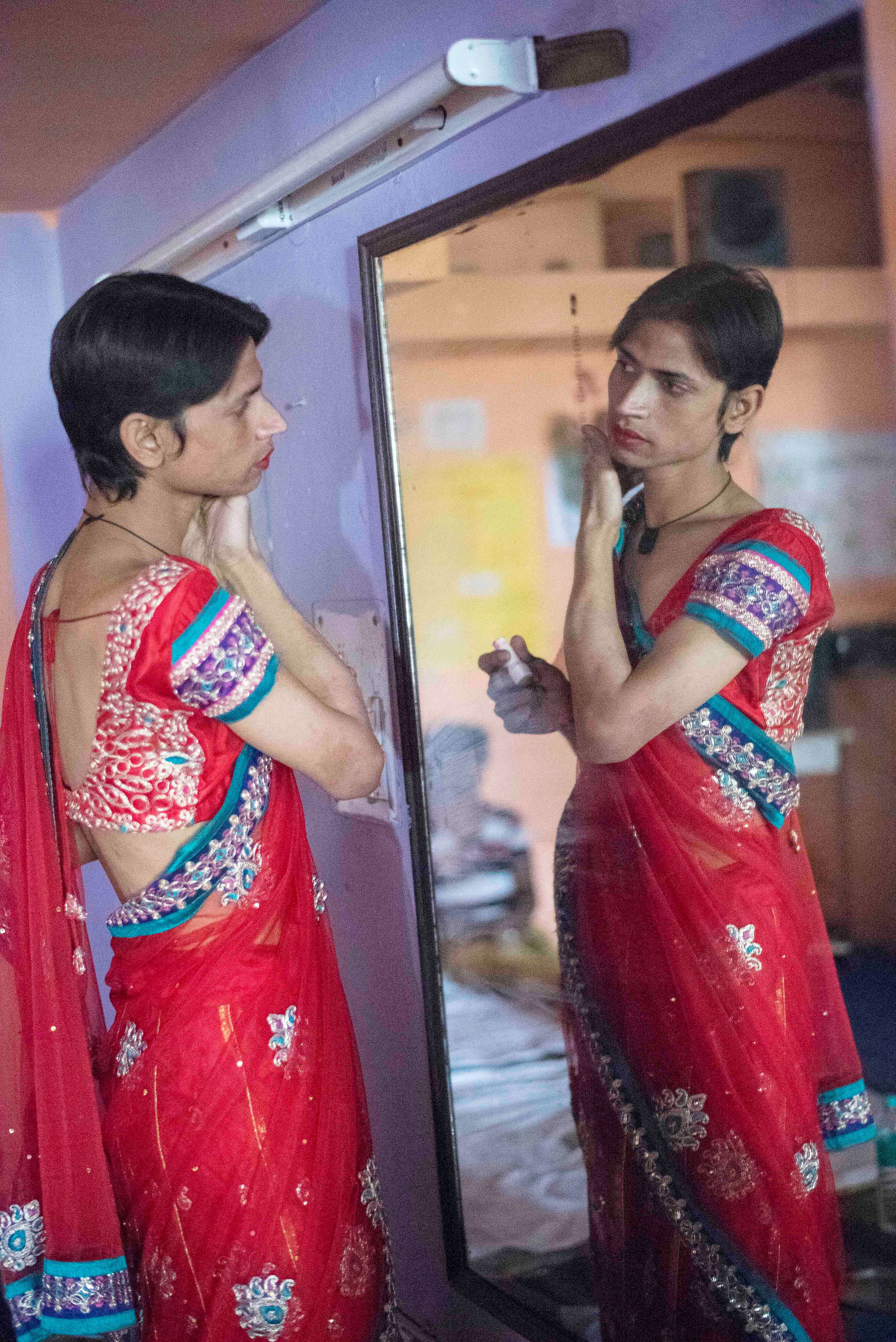
Of course, the years in between were marked by enormous upheaval. Gupta witnessed the optimism surrounding the 2009 Delhi High Court judgment on Section 377, the devastation when the Supreme Court reinstated the law in 2013, and the relief that followed its final reading down in 2018. Yet his photographs resist turning those legal milestones into a tidy narrative of progress. Instead, they reveal smaller, quieter shifts that are just as significant. In these later photographs, people are at home. They sit on sofas, lean into each other, invite the camera into their living rooms and hold its gaze. They simply seem comfortable enough to be photographed as they are, which, considering where this archive began, says plenty on its own.