



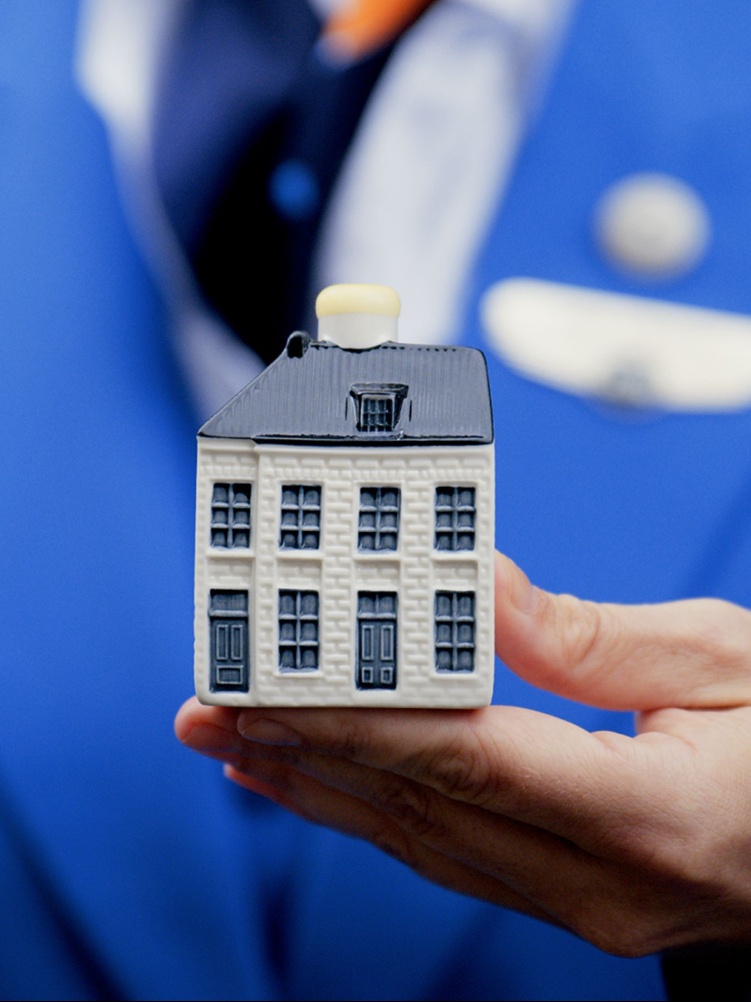

A few minutes before my KLM flight from Amsterdam touched down in Mumbai, the cabin crew walked in bearing trays of miniature porcelain houses. The until-then quiet business class stirred with excitement. “Is this the newest house?” asked the lady across the aisle from me. Elsewhere, another passenger debated whether to pick the latest model or add one of the older houses to his collection.
If you’ve ever flown business class on KLM’s intercontinental routes, you’ll be familiar with its Delft Blue houses. Since the 1950s, these mini porcelain houses—filled with Bols Dutch gin— have been part of the inflight experience, gifted to every business class passenger. Every year, on October 7 (KLM’s founding date), the airline adds a new house, a special building in the Netherlands that’s chosen for its historical significance.
This year, KLM unveiled its 106th Delft Blue house, cementing its legacy as the world’s oldest airline still flying under its original name. These miniature houses are crafted by Royal Delft, an iconic Netherlands-based porcelain brand famed for its intricate cobalt-blue designs and hand-painted detailing since 1653. At the back of each house you’ll see a number, and frequent business class flyers can use an app (really!) to track which houses they already have and which ones they need to collect.
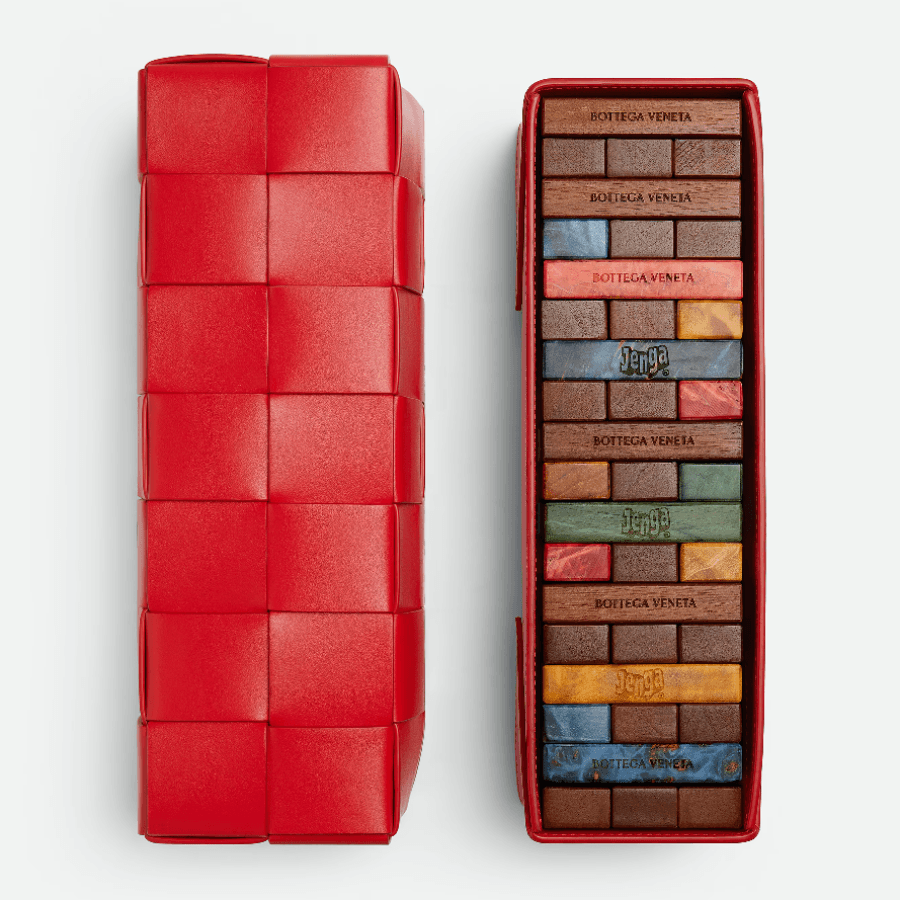
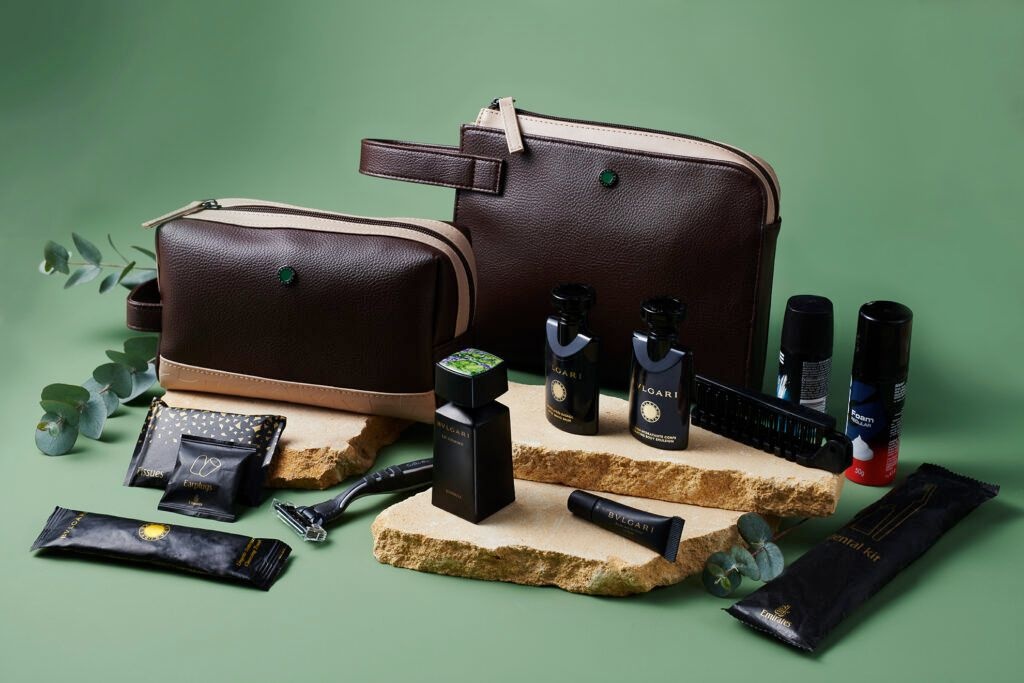
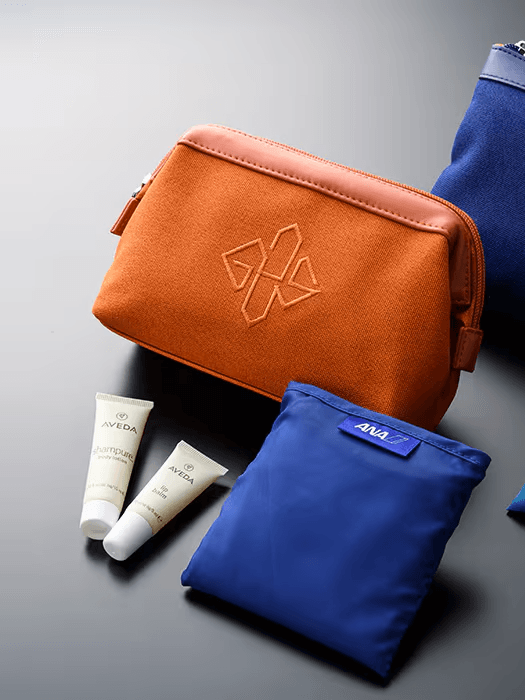
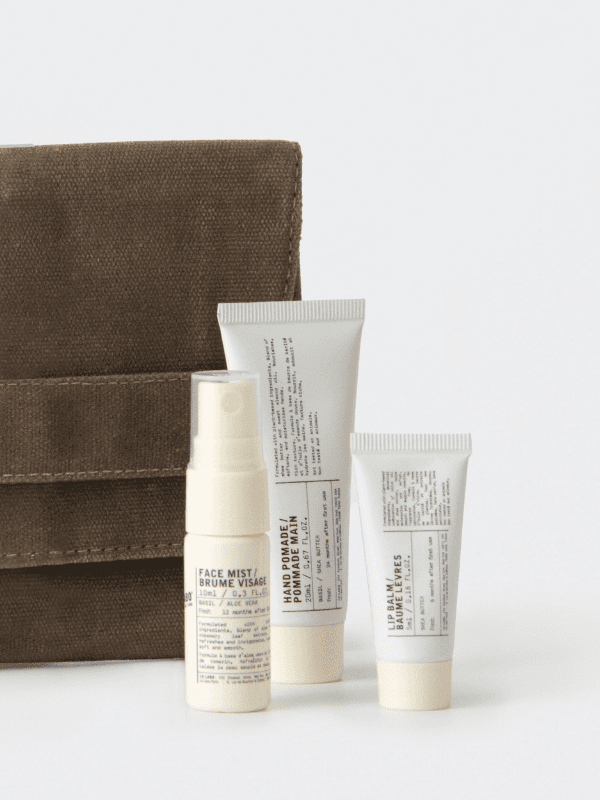
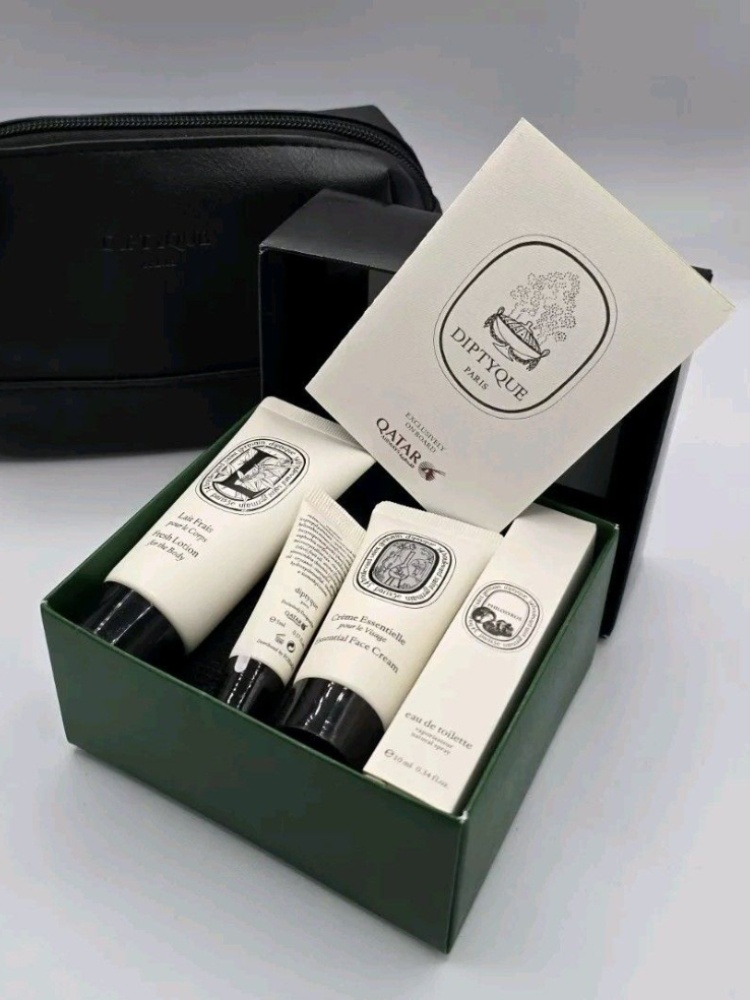
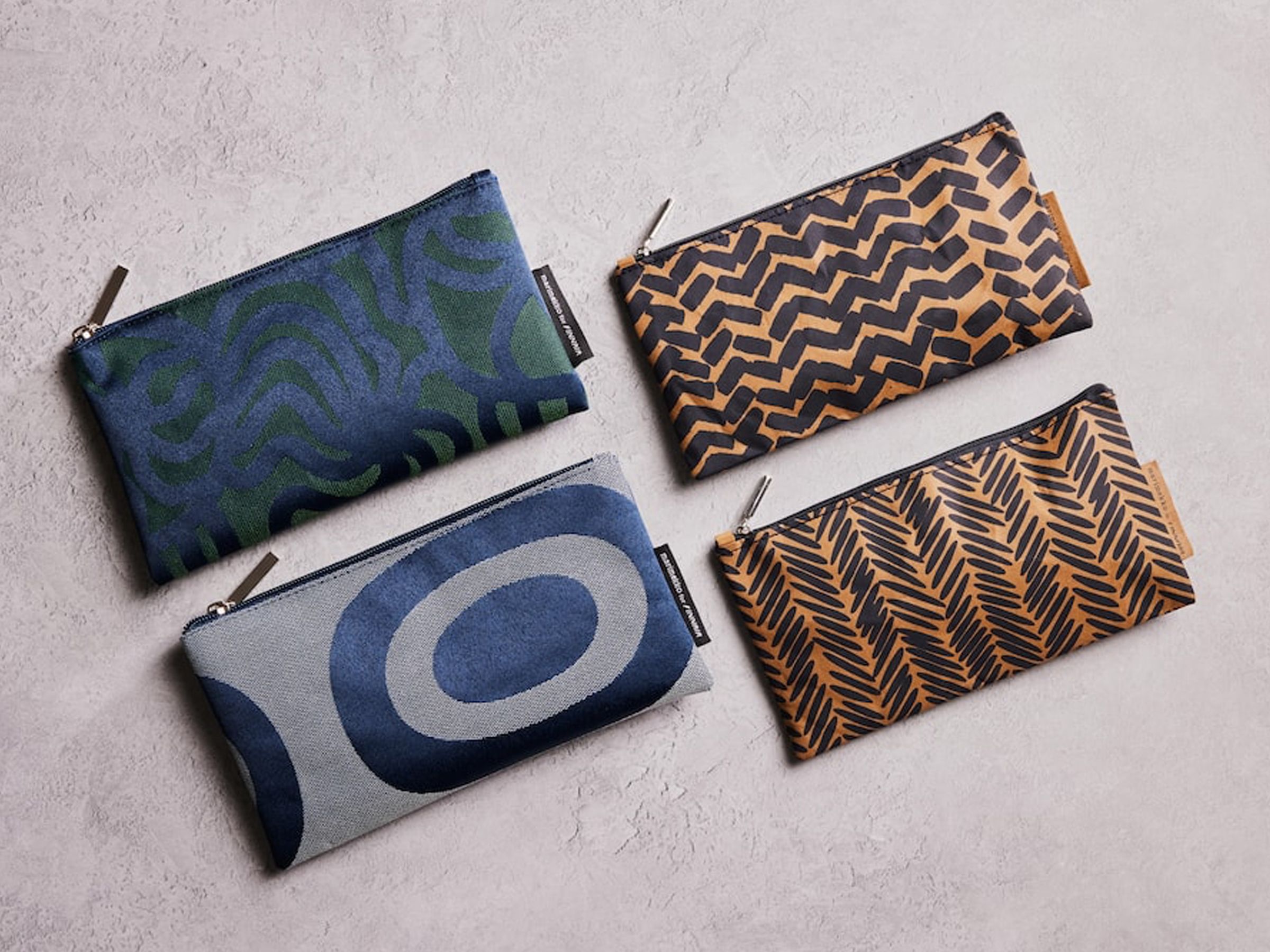
But KLM is by no means the only airline that’s figured out that design can spark loyalty just as much as legroom. Around the world, carriers are increasingly collaborating with local artists, luxury fashion brands, and heritage makers to create objects that reflect their cultural DNA. Even amenity kits have become mini design projects—part branding, part national pride, part “I’m definitely taking this home”. On Emirates, you will be rewarded with a Bvlgari travel kit, on Singapore Airlines you’ll bring home goodies from Le Labo Fragrances, on Qatar Airways there’s a prized amenity kit by Diptyque, and Japan’s ANA has one featuring their collaboration with L’Occitane.