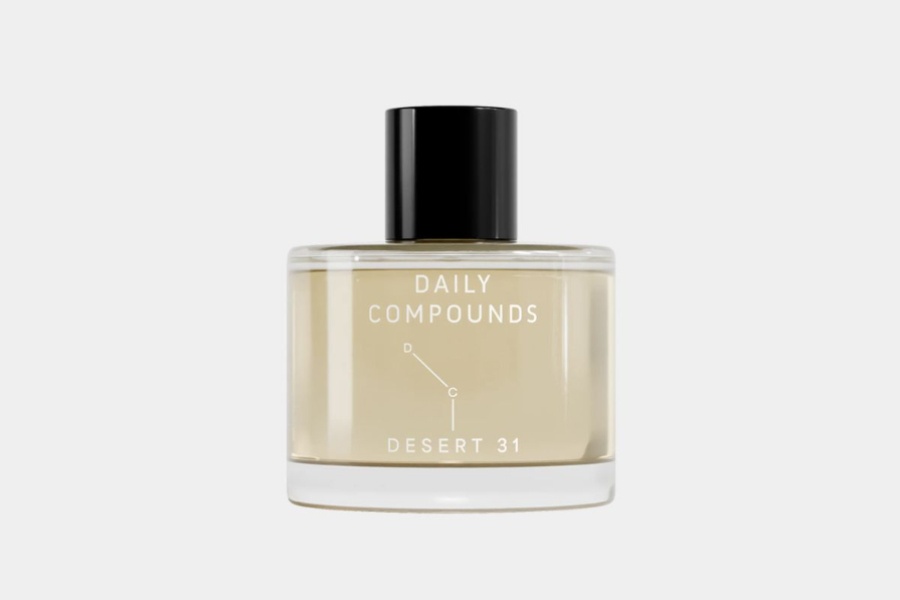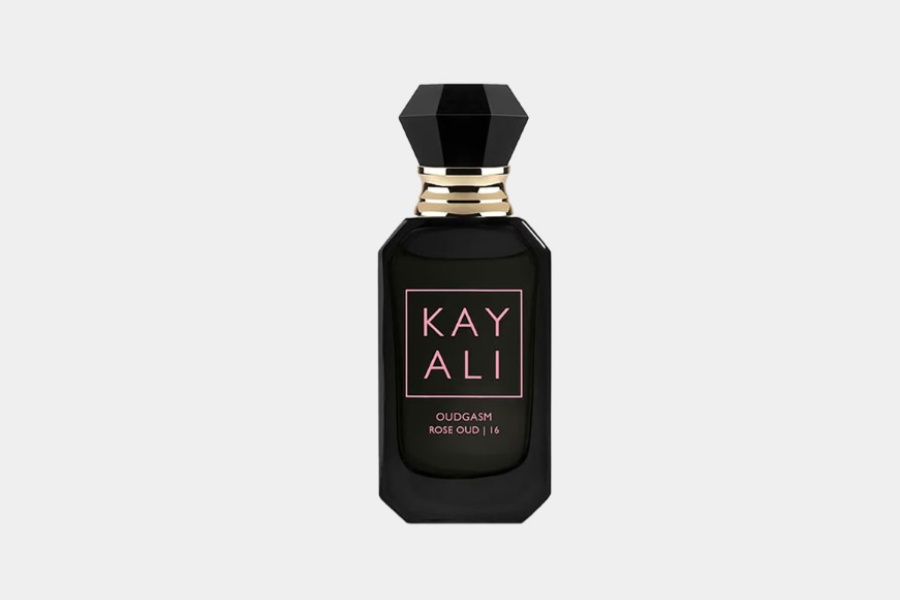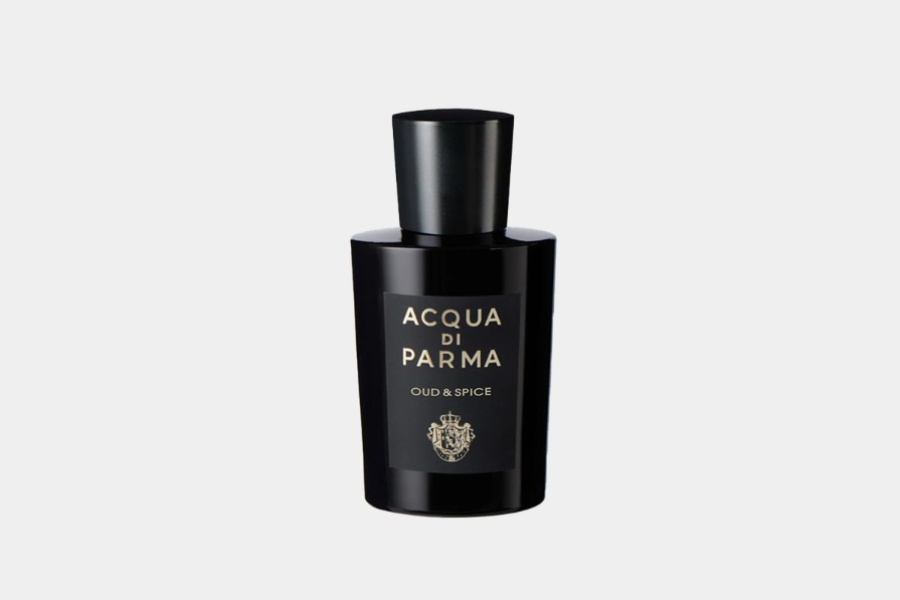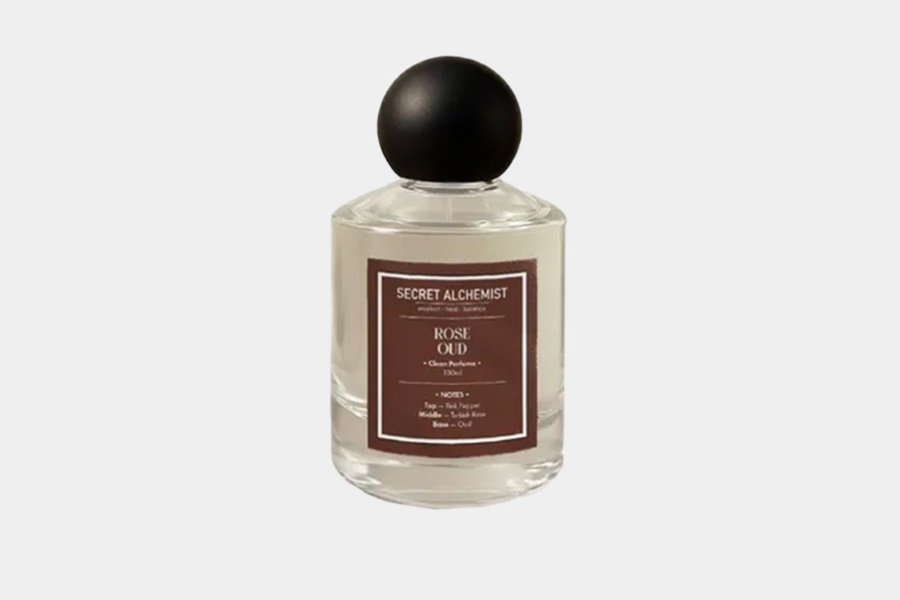

Festive season runs on preparation (or panic?). The lehenga is steamed, jewellery is chosen, and the blow-dry is booked a week in advance. And then, at the last minute, a quick spritz of whatever’s closest to hand. Scent is the final detail we barely think about, even though it lingers long after the photos have been posted.
It doesn’t help that the options have been so banal; vanilla, cherry, and anything you could theoretically eat have taken over the shelves. After a long stretch of sugar, oud, or oudh, becomes a palate cleanser—it’s smoky, resinous, faintly leathery, and has a depth that sweet scents can’t mimic. It comes from agarwood, the dark, resin-soaked heartwood that forms only when an Aquilaria tree is wounded or infected, and slowly at that. Years of patience for a few precious grams—think of it as the fragrance equivalent of heavy silk and rich gold jewellery. Traditional, unblended oud is potent, almost animalic, and can overwhelm even a seasoned nose. It’s still very much available for those who want it, but it comes with a price tag to match, as genuine agarwood is rare and costly to source. This is where modern fragrance houses come in, who build their oud on synthetic or reconstructed accords, which are far more wearable and versatile, then pair them with florals, cedar, and spice. The result is an oud you can tailor to your own taste.
The trick is in the art of layering. Oud with rose notes softens into something romantic and almost regal. Oud with citrus or saffron and spice stays bright enough for a daytime puja without tipping into the dramatic. Wear it on pulse points rather than spraying freely, since a little goes a very long way, and let it settle into the fabric of your lehenga or silk sari for the festivities. This is not a scent that whispers.
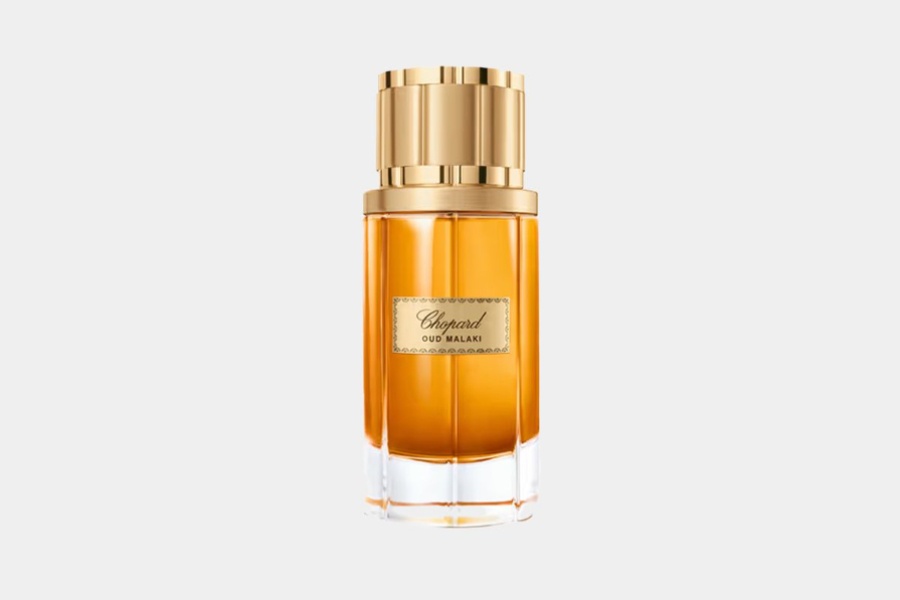
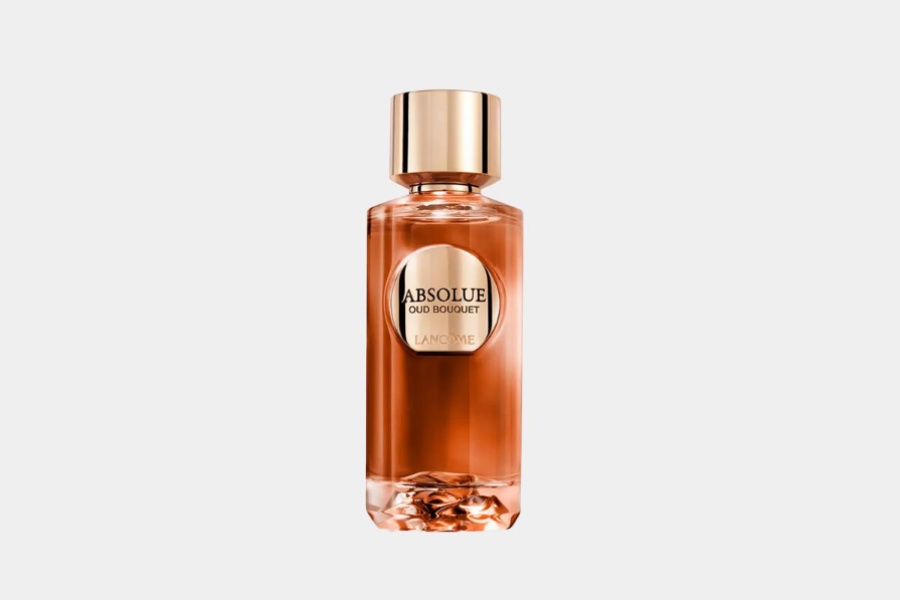
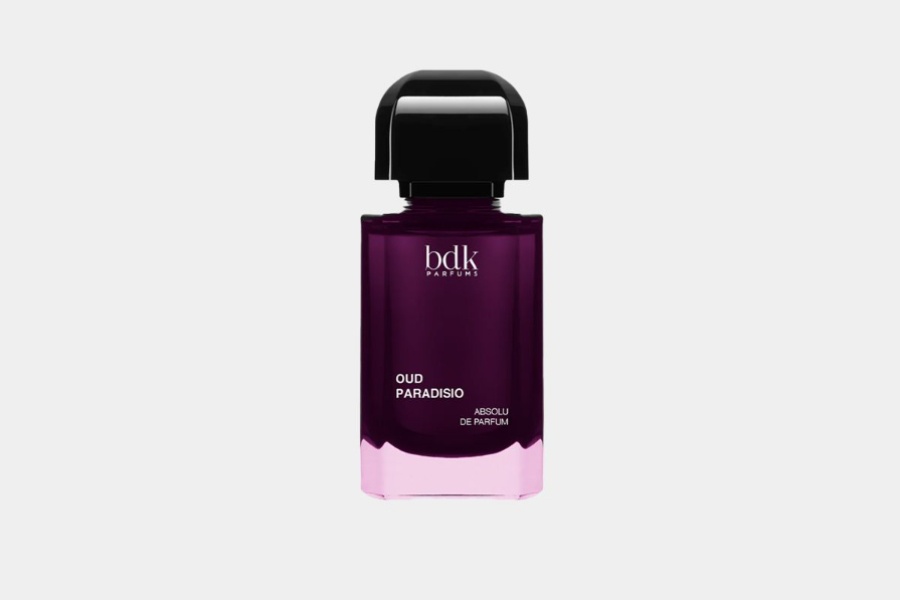
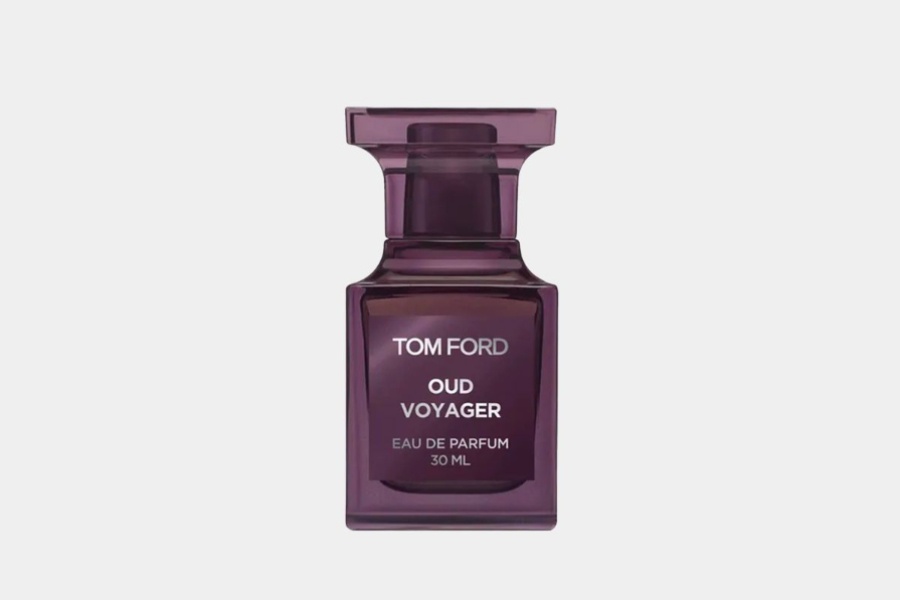
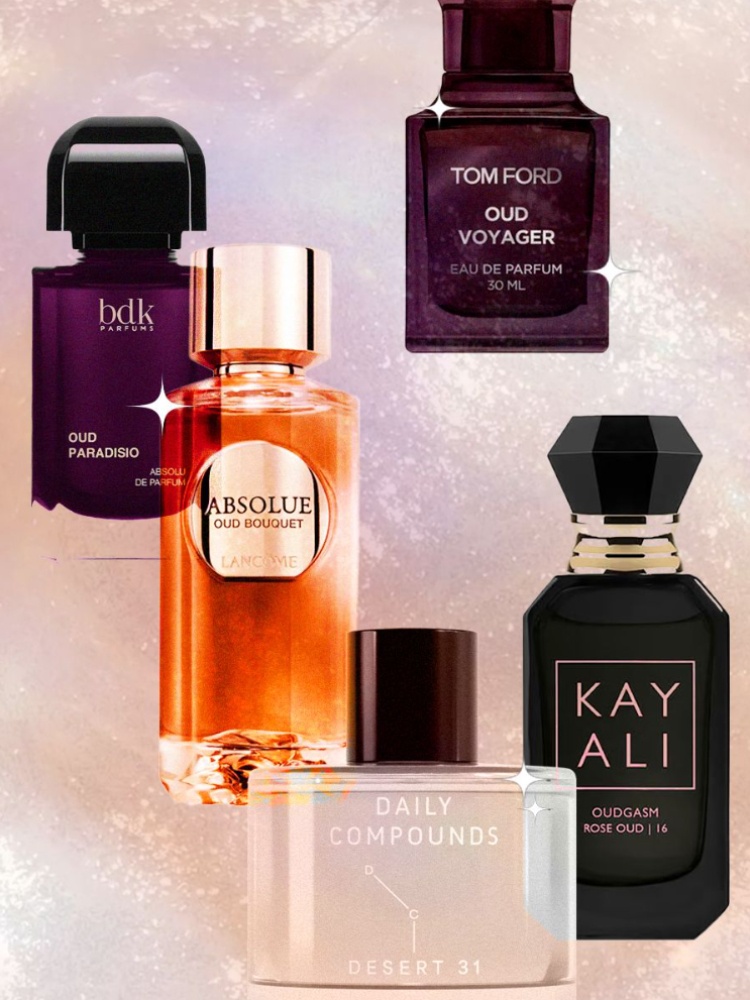
Here are our top picks: