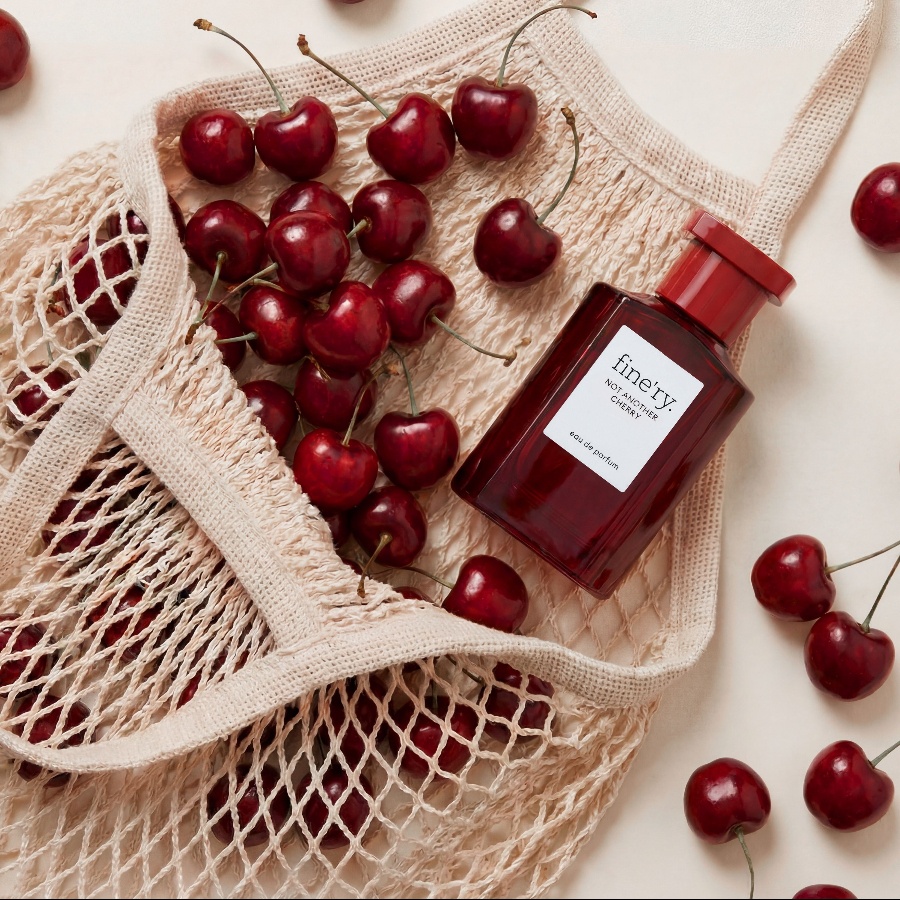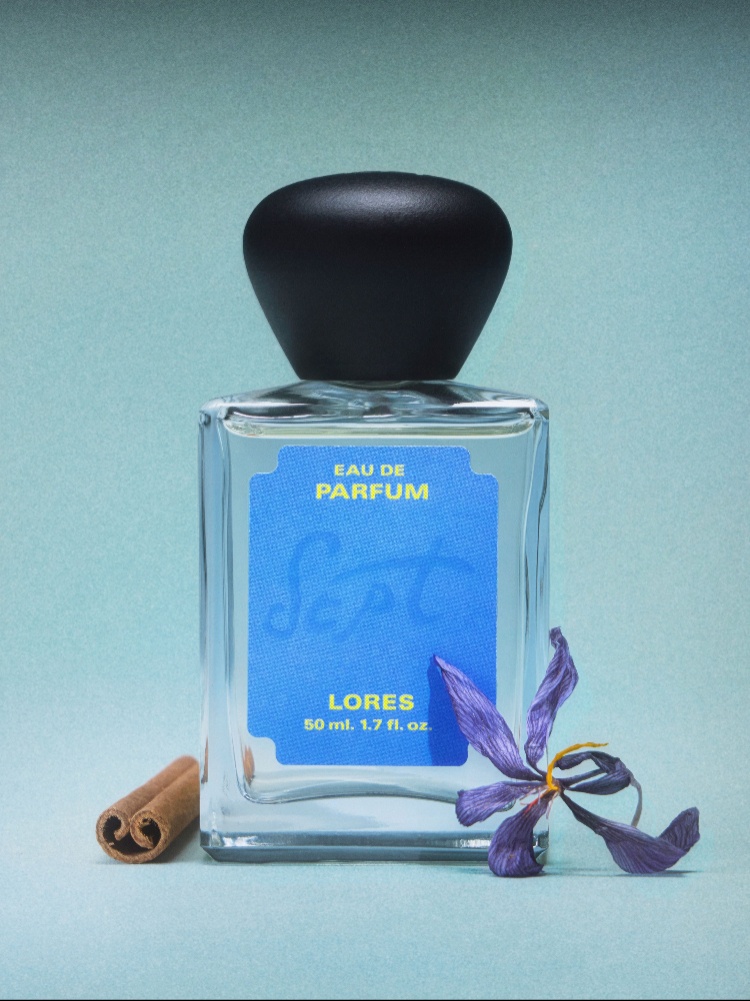






It’s a curious cycle that Indian perfumery has gone through—from the land with its own rich tradition of perfumery to an exporter of ingredients prized in global perfumery to again one that harnessed nostalgia and familiar scents like petrichor, jasmine, and chai in fragrances you daubed on wrists from ornate little bottles. The winds of change, though, are blowing again, this time wafting with the smells of your favourite coffee shop but with a hint of tuberose and a side of storytelling that, while drawing from tradition, isn’t paying obeisance to it. Welcome the era of the homegrown fragrance brand.
It’s a market that’s being nurtured by an audience at home. Not because Indian consumers have stopped buying international perfumes but because they’re becoming more curious about what else is out there. Whether it’s a rising interest in unexpected scent notes like tea and cherry or just the active number of users on the Reddit forum /DesiFragranceAddicts, it’s clear there’s an expanding appetite for scent-based discovery.
The timing checks out. Statista puts India’s fragrance market at around $325.6 million in 2025, while Kearney and Luxasia expect the country’s luxury beauty market to jump from $800 million in 2023 to $4 billion by 2035. BeautyMatter, citing Kotak Securities, reports that only 6.2 per cent of Indians wear fragrance regularly—a figure that suggests enormous room for growth.
“What has changed is the Indian consumer,” says fragrance expert and founder of All Good Scents Rajiv Sheth. More travel, more digital communities, more specialist retailers—the exposure has built a generation that is increasingly chasing originality, craftsmanship, and founder-led storytelling over the safety of a big name. Discovery sets, fragrance wardrobes, and online communities have turned buying perfume into something closer to a hobby. “The real defining moment,” Sheth says, “will be when Indian fragrance brands are recognised globally because their perfumery is distinctive and relevant.”
A distinctly Indian POV
Akshay and Abhishek Raina, the brothers behind Gurugram label Aeronot, see that willingness to experiment on the ground. “A few years ago, international brands dominated aspiration. Today people are actively seeking homegrown perfumes that offer originality and value.” South India, they add, has become one of the fastest-growing markets in the country.
Roughly 30 to 40 per cent of Aeronot’s online customers come back for repeat purchases, but its flagship stores in Delhi and Gurugram still matter, because people want to test perfume on skin and watch it evolve over a few hours before they commit. “The real opportunity,” Raina says, “is to create a distinctly Indian voice rooted in our culture, ingredients and storytelling while meeting global standards of quality and craftsmanship.” For Aeronot that means creating fragrances that are easy on the nose, familiar almost, to an aspiring scent hunter. Like their bestselling November, a floral and coffee combination that’s meant to evoke a coffee shop but with a recognisable tuberose-based heart. Or the more intense Oud Cashmere, a sweet, saffron-based scent that’s perfect for nights out.