




Some habits we pick up through experience; others we inherit. My family’s relationship with beverages borders on a personality trait. My younger brother inherited my mother’s devotion to tea. My father graduated from Coca-Cola to Diet Coke to sparkling water. And when Mumbai recently experienced a Diet Coke shortage, my mother was calling grocery store owners like she was sourcing contraband. Safe to say, we’re a family that likes having a drink within arm’s reach.
Turns out, we’re far from alone.
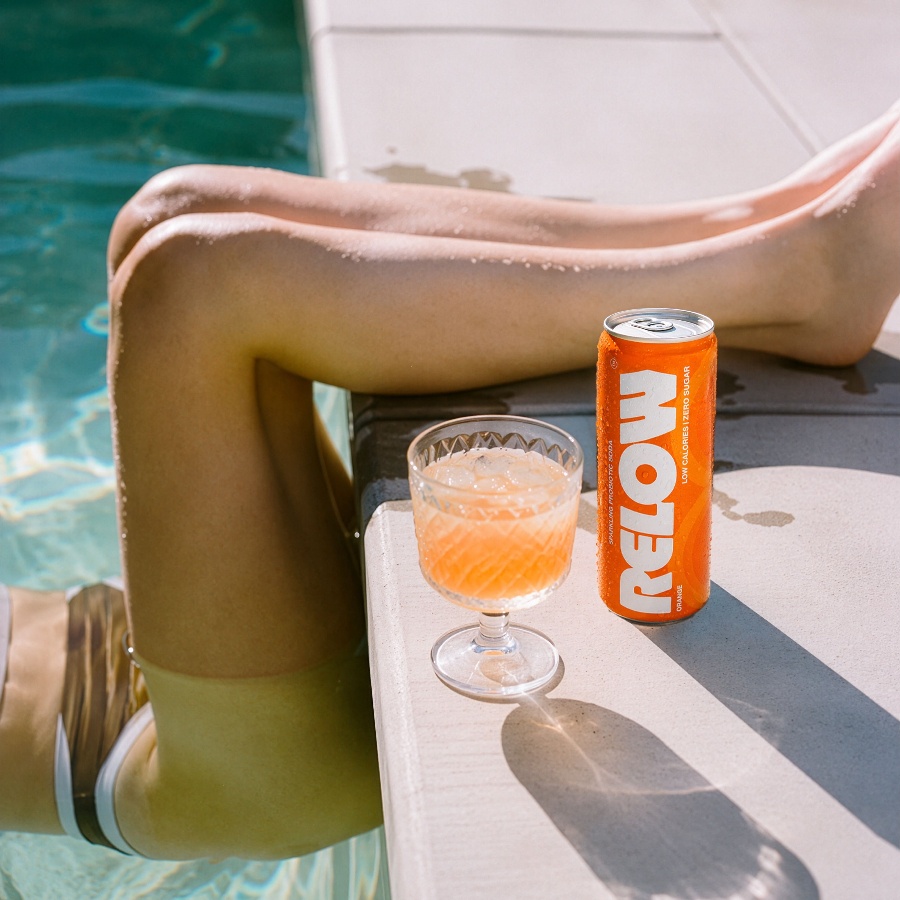
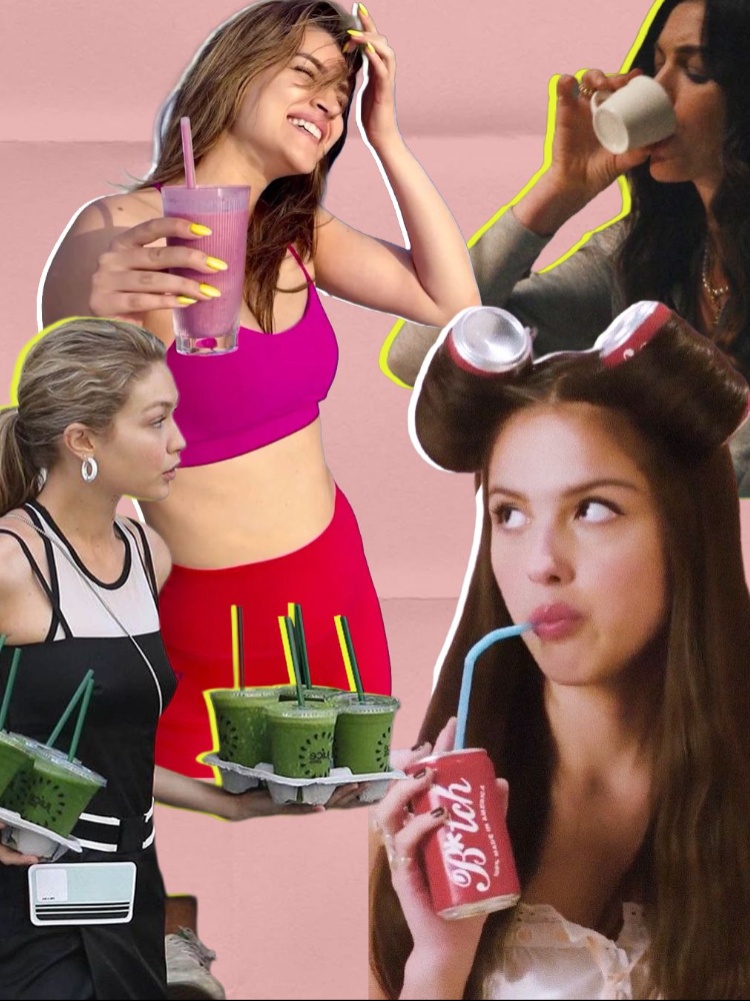
Scroll through social media, and it’s clear that beverages have become more than something you sip to hydrate yourself. Whether it’s an iced matcha, a tumbler that’s never far from reach or an ice-cold Diet Coke, the internet has even coined a term for them: the “emotional support beverage”. The phrase has gained traction because it captures something many people already do instinctively: use a favourite drink as a small source of comfort and control in an otherwise unpredictable day.
It’s never just the drink
“While we think we drink different beverages out of habit, it’s not just that. Sometimes we crave certainty and structure, and a beverage ritual quietly gives us that,” says Mumbai-based counselling psychologist Yesha Jhaveri Nerurkar. “Coffee says ‘I am choosing to begin my day’, while wine says ‘I am choosing to unwind’. In a day full of external demands, that small choice restores a sense of agency.”
“Favourite drinks aren’t just about hydration or caffeine anymore; they’ve become visual props of identity and self-regulation,” she explains. “A drink you love becomes a small, tangible symbol that you’re prioritising yourself. Carrying it with you helps you cope with an unpredictable world, so you’re never fully without something familiar.”
That feeling can become especially important in situations where we feel anxious or out of our depth. Former marketing and events professional Saloni Dahanukar knows the feeling. “Sparkling water is my security blanket because I’m cutting back on alcohol,” she says. “Especially since I don’t know what to do with my hands in large social settings.”
Comfort in a cup
Rohit Hegde, partner and general manager at Luna Hospitality LLP (The Daily All Day, The Second House, and Café Lento), has spent over a decade watching guests form lasting attachments to their favourite orders. “People don’t always order a drink because they’re thirsty. Sometimes it’s just comfort or a small break from the day,” he says. At The Daily All Day, regulars often return for the exact same order. “Our regulars are very protective of their drinks. You suggest something new, and they’ll still say ‘This is my drink here’. Somewhere, the drink and the place have become connected for them.”
Perhaps that’s why our go-to order often outlasts changing jobs, relationships, and routines. As Aryan Gandhi, co-founder of Drnk, puts it: “People think they’re addicted to caffeine—they’re not. They’re addicted to having that one drink in the day that never disappoints. Work, girlfriends or boyfriends, moods—they all keep changing. That evening matcha? Never misses.”
While those attachments may look different from person to person, they often become markers of the day itself. For 34-year-old Janvi Mankani, co-founder of Tujum, drinks punctuate her day: marine collagen, green juice, infused water, a protein shake, an americano, Coke Zero, electrolytes, a caffeine-free, zero-calorie drink with dinner, tea before bed, and plenty of water in between. “Every single drink is like a little anchor throughout my day,” she says. “Some are for health, some make me feel better, and some just make the day a little more enjoyable.”
The ritual of it all
For Dahanukar, the drink serves another purpose. “I’m an incredibly slow drinker. As a result, my drink becomes a clock,” she says. “Finishing it is my cue to leave.” The reassurance begins even before the first sip. “Usually when your day feels uncertain, your favourite cup, the same order at the same time of day, is calming even before the drink is finished,” says Nerurkar. “It’s a small but real way of feeling in control, which matters more on days that otherwise run away from you.”
That doesn’t mean beverages should become our only coping mechanism. But as small everyday anchors, they can offer moments of calm in an increasingly unpredictable world. “In a quiet moment with your drink, there is no external pressure to be perfect,” says Nerurkar. “It feels simple because it offers comfort without the messy complexity that comes with human relationships. That is why a beverage can be so freeing.”