




There is a moment, somewhere between being strapped into an EEG headband at Initio Parfums Privés and reading that Vyrao has a “master energist” charging crystals inside its bottles, when you have to ask yourself: is fragrance having a spiritual awakening, or are we all just very tired?
Probably both.
Scent has always had a strange, disproportionate power over us. One accidental whiff of a soap, a temple flower, an ex’s jumper, a hotel lobby, and you’re seven years old, heartbroken, in love, or suddenly desperate to book a holiday. Perfume has always known too much. Christian Dior created Miss Dior in memory of his sister and her love of flowers. Coco Chanel thought of perfume as an extension of herself: “I will perfume my places, I will perfume the fire, I will leave a trail behind me, and I will be present despite my absence.” A kind of spiritual residue, if you like.
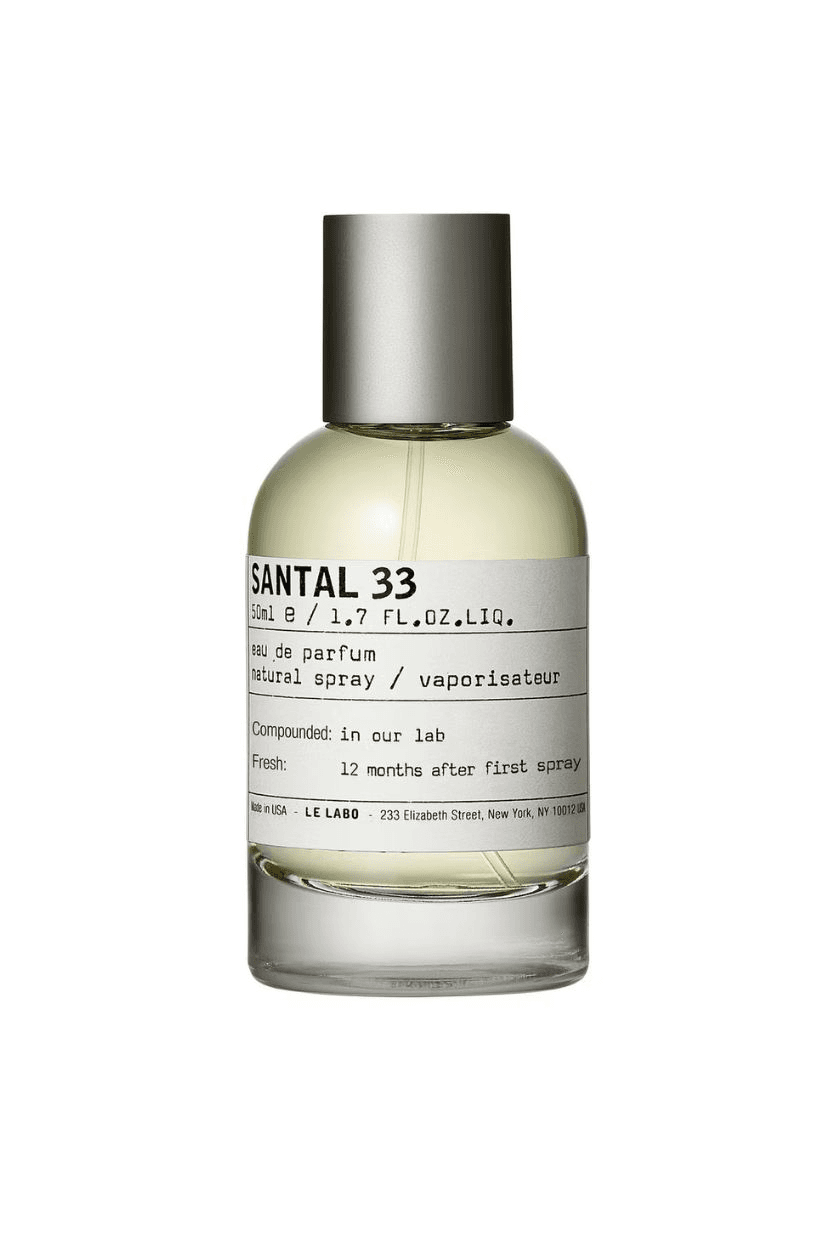
For a long time, though, perfume became shorthand for a certain kind of lifestyle. Brands sold us scent as seduction, status, and the art of smelling expensive—think Le Labo Santal 33, the unofficial uniform of every New York luxury PR girl, or Margiela’s Replica, which smells like a warm Haussmanian apartment and costs accordingly. The more recent shift has been brands selling us scent as mood, memory, aura, energy, nervous system regulation, and joy. Essentially, your entire emotional architecture in a glass bottle.
Which got me thinking: could any of this actually be true? Could I use scent to genuinely transport myself into a lighter, happier state of being?
My first stop was Initio Parfums Privés’ London boutique, where the question asked of me was not “what do you like?” but “how do you want to feel today?”. Honestly, a dangerous question to ask anyone living in London right now. I wanted to say: employed, hydrated (we were in our second heatwave and it was only June), lightly held by the universe. Instead, I submitted to a brain-mapping experience where scent, music, and emotional states were tracked through EEG headbands—part of a wider methodology co-developed with DSM-Firmenich, the Swiss formulators behind fragrances for Chanel, Hermès, and others—using neurophysiological response, behavioural signals and emotional mapping to make the invisible visible. The body, as it turned out, reacts before your taste has a chance to catch up.
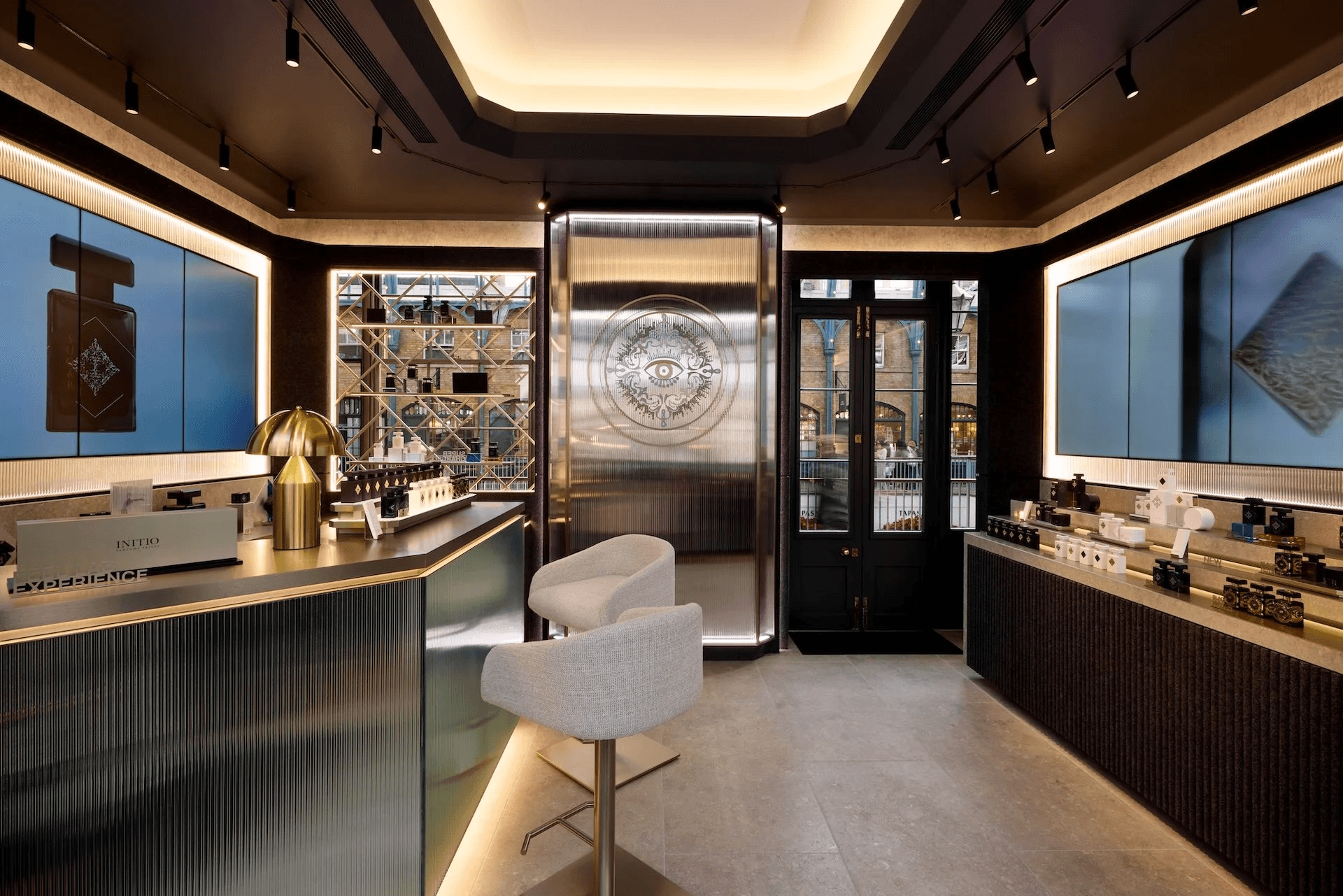
What I found fascinating, and mildly annoying (because I prefer to be right about my own preferences), was that I responded to scents I thought I disliked. Store associate Diogo told me that Initio is “all about how you want to feel” and that the fragrances are designed to help you get there. The Supercharged collection is built around emotional territories—joy, self-confidence, energy—backed by scores, panels, EEGs, GSRs, ECGs. There is data. There is also a “Joy Drop” molecule. Of course there is.
The more I spoke to people in this space, the more the science-versus-woo binary started to feel beside the point. The answer was neither, or both: the molecule and the memory. The bottle and the ritual.
Chandra Recchi, who runs House of Lün, a wellness experiential space, put it well. “It isn’t a trend so much as a remembering,” she says of the rise of spiritually led, mood-altering fragrance brands. “There’s a category forming around fragrance as a functional tool rather than an accessory. Some of it is genuine. Some of it is marketing reaching for the language of depth because depth sells right now.” Before House of Lün, Recchi spent years in studio environments at Maison Margiela and YSL, working with creative directors and CEOs. At her practice now, she describes scent as “a wearable nervous system ritual, not a scent you wear to be perceived but a cue you carry that returns you to a regulated state on demand”. Which is, frankly, very chic and also completely ancient.
Harshvardhan Jhaveri of Jnana Yoga, a new app bringing Indian yogic philosophy to a global audience, pointed me towards Gandha Shastra, the Indian science of scent. “Gandha means smell; it is associated with the nose,” he explained. In Ayurveda, scents derived from plants, herbs, trees, and flowers appear across ritual, social and erotic uses. Herbs are burnt as dhupam; others are blended into oils to balance a particular dosha or prakriti. From a Vedantic perspective, gandha is associated with the element earth. Smell, then, is not airy-fairy. It is grounding.
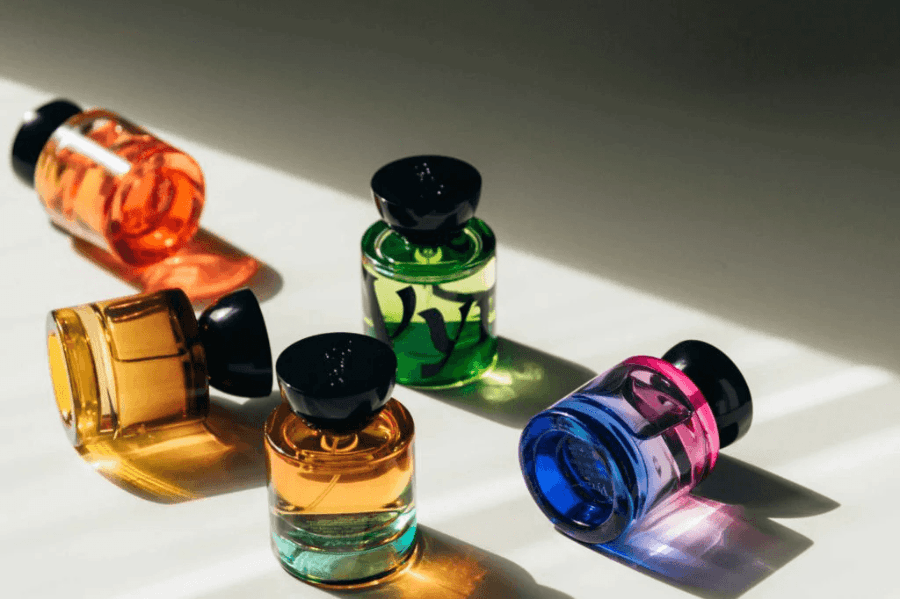
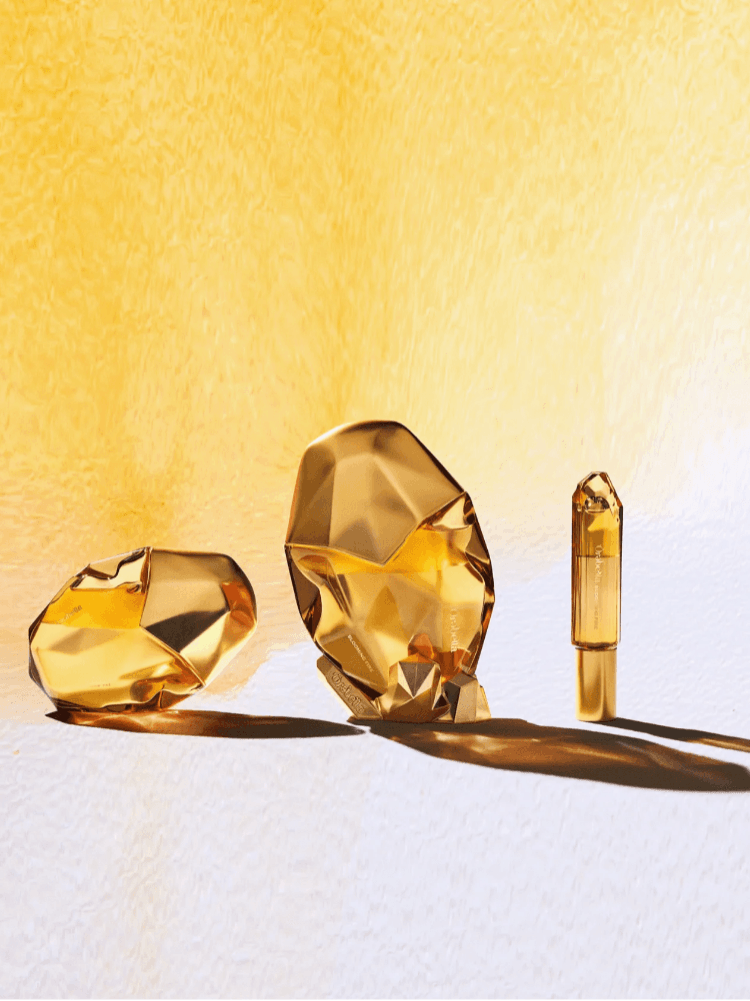
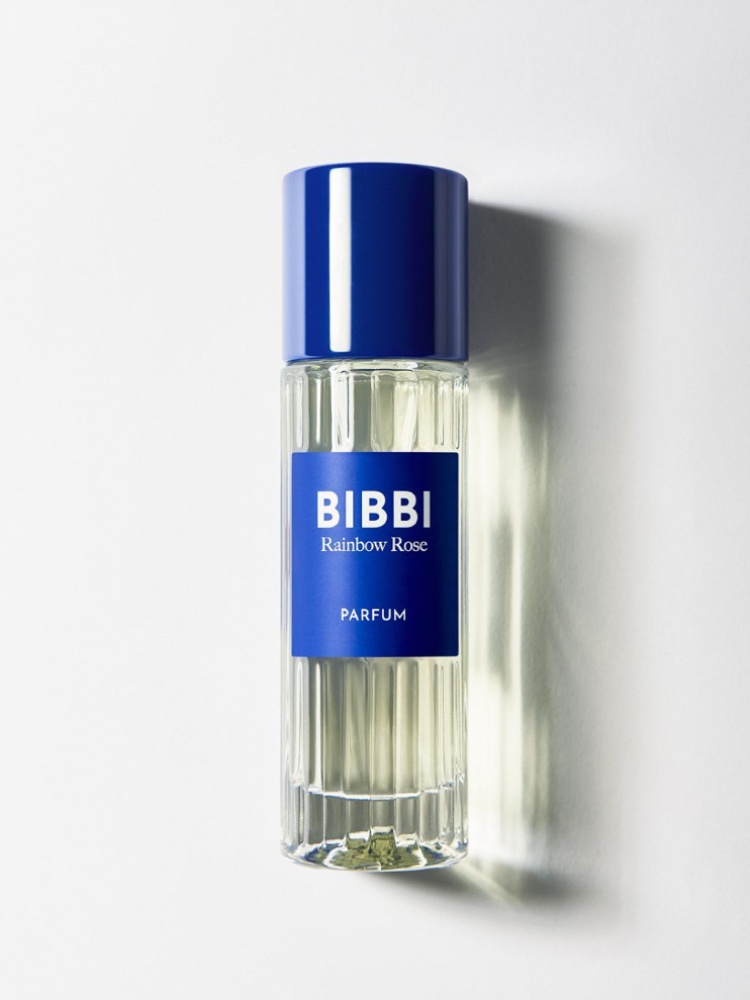
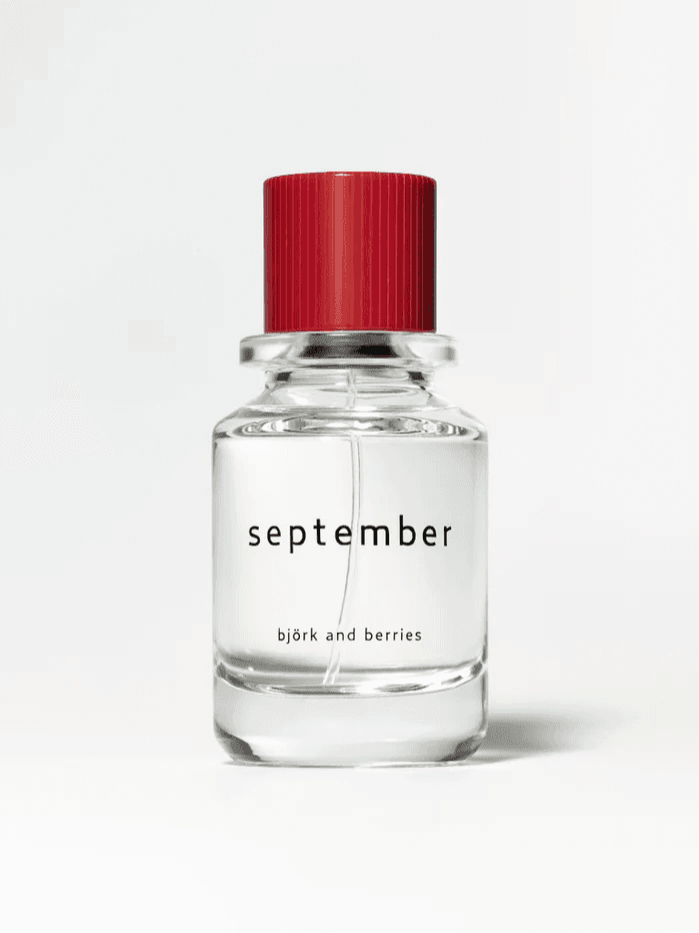
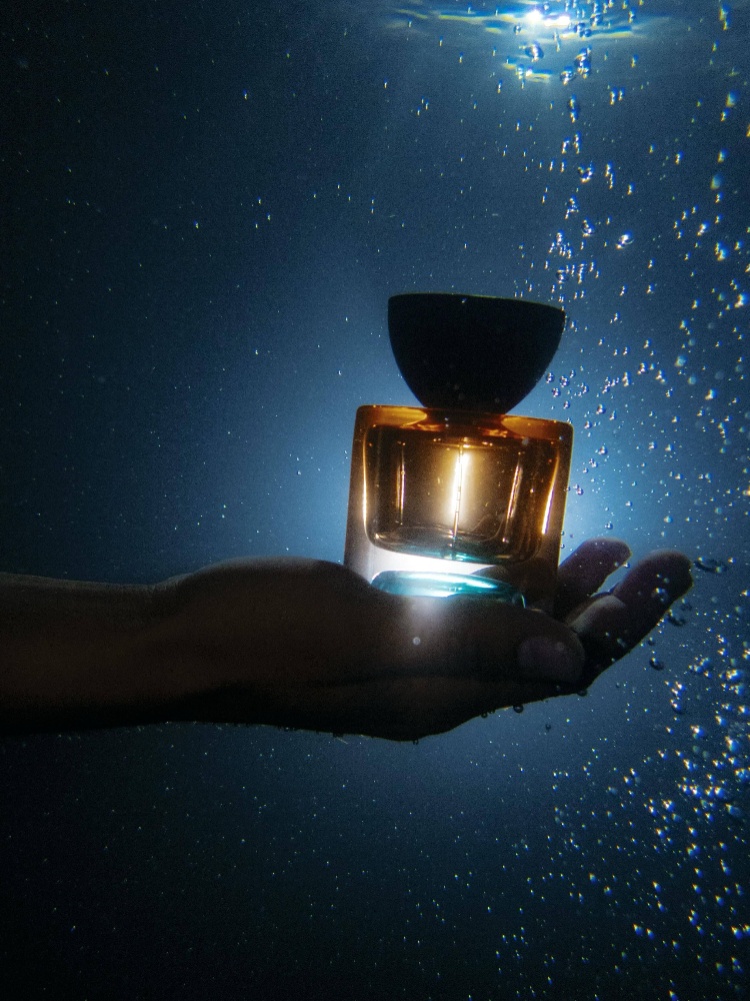
This is where brands like Vyrao, Ôrəbella, Bibbi Parfum and Sept Fragrances—a new Paris/Delhi studio by Tanya Khurana—come in. Vyrao calls itself a wellbeing brand fusing energetic healing with master perfumery. Bella Hadid’s Ôrəbella speaks of aura-enhancing formulas that nourish skin and soul. Sept Fragrances is less overtly crystal-coded but still describes fragrance as an intimate, emotive, and transportive ritual. The language is everywhere. Perfume is no longer just something you wear; it has become something you enter.