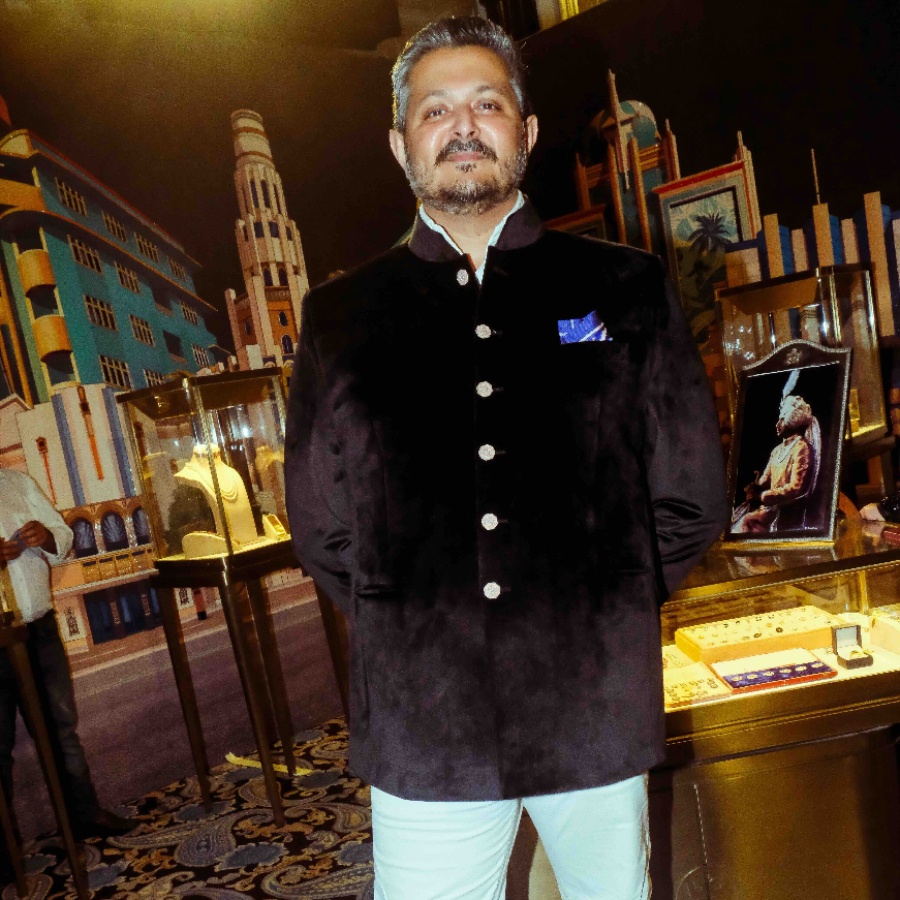




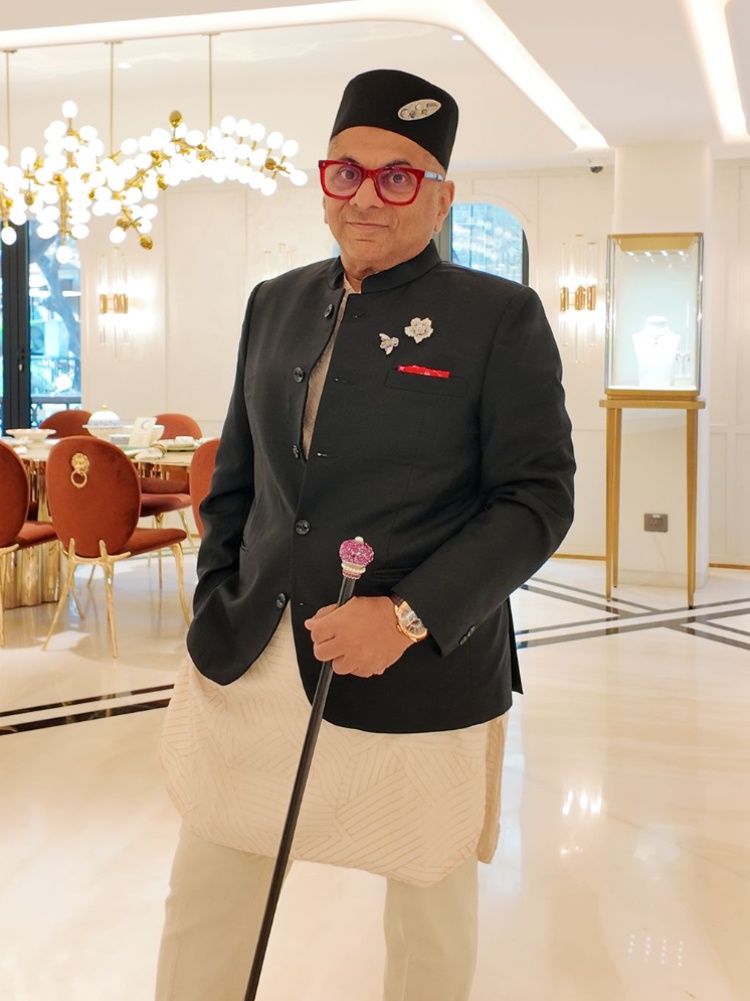

We’re at The Mezz, tucked inside the first floor of House of Rose’s flagship in Ballard Estate in Mumbai. At the long Ideation Table next to the Sicis bar, Biren Vaidya—known to his friends and patrons simply as BeeVee—is mid-edit on a brooch sketch with one of his designers.
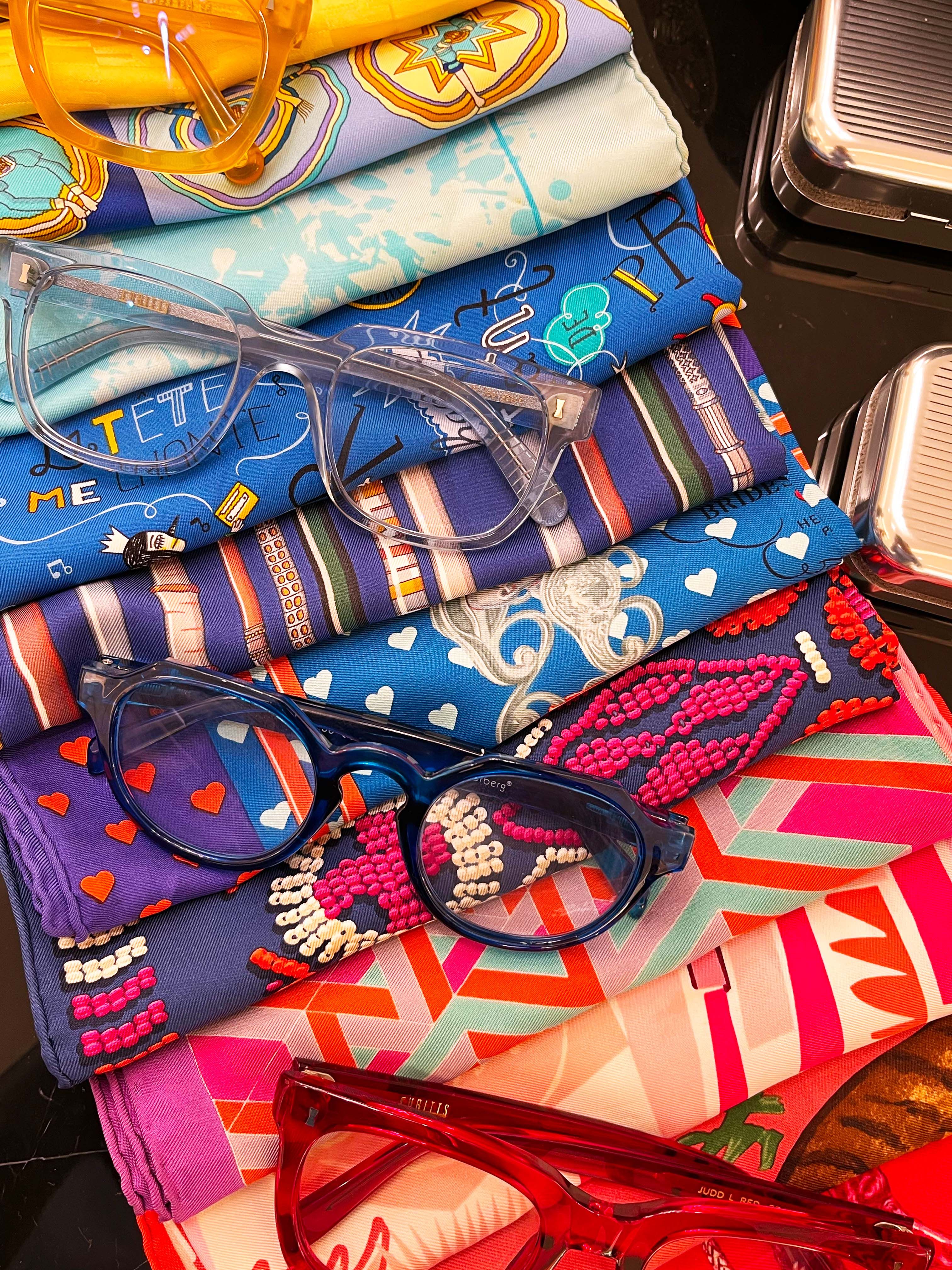
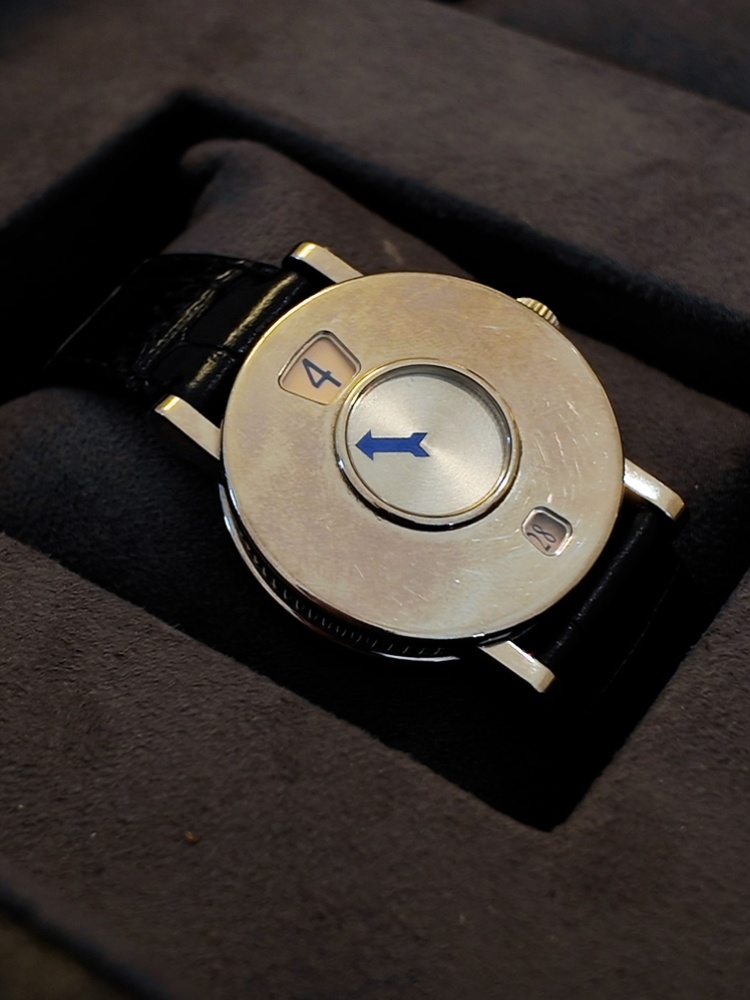
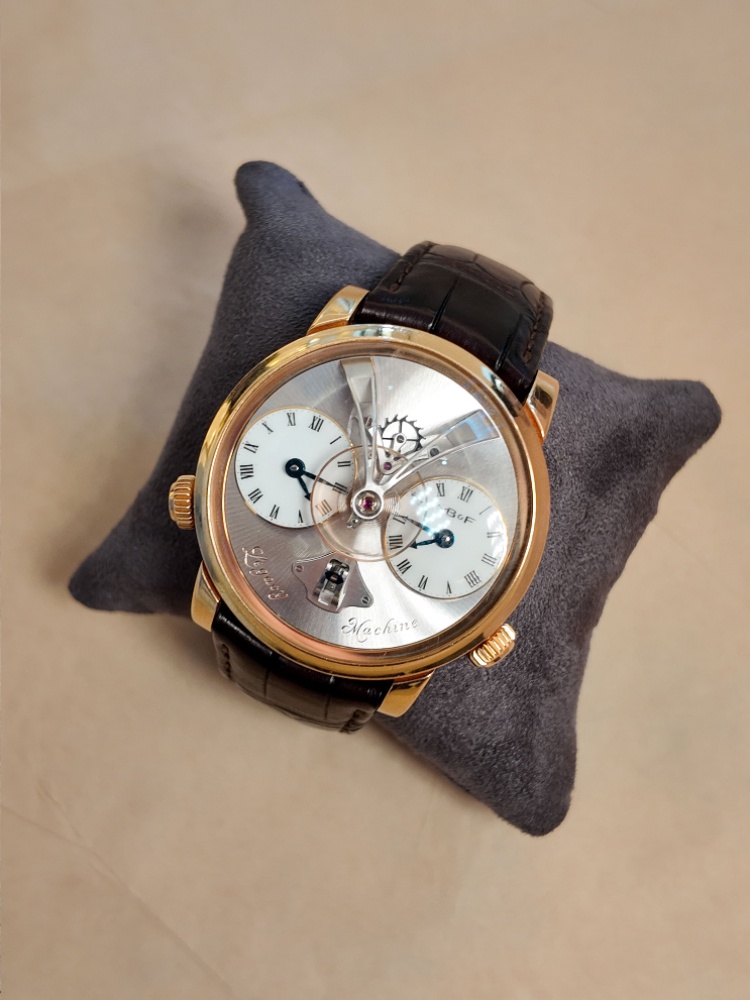
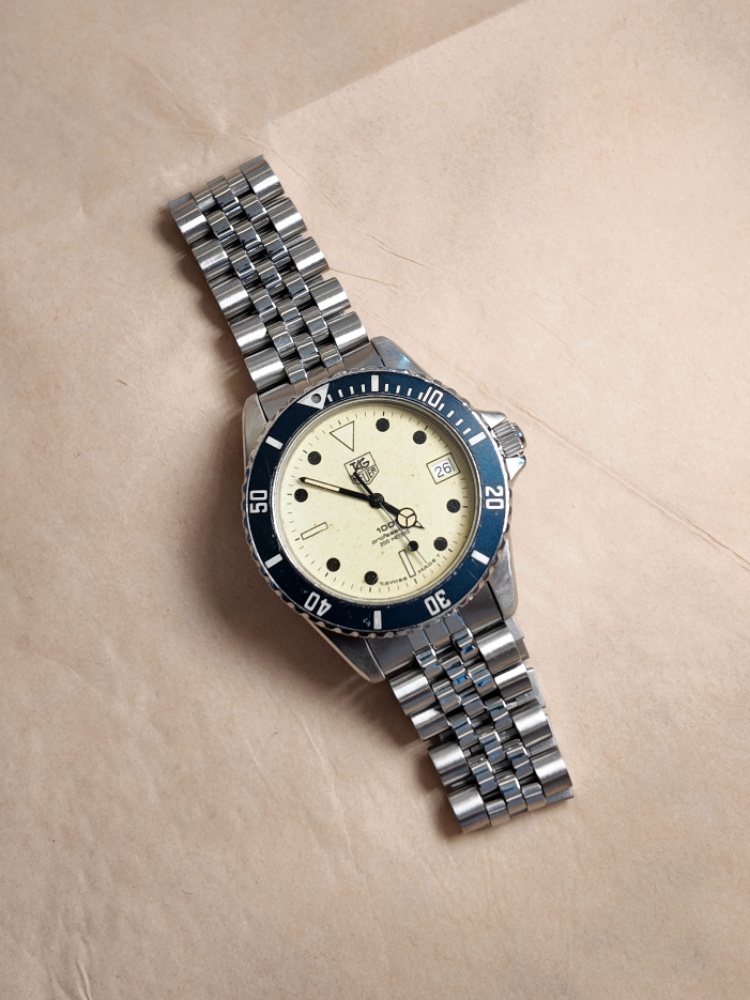
Sprawled on the other end of the table is a carefully arranged spread pulled from his personal vault exclusively for The Nod: an extensive watch collection, a line of Hermès pocket squares in every colour of the rainbow, and a small selection of heirloom artefacts. It’s the sort of assortment that reads like a visual résumé of someone who has spent decades thinking about luxury.
“Someone once asked me how I learnt about luxury and how I got into the field,” he says. “I told them: I didn’t get into it, I lived it.” Creativity, he explains, was always instinctive. As a child, he was constantly drawing and sketching, much to the amusement of his family. “My mother and my sister used to tell me that I always had my own way of doing things.” As an adolescent, the South Bombay boy would party every weekend at the Taj. “I used to have a crazy lifestyle at 19. I had ₹3,000 bucks as pocket money, and I used to spend more partying every weekend, so I had to hustle and make money.”
His sister, Purnima Sheth, founded Rose in 1981. When she made her first million and decided to travel the world, she asked her brother, then still a student at HR College, if he could manage the store in her absence. He agreed and was hooked. “I fell in love with jewellery, and obviously with Rose,” he says. When Sheth returned, Vaidya, who was studying Commerce and Ayurvedic medicine, had already decided he wanted in. But first, he insisted on learning the craft properly.
At the time, India’s jewellery industry still operated under the Gold Control Act of 1962, which meant workshops were tiny and tools were old. Vaidya found himself working in Zaveri Bazaar, in a cramped mezzanine workshop where artisans worked for up to 14 hours a day. “Four feet of space, wearing just a lungi,” he says, laughing. “But those were some of my best days because I learned so much.” After absorbing the fundamentals of jewellery making, he studied design with the Swiss designer Paul Binder, who had been brought to India by Ravissant’s Ravi Chawla.
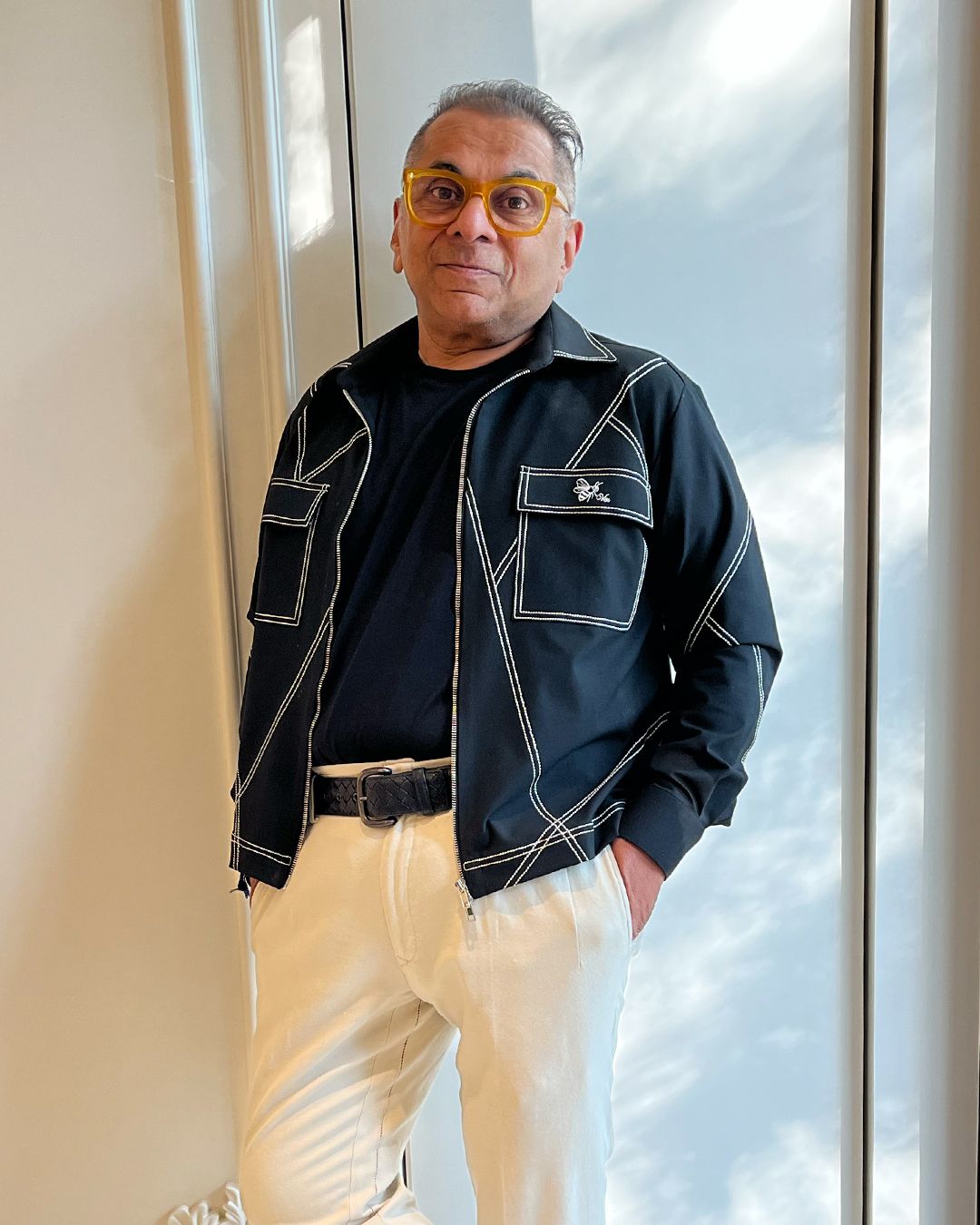
A defining moment came when he visited Basel for the first time “I was awestruck at the scale,” he says. “But I was also a little sad.” Many of the brands on display, he realised, had historically thrived thanks to the patronage of Indian HNIs—the maharajas and industrialists who commissioned extraordinary pieces pre-Independence. Yet not a single luxury brand from India had a comparable global presence. “So, I made a promise: I would build a luxury brand of Indian origin with international standing. I call Rose my firstborn. I have two sons and my sister has two daughters whom I consider my own. But Rose is the eldest of the five.”
That sense of devotion still shapes his design philosophy today. Rather than sketching a concept and searching for stones to match, Vaidya prefers to begin with the gems themselves. “I like to romance the gems and let the gems help me create.”
“This is a collection I’m just launching,” he says, reaching for a tray holding a series of brooches shaped like animals, including a diamond-encrusted white-gold tiger mounted on an antique teardrop-shaped jade piece engraved with the Chinese character shuàngxǐ (which represents “double happiness”). “Actually, half of it sold this morning,” he says cheerfully.
Over the years, Vaidya has designed jewellery, watches, clothing, and shawls, and also collaborated with watchmakers, including Bvlgari, Backes & Strauss, Franck Muller, and most recently, Omega, to create limited-edition pieces, approaching each category with the same obsessive attention to detail. This year marks 45 years since Rose was founded, and Vaidya is celebrating by expanding the brand into an entirely new category: a crockery and cutlery collection.
Below, he takes us through some of his favourite things.
The bee brooch
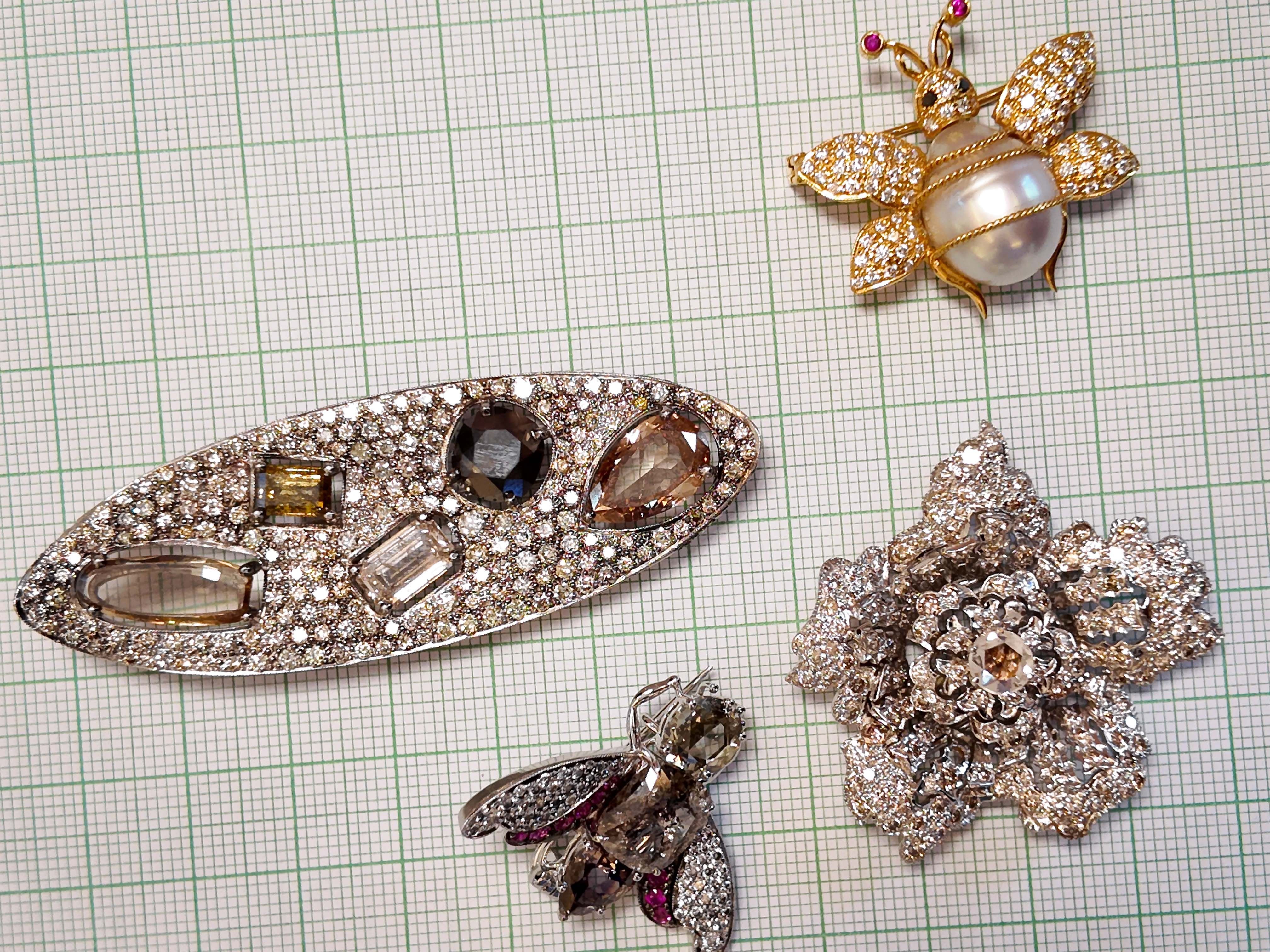
“I was always very fond of adorning myself with accessories, and what better way than brooches? As you know, my friends call me BeeVee, so I obviously had to have a bee lapel pin. I sometimes wear it with my flower brooch and always tell this story. ‘The bee always hovers around the flower as long as the flower gives it pollen. If the flower doesn’t give pollen, the bee hops from flower to flower.’ And my wife said, ‘Try that, buddy.’” [laughs]
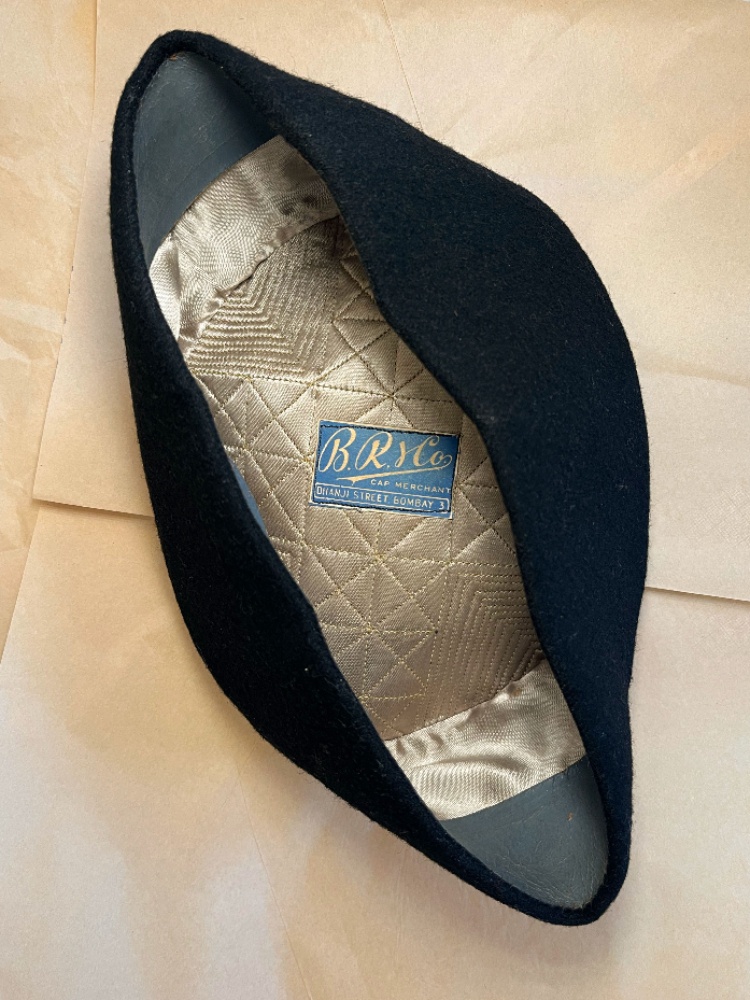
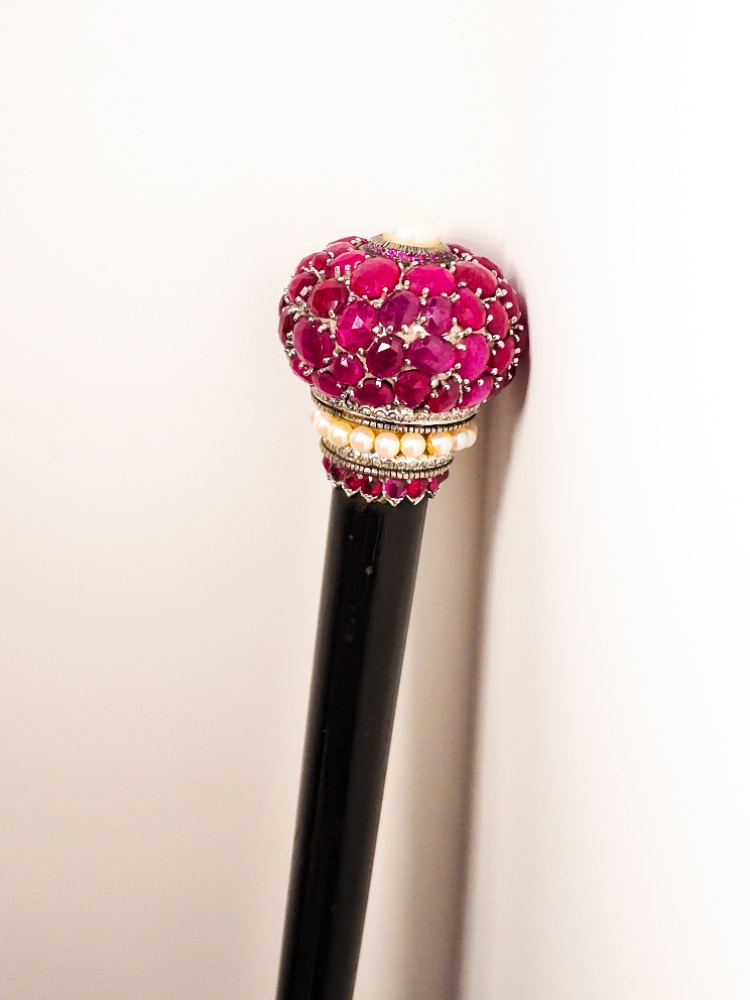
The family sceptre and kali topi
“This ceremonial sceptre is a family heirloom made from a single piece of ebony wood that’s over 150 years old. Originally, it had a silver head, which I removed and redesigned in white gold using Burmese rubies along with diamonds and pearls. I almost always wear it to ceremonies or traditional functions, except when I’m travelling, because it’s a pain to carry in the plane, and I refuse to put it in the luggage. I could redesign it to fold, but I don’t want to cut the ebony because it’s come down in the family.