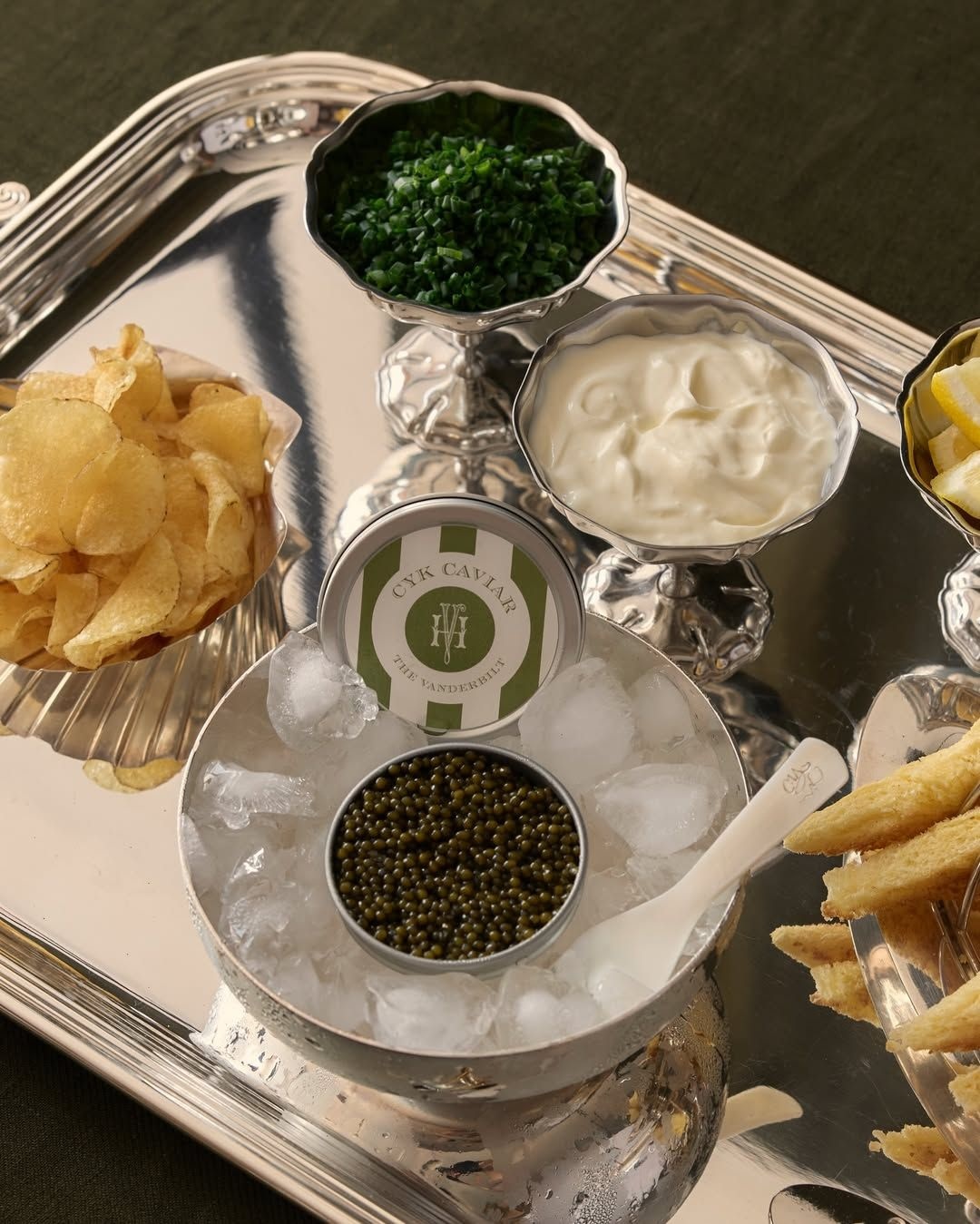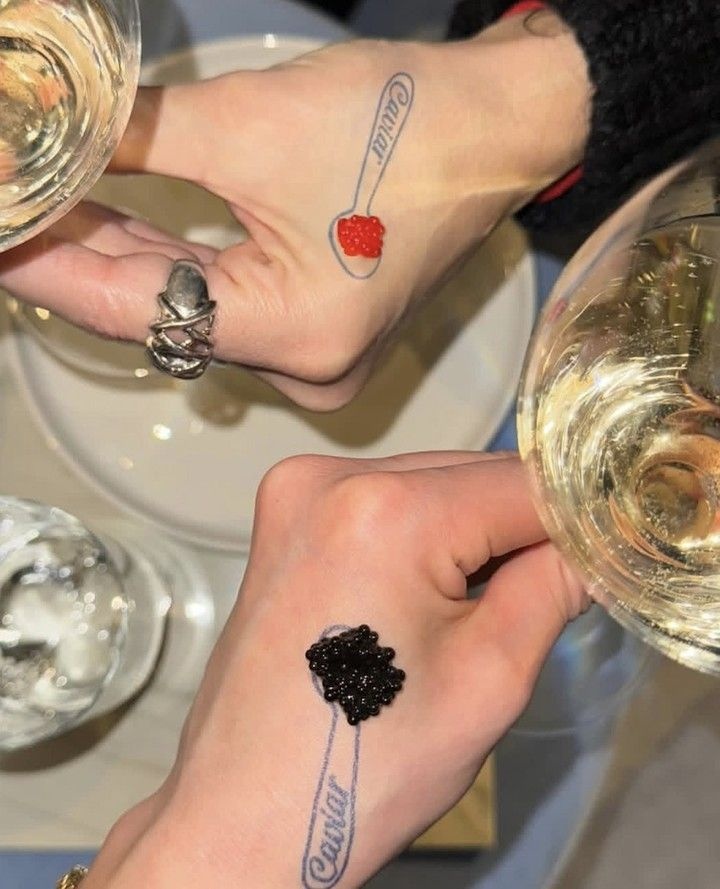




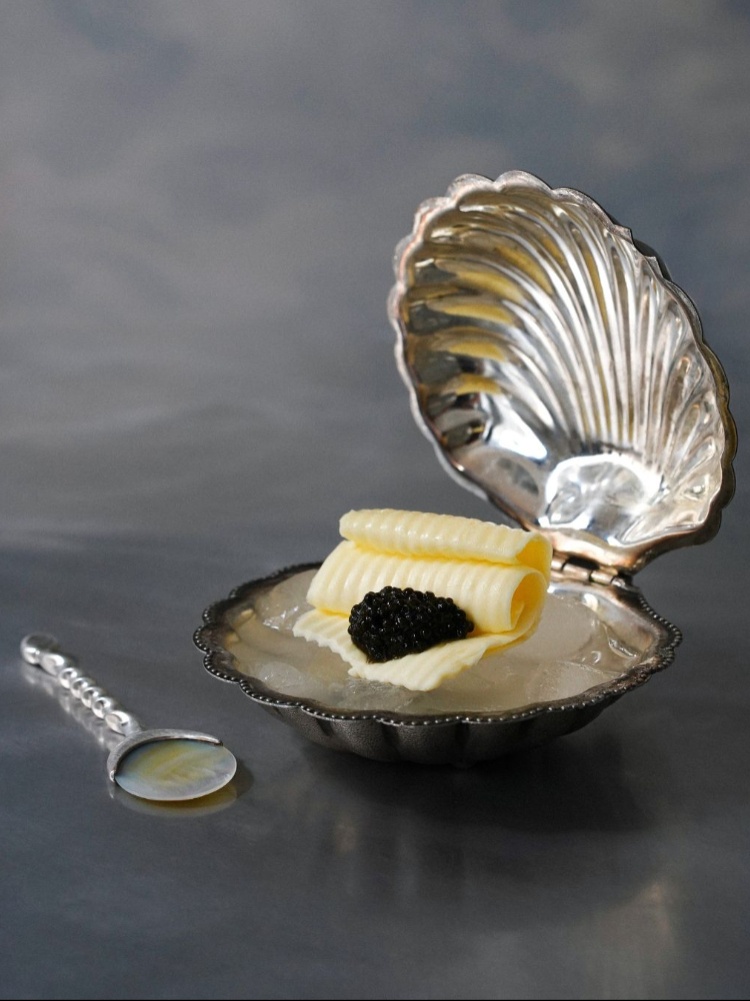
I have eaten caviar off a stranger’s wrist. I am not particularly proud of this, nor really ashamed. In the current climate, such an act is less a transgression and more a requirement of the contemporary culinary curriculum. The wrist in question belonged to a mixologist at a bar in Hong Kong, and the roe was presented as a ‘bump’, a term borrowed from the vocabulary of illicit powders.
Among the new guard of food connoisseurs, the caviar bump is defended as the liturgy of purity. A small spoonful is placed on the back of the hand, near the thumb, and eaten in one upward motion. The logic is ostensibly scientific. The slight warmth of the skin brings the caviar gently to temperature, allowing the fat to loosen and the flavour to open up in a way it does not when served ice-cold.
But as I licked the small mound of Ossetra from the soft skin below the mixologist’s thumb, I found myself thinking of an elderly Iranian fisherman who had spent 40 years coaxing life from the water with the patience of a saint. I suspect he did not imagine his life’s work ending as a party trick in a dimly lit speakeasy.
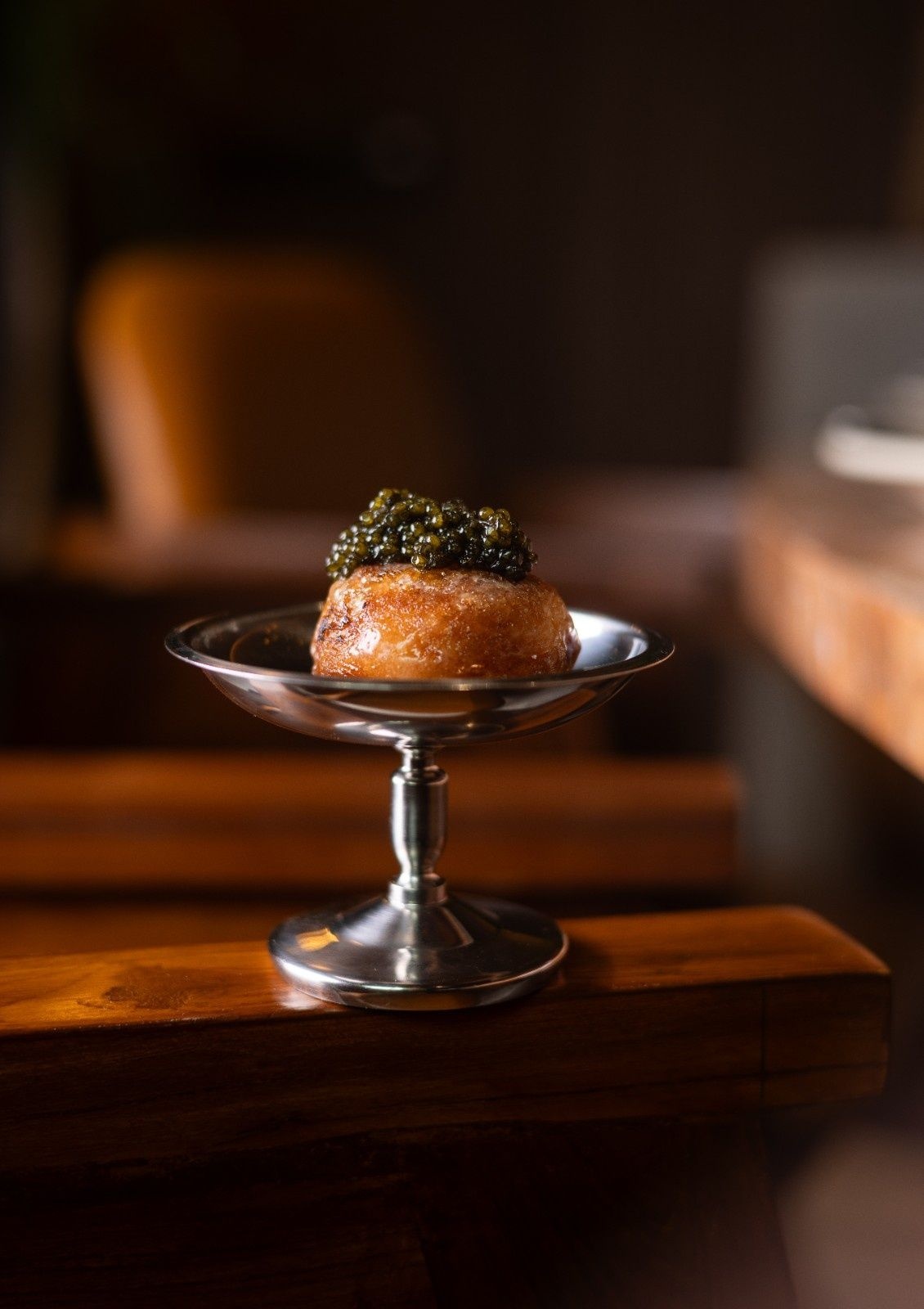
But this is caviar in 2026. It turns up on fried chicken at Paradox, atop cream-filled beignets at Sobo 20, and even inside a cheese dosa of sorts at Aditi Dugar’s Masque. At Delhi’s newest south Indian eatery, Nadoo, beluga caviar is sprinkled atop mini podi idli as tadka. Bengaluru-based chef Manu Chandra admits to moving close to a kilo a month. At this rate, it seems we are roughly three weeks away from seeing a caviar pani-puri at Swati Snacks.
The question is no longer whether any of this is appropriate. The question is how we got here.
The short answer is China. The longer answer is a story of how a Soviet racket became a global commodity. For much of the 20th century, caviar was effectively a state-sponsored monopoly, a gift from the Politburo to the world’s elite. The Soviets managed the Caspian supply chain from fish to tin with the cold, bureaucratic efficiency of a nuclear programme, drawing from sturgeon-rich waters shared with Iran.