



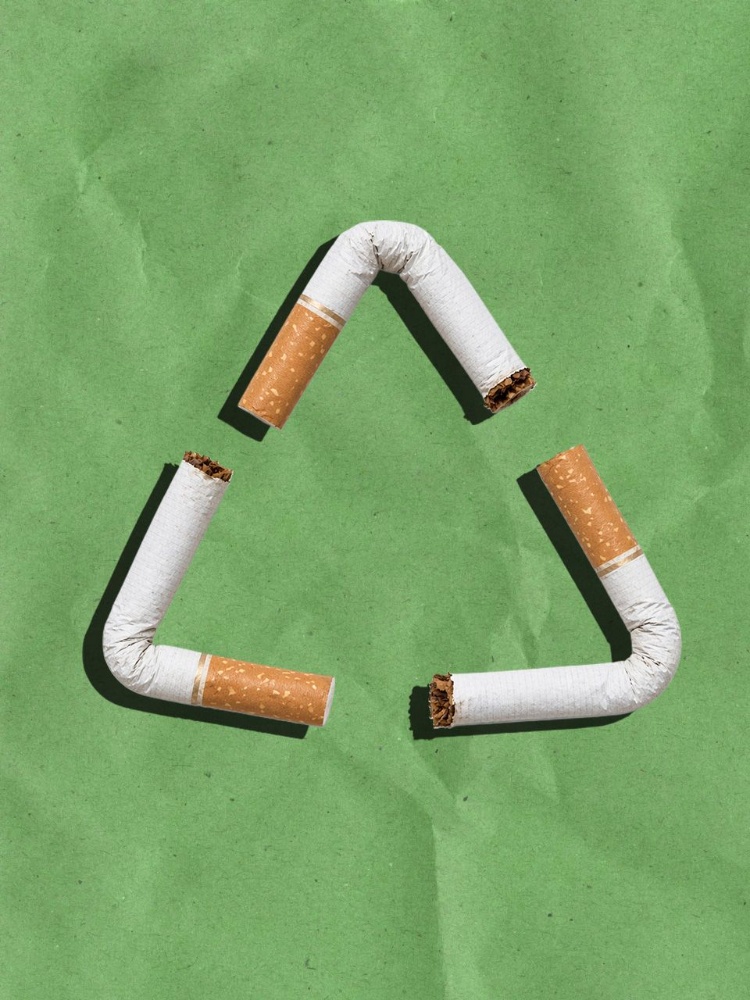

In cities, some kinds of litter are just a constant. Take cigarette butts. They are ubiquitous—you can spot them in smoking zones of large office buildings, outside college gates (of course), and the occasional “efficient path” on your run club list. These are permanent fixtures in a city’s streetscape. And eventually, like most things, they end up in dump yards.
But for the past eight years, brothers Naman and Vipul Gupta have taken on the onus of changing this visual, one stub at a time. In 2018, Naman, a third-year Delhi University student, and Vipul, a BTech in Civil Engineering, set out to build a technology to process cigarette butts. The result? Code Effort, a company that processes cigarette butts into functional everyday items. Think textiles, off-white recycled paper, and even plushies for children and pets. All this while creating livelihoods for 2,000-plus ragpickers and communities along the way. It sounds like a pitch, a dream stretched too far, but that’s exactly what it isn’t. It’s a real operation.
The Noida-based company recycles around 100 crores of cigarette buds every month at its unit in Nangli village in Noida. Let that sink in. But this is not the scale they thought they would reach when they first started, especially because they did not know if cigarette stubs could be recycled at all.
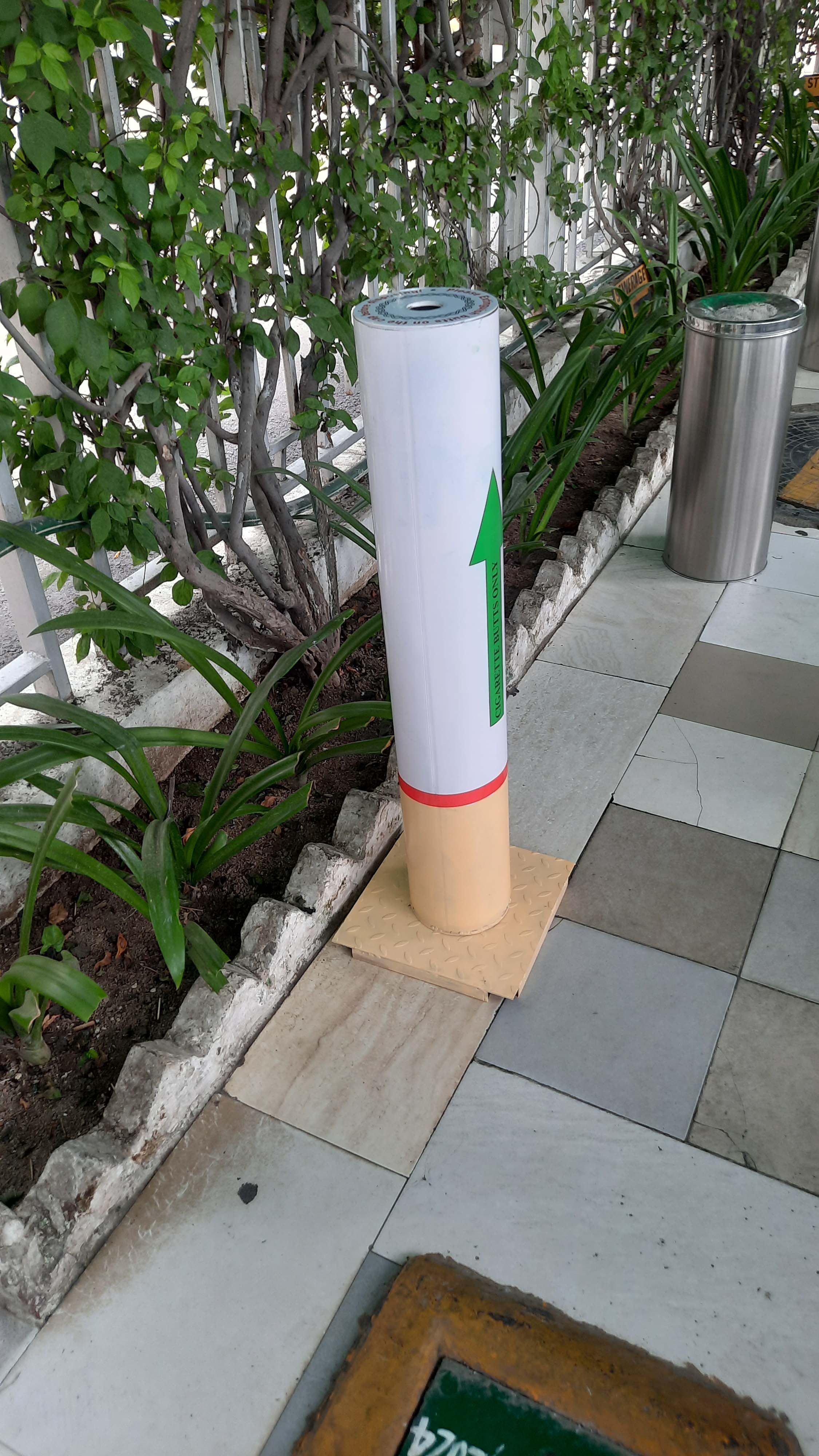
“During my time at Delhi University, I noticed the problem of littered cigarette butts. There was no specific regulation in place for their proper disposal. Neither was there an assigned recycler or company that managed this waste. So, the first step was to build a technology that could recycle these. Because, if we collect and cannot recycle, it would mean nothing,” explains Naman over a Zoom call.
Entering the business of recycling meant the output had to comply with international quality guidelines. Vipul, the brain behind the tech, took around four months to build it. The next step was to build processes—the sourcing channels, collection of cigarette waste, and eventually, working on the finished products.
The first finished goods they created were—wait for it—soft toys. “The acetic acid in the cigarette butts makes it non-biodegradable. But when processed, the cellulose acetate, which comes from wood pulp, had a cotton-like composition,” Naman explains. So, the duo started using these processed fibres as stuffing for cushions, mattresses, and toys. Of course, there were apprehensions about the safety of these products. But their focus on transparency paid off.
“The stuffing material is lab-tested and certified. But because cigarettes are taboo, people are apprehensive. We are very transparent about the materials we use, but we have often noticed that when you are transparent, there’s a possibility that you are questioned more. But we continued to openly communicate about the raw materials and processes.”
The toys were just a stepping stone. In its first year the brothers approached cigarette vendors for collection and were focused on making sure people recognised that Code Effort existed at all. By year two, they started positioning the company as a cigarette waste recycling operation. Around year three (2021-22, during Covid-19, with their operations curtailed), they moved from toys to cushions and keychains.
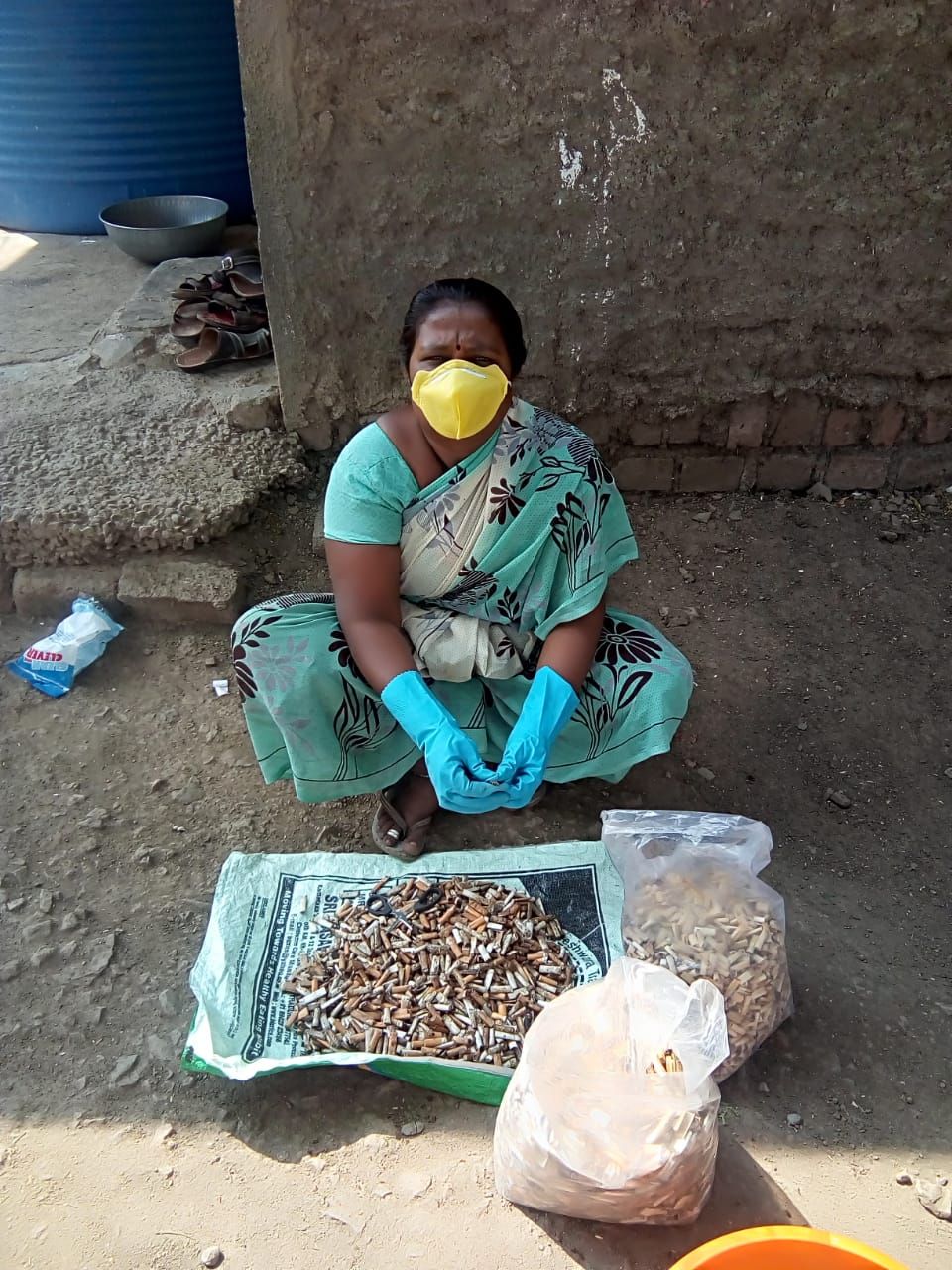
In the years since, they stabilised a supply chain and recycling systems. Across India, they operate on a contractor model, assigning partners to cities, who collect cigarette waste from shops, commercial spaces, and local communities, and sell it back at a fixed rate. “To maximise collection, we incentivise the collectors. We have a community of around 2,800 ragpickers who help us collect cigarette butts across India. It then gets generalised and rooted through our collection agents across India.”
But with the soft toy market in decline, thanks to screen-obsessed children, the focus shifted towards scaling adjacent product verticals—recycled paper and textiles—into standalone categories.
Today, their largest output is recycled paper. Their bestselling product, A4 sheets, are supplied to Sanskriti School and Cambridge School in New Delhi, and Penguin Random House.
They also create key chains and car accessories for MG Motors, which contributes substantially to their bottom line.
For the brothers, the inspiration for newer products came in from unexpected places. Around 2021-22, a group of students from the JD Institute of Fashion Technology sought their recycled fibres, starting with a 10 kg batch. A month later, they came back with a breakthrough—they’d blended the fibres into yarn. The team experimented and created denim. And the first commercial outcome of this breakthrough became an exclusive collaboration with Reliance Retail and Lee Cooper in 2024 to design the world’s first jeans made of discarded cigarette butts as part of the Lee Cooper Eco collection.
While they are currently focussed on a B2B model—for the high volumes—in the next couple of years they might try their hands at a B2C business and also expand their product line. What’s comes after toys and A4 sheets, do you think?