



The poly-professionals22 May 20264 MIN

APJ Abdul Kalam told this swimming champ he could do more. So, he dove into forensics

Between balmy beaches and buzzing courtrooms, Indrajeet Khadilkar inhabits two very different worlds

Image

Khadilkar found his second calling after successfully helping crack a case that even the CID had gotten wrong initially

Photographs by Pretika Menon

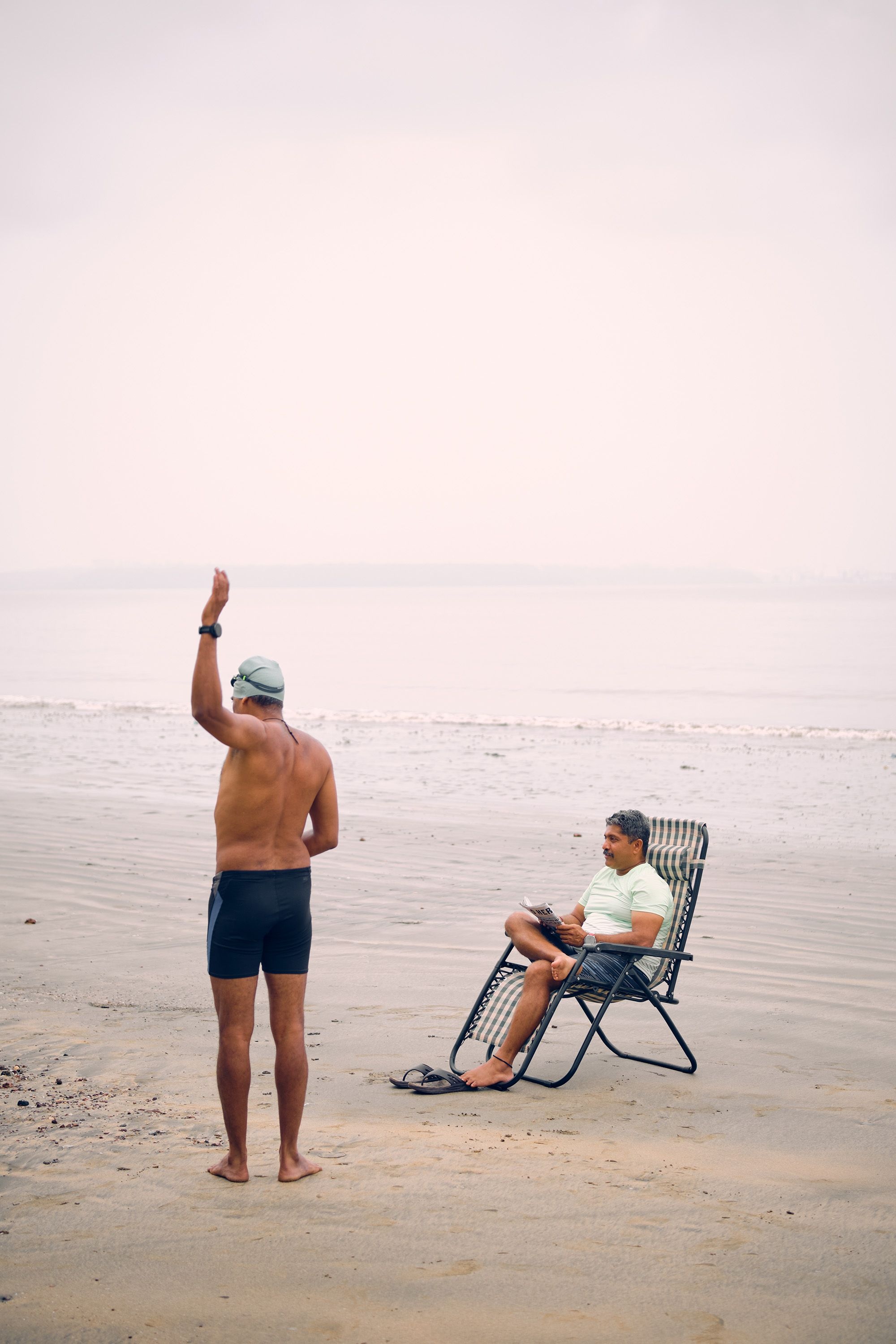
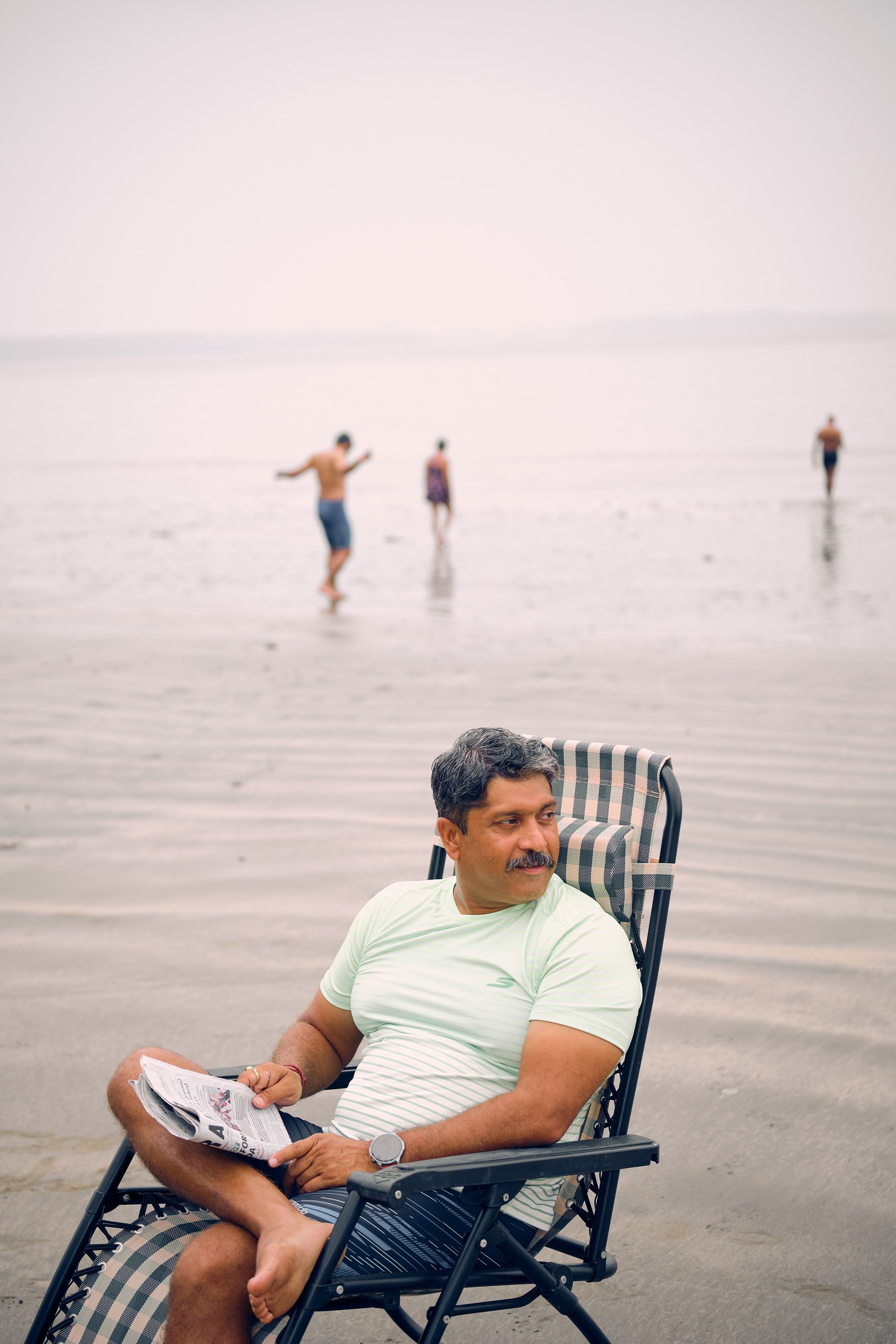
At Goa’s Bambolim beach, a few kilometres from Panjim, the same scene plays out every morning. This is a quiet, shack-free crescent, with a thin strip of wet sand that rarely attracts any tourists. You’ll spot a few people out on their morning walk, a few out for their morning smoke, and a few friendly dogs stretching. And you’ll always—always—spot a large group of open-water swimmers. From the very young to the very young at heart, this group features an eclectic collection of professionals: cops, surgeons, dentists, teachers, techies, marketers, restaurateurs, all being trained by a man who’s got two very interesting careers of his own.

Indrajeet Khadilkar is a Goa-based swimming coach who trains people of all ages and skill levels to swim long distances in the sea. When he’s not in the water, he’s helping cops and lawyers untangle complex legal and criminal matters, armed with his international forensics diploma and decades of experience as a handwriting analyst. How does one end up with such an unusual career combination? A former president probably had something to do with it.

Khadilkar, who grew up in Pune, had always been an ace swimmer. He won medals at the junior and senior nationals in the 1990s and also played water polo for India in the 2000s. The pivotal moment came when Khadilkar’s sports career was flourishing. He was the captain of the Maharashtra water polo team at the 2002 National Games held in Hyderabad and was invited to meet former President APJ Abdul Kalam. A brief interaction made a strong impression. “He asked me what I did, and I said swimming. He asked again, and I said only swimming—I don’t get time for anything else,” Khadilkar recalls. “And he told me, ‘Never say there’s no time. You’ll agree I’m busier than you, but I still make time every day for music.’”

Khadlikar, who had spent the best part of 18 years in the pool, was inspired and decided he needed to pick up a new skill.

“I tried many funny things at the time. I learned screen-printing, I learned fountain-making,” he recalls, laughing. A couple of years later, when he was travelling to Delhi by train, a bookseller came along. “One book caught my eye: Analyze Handwriting. Both my parents had beautiful handwriting and I had been into calligraphy at one time. I bought the book.” The fact that you could understand people’s psyche just by analysing their handwriting fascinated him. He started taking graphology classes.
To be fair, he didn’t really see it as much more than a hobby until he stumbled upon his first case. “One of my water polo teammates who knew I’d taken this course said he had a case for me. He took me to a lawyer who wanted two signatures matched. I analysed them and got back saying there was no chance they were by the same person, and I showed him exactly why I believed so.” The lawyer, he says, was stunned, because both the CID and one of Pune’s top handwriting experts had submitted a report saying the signatures belonged to the same person. The case went on for six months, but the ruling finally went in the lawyer’s favour. Khadilkar found his second calling.

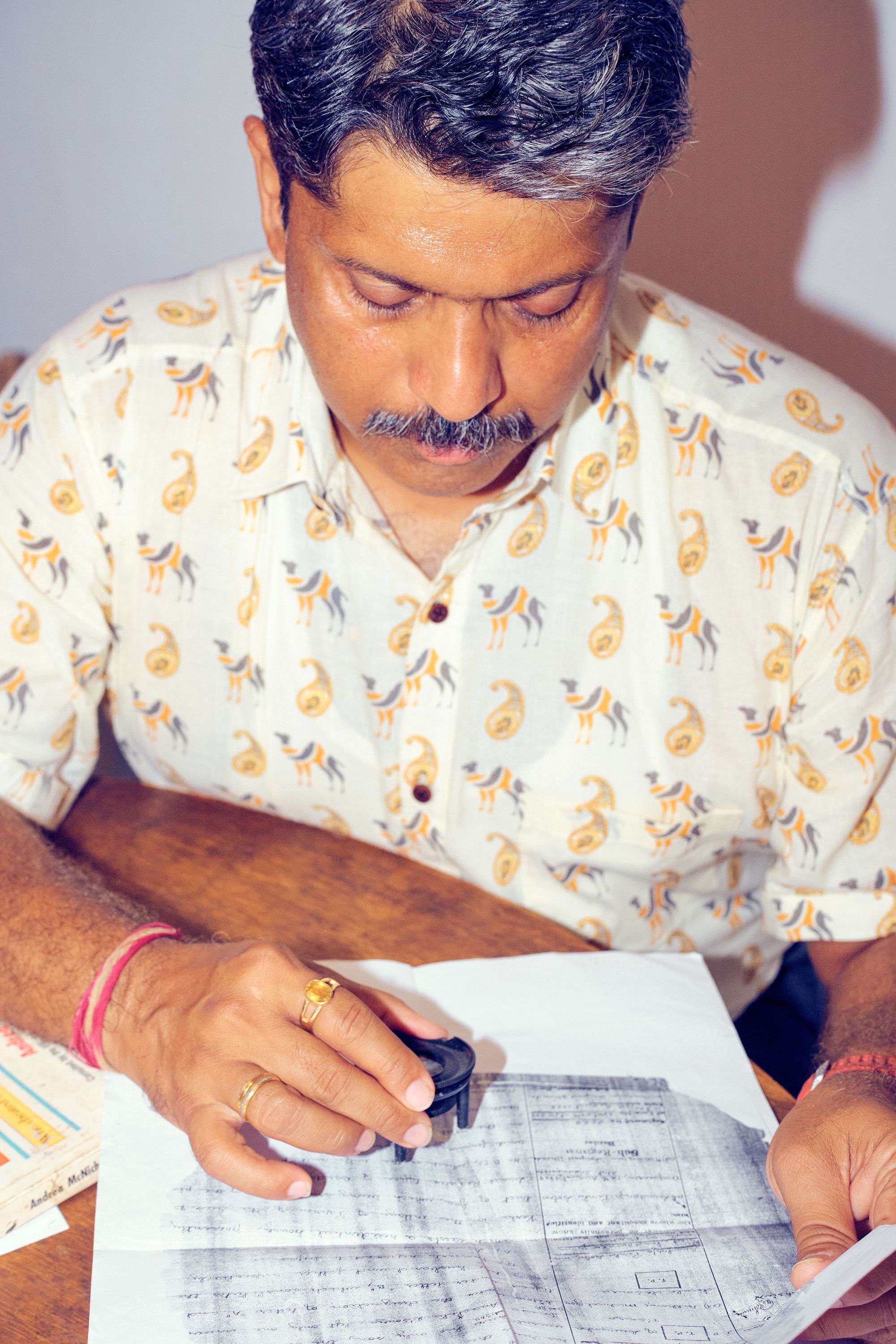
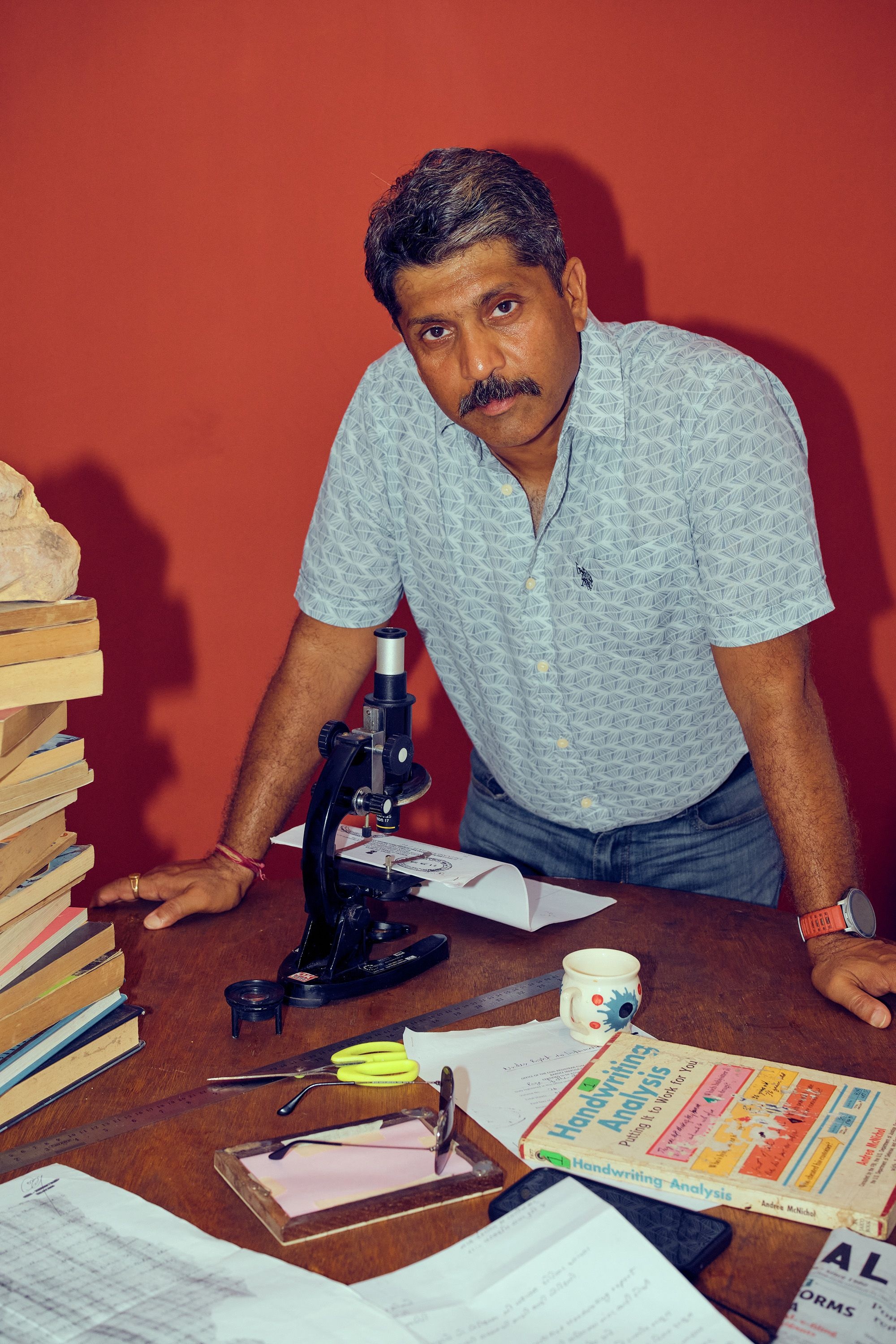
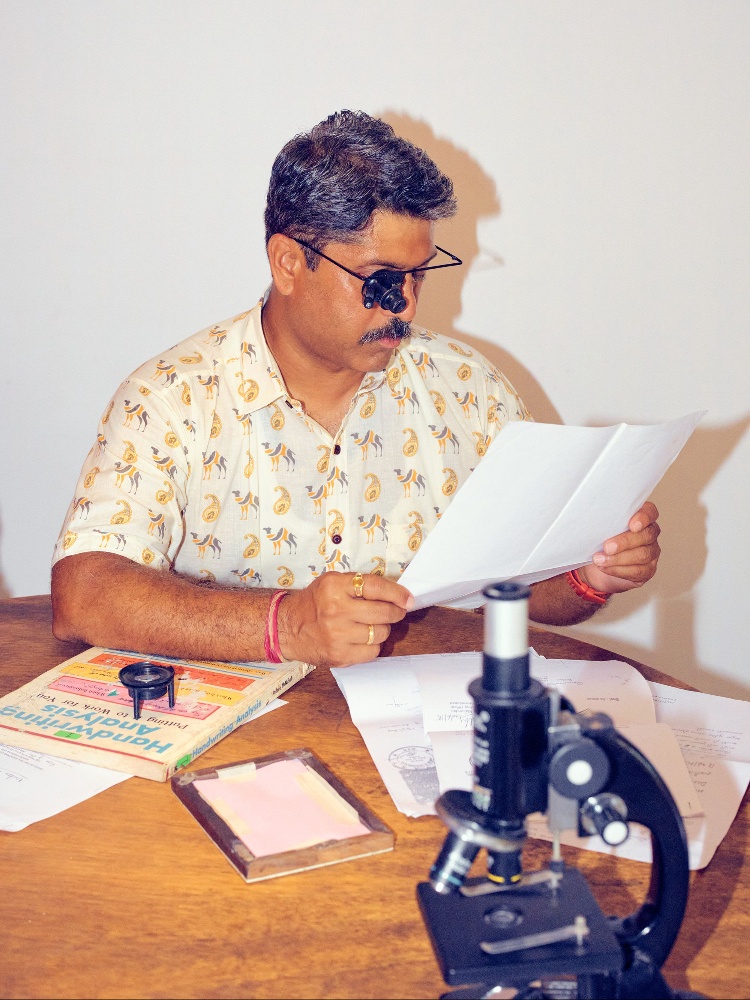
Over the next six months, Khadilkar became an internationally certified Questioned Document Examiner—someone who analyses and authenticates documents, from suicide notes and ransom demands to signatures and thumbprints on legal papers. This qualifies him to appear as an expert witness in court cases.

“It’s like an investigative job. For example, when I get to a suicide note, I need to first find out whether it was written by the person. Then I need to figure out why they wrote it. Then I need to figure out if they were forced to write it. You have to get into their heads,” he says. “It’s not just the hand that is writing; it’s also the mind writing.”

He found uses for his skill outside the world of crime as well. He started a company that used to analyse the handwriting of young athletes to understand their aptitude for sports. When he moved from Pune to Goa in 2016, he conducted handwriting improvement classes for children in his apartment complex.

Over the last few years, his coaching duties have been taking up more and more of his time and, as it was at the start of his career, a lot of his time is spent in or around water. He trains people with no swimming background to ease past two-, three-, and five-kilometre distances competitively. He coaches school kids to swim across the Mandovi river. He helps triathletes who travel from land-locked cities for the annual half Iron Man competition in Goa conquer their fear of swimming in the sea.

While time is increasingly at a premium, the cases keep coming. In the last couple of months, he has travelled to Kochi and Ratnagiri for swimming championships with his students, and to Pune to appear as a court witness in a case.

With his twin vocations, Khadilkar busts the myth that people are either left- or right-brained; his professions prove he is both: analytical and creative, and somehow both of them interact dynamically. Are there any transferable skills between the two? “Yes. At the heart of both of these things is basic psychology. With graphology, it’s about analysing handwriting and understanding motivations. With coaching, it’s about understanding people and helping them conquer their fears.”

The Nod Newsletter

We're making your inbox interesting. Enter your email to get our best reads and exclusive insights from our editors delivered directly to you.