



Impact05 Jun 20264 MIN

The Kolkata Cloud Chasers do exactly what their name suggests

Tracking cloud formations, super cyclones, and meteorological charts, this collective of photographers has been documenting how clouds affect the weather we experience

Image

The Kolkata Cloud Chasers was founded by Debrashi Duttagupta in 2005 as a humble cloud-admiring photography group on social media called the Kolkata Photographers Club

Debarshi Roadrunner

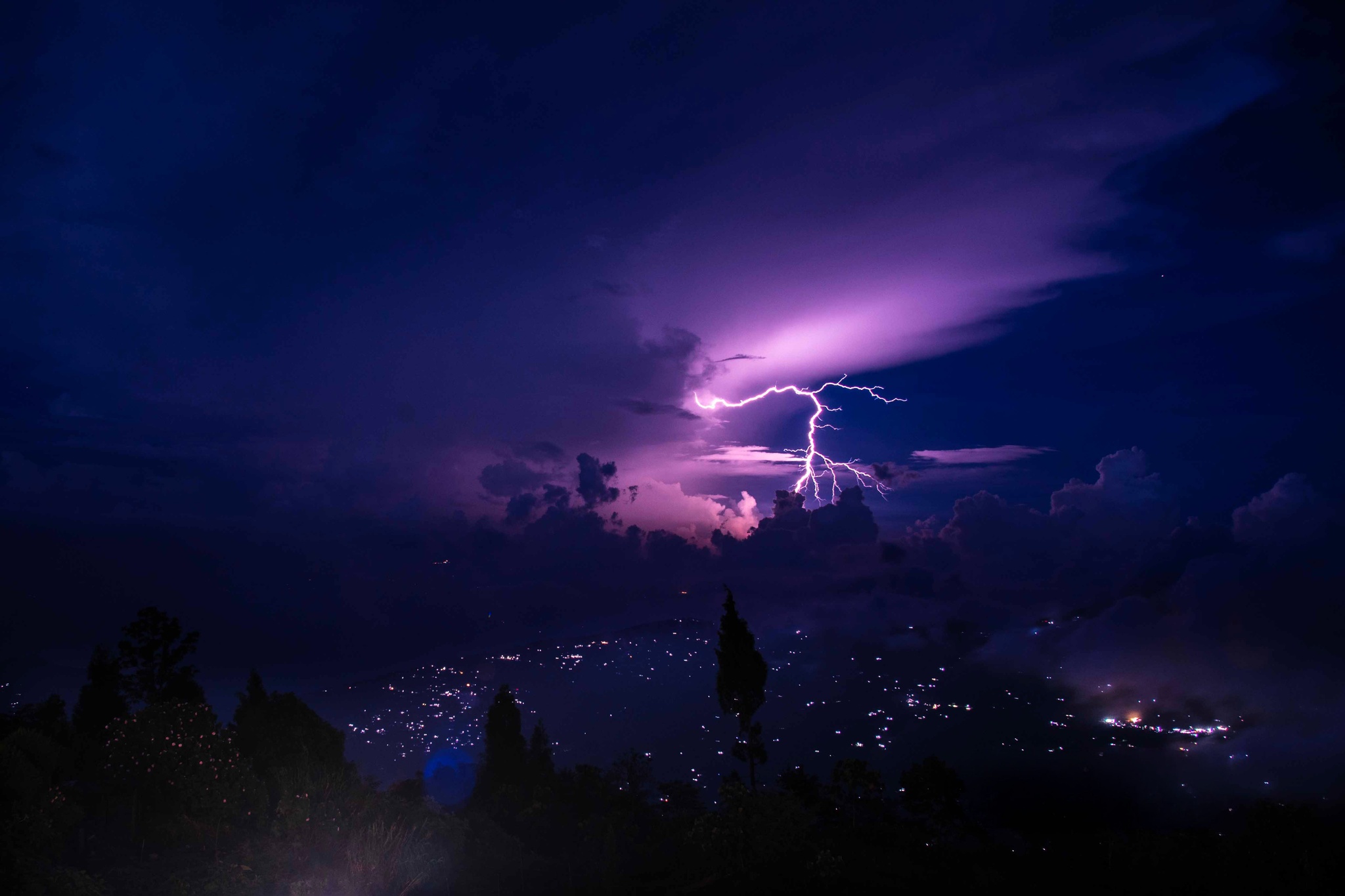
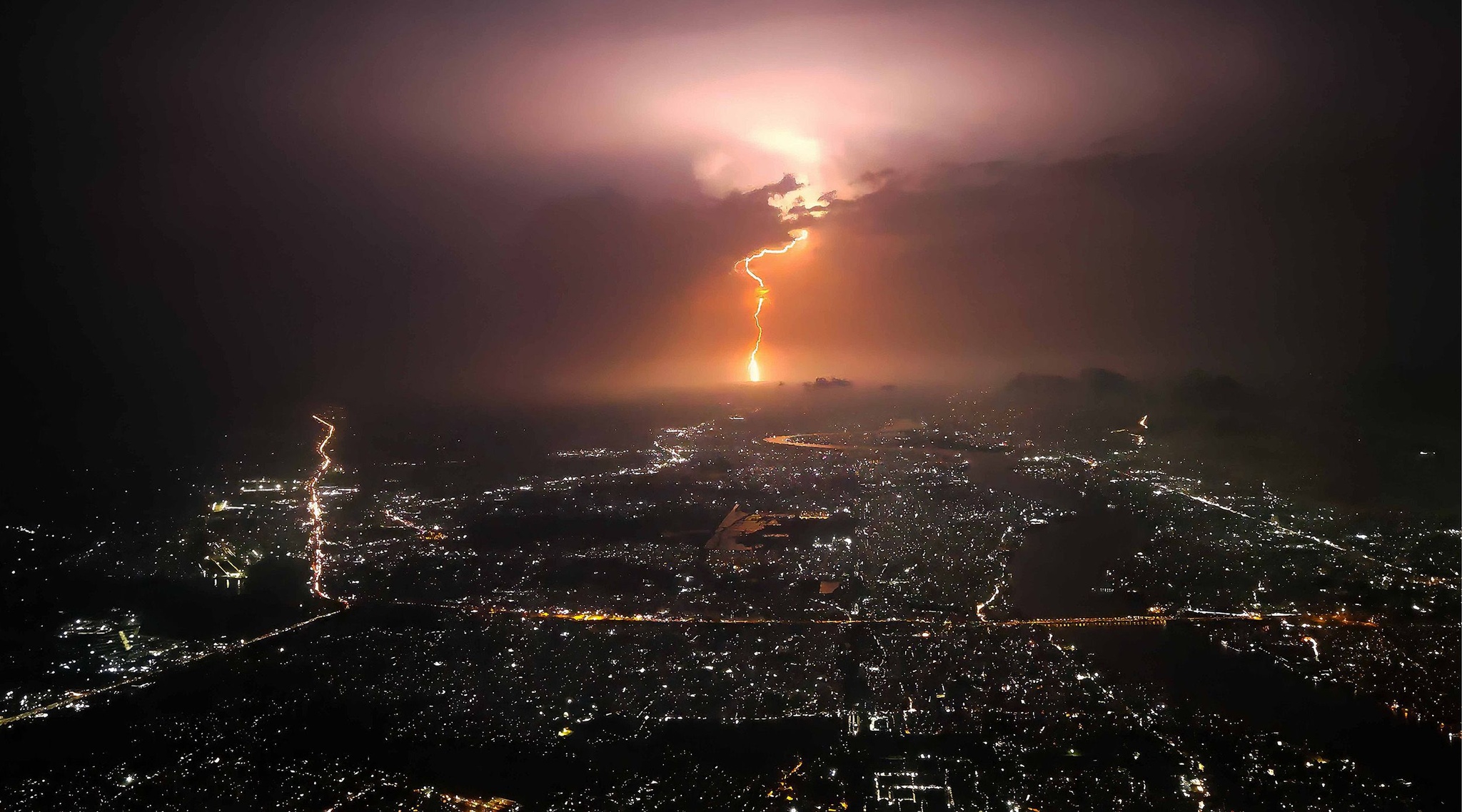
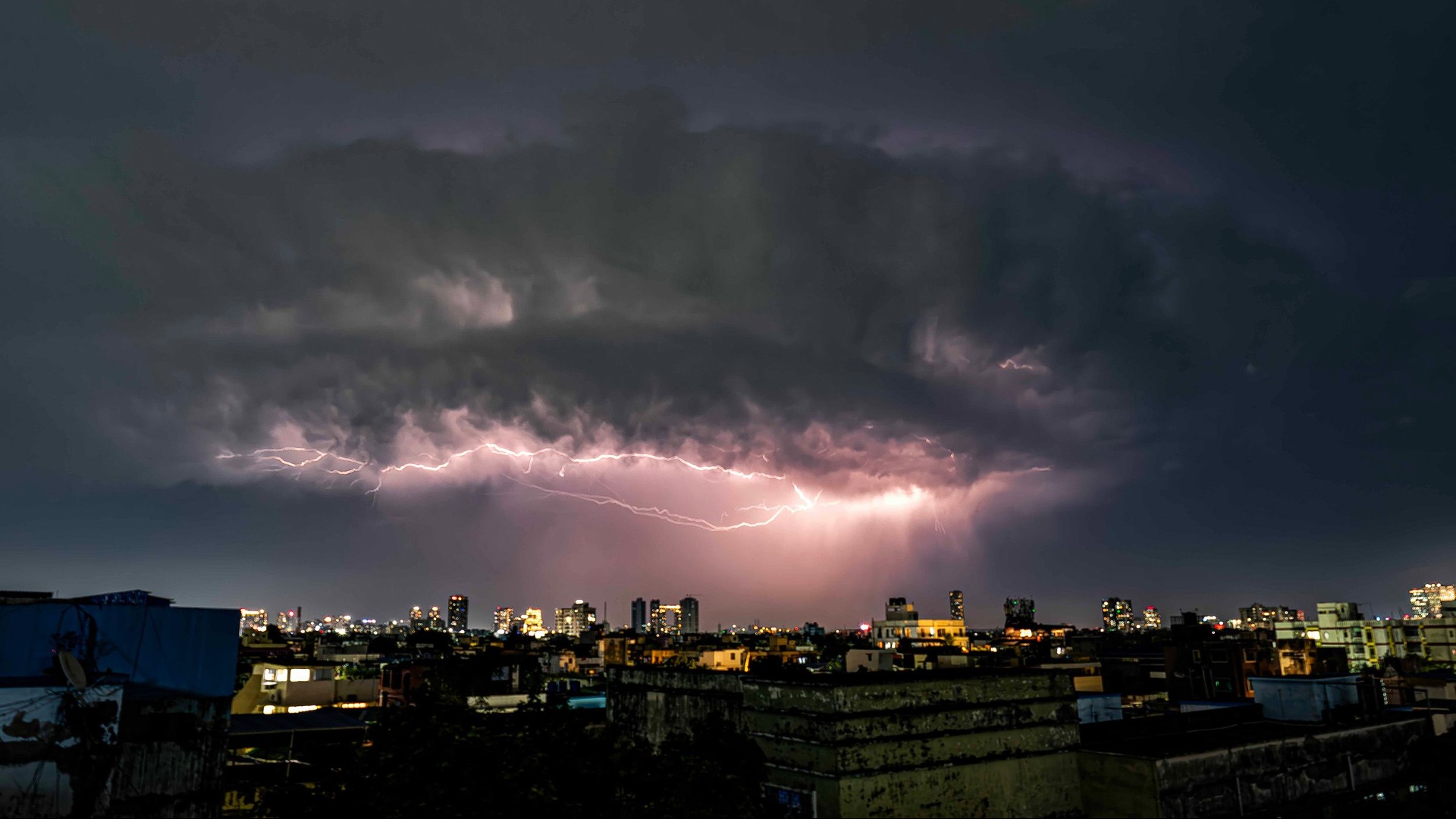
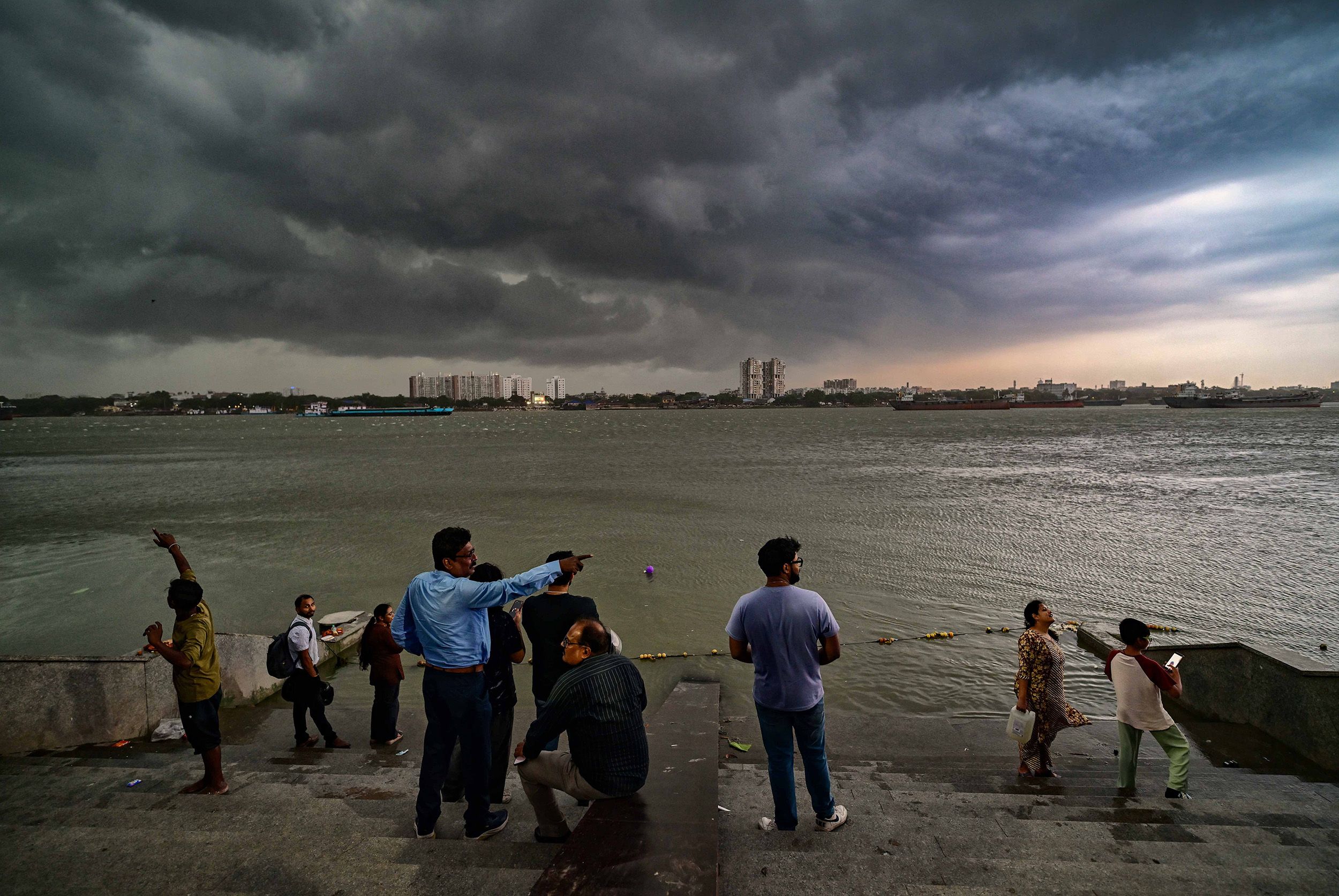
At first, there is a visage of calm. A kalboishakhi—the sudden pre-monsoon squall that sweeps eastern India and Bangladesh—rarely arrives with a warning. The sky takes on the hue of deep grey and threatens to turn pitch black. Lightning cracks the sky open, leaving behind gashes in its wake. The air thickens and the wind stirs up dust. Rain comes down hard. Trees sway, some uprooted by sheer force. In the middle of havoc, though, the temperature drops, offering respite from a stifling, humid day.

Kalboishakhi is part of West Bengal’s cultural lexicon—a pre-monsoon Nor’wester. The word ‘kal’ can suggest ‘dark or an inauspicious time’ and the weather feels straight out of grim folklore. As urban landscapes grapple with pollution and changing climate patterns, and an imminent return of El Niño, some observers note that kalboishakhi’s fierceness might be increasing. The storms are becoming less predictable in frequency, and their torrential power is strengthening in rural and coastal areas, though Kolkata experiences all this differently.

“One major change we’ve noticed over the years is the changing pattern of some of the kalboishakhis in Kolkata. The urban heat island effect here is now playing a significant role, especially during the early phase of the kalboishakhi season,” notes Chirasree Chakraborty.

Chakraborty is a part of an esoteric community of cloud chasers who’ve spent a lifetime interpreting the sky, securing front-row seats to the spectacles it stirs. When a kalboishakhi lashes, most people run for cover; the Kolkata Cloud Chasers head towards it. For more than a decade, this eight-member team has photographed super cyclones like the catastrophic Amphan, which killed 129 people, and Fani, which barrelled across Odisha’s coast in 2019, toppling electrical towers and vehicles and destroying everything in its path. “We’ve even experienced a blizzard in the mountains,” adds Chakraborty on the perils of the job.
Debarshi Roadrunner Kalboishakhi ii_.jpg
Credits: Debarshi Duttagupta

The Kolkata Cloud Chasers began in 2005 as a humble cloud-admiring photography group on social media called the Kolkata Photographers Club, founded by Debrashi Duttagupta. It was officially established in 2014, when members, primarily based in West Bengal, came together to map the countless stories that lurked in the underbellies of clouds. Over time, the group realised that the photographs it made and the data collected were beneficial for warning people.

Since then, the Kolkata Cloud Chasers have become informal weather guardians, actively posting compelling visuals on social media, alongside crucial information about storms, red alerts, and safety updates, like what to do and what not to do during a thunderstorm or how to respond if struck by lightning.

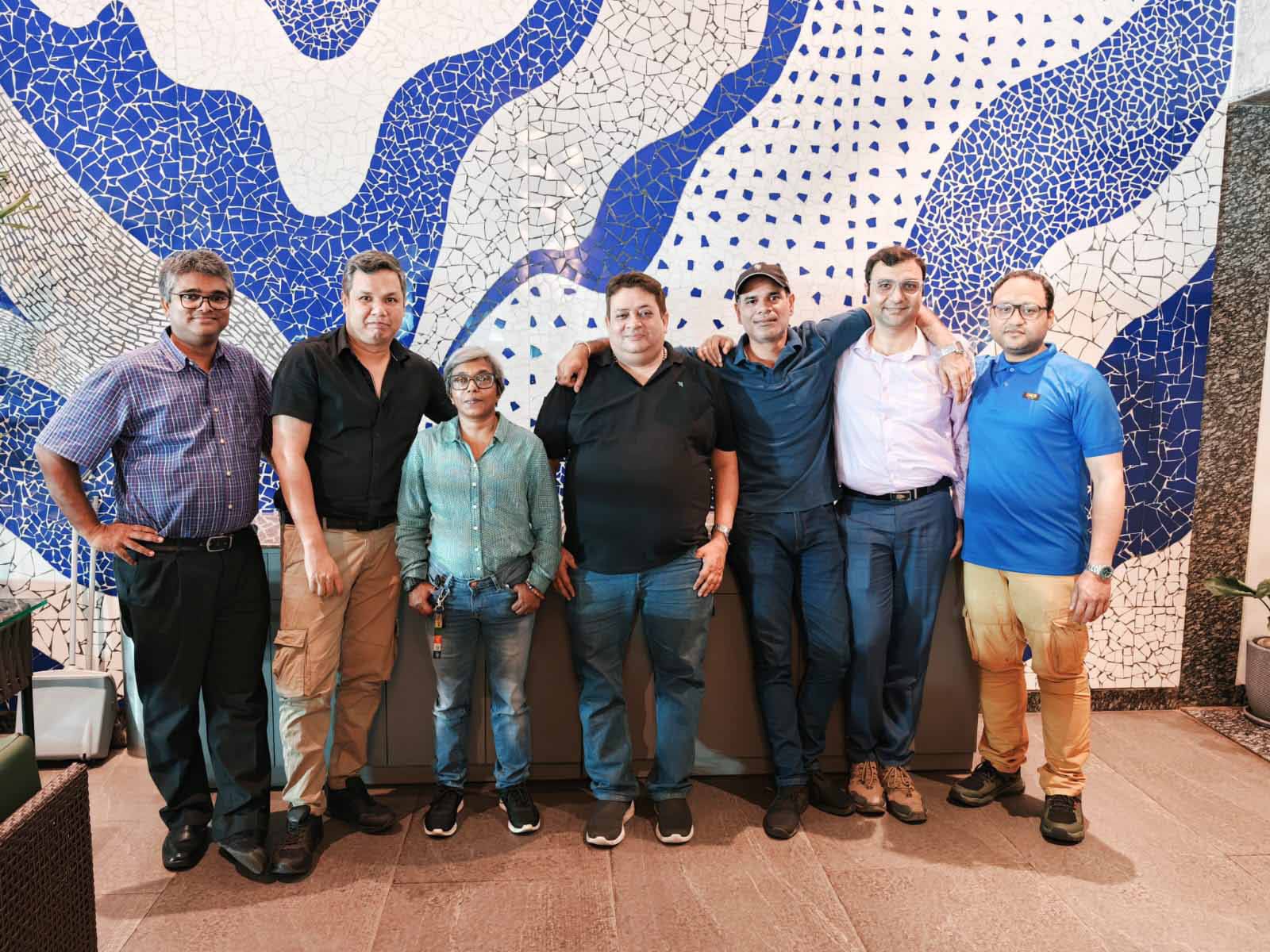
A close-knit group of photographers and storm whisperers, the members spend their time chasing and documenting extreme weather. The collective is divided into three specialised teams—navigators, spotters, and trackers—and, besides Duttagupta and Chakraborty, comprises Joyjeet Mukherjee, Diganta Gogoi, Abhishek Saigal, Suman Kumar Ghosh, Krishnendu Chakraborty, and Indranil Kar. Since cloud-chasing is not yet a recognised profession in India, they work in different professions and moonlight as chroniclers of the sky.


Kolkata Cloud Chasers has emerged as one of the country’s most prominent storm-chasing coteries, drawing on lessons from, and at times collaborating with, international chasers such as Reed Timmer, Mike Olbinski, Mike O’Neill, Lori Grace, and Girls who Bolt (a women-led international collective of lightning photographers that Chakraborty is also a part of). On the internet, there are a few informal Indian storm- and cloud-chasing circles, but none with the fervour of KCC.

There’s risk, of course—being slammed by airborne debris, buffeted by fierce gusts or struck by lightning while photographing the very storms they marvel at. But they’re not reckless in their approach: radar imagery is examined, weather charts are studied, atmospheric conditions are weighed, before a storm zone is identified. Once the coordinates are locked, they get into their cars (SUVs equipped with state-of-the-art technology, winches, and ladders) and go.

All precautions are taken: “During our chases and shoots, we usually remain inside our vehicle or under a sturdy concrete shelter,” explains Chakraborty. “Our cameras are positioned outside on stable tripods and protected with appropriate rain covers. To capture lightning safely, we rely on lightning triggers or intervalometers.”

While scientists are wary about directly linking a kalboishakhi to global warming, there’s no doubt that climate change is impacting the moods of the sky and the ground beneath our feet. From fires that set forests ablaze to devastating thunderstorms, weather is exhibiting a more bestial temperament today. In fact, a report published by the Ministry of Earth Sciences confirms that between 1951 and 2015, surface sea temperatures in the Indian Ocean rose to one degree Celsius, while warmer climate conditions have also been responsible for the “frequency of localised heavy rainfall”, droughts, and “the intensity of tropical cyclones over the past few months”.

Chakraborty, who is a cloud formation expert, corroborates this. “In recent years, some pre-monsoon thunderstorms seem to be becoming more intense, producing stronger winds, heavier rainfall, and frequent lightning activity than what was commonly observed in the past.”

Team KCC.jpg
Members of Kolkata Cloud Chasers work in different professions and moonlight as chroniclers of the sky

Over the years, with weather patterns shifting unpredictably, the cloud chasers have observed even small, tornado-like swirls in some parts of the country. While large storm systems can sometimes create the right conditions for such events, they remain uncommon in this part of the world. Duttagupta clarifies, “It’s also possible, however, that similar events occurred in the past but went largely undocumented. With the rise of social media and smartphones, such incidents are now reported and shared much more quickly.”

For the Kolkata Cloud Chasers, that shift in visibility has only sharpened the purpose of their work. For them, the chase is really about gauging the sky, predicting its behaviour, and hoping to get there in time. “What we feel during a chase is a mixture of adrenaline, excitement, tension, and anticipation,” explains Duttagupta. “Tracking a storm in real time and finally spotting it successfully, especially in the case of a kalboishakhi, gives us an incredible sense of satisfaction and achievement.”

The Nod Newsletter

We're making your inbox interesting. Enter your email to get our best reads and exclusive insights from our editors delivered directly to you.