




Brief Encounters12 May 20264 MIN

With Dhruv Bandil, track pants are never just track pants

The Central Saint Martins graduate on working under Manish Arora, dressing Björk, and bringing craft and chaos to sportswear

Image

Name: Dhruv Bandil

Age: 30

Profession: Fashion designer, founder of Dhruv Bandil

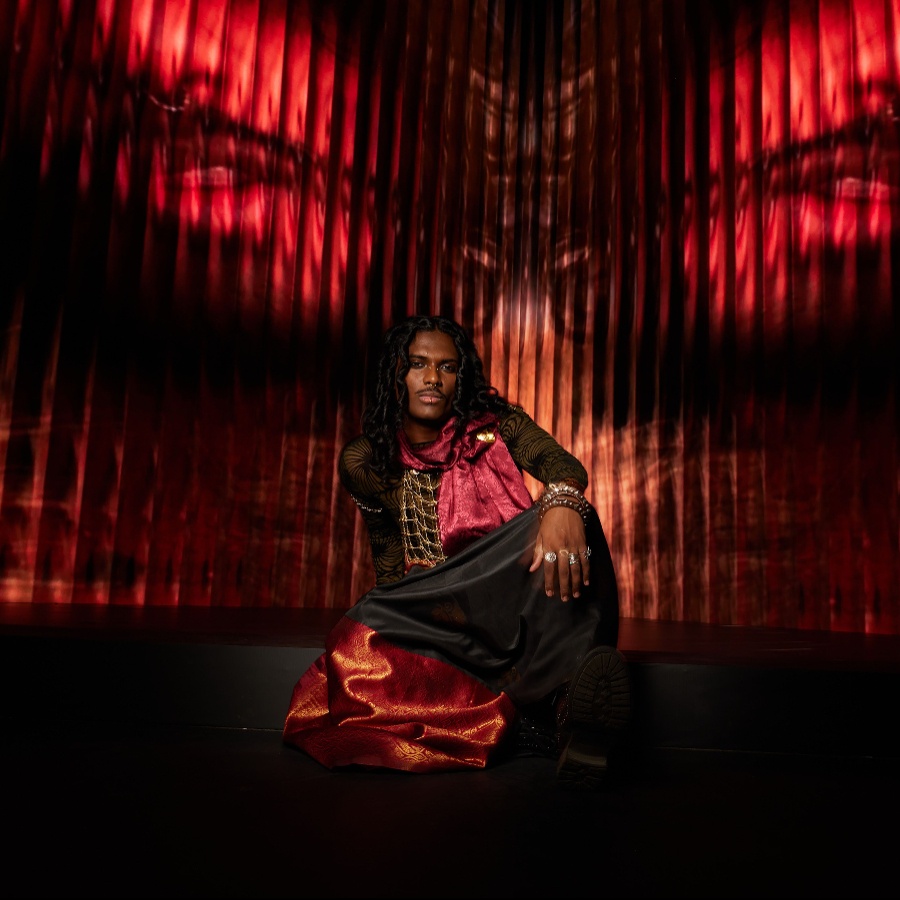
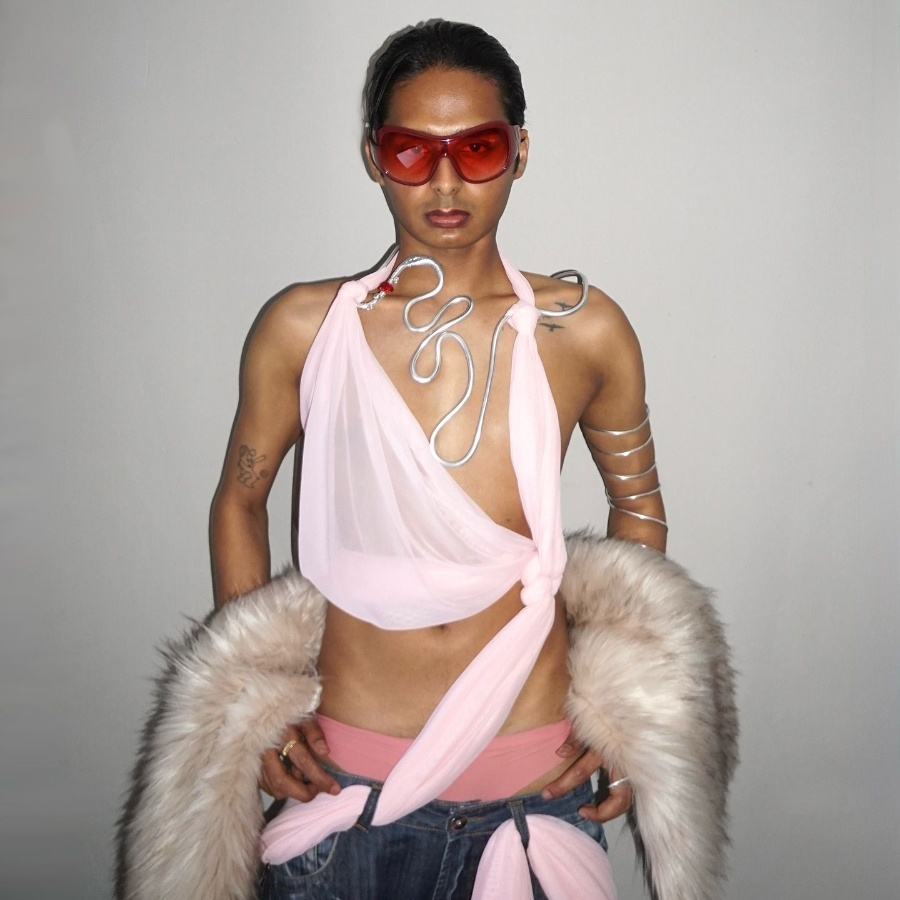
Why you should know him: It’s almost impossible to bracket Dhruv Bandil’s work. The Central Saint Martins alum’s clothes sit somewhere between sportswear, streetwear, and chaos, resulting in clothes that make you think, sometimes laugh, and always stare. Winner of the 2024 L’Oréal Pro Creative Award, his multi-textural, multicoloured creations have been worn by aliens-on-earth like Bjork and Tyla and have won him features in fashion magazines around the world.

Before fashion, there were jhankis: Bandil grew up in Morea, Madhya Pradesh, a region he describes as “quiet, calm, and steeped in history. You could be driving past stretches of farmland and suddenly come upon an 11th-century temple standing in silence”. His earliest fashion memories came from an unlikely source—the dramatic, nostalgic jhankis, or decorated floats, that moved through the town during celebrations, often rising three storeys high and filled with vibrant, larger-than-life characters. “I was obsessed with how characters were created through costume—the drama of it, the storytelling, the colours. That’s where it started for me.”
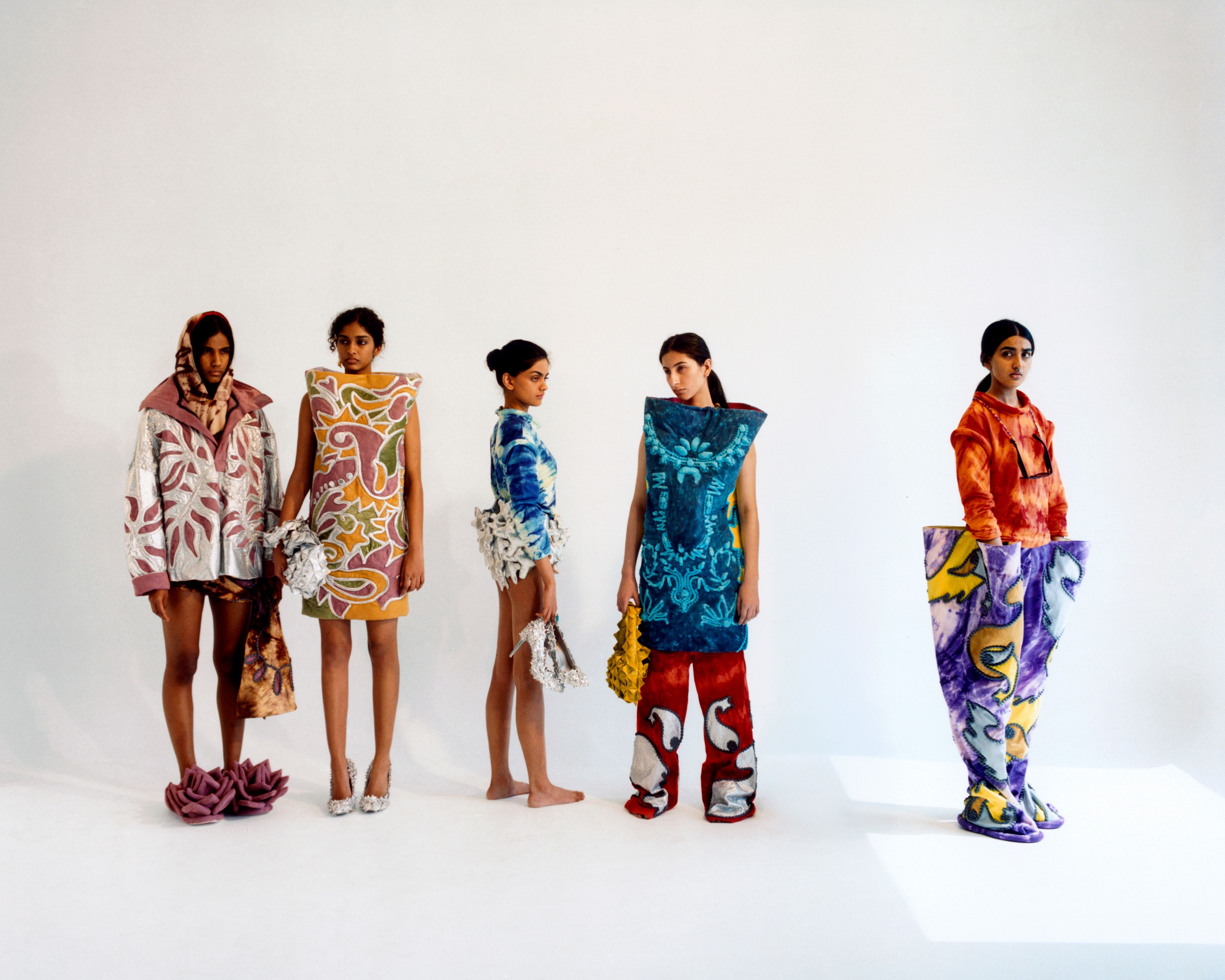
Dhruv Bandil
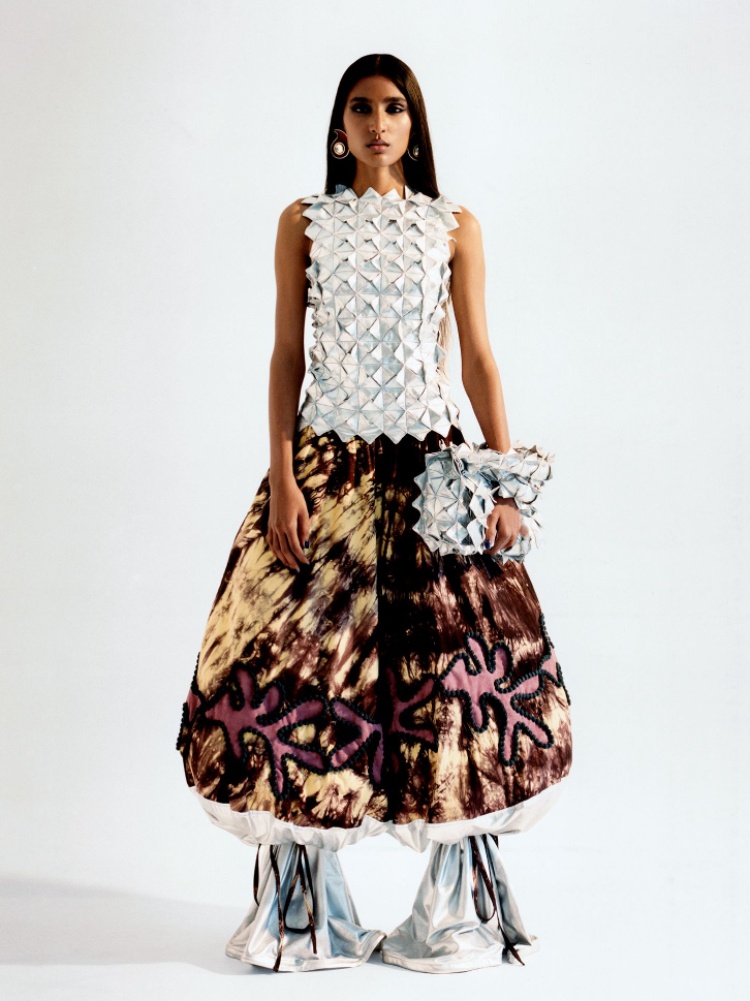
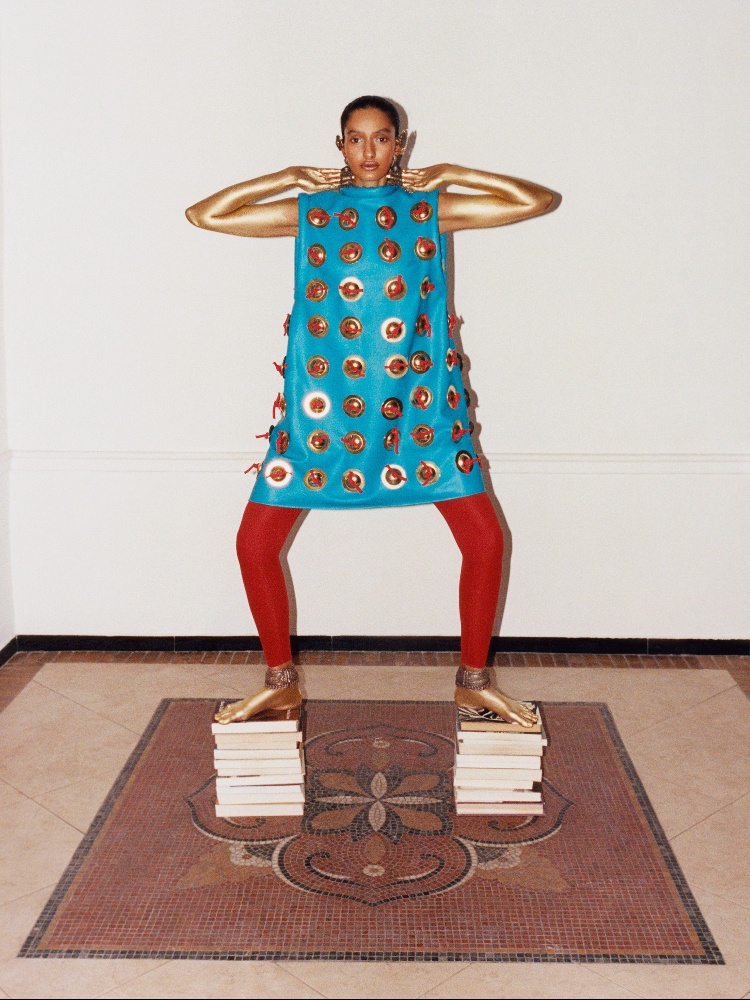
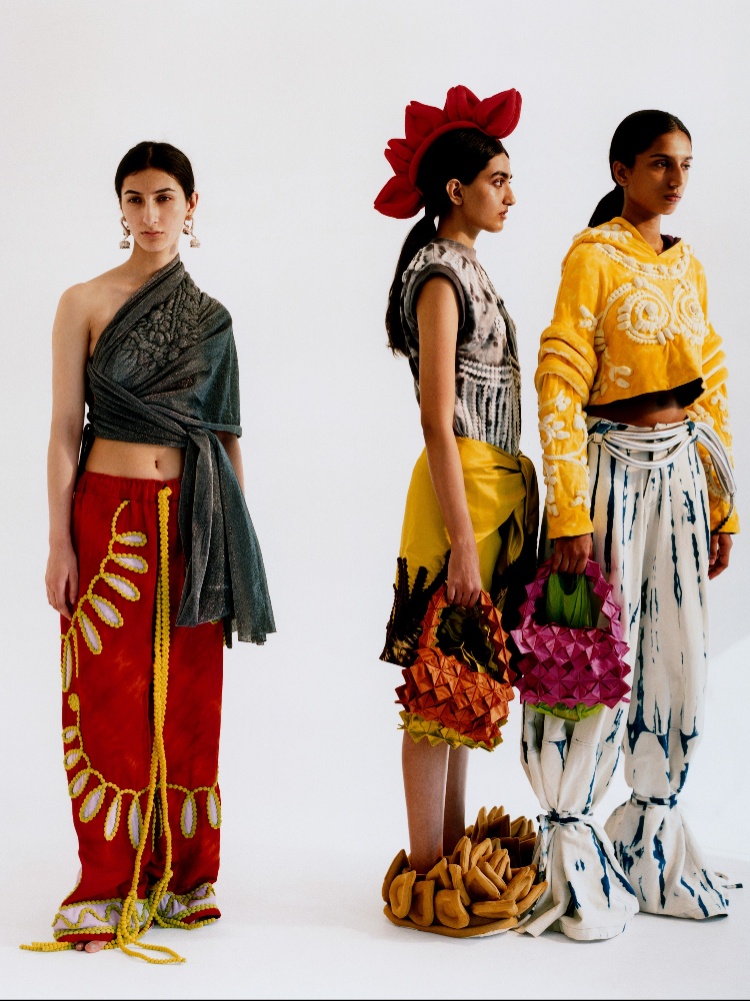
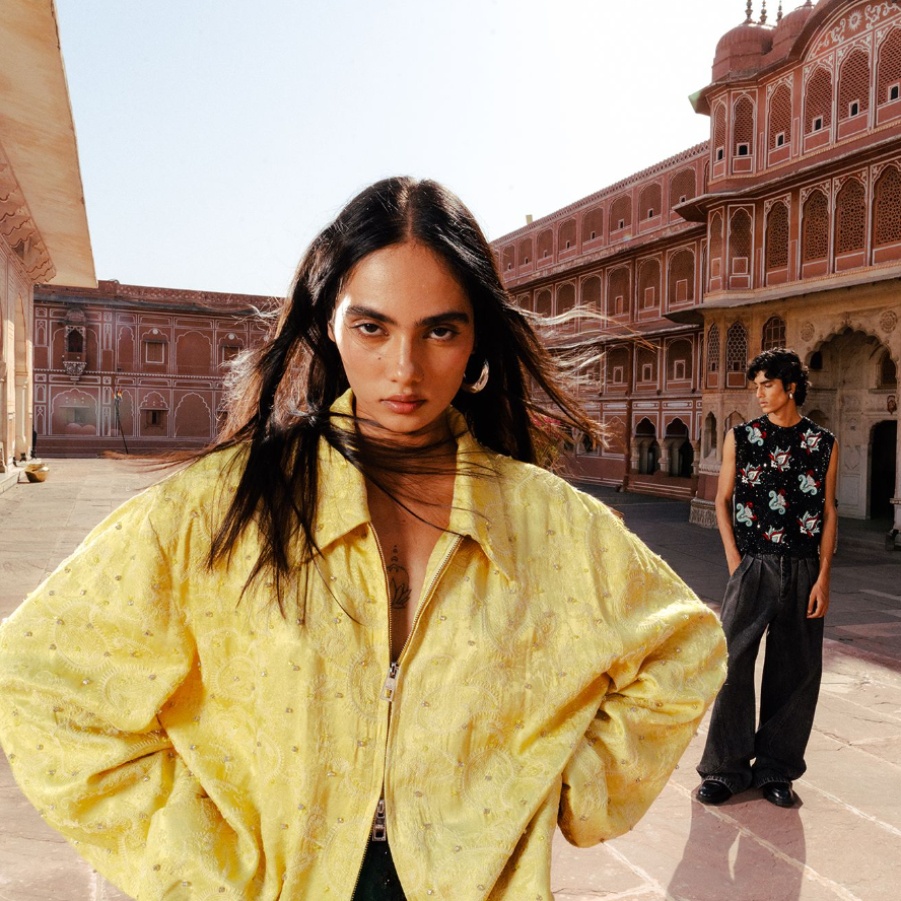
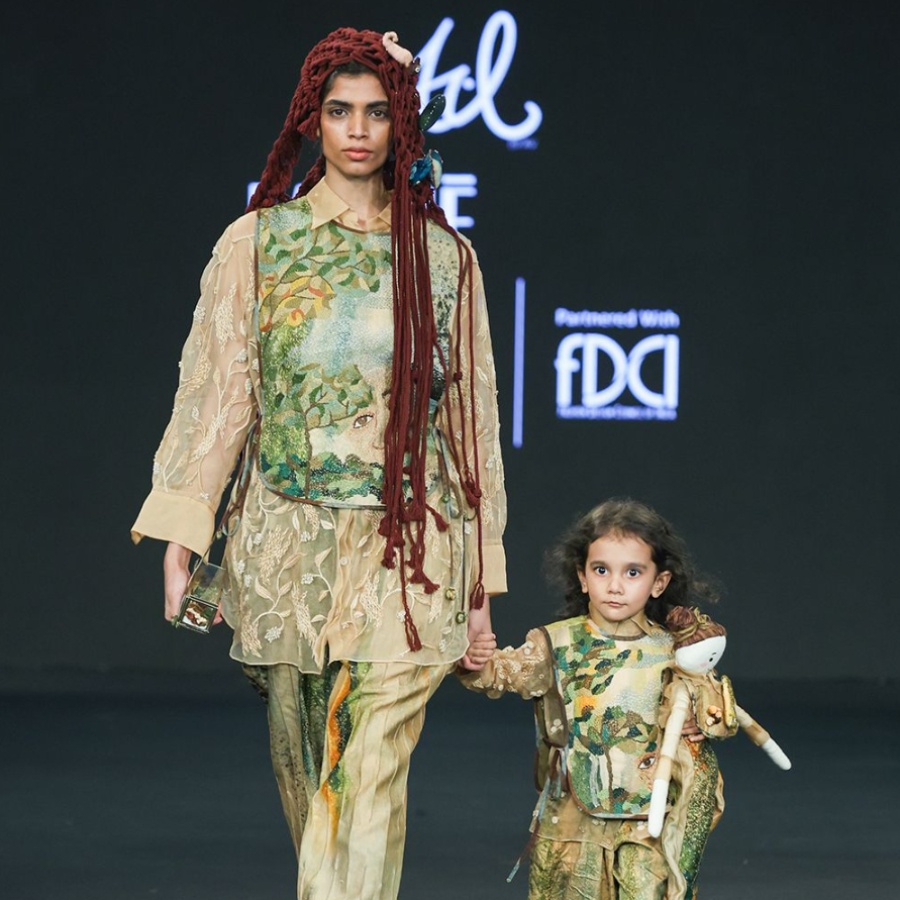
Looks from the designer’s fall/winter 2026 collection

His first gig was working for Manish Arora: Before enrolling at Central Saint Martins for his MA in Womenswear, and shortly after graduating from NIFT-Mumbai, Bandil landed a role at Manish Arora’s studio in 2018, a rare opportunity to work with the king of kitsch. “The studio moved at an insane pace,” Bandil recalls. “You were making hundreds of decisions every day, and it really taught me to trust my instincts.” What stayed with him most was Arora’s openness to experimentation. “If you had an idea, you could push it as far as you wanted—silhouettes, proportions, colour...anything.” Bandil credits Arora with sharpening his instinct for colour. “A lot of people tried to imitate the Manish Arora aesthetic,” he says. “But nobody really captured that X-factor his clothes had.”

A slogan T-shirt he’ll never forget: His CSM tutor and designer Louise Gray gifted him a T-shirt emblazoned with a phrase that stayed with him long after: “It said ‘How you act is power’ and it’s something I still think about whenever I’m doubtful about a design,” he says. “Sometimes a garment may not feel commercial. But if the outcome feels powerful—if it feels like it deserves to exist beyond you—then that matters too.”

On chasing the fashion cycle: “Some designers are showing six or seven collections a year,” he says. “And sometimes it’s just another version of the same black jacket.”
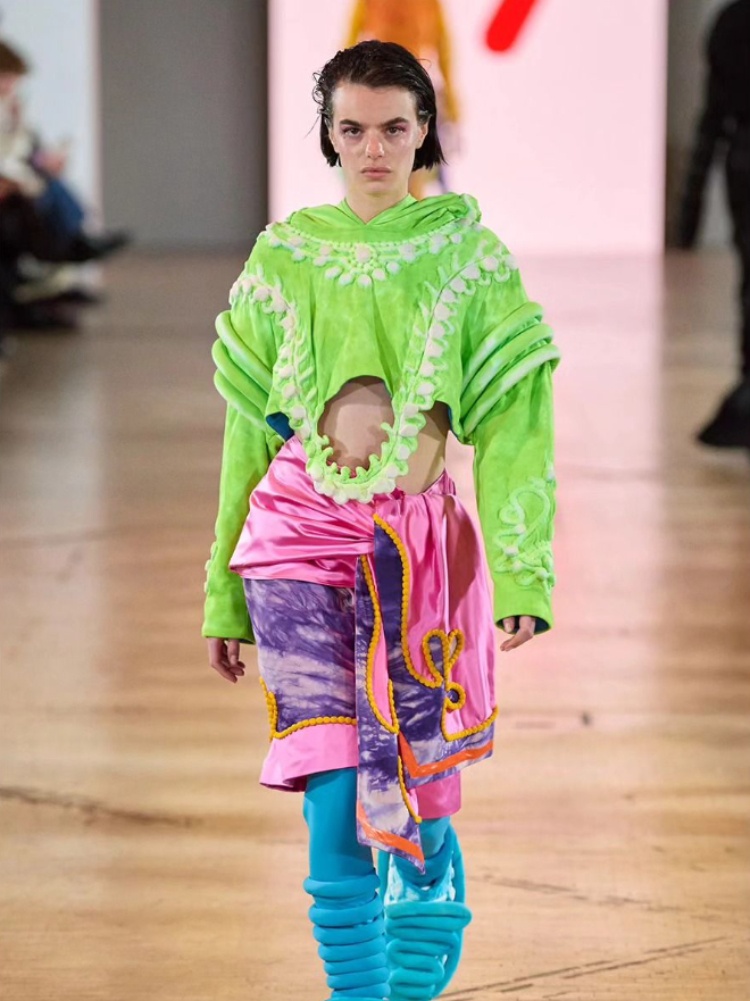
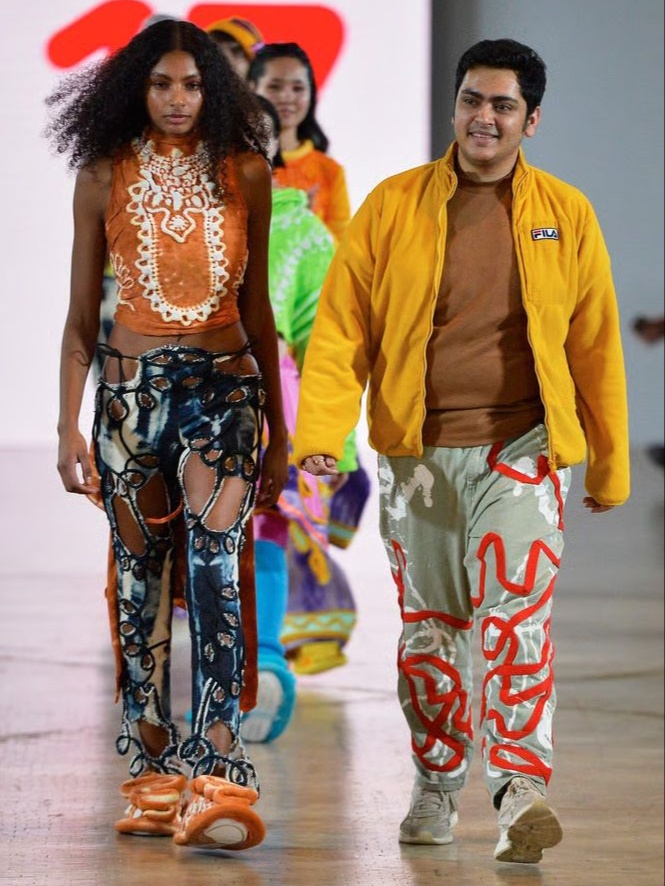
Fine art is on his moodboard: For his current collection, he was drawn to the worlds of artists Jamini Roy and Anish Kapoor. “Neither of them really belonged to one particular movement,” he says. “They built their own visual language, their own cult around the work.” The collection’s heavy use of silver emerged from Kapoor’s metallic sculptures, while Roy’s influence appeared through bold brushstrokes, graphic colour-blocking, and simplified forms. Among those quieter references is the Nivi draping styles he saw growing up in Morena, and the sari silhouettes subtly informed parts of the collection. “The way they tie their saris is incredibly intriguing to me,” he says. “Those details stay with you.”

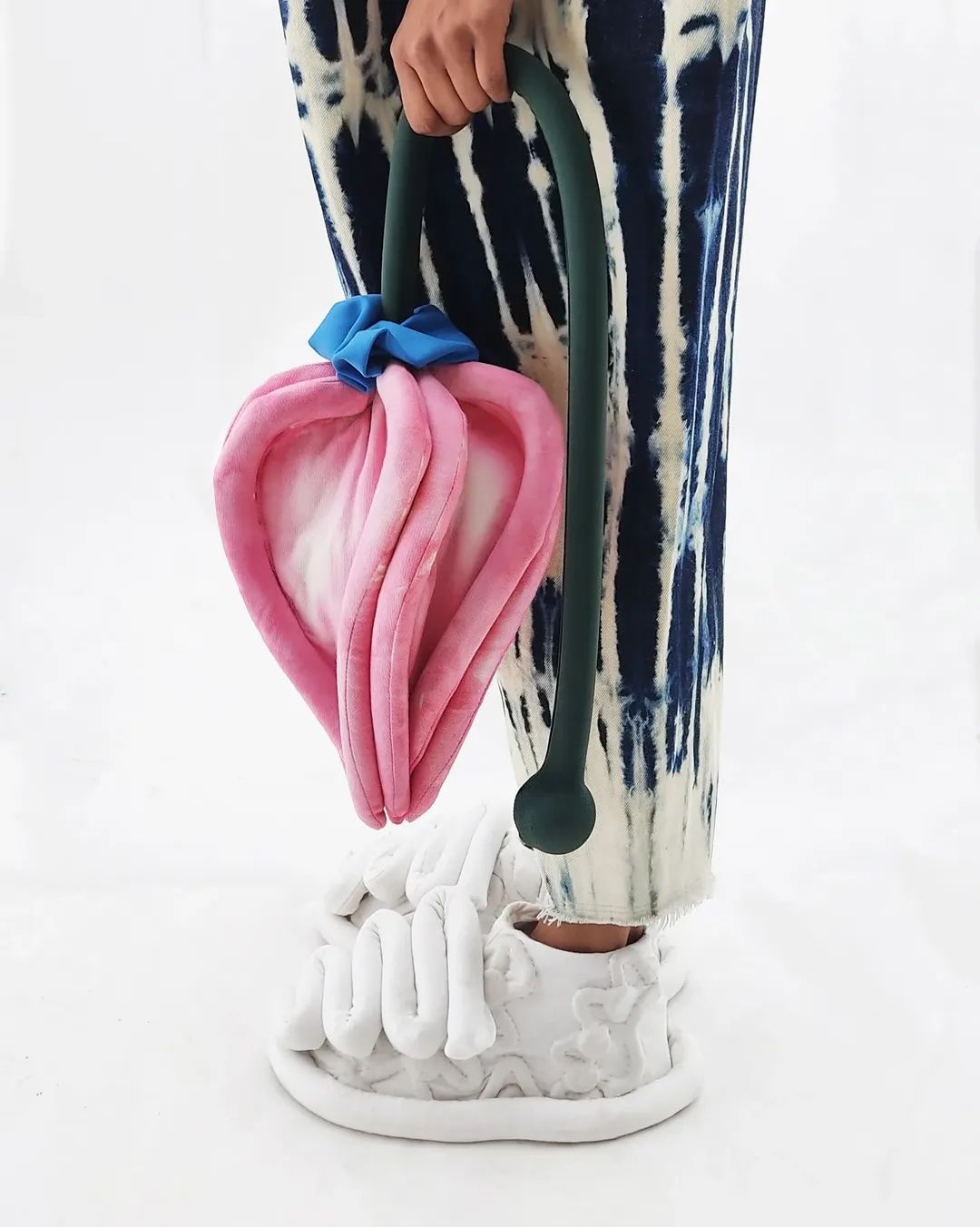
Lotus bag from the collection.jpeg
A lotus-shaped bag and the puffy shoes he first made for his CSM show

He treats craft like a material, not a motif: Bandil’s collections are usually a cacophony of craft—tie dye, exaggerated appliqué work, origami-like bags—and he begins each time with textiles. “I hoard fabrics,” he laughs. At one point, he even spent two weeks at a soon-to-shut factory in Noida after hearing they had exceptional knit and sportswear textiles. “I just wanted access to the fabrics before they disappeared.”

But what makes Bandil’s approach distinctive is the way he engages with Indian craft traditions. Rather than reproducing them literally, he breaks them apart and reinterprets them in unexpected ways. “I don’t look at craft as one complete thing,” he explains. “I take fragments of it—a stitch, a structure, a technique—and merge it into something else.” So, traces of chain stitch or hand embroidery might appear often blended with industrial or technical textiles. Some of the methods he uses, he points out, actually come from jewellery-making rather than fashion production.

When he’s not in class, he’s at the Tate: The designer shuttles between London and his hometown, and his favourite thing to do in the British city is to check out what's showing at the Tate. One exhibition in particular stayed with him: Cage by Gerhard Richter. The series, originally commissioned for a hotel project, featured Richter’s signature layered abstractions, with surfaces that appeared scraped, blurred, and endlessly reworked. “I was really drawn to the way he played with colour and texture,” Bandil recalls.

Surprisingly, he’s designing for everyday life: Despite the conceptual depth of his work, the designer insists his clothes are ultimately meant to be lived in. Björk ordered pieces from his graduate collection, garments he imagines she wears “simply to uplift her mood”. Unexpectedly, his work has also found a strong audience among sportswear enthusiasts. “Traditional sportswear can sometimes feel restrictive or too functional,” he explains. “My pieces still have comfort and movement, but they also carry a sense of fantasy. I think that’s what people respond to.”

How he wears his own pieces: “I don’t really wear pieces directly from the collection,” Bandil says. “But I make clothes for myself all the time.” On most days, that translates into suede sweatshirts, hand-patched tie-dye pants, hoodies, and track pants paired with customised vintage finds. “I’m a huge sportswear fan,” he says. “I love the ease of it—it works across body types—and getting dressed doesn’t need to feel complicated.” He’s also made the most of London’s thriving thrift scene, often reworking vintage pieces with his own detailing, whether it’s a Dickies jacket customised with his signature patchwork or denim pants altered with red tape and daubed with white paint. “I always end up putting my own spin on things.”

The Nod Newsletter

We're making your inbox interesting. Enter your email to get our best reads and exclusive insights from our editors delivered directly to you.