



Work26 Jun 20268 MIN

Even drag queens need a boring office job

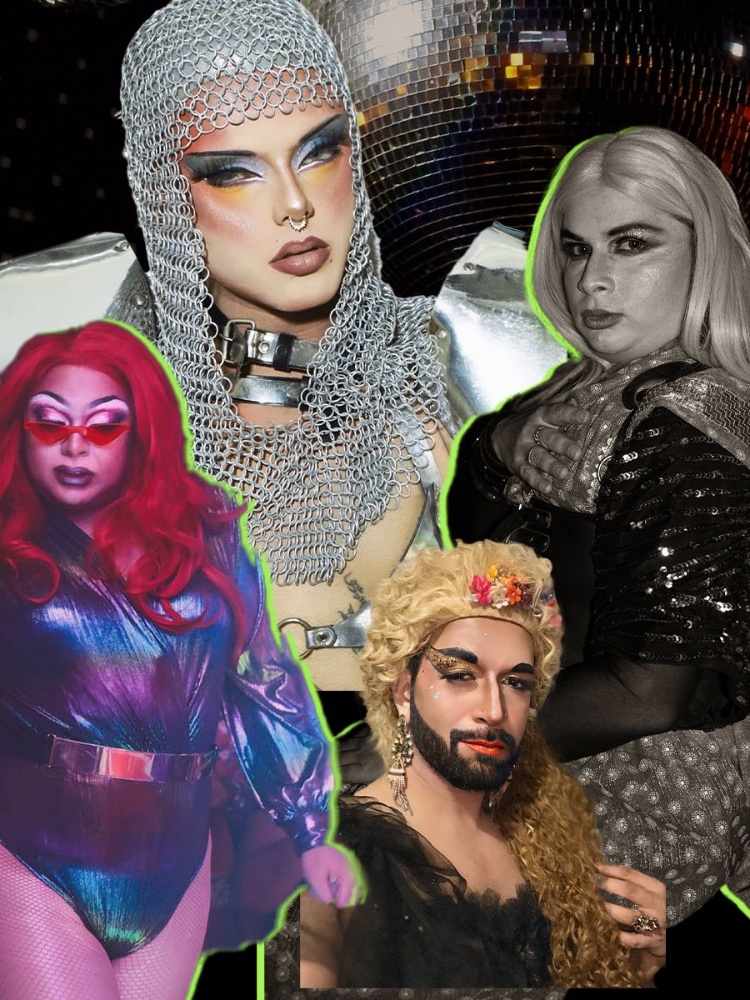
Four drag artists—a lawyer, a doctor, an engineer and a fintech employee—open up about financial uncertainty, 9-5 jobs and their hope of coming out at work

Image

If you’ve only ever encountered drag through RuPaul’s Drag Race, glitter-soaked Instagram Reels or a night out at Kitty Su, it can seem like a world that begins after dark. The sequins come out, wigs are teased sky-high, Beyoncé starts playing and, for a few glorious hours, drag artists command the room before disappearing backstage. It is easy to imagine drag as an all-consuming profession, or at least one that exists entirely within clubs, Pride celebrations, and queer nightlife. The reality is considerably less glamorous and way more complicated.

In India, few drag artists can afford to make drag their full-time profession. Performances are sporadic, pay varies wildly, and a single look can cost tens of thousands of rupees. Wigs, makeup, shoes, costumes, jewellery, transport, and rehearsal time all add up quickly.

Behind every stage appearance is usually someone who has already spent eight or nine hours at an office, answered emails, attended meetings or clocked into a shift before rushing home to transform into someone else. Between those two worlds lies a constant negotiation: requesting leave for a gig without revealing too much, hiding sore feet beneath office desks, sacrificing promotions, and finding enough hours in the day to keep both lives afloat. And while corporate India is getting better at talking about inclusion, many artists say true acceptance still requires careful navigation.

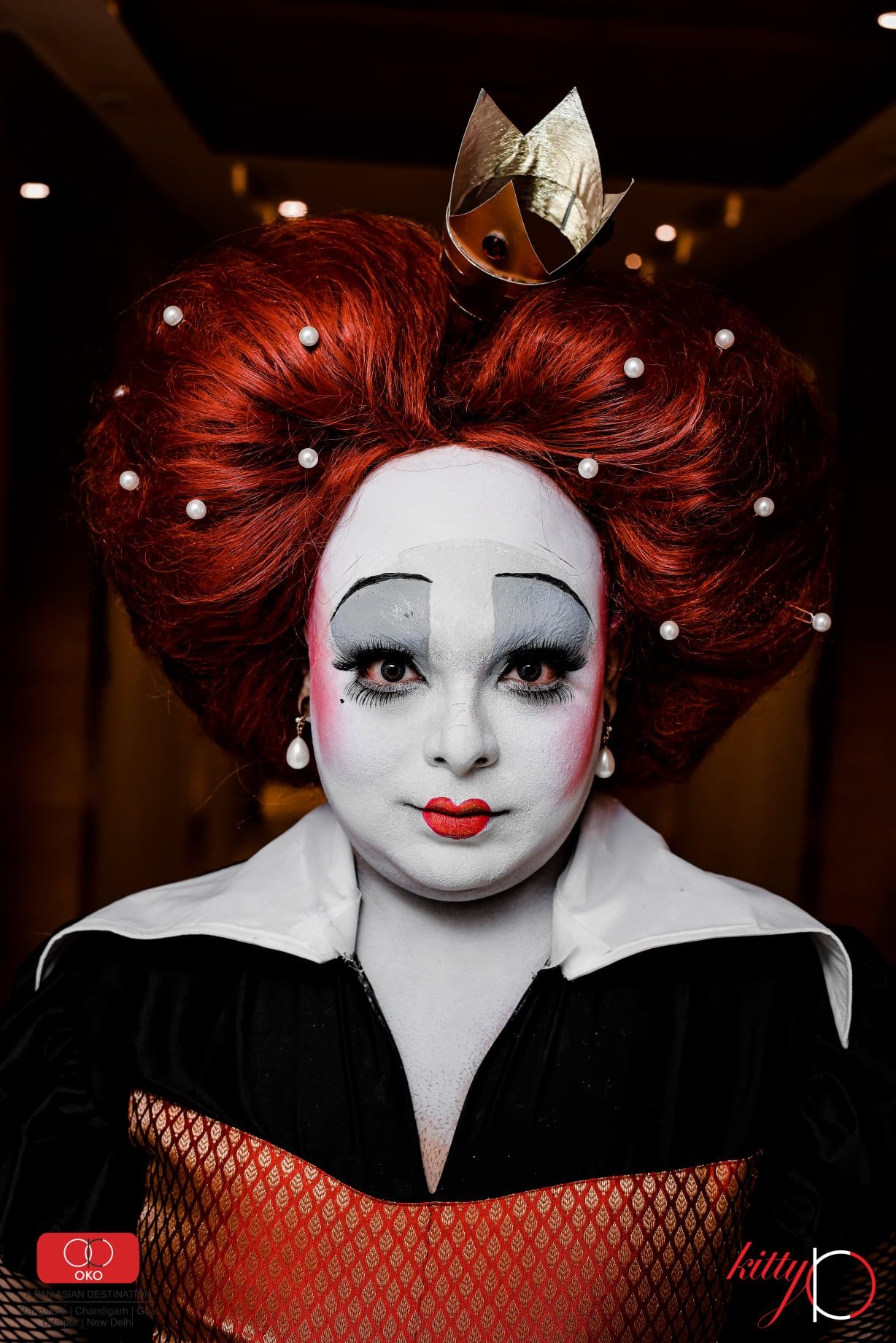
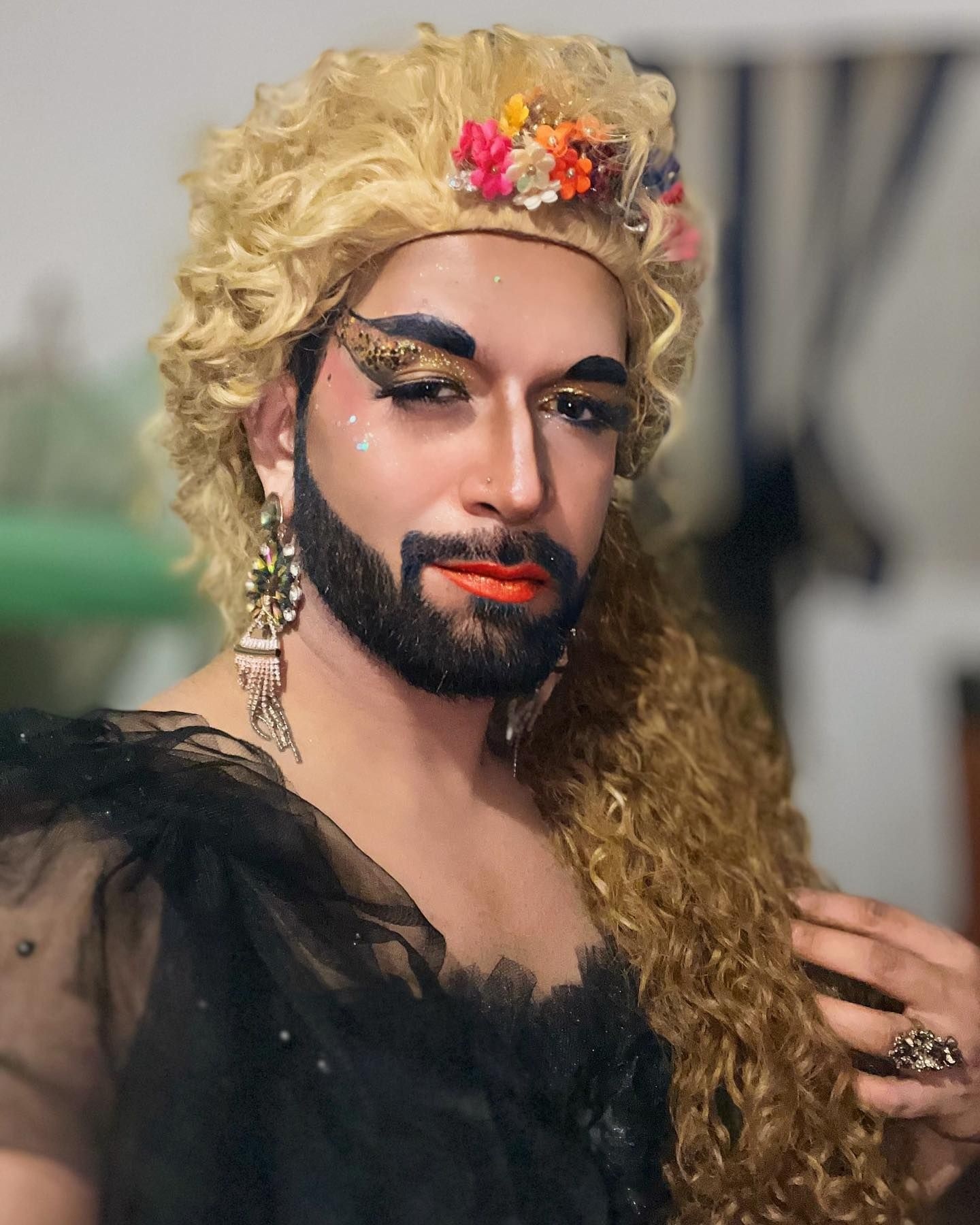
At 28, Neelesh Mehrotra, better known by their drag name Seventeen Sins, spends their nights commanding stages at The Lalit’s Kitty Su in Delhi. By day, however, they’re an engineer working on mainframe computers that power banks and financial institutions across the world. It isn’t exactly the career people expect when they meet one of Delhi’s most recognisable drag artists. “My artistic sphere is my main priority,” they say during a lunch break from work. “I do this job just to sustain my artistic vision.” That artistic vision rarely leaves them alone.
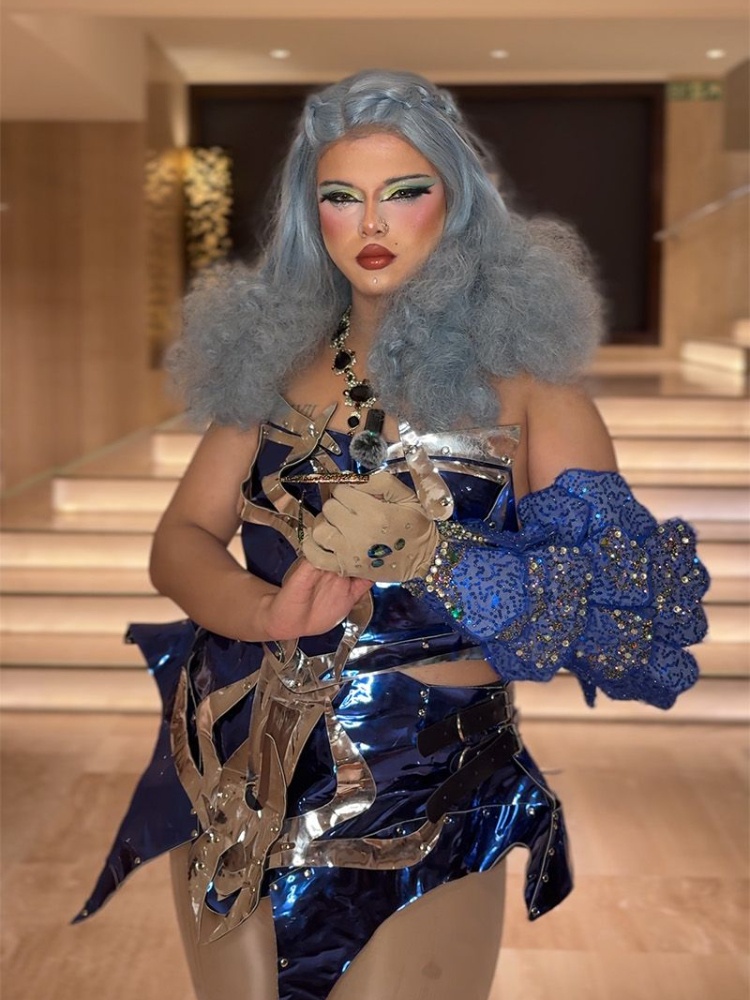
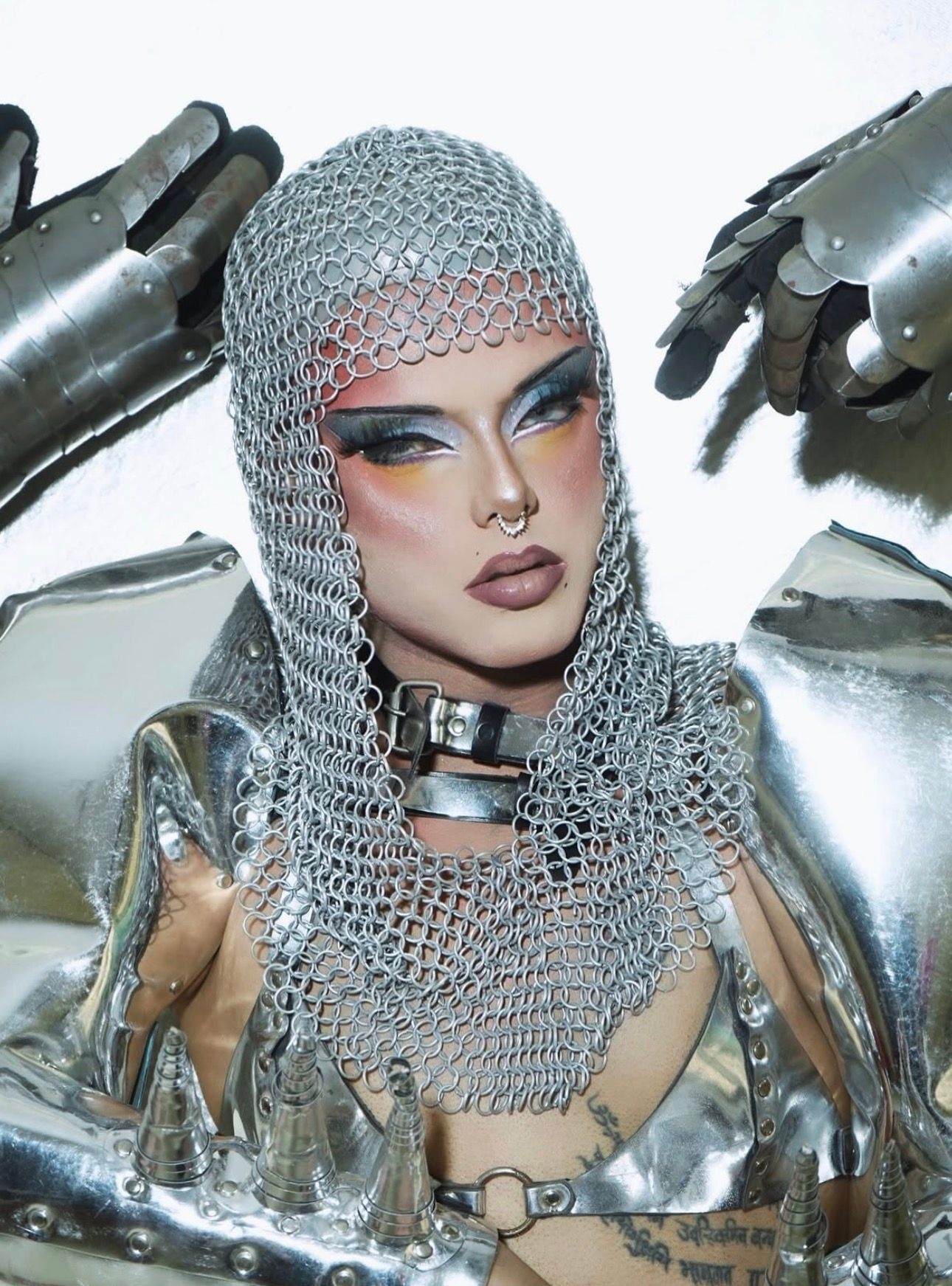
Balancing both worlds means living on carefully organised schedules. Their nights are spent rehearsing with their drag family, sketching concepts, sourcing fabrics, working with designers, and building elaborate wigs with their partner. As the Haus mother of Haus of Sins—a drag collective made up of several performers—the responsibilities don’t stop with their own performances. There are younger performers to mentor, routines to critique, and a community to nurture.

“It is very tiring,” they admit. “The biggest sacrifice that we make is comfort and mental space.” Ironically, the office sometimes becomes the easier part of the day. The corporate routine offers stability, while drag offers fulfilment. Without one, the other simply wouldn’t exist. Mehrotra entered their current company through an LGBTQ+ hiring initiative after losing a previous job. While they appreciate efforts to create opportunities, they remain sceptical of how deeply inclusion actually runs.

“I’ve worked in companies like IBM. In terms of promotion, in terms of a lot of other things, being my flamboyant self wasn’t working even though I was trying to mask it as much as I could. It wasn’t a smooth ride for me at all. Being different definitely created issues for me, since diversity only exists on paper,” they say. “India still has a long way to go. At my current job, thankfully, I mostly work from home. And it’s something that I chose for myself as well, because I don’t want to see my colleagues’ faces. If they can’t handle the way I dress up and the way I talk, they aren’t the people for me.”

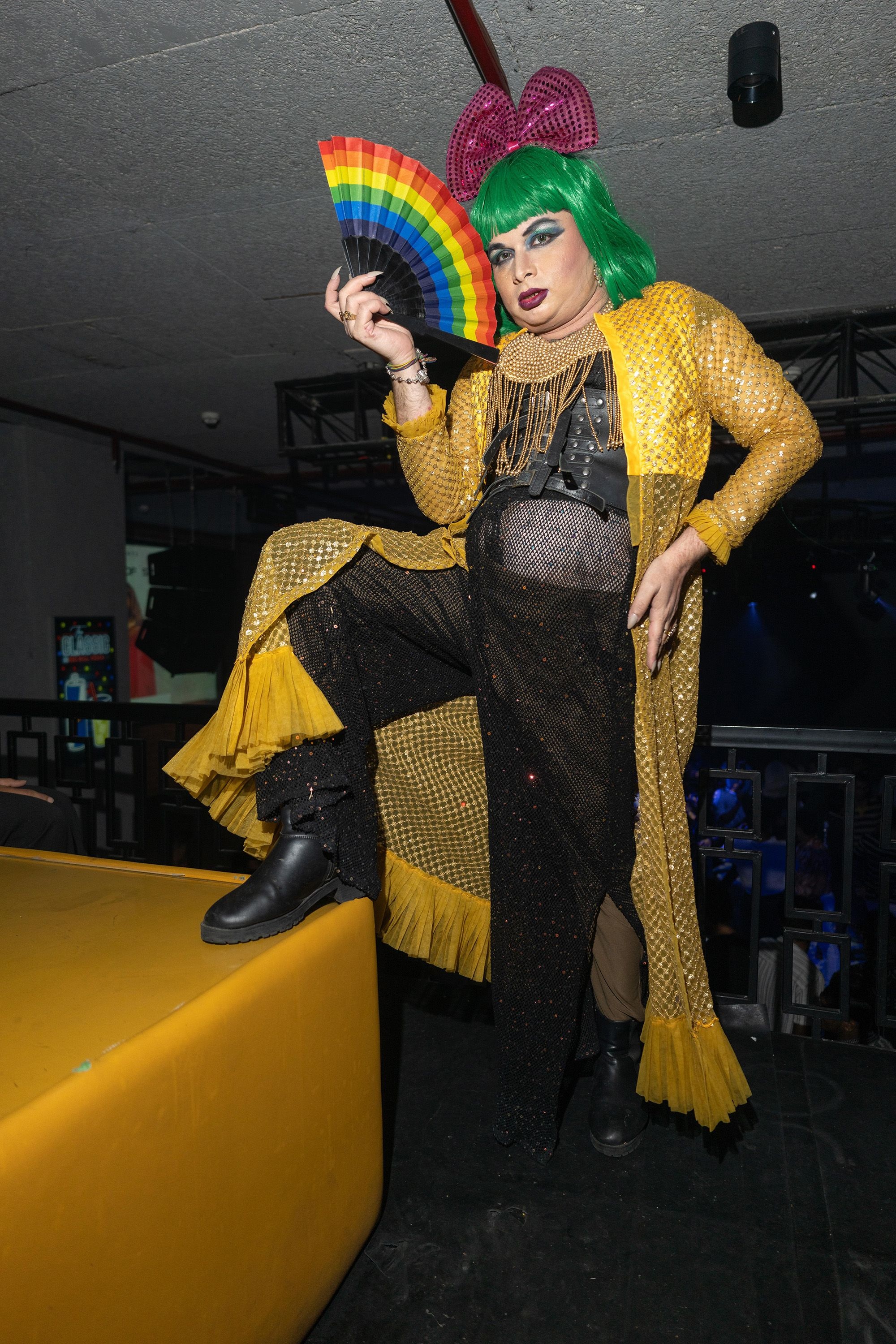
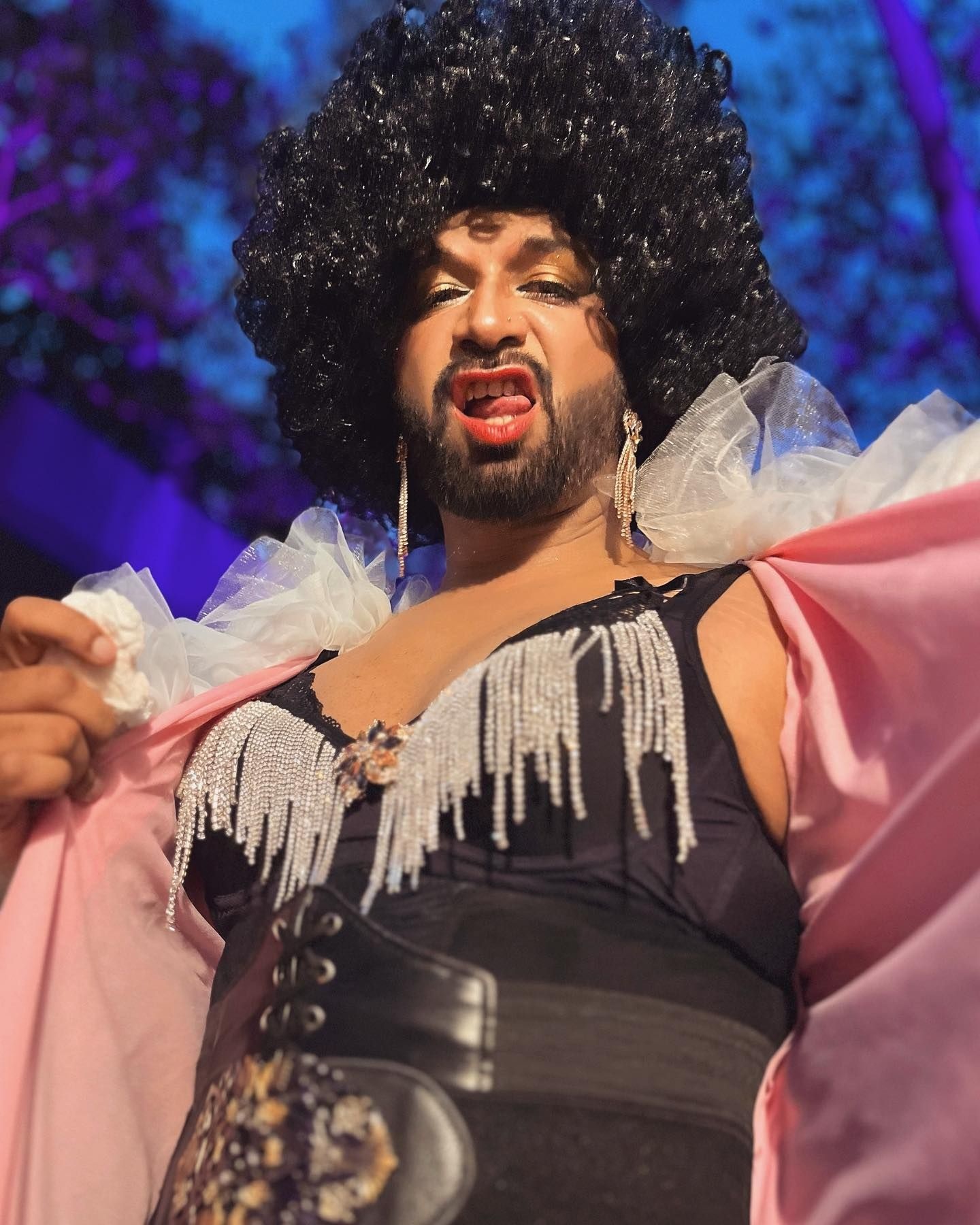
If Mehrotra’s story is about constantly thinking of drag, Patruni Sastry’s is about constantly making room for it. The 33-year-old, born in Kharagpur and now based in Hyderabad, juggles three identities every day. They’re a product specialist and the Pride BRG co-chair at a fintech company and outside office hours Sas Who Ma, the drag artist whose work draws from Bharatanatyam, Kuchipudi, and years of queer activism. They also happen to be a five-time TEDx speaker, something that often prompts curious hiring managers to Google them before interviews.

That visibility has come at a cost. “If I focused my single direction on my day job, I would have been promoted faster,” they say. “Here I’m wearing three caps. I’m doing three jobs at once and I’m only getting paid for one constantly.” The drag is driven by passion. The DEI work, they explain, is about self-preservation as much as advocacy. “It’s cleansing work so that nothing backfires on me in my workspace,” they say, “so that they don’t tamper with my artistic freedom.”

Before they had even settled into their current role, Sastry requested a meeting with HR to ask whether there was any queer employee resource group they could rely on. When there wasn’t one, they helped build it themselves, creating an internal ecosystem that would make the workplace safer not just for them but also for future queer employees by creating a DEI roadmap within their workspace, hosting Pride-related events, and advocating for inclusive policies.

That preparation has made their current workplace one of the more supportive ones they’ve experienced, but Sastry is careful not to confuse policy with progress. They have no doubts that their career trajectory would have looked different had they focused solely on their day job. Diversity, they argue, often depends on individuals constantly educating colleagues, advocating for better policies and proving themselves professionally at the same time. “Irrespective of whether they’re inclusive or not inclusive, they’re paying me to do my job. If I don’t do my job, they will not be inclusive at all.”

Not every workplace story ends in compromise, though. For Aishwarya Ayushmaan, better known as Lush Monsoon, the office gradually became one of the few places where they no longer felt the need to split themselves into two people.

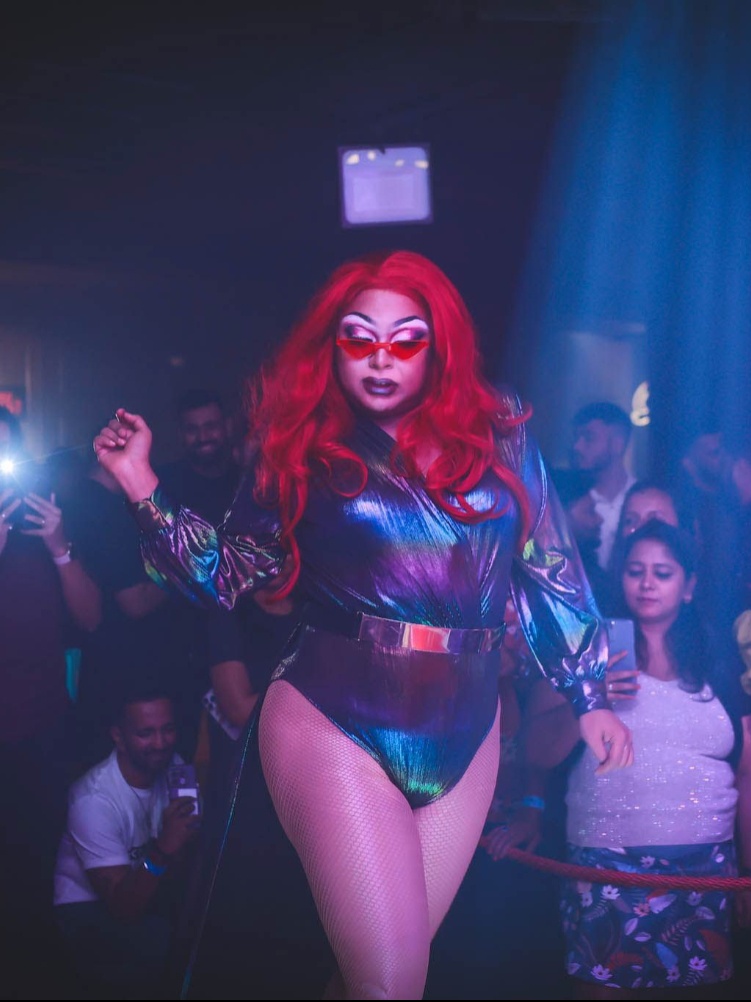
The 33-year-old, who grew up in Ranchi and studied law at the National University of Juridical Sciences (NUJS), Kolkata, remembers arriving in Delhi with every intention of pursuing drag full-time. Instead, they found themselves building two careers in parallel. By day, Aishwarya works at a nonprofit focused on housing and land rights, homelessness, and climate justice. By night, they transform into the avatar of Lush Monsoon, one of Delhi’s best-known drag performers. Much like Seventeen, one can often catch them at Kitty Su. Unlike many of the artists they’ve met along the way, though, Aishwarya no longer sees those two identities as competing with each other.

For a long time, drag remained something they rarely brought up at work. “I never told them about it,” they say. “But they all found out online.” The moment they remember most vividly came when their boss called them into the office. “She just spread the newspaper in front of me,” Aishwarya recalls with a laugh. The article was about Lush. “I thought, ‘Oh my God, I was just trying to fly under the radar.’” Instead of questioning their commitment to the job, their boss was simply curious. “She was like, ‘How do you do it? How do you manage both?’” That conversation turned out to be reassuring rather than confrontational, making it easier for Aishwarya to stop compartmentalising such a large part of their life.

Over the years, colleagues have become some of Aishwarya’s most unexpected supporters. Some follow every performance online, others have shown up to watch them perform in person, and what began as cautious curiosity has turned into genuine encouragement. “It helped me relax a bit, because they were okay with it,” they say. “It helped me be more myself in my workplace.”

That doesn’t mean they’re completely out. “Most people know, but not everybody knows,” they add. Particularly with some male colleagues, there’s still a lingering hesitation. “I’m in a position of authority, and I sometimes wonder if they won’t take me seriously enough.” The stereotype of drag as frivolous or unserious still lingers, even in progressive spaces. But the confidence they’ve built as Lush has gradually seeped into their day job. “When I’m in drag, I don’t censor myself,” they say. “It gives me that armour.” Over time, they’ve realised they’ve brought some of that fearlessness into the office too. “I’ve brought a little bit of Lush into my day job.”

But the biggest shift has been accepting that they don’t have to choose between the two lives. There was a time when they wanted drag to be their only career, but years of navigating an unpredictable performance industry changed that perspective. “I finally accepted that I don’t want to give up my job,” they say. “Having something stable gives you economic freedom.” The salary pays for wigs, costumes, and makeup, while drag gives them something work never could.

While the exact fee varies across cities, venues, and experience levels, artists say newcomers often earn as little as ₹3,000 or ₹4,000 a show. More established performers can command anywhere between ₹10,000 and ₹15,000, but even that comes with caveats. “If I charge ₹10,000 or ₹15,000, another artist might come from another city and perform for ₹5,000 or ₹6,000,” says Sastry. “There’s no steadiness. There’s no constant income.” Without an industry-wide pay scale or enough venues hosting regular drag nights, work ebbs and flows. June, with its flurry of Pride Month campaigns, corporate events, and brand activations, is by far the busiest period of the year, with another spike around September to mark the anniversary of Section 377 being read down. The rest of the calendar is far quieter. “To survive in Delhi, you’d need at least 10 to 15 shows every month,” Aishwarya explains. “There just aren’t enough gigs.” It is precisely this uncertainty that sends many performers back to their desks every Monday morning.

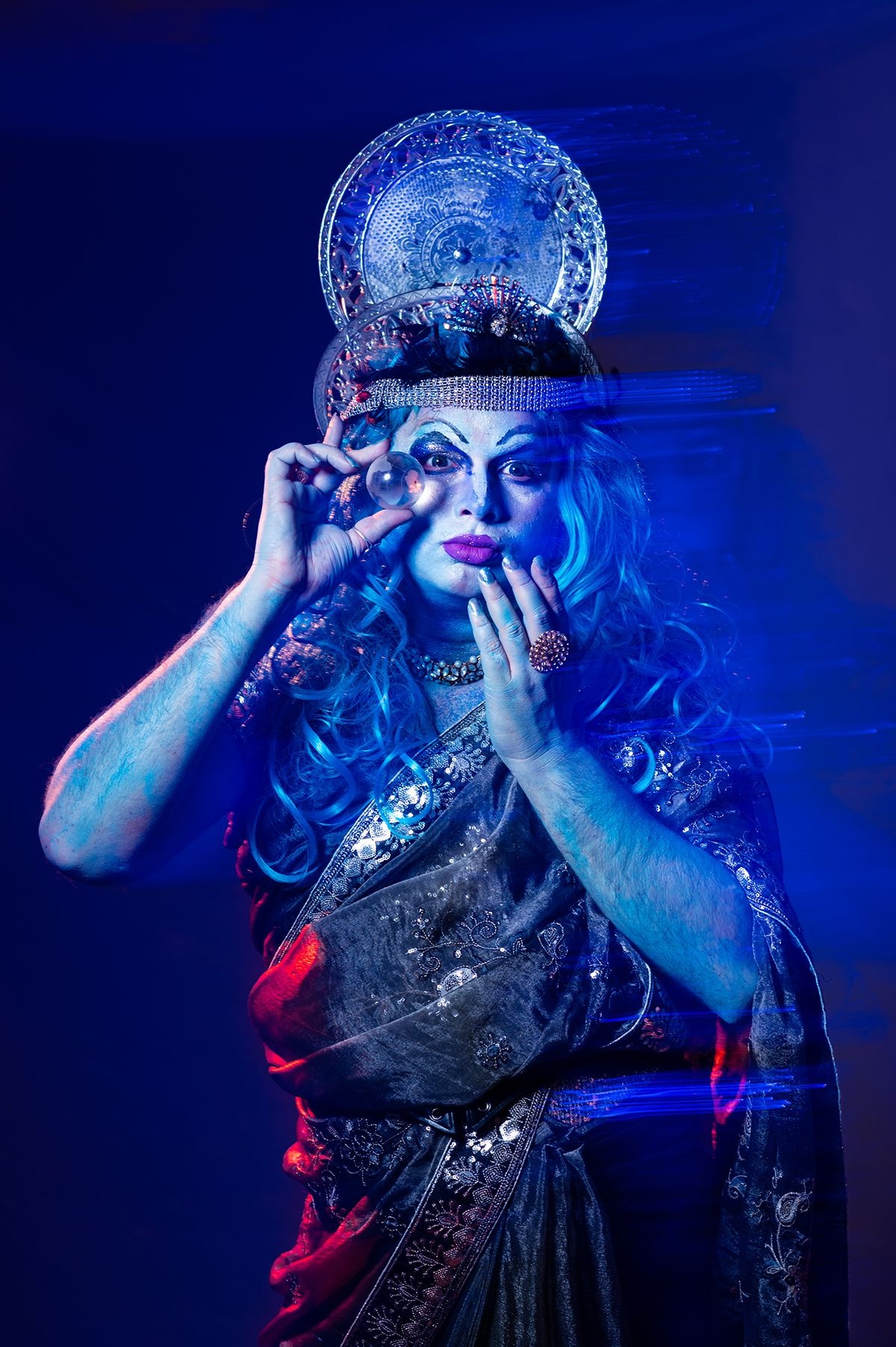
For Gautam Bandodkar, however, the challenge is balancing drag with geography. The 45-year-old doctor who works as a factory medical officer in South Goa has spent decades working in healthcare, but his drag journey began only during the pandemic. At the height of Covid-19, Bandodkar found himself working in rotating shifts, spending a week treating patients before moving into mandatory hotel quarantine. With nowhere to go and hours to fill, he began experimenting with makeup, teaching himself techniques through YouTube tutorials and recreating increasingly elaborate looks from inside his hotel room. What started as a way to pass the time soon snowballed into a full-fledged drag practice.

Unlike performers in Delhi or Mumbai, Bandodkar never had a thriving local circuit to rely on. Most drag events in Goa take place in the state’s northern tourist belt, over an hour away from his home in the south. Accepting a booking often meant taking leave from work, spending hours travelling and ultimately losing more money than he made. “If they’re paying me ₹5,000 or ₹6,000 but I'm losing ₹10,000 by taking leave,” he says, “it’s kind of a deal breaker.”

So, instead of chasing performances, he shifted his focus to creating drag content online, converting an entire room in his home into a studio lined with costumes, wigs, and makeup. “The best drag that I feel good doing is in the four walls of my room,” he says. “I started drag in a room. I went from personal drag to commercial drag, and now I’m back to personal drag.”

That same instinct to compartmentalise extends to his professional life. At work, very few people know about his drag persona. His Instagram is public, but he rarely volunteers information unless someone asks. Part of that, he believes, comes from the way people perceive him. Away from drag, with a neatly trimmed beard and the appearance of what he jokingly calls a “stereotypical cis-het man”, colleagues seldom question him. “People think twice before messing with me,” he laughs. “If somebody asks, I have an answer. But nobody really does.”

Bandodkar still performs whenever the right opportunity comes along, but he’s stopped chasing every booking. Living away from India’s biggest drag hubs has changed the way he thinks about success. “I had to break through the logic that I needn’t be doing drag for others to see,” he says. “I can do drag for myself.”

The Nod Newsletter

We're making your inbox interesting. Enter your email to get our best reads and exclusive insights from our editors delivered directly to you.