



Food23 Apr 20264 MIN

Come for dinner, stay the night

The world’s best chefs want more narrative control. So, they’re asking you to sleep over

Image

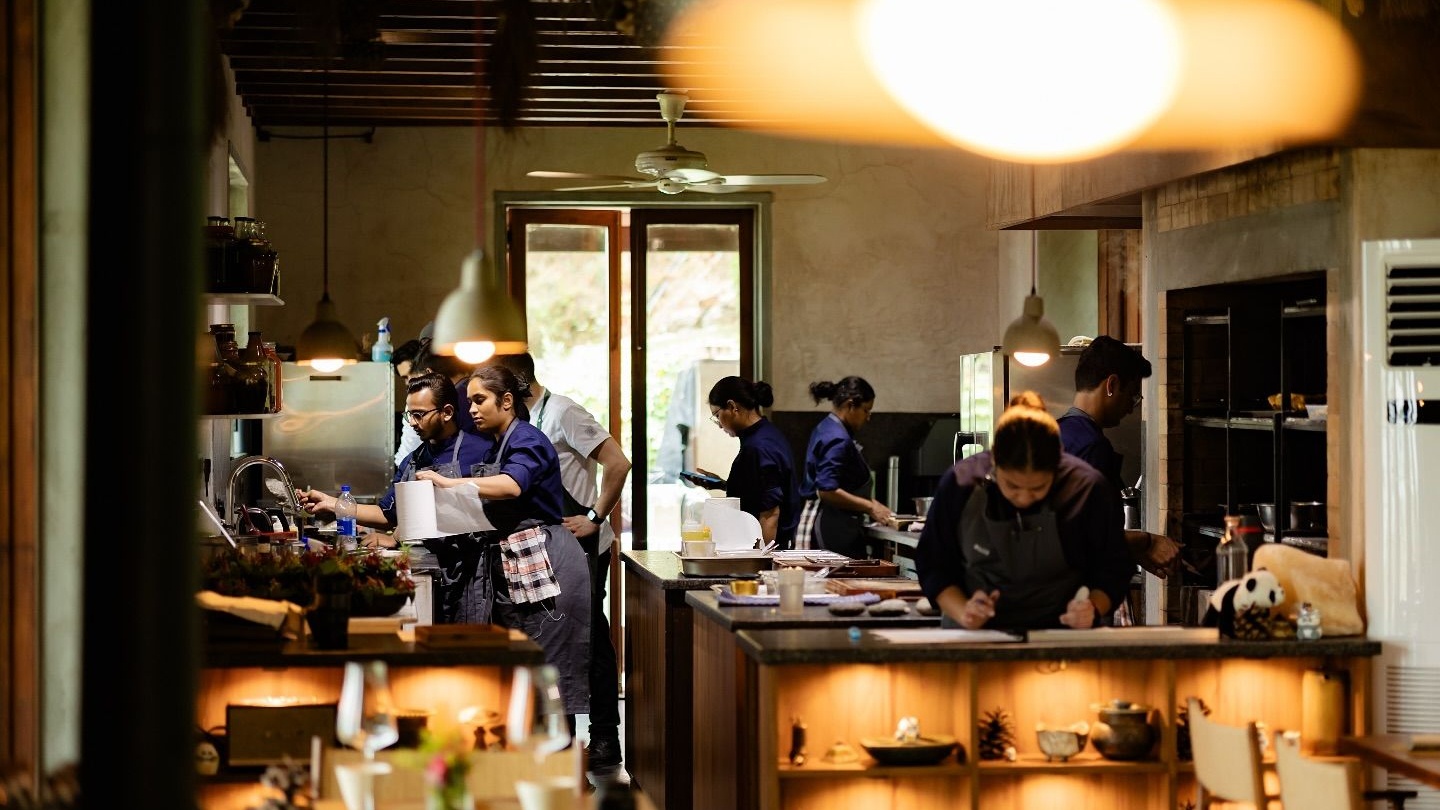
Inside Prateek Sadhu's Naar

It was only 8 am and I was already on my third plate. A slice of pork cotechino rested on a crumble of almond cake, lifted with zabaglione and a few drops of Massimo Bottura’s own aged balsamico. Bottura passed by, glanced at the plate, and said, almost in passing, “Careful. You’ll ruin lunch.”

Nobody around me seemed particularly concerned.

Casa Maria Luigia, in the Italian countryside outside Modena, is not a hotel in the conventional sense. It is a 12-room extension of Bottura’s world, built with his wife Lara Gilmore. The walls carry Contemporary art, the kitchen runs as if for family, and breakfast is staged with the same intent as the meal at Osteria Francescana, which most guests will never get into.

The world’s top chefs are no longer satisfied with three hours of your attention. They want the whole 24. They are building hotels, residences, and entire environments to control not just what you eat, but how you arrive at their table.

The commercial logic is straightforward. Nobu Matsuhisa, who built his first restaurant in New York with Robert De Niro in 1994, wrote the blueprint. The restaurant provides the charisma. The rooms provide the EBITDA. Why should a chef create the demand that fills a hotel, only to hand the profitable business of sleep to a faceless operator? With 19 hotels open and 24 under construction, Matsuhisa has turned a signature miso black cod into a real estate strategy. Others have noticed.

For most chefs, the motivation is less financial and more about narrative control. A great dinner can be undone by everything surrounding it—the wrong hotel room, indifferent service the following morning, the abrupt return to the ordinary world. By extending the story, they remove that risk.

When I checked into Casa Cacao in Girona (Spain) last year, the Roca brothers (Joan, Josep and Jordi) told me the town had no hotel worthy of the guests who fly across continents to eat at their three Michelin-starred restaurant, El Celler de Can Roca. To release a diner to a generic hotel after a ‘life-changing’ meal felt like a betrayal. I did not offer information on what hotel I had stayed in on my previous visit.
At José Avillez’s Casa Nossa retreat in Alentejo, Portugal, I spend the afternoon on a small boat with Avillez himself. We caught the fish he later cooked over an open fire. I use “we” loosely. Avillez caught the fish. I mostly held a rod and took photos.

“The night before should prepare you for the meal the next day,” says Gaggan Anand, who is preparing his own entry into this space with the launch of Gaggan Hotels. His first property, in Japan, will be designed by the architect Bill Bensley. For Anand, the hotel is a prelude, designed to strip away the noise of the outside world before you sit down at his counter.

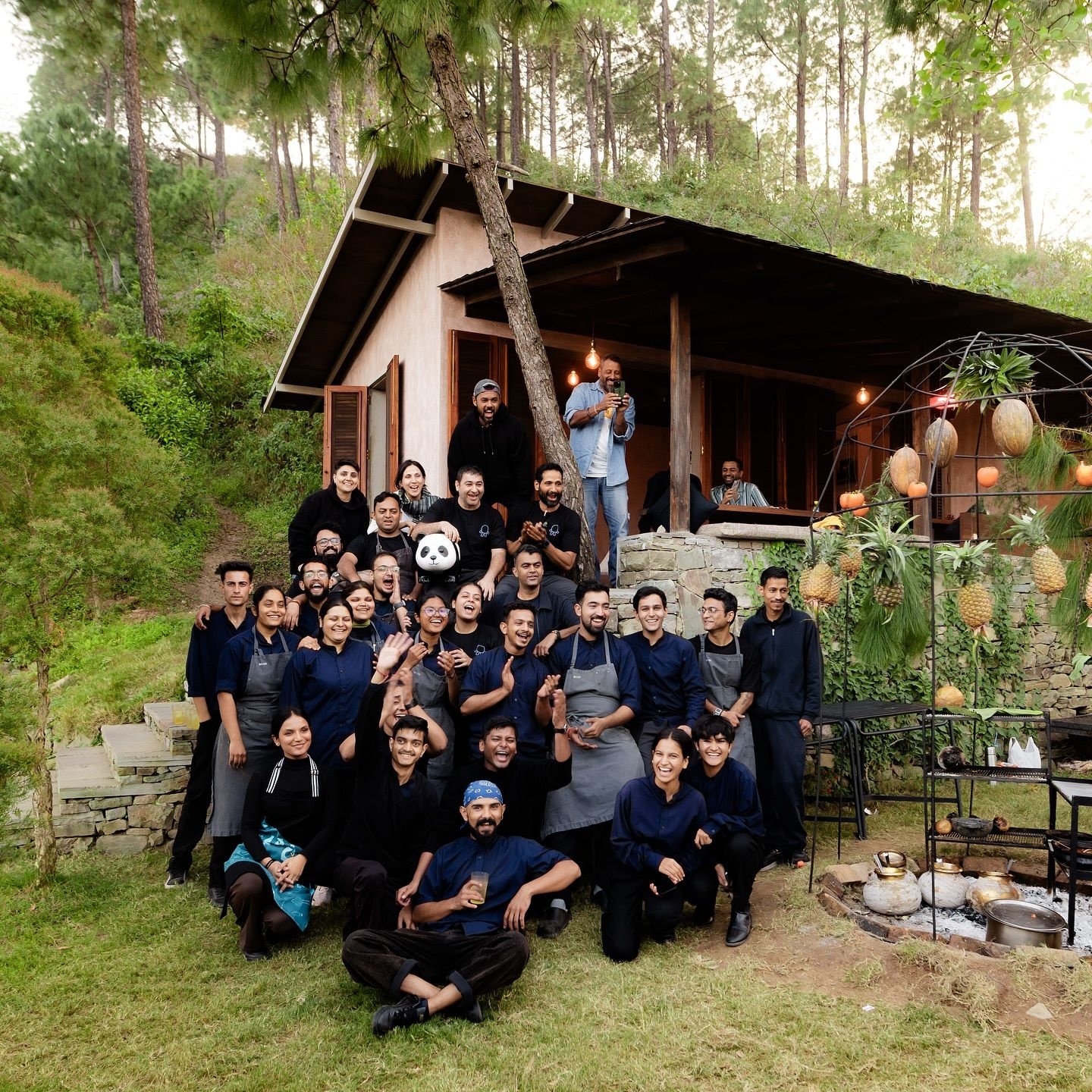
In India, the movement is arriving with its own constraints. Prateek Sadhu understands this instinctively. You do not simply go to Naar in the Himalayas—you negotiate with the landscape. Getting there is the first course. "It is a natural evolution for chefs," says Sadhu, who is deep in the planning stages of building a boutique property. “Moving into hotels isn’t about chefs becoming hoteliers,” he told me. “It’s about expanding our language.” He frames it as a matter of when, not if. I believe him. Anyone who has eaten at Naar understands that Sadhu does not do things halfway.

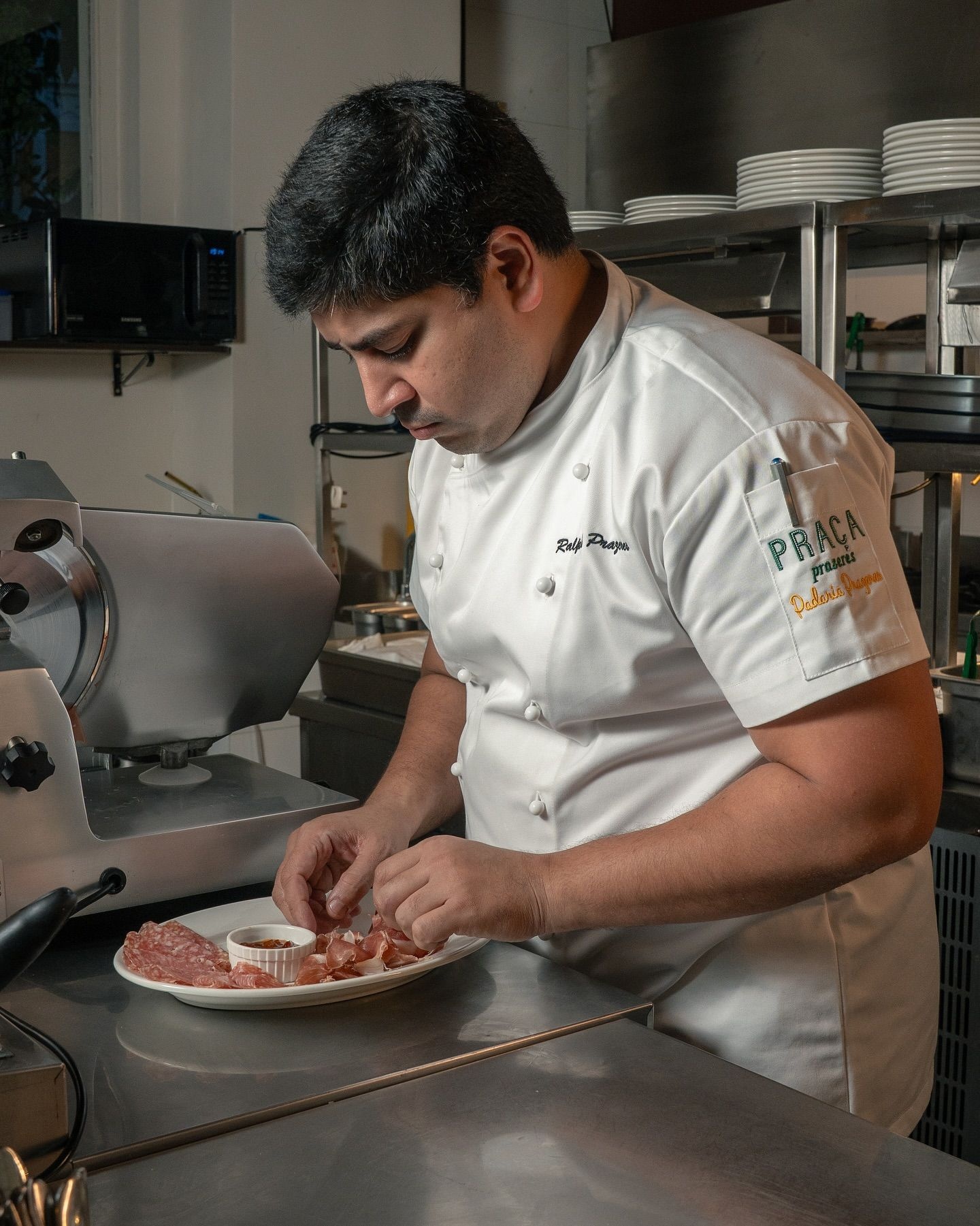
In Goa, this is already taking shape. Ralph Prazeres is restoring a Portuguese-era home in Fontainhas to serve as a boutique anchor between his bakery and his restaurant. “People are coming to Panjim purely for the dining scene now,” he says, pointing to the shortage of rooms that match the city’s new culinary ambition. For Prazeres, whose family ran resorts, a hotel is simply another high-stakes operation with a different set of keys.

Further south, in Velim, Avinash Martins is working through the complexities of an eight-room farm stay at his restaurant C’est L’Avi or Table in the Hills. For Martins, it is a "labour of love". In chef speak, this usually means it will cost twice as much and take three times as long, but will probably be completely worth it.

What unites these efforts is not scale but intention. The economics are compelling. Hotels earn what restaurants never could. But for most of these chefs, the calculation is not financial. It is narrative. By controlling everything around the meal, they ensure the experience does not collapse the moment you leave the table.

The chef is no longer just a cook but a host in the fullest sense, responsible not just for what arrives on the plate but for how it is received. In time, we may stop booking restaurants altogether. We will make reservations to inhabit a point of view, waking up inside a chef's world. To be honest, I am not sure I am ready for this.

How long before our best chefs stop asking about our allergies and start asking about our pillows? If the current momentum holds, the meal no longer ends with the check. It ends with a room key.

The chef is waiting. This time, he’s ready to tuck you in.

The Nod Newsletter

We're making your inbox interesting. Enter your email to get our best reads and exclusive insights from our editors delivered directly to you.