
Currently reading26 May 20264 MIN

Loved ‘Yellowface’? This queer thriller should be on your TBR

In Josh Silver’s ‘Fruit Fly’, the pursuit of literary relevance sends a cishet woman to Grindr

Image

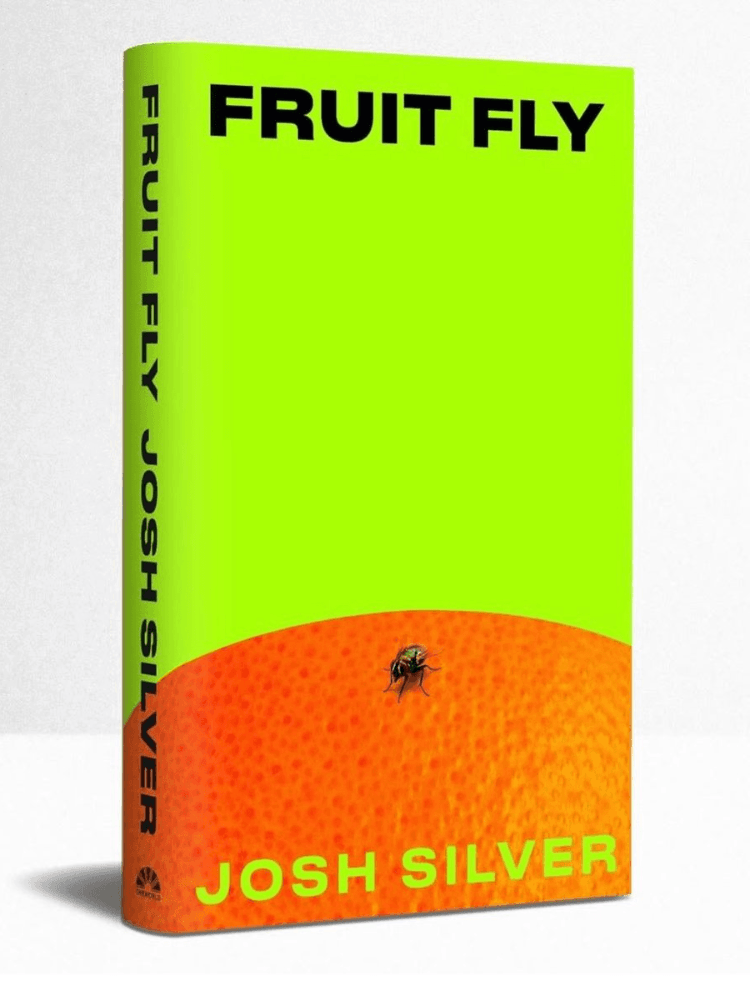
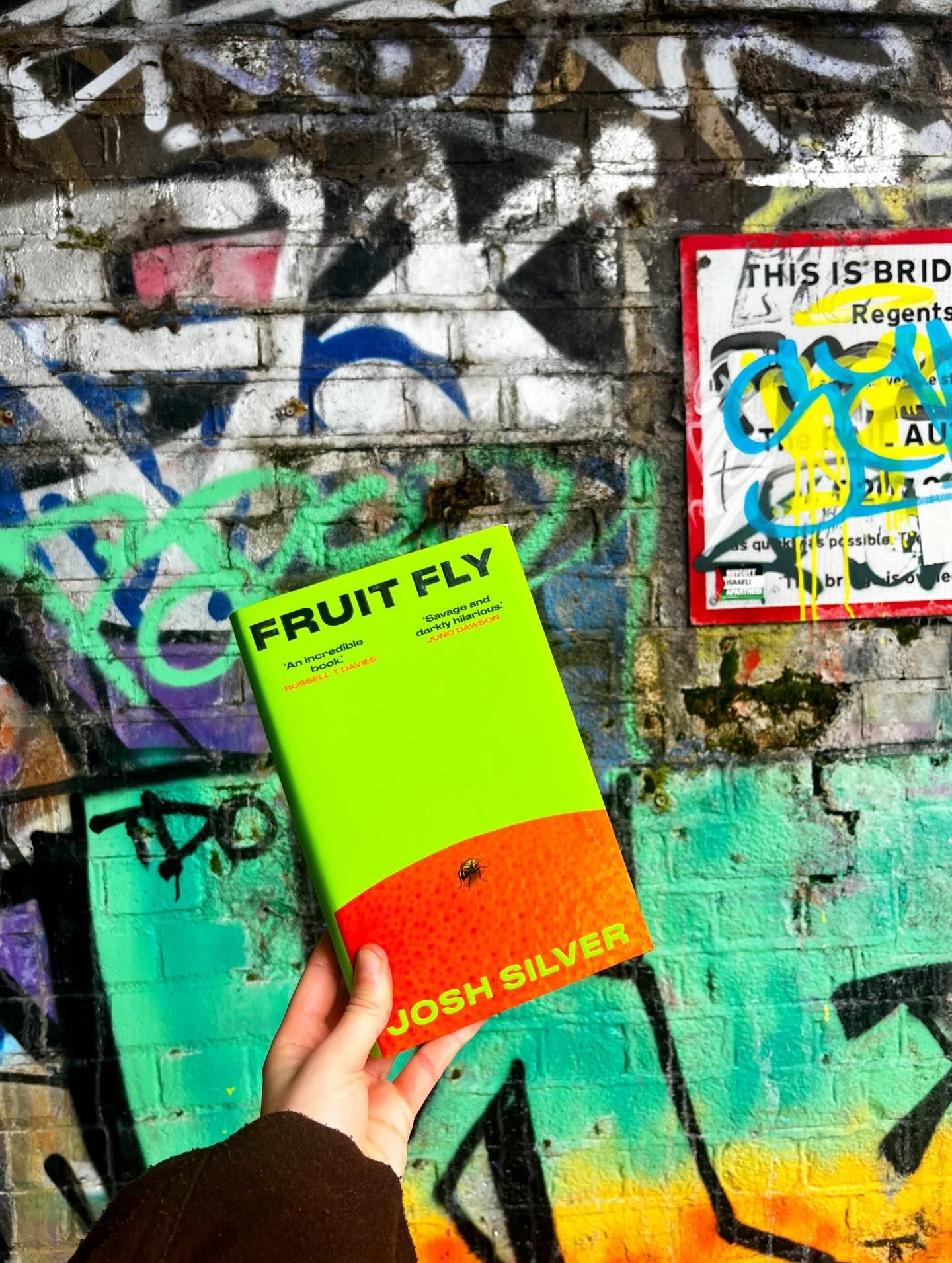
A month into its release, Fruit Fly has already started popping up all over BookTok, and it’s easy to see why. It feels like the kind of book people finish in two days before immediately texting their friends: “Everybody in this is a disaster, but you have to read it.” Even the cover feels engineered for internet success—that brat green paired with the bright orange title practically screams “I belong next to your annotated copy of Yellowface”.

And yes, the Yellowface comparisons are unavoidable. Silver himself has said the book was partly inspired by it, especially the conversations around exploitation, storytelling, and who gets to tell certain stories. But that’s where the comparisons end.

The novel follows Mallory Maddox, a once-successful literary darling whose debut novel exploded years ago before her career quietly dissolved into writer’s block and irrelevance. Now she’s trapped in this hyper-curated north London life with her husband Ronan, a successful Netflix executive whose entire personality is basically Le Labo, natural wine, and thinking he’s the smartest person at the dinner table. Their house is a Pinterest moodboard of Aesop soaps, expensive-looking candles, and aggressively tasteful furniture. From the outside, they look perfect.

Inside, though, Ronan slowly controls almost every aspect of Mallory’s life—from pushing her toward motherhood to subtly taking over her friendships and even her relationship with her mother. At one point, he’s literally rationing her access to her phone because of a breakdown she had years ago while somehow still positioning himself as the calm, emotionally intelligent husband just trying to “help”. Meanwhile, Mallory keeps disappearing further into the role of “Meek Mal”, a nickname given by Ronan.

But the real plot kicks in when Mallory, in the middle of a drunken spiral about literary relevance, starts scrolling through Reddit threads trying to figure out what actually sells anymore. The answer she keeps finding is obvious: dark queer stories. Trauma. Addiction. Pain that can be marketed beautifully with minimalist cover art and a quote about loneliness slapped on the back. Which is exactly why she becomes obsessed with Leo.

Leo is a young queer addict struggling with homelessness, chemsex, and survival, and Mallory first stumbles across him after secretly making a Grindr account using photos of her sleeping husband because apparently this is what “research” looks like now. What begins as Mallory awkwardly infiltrating queer male spaces for “literary purposes” quickly spirals when she bumps into Leo outside a party and slowly inserts herself into his life, half as a therapist, half as a writer hunting for material. The line between helping him and researching him gets blurry very, very fast.
The Grindr scenes are also some of the funniest in the book because Mallory is trying so hard to sound cool and progressive that it physically hurts to read. Watching her aggressively message queer men things like “Hey Kween! Slay!” before immediately getting blocked for hate speech genuinely made me have to pause reading from second-hand embarrassment. At one point, she even convinces herself that Virginia Woolf would have loved Grindr, which tells you everything you need to know about her state of mind.

The book also feels extremely contemporary in a way that makes the world instantly recognisable. Silver casually throws in references to BookTok favourites like Fourth Wing and In Memoriam alongside internet culture and publishing trends, so the entire novel feels very rooted in this specific online literary moment. Between the pages, there are little Easter eggs everywhere for people who spend way too much time online or in bookstores.

And yet, somehow, it still makes you sympathise with Mallory. That’s because Fruit Fly never becomes as simple as “Mallory exploits Leo”, because Leo is using people too. Slowly, their relationship turns into this bizarre hunter-becomes-prey-becomes-hunter dynamic where both characters are manipulating each other in different ways. Mallory wants relevance and a story worth telling. Leo wants comfort, safety, money, connection, and escape. At some point, you genuinely stop knowing who the worse person is. The book keeps you constantly on edge because you genuinely do not know what crazy decision either of them is about to make next.

The chemsex angle also makes the novel feel surprisingly fresh because it dives into topics that still aren’t openly discussed much, even within queer spaces. Before this book, terms like chemsex and “T-parties” were completely outside my vocabulary too, and Silver handles those themes without turning the novel into some preachy morality tale.

The story is told through alternating perspectives from both Mallory and Leo across four parts, and in between you also get these short poetic entries written through Leo’s burner account. I won’t give away more because spoilers, but if you enjoy angsty internet poetry written by emotionally unstable people, this book absolutely has that energy too.

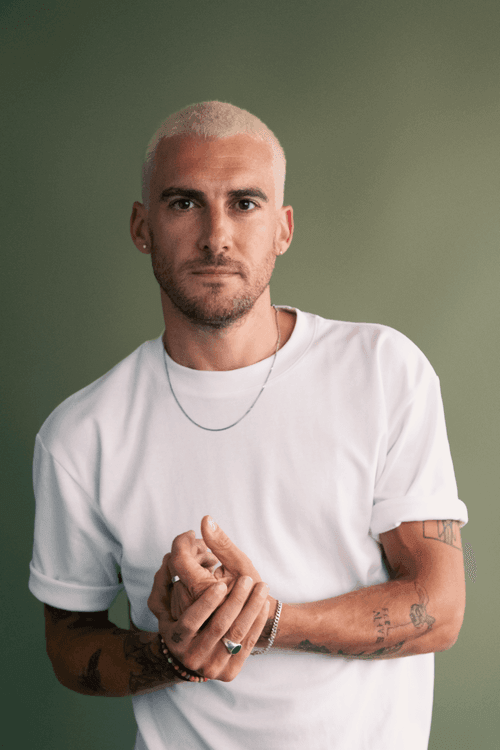
This is also Silver’s adult fiction debut after primarily writing YA novels like Happy Head and Dead Happy. Before becoming an author, he worked as an actor and later retrained as a mental health nurse, which explains why Fruit Fly feels so emotionally observant without ever sounding overtly clinical or therapy speak-y. Even when the book deals with addiction, loneliness, and identity, everything feels messy, awkward, and painfully human.

And what really works for it is the pacing. I’d been putting this book off for a while, but once I finally started it, I was carrying it everywhere “just for one more chapter”. The book moves quickly without feeling shallow, and even when the characters are making terrible decisions, you still understand why they’re doing it. The only place where the novel slightly stumbles is in the final quarter (much like Yellowface), which feels a little rushed and disjointed because of how quickly it jumps through timelines and revelations. But even then, I was completely locked in.

With Pride month around the corner, Fruit Fly also feels like such an interesting queer read because it refuses to sanitise anything. It’s uncomfortable, deeply unhinged, and weirdly funny but thankfully never unbearably tragic.

Fruit Fly is published by Magpie; ₹2,039

The Nod Newsletter

We're making your inbox interesting. Enter your email to get our best reads and exclusive insights from our editors delivered directly to you.