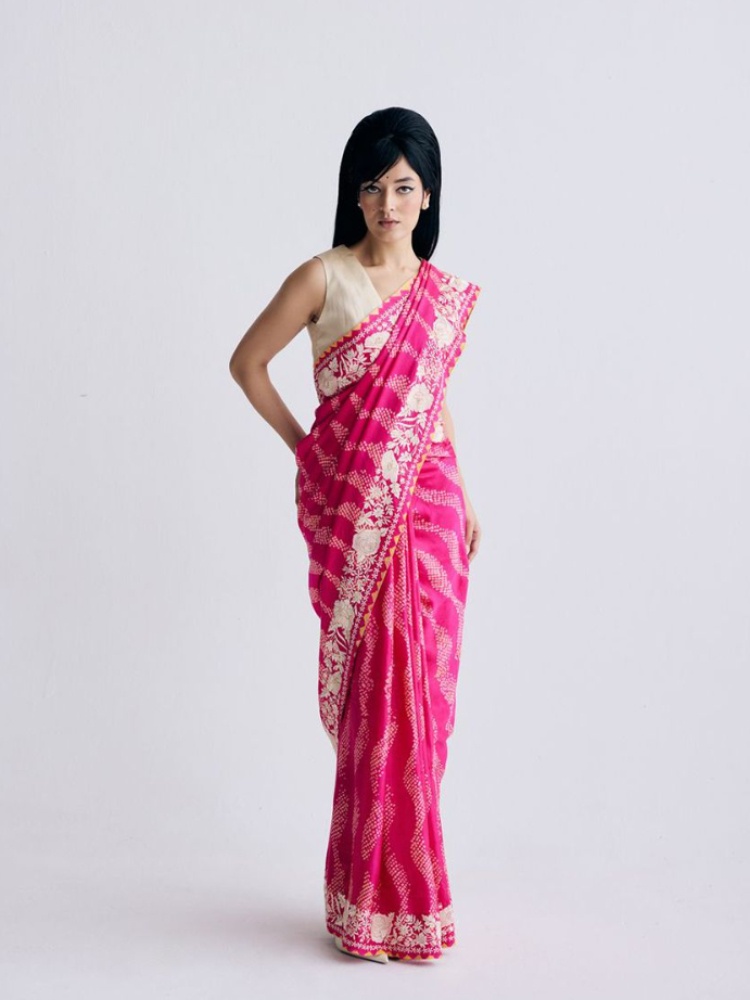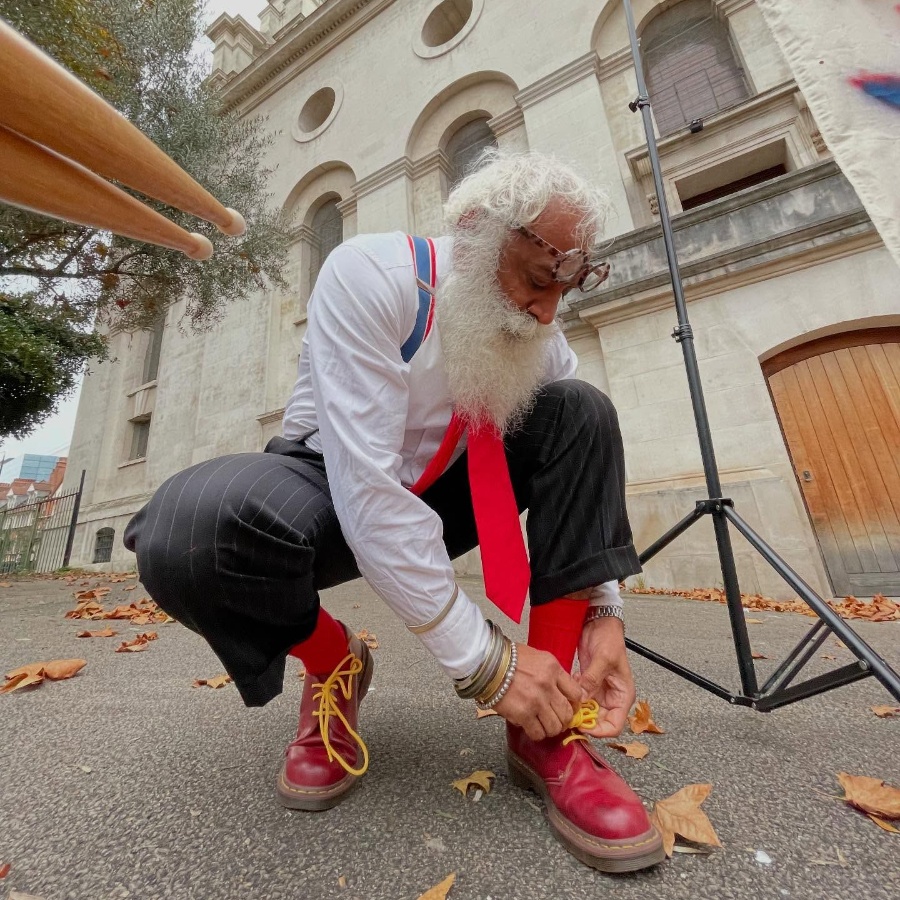




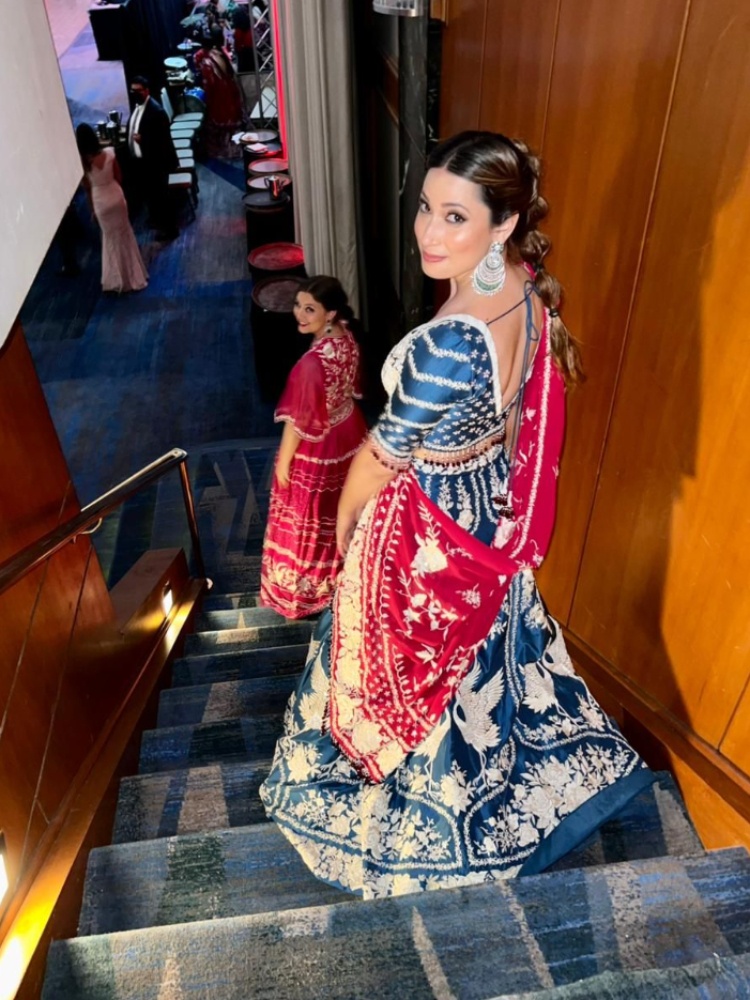

Ashdeen Lilaowala is probably the quietest rebel you’ll ever meet. At 45, the designer is charming, warm—the Delhi fashion frat loves his Navroze parties—yet his gentleness belies the way he is slowly redefining what gara embroidery can look like and mean to the Parsi community and beyond.
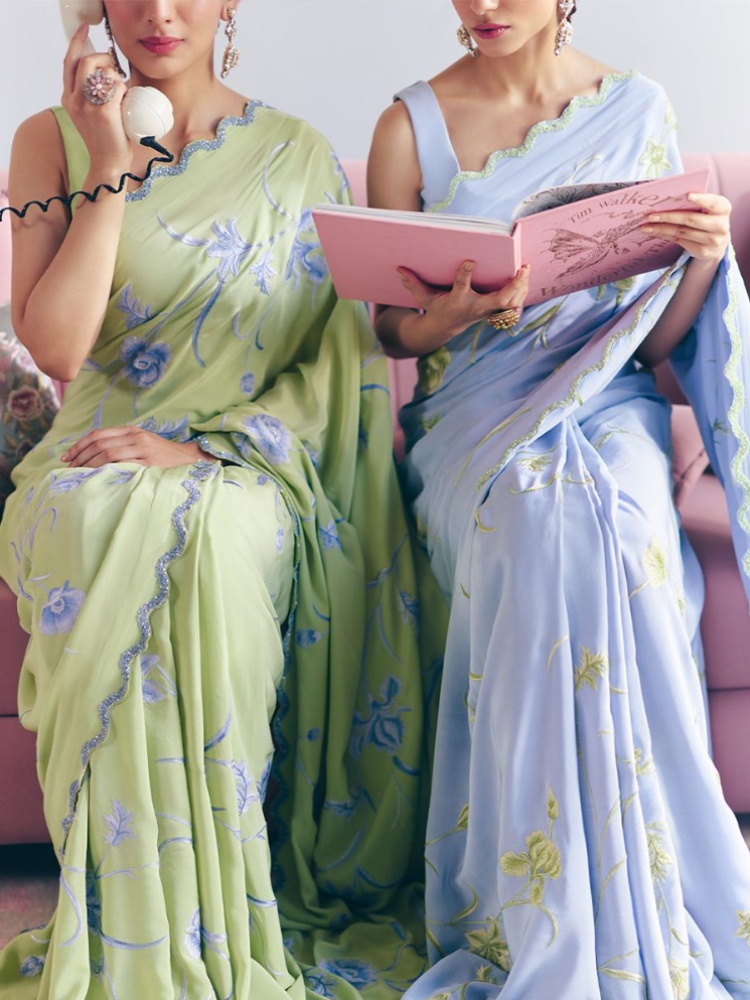
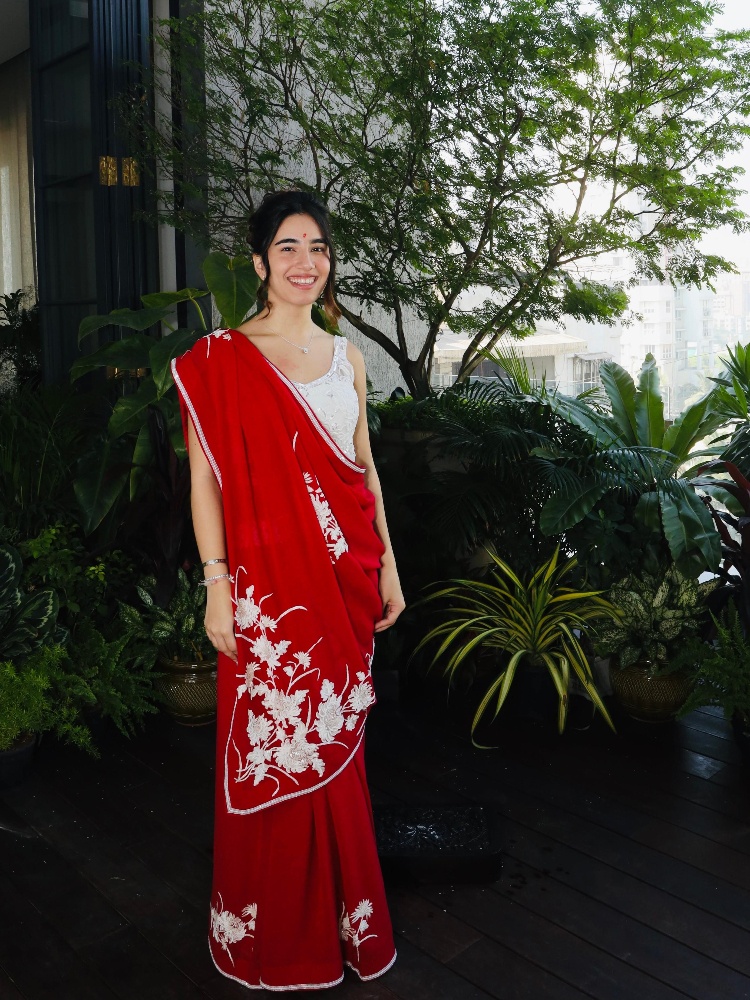
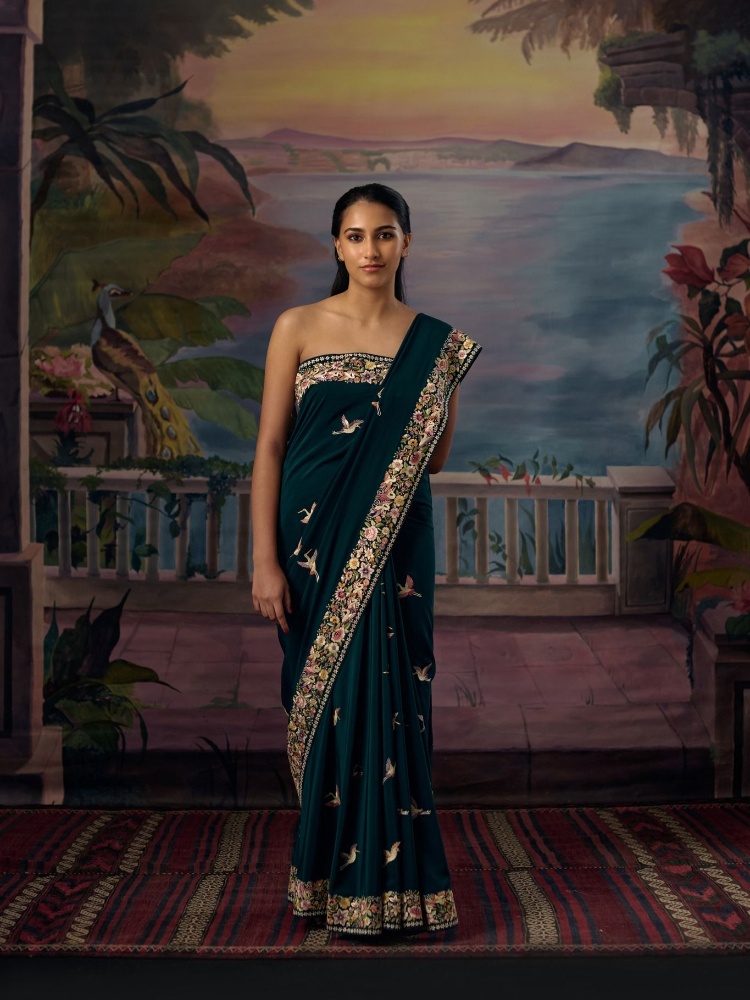
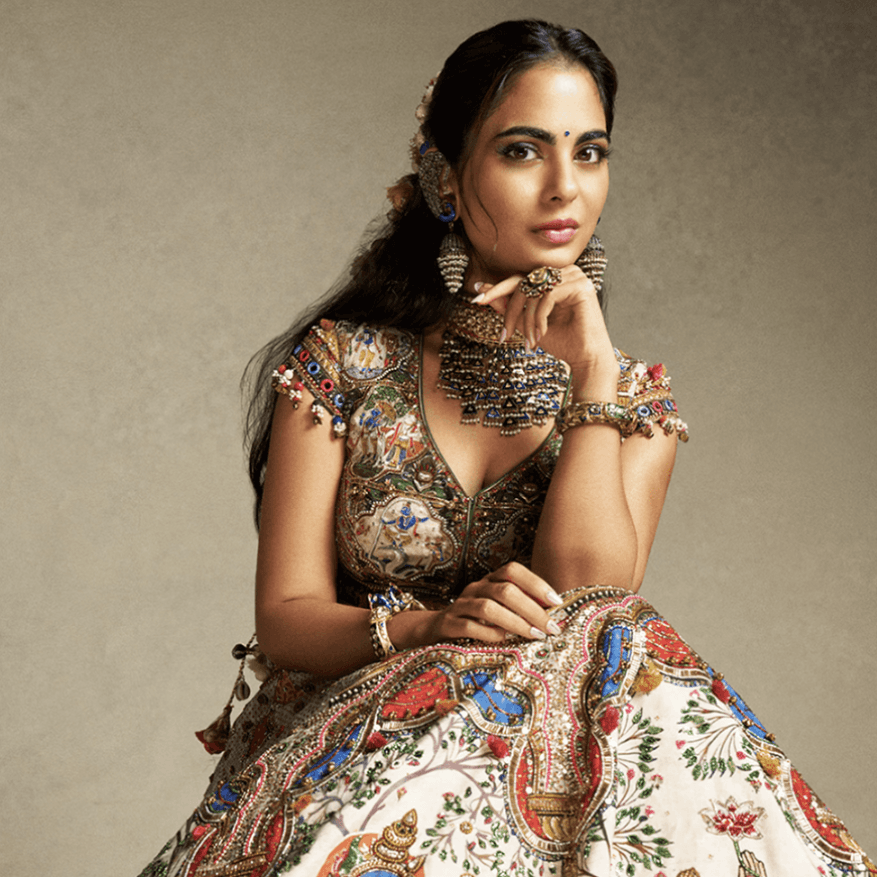
Lilaowala describes gara as “painting with a needle” for its realistic depictions of flora and fauna, most often with Chinoiserie influences. But gara is more than just a series of motifs, it’s a shorthand for the Parsi community—their peripatetic history, their aesthetics, their values told in thread. Gara saris are typically worn for weddings, for coming-of-age ceremonies or Navjots, milestones that justify the weight of an embroidery that’s heavy with cultural significance. “But the history of the craft is that there was no rulebook,” says Lilaowala. “And the fact that it evolved all the time even when it was at its prime and peak. So why not take things further?”
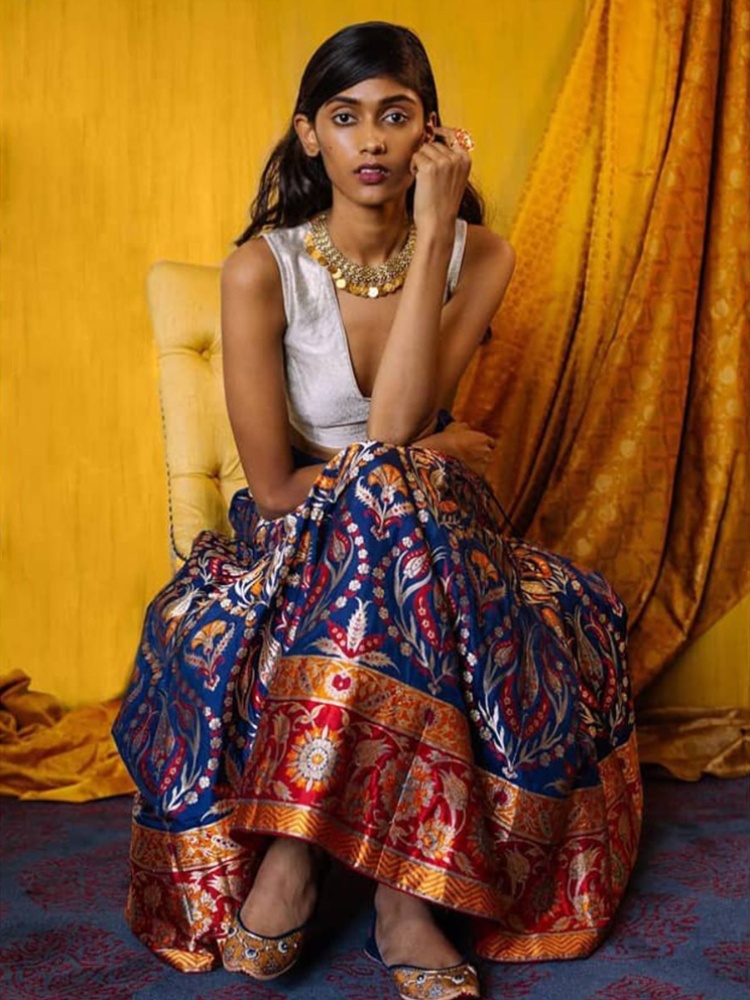
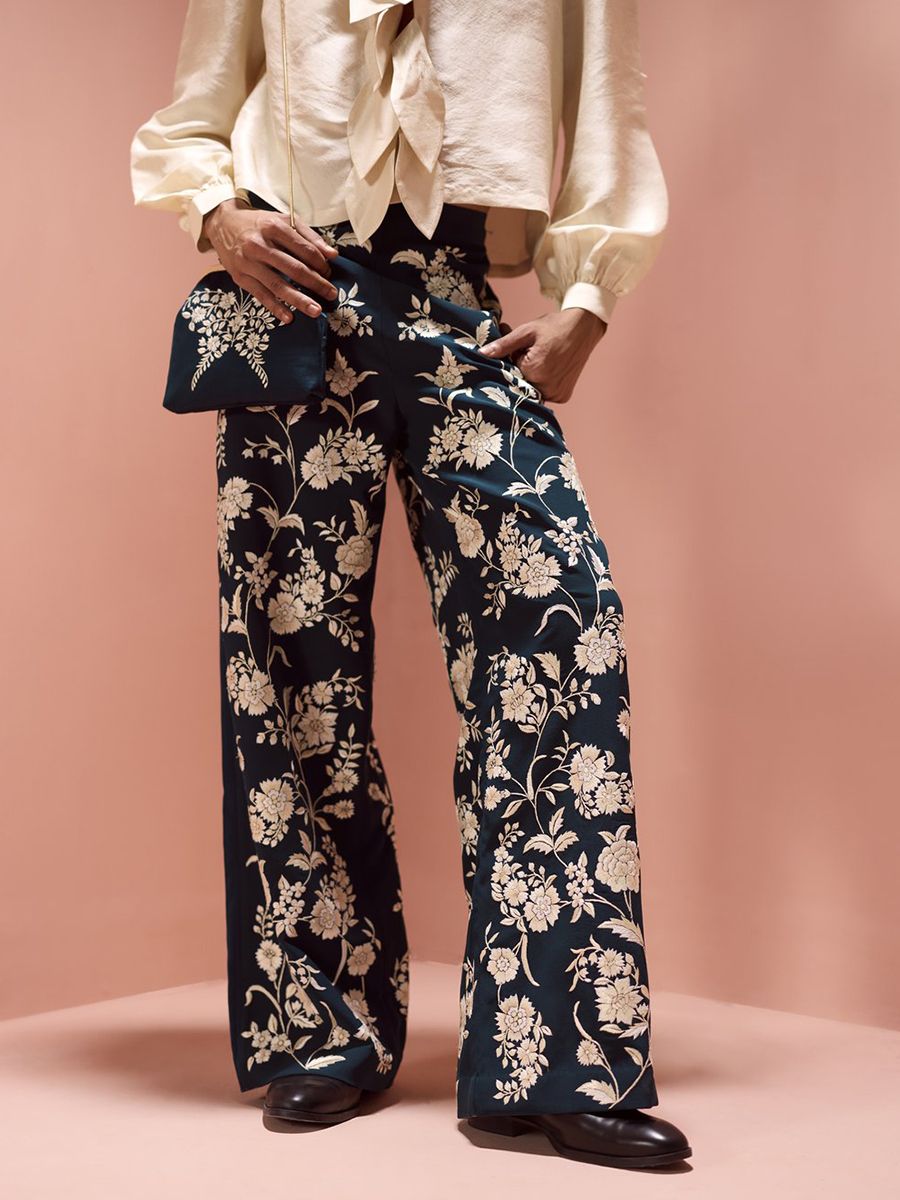
It’s a good question and that’s exactly what he’s done with his eponymous brand Ashdeen over the last 13 years. On his saris, he’s magnified the gara’s signature motifs of flying cranes, roses and peony flowers. He’s added breathing space. Kanda-papeta—polka dots named after onion and potato—have become playful punctuation marks instead of decoration-by-default. He’s introduced organza and net, lighter surfaces that moved differently on the body. He even let embroidery travel—onto palazzos, jackets, blouses, scarves—so it could be championed beyond the sari-wearers. In 2024 he released a line that paired embroidery with bandhini dyeing. That same year he also dropped a collection that spotlighted leheriya. Further back in 2022, he collaborated with Chennai-based Kanakavalli for a range of kanjivaram saris and before that in 2016 he worked with Ekaya Banaras on Benarasi saris and lehengas accented with gara embroidery.