“The Reddys are ready”
When Khattar last came to Hyderabad over a decade ago, “it was just biryani places”. This time the city came to him. RMZ real estate developers approached Khattar’s company EHV about Hyderabad and Bengaluru together, and his team spent two years eating around town before opening, only to find everything packed wherever they went around the city.
Khattar’s faith in the city comes from lunch. “The big difference between success and super success is: do you have a good lunch?” At The Loft, ringed by offices and dozens of restaurants, lunch nearly rivals dinner, corporates arrive for drinks by 5:30 pm, and “the ladies-who-lunch are coming”. Hosa and Fireback each do 200 to 250 covers a day, outperforming his Mumbai outposts. “The ability to spend is there,” he says. “The Reddys are ready.” One afternoon, he met the woman who handles food and beverage for Deloitte’s Hyderabad office. It has 70,000 people. Google is said to be opening its second largest office (after the US) in Hyderabad next year near Hitec City.
The bill at EHV restaurants is nowhere near fine dining, however. A meal comes to about ₹1,500 per head, a price Khattar says they can hold because it covers rent as a share of sales rather than a flat fee. Someone told him that he has invented a category: fine casual. He’s also recently joined a Hyderabad food WhatsApp group of about 1,000 members and wakes up to 300 or 400 new messages on it most mornings. A new restaurant opens every week, he says. And he sees it there first, typically before even the press release goes out.
This city dreams of sushi (and more)
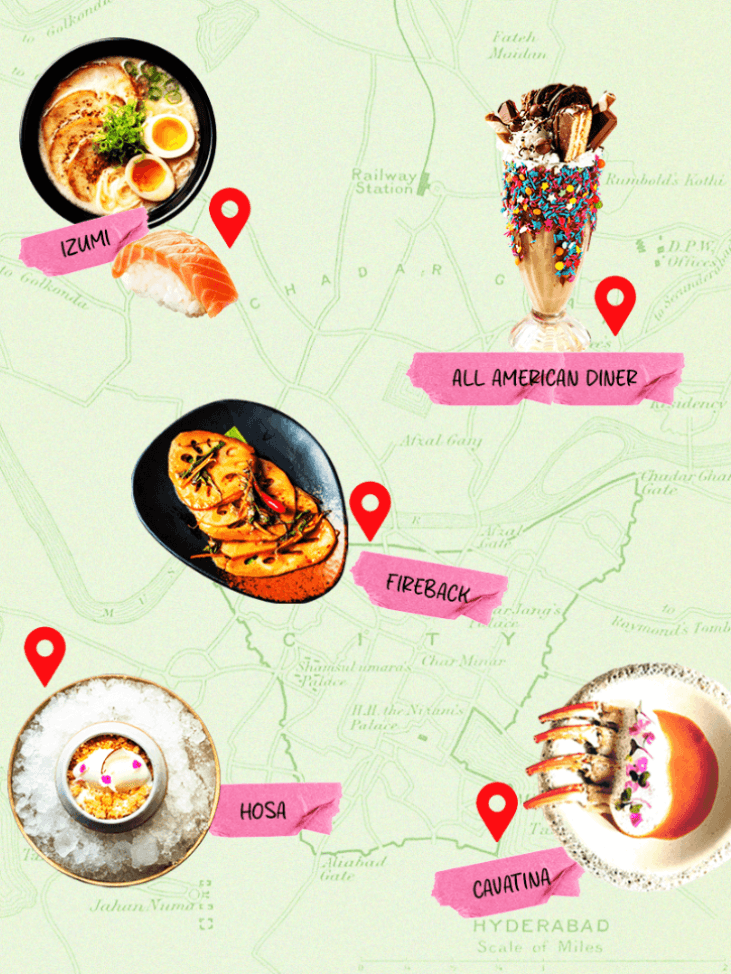
Khattar isn’t the only one treating Hyderabad as the place to go first. Izumi, from Mumbai and Goa, opened in May above Durgam Cheruvu, after Naad, Orlo, and Kadamba’s Vikaas Passary offered the Kablys a floor. “No numbers were worked out, no research was done,” says chef Nooresha Kably. They went in on gut feel. Chef Avinash Martins has taken Cavatina out of Goa for the first time in its life, to Boulder Hills in Gachibowli. Mumbai’s Shiv Sagar and Bangkok’s Baan Phadthai arrived this year too.
Nikhil Dhawan, co-founder of Tevar, and whose The Brand Sardar projects span the city, says the real draw is room to think big. “Hyderabad is incredibly welcoming when it comes to building concepts that have a sense of scale and become part of the landscape,” he says. “It gives you the freedom to be dreamy, to think big, and actually bring that vision to reality.” Mumbai, by contrast, runs into space and rent before an idea gets anywhere. What makes that freedom useful is a local audience he calls adventurous with spice but still grounded in its own food, “which gives you a wonderful opportunity to experiment but without losing authenticity”.
His partner Naren Pal Singh ties the boom to the office map. The growth of business districts, he says, “has created more reasons to eat out throughout the day, from a quick working lunch to a long evening with friends”. Jubilee Hills and Banjara Hills are still where the city goes to be seen, as before, but the food map has shifted west toward Hitec City, Raidurg, and the financial district, following the people who now live and work there. “Geography creates demand, and good restaurants then give people another reason to spend time in that neighbourhood,” he says. Hyderabad leased a record 7.5 million sq ft of office space in the first half of 2026, nearly half of it to global capability centres, mapping almost exactly onto where the new restaurants are landing. Anil Kably, co-founder of Izumi, watching from outside “the scene”, as he puts it, sees something closer to science fiction: “hundreds of glass and steel towers piling lakhs of younger people on top of each other”, coexisting, oddly harmoniously, with the older city underneath.
Sampath Tummala, who has watched the city eat for 25 years at his The Spicy Venue, sees it as two things happening at once. “The local population has started looking inward since Covid for unique dining experiences that were otherwise restricted to days when they would travel outside the city.” This, alongside an influx of people arriving for the new industries and the financial district. National brands, he adds, have largely run out of runway elsewhere. “Hyderabad is on a steroid-driven run towards becoming one of the hottest F&B destinations in south India, if not the country.”
Dhawan and Singh both point to the same shift in what people are willing to eat. Five years ago, Dhawan says, the choices were “largely centred around standard Indian, south Indian, and Chinese”. Now the city has standalone Italian, Thai, Vietnamese, Assamese, and Korean kitchens, alongside progressive Indian and Telangana menus, each with its own background and spirit. Singh sees the same diversification from his operator’s side: scale is no longer the only way to make an impression, and a 10-seat room with a clear point of view can hold its own against a 300-cover destination, provided it delivers that point of view consistently.
Local money is arriving to match the ambition. Hanumanth Rao Naineni, whose Roast CCX in Banjara Hills draws around 4,000 people a day, says second-generation real estate and pharma families now want in on F&B. Thirteen years ago, when he started in the business, he struggled to sell continental food in this city. “Now,” he says, “supply is starting to exceed demand.” Shakshouka and cilbir sit alongside biryani, all supported by a vast and excellent coffee menu. Upstairs, Table XII is a tucked-away chef’s table, with chef Joakim Prat bringing in the finest and funnest chefs from around the world for pop-ups.
Kitty parties and laptops
At 3 pm on a Monday at Roast, Naineni sees mothers back after a weekend with the kids, “women wrapping up their kitty party and rushing back home”, and people camped on laptops for hours. At Izumi, spend per head runs slightly lower than in Bandra, but diners stay longer, in no hurry to turn the table. “The Hyderabad guest is what Mumbai guests were when we first started,” Kably says. Tummala sees the same restlessness at his own tables. “The Hyderabad diner,” he says, “is seeking out interesting dining options that go beyond the usual.” They’re genuinely experimental now in a way they have never been. “Their love for biryani can’t be changed, but what they want to eat outside of it has become more diverse.”
Tummala opened Coffee Sangam because he kept noticing the same flat whites and avocado toast everywhere in the city and wondered why Hyderabad cafes wouldn’t serve idli. Theta Theta Telugu is a way to become more specific and nuanced about his state’s and region’s cuisine. People tend to reduce Telugu food to cliches. “The thali and the gongura—everyone boils it down to [those]”. Singh has watched guests get pickier from the other side of the pass. The diner, he says, is more aware and more specific about what they want. They notice the food, cocktails, music, design, and service as one experience. A beautiful room can create interest, but it cannot make up for a disappointing visit. “Consistency brings them back,” he says.
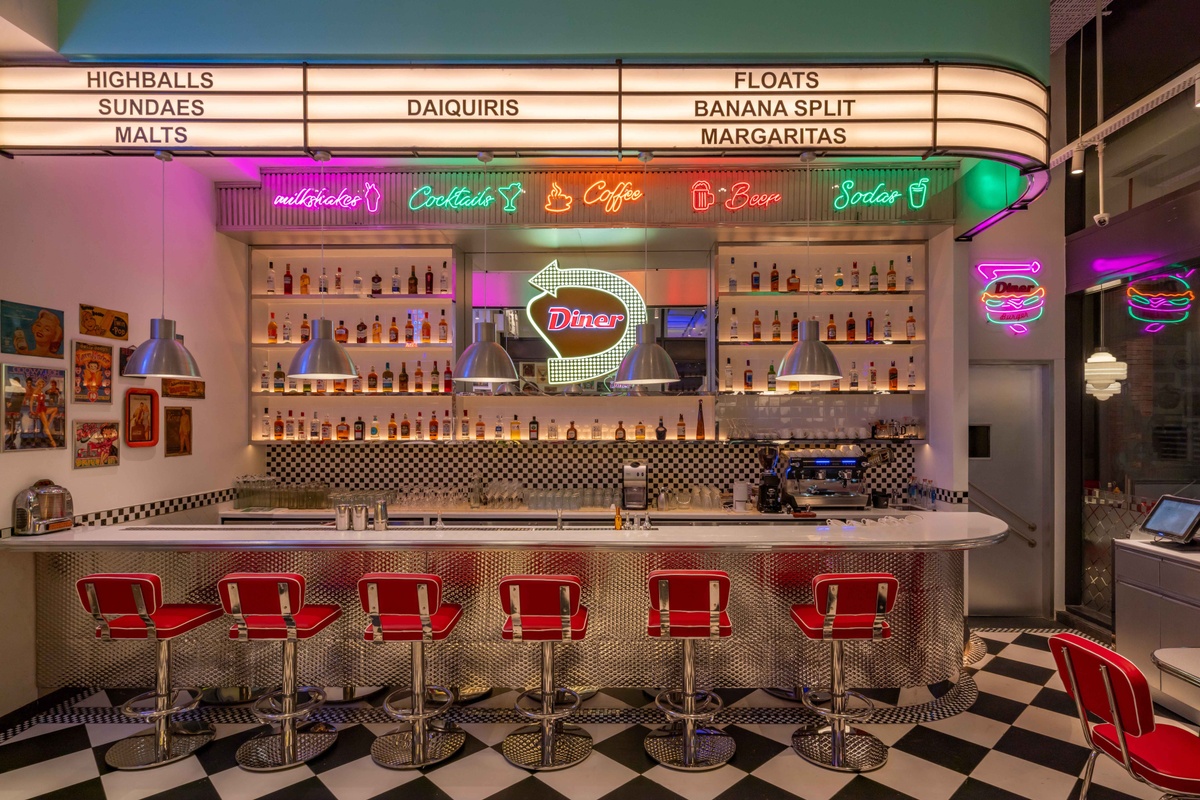
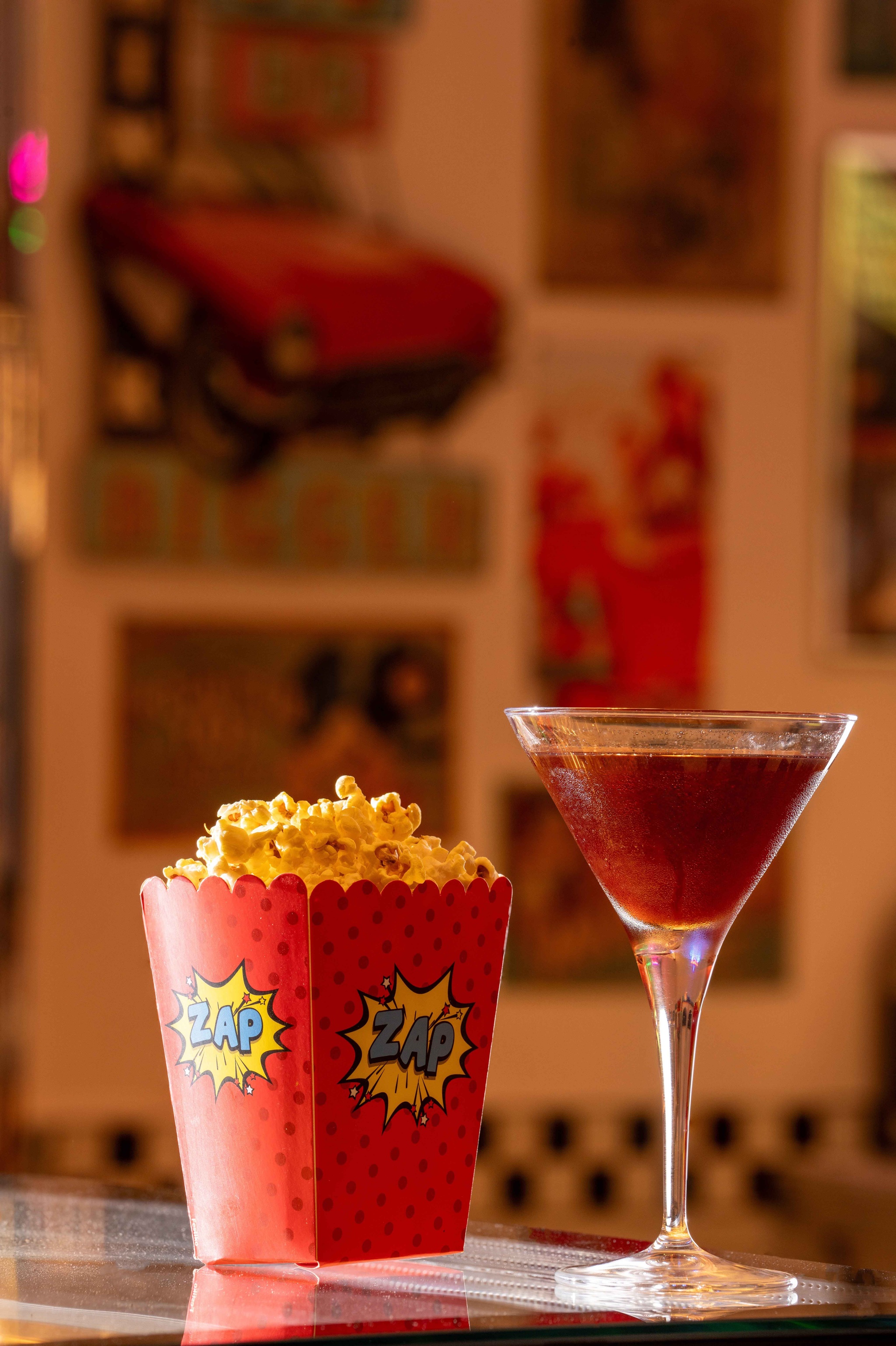
Naineni puts it at two in 10 new places being serious businesses, and reckons fewer than 20 per cent will see five years. The rest are betting on a good three months on Instagram before the next launch takes their spot. Khattar, for his part, has told his district manager that The Loft brands could do 1,000 covers a day. She looked scared. On weekends, he points out, they already do 600 to 700, without the Diner. The Diner, now open from breakfast to 1 am, only has to find the other 300. Easy peasy.