



Food20 Mar 20264 MIN

In Hyderabad, Telugu cuisine gets the fine-dining makeover it deserves

At Theta Theta Telugu, expect rasam served as consommé, avakaya pappu annam as arancini, and other old favourites reinvented

Image

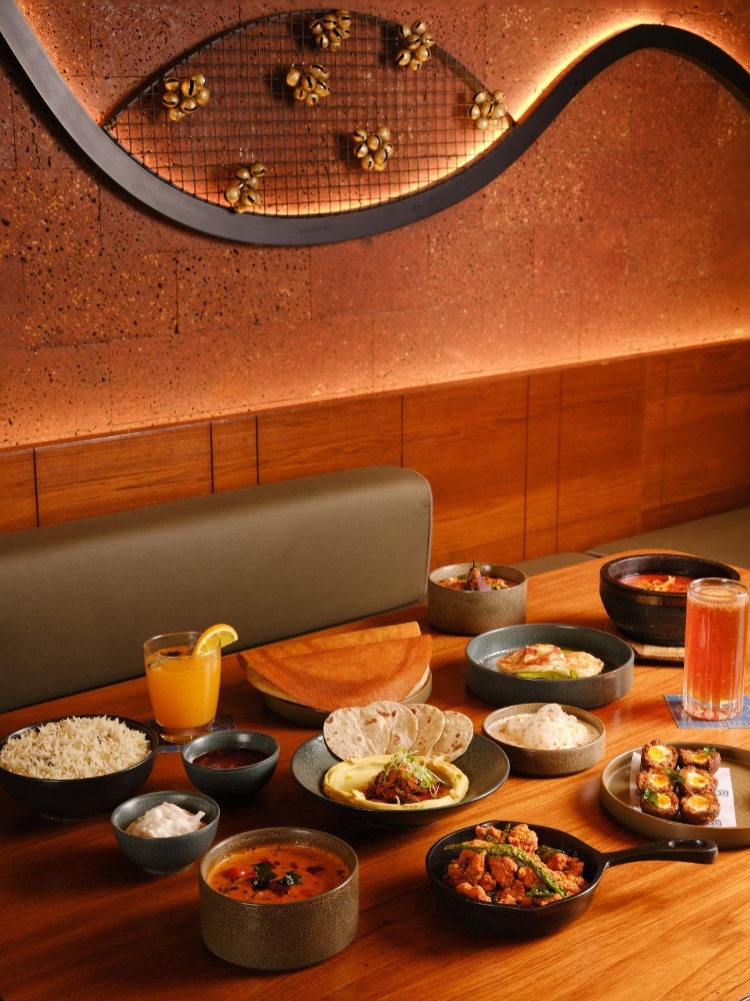
A bowl lands on the table. Its contents are smooth, pale, and creamy, crowned with pickled kalamata and onions. It looks like hummus. But it tastes pure Telugu. The swirl is mudapappu, the region’s thick, lightly seasoned dal. Here it’s retextured and topped with olive urugaya (an oil-based achaar) and tangy gongura-pickled onions. It’s paired not with the usual rice but with jonna (jowar) roti for scooping. The structure of the food may look somewhat familiar, encountered elsewhere in the world, but the flavours are unmistakably local. And this theme runs through the menu at Theta Theta Telugu in Hyderabad. 

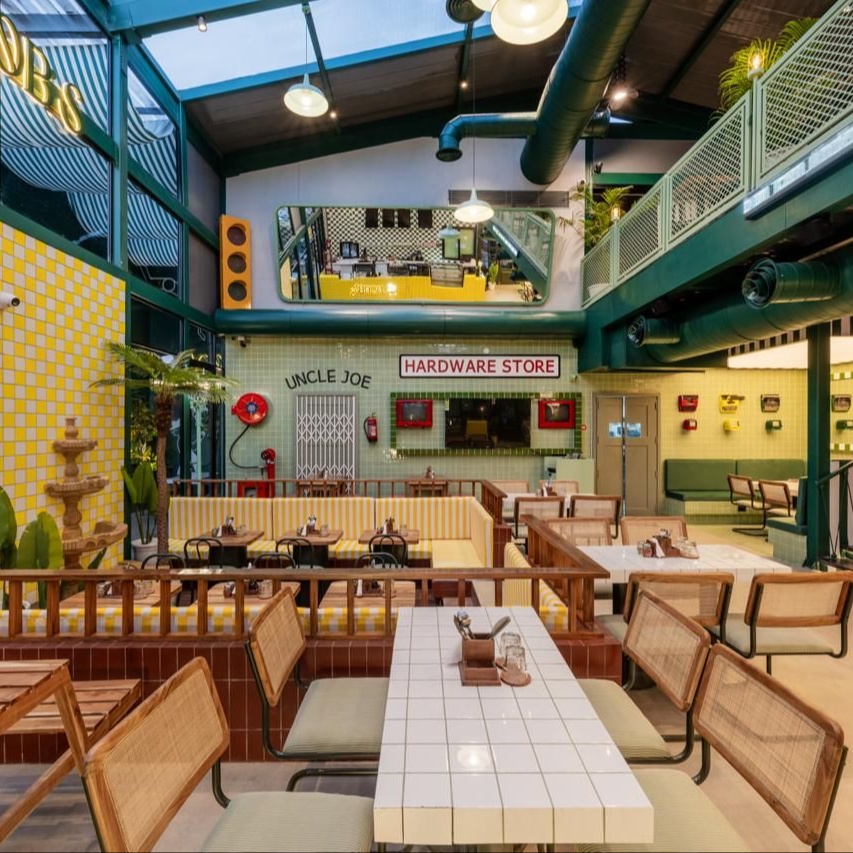
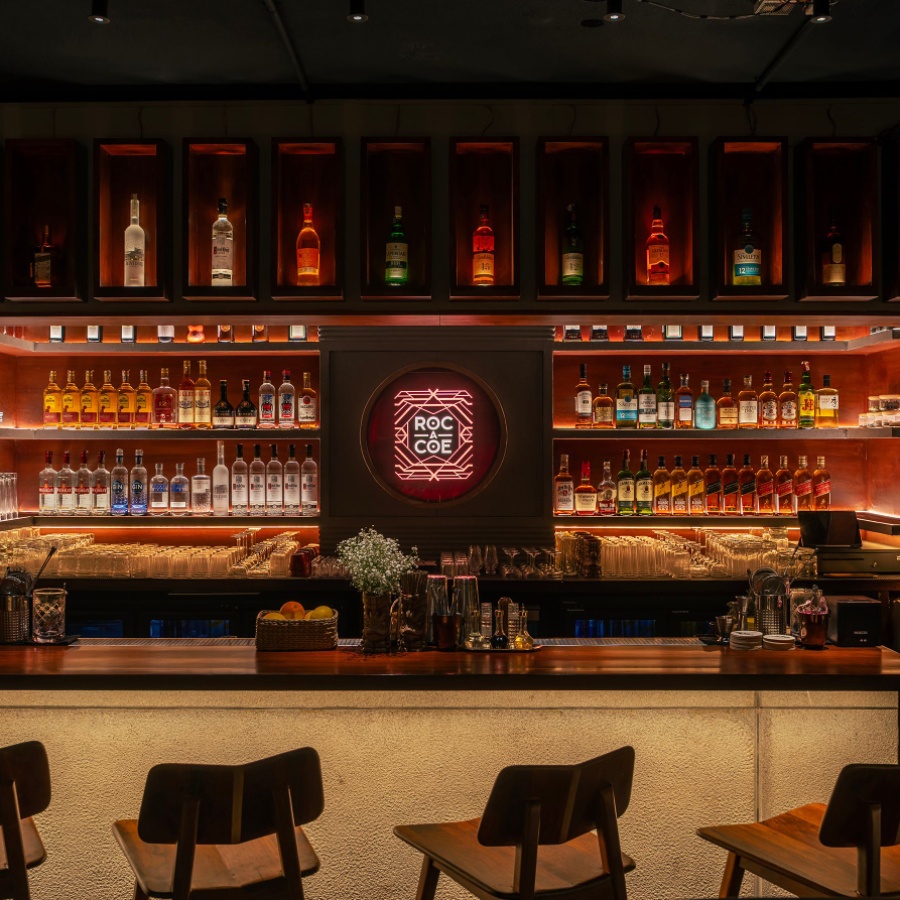
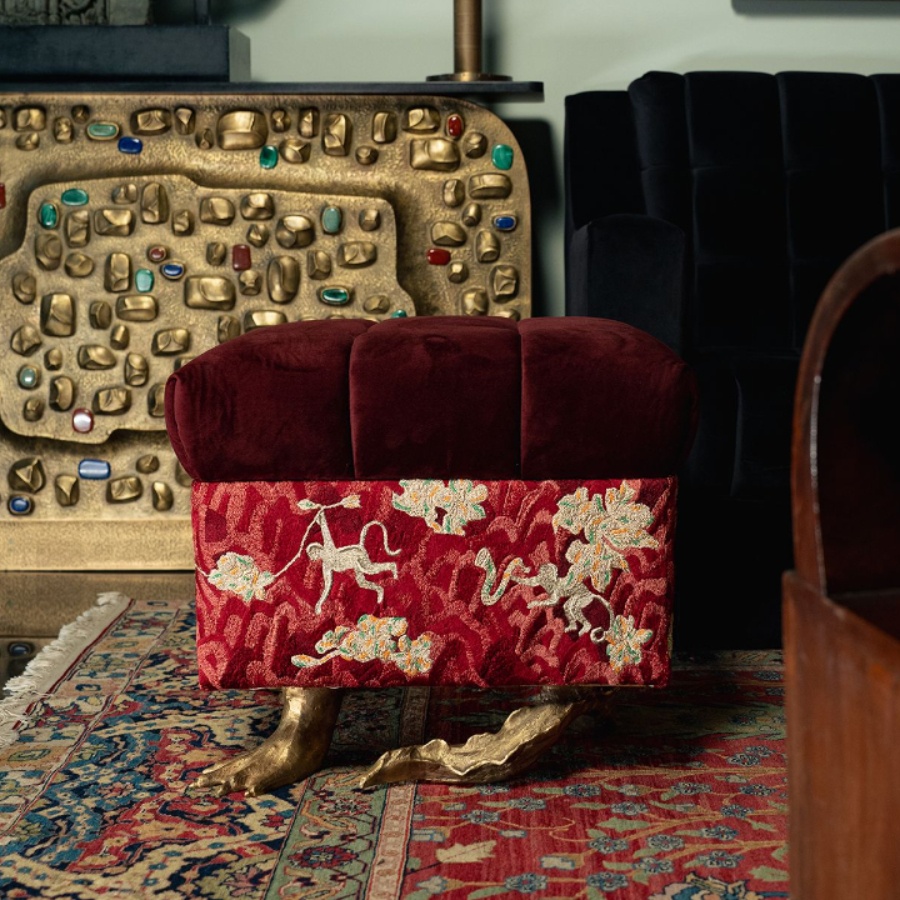
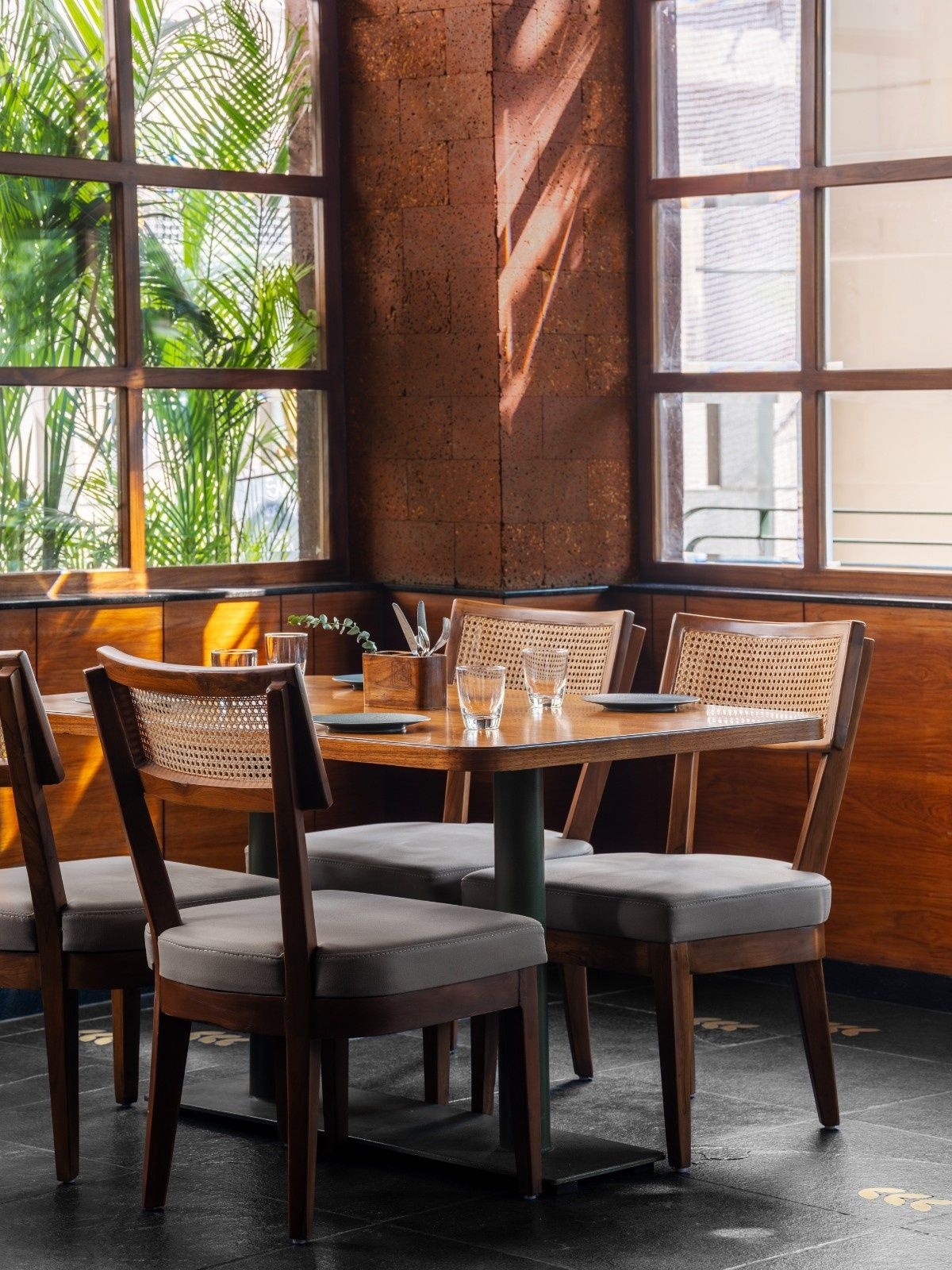
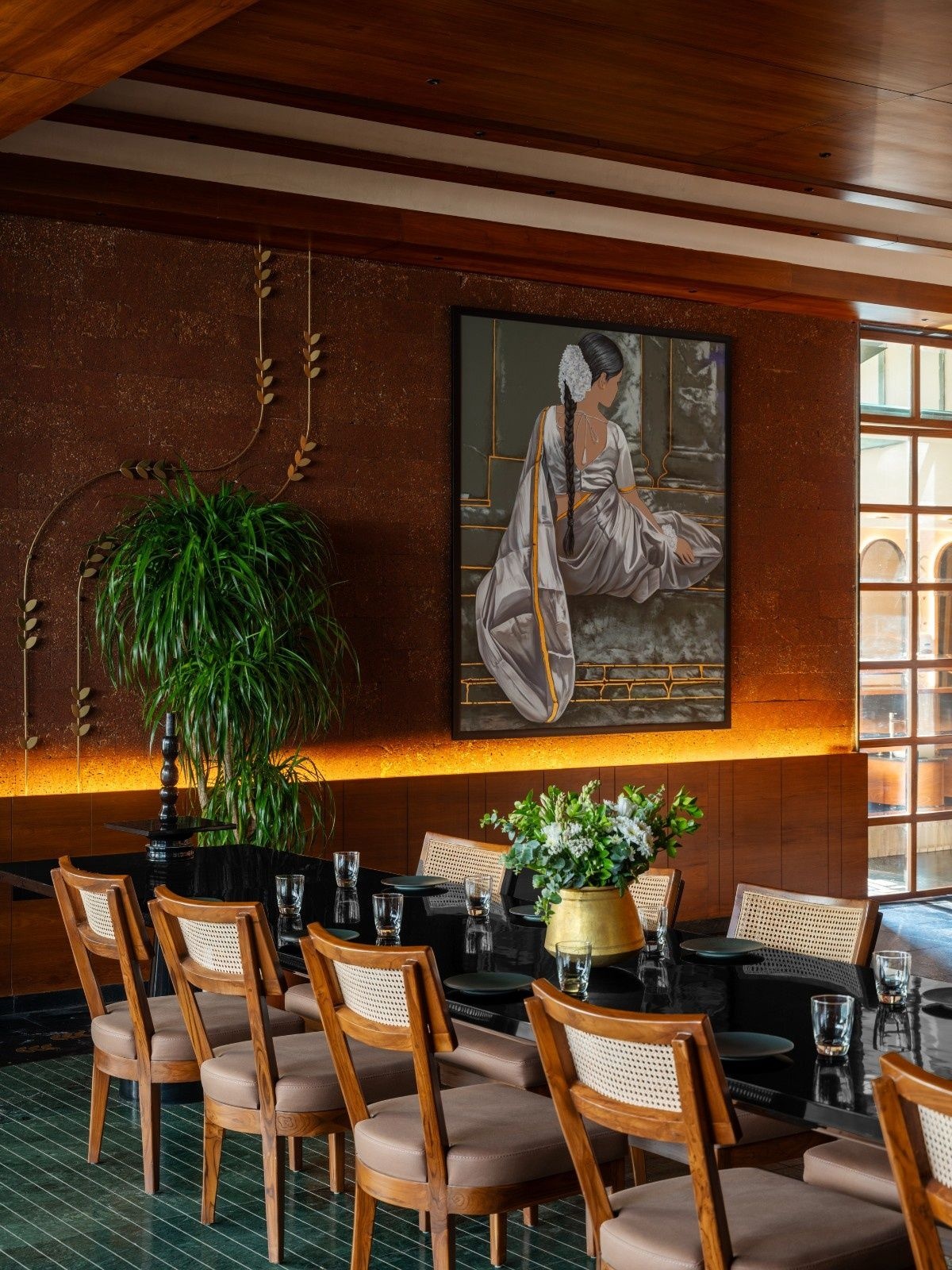
Up in Jubilee Hills, Hyderabad’s buzzy dining hub, the restaurant sits above sibling brand Coffee Sangam. The space is large, high-ceilinged, and airy, and its design reflects this rooted-and-reimagined philosophy. Local materials feature in laterite brick walls and dark kadappa stone flooring inlaid with brass leaf-shaped accents. This minimal leaf pattern repeats along the walls. Brass ghungroos hang on black metal jaali frames. All of these blend with clean lines, soaring panelled-glass walls, sunlight and trees beyond them, all in a modern layout.

Restaurateur Sampath Tummala and chef and co-founder Vignesh Ramachandran built T3 (as regulars call it) around a single, delicious question: What if Telugu food spoke the language of modern, globetrotting dining? The flavours stay true, but the look, textures, and even the way you eat them get a fresh spin. “The soul of a dish is never altered or played around with,” Ramachandran says. “A rasam or a pappu will always encompass all the classic ingredients that go into one. The form, shape or texture might change.” In T3’s kitchen, rasam becomes a clarified consommé, light but bursting with flavour, instantly recognisable at first sip. The croutons in it are, in fact, crunchy minapa pindi vadiyalu, wee sun-dried lentil dumplings.

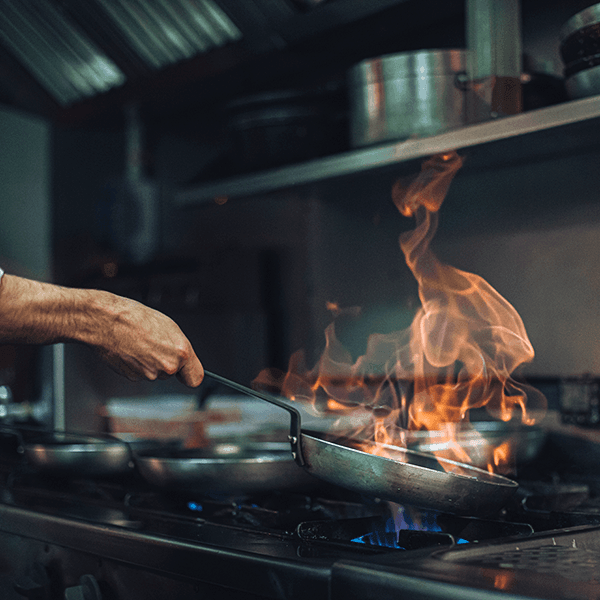
“Traditional techniques such as slow braising and letting curries mature with tamarind are still used,” he says. “Newer techniques, like using a siphon to make batters lighter, help enhance the flavours further.” The aim is only to refine the already existing flavours.
Tummala’s first restaurant is The Spicy Venue (TSV), a 25-year-old Hyderabad institution known for homestyle Telugu food. It’s also where many visitors to Hyderabad have discovered how boldly and simply delicious the local food is. For Tummala, T3’s shift is as much cultural as culinary. Telugu cuisine, he notes, has long been underrepresented in fine dining. “It was always seen as a budget to mid-budget experience,” he says. “A cuisine specialising in thalis and biryanis. It needed a place that could show the world that it is no less than any other global cuisine in its diversity and depth.”

Other regional cuisines have followed similar journeys. Nordic cuisine took rural farmhouse ingredients and placed them on plated tasting menus. Korean cuisine, championed by chefs like Yim Jung-sik, has been reframed for fine dining.

Over the past decade, diners in India’s major cities have become more interested in exploring regional cuisines. In Hyderabad, this curiosity is newer; interest in modern versions of local food has risen only over the past year. “Audiences are looking to delve deeper into micro cuisines,” Tummala says. “They also look for unique experiences that represent these cuisines.”​

A classic Telugu meal is all about abundance and variety. Rice takes centre stage, flanked by pappu, pulusu, veggies, pickles, papad, curd—the works. TSV has built its reputation on these thalis, and then some. 

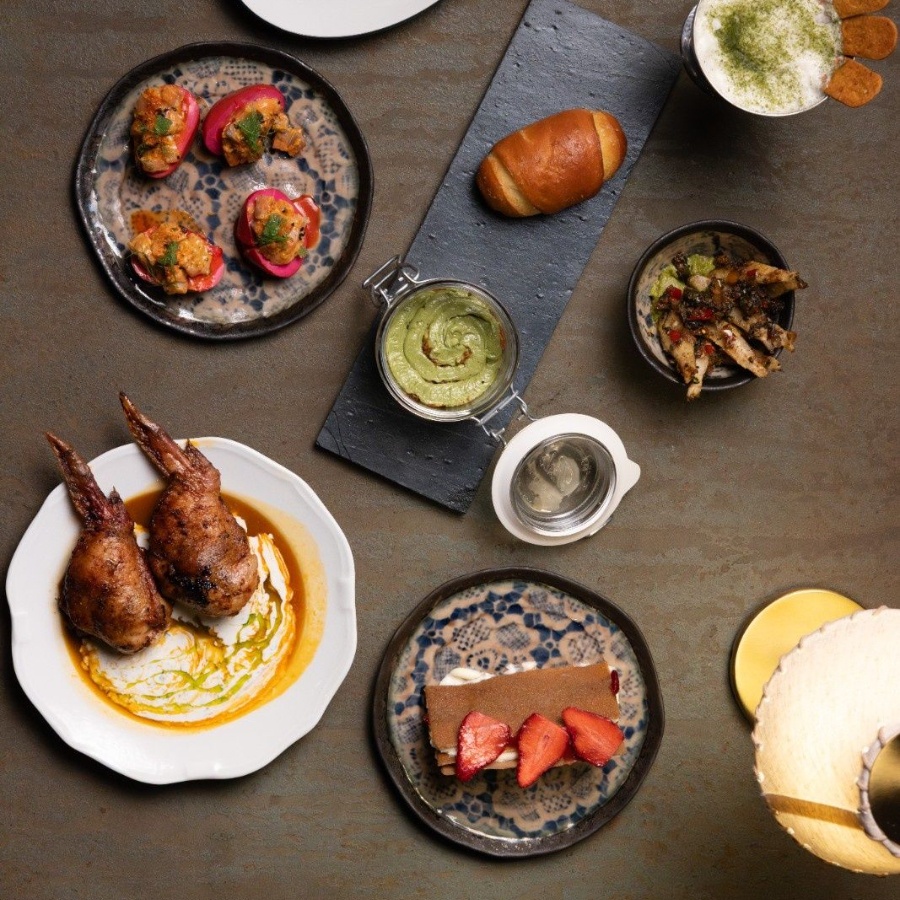
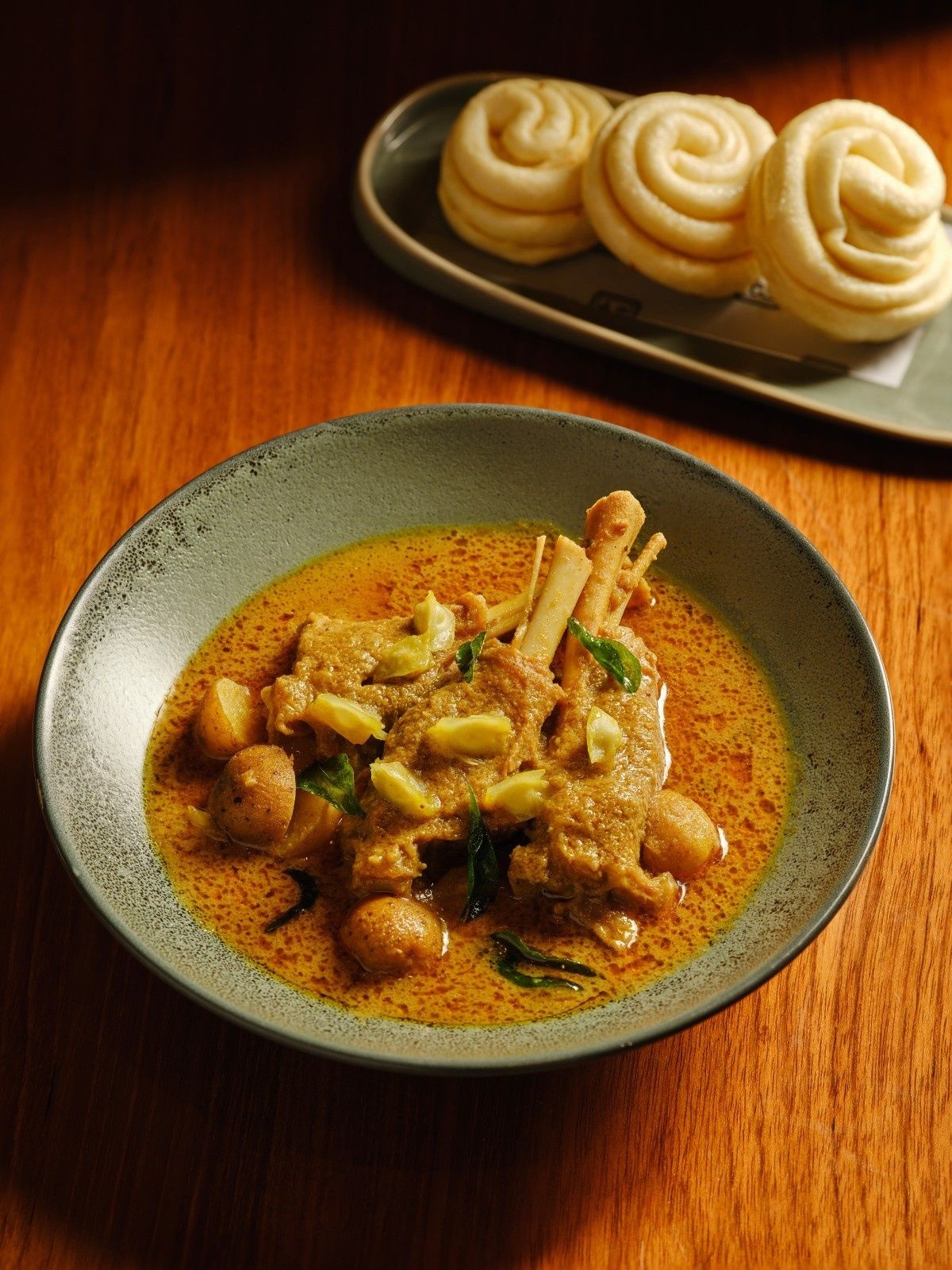
At T3, that familiar structure gets a remix. Settle in, and you’re poured a tiny cup of that rasam, bright and clear. Upma is grilled, plated like polenta, and finished with a curry leaf and cashew crumble. Gongura mamsam shows up as a meaty, tangy chutney, with crisp gongura leaf tempura and onion slaw for contrast. The tamarind fish curry—its recipe straight from the chef’s home kitchen—arrives bubbling in a hot stone bowl. It is ready to be poured over nei (ghee-soaked) idlis or scooped with ghee parotta. Diners look at the dishes and might wonder, “What is this?” One bite in, and it all clicks.

Avakaya pappu annam, a classic dish of dal, rice, and mango pickle, becomes arancini. Carrot coconut poriyal is now a dip, paired with shatteringly crisp rawa dosa shards. Every ingredient at T3 is local: snakehead murrel, Kakinada crab, Potla sheep from Andhra and Telangana. No imported ingredients are used. The kitchen’s modern techniques exist only to let those flavours shine.

“No techniques shall be forced upon a dish for the sake of using it,” Ramachandran adds. “These are only used where they elevate a dish or bring in a fresh perspective, but never to deviate from the original offering.” Tummala puts it more bluntly: “We might have a lobster vepudu on the menu. But we will never have a wasabi pappu or [wasabi] rasam.”

​You can also tell from the way they have christened Theta Theta Telugu, after the eponymous song in the 1971 movie Prema Nagar. It translates to ‘pure, pure Telugu’.

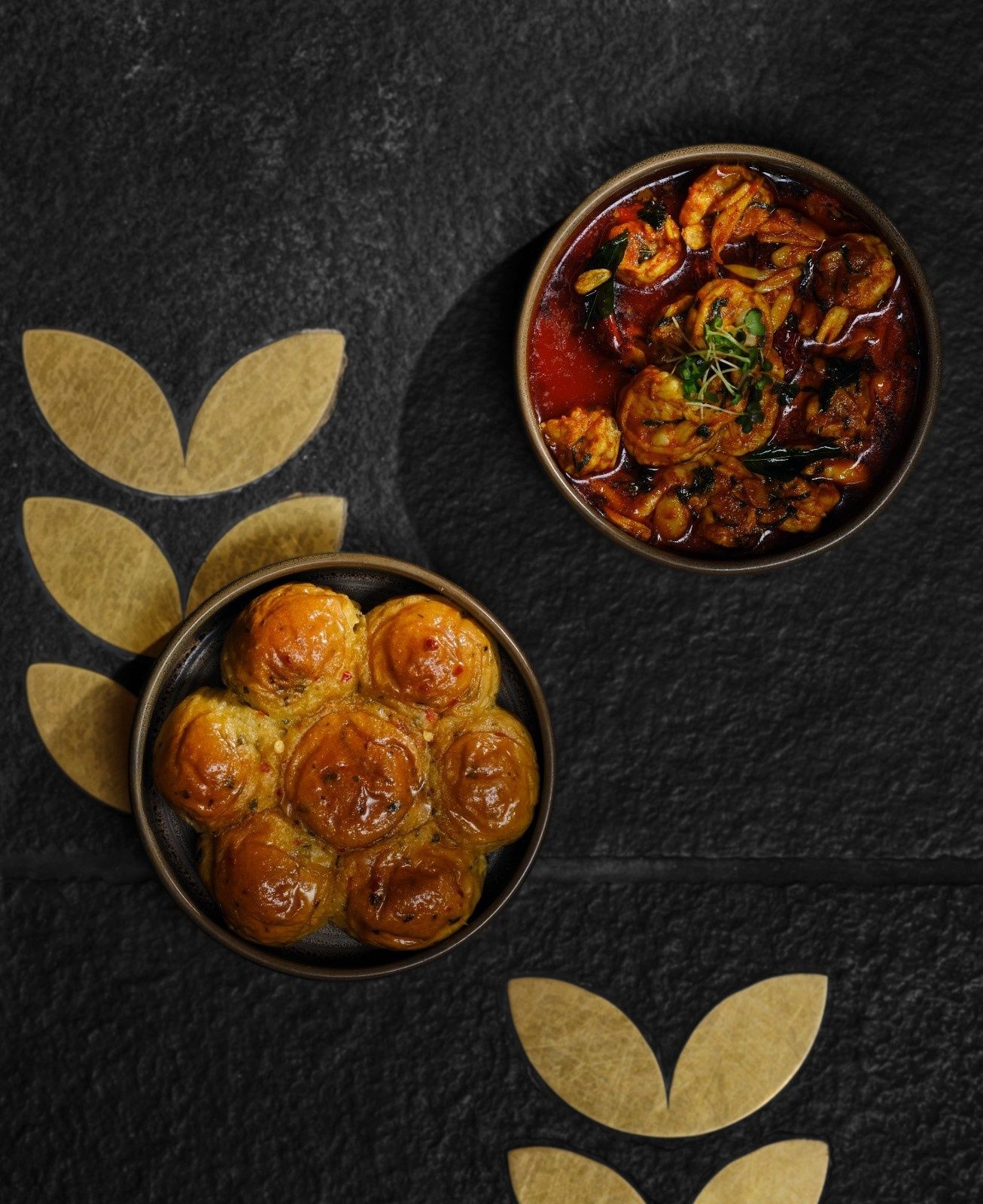
Even when the food borrows presentation and technique from other cuisines, there is nary a false note. The chintapandu ghee prawns bring a hit of tamarind and spice in their pool of garlic-scented ghee. They come with curry leaf brioche, a nod to gambas al ajillo. The tava coconut kheema rice draws from family tradition: caramelised, crunchy kheema scraped from the bottom of the pot, typically reserved for the favourite child. T3’s kitchen uses a wide vessel to create this meaty socarrat deliberately. They then fold it into rice, to a delightful result. “Here, everyone can be the favourite child,” Tummala says.

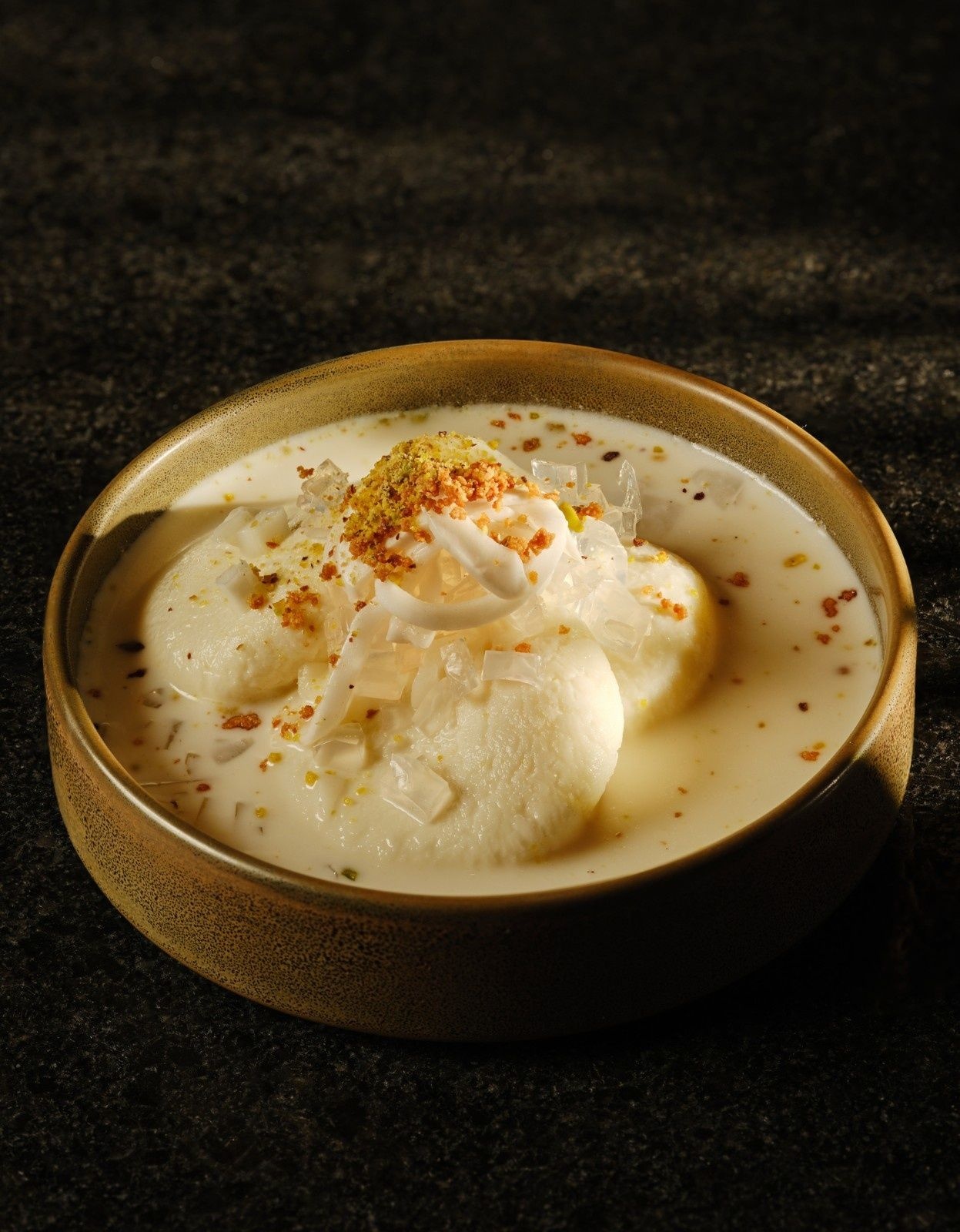
Desserts and the zero-ABV beverage programme follow the same guardrails. Nannari (sarsaparilla) comes with what looks like crushed ice but is badam pisin (almond gum). Curry leaf-ginger soda is the spiced fresh-lime soda you didn’t know you always wanted. Kobbari rasmalai layers coconut in different forms—tender flesh, milk, and water. It is finished with brown butter-coconut powder. Baked milk halwa arrives with jaggery milk espuma, noted on the menu as a tribute to chef Manish Mehrotra’s daulat ki chaat. (Ramachandran has previously worked in the kitchen of Indian Accent under the much adored and celebrated chef.)

Since T3 opened, reactions have been a journey. At first came surprise and confusion—TSV regulars expected the usual fare. Instead, they found old favourites reinvented.

Now, that initial shock has given way to pride. Diners are bringing their non-Telugu friends to show off the cuisine, and for many locals the restaurant becomes a way to see their own food in a new light. “Telugu food has always been seen as casual, routine, a comfort meal,” Tummala says. “We want to break that notion and make this a place you can choose for a date.” Indeed, with T3, Tummala hopes Telugu food can also be seen as “suave, sexy, and premium” by everyone, locals included. Two visits in, we’re convinced. 

Address: 8-2-293/82/A/270/A, Road No. 10 A, Gayatri Hills, Jubilee Hills, Hyderabad

Call: +91 99335 58666

Timings: Daily noon to 3:30 pm and 6:30 pm to 10:30 pm

Meal for two: ₹3,000

The Nod Newsletter

We're making your inbox interesting. Enter your email to get our best reads and exclusive insights from our editors delivered directly to you.