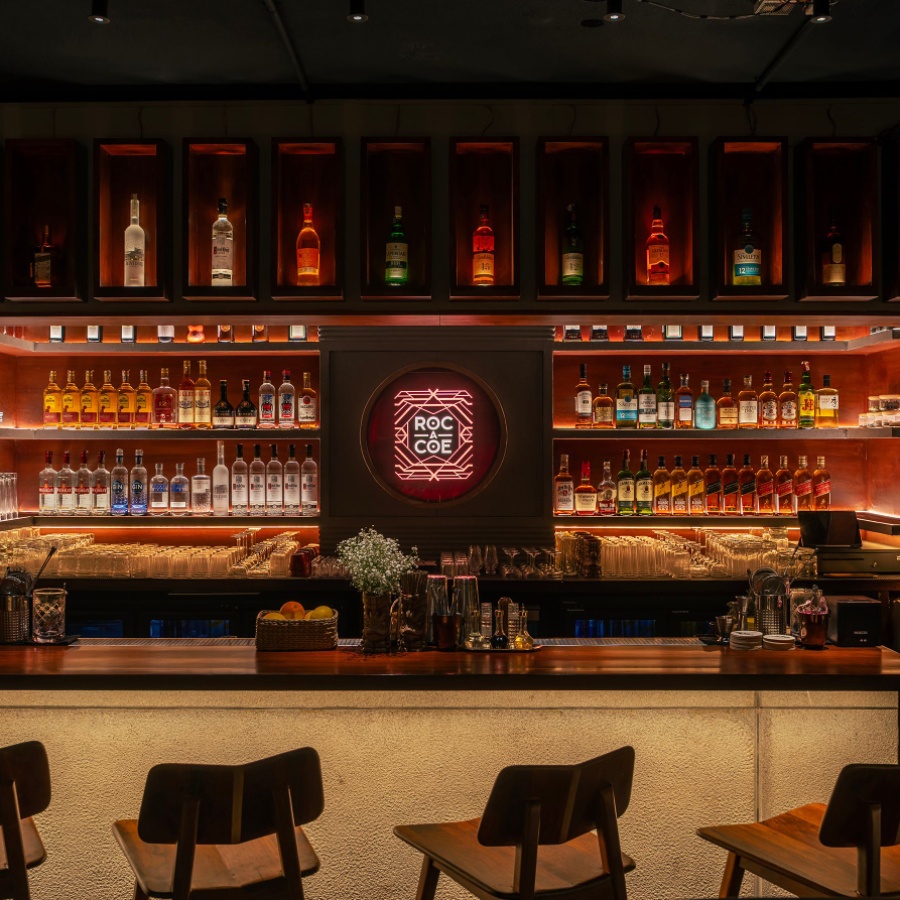




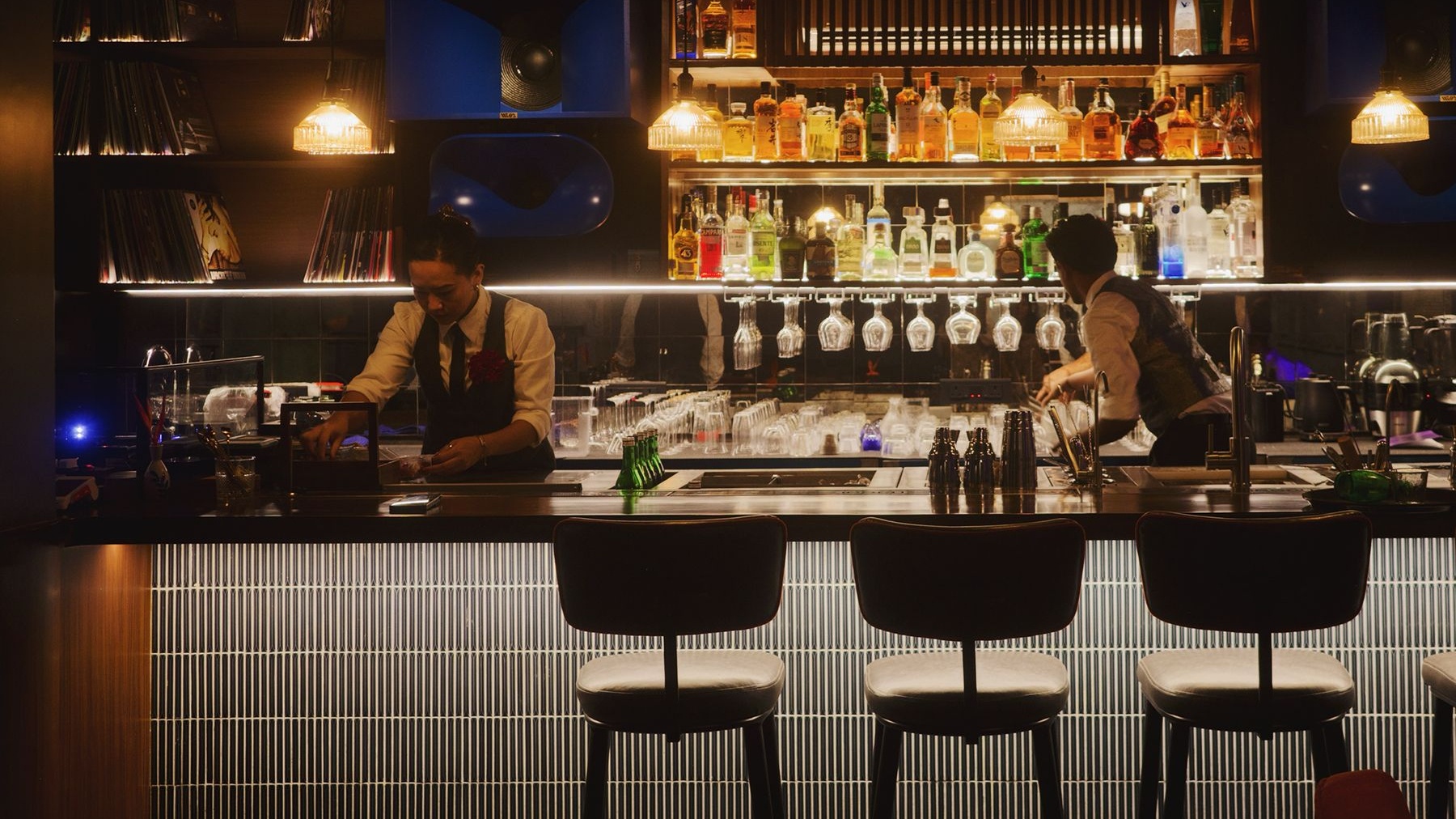

Bandra’s newest bar, Idoru, is tucked away out of sight, up a flight of stairs, behind an unassuming door. Its sign downstairs could not be subtler. It’s a tiny space with 28 seats (plus standing room for four). And yes, four musicophiles and audiophiles have pooled their vinyl collections to play them on the two PLX1000 turntables and custom-built speakers. To add to this record stock, about 200 LPs have been bought specifically for this bar.
But just don’t call it a listening room. Or a vinyl bar. Or a speakeasy. Or (gasp!) an izakaya.
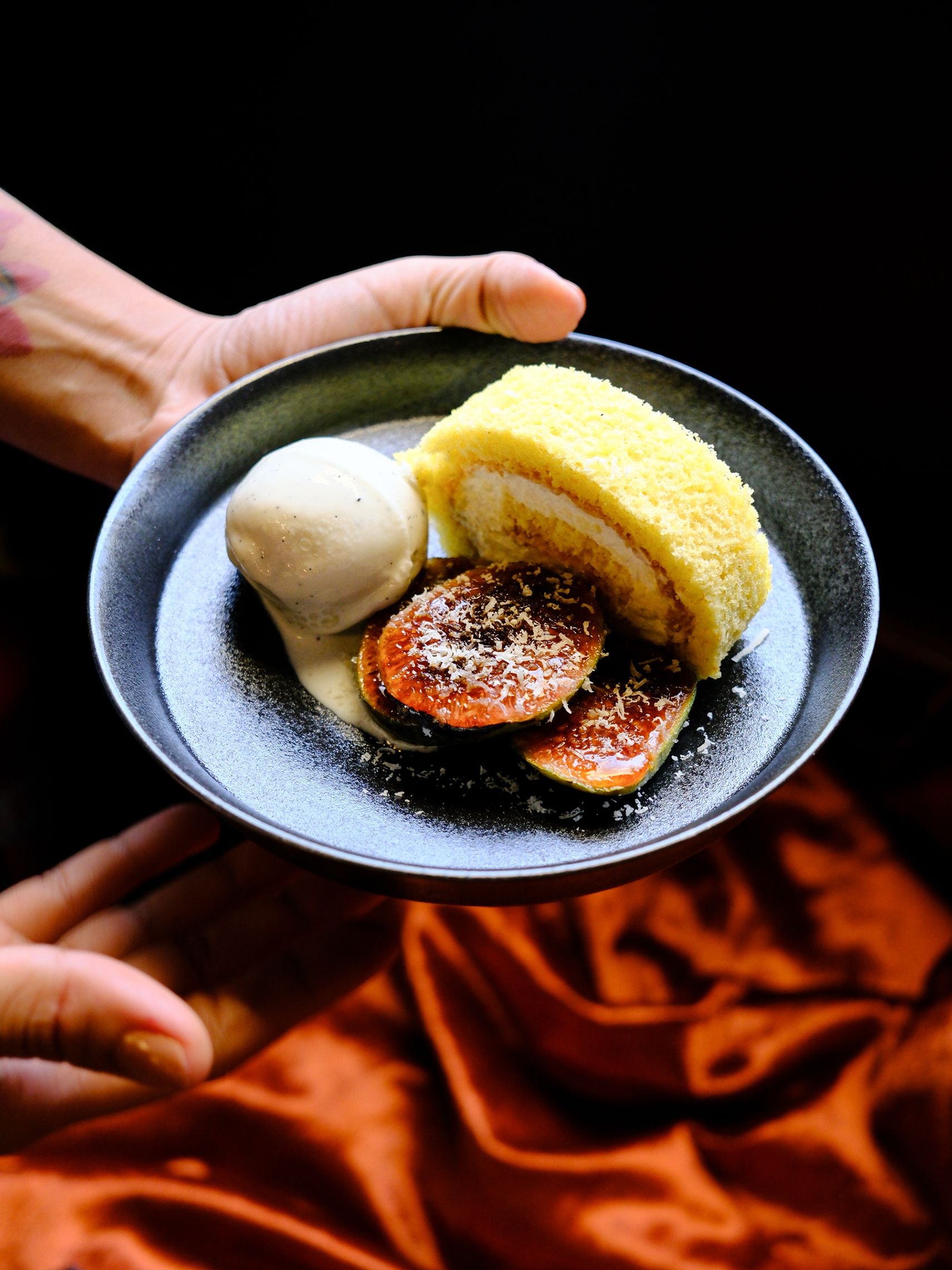
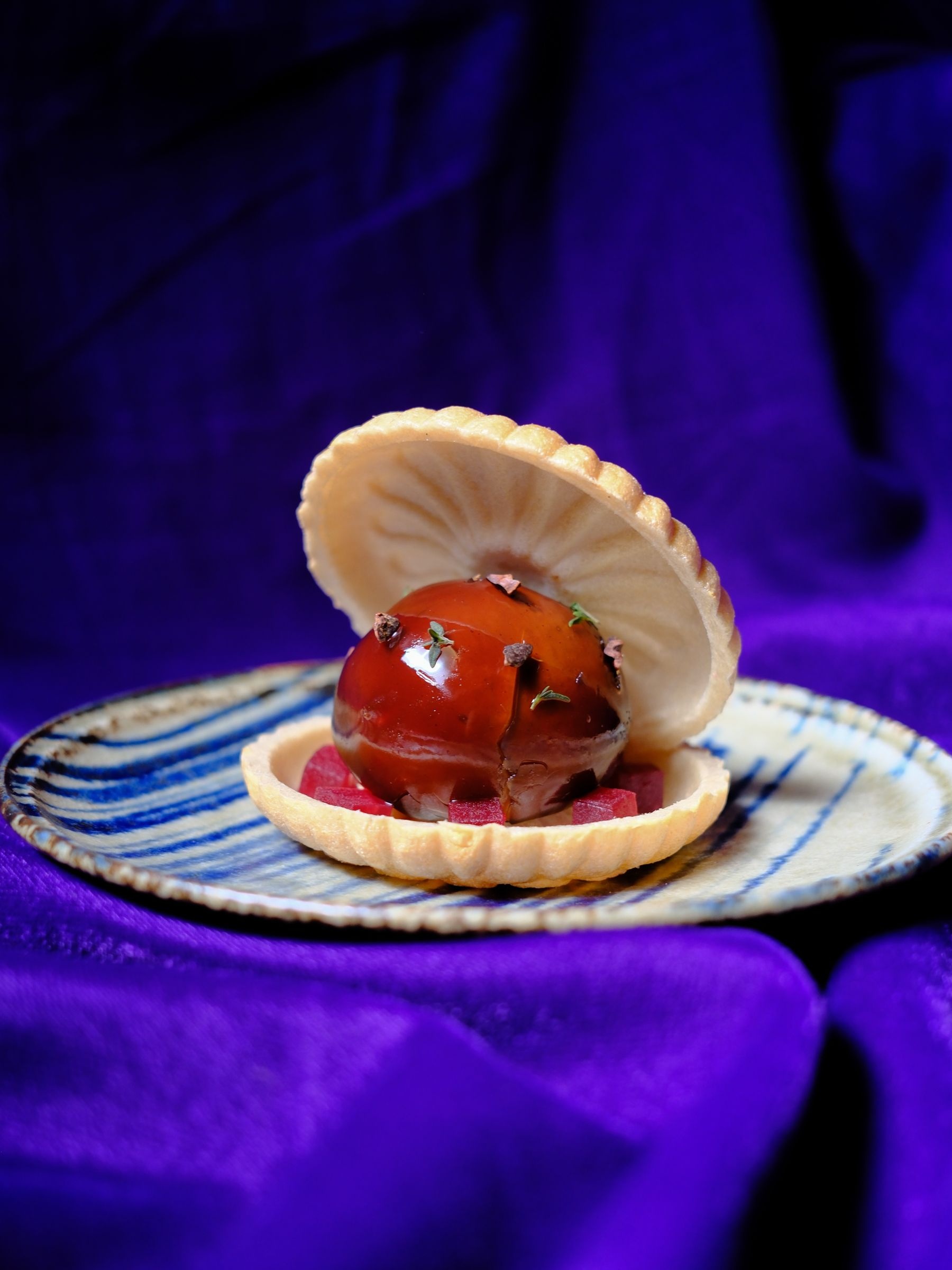
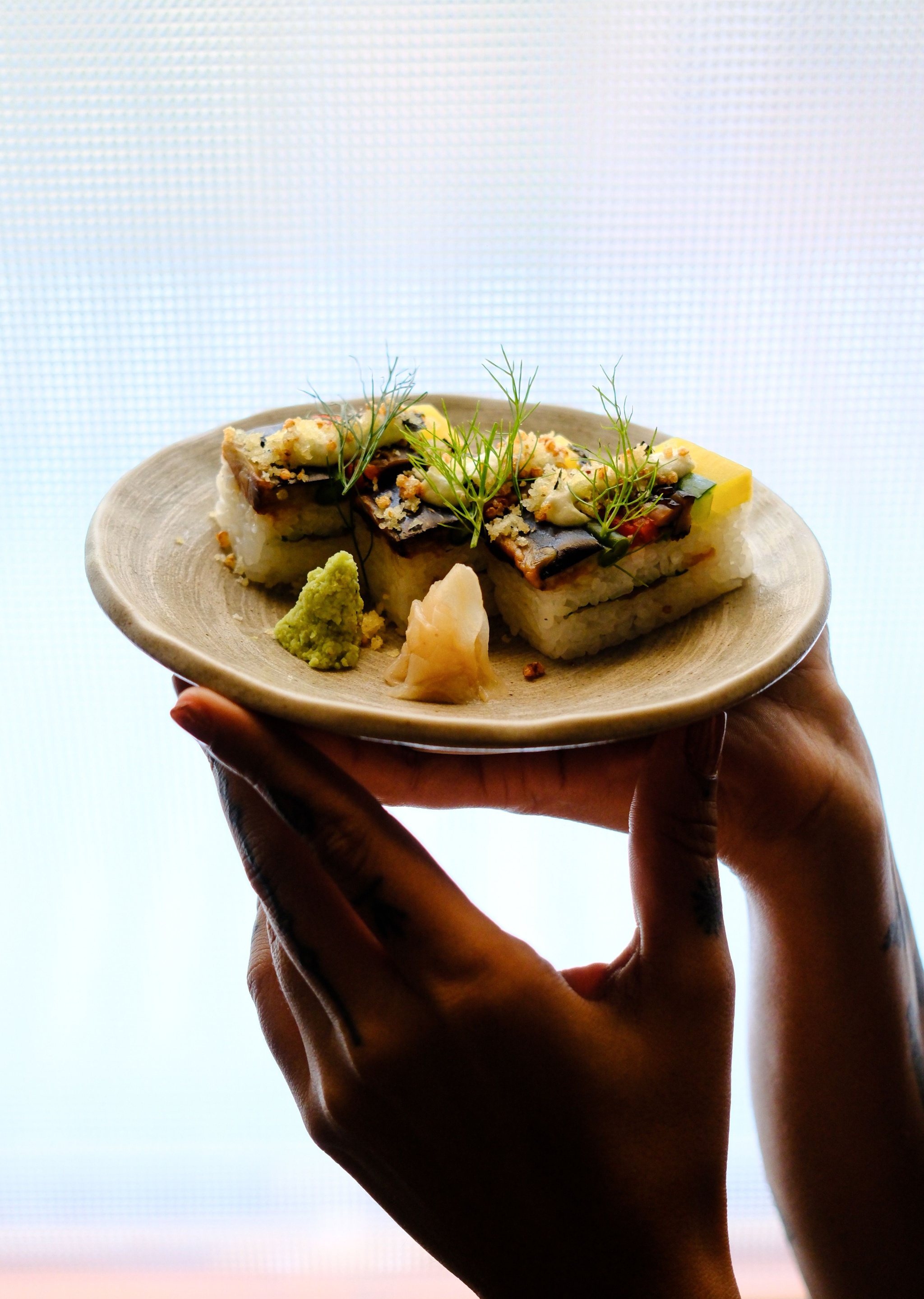
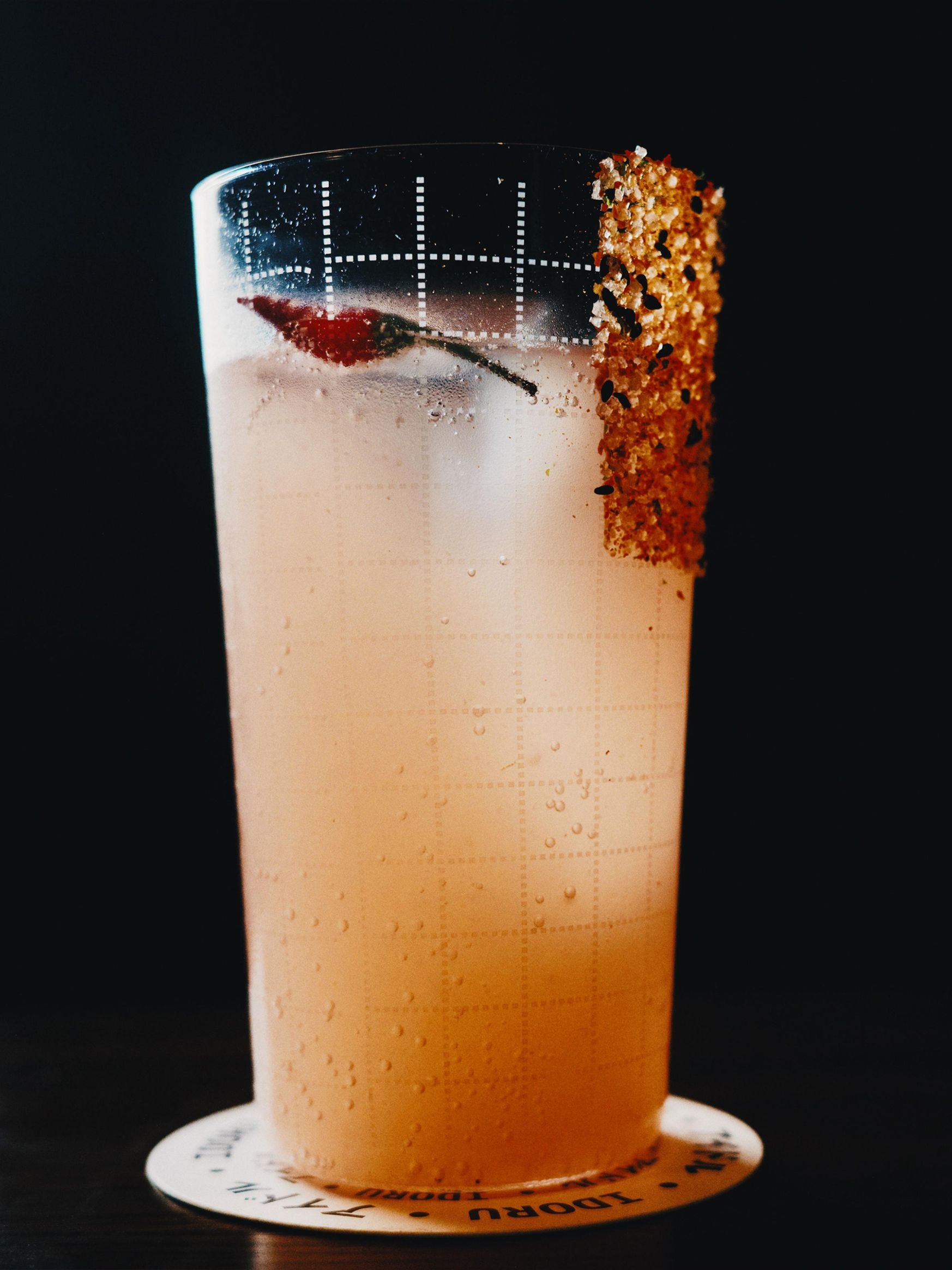
Here, stylishly uniformed bartenders with 1920s-style sequinned bowties execute a beverage programme developed by the founder of Bar Raven, a 50Best hidden, five-seater bar in Tokyo. Izumi, one of the finest Japanese kitchens in India, has put together a bevy of bar bites substantial enough to count as dinner. And yet Idoru simply calls itself a ‘bar’.
Idoru is an intimate, stylish, grownup, and instantly fanciable bar from Nooresha and Anil Kably, Neale Murray, and Owen Roncon, the folks behind Izumi. The name Idoru— Japanese romanisation of “idol”—nods to the constructed J-pop star, a polished, manufactured persona, and the William Gibson novel that popularised it in the ’90s. In the book set in 21st-century Tokyo, a musician wants to marry a virtual pop idol, a premise that now seems less sci-fi than reality. Why mention all this? Because Idoru was dreamed up—and named—by Anil Kably: “When I read Idoru in the ’90s, the whole virtual love thing seemed revolutionary,” he says. “Today it’s almost a fact.”
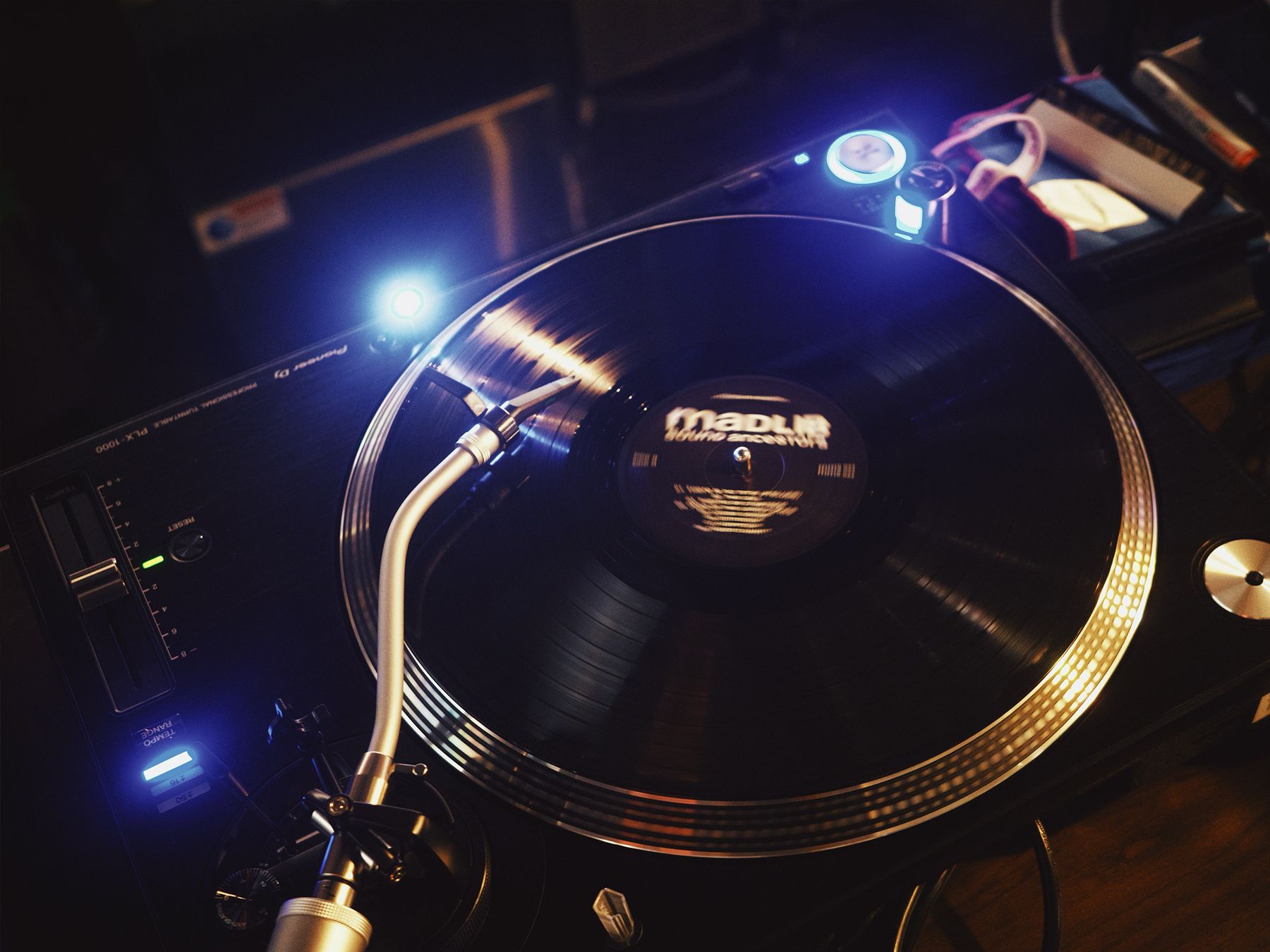
At Idoru, four audiophiles have pooled their vinyl collections to play them on the two PLX1000 turntables and custom-built speakers
Before Izumi, Kably has been the founder of other Bandra icons— Zenzi and The Bagel Shop. He is famously a nerd for music and counterculture, with interests that run wide and deep. For years, he imagined a bar built around great music. “I wanted a space where people can listen to different kinds of music,” he says. “It was originally conceived as a vinyl bar/listening room, but that quickly became a bad word. People don’t really listen in bars… And why should they? People come for a good time.”
Music is central, but guests aren’t expected to geek out at the team’s level—unless they want to. The sound system is custom: mains built in Jakarta, bass units in India inspired by Lansing. Kably says his brief to Kapil Thirwani of Munro Acoustics India was: when people walk in, no matter what level the sound is at, they should go ‘Wow! What the fuck is going on?’ And they do. Dynaudio custom BM-15s and a Euphonia rotary mixer produce a warm, harmonious, rounded sound with no harsh mids or highs. Even USB tracks behave. (No, they’re not being purists about vinyl.) On our visit, the music got satisfyingly loud, but we could converse across the table, no neck-vein-bulging required.
To guide programming and events, Kably brought in music journalist Bhanuj Kappal. “He knows his shit,” says Kably about his music consultant. The two share an interest in counterculture—slightly punk, slightly avant garde, but not so offbeat that guests can’t have fun. Once the initial rush settles, the bar plans to host visiting DJs, indie artists, poetry readings, book launches, and maybe watch parties via projector. Kappal also wants vinyl collectors to spin their own crates. “A record collection is part of your personality,” he says. “It’s a record of where you’ve been. Playing records is an act of sharing not only your music but also your story. We’ll have interesting people with great record collections come in, younger people as well as those who have been collecting for decades.”
Later, Kappal mapped a typical night’s musical arc via a note: start with a couple of neo-soul (D’Angelo’s, maybe), up tempo to jazz rap (De La Soul) and old school funk (Rufus and Chaka Khan or early Commodores) and end in disco and 1980s-’90s dance music, like early UK rave à la Happy Mondays and Primal Scream, or Big Beat à la Chemical Brothers/Leftfield. “That’s just a broad framework…what we play will depend on the night and the crowd,” he adds. “The idea is to leave space for conversation early and then shift to music that makes you move as the night goes on. Hopefully you leave with a couple of surprises still playing in your head, like the Libyan reggae or South China Sea disco records that we love to slip in between more familiar fare.” The sound has detailed analogue warmth, can get loud without ear fatigue, and the room sounds right no matter where you stand.