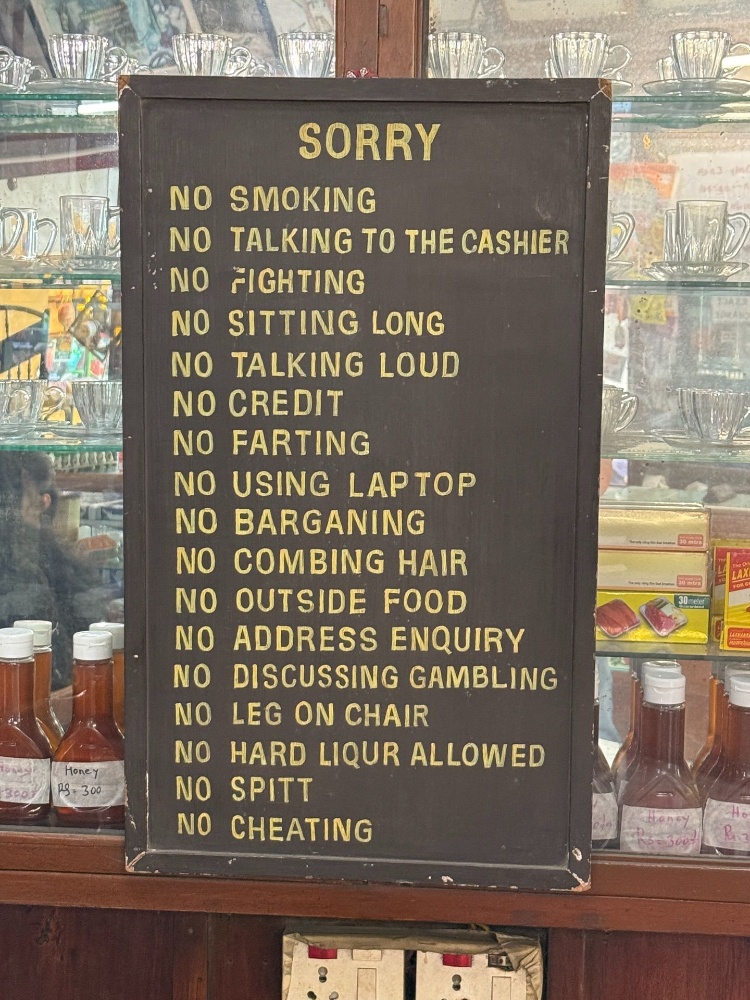





“ATTENTION: NOT A WORK-FRIENDLY CAFE” reads an indignant three-star Google review of Altry, a coffee roastery in Gurugram. “I decided to spend my Saturday morning here… I was disappointed when the staff told me it’s not a work-friendly cafe. I mean, I’m paying for my coffee and food, the cafe is empty. Why can’t you let me work in peace? Opening my laptop here became super stressful.”
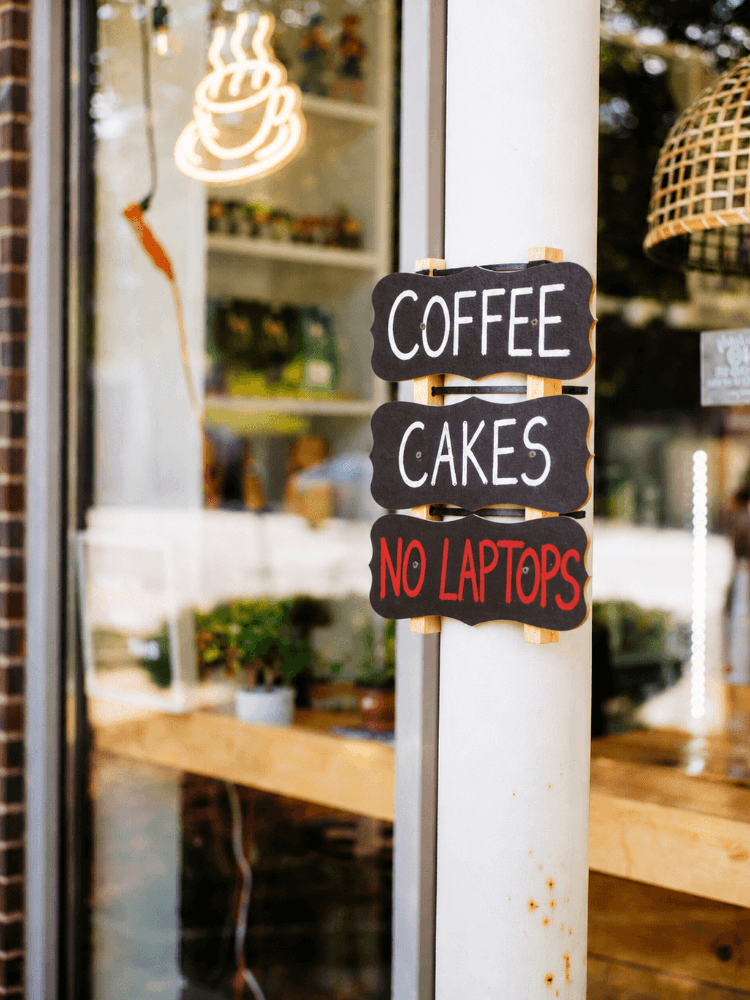
Surprisingly, founder Sahil Bhambri is unfazed by this condemnation—he’s heard it all before. “I’ve received backlash, criticism, and negative reviews from so many people,” the 30-year-old proprietor admits. You would think stingy freelancers, who nurse one black coffee through the day, are bad for business. But Bhambri and the ever-expanding roster of coffee shops that are discouraging walk-ins armed with MacBooks only think of the keyboard jabbers as mood killers: “The reality, though, is that banning laptops at a cafe in Gurugram is probably one of the worst commercial decisions I could have made. I lose customers and revenue because of it.”
His coffee shop is not the only spot stacking up bad ratings for just this one reason. Look up Alag, a small hipstery cafe in Goa’s Siolim with a fitting tagline—‘a slow lifestyle’—and you will find the same ferocity in many reviews. “We used to try to explain the thought behind the ban, but we were lectured on the business we were losing,” confesses co-founder Uddipan Sarmah. “Eventually, we stopped defending it. We’ll take the one star but the ban stands.”
A few weeks ago, X user Kautuk’s complaint about the ‘recent trend’ of coffee shops like Subko in Bengaluru disallowing laptops practically started a war on the internet: should cafes—seen today as modern third spaces and welcoming, neutral environments distinct from one’s home and workplace—ban laptops? Opinion is divided.
The Covid-19 pandemic caused a permanent increase in remote and hybrid working models. Since then, eateries offering (debatably) affordable snacks, free Wi-Fi and charging points have sprouted up on bylanes in every Indian town and city. Some spaces, including larger chains like Starbucks, Third Wave, and Blue Tokai, which were more likely to be able to afford the slow turnover of tables, were designed to cater to WFH crowds. “As someone wanting to spend the weekend working on side projects and personal side quests while sitting at a nice spot with some good vibes, sipping coffee or something, where do I go?” Kautuk lamented.
In over a hundred comments below, users passionately debated the pros and cons of this no-laptop policy. “People need to enjoy their weekends, unlike this bloke,” one commenter quipped. Another empathised: “Come on! Let’s be easy on them. Not all are lucky to have homes they can work from peacefully.” A reply to the latter read: “It’s a hit on the biz. They need to rotate tables.”