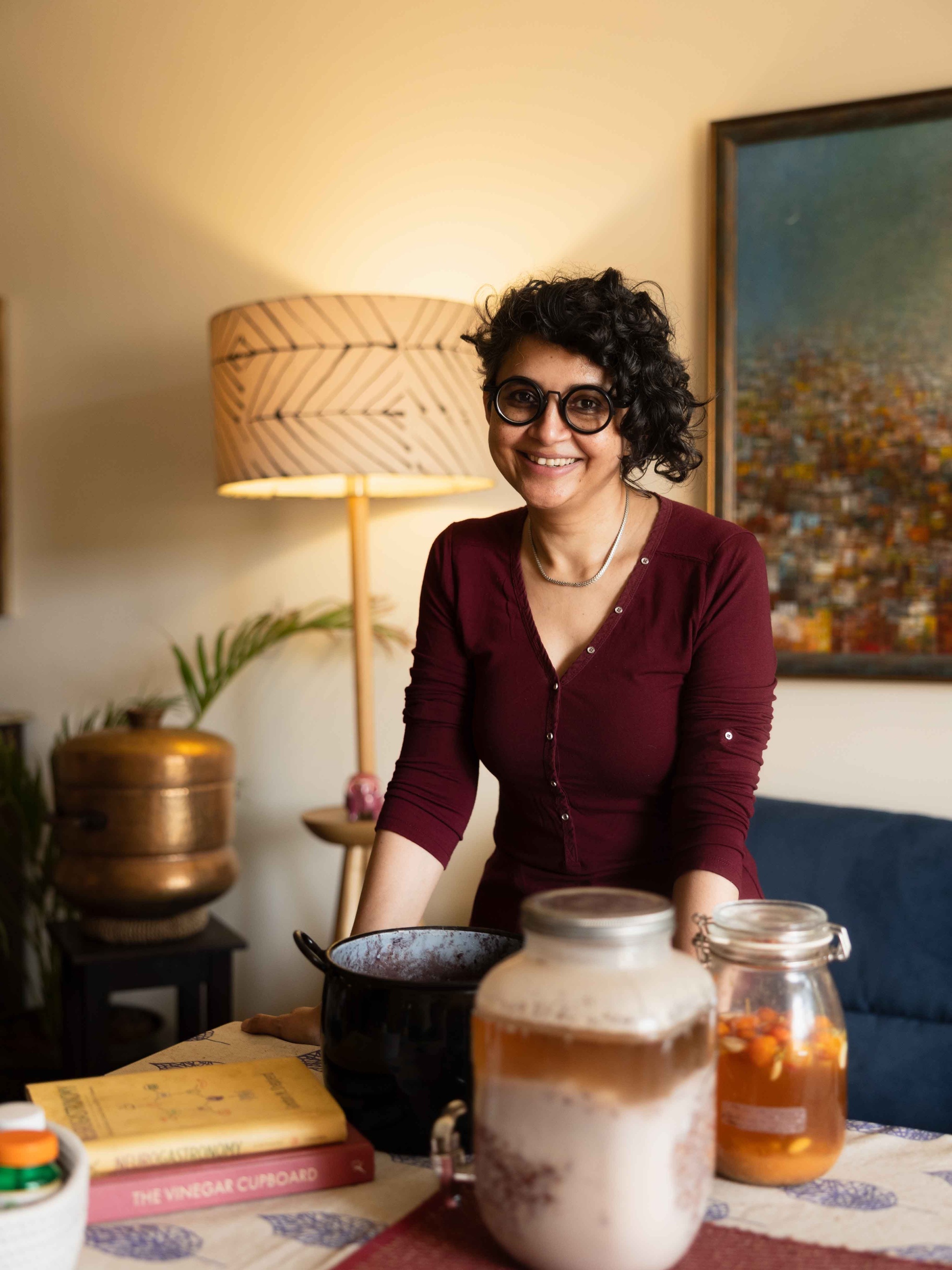




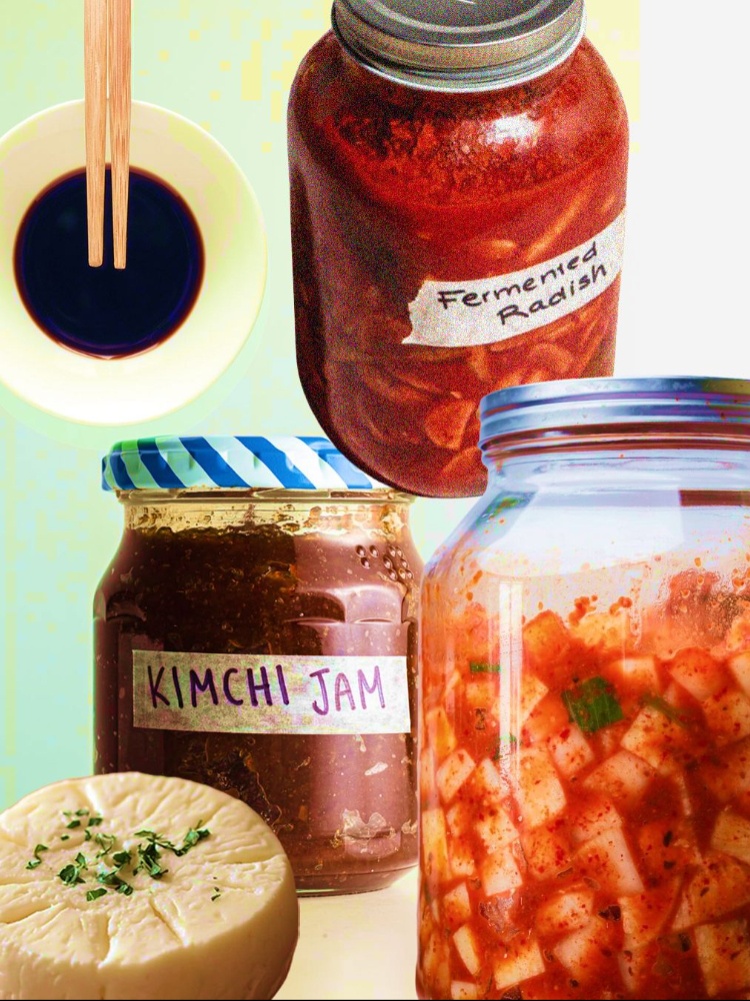

There’s a vessel in Payal Shah’s kitchen that she just keeps feeding. In goes leftover bisi bele bhath scraped from the bottom of a pot. Also in there: a spoon of leftover mint chutney, half an aloo bun, the last piece of a sushi order. Then come koji and salt. Gravity takes over from there. Days later, what drips out the bottom is deeply savoury and delicious.
The Bengaluru-based fermenter and Kōbo Fermentary founder calls it her reverse tamari. She lives alone, people keep sending her food, the fridge is small, so this not-quite-compost bin is what she came up with. Shah feeds it the way a baker would feed a sourdough starter. “Each batch tastes completely different,” she says. Given what goes into it, it would have to. You couldn’t repeat it if someone paid you to standardise it.
Payal Shah’s kitchen-scraps tamari is as good a snapshot as any of where Indian fermentation is going these days. It’s playful, resourceful, and not interested in the line separating purist tradition and experimentation.
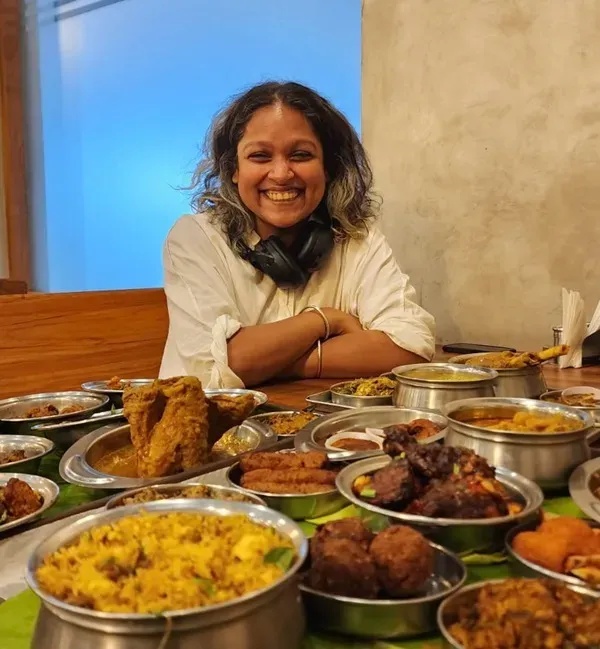
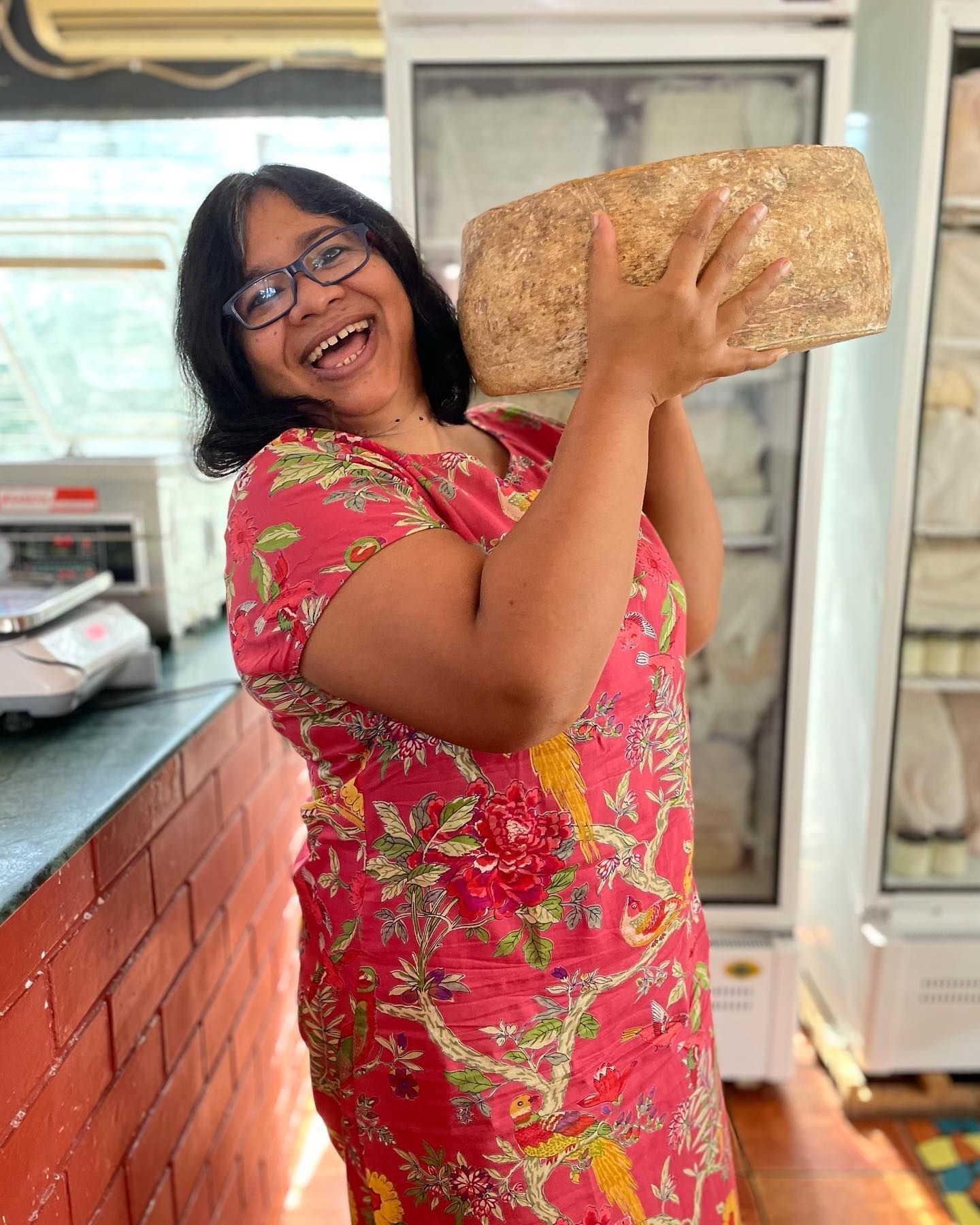
Shah is co-curating this year’s Desi Cultures, an online fermentation festival-conference, with its founder and food researcher Shubhra Chatterji. Chatterji launched the first edition of Desi Cultures in 2020, mid-lockdown, when Instagram was a parade of sourdough, SCOBYs, and starters. Yet, most of us overlooked the ferments already on our plates: dhokla, appam, khameeri roti, kanjivada. The conference was a reminder that we have our own eating cultures. Six years later, the conversation has widened and matured. “In 2020, we never thought we’d talk about fermentation from a diaspora point of view or an industry point of view,” Chatterji says. “How does coffee in India use fermentation? How do the new non-traditional alcohols use it? Koji was never something we thought of as Indian fermentation, and now we are.”
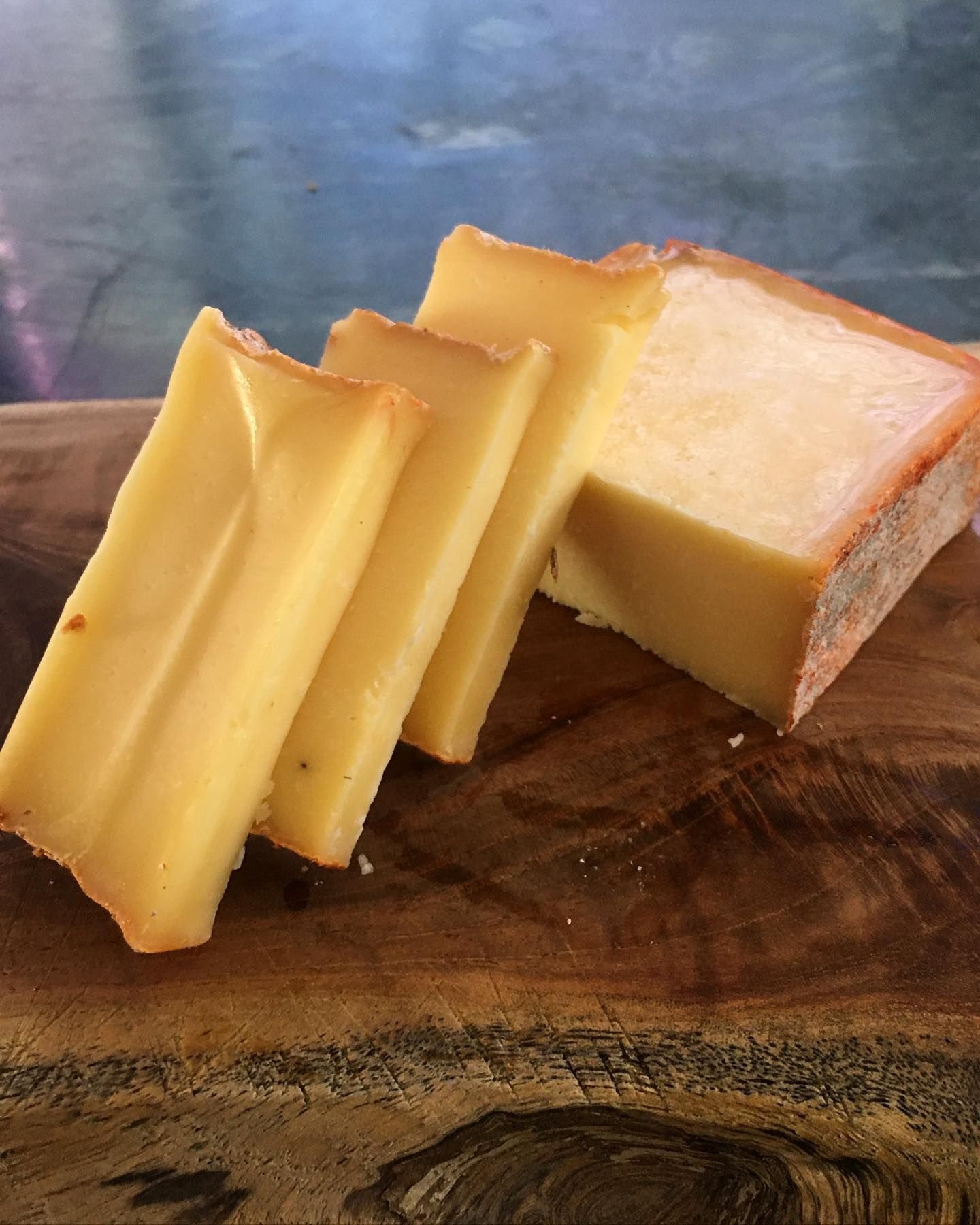
Running this week, the festival brings together chefs, cheesemakers, distillers, historians, and anthropologists across 10 online talks, all exploring one sprawling question: what can fermentation from our subcontinent contribute to the future of food?
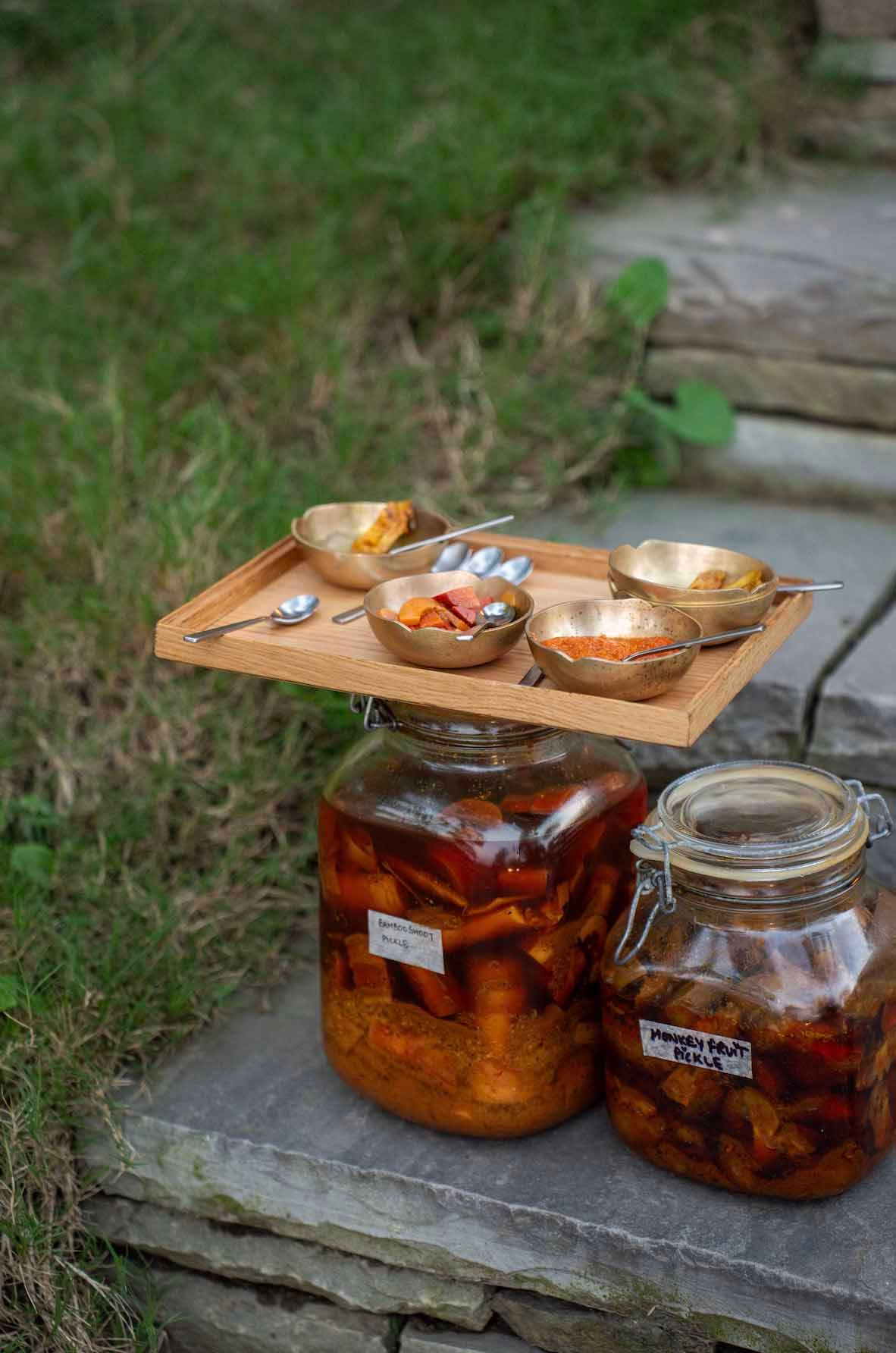
For the last decade, chefs and fermentation enthusiasts have been falling hard for other people’s microbes. Copenhagen’s Noma opened a fermentation lab and started bottling its own miso. Gochujang crept into dishes everywhere. Every cafe from Bandra to Berlin is now pushing kombucha. Meanwhile, India has been sitting atop a microbial larder so old and so woven into our daily cooking that, amid all the noise about kimchi and kombucha, it is easy to overlook that, between our achaars and dosa, our axone and kaanji, fermentation has always been part of the Indian table.