



Food06 May 20265 MIN

“Wait, I know you!”: How bars upped their IG game

Pulling them from behind the cocktail counter, bars, like restaurants and coffee shops today, are capitalising on their staff personas to build community and camaraderie

Image

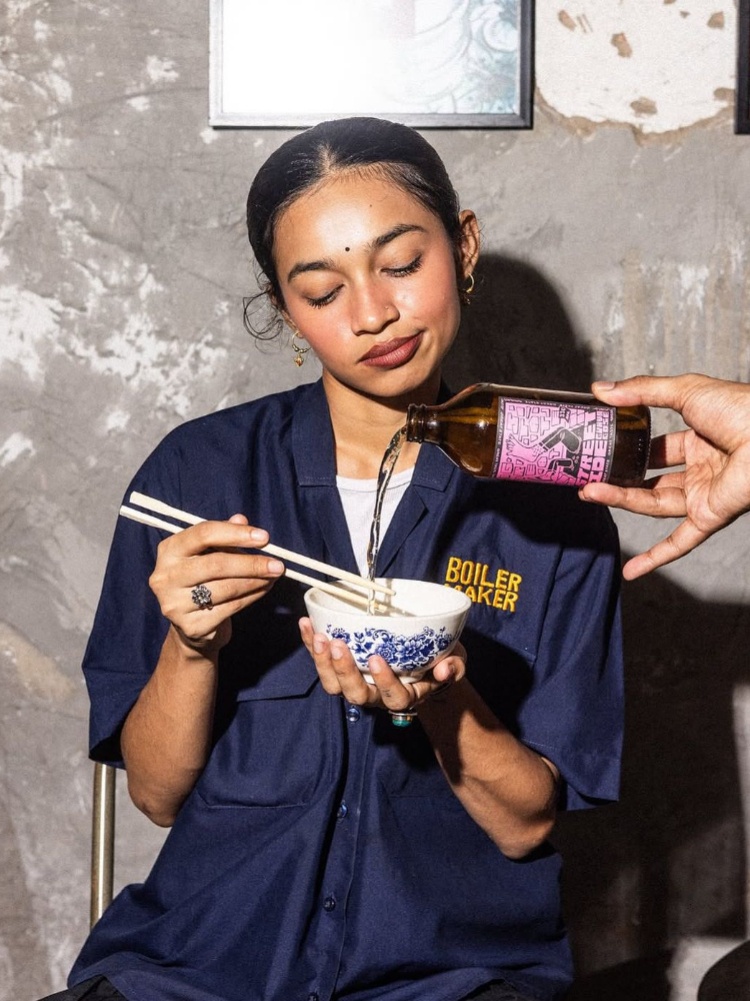
In many ways, Ash Nair has become synonymous with Boilermaker’s unfiltered, people-first vibe

Two dudes lounging under the sun, peoplewatching and just summering, is the kind of visual you’d associate with a regular travel blogger’s Instagram feed. But the video I’m looking at is not playing out at the beach; it is in Matunga East in Mumbai. And the guys in the frame are a part of the trio who go by The Croffle Guys, the co-owners who have made a successful business out of combining a croissant and a waffle, opening five outlets across the city in just a year.

On their IG, you won’t see the crossover dish in its many iterations from their menu. What you’ll find, instead, are episodic drops of the three founders discussing everything from their target audience to every cringe, absurd croffle-centred AI slop video they’ve encountered.

The Croffle Guys are not alone. A few minutes from their Santacruz store is Mokai, a popular Bandra coffee shop that has now become its barista’s playground. Mokai’s 50k-plus followers are not there to see the Hokkaido milk buns from their menu on their feed but to witness Suraksha roasting their guests about their fifty order modifications.

Episodic storytelling has helped cafes engage with their audiences. By putting the staff, the owners, and the people behind the scenes front and centre, bars and coffee shops are prioritising storytelling that familiarises patrons with their staff and the vibe they’d get. And Gen Z is entertained and intrigued. Mokai’s Suraksha-coded content and The Croffle Guys’ Reels garner more than 200k likes on an average.

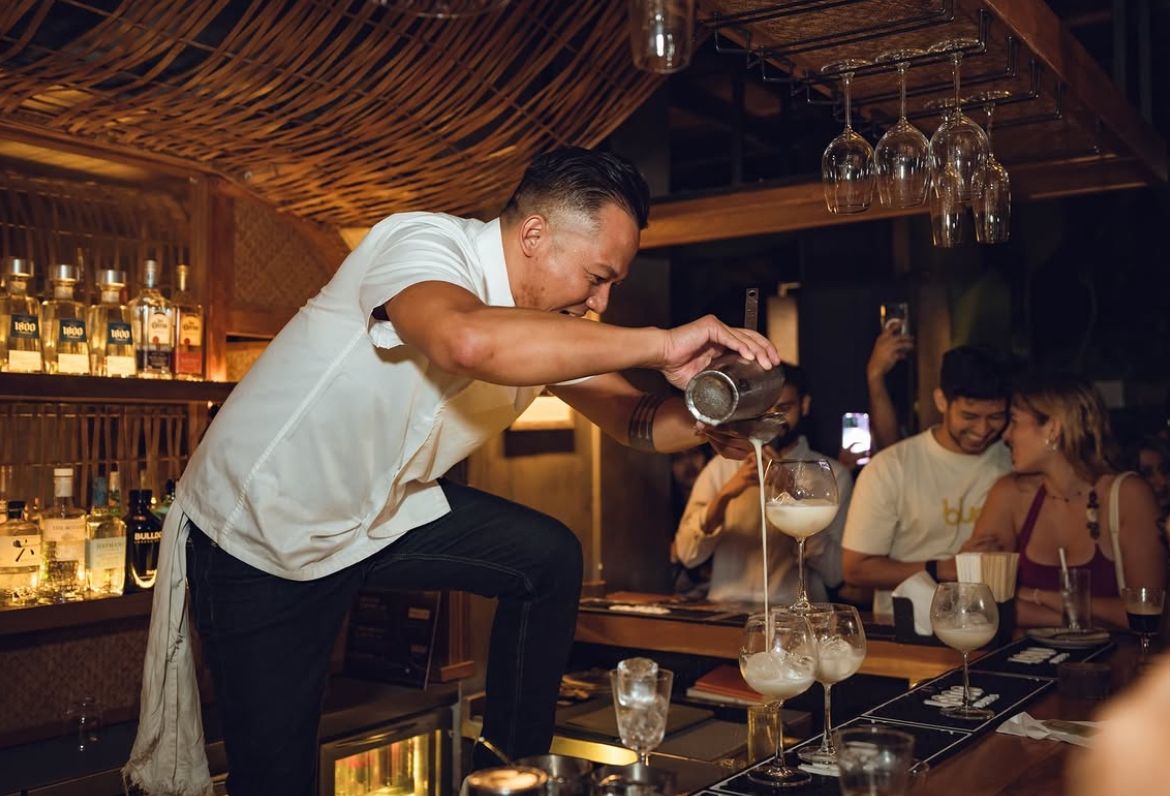
On the feed of Bengaluru’s Bar Spirit Forward, you may not see images of clinking beer mugs and clarified cocktails glistening with perfect condensation but high-production-value Reels that present a livelier grid, rife with tipplers having a good time, bartenders in action, and staff interacting with guests. In Goa, when The Second House opened its bar-within-a-bar, Bartender’s Bunker, they started with an introduction to the people behind the bar even before they introduced their drinks menu on the page. In recent times, Yash Bhanage of Hunger Inc Hospitality has amassed over 22k followers by sharing insider thoughts, chaotic BTS footage, and the camaraderie that goes into setting up a restaurant.
@bartenders_bunker insta.jpg
Bartender’s Bunker started with an introduction to the people behind the bar even before they introduced their drinks menu on the page

Studies reveal that 73 per cent of the Gen Z and millennial clientele pick a restaurant based on what they see on their feed—not just PR buzz, influencer reviews or general ratings. “F&B influencers can draw people to these spots, yes. But when a bar posts videos or photos on Instagram that show you what the experience and vibe you’re walking into might look like, it paints a clearer picture,” says Nitin Tewari, consultant mixologist for several bars in India and around the world, from Bhawan in Gurugram, Taro in Udaipur, and Toast & Tonic in Bengaluru, to Foreign Return in Sydney and Rooh in San Francisco.

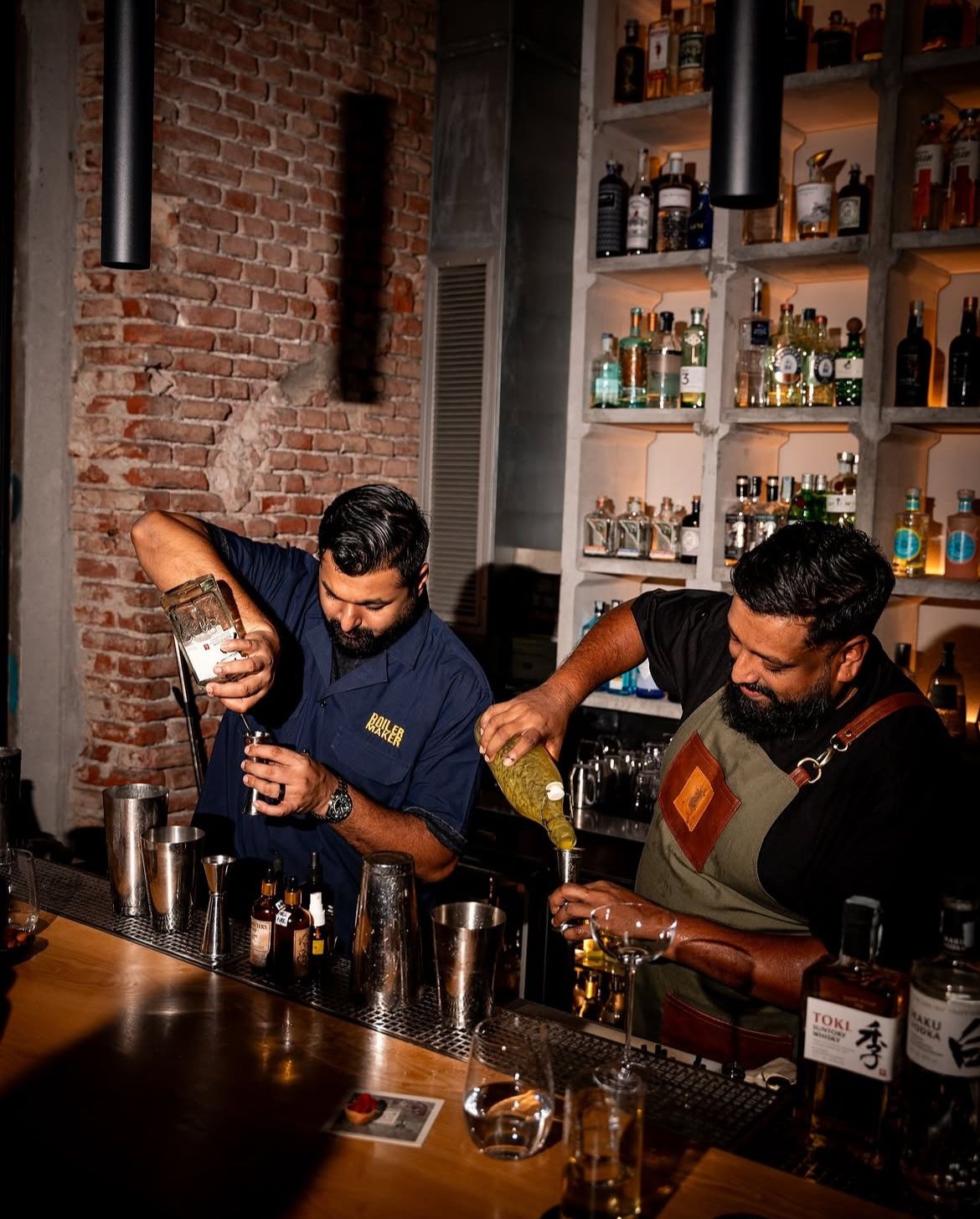
The strategy now involves moving beyond menu drops and Pinterest-y posts to truly reflect what’s changing behind the bar. The bartender is now part host, engaging, interacting and sometimes even partaking in your drinking rituals. You’ll notice this shift at some of the buzziest bars today, whether it is Boilermaker in Goa, Soka in Bengaluru, or Bandra Born in Mumbai.

“One of the most fun things I do with guests is an interactive cocktail workshop at the bar,” explains Aashie Bhatnagar, former lead bartender at Cobbler & Crew, Pune, and winner of the World Class India Bartender of the Year title in 2023. “I start by teaching them a few classic cocktails, and then I turn it into a mystery box challenge,” says Bhatnagar about her interactive ideas. At her bar, guests are given a box of surprise ingredients and have 30 minutes to create a cocktail inspired by a personal story. “It’s a beautiful mix of creativity and chaos, a level of guest participation that even five years ago would have been rare,” she adds.
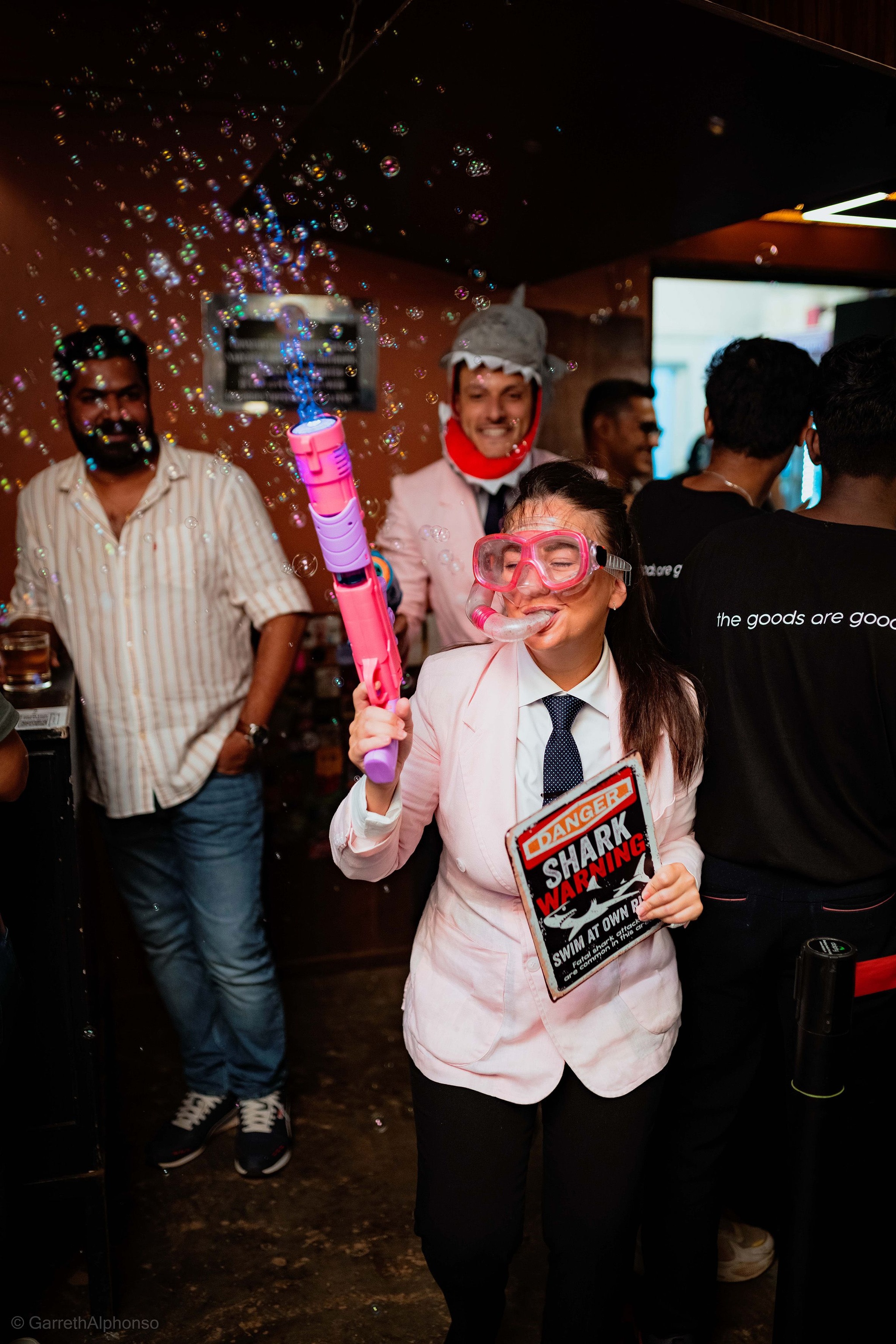
Md Shabaz, trade ambassador, Bacardi East, who has been behind the bar at Little Bit Sober (Kolkata) and Saz and Cirrus 9 in Delhi, remembers a time when bartenders wouldn’t engage with customers beyond service, and hanging out with them after a shift wasn’t de rigueur. Now, he joins patrons on bar-hopping trails and continues the conversation outside the bar. “The role has expanded; we engage more with guests, share stories, and sometimes even become a part of their overall experience,” he says.

Basically, every bar wants to be called a hangout—a hangout for enjoying a crafty cocktail, a hangout for Gen Z who are not necessarily there for the drinks. Nathan D’Costa, co-founder of Hideaway in Goa, sees the merit of building spaces with personality rather than just good products. “It makes it friendlier. We weren’t trying to curate a particular image; it came as a natural extension of who we are,” he explains.

However, the ‘great hang’ badge isn’t exactly easy to earn or curate. A series of elements makes a bar ‘fun’: Friendly staff, popular music (that people can sing to) and hearty bar food.

Ash Nair is a smiling face you’ll often see on the Instagram feed of Boilermaker in Goa. Meet her in person, and she is exactly as warm and authentic as social media suggests, bringing you a beer as you chat about cheesy rom-coms or her favourite beach cafe. Nair is garrulous, and if you’re chatty enough, she will lead you into the bar’s signature drinking games or rope you into a staff-guest dance-off in front of the bar—rituals that don’t seem out of place at Boilermaker. “We want our Instagram to be as real as possible. It’s mostly raw, unfiltered content that we put out. Because, when you come to the bar, that’s how we are—unfiltered. The guests are like our friends, and we greet them and engage with them that way. It’s why people keep coming back!”

At bars like these, regulars are a constant presence. There are tourists ticking off lists or following influencer recommendations during a short stay. But there are familiar faces who, over time, become part of a community.

Nair notes that people who come to Boilermaker for the first time often recognise the staff from their Instagram, and that creates an instant connect. “We’re not random servers or strangers to them; we’re actual people who are passionate about what they’re doing. They’ve engaged with us, in a way, through social media and it makes them comfortable.”

Ananth Kumar, photographer for spaces like The Library Bar, Barbet and Pals, World of Mr Button, Boilermaker, Latango, Kamei, and Banng, has watched bar storytelling shift over time. He points to Delhi’s Sidecar as a clear example of this change. What started as a bartender-led, technique-heavy visual language has evolved into something more community-driven, especially as it regularly features on the World’s 50 Best Bars list. Now, he says, the focus is less on technique and more on belonging—the “Sidecar family”, guest collaborations, and the people in the room.

Tewari believes that a good menu brings patrons in, and the promise of a having a great time will make them stay—and come back. “People want a great drink. But they also want to find music they like and meet like-minded people when they go out. That’s what turns a first-timer into a regular.”

The Nod Newsletter

We're making your inbox interesting. Enter your email to get our best reads and exclusive insights from our editors delivered directly to you.