





Anita Lal is 78 years old and has never once used sunscreen. While the beauty industry has spent decades building an entire theology around SPF—the daily ritual, the reapplication, the low-grade panic of stepping outside without it—the founder and creative director of Good Earth has been using botanical oils, watching her skin, and drawing her own conclusions. “You’re weakening your own barrier. The skin is not getting the vitamin D it needs,” she says.
While it may come across as your grandmother’s slightly out-of-touch view, it is a position she holds with complete conviction. When questioned, she explains, “I’m not saying it’s not important, but ask the right questions—when, what, how, why—and use it intelligently. Not out of panic because everybody is saying you cannot step out without it.” Her explanation speaks to the spirit from which ITI, her new skincare line launched this April, was born: decades of reading, researching, experimenting, and refusing to take anything at face value.
Lal begins the story of ITI the way she seems to begin most things—in the middle of something personal, something she couldn't stop thinking about. “It started over 30 years ago. I had inflamed skin, and I was burning.” The culprit was a high-end Japanese skincare product, applied to a barrier already stripped by years of alcohol-based clarifying tonics. Her skin revolted, and doctors couldn’t offer anything useful. The only relief came from pure rose water.
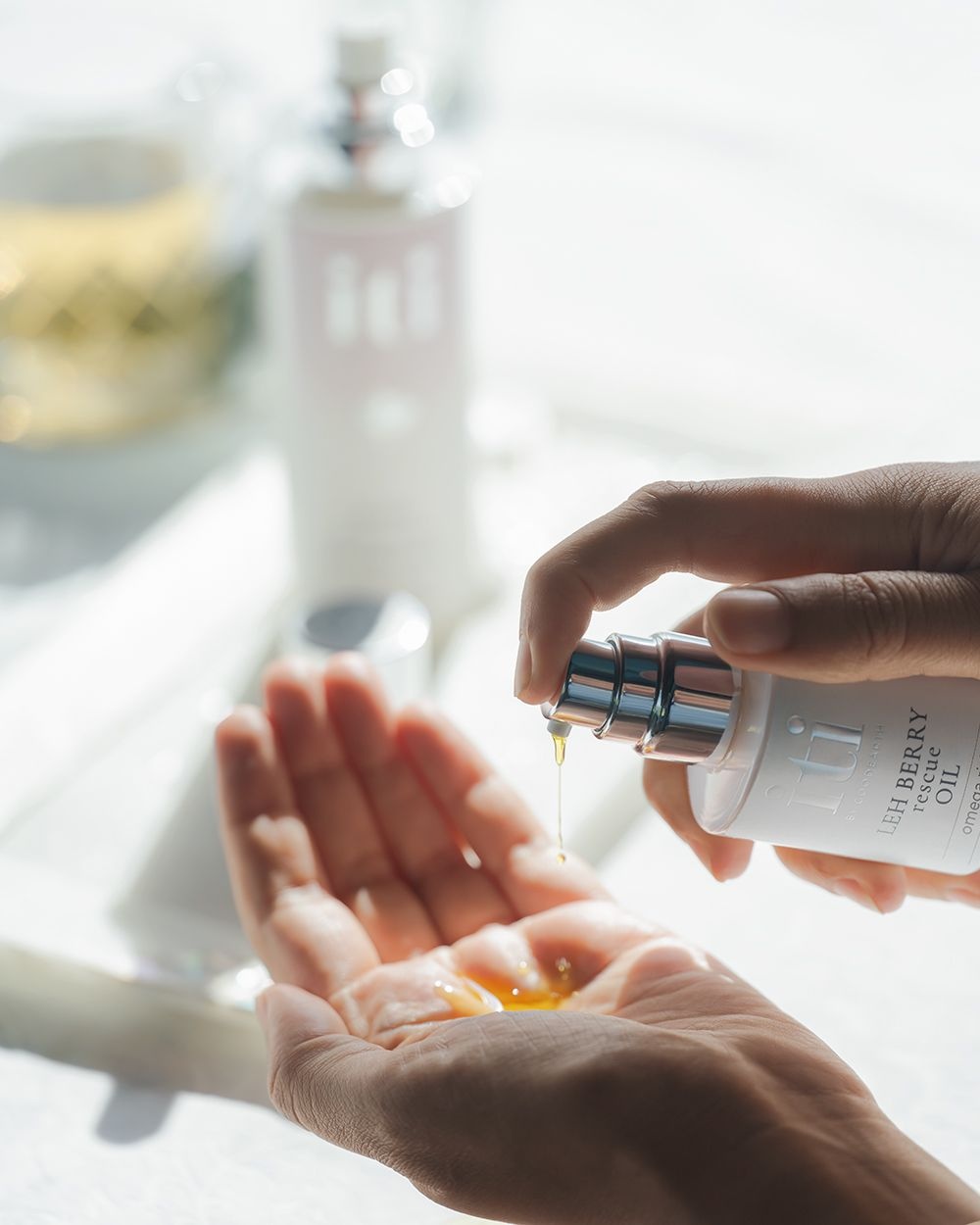
That is when, with a copy of Pratima Raichur’s Absolute Beauty, she retreated to her house in the Himalayas and began experimenting with what she found in the hills around her: wild peach oil, apricot oil, rose oil, sea buckthorn. Currently, her pared-down routine includes the Leh Berry Rescue oil and a local Himalayan blend she refers to as Devi oil. “Don’t put on your skin what you can’t eat,” she says. “Everything you put on goes into your bloodstream, and anything the liver doesn’t recognise, it has to work hard to flush out.”
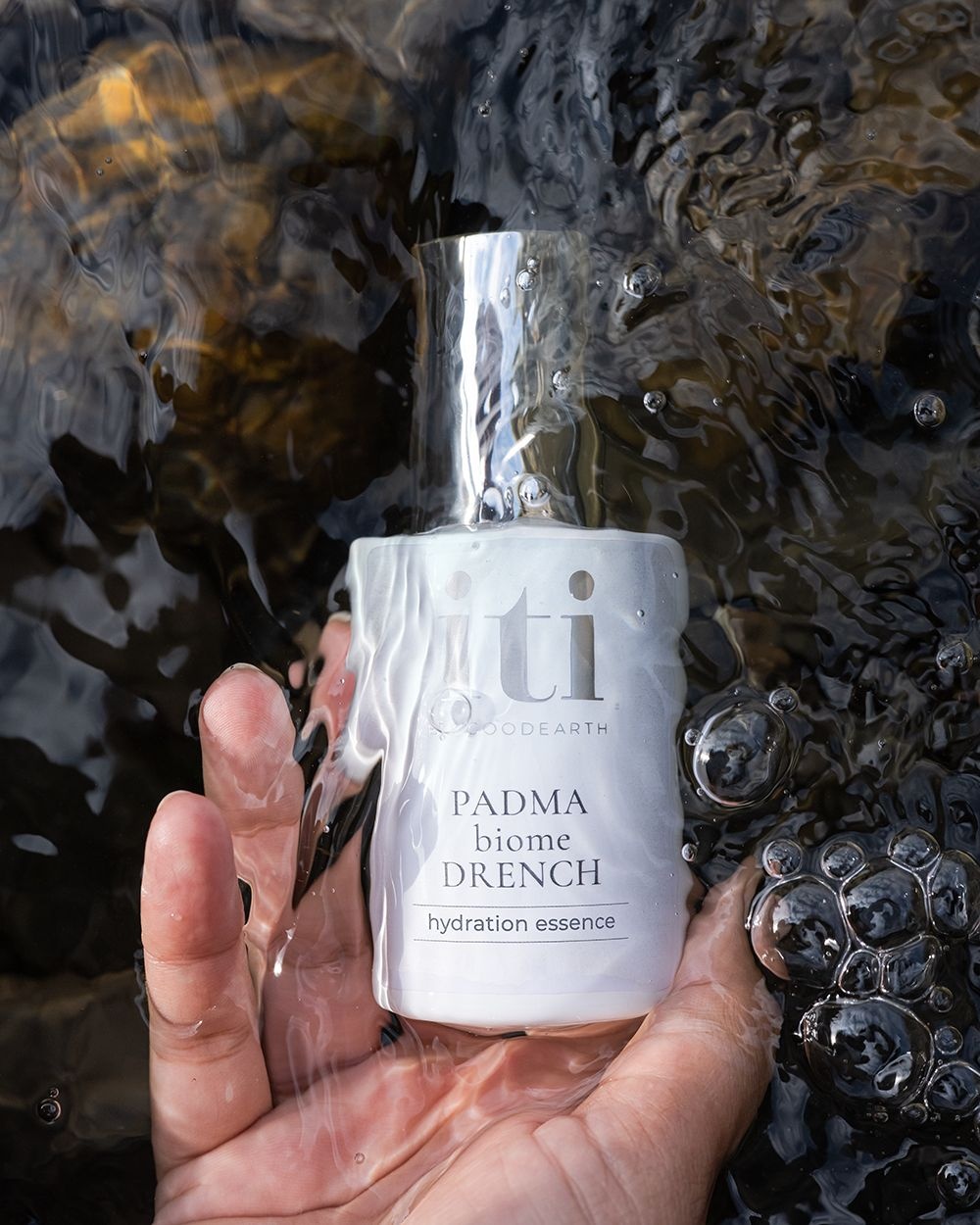
What followed was years of a professor’s daughter’s impulse, she says, to keep looking and questioning. The research culminated in the launch of Paro, a wellness and skincare venture that she started with her daughter Simran Lal. And then this year, ITI arrived: 18 products across five categories, formulated entirely in-house at an atelier outside Delhi, every active COSMOS-certified, every ingredient traceable back to the hand that harvested it.
The name is a Sanskrit term—ITI, meaning “as it is”—and it sets the tone for everything that follows. The formulation philosophy rests on three pillars: hydration, moisturisation and layering, structured around what the brand calls chrono-responsive principles, drawn from the Vedic concept of dinacharya—protect by day, restore by night. She says she chose ingredients that mirror what the skin already produces naturally, from botanical sources, because “the skin simply recognises them”.