



Food10 Aug 20264 MIN

Think you know Nepali food? Let Jimbu Thakali correct you

The Gurugram outpost of Kathmandu’s beloved restaurant chain introduces Delhi-NCR to the wider repertoire of Thakali and Newari cuisine

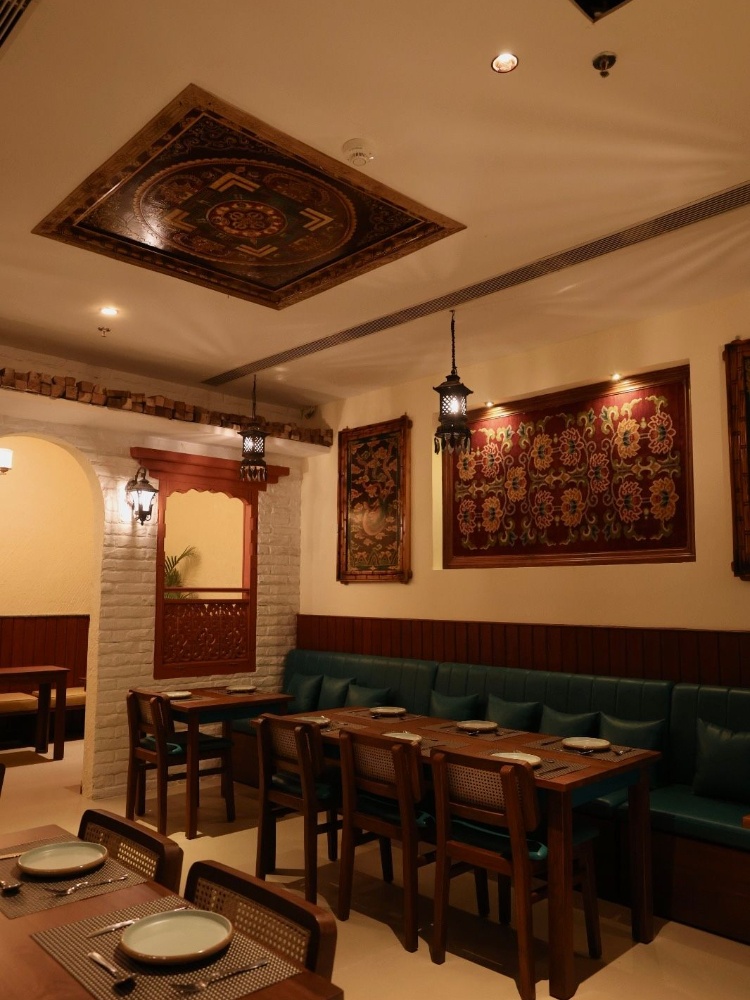
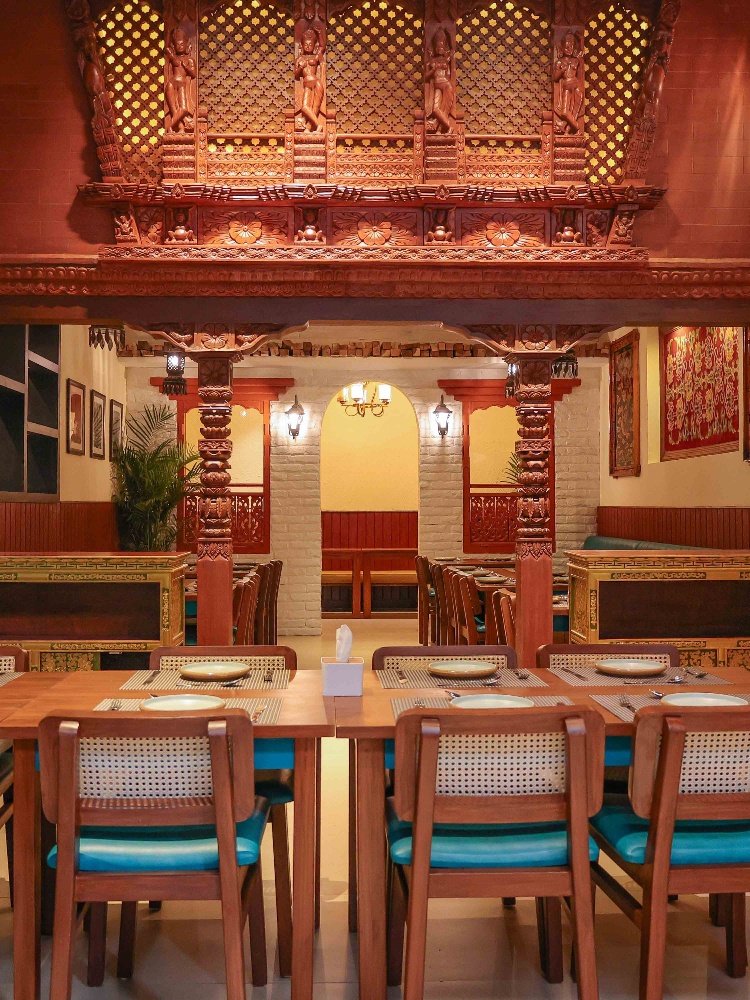
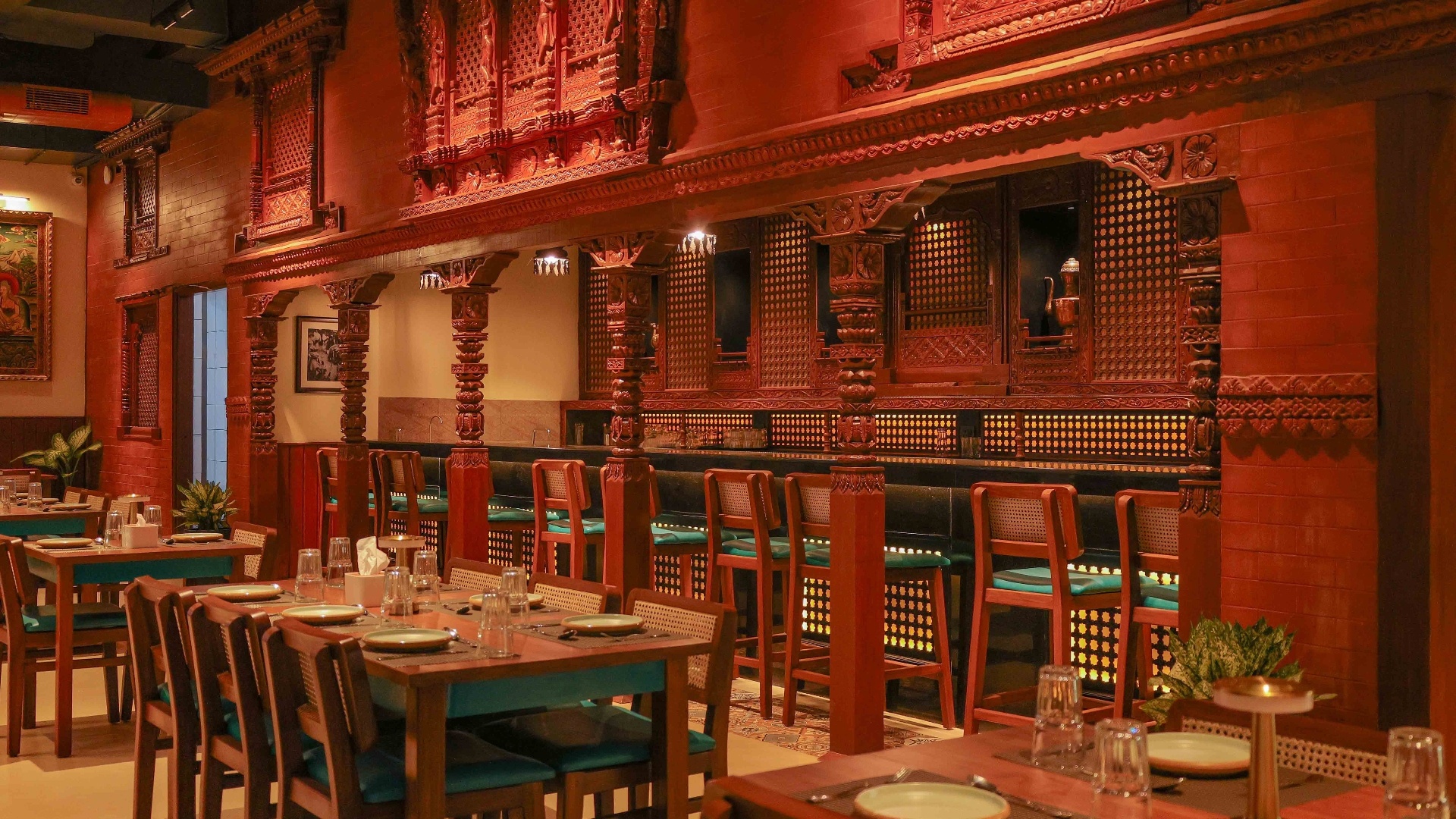
Jimbu Thakali features wooden interiors

At Jimbu Thakali, Newari architectural details sit alongside Himalayan influence

If you have grown up in Delhi, chances are you had tasted at least one staple from a Nepali meal. There are momos on practically every other street and thukpa, traditionally Tibetan but also popular in Nepal, makes a regular appearance in many food-populated pockets such as Humayunpur and Majnu ka Tila. The Himalayan nation has several distinct culinary traditions, from Newari to Limbu and Terai, but Thakali remains among the most popular. What was still missing in Delhi-NCR was a more authentic expression, with ingredients brought in from across the border. Jimbu Thakali, at M3M 65th Avenue in Gurugram, is changing that.

After four outlets in Kathmandu, Gurugram is its first international outpost. For founder Vivek Sherchan, whose family traces its roots to Mustang’s Thak-Khola region, Delhi-NCR was a natural choice. For one, Delhi has already embraced one of Nepal’s most recognisable exports, the momo. But Sherchan doesn’t want to box the Gurugram outpost into Thakali alone. “Since we’ve moved to India, I guess we shouldn’t call ourselves a Thakali restaurant anymore,” he says. “We represent Nepal now.” So, while the Thakali thali is the anchor, the menu draws from across the country—Newari classics alongside dishes like chatamari that are less familiar to Indian diners. After all, he points out, tandoori and chicken tikka are everywhere in Nepal, while finding a proper Nepali restaurant in Delhi is still surprisingly difficult.

And there is a lot more to Thakali food than the thali that arrives looking like a small edible universe. The cuisine comes from the Thakali community of Mustang, a high-altitude and windswept region where buckwheat, fermented vegetables, preserved meats, potatoes, and Himalayan herbs shape the cooking. Jimbu, a dried herb related to chives and garlic, and timur, Nepal’s citrusy, gently numbing pepper, are two of its defining flavours. The cuisine is aromatic and layered rather than aggressively spicy.
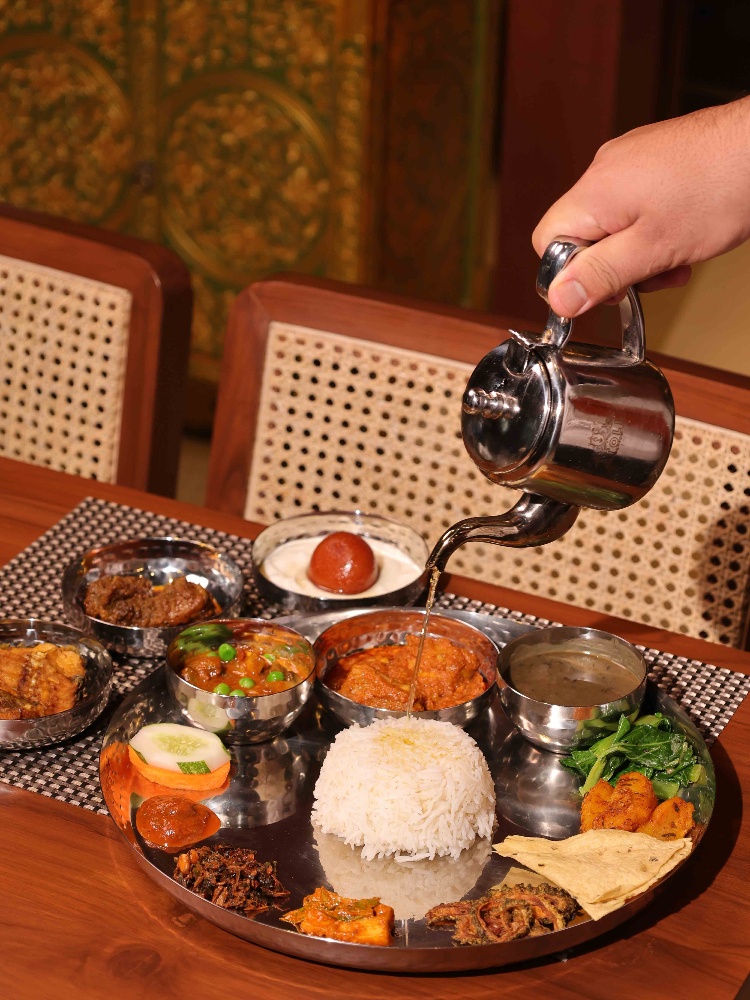
You can taste that restraint in the dal that comes with the thali. Sherchan explains that the dal is repeatedly mashed with an iron ladle in an iron vessel, a traditional Thakali technique that deepens its colour and flavour. The finishing touch is a jimbu and ghee tempering poured over the dal.

The thali also comes with a choice of rice or dhido (a buckwheat mash), jimbu-spiced aloo, fried bitter gourd, gundruk sandeko (seasonal fermented greens), tomato chutney, and a choice of chicken, mutton, fish or vegetable curry. I had the rayo saag, or broadleaf mustard greens, brought in from Nepal, which had a pleasantly earthy bitterness. The curries have the slow-cooked quality of home food, with shallots adding a little sweetness, while the fermented gundruk, radish pickle, and tomato chutney keep things bright.

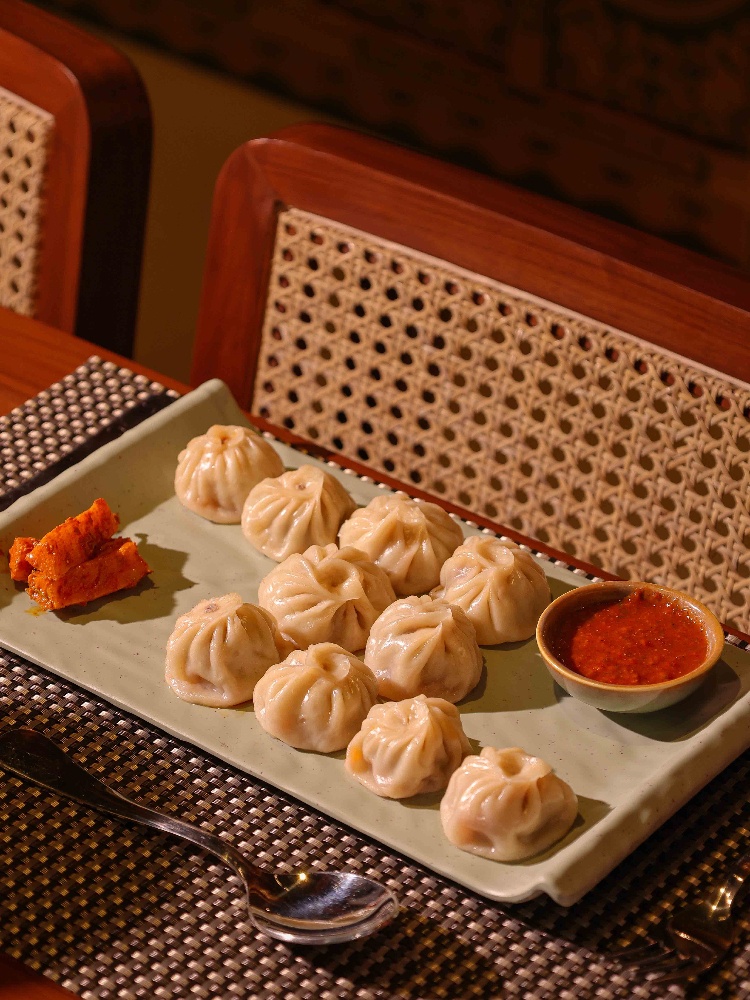
The mutton momos on the à la carte menu are worth ordering too. The wrapper is thin and delicate, letting the juicy, finely minced mutton and chopped shallots come through. A punchy tomato chutney and radish-top pickle add heat and crunch.

Choila is one of those dishes that shows how much of the cuisine remains unfamiliar in Delhi. A cold spiced salad associated with Newari cuisine, it was traditionally carried by farmers to the fields as a meal, Sherchan tells me. I am not particularly fond of cold food, so the mushroom choila doesn’t quite win me over. The choila wings, however, are much more my palate: the smoky, mustard oil-laden marinade works particularly well on the chicken, giving it plenty of flavour.

Kanchymba (crisp buckwheat fries served with tomato chutney and timur powder) and chatamari (Nepali pizza) make for easy snacking. The fries are nutty and crunchy, with the timur leaving a gentle tingle, while the chatamari is made with rice flour and topped with egg and chicken, with crisp edges and a soft, savoury centre. I’d happily order both to line the stomach before a long night out.

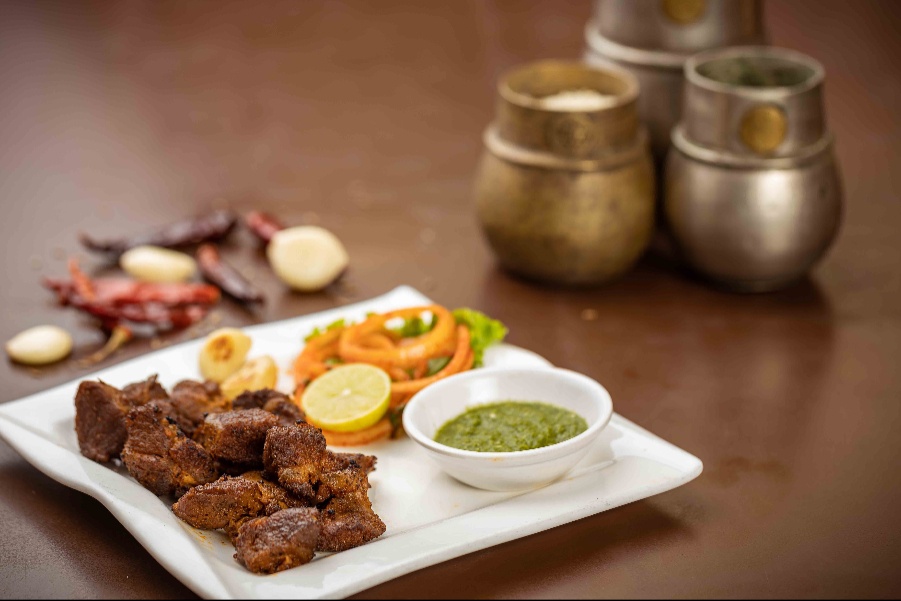
Mutton sukuti is another taste of the region, traditionally made by dehydrating meat to preserve it where refrigeration wasn’t an option. At Jimbu Thakali, it takes eight to nine hours in a dehydrator rather than the weeks it could take in the mountains. It is chewy and jerky-like, with pronounced ginger and garlic flavours.

For now, the bar licence is still awaited, but once the bar is operational, I am told that their cocktail programme will lean into Himalayan ingredients, with infusions built around jimbu, timur, lapsi, and other herbs.

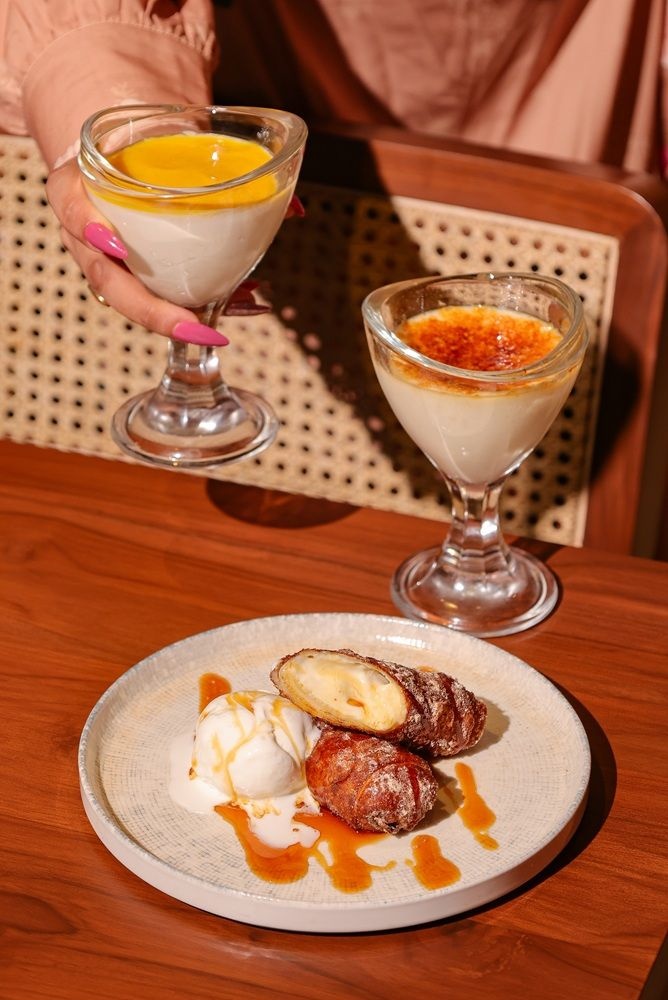
For dessert, there is juju dhau, a baked yoghurt made with buffalo milk and known for its custard-like texture. It appears on the menu as both a panna cotta and crème brûlée. (I preferred the panna cotta. It was creamy and lightly tangy, with subtle sweetness.)

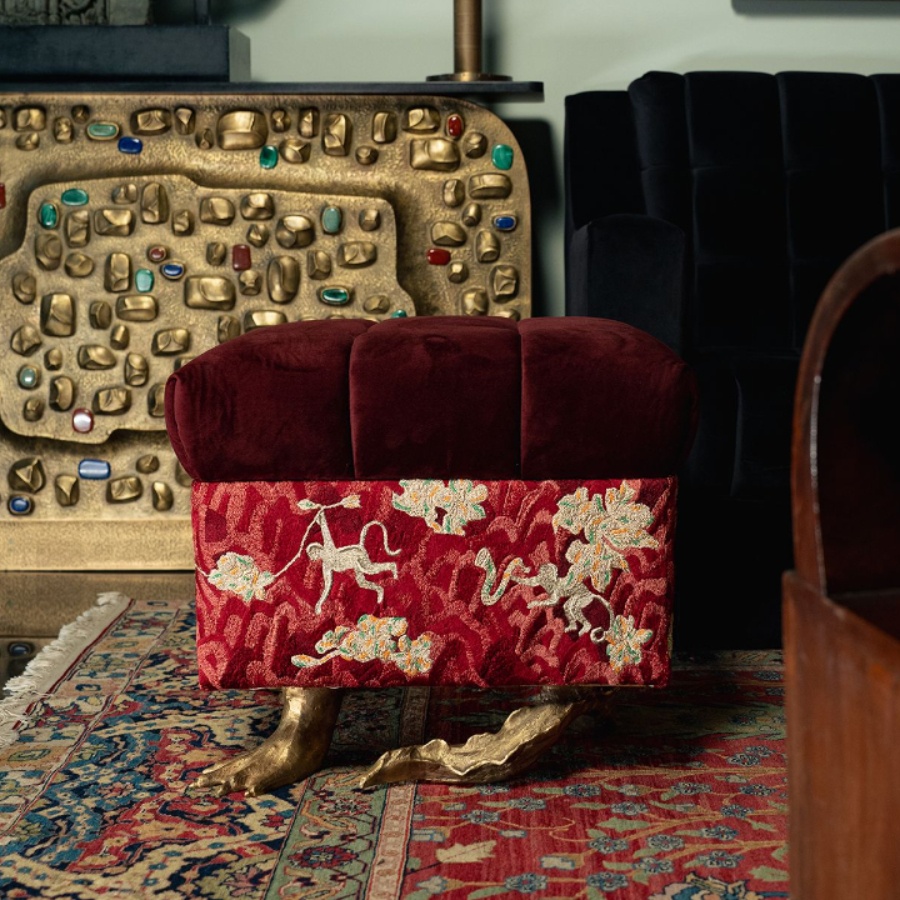
The restaurant’s story also shows up in the interiors. Newari architectural details sit alongside Himalayan influences, with carved wood, red terracotta walls, mandala artworks and Tibetan carpets nodding to Nepal’s Hindu and Buddhist traditions and its historical ties with Tibet. The walls are lined with photographs of the Thakali community in Mustang, including four originals tied to Sherchan’s family history.

That is perhaps what makes Jimbu Thakali interesting. You can move from a Thakali thali to Newari choila, buckwheat kanchymba, and juju dhau in the same meal. 

Address: LG floor, R3-27–31, M3M 65th Avenue, Sector 65, Golf Course Extension Road, Gurugram - 122102

Price for two: ₹1,500 + taxes

Timings: noon to 11 pm, Tuesday to Sunday (closed on Mondays)

Reservations: +91 9217077441

The Nod Newsletter

We're making your inbox interesting. Enter your email to get our best reads and exclusive insights from our editors delivered directly to you.