



Fashion22 Sep 20263 MIN

Lovebirds takes ‘Adarsh Balak’ and Bata-inspired chappals to London

The label’s London Fashion Week debut turned vintage hand-painted posters and billboards, Bata chappals, and kitschy backdrops from old-school photo studios into a sharp study of Indian visual culture

Image

Courtesy Kiera Simpson / Lovebirds

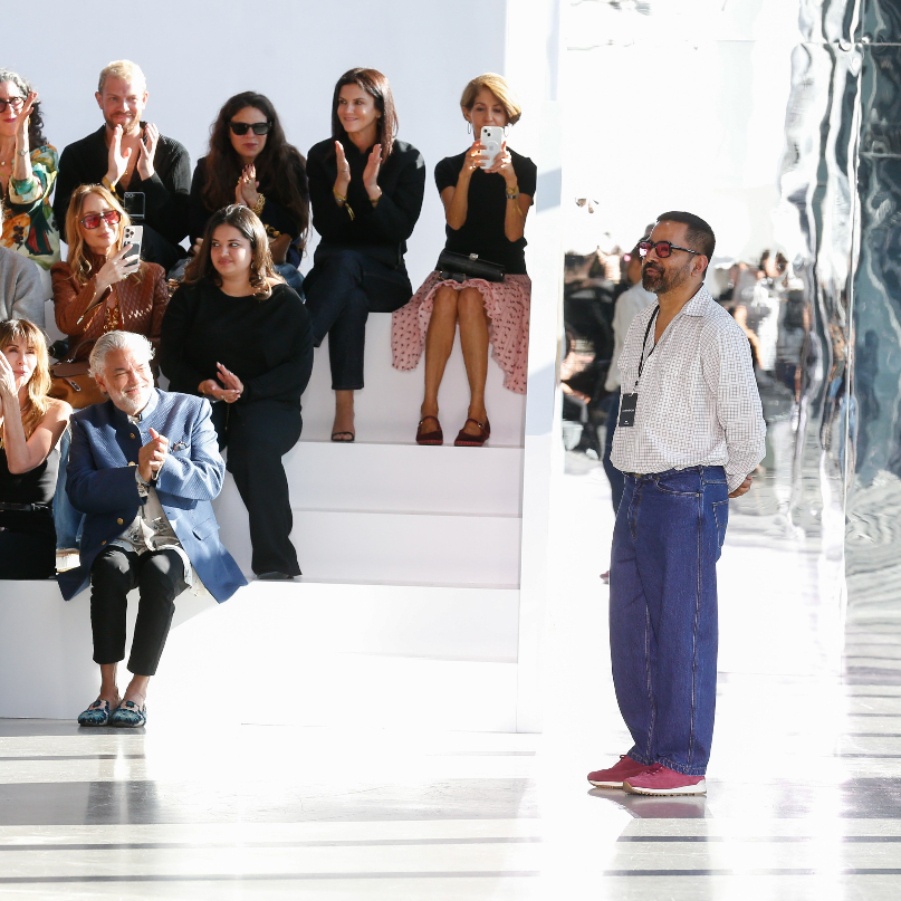
We are standing inside Lindley Hall in Victoria, the venue for Lovebirds’ debut show at London Fashion Week. The cavernous space, with its wooden walls and flooring plastered over in stark white, gives everyone the impression of stepping, quite literally, onto a blank canvas. Fifteen minutes after the show, the designer duo behind the Delhi-based label and real-life partners Amrita Khanna and Gursi Singh are backstage, dressed in black: Singh in a knit turtleneck with jeans and Khanna in a voluminous shirt with her trademark silver chain-link jewellery. They are surrounded by a flurry of editors, buyers, models, and friends of the brand, all unanimously congratulating them on a phenomenal debut. As models around us continue changing out of their outfits and a posse of backstage crew members dismantles electrical equipment, I finally catch a minute with the designers.

“I think I need a drink,” says Singh, looking at me before turning to his partner and bursting out laughing. “Yes, me too,” chimes in Khanna. “I don’t think it has hit me yet. This all just feels too surreal and overwhelming.”

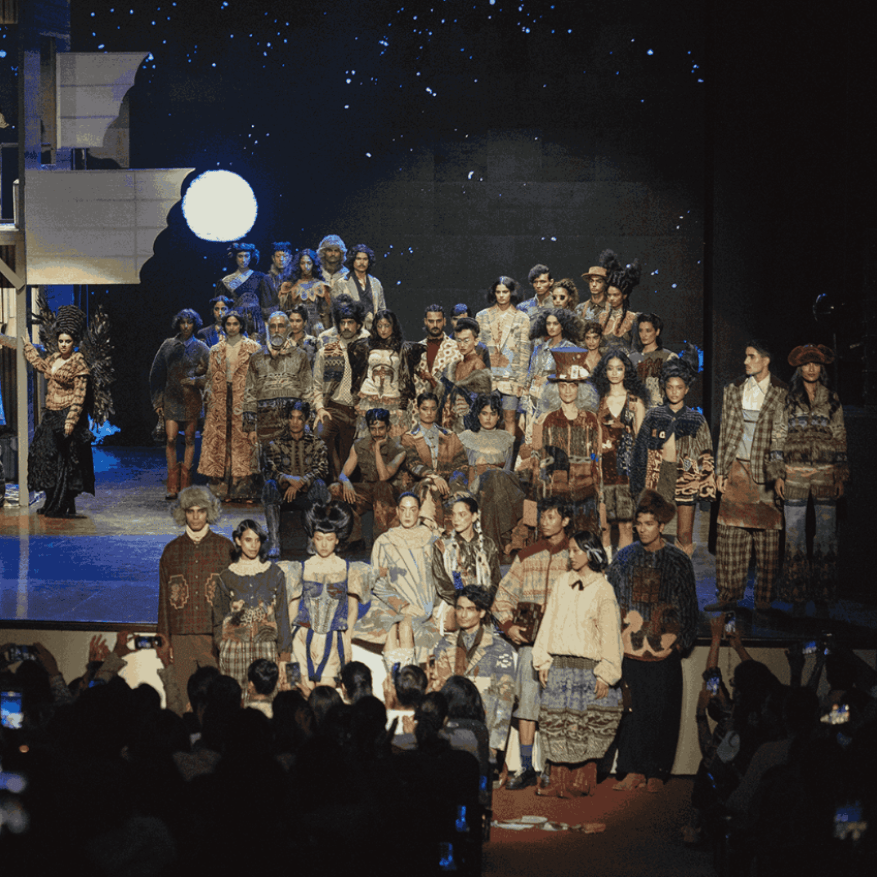
The homegrown label’s London debut unfolded before a packed room of international press and buyers, with a collection that can best be described as a nostalgic yet razor-sharp love letter to the India of the ’60s, ’70s and ’80s. Cheekily named ‘India: IYKYK’, the collection took inspiration from a time when the internet was yet to arrive and the possibilities of what could be achieved with the human hand felt infinite.
“There is so much talk about the handmade and craft,” says Singh. “With this collection, we wanted to explore the world that existed before digital printing: when signs, billboards, and photo studio backdrops were all painted by hand.” Khanna adds: “We all have that one memory of being forced to do it as kids. Today, when there is so much creative anxiety around artificial intelligence, we believe India really has an important story to tell about the luxury that can be found in the handmade.”

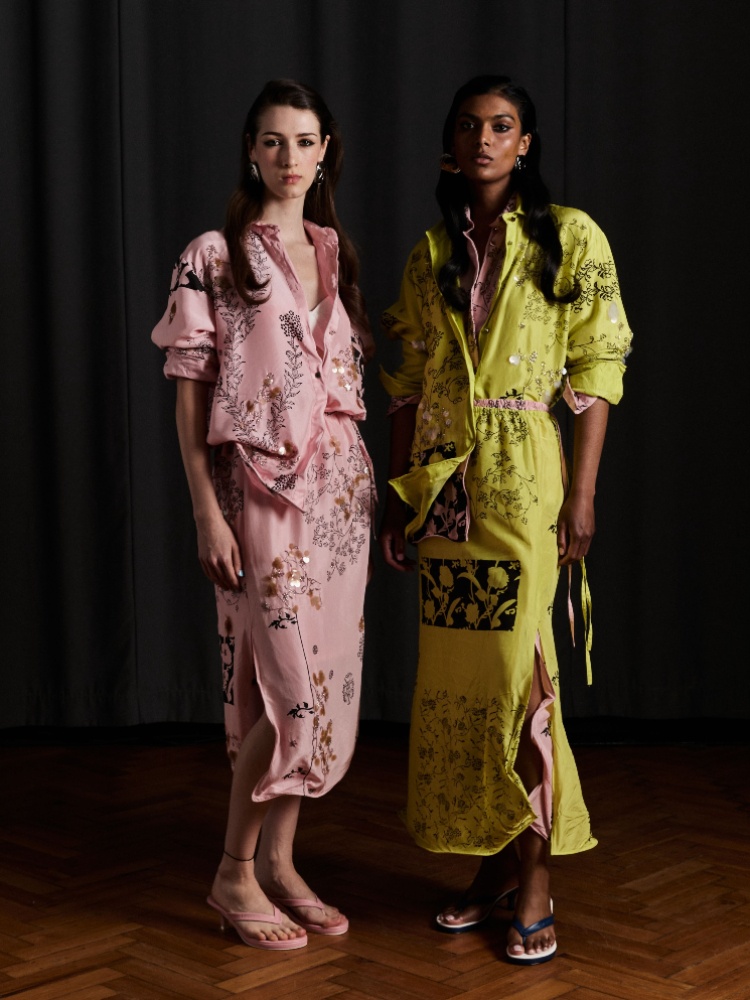
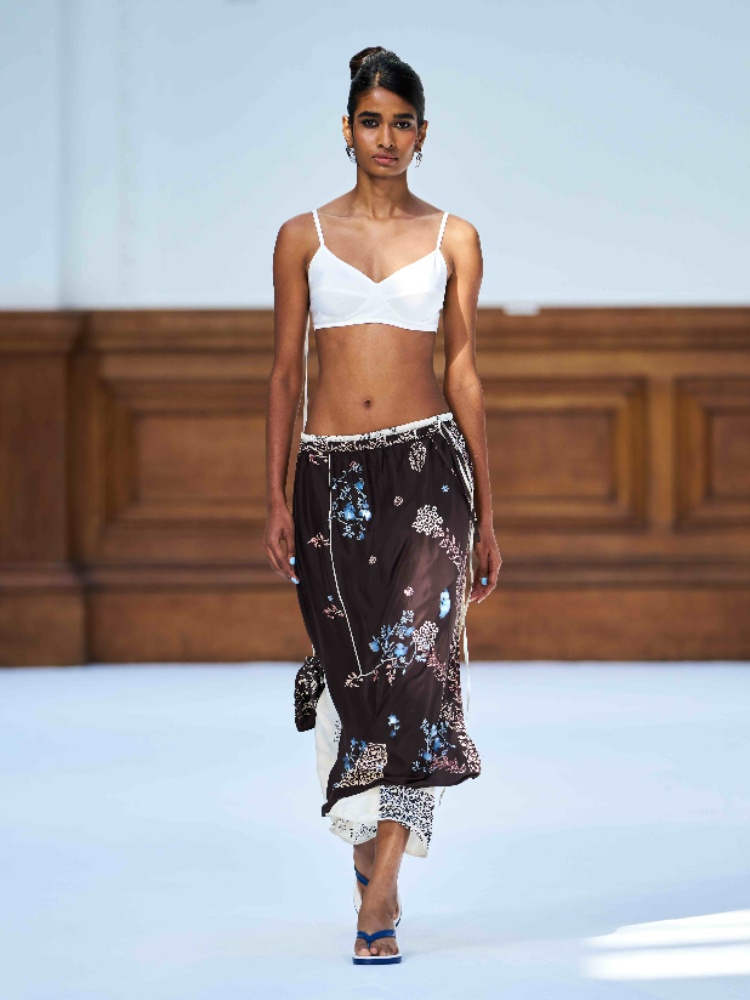
The result was a series of finely tailored looks in a palette of washed-out blues, lemon yellows and pale pinks all inspired by hand-painted advertisements. The show started with a model walking down the runway in a simple silk bra and sheer petticoat adorned with floral embroidery. Her hair was styled in a high-volume ’60s bouffant. “It is one of my favourite looks from the collection,” says Singh adding that it was inspired by, “the memory of seeing our mothers in that moment before they had put on their saris.”

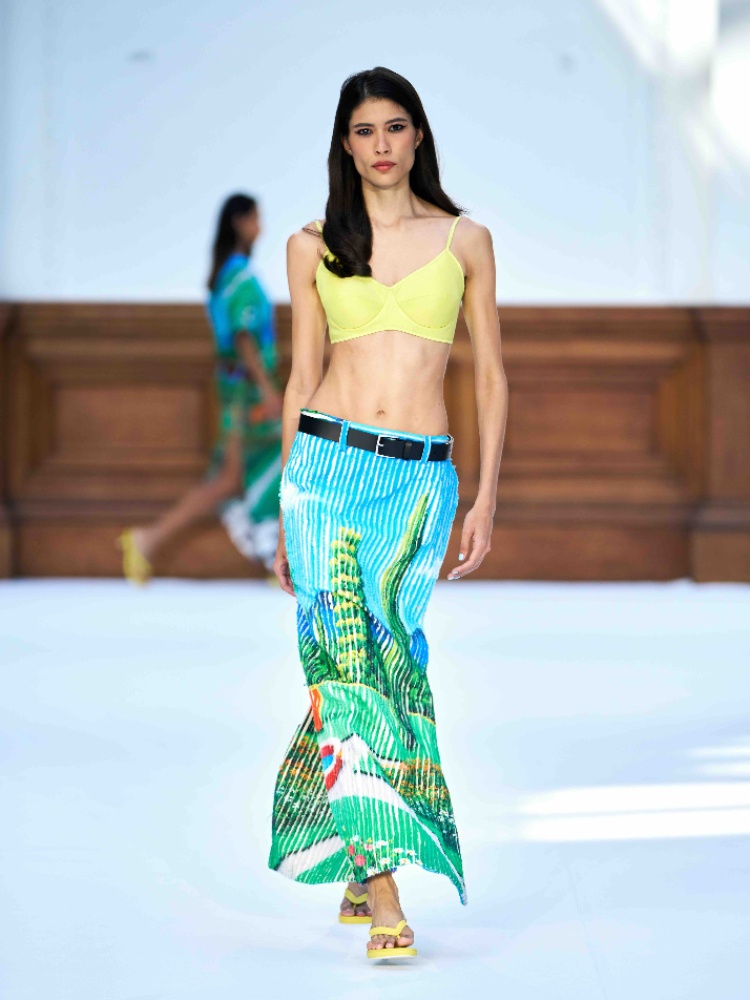
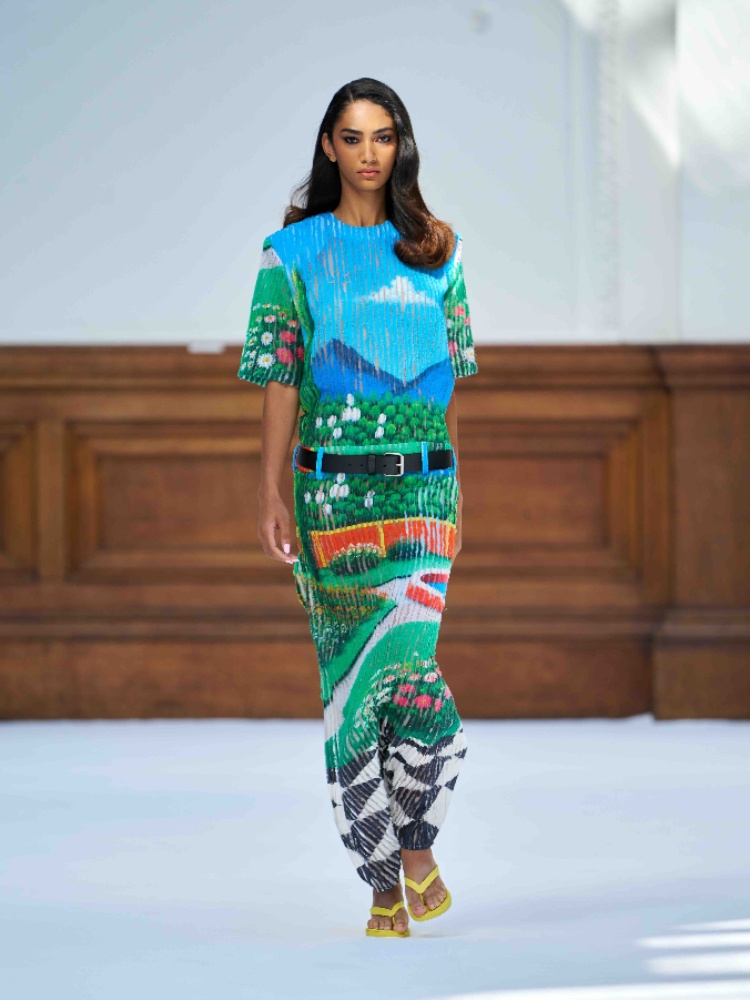
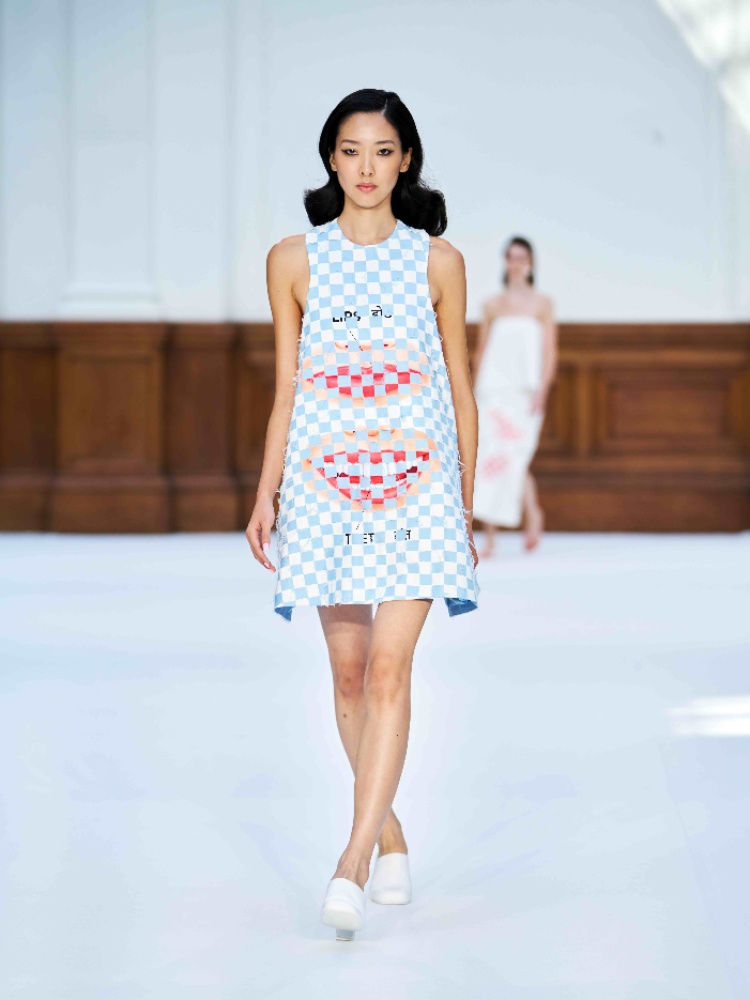
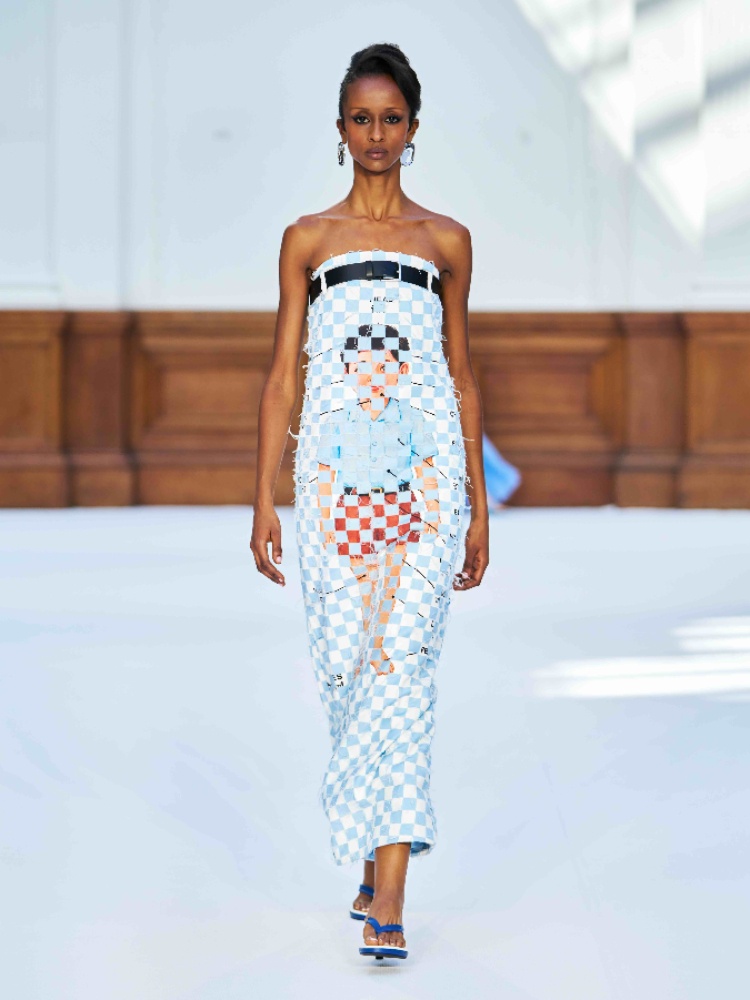
Painted landscapes appeared on pleated skirts, shirts and dresses. Elsewhere, the ‘Adarsh Balak’ illustrations—referring to the Seventies-era posters and comic charts which laid out the expectations of an ideal boy from a middle-class household—became the graphic base for deconstructed evening wear, chicly held up by an obi belt. The outline of a human ear, borrowed straight from primary school textbooks, became the central motif of a blouse, while another print of lips became the primary motif for a skirt.

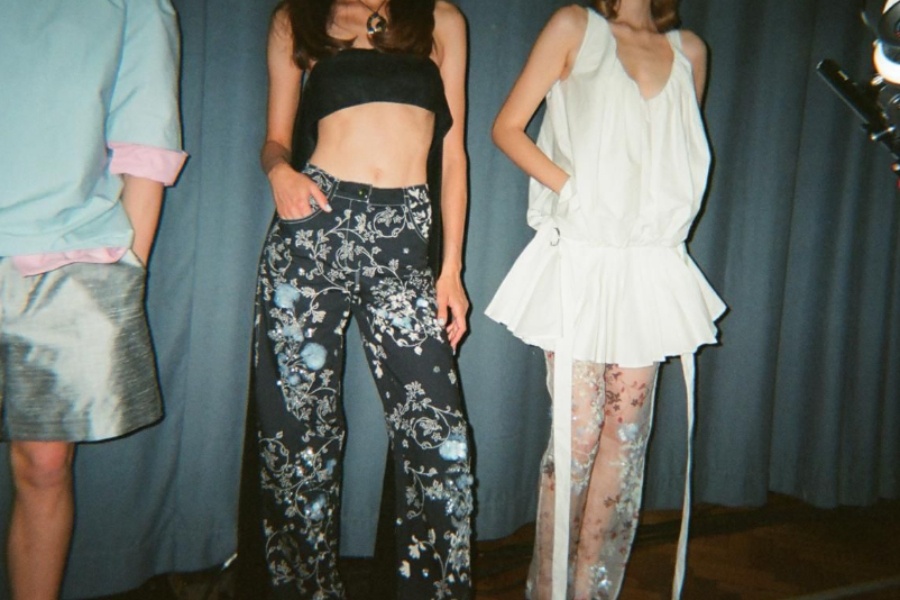
The designer’s continued mining the mundane; models walked the runway in kitten heels inspired by the ubiquitous Bata chappals, a black band tied around their ankles to ward off the evil eye. There was a staggered use of chintz throughout the collection: on jackets, puffball blouses and bloomers, and sheer skirts—a knowing nod to the subcontinent’s ancient history of textile trade.

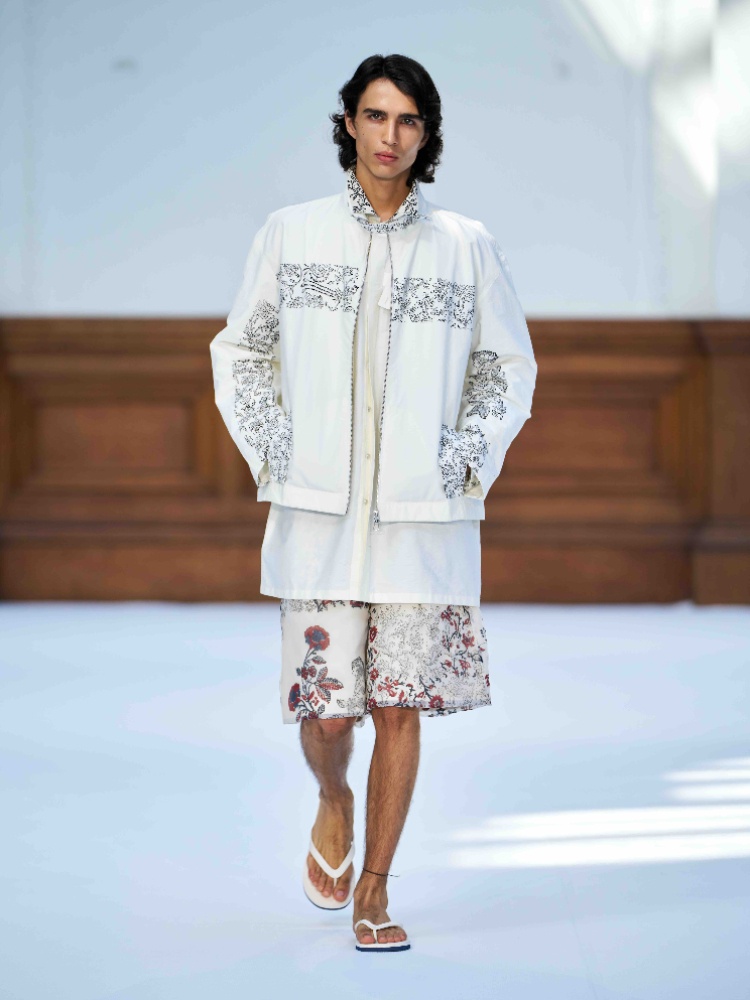
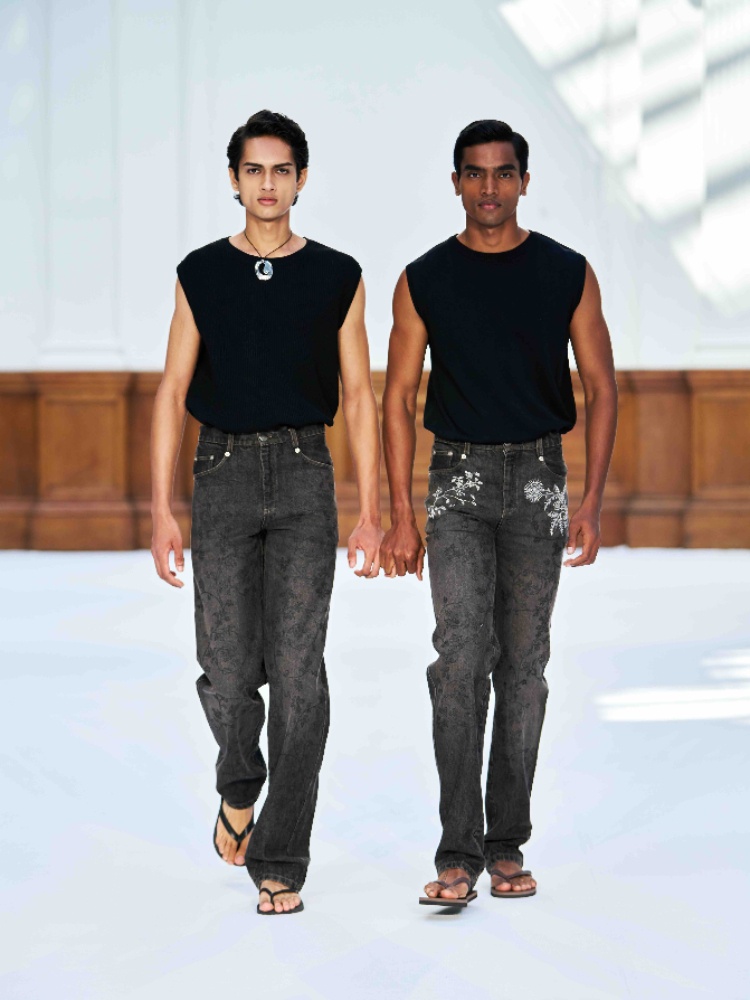
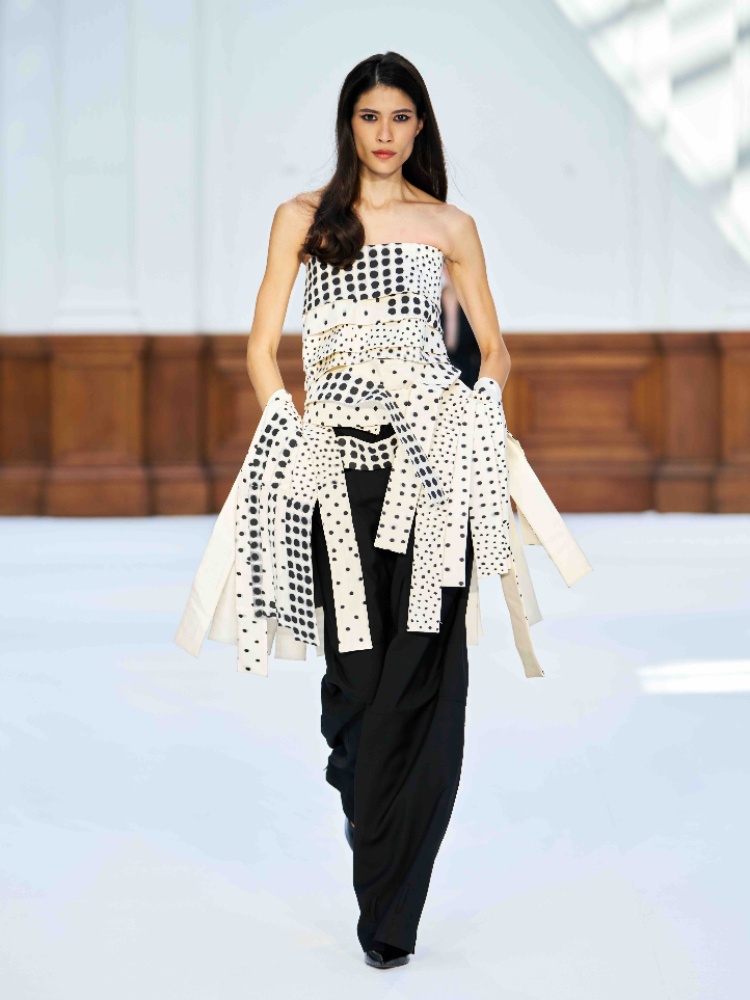
Another standout was the menswear: sleeveless vests paired with embroidered pants; a white jacket with block-print panels teamed up with chintz shorts. At one point, two male models walked down the runway in matching black muscle tees and embroidered grey denim, their pinkies locked in a homoerotic embrace. “Two men crossing the market with their fingers interlaced, discussing the price of onions,” read the show notes. And finally, there were the signature house codes: polka dots on sheer dresses and bandeaus or raw silk skirts in sculpted, geometric, boat-like shapes.

It was a showing loaded with the designers’ trademark whimsies yet grounded in Indian visual codes and craft; chock full of IYKYK references yet suited for a global customer base. Following on the heels of the Sabyasachi show in New York or Raw Mango’s London outing earlier this year (both shows that eschewed the idea of Indian fashion as purely occasionwear), it was proof that we are deep in an era of South Asian design supremacy.

The Nod Newsletter

We're making your inbox interesting. Enter your email to get our best reads and exclusive insights from our editors delivered directly to you.