



Fashion16 Sep 20264 MIN

Sabyasachi puts his own spin on Americana. Yes, there are cowboy hats

The designer’s New York Fashion Week show came with a whole lot of denim and some seriously scrumptious bags

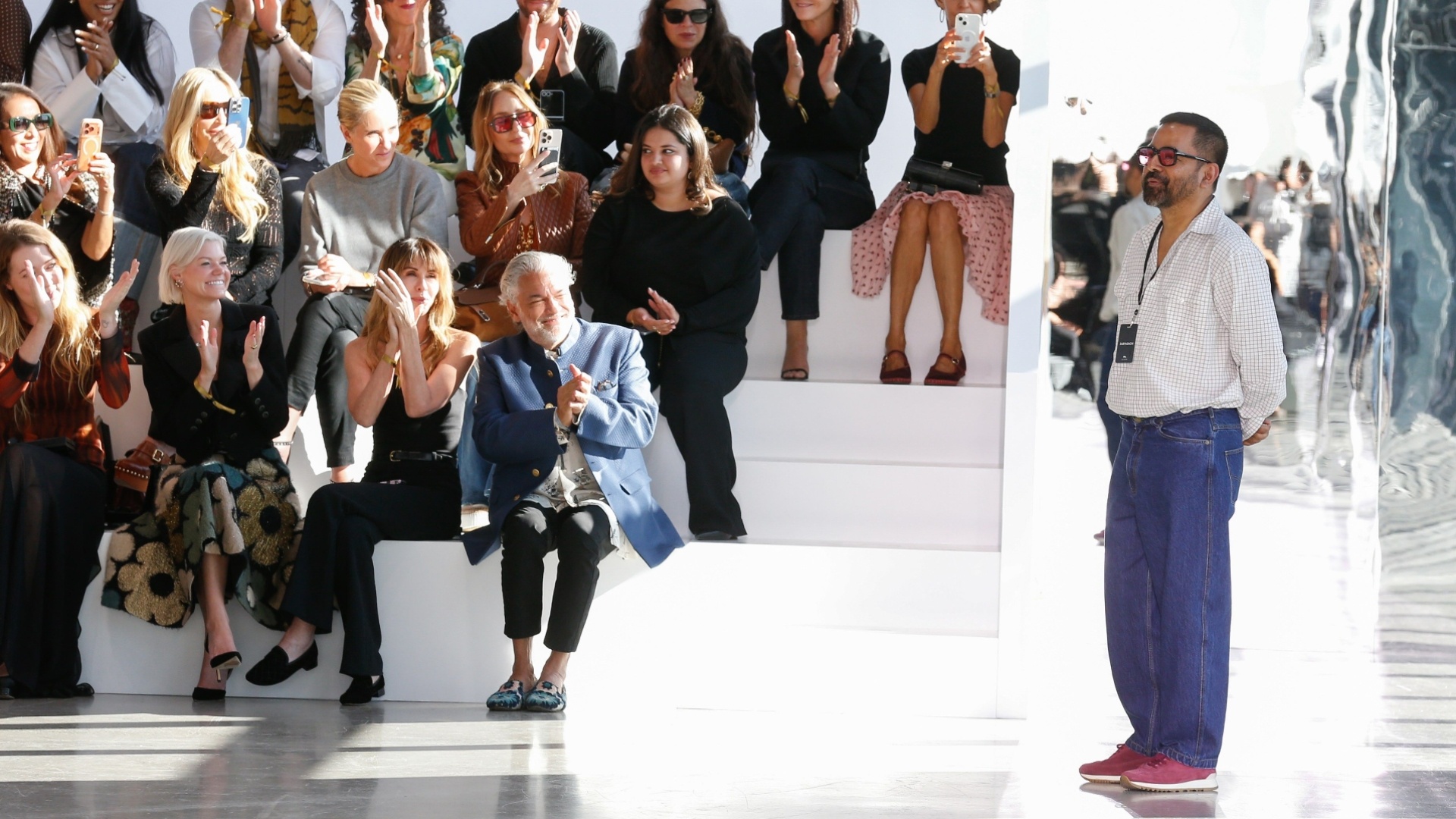
The designer Sabyasachi Mukherjee at curtain call at his NYFW show

Sabyasachi Mukherjee at curtain call at his NYFW show

Courtesy Sabyasachi

Yesterday, on the final day of New York Fashion Week, as the late afternoon sun poured through the giant windows at Spring Studios, Sabyasachi Mukherjee unveiled ‘Bengal Byzantine Broadway’, his latest collection, described in the press notes as a “multi-seasonal runway”. In attendance were designer Prabal Gurung, entrepreneur Mona Patel, actors Poorna Jagannathan and Sarita Choudhury, former PepsiCo CEO Indra Nooyi, stylists Ami Patel and Anaita Shroff Adajania, and actor and perennial Sabya muse Rani Mukerji, to name a few.

The “multi-seasonal” bit is significant. According to the designer, fashion seasons are becoming redundant. “I don’t believe in doing seasons and drops anymore, because I think when you have a story to tell or a product to make, you just make it,” Mukherjee said at the opening of his Delhi flagship last month.

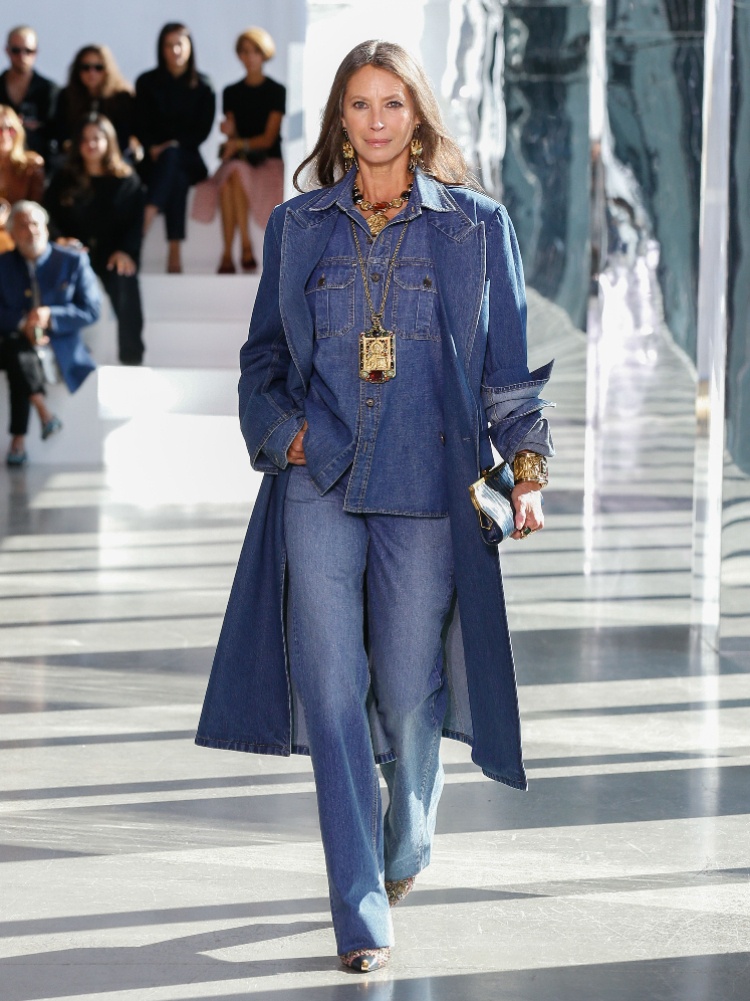
Supermodel Christy Turlington, who closed his 25th anniversary show in Mumbai last January, opened this one in a three-piece Canadian tuxedo: a denim shirt, straight-leg jeans, and a sweeping denim overcoat. Denim first entered the designer’s vocabulary at his Mumbai show last year. In New York, it was practically foundational. “I wanted to make pieces you can wear again and again, and a lot of smart people wear their couture with jeans. It’s like a canvas that instantly makes things cooler,” he previously told The Nod’s Butool Jamal.
‘Bengal Byzantine Broadway’ may sound like an alliterative headscratcher, but it neatly captures how Mukherjee thinks. Constantinople, the seat of the Byzantine empire and present-day Istanbul, supplies the historical fantasy; New York, the modernity; while Calcutta (now Kolkata), where the designer lives and works, is the filter through which it all passes before being transformed at the hands of Sabyasachi’s master artisans. Bridging these worlds could easily tip into pastiche, but Mukherjee treads realms and collects references from disparate periods and places like a magpie, bringing everything into dialogue with one another.

“The best [way to] travel is when you don’t fix your destination. You go to restaurants you never thought you would go to, you meet people, you fall in love, you digress, you go to towns and cities you never thought of visiting,” he said at the Delhi store opening. It’s a fitting metaphor for this collection, which wanders freely. Japanese denim is cut into classic American silhouettes, British tweeds make an appearance, Chinese-inspired embroidery covers velvet jackets, and of course, Indian craftsmanship ties it all together.

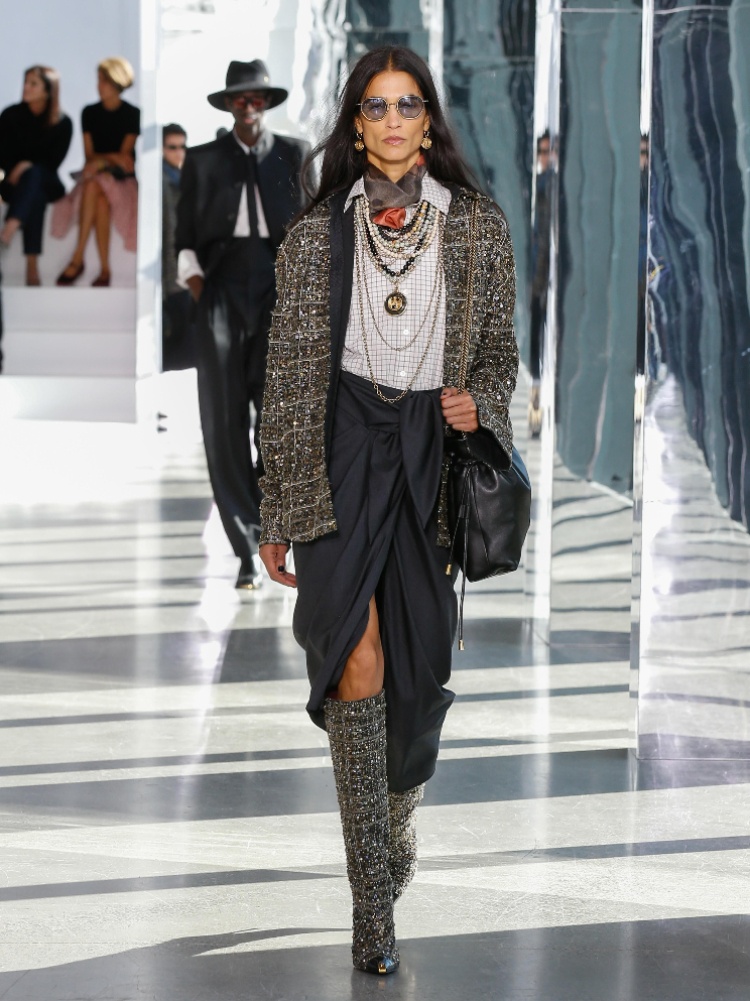
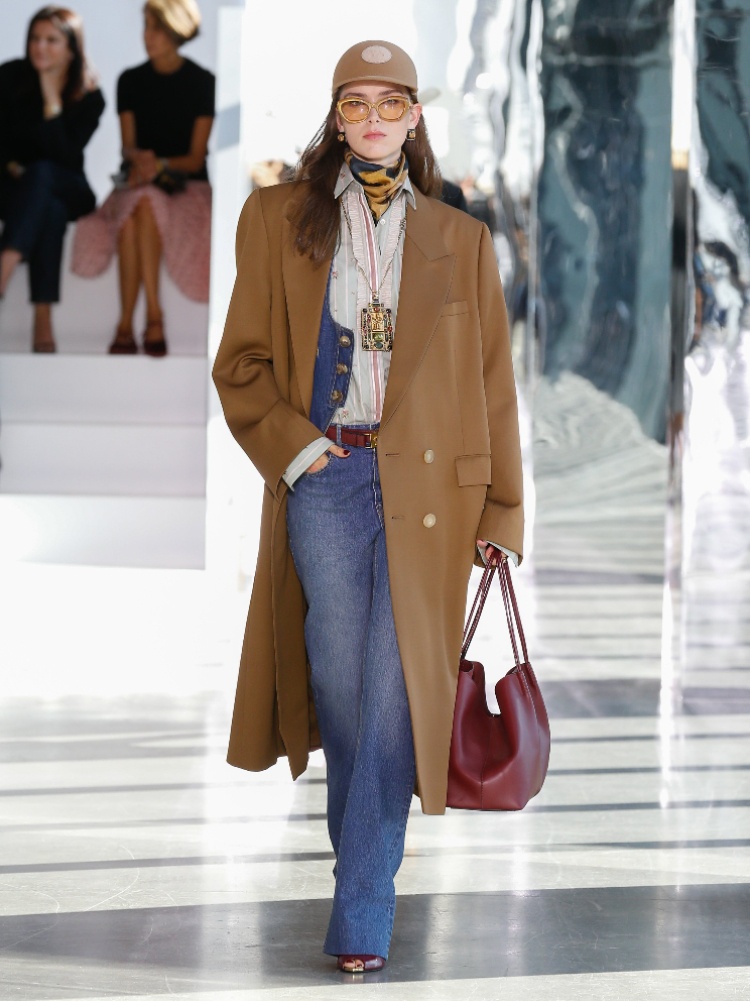
If last year’s show in Mumbai marked a turning point toward more wearable garments for everyday life, his latest collection doubled down on the idea. Elements of Americana style were aplenty: denim cut into shirts, jeans, miniskirts, shirts, chore coats, and vests—some with gold-tone buttons. There were separates in a variety of checks (gingham, windowpane, plaid); striped shirts with ruffled plackets that nodded towards prairie dressing; and an almost comical abundance of headwear. Cowboy, Panama, and baseball hats bearing tiny, inconspicuous logos appeared throughout.

Skirts were predominantly draped and knotted at the hip in a way that recalled lungis, while barrel-shaped trousers were cinched at the waist with cummerbunds (an accessory with Indian roots) and sashes. The tailoring was relaxed and slouchy. By Sabyasachi standards, much of it felt remarkably pared back, but that was kind of the point.

If you’ve read or watched any of the designer’s recent interviews, you’ve probably heard some version of his argument against couture as precious, untouchable clothing that isn’t necessarily relevant today. He wants to make clothes that reflect how people dress IRL—mixing high and low, the precious with the ordinary. “Who decides what is couture? I want to make clothes that are believable, that don’t make you look like Cinderella’s stepsisters… exceptional clothes that can be used again and again,” he told us last month.

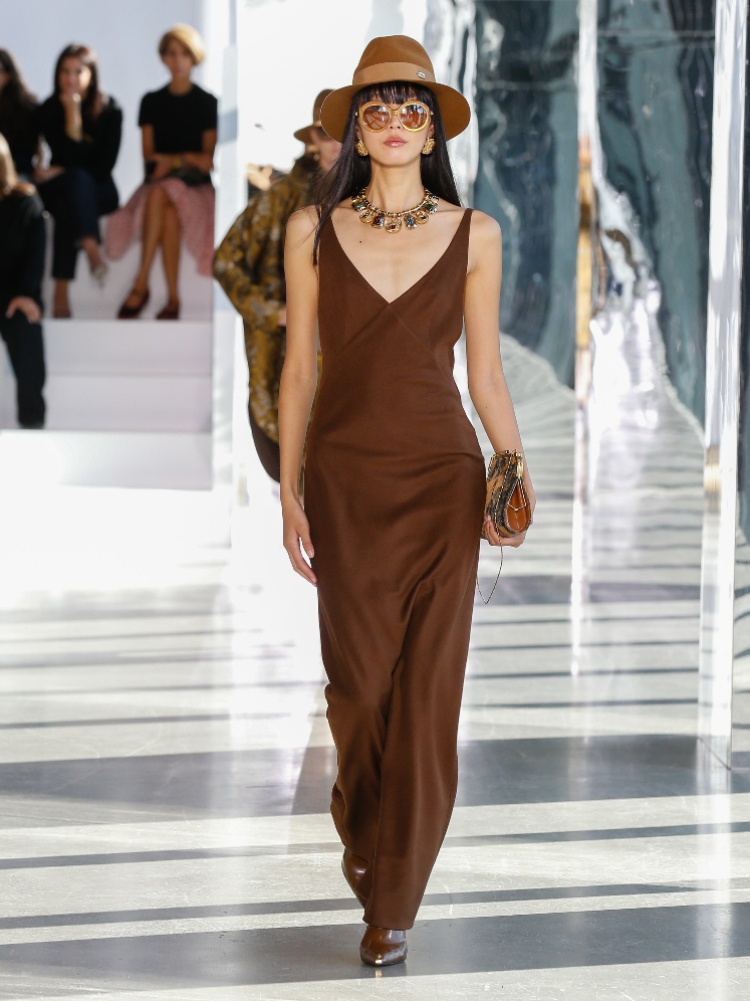
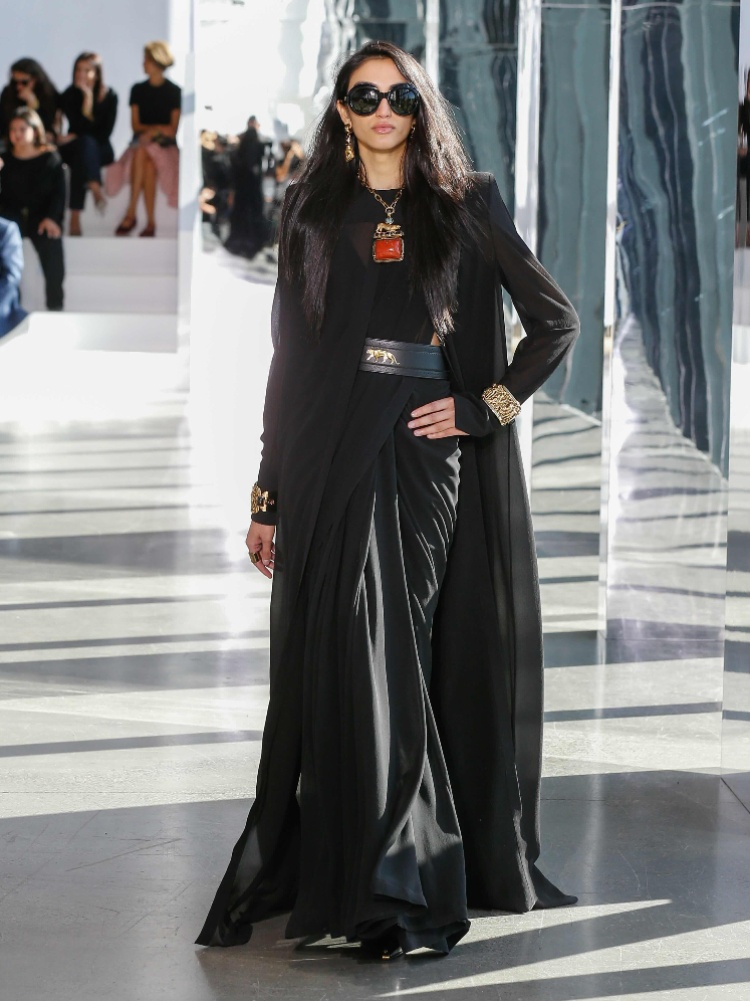
Some of the most telling looks were also the least obviously Sabyasachi. A tawny bias-cut dress, a gingham shirt worn with a matching skirt or trousers, even the plain black sari and opera coat in which Avanti Nagrath closed the show—they could have come from anywhere. They’re not pieces that immediately signal their provenance, but it seems that was the intention. These are garments calibrated for daily life. Plenty of people already have his occasionwear in their closets; now, he’s vying for space in the everyday part of them too.

Not that the show was an exercise in pure normcore. The second half of the show had enough excess to make maximalists swoon. Velvet coats were embroidered with shimmering flowers, lemurs, and cranes. There were embellished, fur-trimmed bolero jackets, full looks in spotted gold lamé, and richly patterned tweed and mohair coats. This was Sabyasachi in more familiar territory: opulent and unabashedly lavish.

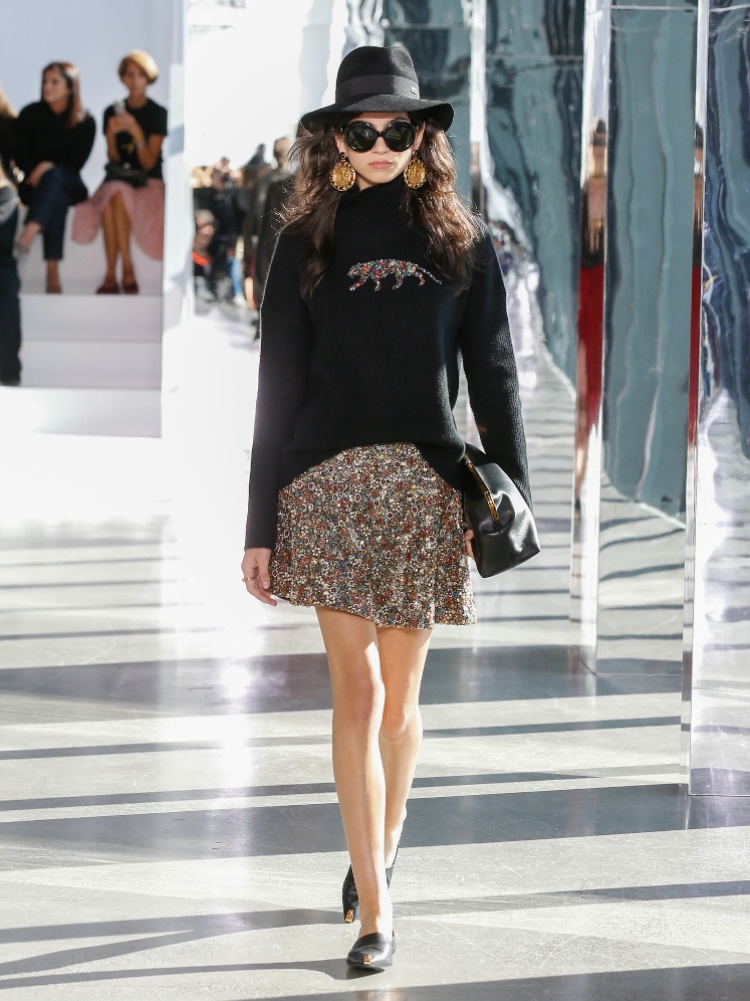
His bestselling ‘Spot the Tiger’ cashmere sweaters, emblazoned with the house’s instantly recognisable Bengal tiger motif, also returned in new embellished forms. Crewnecks appeared in red, grey, and brown, while turtleneck versions were in oatmeal and black. The latter, with its jewelled motif, brought to mind the Christian Lacroix jacket with the enormous bejewelled cross that Michaela Bercu wore on the cover of Vogue back in 1988.

The jewellery was just as unapologetically rich: medallion necklaces, cross pendants, cuffs, and earrings from the high-jewellery collection created in collaboration with the Metropolitan Museum of Art, drawing inspiration from the museum’s archives.

The bags, however, were especially compelling. Sabyasachi’s tiger-logo-emblazoned clutches have become festive- and wedding-season staples, but here the branding was noticeably toned down. Among the several scrumptious bags on offer were a cheetah-print shoulder bag with a decadently embroidered flap, roomy suede totes, and compact clutches, all with smaller, understated logos. “We have a lot of European designers training our handbag [department] to make the finest handbags, and they come from the best ateliers in the world,” he said last month. It shows.

As for the pieces most likely to inspire desire? The bejewelled cashmere sweaters are an obvious contender, especially given how the earlier drops flew off shelves and racked up a three-month waitlist. But I’d keep an eye on the bags. If Mukherjee’s larger ambition is to move beyond occasion dressing and into the everyday wardrobe, the bags may be the quickest way in.

The Nod Newsletter

We're making your inbox interesting. Enter your email to get our best reads and exclusive insights from our editors delivered directly to you.